
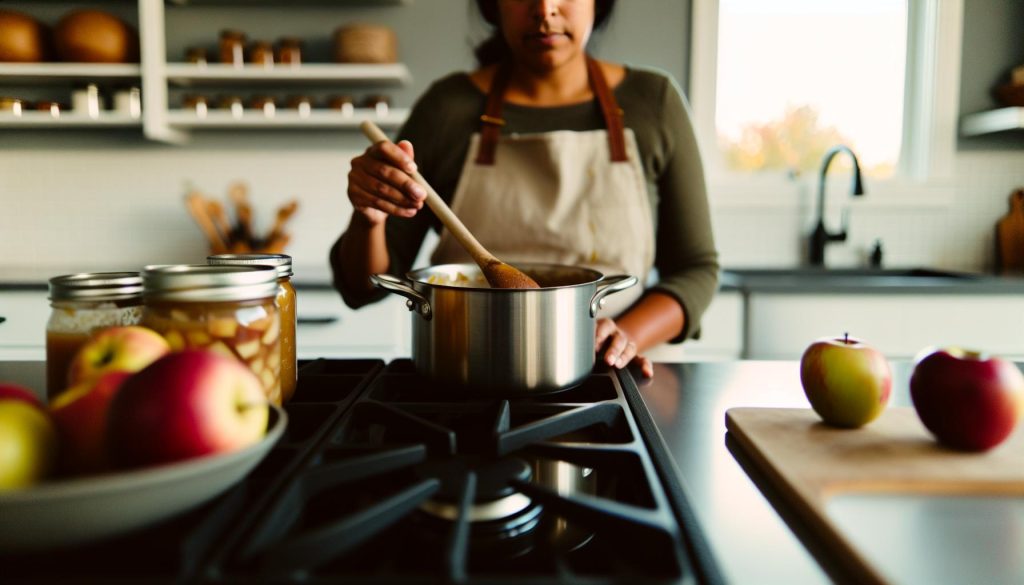
Did you know that making homemade apple butter can fill your kitchen with the warm, comforting aroma of spiced apples and cinnamon in just under an hour? This stovetop apple butter recipe is not only delicious but also incredibly simple, making it an ideal choice for both novice and experienced home cooks. Perfect for spreading on toast, dolloping on pancakes, or even gifting in cute jars, this versatile condiment brings the taste of fall right to your table year-round. Whether you have an apple surplus from your local orchard or simply want to enjoy a delightful homemade treat, this quick and easy recipe will have you savoring the sweet, rich flavor of apple butter without the fuss. Let’s dive in and create something delicious that celebrates the simple joys of cooking together!
Choosing the Right Apples for Your Butter Recipe
Choosing the right apples is crucial for making a delicious stovetop apple butter. Not all apples were created equal, and selecting the best variety can make a significant difference in flavor and texture. Generally, you’ll want to look for apples that are on the sweeter side, as they add natural sugars and flavor without needing extra sweeteners. Popular choices include Honeycrisp, Fuji, and Golden Delicious. These apples break down beautifully during cooking and provide a lovely balance of sweetness and acidity.
For a more complex flavor profile, consider mixing varieties. Pairing tart apples like Granny Smith with sweeter ones can enhance the apple butter’s taste. The tartness helps cut through the sweetness, creating a more rounded and balanced flavor. For instance, a combination of Honeycrisp and Granny Smith apples can yield a delightful contrast that elevates your apple butter above the ordinary.
When selecting apples, always look for firm, unblemished fruit. Avoid those with bruises or soft spots, as they may not cook down well and would introduce undesirable textures. Organic apples are a great option when available since they don’t contain pesticides that could affect the taste of your homemade butter.
Ultimately, the best apple choice comes down to personal preference, so don’t hesitate to experiment with different combinations to find what you love most. Embrace your inner alchemist, and let your taste buds guide your selections for a unique and scrumptious apple butter!
Essential Ingredients for Stovetop Apple Butter

To create a delightful stovetop apple butter that’s ready in under an hour, you’ll need a handful of essential ingredients that work together to bring out the rich flavors of the apples. First and foremost, your choice of apples is key, as they provide the base flavor. Alongside your star ingredient, there are a few more items that will elevate your apple butter from good to great.
Start with the apples-around 3 to 4 pounds. A mix of sweet and tart varieties will give you a balanced flavor profile. Aim for about 50% sweet apples like Honeycrisp and Fuji, and 50% tart apples like Granny Smith. Peel, core, and chop them into manageable pieces, but don’t stress about being perfect; they’ll cook down nicely.
Next, you’ll want some sweetener to complement the natural sugars of the apples. Brown sugar is a fantastic choice, as it adds depth and a hint of molasses flavor. You can use about ½ to 1 cup, depending on how sweet you like your butter. If you prefer a healthier alternative, consider substituting with maple syrup or honey.
A touch of spice will enhance the aromatic quality of your apple butter. A blend of ground cinnamon (around 1 teaspoon), nutmeg (¼ teaspoon), and allspice (¼ teaspoon) adds warmth and complexity. If you enjoy a bit of kick, a pinch of ginger can also be a delightful addition. Don’t forget a splash of lemon juice (about 1-2 tablespoons) to brighten the flavors and help preserve the lovely color of the cooked apples.
Finally, water or apple juice will help with the cooking process, so the apples don’t stick to the bottom of your pot. Start with about ½ cup and adjust as needed.
With these ingredients, you’re all set to create a luscious apple butter that not only captures the essence of fall but can also be customized to your taste. Gathering these essentials will make your stovetop adventure fast and fun, turning your kitchen into an aromatic haven in no time!
Step-by-Step Stovetop Apple Butter Instructions

Starting your journey into homemade apple butter is like inviting the warm, cozy flavors of fall right into your kitchen. With just a few straightforward steps, you can transform simple ingredients into a rich, spreadable delight that’s perfect for breakfast or snacks. Let’s dive into how to make this delicious treat on the stovetop in under an hour, ensuring it’s both approachable and rewarding.
Begin by preparing your apples. After you’ve peeled, cored, and chopped about 3 to 4 pounds of your chosen apple mix-think 50% sweet varieties such as Honeycrisp and Fuji, paired with 50% tart options like Granny Smith-it’s time to cook. Place the chopped apples into a large saucepan. Add a splash of water or apple juice (around ½ cup) to prevent sticking and facilitate steaming. Then, sprinkle in your chosen sweetener-brown sugar works beautifully here for its depth and complexity. Adjust the amount based on your sweetness preference, roughly ½ to 1 cup.
Next, it’s spice time! Toss in approximately 1 teaspoon of ground cinnamon, ¼ teaspoon of nutmeg, and ¼ teaspoon of allspice to create that warm, inviting aroma that fills your kitchen. If you like a bit of heat, a pinch of fresh ginger can elevate the flavor even further. Don’t forget about the lemon juice! This not only brightens up all those lovely flavors but also helps to maintain that vibrant color in your apple butter. Stir everything together, making sure the apples are well coated with the spices and sweetener, and then cover the pot.
Now, it’s time to cook! Heat your mixture over medium heat, bringing it to a gentle simmer while stirring occasionally. The goal here is to soften the apples-this should take about 20 to 30 minutes. As the apples begin to break down, you’ll notice the glorious transformation into a chunky apple sauce. Once your apples are completely soft and falling apart, it’s blending time. Reduce the heat to low and use an immersion blender to puree the mixture until it reaches your desired consistency-smooth or chunky, it’s entirely up to your personal taste.
Let your apple butter simmer for another 10 to 15 minutes until it thickens up nicely. Remember to taste and adjust seasoning if needed, perhaps adding a touch more sugar or spice. When it’s done, ladle your warm apple butter into clean jars and allow it to cool before sealing. You now have a homemade treat that’s bursting with flavor, ready to be enjoyed however you like!
Time-Saving Tips for Quick Apple Butter

Making apple butter can be a delightful addition to your kitchen repertoire, but finding ways to speed up the process can make it even more enjoyable. Here are some helpful tips to ensure you get that luscious homemade apple butter on the table in record time.
First, consider using an apple corer and peeler. This nifty tool saves you valuable minutes when preparing your apples. You can quickly peel, core, and slice a substantial number of apples, which is crucial when your recipe calls for 3 to 4 pounds. If you don’t have one, fear not! Just gather your trusty knife and cutting board, but keep your slices uniform for even cooking.
To make the cooking process more efficient, choose smaller pieces when chopping your apples. Smaller pieces soften faster, which means less simmering time for those delightful flavors to meld. Additionally, try to use a wide, shallow pot-the more surface area you have, the quicker moisture evaporates, allowing your apple butter to thicken faster.
One of the best ways to optimize cooking time is to increase the heat slightly during the initial simmering phase. Be sure to keep a close eye on your mixture and stir frequently to prevent sticking. If you notice any bits at the bottom starting to catch, reduce the heat. As the apples break down, you can begin blending them sooner rather than later once they have softened.
Finally, consider batch-prepping your apple butter. If you find yourself with some free time, make a larger batch than you need and store the extra in jars. This way, you can enjoy homemade apple butter any time you want without the need for another time-consuming cooking session. Just remember to label and date your jars, so you know when to use them up! With these tips, you’ll be well on your way to savoring homemade apple butter in a fraction of the time.
Common Mistakes to Avoid When Making Apple Butter
Making apple butter at home can be a rewarding experience, but there are common pitfalls that can turn your sweet venture into a sticky situation. To help you create a perfectly smooth and flavorful apple butter, here are some key mistakes to watch out for.
One frequent error is not choosing the right apples. Not all apples are created equal, especially when it comes to making apple butter. Aim for a mix of sweet and tart varieties, such as Honeycrisp, Fuji, and Granny Smith. This balance enhances the depth of flavor. If you stick to just one type, the final product may lack the complexity and sweetness you desire.
Another common mistake is not giving your apples enough time to soften. Rushing the cooking process can lead to a chunky, less spreadable butter. Allow the apples to simmer adequately; this enhances flavor and ensures a smoother texture. Remember, as the apples cook down, they release natural pectin, which helps thicken your butter. Stirring occasionally not only helps prevent burning but also encourages even cooking.
You should also be careful with the spices. While it’s tempting to add a dash of everything in your spice cabinet, this can overwhelm the natural apple flavor. Stick to a few key spices like cinnamon and nutmeg, and taste as you go to find your perfect balance. A little can go a long way, and adjusting spices after the cooking process often leads to a more harmonious flavor.
Lastly, don’t overlook the importance of proper storage. If you don’t jar your apple butter correctly or use the right containers, it may spoil faster than anticipated. Ensure that your jars are sterilized and airtight before filling them up. This simple step will help keep your homemade apple butter fresher for longer, allowing you to enjoy it well into the colder months.
By avoiding these common mistakes, you’ll be on your way to crafting a delightful apple butter that showcases your homemade creativity and brings warmth to your kitchen. Happy cooking!
Creative Flavor Additions for Unique Apple Butter
Adding creative flavor elements to your apple butter can elevate your homemade spread, making it truly unique and an expression of your personal taste. While traditional apple butter usually features warm spices like cinnamon and nutmeg, branching out to incorporate unexpected ingredients can yield delightful results. Here are some fun ideas to try, each bringing a new twist to your apple butter.
Citrusy Zing
Infusing a hint of citrus can brighten up the rich sweetness of apple butter. Add the zest of one to two oranges or lemons while the apples cook down. This simple addition not only enhances flavor but also adds a fresh aroma that makes your kitchen smell amazing. You can also stir in a splash of fresh orange or lemon juice during the cooking process for a lively finish.
Herbal Notes
Consider introducing herbs for a sophisticated twist. Fresh rosemary or thyme can enhance the apple’s flavor profile. Start with small amounts-about a teaspoon of finely chopped fresh herbs. These herbs can add depth and complexity without overpowering the natural sweetness of the apples. For a more robust herbal flavor, you could also steep a sprig in your apple mixture and then remove it before blending.
Sweet and Spicy Combinations
Try adding a kick with spices beyond the usual cinnamon. A pinch of ground ginger or cloves can offer an exciting heat. If you enjoy a little sweetness alongside that spice, consider mixing in a bit of maple syrup or honey. This will not only sweeten but also add a richer flavor that complements the apples beautifully. Aim for about 1 to 2 tablespoons depending on your taste and the sweetness of the apples used.
Nutty Flavor Enhancements
For a hint of nuttiness, think about adding ground nuts like almonds or walnuts. Just a few tablespoons will enrich the texture and provide healthy fats that enhance the spreadability of your apple butter. If you prefer a smoother result, you might blend the nuts into your apple butter before it’s finished cooking. Another option is to sprinkle crushed nuts on top when serving, adding a delightful crunch.
With these additions, you’re free to experiment and create a batch of apple butter that’s a true reflection of your culinary flair. Remember, the key is to start small and taste as you go. By playing with the ingredients, you’ll discover flavor combinations that might just become your new favorite! Happy cooking!
Storing and Preserving Your Homemade Apple Butter
Making homemade apple butter is a delightful culinary adventure, and understanding how to store and preserve it properly ensures you can enjoy this treat for months to come. After you’ve labored over those apples, sweetening and spicing them to perfection, you’ll want to take the right steps to keep your creation fresh and flavorful.
First and foremost, let your apple butter cool down to room temperature before storing it. This prevents condensation, which could lead to spoilage. Once cooled, you have a couple of great options for storage. If you plan to enjoy your apple butter within a week or two, a clean glass jar with a tight-fitting lid is perfect. Just scoop your apple butter into the jar, seal it tightly, and store it in the refrigerator where it will stay fresh and delicious.
For longer-term storage, canning is the way to go. You’ll want to ensure your jars are properly sterilized by boiling them for about 10 minutes. Once filled, leave about a half-inch of space at the top of the jar and wipe the rims before sealing them with lids. Process your jars in a boiling water bath for about 10 minutes to create a vacuum seal, keeping your apple butter safe for up to a year when stored in a cool, dark place. Remember to label your jars with dates, so you know when to use them by.
If canning isn’t your style, you can also consider freezing your apple butter. Portion it into airtight containers or freezer bags, leaving some space for expansion as it freezes. This method allows you to enjoy homemade apple butter any time you crave it, without committing to all at once.
Ultimately, whether you’re savoring your apple butter fresh from the fridge or enjoying a jar from your pantry in the dead of winter, proper storage techniques will keep this simple pleasure accessible. So fill those jars with pride, and enjoy the fruits of your labor all year long!
Serving Suggestions: How to Enjoy Apple Butter
There’s something magical about apple butter that makes it a perfect companion for a variety of dishes. This sweet and spiced treat is not just a spread; it’s a versatile ingredient that can elevate your meals and snacks. Whether you’re drizzling it over pancakes or spreading it on toast, the possibilities are endless!
One of the simplest ways to enjoy apple butter is on breakfast favorites. Try slathering it on warm, toasted bread or English muffins. It pairs wonderfully with a pat of butter for an indulgent morning treat. Consider mixing it into yogurt or oatmeal for a burst of flavor and a touch of sweetness. For a delightful twist on classic French toast, use apple butter as a filling, adding a scrumptious depth to the dish.
If you’re looking to get a bit more creative, apple butter can be used as a glaze for meats. Brush it onto pork chops before grilling or baking to give your dish a beautiful caramelized finish. It also works well as a condiment for sandwiches-spread it on your turkey or ham sandwiches for a surprising yet delicious flavor.
Don’t forget the dessert options! Apple butter can be swirled into cake batters for a fruity twist or used as a filling in pastries and cakes. It’s particularly delightful in oat bars or used to top vanilla ice cream-a simple yet indulgent dessert that will impress guests.
In summary, whether it’s enhancing your breakfast, adding a unique twist to savory dishes, or sweetening up your desserts, apple butter is incredibly versatile. Experimenting with it in different recipes opens up a world of delicious options-don’t hesitate to be creative and make it your own!
Nutritional Benefits of Homemade Apple Butter
Imagine indulging in a rich, velvety spread that not only tantalizes your taste buds but also offers a range of nutritional benefits. Homemade apple butter is not just a delicious treat; it also packs a surprising punch when it comes to health. With apples as the main ingredient, this sweet spread is loaded with vitamins and antioxidants, making it a smart addition to your pantry.
Apple butter is made primarily from apples, which are renowned for their numerous health benefits. Each serving is typically rich in dietary fiber, which aids digestion and helps maintain a healthy weight. The soluble fiber found in apples can help lower cholesterol levels and regulate blood sugar, making apple butter a heart-healthy choice. A quick boost in energy can also come from the natural sugars present in apples, making it a great option for breakfast or a midday snack.
Moreover, when you make apple butter at home, you have control over additional ingredients, allowing you to adjust the sugar content and incorporate spices that can enhance its health properties. For instance, by adding cinnamon, you not only boost flavor but also introduce anti-inflammatory properties and blood sugar regulation benefits that cinnamon offers.
It’s worth noting that homemade apple butter usually contains fewer preservatives and artificial ingredients compared to store-bought versions. This aspect not only makes it a healthier choice but also aligns with the growing trend of consuming natural, homemade foods. To add even more nutritional value, consider choosing organic apples, which can reduce your exposure to pesticides and provide more robust flavors.
In summary, enjoying homemade apple butter means savoring a delightful spread that is also good for you. Its fiber content, natural sugars, and potential for added spices make it a versatile and nutritious choice for enhancing your meals and snacks without compromising on taste.
Exploring Apple Butter Variations Around the World
Apple butter is a delightful treat that has traveled the globe, taking on various flavors and forms in different cultures. Whether you’re in the United States enjoying a traditional spread with your morning toast or across the ocean in Germany indulging in some Apfelmus, there are endless variations of this sweet and spicy spread. Each region adds its unique twist, reflecting local tastes, seasonal fruits, and traditional recipes.
In the United States, apple butter is often infused with warm spices like cinnamon, nutmeg, and allspice, enhancing its rich flavor. However, in France, you might find a delightful twist with variations incorporating Calvados, a type of apple brandy, for a sophisticated touch. This not only deepens the flavor but also adds a bit of seasonal festivity to the spread.
Meanwhile, in the UK, “apple butter” can refer to a thicker apple sauce that is often used in baked goods or served alongside pork. It highlights how regional preferences influence the texture and consistency of apple butter, adapting to culinary uses beyond just a spread.
Another fascinating twist comes from Asian cuisines, where apple butter might be blended with ginger or other fruits such as pears or rhubarb, creating harmonious flavor profiles that showcase both sweetness and tang. These variations reflect how apple butter can be more than just a winter preserve; it can transform into a creative ingredient for pairing with savory dishes or enhancing dessert presentations.
Exploring these global variations can inspire your homemade apple butter adventures. Experimenting with local spices or even adding a splash of your favorite liqueur can give your version a unique flair that celebrates both the traditional and the new. Remember, the beauty of making apple butter at home lies in its versatility. So, feel free to mix and match flavors, and enjoy the delightful journey of crafting this cherished spread!
Delicious Apple Butter Recipes Beyond Spreading
Imagine the warm, inviting aroma of apple butter wafting through your kitchen, but did you know this delightful spread can also transform dishes in unexpected ways? Beyond simply slathering it on toast, homemade apple butter can elevate your culinary creations, infusing them with rich flavors and a touch of sweetness. Let’s explore some delicious recipes that showcase apple butter’s versatility and prove it’s a star ingredient in both comfort food and gourmet options.
Sweet Treats
Apple butter can bring depth to your desserts. Consider using it as a key ingredient in your next batch of apple butter cupcakes. Just substitute half the sugar in your recipe with apple butter – it adds moisture and a caramelized apple flavor that’s simply irresistible. Another delightful option is apple butter oatmeal cookies. Mix apple butter into your favorite cookie dough for a spicy-sweet finish that’ll have everyone coming back for seconds.
Savory Delights
Don’t overlook apple butter’s ability to complement savory dishes! It pairs beautifully with meats. Try glazing pork tenderloin with a mixture of apple butter and Dijon mustard before roasting. The result is a juicy, flavorful dish that makes weeknight dinners feel special. You can also make a unique barbecue sauce by combining apple butter with vinegar, ketchup, and spices. Slather it on grilled chicken or ribs for a tangy twist that will impress your guests.
Innovative Breakfast Ideas
For breakfast, apple butter is more than just a spread. Transform your daily routine with apple butter pancakes. Just fold some into your pancake batter for a warm, cinnamon-infused flavor. Or, elevate your morning yogurt bowl by layering it with granola and apple slices, drizzled with a bit of apple butter for added sweetness and a delightful texture.
Creative Pairings
The possibilities don’t end there! Use apple butter as a base for fruit compotes by simmering with seasonal fruits like pears or cranberries. Serve this colorful mix over cheeses like brie or goat cheese for an elegant appetizer. You can even experiment with drizzling apple butter over cheese boards for that perfect sweet-and-savory balance that everyone craves.
Whether you’re whipping up a decadent dessert, enhancing a savory dish, or adding flair to breakfast, apple butter is a surprisingly versatile ingredient that can elevate your cooking in delightful ways. Embrace your creativity, and let this humble spread inspire your next culinary creation!
Frequently asked questions
Q: How long does it take to make apple butter on the stovetop?
A: Stovetop apple butter can be ready in under an hour with effective cooking techniques. By using pre-cooked apples or a high heat setting initially, you can expedite the cooking process without sacrificing flavor.
Q: What apples are best for making apple butter quickly?
A: For quick apple butter, choose soft and sweet varieties like Fuji, Gala, or Honeycrisp. These apples break down faster when cooked, which aids in speeding up your stovetop process.
Q: Can I use applesauce instead of fresh apples for making apple butter?
A: Yes, you can substitute applesauce for fresh apples when making apple butter. This method not only reduces cooking time but also provides a smoother consistency, though you may want to adjust spices for flavor balance.
Q: What are some common spices to add to apple butter?
A: Cinnamon, nutmeg, and cloves are popular spices that enhance the flavor of apple butter. Start with a half teaspoon of each and adjust according to your taste preference for a delightful homemade spread.
Q: Is it necessary to peel apples for stovetop apple butter?
A: Peeling apples is optional. Leaving the skins on can add additional fiber and nutrients. However, make sure to blend or cook the mixture thoroughly to achieve a smooth texture if you choose not to peel.
Q: How can I tell when my stovetop apple butter is done?
A: Your apple butter is finished when it reaches a thick, spreadable consistency and the color deepens to a rich brown. You can test it by placing a spoonful on a plate; if it doesn’t run, it’s ready!
Q: What is the best way to store homemade apple butter?
A: Store your homemade apple butter in sterile glass jars in the refrigerator for up to two weeks. For longer preservation, consider water-bath canning or freezing it in smaller portions.
Q: Can I mix other fruits into my apple butter recipe?
A: Absolutely! Adding fruits like pears or cranberries can enhance the flavor profile of your apple butter. Just adjust the sugar accordingly to match the sweetness of the additional fruits.
Consider exploring sections about Creative Flavor Additions for Unique Apple Butter for more flavor enhancement ideas or Storing and Preserving Your Homemade Apple Butter for optimal storage tips!
Insights and Conclusions
Congratulations on making delicious stovetop apple butter in under an hour! With just a few simple ingredients, you’ve turned fresh apples into a rich, spreadable treat that’s perfect for toast, pastries, or even as a unique gift. If you enjoyed this recipe, don’t miss out on our guide to making homemade fruit jams and jellies for more delightful spreads right in your own kitchen.
To keep the creativity flowing, consider exploring our resources on the best apples for cooking, or dive into tips on canning and preserving that can elevate your homemade goodies. Don’t forget to share your own apple butter stories or variations in the comments below-your feedback is invaluable!
Ready to discover more? Sign up for our newsletter to stay updated on the latest recipes and kitchen tips, or check out our easy-to-follow cooking guides to inspire your next culinary adventure. Embrace the joy of homemade cooking, and remember, every great dish starts with a little creativity!