
Skip to content
  • Home
  • Butter Recipes
    • Butter Baked Goods
    • Butter Sauces
    • Flavored Butter Blends
    • Homemade Nut Butters
    • Peanut Butter Desserts
  • Drinks
    • Cocktails
    • Wine
  • No Bake Desserts
    • No Bake Bars
    • No Bake Cheesecakes
    • No Bake Chocolate Treats
    • No Bake Cookies
    • No Bake Healthy Options
    • No Bake Pies
  • No Bake Savory Dishes
    • No Bake Appetizers
    • No Bake Main Courses
    • No Bake Snacks
  • Sauces
  • Winemaking
    • Home Wine Recipes and Tips
    • Home Winemaking
    • Wine Aging and Storage
    • Wine Production Process
    • Wine Types
    • Wine Types and Varieties
    • Winemaking Equipment and Tools
  • About
Contact

Category: Wine Aging and Storage

Wine Aging and Storage represents the thermodynamic and architectural discipline of preserving bottled vintages under strict temperature, humidity, and darkness controls to allow slow, graceful flavor maturation.

Quick Navigation:
Core Guides
Methodology & Science
Topic Directory
Frequently Asked Questions

Foundational Pillars (Start Here)

Cellar Architecture

How to Make a Wine Cellar: Storage Tips for Perfect Aging

Thermal insulation, vapor barriers, temperature monitors, and humidity controls to turn home basements into professional cellars.

Read Guide →

Small Space Hacks

How to Make Closet Wine: Secret Storage and Aging Tips

Repurposing interior closets into temperature-stable dark sanctuaries for apartment and small-home wine collections.

Read Guide →

Artisanal Woodwork

How to Make a Wine Rack: Stylish Storage Ideas for Bottles
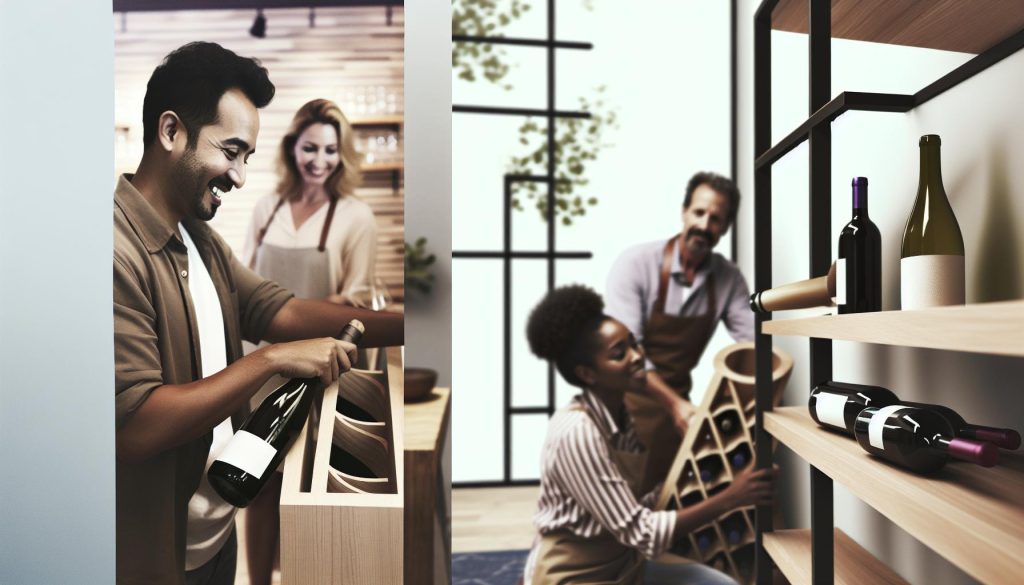
DIY bottle rack designs ensuring horizontal resting angles that keep corks moist and prevent oxidation.

Read Guide →

Thermodynamics of Wine Maturation: Temperature, Cork Elasticity & Light

Wine is a living, evolving solution of acids, tannins, alcohol, and aromatic compounds. Aging proceeds through slow, controlled micro-oxidation. The golden storage standard is 55°F (13°C) with 60% to 70% relative humidity. Temperature stability is far more critical than absolute temperature: seasonal fluctuations cause wine to expand and contract, pushing air past the cork seal and accelerating oxidation.

Horizontal bottle storage is mandatory for natural cork closures. Laying bottles flat ensures the liquid remains in direct contact with the interior face of the cork, preventing it from drying out, shrinking, and allowing ambient oxygen incursion. Furthermore, ultraviolet light (specifically wavelengths between 350nm and 500nm) degrades sulfur-containing amino acids, resulting in ‘light-struck’ aromas (skunky, damp cardboard). Storing bottles in complete darkness protects aromatic purity.

Storage EnvironmentTarget TemperatureOptimal HumidityPrimary Aging Risk
Dedicated Basement Cellar53°F – 57°F (12°C – 14°C)65% – 75% RelativeFlooding / High Damp Mold
Interior Closet Sanctum58°F – 62°F (Stable)50% – 60% RelativeHeat Spikes in Peak Summer
DIY Horizontal RackAmbient Room Temp (<68°F)Ambient Indoor AirUpright Storage Drying Corks
Long-Term Collector Unit55°F Precise Digital70% Controlled HumidityPower Outages / Condenser Failure

Topic Directory & Methodologies

Cellar Construction & Small Space Storage

  • How to Make a Wine Cellar: Storage Tips for Aging
  • How to Make Closet Wine: Secret Storage and Aging Tips

DIY Woodworking & Bottle Racks

  • How to Make a Wine Rack: Stylish Storage Ideas

Frequently Asked Questions

Why must wine bottles with corks always be stored horizontally?

Horizontal storage keeps the cork moist from the wine inside. A dry cork shrinks, develops micro-fissures, and lets oxygen enter the bottle, rapidly oxidizing the wine into vinegar.

What temperature is considered dangerous for aging wine?

Temperatures above 70°F (21°C) dramatically accelerate aging and will ‘cook’ the wine, flattening delicate fruit flavors and developing stewed, pruney off-notes. Avoid storing wine in hot attics, above refrigerators, or near dishwashers.

Can I store wine in a regular kitchen refrigerator long term?

No. Kitchen refrigerators run at 35°F–38°F with very low humidity designed to dehydrate food. Over several months, the cork dries out, and constant motor vibrations agitate sediment, disrupting the delicate chemical maturation of the wine.

How to Make a Wine Rack: Stylish Storage Ideas for Bottles

How to Make a Wine Rack: Stylish Storage Ideas for Bottles

Create your perfect wine rack with stylish storage ideas for bottles! Discover simple DIY techniques and enhance your space-bottles will never look better!

How to Make a Wine Cellar: Storage Tips for Perfect Aging
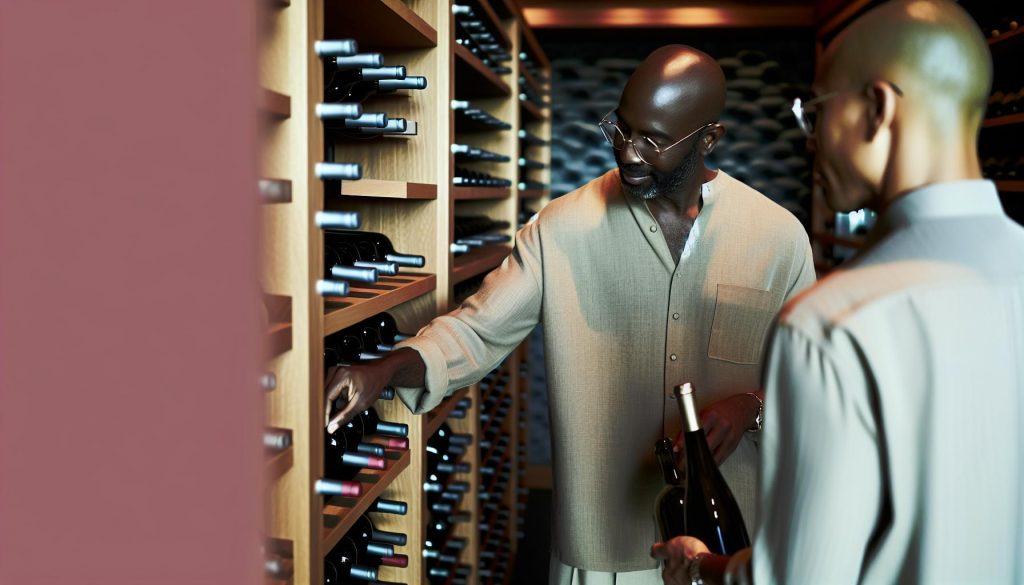
How to Make a Wine Cellar: Storage Tips for Perfect Aging

Unlock the secrets of wine storage! Learn how to make a wine cellar with expert tips for perfect aging. Discover the ideal conditions today and elevate your collection!

How to Make Closet Wine: Secret Storage and Aging Tips
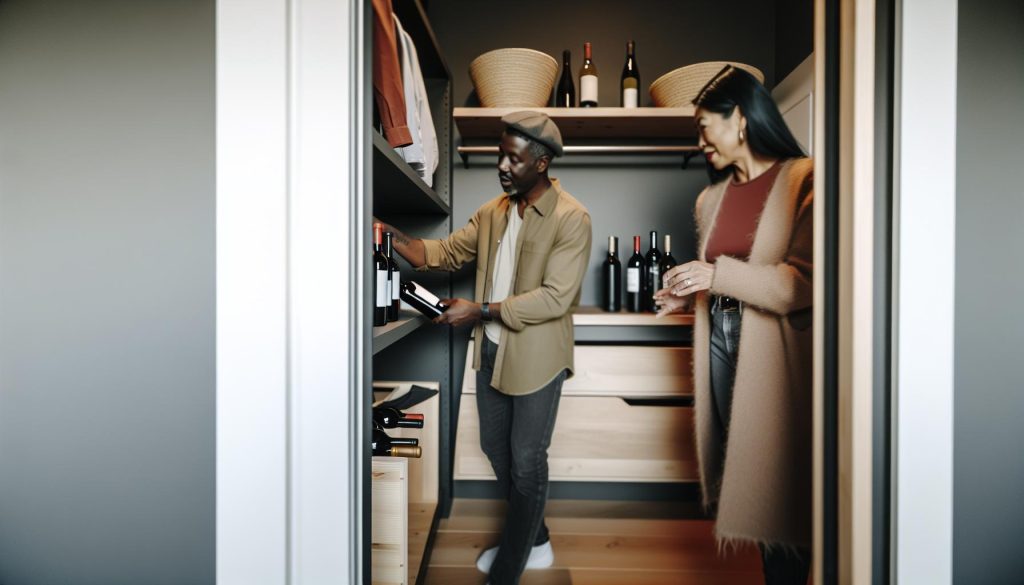
How to Make Closet Wine: Secret Storage and Aging Tips

Unlock the secrets of closet wine! Discover expert storage and aging tips to elevate your winemaking journey-no pro equipment needed. Get started today!

  • Homepage
  • Blog
  • About
  • FAQ
  • Contact
  • Privacy Policy
  • Homepage
  • Blog
  • About
  • FAQ
  • Contact
  • Privacy Policy
Facebook X-twitter Instagram