
No Boil Pasta Bake: Hearty, Hassle-Free Comfort Food

Discover the joy of cooking with our No Boil Pasta Bake! Enjoy hearty, hassle-free comfort food that’s ready in no time. Click to savor simplicity today!
No Bake Lasagna Recipe: Effortless Italian Layers, No Boiling
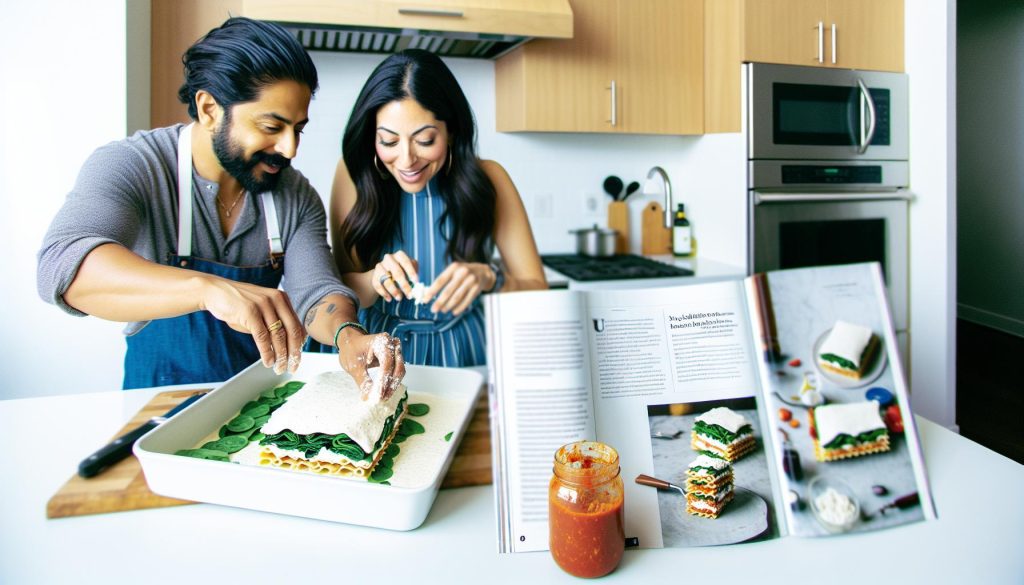
Discover the ultimate No Bake Lasagna Recipe! Effortless layers and zero boiling make weeknight dinners a breeze. Get ready to impress with homemade Italian goodness!
Barilla No Bake Lasagna Recipe: Authentic Layers, Zero Boiling
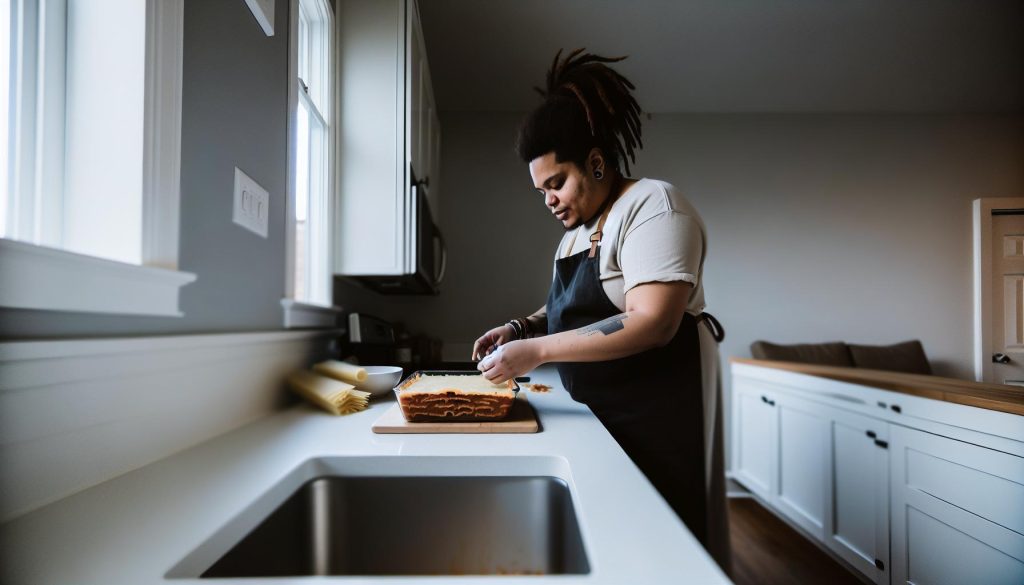
Experience the simplicity of Barilla No Bake Lasagna! Discover authentic layers with zero boiling. Quick, easy, and delicious-perfect for busy weeknights!
No Bake Lasagna: Layered Italian Dinner, No Stove Needed
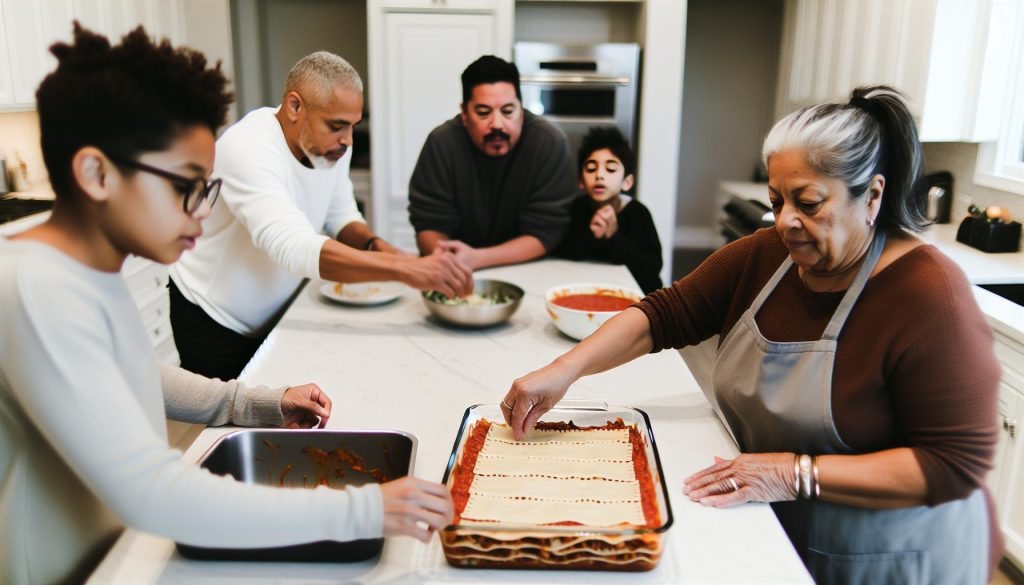
Discover the simplicity of “No Bake Lasagna: Layered Italian Dinner, No Stove Needed.” Perfect for busy nights-layer deliciousness without any cooking!
Lasagna Recipe No Bake Noodles: Delicious & Simple Meal Hack

Discover the easiest Lasagna Recipe with No Bake Noodles! Enjoy a delicious, hassle-free meal that’s ready in no time. Get your family’s favorite tonight!
Foundational Pillars (Start Here)
No Boil Pasta Bake: Hearty, Hassle-Free Comfort Food
How starch hydration and moisture-rich sauces cook oven-ready pasta sheets to al dente perfection without boiling water.
No Bake Lasagna Recipe: Effortless Italian Layers, No Boiling
A streamlined culinary method layering rich marinara, seasoned ricotta, and mozzarella with zero pre-boil hassle.
Barilla No Bake Lasagna Recipe: Authentic Layers, Zero Boiling
The exact liquid-to-pasta ratios and baking pan coverage needed when using Barilla oven-ready sheets.
Starch Gelatinization & Sauce Hydration: The Science of No-Boil Main Dishes
Traditional pasta cooking requires boiling gallons of water to hydrate semolina wheat and gelatinize starch granules. In 'no-boil' and effortless main course baking, the pasta absorbs moisture directly from the sauce during an enclosed steam bake. Commercial oven-ready noodles are extruded thinner than traditional noodles and pre-steamed before drying, allowing them to absorb ambient liquid quickly without starch leeching into cooking water.
The secret to successful no-boil layered casseroles lies in calculating the sauce hydration index. Standard marinara or bechamel sauces must be thinned with approximately 1/2 cup to 3/4 cup of additional stock or water. When tightly sealed with aluminum foil, the casserole dish behaves as a mini pressure steamer, trapping moisture that penetrates the pasta sheets evenly while allowing cheese to melt into a bubbly golden crust during the final uncover phase.
| Pasta / Main Style | Hydration Sauce Ratio | Foil Steam Phase | Crust Uncover Phase |
|---|---|---|---|
| No-Boil Oven-Ready Sheets | +3/4 Cup Extra Broth / Sauce | 45 mins @ 375°F (Tightly Sealed) | 15 mins @ 400°F (Broil Top) |
| Traditional Lasagna (Soaked) | Warm Water Bath (15 mins) | 30 mins @ 350°F (Sealed) | 10 mins @ 375°F (Brown Cheese) |
| Layered Veggie Lasagna | No Extra Liquid (Zucchini Weeps) | 35 mins @ 375°F (Lightly Tented) | 15 mins @ 375°F (Rest 15m) |
| No-Boil Skillet Casserole | Simmering Sauce (1:1 Ratio) | 20 mins Stove Top (Lid Sealed) | 5 mins Rest (Off Heat) |
Topic Directory & Methodologies
Authentic No-Boil Lasagna Techniques
Hearty Pasta Bakes & Stovetop Dinners
Frequently Asked Questions
Why are my no-boil lasagna noodles crunchy on the edges?
Noodles turn crunchy if they aren't completely submerged in sauce during baking. Always spread a thin layer of marinara on the bottom of the dish, and ensure sauce coats the very edges of each noodle layer before topping with cheese.
Can I use regular lasagna noodles instead of oven-ready no-boil noodles?
Yes! Soak regular uncooked noodles in a pan of hot tap water for 15 to 20 minutes before layering. The noodles will become pliable and absorb sufficient moisture to bake perfectly in your sauce.
Why is resting time mandatory before slicing lasagna?
Resting lasagna for 15 to 20 minutes out of the oven allows melted cheese to set and gelatinized starches to firm up. Slicing immediately causes the layers to slide apart and lose their clean structural definition.