
How Do You Make Homemade Wine? Complete Beginner’s Tutorial
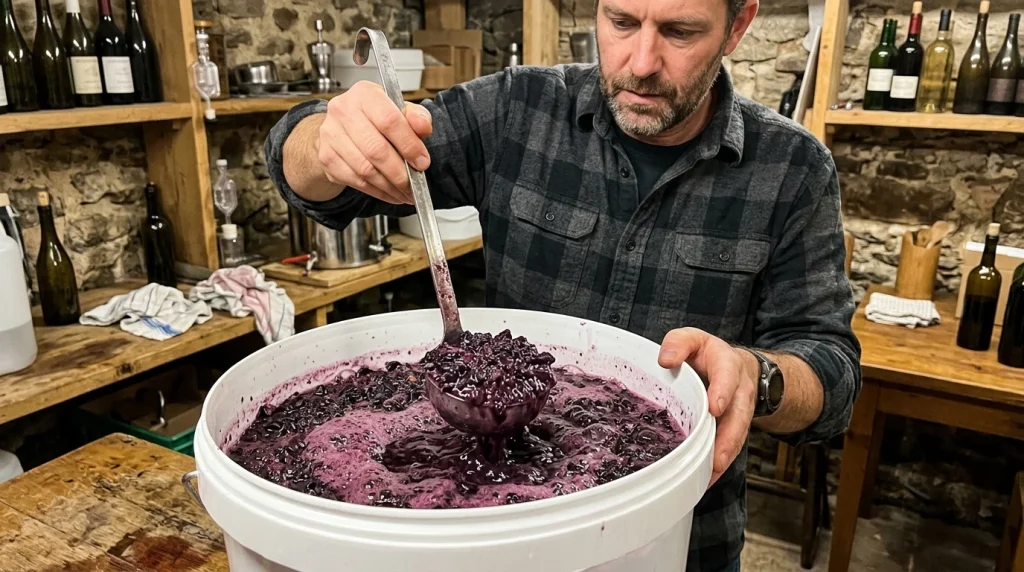
How do you make homemade wine comes down to five fundamental steps: sanitizing food-grade vessels, preparing and balancing sweet fruit must with sugar and acid, pitching cultured wine yeast for active aerobic primary fermentation, racking into an airtight glass carboy with an airlock for anaerobic clearing, and bottling after stabilization. Every year, backyard gardens, local […]
How to Make Wine OSRS: Fastest 99 Cooking Guide and Tick Training

How to make wine in OSRS is the process of combining 14 grapes with 14 jugs of water in a player’s inventory to craft unfermented wine, resetting the 6-second global fermentation countdown on every subsequent bank withdrawal to bank massive Cooking experience drops at speeds exceeding 480,000 XP/hr. For Old School RuneScape players aiming for […]
How to Make Your Own Wine: Beginner Homestead Country Wine Guide
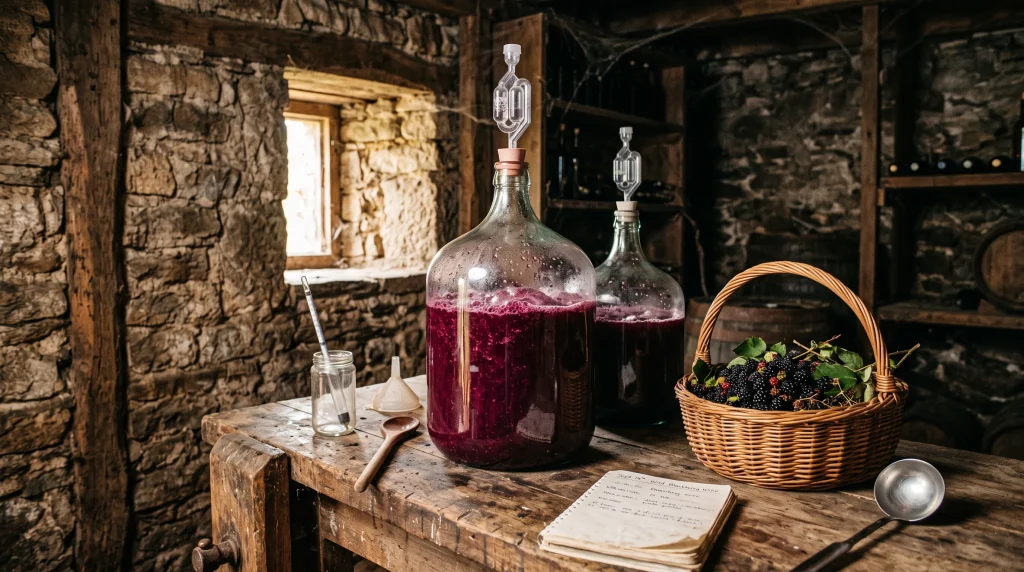
Making your own wine is the artisanal craft of crushing fresh garden or foraged fruit, preparing a balanced sugary must with natural acid and tannin adjustments, and guiding Saccharomyces yeast through aerobic primary and anaerobic secondary fermentation to craft custom bottled vintages. There is a profound, quiet satisfaction in pouring a glass of handcrafted wine […]
Winemaking at Home: Step-by-Step Beginner to Advanced Homestead Guide

Winemaking at home is the controlled biochemical transformation of fruit sugars into ethyl alcohol and carbon dioxide through Saccharomyces cerevisiae yeast fermentation, practiced in sanitary food-grade carboys with strict temperature regulation, hydrometer monitoring, and anaerobic racking protocols. Crafting wine at home is one of the most rewarding traditions of the modern homestead. Whether you are […]
Making Wines OSRS: Complete Cooking Training and Fast XP Guide

Making wines in OSRS (Old School RuneScape) is a high-speed, cost-effective Cooking skill training method unlocked at level 35 Cooking, executed by combining fresh grapes with a jug of water to produce unfermented wine, which yields 200 Cooking experience per jug upon successful post-banking batch fermentation. For players training the Cooking skill in Old School […]
How to Prepare Homemade Wine: Practical Fruit Preparation & Fermentation
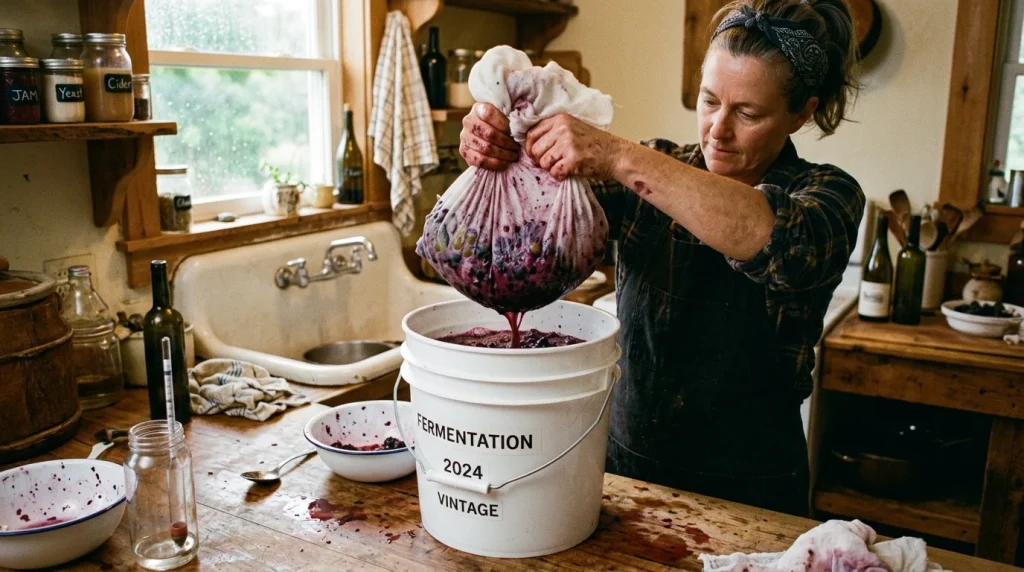
How to prepare homemade wine begins with meticulous fruit selection, sanitizing all contact vessels, crushing the fruit into a homogeneous “must,” testing specific gravity and acidity, and pitch-inoculating with cultured wine yeast. Proper preparation suppresses spoilage microbes, balances sweetness with acid, and kickstarts vigorous aerobic primary fermentation within 24 hours. Phase 1: Fruit Sorting, Cleansing, […]
Home Winemaking for Dummies: The Fail-Proof First Batch Guide
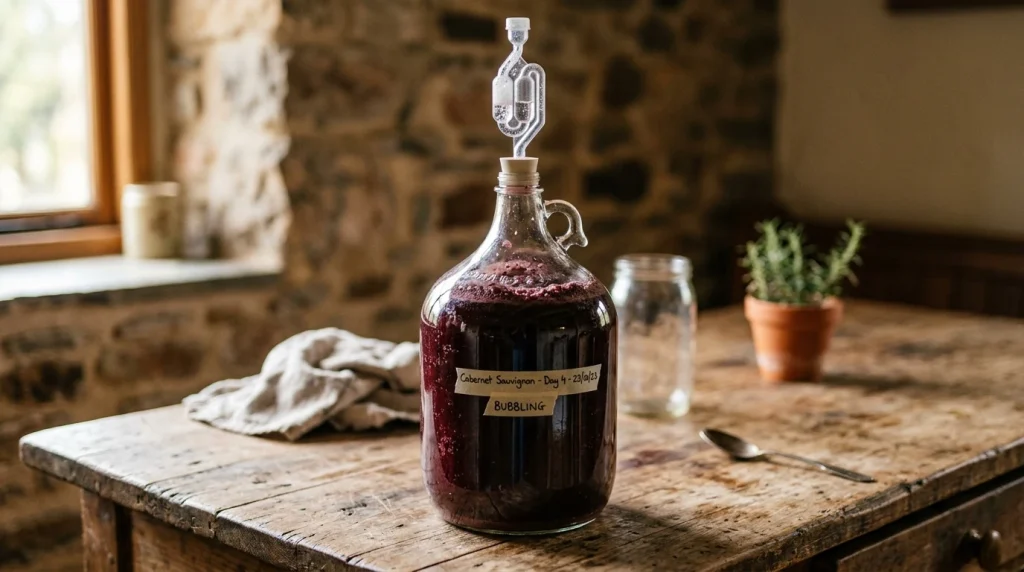
Home winemaking for dummies is the straightforward process of fermenting fruit juice—most commonly grape, berry, or apple—into drinkable wine using commercial yeast, sugar, and basic sanitation. By controlling cleanliness, specific gravity with a hydrometer, and ambient fermentation temperature (68°F–72°F), beginners can produce clean, balanced table wine within four to eight weeks. The Core Science: Demystifying […]
Making Your Own Wine: A Beginner’s Step-by-Step Guide
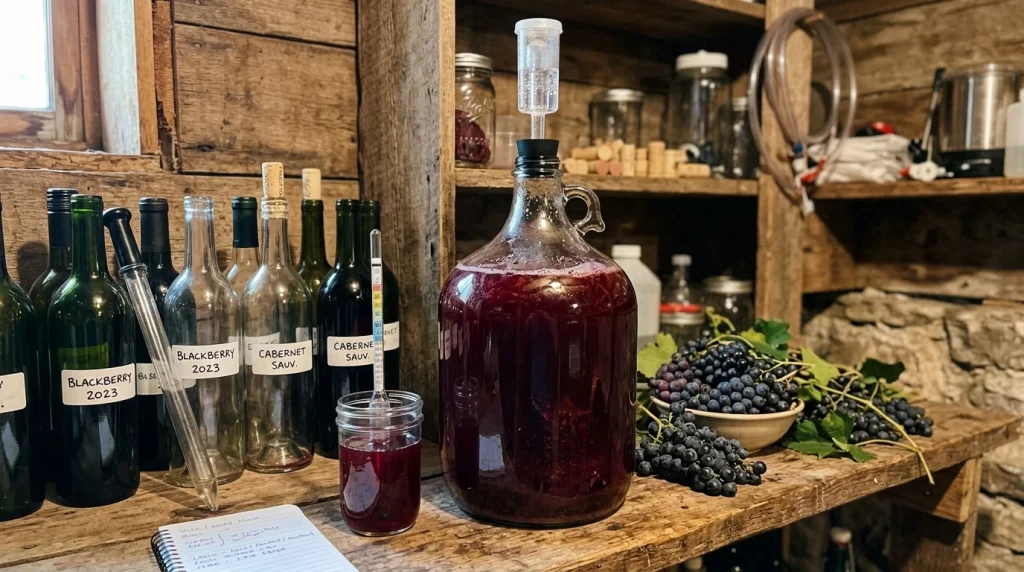
Making your own wine is the craft of fermenting fruit juices—such as crushed grapes, berries, or orchard fruit—with cultured yeasts under anaerobic conditions to convert natural and added sugars into ethanol, complex organic esters, and carbon dioxide. Requiring minimal specialized equipment, a standard 1-gallon or 5-gallon batch matures from must to crystal-clear bottled wine in […]
How to Make Your Own Wine at Home: The Complete Step-by-Step Beginner’s Guide
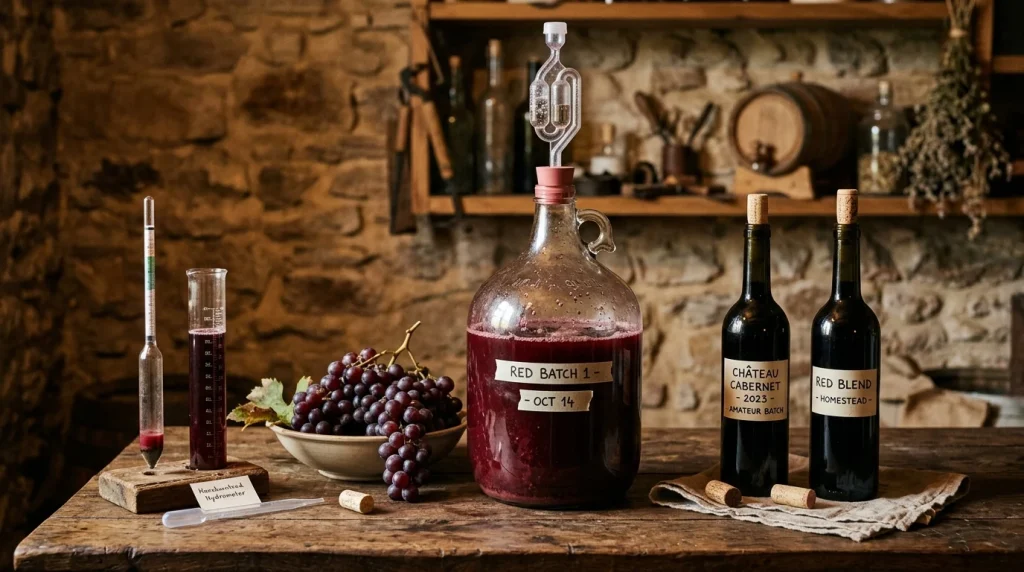
Making your own wine at home is the artisanal craft of transforming fresh fruit juices or whole crushed fruit into stabilized, shelf-stable alcoholic beverages through controlled anaerobic yeast fermentation, rigorous microbial sanitization, systematic hydrometer monitoring, and secondary vessel clarification. Crafting small-batch wine in your homestead kitchen or basement cellar is one of the most rewarding […]
How to Make a Wine Cork Board: Creative and Functional DIY

Transform your space with our guide on how to make a wine cork board! Discover creative DIY ideas and tips that make decor simple and fun. Click to learn more!
Foundational Pillars (Start Here)
Winemaking at Home: Step-by-Step Beginner to Advanced Homestead Guide
A foundational masterclass detailing primary fermentation, airlock management, racking, and sulfiting for crystal-clear country wines.
How Do You Make Homemade Wine? Complete Beginner's Tutorial
Simple equipment setup, yeast selection, must preparation, and sanitization rules for successful first-time homebrewers.
How to Make Your Own Wine: Beginner Homestead Country Wine Guide
Crafting vibrant wines from homestead harvest fruits including blackberries, apples, rhubarb, and wild botanicals.
Biochemistry of Fermentation: Specific Gravity, Yeast Strains & Racking
Home winemaking is governed by the microbiological activity of Saccharomyces cerevisiae yeast cells metabolizing simple monosaccharides (glucose and fructose) into ethyl alcohol and carbon dioxide. Controlling initial Specific Gravity (SG) with a triple-scale hydrometer is the foundation of fermentation management. An ideal starting gravity between 1.080 and 1.095 provides sufficient sugar to yield an alcohol by volume (ABV) between 11% and 13%—the optimal range for natural preservation without yeast alcohol toxicity.
The winemaking timeline divides into two critical phases: primary aerobic fermentation in an open, sanitized fermenter for 5 to 7 days, followed by secondary anaerobic fermentation in an airtight glass carboy fitted with a water-sealed airlock. Siphoning ('racking') the wine off the dead yeast bed (lees) every 30 to 45 days prevents autolysis off-flavors (rotten egg or rubbery notes) while naturally clarifying the wine through gravitational precipitation.
| Fermentation Stage | Target Specific Gravity | Vessel & Closure | Critical Quality Control |
|---|---|---|---|
| Must Inception | 1.080 - 1.095 SG | Food-Grade Fermenting Bucket | Campden Tablet Sterilization (24 hrs) |
| Primary Active | 1.020 - 1.010 SG | Loose Lid / Sanitized Towel | Daily Punch-Down of Fruit Cap |
| Secondary Anaerobic | 0.996 - 0.992 SG | Glass Carboy + S-Airlock | Maintain Water Level in Airlock |
| Clearing & Bulk Aging | Stable < 0.994 SG | Glass Carboy (Topped Up) | Add Potassium Metabisulfite + Sorbate |
Topic Directory & Methodologies
Comprehensive Homebrew Guides
Alternative Fermentations & Skills
Frequently Asked Questions
How do I know when primary fermentation is complete?
Never rely on airlock bubbling alone. Take hydrometer readings on consecutive days. When the specific gravity drops below 1.010 (typically around 1.000 or lower) and remains stable over 48 hours, primary fermentation is complete and the wine must be racked to a carboy.
Why does homemade wine taste sour or like vinegar?
Vinegar flavors are caused by Acetobacter bacteria, which convert ethanol into acetic acid in the presence of oxygen. Always keep secondary carboys topped up to minimize airspace ('headspace'), sanitize all equipment thoroughly with Star San, and maintain fresh sulfites.
Can you make wine from fruits other than grapes?
Yes! Country winemaking utilizes blackberries, elderberries, peaches, rhubarb, and apples. Because country fruits often lack the natural tannin, acid, and sugar balance of wine grapes, brewers balance the must with added pectic enzyme, yeast nutrient, and acid blend.