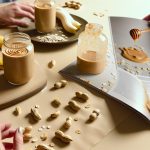

Banana bread is a beloved comfort food, but did you know you can make it super moist without butter? This recipe comes to the rescue for anyone seeking a lighter option or avoiding dairy while still enjoying a delicious treat. Using simple alternatives, you can whip up a loaf that’s rich in flavor and texture, making it perfect for breakfast, snacks, or dessert. Imagine the warmth and aroma filling your kitchen as your banana bread bakes to golden perfection, leaving everyone excited for a slice. Whether you’re a seasoned baker or a kitchen newbie, this approachable recipe ensures that everyone can enjoy a moist, delightful banana bread. So let’s dive into this delightful journey of making butter-free banana bread that will surely impress!
Choosing the Right Ingredients for Moist Banana Bread
When it comes to crafting that perfect loaf of banana bread sans butter, selecting the right ingredients is key to achieving a delightfully moist and flavorful result. The star of the show, of course, is the bananas. Opt for extra-ripe bananas with plenty of brown spots-these naturally sweet beauties not only impart a rich flavor but also contribute moisture to your batter. Don’t shy away from using bananas that are past their prime; the more speckled, the better for sweetening your bread naturally.
In place of butter, you can rely on alternatives that bring moisture and richness. Ingredients such as Greek yogurt, sour cream, or even unsweetened applesauce are fantastic swaps that can keep your banana bread tender and moist. For an extra touch of flavor, consider incorporating a hint of vanilla extract or a dash of cinnamon; these can elevate the overall taste profile without adding extra fat. Remember, the balance of dry and wet ingredients is important: ensuring sufficient liquid from your banana and chosen substitutes will help prevent a dry outcome.
Moreover, flour choice impacts texture significantly. While all-purpose flour is standard, using a mix of whole wheat flour or spelt flour can add depth and a nutty flavor, also lending more nutrition. Each ingredient plays a role, so feel free to experiment with proportions until you find the combination that you and your family love the most. Embrace the process, and don’t be afraid to try something new-you might just discover a signature banana bread recipe that others will rave about!
How to Make Banana Bread Without Butter
Making banana bread without butter is not only possible, but it can also yield a delightful and moist loaf that you’ll be proud to share. The secret lies in using flavorful alternatives that work well with bananas, ensuring a tender crumb and delicious taste.
To start, mix mashed ripe bananas (the star ingredient) with your chosen fat substitute. Greek yogurt, sour cream, or unsweetened applesauce are fantastic options that add moisture without the heaviness of butter. Here’s how you can use them effectively:
- Bananas: Use 2 to 3 very ripe bananas for sweetness and moisture. Mash them thoroughly until smooth-you want to release all that lovely natural sugar.
- Fat Substitute: Incorporate 1/2 cup of Greek yogurt or sour cream, or 1/4 to 1/2 cup of applesauce. Each brings a slightly different flavor, so feel free to experiment with what you have on hand.
- Dry Ingredients: In a separate bowl, mix 1.5 cups of flour (all-purpose, whole wheat, or a combination) with 1 teaspoon of baking soda, 1/2 teaspoon of baking powder, and a pinch of salt.
- Combine: Gradually mix the dry ingredients into the banana mixture, ensuring not to overmix. Stir until just combined, then add in extras like nuts or chocolate chips if desired.
- Bake: Preheat your oven to 350°F (175°C) and pour your batter into a greased loaf pan. Bake for 50-60 minutes, or until a toothpick inserted in the center comes out clean.
This simple method ensures that your banana bread retains its moist texture while being free of butter. Plus, the fruity flavors shine through beautifully, making it a perfect snack or breakfast treat for everyone to enjoy. Remember to embrace the process-baking is about experimenting and having fun in the kitchen!
Secrets to Keeping Banana Bread Super Moist
One of the secrets to creating a super moist banana bread lies in the interplay of your ingredients and baking techniques. While there’s a temptation to think that butter is the key to moisture, the truth is, with the right substitutes and methods, you can achieve that delightful, tender crumb without any dairy. For starters, using ripe bananas is crucial. The more ripened the fruit, the sweeter and tastier your bread will be, plus overripe bananas contain more moisture, which is essential for a luscious loaf.
Ingredient Choices that Enhance Moisture
Incorporating ingredients like Greek yogurt, sour cream, or unsweetened applesauce not only replaces the fat but contributes moisture as well. Aim for approximately 1/2 cup of Greek yogurt for a rich, tangy flavor that keeps your bread hearty and moist. If you opt for applesauce, around 1/4 to 1/2 cup can do wonders in retaining moisture and lowering calories. These alternatives infuse the batter with additional flavor while helping combat dryness.
The Importance of Mixing and Baking
Another key factor is in how you mix your ingredients. Overmixing can lead to a denser texture as it activates the gluten in the flour, potentially resulting in a tougher loaf. Instead, mix just until combined and allow the batter to rest for about 10 minutes before baking. This brief pause allows the flour to fully hydrate, which can also contribute to a moister final product.
Storing Your Banana Bread
Don’t underestimate the importance of proper storage as well. Once baked, let your banana bread cool completely, then wrap it tightly in plastic wrap or foil to maintain moisture. Store at room temperature for up to four days, or freeze individual slices for a quick treat later on. If you’re freezing, ensure that the slices are wrapped well to prevent freezer burn, which can alter the texture and moisture content.
With these secrets in your back pocket, you’re well on your way to baking banana bread that is not only butter-free but also irresistibly moist and flavorful. Embrace the joy of baking and feel free to experiment with your favorite mix-ins, spices, and new ingredients!
Flavor Variations for Your Butter-Free Banana Bread
There’s something magical about banana bread that invites creativity, especially when you’re making it without butter. You can play around with flavors to make each loaf uniquely yours, turning a simple recipe into a delightful masterpiece. Whether you want to enhance the sweetness, add some zest, or introduce new textures, the possibilities are endless. Here are some fantastic flavor variations to consider for your butter-free banana bread.
Fruity Twists
Adding fruits can elevate your banana bread to the next level. Consider folding in chopped apples, which bring a crunch and a sweet-tart flavor. Berries, like blueberries or raspberries, also work splendidly; they burst with juiciness, making each slice a little more indulgent. Be adventurous and try mixing in dried fruits like cranberries or apricots for a chewy contrast.
Nutty and Spicy Enhancements
For those who love a hint of crunch, incorporating nuts can add both texture and richness. Try walnuts or pecans-toast them lightly for an added layer of flavor. Spices also play a crucial role in flavor development. A teaspoon or two of cinnamon warms the bread, while a touch of nutmeg can introduce a subtle nutty depth. For an exotic twist, experiment with cardamom or ginger to create a fragrant loaf.
Chocolaty Indulgence
If you’re in the mood for something sweet and decadent, chocolate is your best friend! Add in chocolate chips-dark, milk, or even white chocolate-for a sweet surprise in every bite. For a healthier option, try cocoa powder to give your bread a chocolatey flavor without the extra sugar. A drizzle of chocolate ganache or a sprinkle of cocoa nibs on top can make your banana bread look as good as it tastes.
Citrusy Zest
Brighten up your banana bread with a zing of citrus! Add the zest of an orange or a lemon to the batter for a fresh, zesty flavor. This not only enhances the sweetness of the bananas but creates a vibrant, aromatic treat that’s perfect for breakfast or brunch. A splash of fresh orange juice can also provide an unexpected brightness, making every slice a refreshing delight.
Embrace these flavor variations and let your creativity run wild! Remember, baking is all about experimenting and finding what resonates with your palate. Each loaf is an opportunity to express yourself and share wonderful flavors with your friends and family. Enjoy the process, and happy baking!
Tips for Perfectly Ripe Bananas for Baking
Using perfectly ripe bananas is crucial for achieving that moist, flavorful banana bread we all adore. A simple rule of thumb is to look for bananas with a deep yellow skin, ideally featuring a few brown speckles. These blemishes indicate that the sugars are concentrating inside, making your bananas sweeter and softer, which translates to a more delicious end product.
If you find yourself with bananas that are not quite ripe enough, don’t worry! You can speed up their ripening by placing them in a paper bag at room temperature. The ethylene gas they produce will trap in the bag and help them ripen faster. If you’re in a real pinch, placing them in a warm spot-like near a sunny window or in a warm oven (turned off, of course)-can make a difference as well.
Conversely, if you’re stuck with super ripe bananas, don’t throw them away! Bananas with dark brown or almost black skins are still perfect for baking. They’re super soft and packed with flavor, ideal for enhancing that rich, moist texture in your butter-free banana bread. Just remember to mash them thoroughly before adding to your batter, as this helps distribute the sweetness and moisture evenly throughout your loaf.
Always trust your taste buds! The key is to use bananas that excite your palate. Don’t shy away from experimenting with the ripeness; this is where the magic happens, letting you personalize your banana bread. Happy baking!
Common Mistakes When Making Banana Bread
When it comes to baking banana bread, even the smallest missteps can lead to a loaf that doesn’t quite hit the mark, especially if you’re aiming for that tender, moist texture without butter. Here are some common pitfalls to watch out for that could derail your efforts.
One frequent mistake is overmixing the batter. Mixing too much can cause the bread to become dense and tough, rather than light and fluffy. Instead, mix just until the ingredients are combined-think of it as folding the wet and dry ingredients together gently. This will keep the gluten at bay and ensure that your banana bread retains its soft, moist promise.
Another oversight is not using ripe enough bananas. If your bananas are still yellow and firm, your bread will miss out on that sweet, rich flavor and moisture. Always opt for bananas that are well overripe with lots of brown spots or even black skin. This is where the real flavor and moisture come from!
Additionally, be mindful of your baking time and temperature. Different ovens can behave unpredictably, so while a recipe may suggest a baking time, it’s crucial to check your bread a few minutes early. Insert a toothpick into the center; if it comes out clean or with just a few moist crumbs, your bread is ready to come out. If it bakes too long, you risk a dry loaf, which no one wants.
Lastly, don’t forget to let your banana bread cool in the pan for about 10 minutes before transferring it to a wire rack. Cooling it in the pan allows it to firm up slightly, making it easier to slice later. Rushing this step could result in a loaf that falls apart when you try to cut it.
By avoiding these simple mistakes, you can ensure that your butter-free banana bread is as delicious and moist as can be! Happy baking!
Storing and Freezing Your Banana Bread
Banana bread is one of those baked goods that seems to get better with age, as long as you know how to store it properly. Whether you’ve just baked a fresh loaf or have wrapped up a batch you’re planning to savor later, the right storage techniques can help maintain that irresistible moisture and flavor. Here’s how to keep your butter-free banana bread deliciously fresh.
First off, if you plan to enjoy your banana bread within a few days, storing it at room temperature is the way to go. Place it in an airtight container or wrap it tightly in plastic wrap. This keeps out air and moisture, ensuring that your loaf stays soft and moist. If you notice any ingredients that are particularly prone to spoilage, like nuts or chocolate chips, consider using a container that’s completely sealed to avoid any unwanted surprises.
For those times when you find yourself with too much banana bread to finish in a short period, freezing is a fantastic option. To freeze your loaf, let it cool completely after baking. Wrap it tightly in plastic wrap or aluminum foil, ensuring no air can sneak in-this helps prevent freezer burn and keeps your banana bread tasting fresh for up to a year! For extra security, pop the wrapped loaf into a freezer-safe bag or container. When you’re ready to enjoy it, simply thaw it overnight in the refrigerator or let it sit at room temperature for a few hours.
If you’re keen on keeping slices rather than an entire loaf, slice your banana bread before freezing. This allows for more convenient serving sizes. Wrap each slice individually in plastic wrap and then place them in a freezer bag, which makes it easy to grab just what you need.
Remember, always taste-test your banana bread after thawing! You might find that the texture remains beautifully moist and delicious, ready for a warm slice topped with a touch of peanut butter or honey. With these storage and freezing tips, you can ensure that your butter-free banana bread is a delightful treat any time you crave it. Happy baking and enjoying!
Healthier Alternatives: Substitutes for Butter
When you’re looking to make a moist banana bread without butter, there are plenty of delicious alternatives that not only reduce saturated fat but also enhance the flavor and texture of your loaf. Embracing healthier fats and moisture-rich ingredients allows your banana bread to remain tender and flavorful.
One of the most popular substitutes is applesauce, which can be used in a one-to-one ratio for butter. Not only does it keep the bread moist, but it also adds a subtle sweetness and is lower in calories. You can also experiment with Greek yogurt; using half a cup of yogurt adds a creamy texture and protein while keeping your banana bread moist. If you’re aiming for a unique flavor twist, try coconut oil. Melt it and use it in place of butter; your banana bread will have a hint of tropical flavor, along with a lovely texture.
For a heartier alternative, consider integrating nut butters such as almond or peanut butter. These not only replace the butter but also contribute healthy fats and a nutty taste that pairs exquisitely with bananas. Use about 1/4 cup to replace 1/2 cup of butter, adjusting the sweetness of your loaf based on the nut butter’s natural flavor.
Don’t forget about mashed avocados! They provide healthy fats and moisture, making your banana bread incredibly soft. Start with a 1:1 swap for butter, and enjoy the subtle richness it adds. Lastly, a combination of pureed veggies, like pumpkin or sweet potato, can work wonders too, adding moisture and a subtle sweetness that complements the bananas beautifully.
With all these fabulous butter alternatives, you can create a banana bread that is not only healthier but still irresistibly moist and tasty! Happy baking!
Serving Suggestions for Banana Bread
Banana bread is a beloved treat that can be enjoyed in many delightful ways. Whether you’re serving it at breakfast, brunch, or dessert, there are countless options to elevate your loaf of moist, butter-free banana bread. Pairing it with the right accompaniments can enhance its flavor and make for a memorable experience.
To start your serving suggestions, consider how toppings can transform your banana bread. A spread of cream cheese or a dollop of Greek yogurt can add a tangy contrast that complements the sweetness of the bread beautifully. For a cozy touch, drizzle some honey or maple syrup over each slice, turning each bite into a sweet sensation. If you’re feeling indulgent, a sprinkle of chopped nuts or a few dark chocolate chips can provide both crunch and richness.
For those warm, comforting moments, serve banana bread with a side of warm spiced chai or coffee. These drinks not only enhance the flavor profile of the banana bread but also create a delightful pairing for a cozy afternoon snack or breakfast. If you’re looking for something refreshing, consider a smoothie made with berries or greens. The freshness of a smoothie can perfectly balance the dense, moist texture of the banana bread.
If you’d like to transform your banana bread into an even more decadent dessert, try serving it alongside a scoop of vanilla ice cream or whipped cream. The cold creaminess pairs wonderfully with the warm, soft bread, making for an irresistible treat. You could also cut your banana bread into cubes and create a banana bread pudding by layering the cubes with custard and baking them to perfection.
By considering these serving suggestions, you can turn a simple slice of banana bread into an exceptional food experience. Enjoy experimenting with various combinations, and don’t hesitate to make each serving your own! Happy indulging!
Creative Add-ins to Enhance Your Banana Bread
When it comes to banana bread, the possibilities for adding flavors and textures are nearly endless. You can keep things fun and fresh, even without butter! Whether you’re a chocolate lover or a fan of spices, incorporating creative add-ins can transform your banana bread from delicious to unforgettable.
To get started, think about your favorite flavor combinations. Here are a few ideas to inspire your next baking adventure:
Nuts and Seeds
Adding a handful of chopped walnuts or pecans not only provides a wonderful crunch but also enriches the flavor of your banana bread. For a twist, try incorporating seeds like pumpkin or sunflower seeds-they bring a nutty nuance while adding a delightful texture.
Fruits
You can’t go wrong with fruit! Toss in some dried fruits like cranberries or raisins to give a chewiness that balances the sweetness of the bananas. If you’re looking for a burst of freshness, consider adding blueberries or even chocolate-covered raisins for a sweet surprise in every bite.
Spices and Flavorings
Don’t overlook the spice cabinet! A dash of cinnamon or nutmeg can elevate your banana bread to a whole new level. For an exotic twist, try a pinch of cardamom or ginger. Vanilla extract is also a classic addition that enhances the overall flavor profile.
Chocolate and Other Treats
For those with a sweet tooth, adding chocolate chips-dark, semi-sweet, or even white chocolate-can make your banana bread exceptionally luxurious. Want to make it extra special? Swirl in some peanut butter or Nutella before baking for a beautifully marbled effect.
Experimenting with these add-ins not only enriches the taste but also keeps the baking process fun and dynamic. Remember, the best part of homemade banana bread is the freedom to customize it to your liking! So grab those ripe bananas and let your creativity shine-it’s all about making a loaf that speaks to you!
Troubleshooting: Fixing Dense or Dry Banana Bread
Baking banana bread without butter is a delightful and healthy endeavor, but sometimes, despite your best efforts, the final product can come out dense or dry. This can be disheartening, especially when you envision a moist and fluffy loaf. Understanding the common pitfalls can help you troubleshoot and create the perfect banana bread every time!
To begin with, make sure your bananas are perfectly ripe. Overly ripe bananas not only add sweetness but also moisture to your batter. Use bananas that are well-speckled or even blackened for the best results. If you’re in a pinch and your bananas aren’t ripe enough, try placing them in a paper bag for a day or so or bake them at 300°F for about 15-20 minutes-this will help soften them and bring out their natural sweetness.
Another critical factor is the use of moistening ingredients. Since you’re skipping butter, incorporating alternatives like applesauce or yogurt can make a world of difference. Consider replacing half of your banana quantity with a similar amount of applesauce, or add a splash of milk (dairy or non-dairy) to the mix to enhance moisture content without adding extra fat. Additionally, don’t forget to properly measure your flour; scooping directly from the bag can lead to too much flour, which contributes to dryness. Always spoon flour into your measuring cup and level it off for accuracy.
Baking time is also key. Check your banana bread a few minutes before the recipe calls for it; if it seems overly dense, it may be due to overbaking. Keep in mind that oven temperatures can vary-if you find your bread typically comes out dry, consider reducing the baking time by about five minutes and keep a close eye on it during the last stages. With a little attention to detail and adjustments based on your baking environment, you can create a wonderfully moist banana bread every time!
The Science Behind Moist Banana Bread
Baking moist banana bread without butter is a delightful challenge that combines the art of cooking with a touch of science. At its core, the key to achieving that coveted moist and fluffy texture lies in understanding how ingredients interact. Although butter is a traditional choice for adding moisture, you can easily substitute it without sacrificing quality.
The primary factor contributing to moisture is fat, which helps to add richness and tenderness. When you replace butter, consider oils such as coconut oil or olive oil, which can provide a similar moisture level. Additionally, using ingredients like applesauce or yogurt not only keeps the bread moist but also adds a nice subtle flavor. These ingredients contain water and other compounds that create a tender crumb, making them excellent alternatives in butter-free recipes.
Another essential aspect is the role of bananas themselves. Overripe bananas, which are perfect for baking, contain more moisture and natural sugars, enhancing both the flavor and texture of your bread. The riper the banana, the better it is for retaining moisture throughout baking. If you find your bananas aren’t ripening fast enough, consider speeding up the process by placing them in a paper bag, trapping the ethylene gas they emit and hastening the natural ripening.
Lastly, maintaining the right balance between wet and dry ingredients is crucial. Using too much flour can lead to a dense loaf, while too much liquid can create a soggy texture. Always measure flour correctly-spooning it into your measuring cup and leveling it off helps avoid excess. When you find the sweet spot in your ingredient ratios, your banana bread will rise beautifully and stay moist long after it’s out of the oven.
By embracing these principles and experimenting with different moistening agents, anyone can master the art of making banana bread that remains irresistibly moist, even without butter!
FAQ
Q: What is the best substitute for butter in banana bread?
A: The best substitutes for butter in banana bread include applesauce, yogurt, or coconut oil. These ingredients can maintain moisture and enhance flavor. For a healthier option, swap butter for an equal amount of unsweetened applesauce to lower the fat content while keeping it deliciously moist.
Q: How can I make banana bread more moist without butter?
A: To keep banana bread moist without butter, ensure you use overripe bananas for natural sweetness and moisture. Adding ingredients like yogurt, buttermilk, or non-dairy milk can also help retain moisture and improve texture.
Q: Can I use oil instead of butter in banana bread?
A: Yes, you can use oil instead of butter! Vegetable oil, canola oil, or coconut oil are great alternatives. Use about ¾ the amount of oil as you would butter, as oil is more calorie-dense and liquid, contributing to moistness.
Q: How long should I bake banana bread without butter?
A: Bake banana bread without butter for about 50-60 minutes at 350°F (175°C). Use a toothpick to check for doneness; it should come out clean or with a few moist crumbs. Adjust baking time based on your oven and pan size.
Q: What can I add to banana bread to enhance its flavor without butter?
A: To enhance the flavor of banana bread without using butter, consider adding vanilla extract, cinnamon, or nutmeg. You can also include nuts, chocolate chips, or dried fruit for extra texture and taste, making it even more enjoyable.
Q: How do I store banana bread to keep it moist?
A: To keep banana bread moist, store it in an airtight container at room temperature for up to 3 days, or wrap it tightly in plastic wrap before placing it in the fridge for longer freshness. For extended storage, freeze slices individually.
Q: Can I make banana bread in advance and freeze it?
A: Yes, you can make banana bread in advance and freeze it! Allow the bread to cool completely, then wrap it tightly in plastic wrap and aluminum foil. It can be frozen for up to 3 months. Thaw in the fridge for several hours or overnight.
Q: Why did my banana bread turn out dense without butter?
A: Dense banana bread can result from overmixing the batter or using bananas that aren’t ripe enough. Ensure you mix just until combined and always use ripe bananas for better moisture and texture. If it’s still dense, check your baking powder for freshness.
In Retrospect
Now that you have the secret to making a super moist banana bread without butter, it’s time to get baking! This recipe not only showcases the delightful flavor of ripe bananas but also proves that delicious desserts can be made with simple, wholesome ingredients. Don’t forget to experiment-mix in some nuts or chocolate chips for an extra treat!
If you loved this recipe, check out our guide on how to elevate your banana bread with creative additions or browse through our easy dessert recipes for another sweet idea. We’d love to hear how your banana bread turned out, so leave a comment below!
For more delicious recipes delivered straight to your inbox, sign up for our newsletter. Happy baking, and remember, the kitchen is yours to explore and have fun in!