
Did you know that backyard birdwatching can turn your garden into a vibrant oasis of color and song? Attracting our feathered friends not only brings joy but also fosters a deeper connection to nature right outside your window. One of the easiest and most rewarding ways to draw birds into your yard is by making a simple yet delicious Bark Butter. This homemade treat is perfect for various birds and can be whipped up with ingredients you likely have on hand. Whether you want to support local wildlife or simply enjoy watching them flit around your patio, crafting Bark Butter is a fun project that anyone can tackle. Join me as we explore this delightful recipe, packed with tips and variations that cater to all skill levels-because bringing birds to your garden should be both easy and enjoyable!
Bark Butter: What It Is and Why It Works
Birds have a special affinity for bark butter, a delectable food source that’s easy to make and incredibly effective at attracting a variety of species to your backyard. Essentially, bark butter is a mixture of high-energy ingredients designed to provide birds with nutrients during their active months, particularly in spring and fall when food sources might be less plentiful. The smooth, spreadable consistency makes it easy for birds to access, and they’re drawn to it like kids to peanut butter!
What makes this treat so appealing? First, it’s packed with things that birds love: peanut butter, suet, seeds, and cornmeal. This combination not only provides a rich source of calories but also mimics the natural food they might find in trees. When you spread bark butter on the trunk of a tree or a feeder, the aroma wafts through the area, enticing birds to gather. It’s especially beneficial in colder months when regular feeders might not offer sufficient energy sources to sustain them.
Creating bark butter is simple and rewarding. The beauty of this DIY project is that you can customize your recipe based on the birds you want to attract. Adaptations can include different nuts or seeds. Just remember, fresh ingredients and unprocessed foods are best to ensure your feathered friends are getting the healthiest options. With a little prep, you can transform your yard into a vibrant bird haven that brings joy to both you and your new winged visitors!
Essential Ingredients for Homemade Bark Butter
To whip up a batch of bark butter that your backyard birds will adore, you’ll want to gather a selection of simple yet nutritious ingredients that provide all the energy they need. This delightful mixture not only attracts a variety of feathered friends but also offers a great way to nourish them, especially during the cooler months when natural food sources may dwindle. So, let’s dive into what you’ll need!
Start with the star of the show: peanut butter. This creamy staple is rich in calories and fats that birds rely on for energy, particularly when temperatures drop. Opt for natural peanut butter without additives if possible, as this ensures it’s a healthy option for your avian visitors. Next up is suet, another essential component. You can find suet cakes at most bird supply stores, or you can make your own with rendered animal fat mixed with seeds and grains.
Then, it’s time to add some seeds! Birdseed blends are fantastic, but you could also use sunflower seeds, millet, or even chopped nuts for variety. These ingredients provide additional texture and nutrition, and birds love the crunchy bite. Don’t forget about cornmeal, which helps balance the mix and gives it that spreadable consistency-perfect for slathering on tree trunks or feeders.
Lastly, consider a splash of honey or a sugar substitute to give it an extra touch of sweetness that can make the mixture even more appealing. Just a bit will suffice!
Here’s a simple checklist of essential ingredients for your homemade bark butter:
- Peanut Butter: Natural, unsweetened
- Suet: Store-bought or homemade
- Seeds: Sunflower seeds, millet, or nuts
- Cornmeal: For consistency
- Honey: Optional, for sweetness
Armed with these ingredients, you’re ready to create a homemade bird treat that’s not only nutritious but also incredibly easy to make. Your backyard birds will thank you as they flock to enjoy the delicious spread!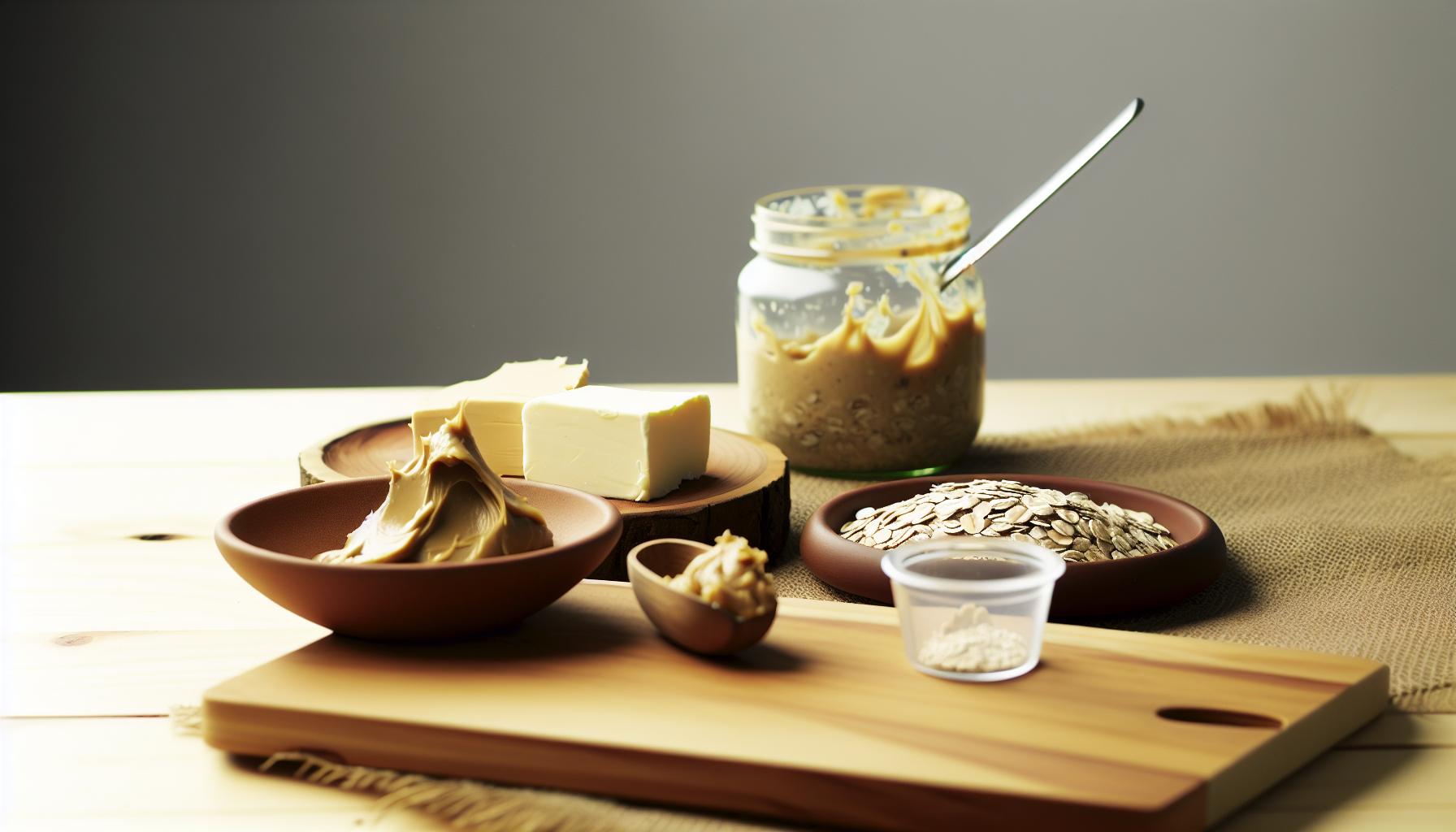
Step-by-Step Guide to Making Bark Butter
Creating bark butter is a delightful and simple way to provide nourishment for backyard birds. This easy blend is perfect for bird enthusiasts of any skill level, and it requires minimal ingredients you probably already have in your kitchen. Plus, it’s an engaging project that allows you to experiment with flavors and textures that attract a variety of feathered friends to your yard.
Start by gathering your ingredients. You will need peanut butter, suet, various seeds (like sunflower seeds or millet), cornmeal, and optionally, a touch of honey for sweetness. To begin, measure out about 1 cup of natural peanut butter and place it in a mixing bowl. If you’re using suet, add around half a cup of rendered suet or suet cakes crumbled into pieces.
Mix these two ingredients together until they are well combined-this should create a thick, spreadable consistency. Next, incorporate about 1 cup of seeds. Feel free to get creative by combining different kinds based on what birds frequent your yard. For added texture, fold in ½ cup of cornmeal, which will help round out the mixture and make it easier to spread on surfaces.
Once your mixture is well-combined, you can shape it into forms or simply transfer it to a container. If you want to make it easy for the birds to access, consider spreading the bark butter directly onto tree trunks, fence posts, or designated bird feeders. For a special touch, you could also mold it into shapes using cookie cutters or place it into empty suet feeders for a tidy presentation. After hanging or placing the bark butter outdoors, sit back and enjoy watching your feathered friends flock to your creation!
Creative Variations for Your Bark Butter Recipe
Creating bark butter opens the door to endless creativity in your backyard bird feeding efforts. While the classic recipe is always a hit, experimenting with different flavors and textures can enhance your offerings and attract a wider variety of birds. Here are some delightful variations to consider.
Fruit-Filled Bark Butter
For a sweet twist, try adding dried fruits to your bark butter. Chopped raisins, cranberries, or apple bits can be mixed in for a fruity flavor that many birds love. Just ensure the fruits are cut into small pieces so that they can be easily consumed. A good starting point is to add 1/2 cup of dried fruit along with the seeds.
Spicy Bark Butter
If you want to add a little zing to your recipe, consider incorporating a pinch of cayenne pepper. This not only appeals to some birds like woodpeckers but also helps deter squirrels. Just remember to use it sparingly-a little goes a long way! Start with 1/4 teaspoon mixed into your peanut butter before blending in the other ingredients.
Nut Lover’s Delight
For those birds that go nuts for nutty flavors, blend in some crushed nuts like walnuts, pecans, or almonds. They add fantastic textures and provide additional nutrition. Aim for about 1/2 cup of crushed nuts to the mix. Make sure they are unsalted and finely chopped for easier access by your feathered friends.
Seed Medley
Mixing different types of seeds can create an appealing treat that attracts a variety of birds. Instead of sticking with just sunflower or millet, consider adding pumpkin seeds, flaxseeds, or even birdseed blends from the store. About 1 to 1.5 cups of a seed mix can add variety and excitement to the bark butter.
With these creative variations, you can keep your backyard bird feeding routine fresh and enticing. The delightful combinations not only promote the health of your bird visitors but also add fun and engagement to your outdoor space. Don’t be afraid to experiment, as the process of finding what your local birds love most is part of the joy of bird feeding!
Best Feeding Techniques for Backyard Birds
To attract a lively variety of birds to your backyard, how you present and feed your bark butter is as vital as what you put into it. Offering bark butter not only provides essential nutrition to your feathered friends, but it can also turn your outdoor space into a vibrant sanctuary of nature. Here are some friendly tips on the best techniques for feeding backyard birds with your homemade creations.
Firstly, choose the right location. Place your bark butter near natural cover like shrubs or trees, which provides birds with safety from predators. Birds tend to visit feeding stations that feel secure. If you can, set up a platform feeder or a tree trunk for a more natural feel. When the birds see a familiar spot to perch, they’re more likely to return.
Next, be mindful of the time you offer your feed. Early mornings and late afternoons are peak feeding times for many species. By ensuring your bark butter is available during these hours, you’ll attract birds as they search for energy supplies. Consider refreshing your feeding station daily to keep it appealing and reduce spoilage, especially in warmer months.
To enhance accessibility, utilize appropriate feeding tools. You can use a simple suet cage, small nets, or even some recycled containers to hold your bark butter. If you’re feeling creative, shape the butter into fun molds and hang them with twine or string on branches for a decorative twist! This not only attracts birds but also adds a charming touch to your garden.
Lastly, a little patience goes a long way. Birds might take time to discover new feeding spots. Keep observing and adjusting your feeding strategies. Over time, you’ll cultivate a diverse bird community that will visit regularly. By providing a reliable and safe food source, your backyard will become a hub of activity, filled with the delightful songs and vibrant colors of birds enjoying your handmade bark butter. Happy birdwatching!
Top Bird Species That Love Bark Butter
One of the joys of creating bark butter is seeing the delightful birds it attracts to your yard. Many bird species are particularly fond of this high-energy treat, making it a fantastic addition to your backyard feeding station. By offering bark butter, you can draw in a range of feathered friends, each bringing their own charm and personality.
Chickadees are among the most enthusiastic bark butter lovers. These small, curious birds not only enjoy the tasty treat but also have a friendly, acrobatic nature that makes them a joy to watch. They’re often the first to discover new food sources in your yard.
Woodpeckers also enjoy a hearty serving of bark butter, particularly the Downy and Hairy Woodpeckers. These birds are skilled at clinging to feeders and trees, and they’ll eagerly peck at the butter to reach its rich goodness. Their distinctive drumming can often be heard as they search for food.
Sparrows, including House Sparrows, are another common visitor to bark butter stations. They are adaptable birds and can thrive in various settings, making them a frequent guest in urban gardens as well as rural ones. Sparrows are especially social and are often seen foraging in groups, which can create a lively atmosphere around your feeding area.
Lastly, don’t overlook the vibrant cardinals. These striking birds are not only beautiful to look at but also appreciate the energy-rich foods that bark butter provides. A splash of red against the green foliage is a sight that will brighten up any winter day.
By making your bark butter easily accessible and placing it in safe, covered locations, you can enhance the likelihood of these and other bird species visiting your yard. Observing them enjoy your homemade creation is one of the many rewards of this inviting backyard project.
How to Hang and Store Bark Butter Safely
Hanging and storing bark butter safely is crucial to keeping it fresh and appealing for your feathered friends. When you’re ready to share this delightful treat, the way you present it can enhance the experience for both you and the birds.
To hang bark butter effectively, choose a sturdy spot on a tree trunk or a feeding station that’s easily accessible for birds but out of reach of larger animals. A simple method is to spread the bark butter directly onto the bark of trees, as this resembles their natural foraging behavior. Alternatively, you might use a platform feeder or a small mesh bag hung from a branch. Make sure it’s high enough to deter squirrels but low enough for smaller birds like chickadees and sparrows to reach without trouble.
When it comes to storage, keeping your homemade bark butter in a cool, dry place is key to maintaining its freshness. If you have leftovers after feeding, store it in an airtight container in the refrigerator. This helps preserve its texture and flavor for future use. Just remember to bring it back to room temperature before serving again-as birds are more likely to visit when the food is less solidified and easier to peck at.
Finally, regularly check on your feeder or hanging treats. Replace any bark butter that appears dried out or less appealing. Freshness is essential for attracting those colorful cardinals and energetic woodpeckers. Keeping your feeding station clean is equally important; it not only enhances the attractiveness of the area but also encourages repeat visits from your avian guests. A well-maintained setup will turn your backyard into a delightful bird haven!
Tips for Attracting More Birds to Your Yard
Attracting a vibrant assortment of birds to your yard can be a delightful and rewarding experience, particularly when using homemade treats like bark butter. By creating a welcoming environment, you can draw in feathered friends all year round. Here are some practical tips to boost your avian activities!
First, consider landscaping your garden with native plants. Not only do these plants provide natural food sources and shelter, but they also create a more inviting habitat for local bird species. Shrubs and trees that produce berries or seeds will attract a variety of birds, while flowering plants can draw in hummingbirds and other nectar-loving species.
Next, ensure you have a variety of bird feeders placed strategically around your yard. Mix feeder types-such as platform feeders for bark butter, tube feeders for seeds, and suet cages for insects-to cater to different feeding preferences. Position these feeders in open yet sheltered areas to allow birds to feel safe when feeding.
Water Is Essential
Don’t overlook water sources! A birdbath can be a major attraction. Regularly clean and refill it to provide fresh water for drinking and bathing. Birds are often drawn to moving water, so consider adding a small fountain or dripper to create gentle ripples.
Another effective strategy is to maintain a clean feeding station. Leftover food or debris can lead to mold growth and attract unwanted pests. Regularly checking feeders and cleaning them will help keep the birds coming back for more. A pristine environment signals to birds that it’s a safe and healthy place to visit.
Lastly, be patient and enjoy the process. Attracting birds may take time, but with consistent effort and care, your yard can transform into a lively sanctuary. Regularly observing the types of birds you attract can also inspire you to refine your setup to suit their preferences even better!
Maintaining Your Bird Feeding Station
To attract a delightful variety of birds, maintaining your feeding station is essential. A clean and inviting setup not only provides nourishment but also signals to your feathered friends that it’s a safe haven. Regular maintenance helps prevent mold growth, which can be harmful to birds, and eliminates the risk of pests that might deter them from visiting.
Cleaning your feeders is a straightforward process. Start by removing any leftover bark butter or seeds every week. Use a solution of warm water and mild soap to scrub the feeders, ensuring you reach all the crevices where mold can hide. Rinse thoroughly to remove any soap residue, as birds are sensitive to chemicals. Once cleaned, allow them to dry completely before refilling them.
Placement is another key factor in maintaining an effective feeding station. Ensure feeders are hung in areas that are sheltered yet visible, allowing birds to feel safe from predators. Keep a mix of feeder types available, such as platform feeders for craftily concocted bark butter, tube feeders for seeds, and suet cages for our insect-loving friends. Diversifying feeder styles encourages a wide array of birds to visit.
Don’t forget about water! A clean, fresh source is vital, especially in dry months. Regularly refilling bird baths and cleaning them every few days helps keep the water inviting. Adding a fountain feature can enhance the appeal, as the sound of moving water draws birds in.
Lastly, be patient and observe. Not every day will be bustling with activity, but consistent upkeep will reward you with vibrant birdwatching moments. By creating and maintaining a well-cared-for feeding station, you’re setting the stage for serene mornings filled with the joyful sights and sounds of backyard birds.
Understanding Bird Feeding Seasons
Understanding the rhythms of bird feeding seasons can greatly enhance your backyard birdwatching experience. Just as we adjust our eating habits with the changing seasons, birds have their own needs influenced by weather, food availability, and breeding cycles. For bird enthusiasts, syncing your feeding strategies with these natural patterns is key to attracting a variety of feathered friends year-round.
During spring, as birds return from migration, they’re on the lookout for high-energy foods to replenish their strength after long travels. This is an excellent time to offer your homemade bark butter, which is rich in the fats and proteins birds need. Consider placing feeders filled with bark butter close to nesting areas, as many species will be scouting for suitable locations to raise their young. As nesting season peaks, you will notice an increase in activity as parents bring their chicks to your feeding station.
Summer calls for a different approach. Birds are busy feeding their young and require more food to sustain their growing families. This is a great moment to diversify your offerings. Alongside bark butter, you might want to include fresh fruits and insects to meet the higher protein demands during this rearing period. Keep an eye on your feeding supplies, as daily consumption can spike when many young birds are in the area.
As the days grow shorter and autumn arrives, birds begin to forage more aggressively in preparation for winter. They’ll be less focused on nesting and more intent on stocking up for the colder months. Continue to provide bark butter, but consider mixing in seeds and nuts to create a well-rounded buffet. This is also a prime time to create a winter feeding station, where birds can find reliable food sources despite the dwindling natural nutrition available due to frost.
When winter settles in, maintaining a steady supply of food becomes even more crucial. Many species rely on backyard feeders as winter progresses, so ensure your bark butter is fresh and plentiful. Incorporate a selection of high-energy seeds and suet cakes to attract a variety of birds that are seeking a dependable food source. Remember, during this season, water sources can freeze, so adding a heated bird bath will provide essential hydration for your feathered visitors.
By tuning into these seasonal changes and adjusting your feeding practices, you can create a welcoming space that supports local wildlife throughout the year. Observing how bird populations shift with the changing seasons not only enhances your appreciation for these creatures but also deepens your connection to nature right from your own backyard.
Common Mistakes to Avoid with Bark Butter
Creating homemade bark butter is a delightful way to attract backyard birds, but there are common pitfalls that can hinder your efforts. Knowing what to avoid can make all the difference in ensuring your feathered friends flock to your feeders.
One frequent error is using ingredients that are harmful to birds. Always ensure you use safe items-avoid anything with added sugars, preservatives, or artificial flavors. When making bark butter, stick to natural peanut butter (ensure it’s free from xylitol, a sweetener toxic to birds) and healthy seeds, like sunflower or safflower seeds. Additionally, it’s tempting to get creative with flavors or textures that might appeal to humans but could deter birds. Keep it simple and familiar.
Keeping your feeding area clean is another vital aspect often overlooked. Moldy or spoiled food can deter birds and introduce health risks. Regularly check your bark butter for freshness and remove any leftovers that have hardened or grown mold. This not only keeps your feeders tidy but also encourages regular visits from birds who prefer clean and safe feeding spots.
Moreover, the placement of your bark butter is crucial. Avoid placing it too close to areas where cats or other predators might lurk. Birds need a safe environment to feel comfortable, so hang your feeders in spots that provide cover (like near shrubs or trees) while still being accessible. Finally, don’t underestimate the importance of variety-offering different food types can help attract a wider range of bird species during various seasons.
By being mindful of these common mistakes, you can create a welcoming atmosphere that supports a diverse array of birds throughout the year. Happy birdwatching!
The Benefits of DIY Bird Feeding Solutions
Creating bird feeding solutions at home, like bark butter, not only attracts a variety of birds but also fosters a personal connection with nature right in your backyard. By preparing your own bird food, you’re empowered to choose quality ingredients, ensuring a nutritious and safe treat for your feathered friends. Moreover, homemade remedies often save you money compared to store-bought alternatives, allowing you to enjoy watching the birds without a hefty price tag.
Using bark butter provides a unique feeding experience that encourages a diverse range of species. This attractant is simple to make and can be customized to suit the types of birds you wish to attract. For instance, by varying the types of seeds or nuts in your recipe, you can cater to specific birds that frequent your area. This element of personalization not only enhances the enjoyment of birdwatching but also sparks conversation among fellow nature lovers who will appreciate your efforts.
Another benefit of DIY bird feeding solutions is the opportunity to engage in a rewarding, hands-on activity with family or friends. Making bark butter can be a fun kitchen project that introduces younger generations to the joys of wildlife conservation and the importance of helping local ecosystems. Plus, it’s a chance to step away from screens and enjoy some creative time in the kitchen, with laughter and collaboration adding to the charm of the process.
Lastly, crafting homemade bird food contributes to a sustainable lifestyle by reducing waste associated with commercial packaging. You can repurpose jars and containers for storage, and because you’re using natural ingredients, you help minimize your ecological footprint. When you witness a flurry of activity at your feeding station, it’s not just about attracting birds; it’s about taking pride in nurturing a thriving ecosystem that benefits both wildlife and your own well-being. Happy bird watching!
Frequently asked questions
Q: What is the best way to make bark butter for birds?
A: To make the best bark butter for birds, combine *unsalted peanut butter* with *cornmeal*, *crushed nuts*, and/or *dried fruits*. Mix well until smooth, then apply it to tree bark or a feeding platform. This high-fat mix attracts various bird species, offering them essential energy.
Q: When is the best time to put out bark butter?
A: The best time to put out bark butter is during the *fall and winter months*, when birds require extra energy for migration and colder temperatures. Early spring is also effective as birds prepare for nesting. Check your local bird activity for the optimum timing.
Q: Why do birds love bark butter?
A: Birds love bark butter due to its *high-energy content* and *nutritional value*. The combination of *peanut butter and seeds* provides essential fats and proteins, making it an irresistible snack that helps sustain birds during challenging weather.
Q: Can I add different ingredients to bark butter?
A: Yes, you can customize your bark butter by adding ingredients like *oats*, *seeds*, or *dried fruits*. These variations can attract a wider variety of birds. Experiment with ratios to find what works best for your local bird population.
Q: How long will bark butter last outdoors?
A: Bark butter typically lasts for about *one to two weeks* outdoors, depending on environmental conditions like heat and humidity. To keep it fresh, check the consistency regularly and remove any that appears spoiled or overly melted.
Q: Where should I place bark butter for birds?
A: Place bark butter on tree trunks, feeding platforms, or suet feeders in a *quiet, sheltered area* of your yard. This encourages birds to visit while providing protection from predators. Ensure it’s easily accessible for the birds.
Q: What types of birds are attracted to bark butter?
A: Bark butter attracts a variety of birds, including *woodpeckers*, *nuthatches*, *titmice*, and *squirrels*. By offering this high-energy food, you can increase the diversity of bird species visiting your backyard.
Q: How do I know if my bark butter is attracting birds?
A: To determine if your bark butter is attracting birds, watch for *feathered visitors* around the feed area. Frequent visits, pecking, and consumed bark butter indicate it’s appealing to birds. Keeping a bird log can help track species visits over time.
To Conclude
Now that you’ve learned how to make the irresistible Bark Butter to attract backyard birds, it’s time to put your newfound skills to use! Remember, this simple, no-fuss recipe can turn your outdoor space into a birdwatcher’s paradise-all while using ingredients you likely already have at home. Don’t forget to experiment with different flavors and types of nut butter to see which one your feathered friends love the most!
If you’re eager to deepen your backyard birding experience, check out our guide on setting up bird feeders effectively or explore tips for creating a wildlife-friendly garden. Interested in more DIY projects? Subscribe to our newsletter for regular tips, recipes, and creative ideas straight to your inbox. Share your birdwatching experiences in the comments below-your feedback inspires our community! Let’s make your backyard the go-to spot for birds this season. Happy feeding!