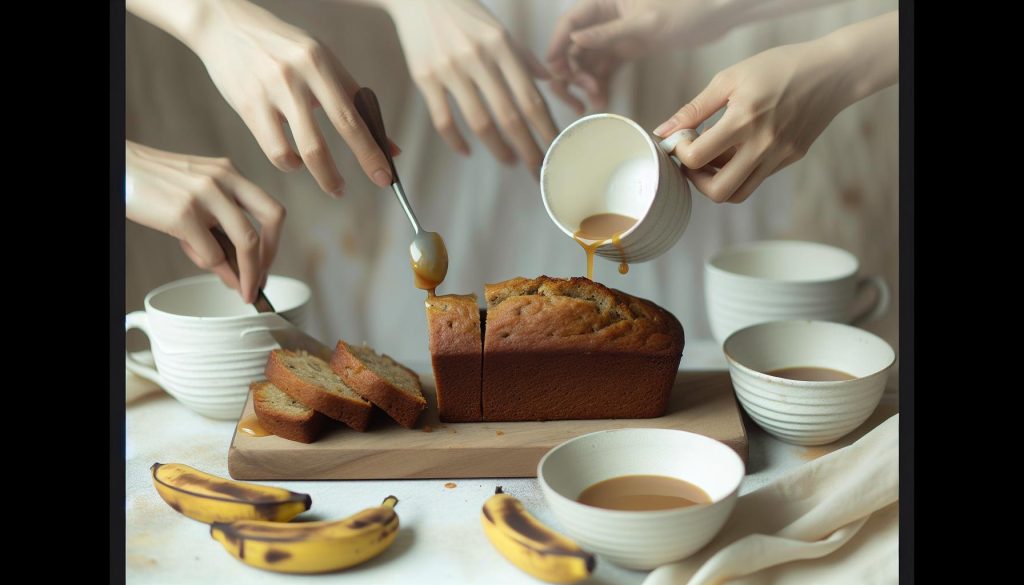
Imagine the warm, nutty aroma of brown butter mingling with the sweet, rich scent of overripe bananas wafting from your kitchen. This Brown Butter Banana Bread Recipe with Caramel Depth takes traditional banana bread to new heights, transforming simple ingredients into a delightful treat that’s both comforting and gourmet. Whether you’re looking to impress family during the holidays or enjoy a cozy evening snack, this recipe allows you to savor every last crumb. It’s an approachable way to elevate your baking game without needing fancy equipment or skills-just a few bananas, butter, and a hint of patience. Join me as we explore how to create a loaf that’s not only delicious but also brimming with depth and personality. Ready to bake something extraordinary? Let’s dive into the recipe!
The Magic of Brown Butter: What You Need to Know
The rich, nutty aroma of brown butter fills your kitchen with warmth and invites creativity into your baking. This culinary gem isn’t just a simple tweak; it’s a transformative ingredient that elevates your banana bread to gourmet heights. Brown butter is made by melting butter and cooking it until the milk solids brown, creating a complex flavor profile that brings out the best in every bite. Imagine the caramel undertones mingling with the sweetness of ripe bananas-this is where magic happens!
To harness the true power of brown butter in your banana bread, pay attention to the following key points. First, use a light-colored pan if possible. This allows you to clearly see the color of the butter as it cooks. The goal is to achieve a deep golden brown without burning it, which typically takes about 6-8 minutes over medium heat. Don’t rush this step; the patience you invest will reward you with that incredible nutty flavor-perfect for enhancing your banana bread.
When it comes to incorporating brown butter, it’s best to let it cool slightly before adding it to your batter, ensuring it blends well with your other ingredients. This subtle alteration in technique can significantly impact texture and moisture, leading to a loaf that is not only flavorful but also delightfully tender.
Experimentation is key! Feel free to adjust the amount of brown butter based on your preference. And for the adventurous bakers, consider drizzling a bit of brown butter on top of your bread before it bakes for an added layer of flavor that will surprise and delight anyone who takes a bite. Brown butter banana bread is not just a recipe; it’s an experience waiting to happen in your kitchen!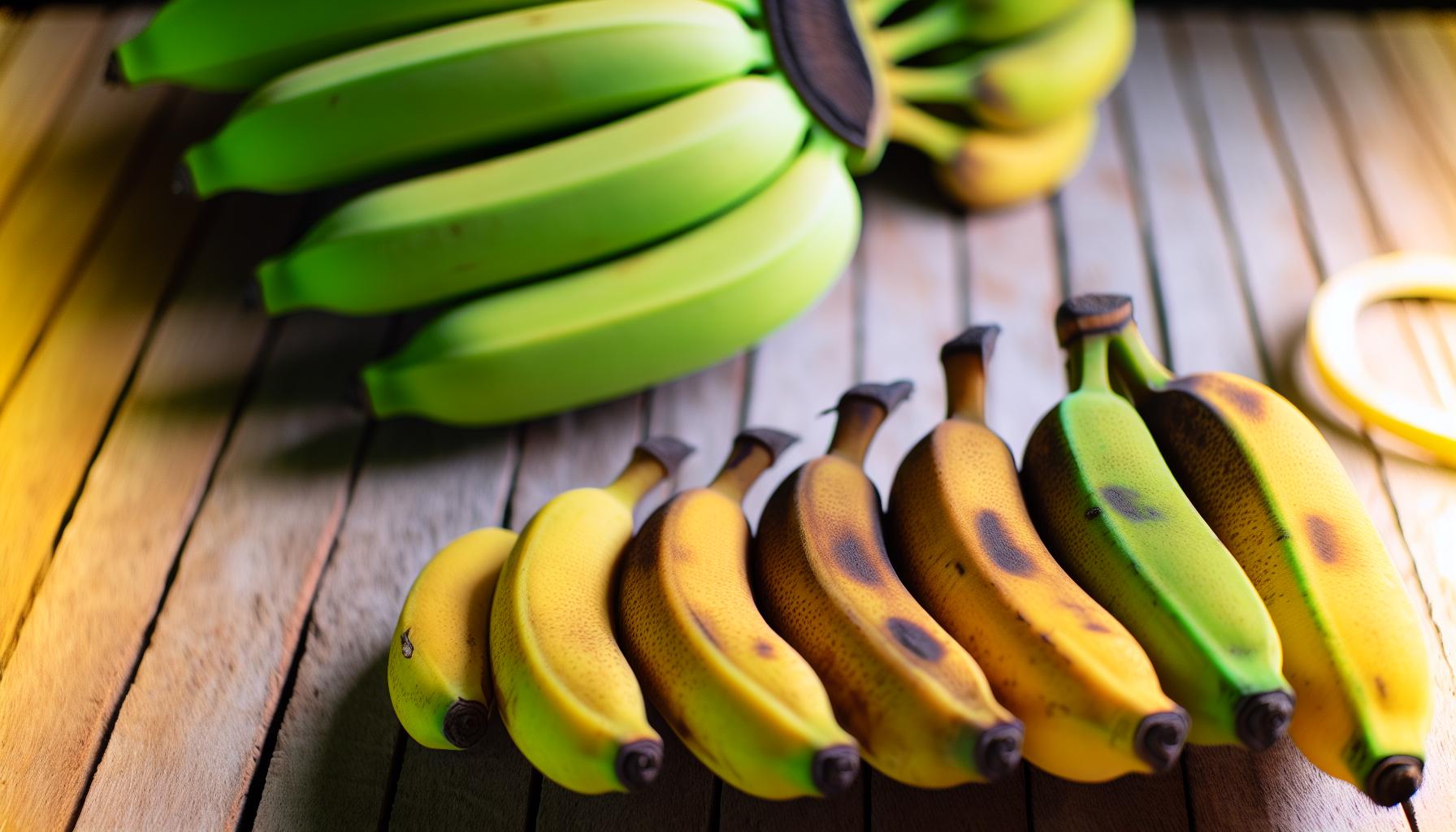
Choosing the Perfect Bananas for Flavor
The right bananas can make all the difference when it comes to achieving that perfect flavor in your brown butter banana bread. For the best results, choose bananas that are spotty and well-ripened. Ripe bananas not only enhance sweetness but also contribute moisture and depth, which are essential for a luscious loaf. They should be firm but soft to the touch, indicating they are ready to burst with flavor.
Here are some key tips to consider when selecting your bananas:
- Look for spots: The more brown spots, the riper the banana, and the sweeter the flavor. Bananas with uneven, brown freckles indicate that the starches have converted to sugars.
- Check for firmness: Overly mushy bananas can be too ripe and may result in a dense loaf. Aim for a balanced firmness that signals ripeness without being too soft.
- Smell test: Ripe bananas have a sweet aroma. If they smell strong and delicious, they’re likely perfect for baking.
- Use frozen bananas: If you have overripe bananas that you can’t use in time, peel and freeze them for your banana bread recipe later! Just thaw and drain excess liquid before combining with the other ingredients.
While a well-ripened banana is key, there’s always room for creativity. Consider mixing in bananas at different ripeness levels for a more complex flavor profile. This can introduce subtle variations in sweetness and consistency that will elevate your banana bread game. Don’t hesitate to incorporate your personal preferences, whether that’s opting for extra ripe bananas for maximum sweetness or balancing them with a splash of lemon juice for a hint of tang.
Ultimately, the right banana choice complements the rich, nutty depth of brown butter, creating a harmonious blend that will tantalize your taste buds and make your banana bread a standout treat. Remember, baking is all about experimentation, so enjoy the process of finding your perfect banana balance!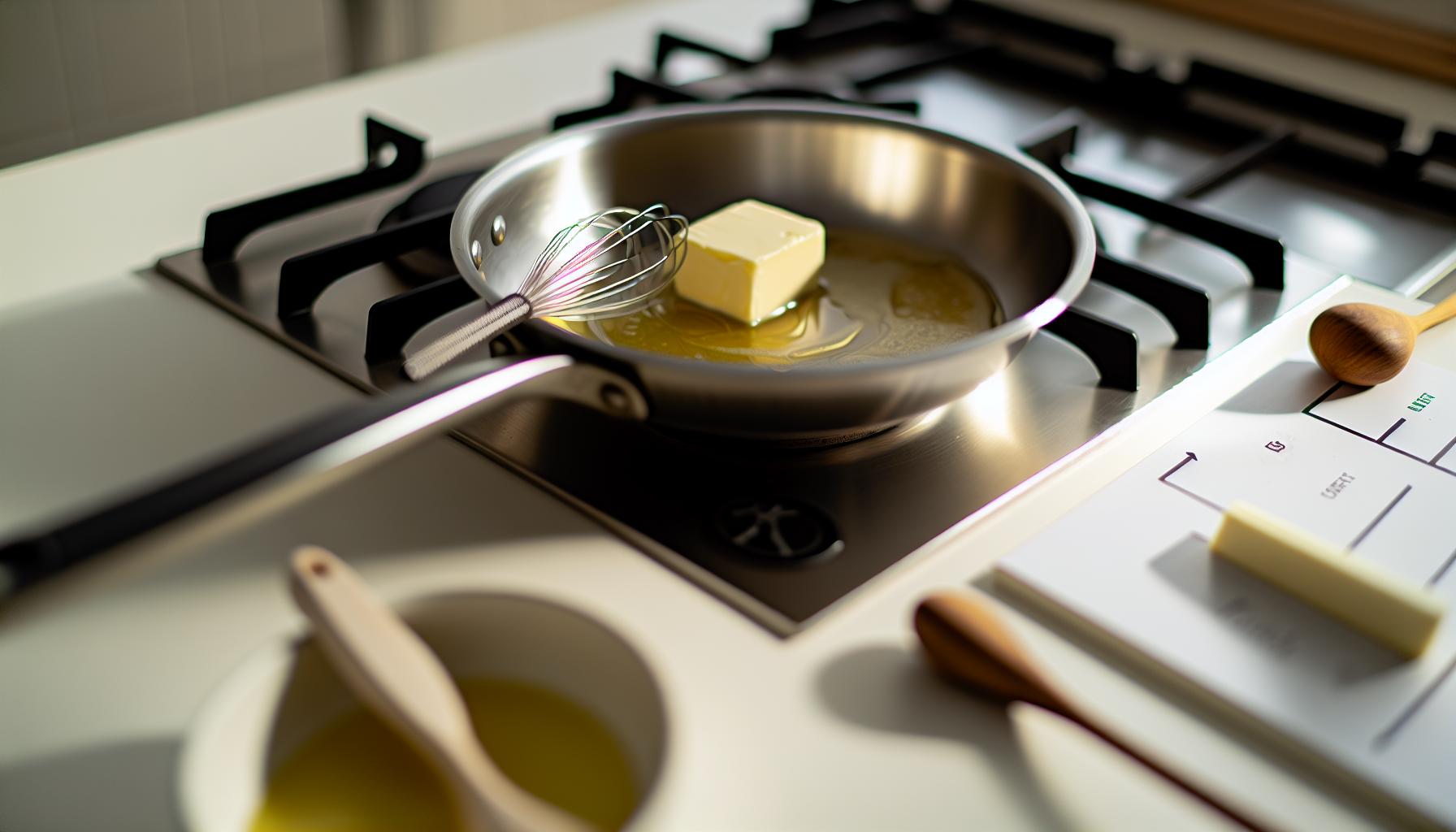
Step-by-Step Guide to Making Brown Butter
To create brown butter, that deliciously nutty foundation for your banana bread, you only need one ingredient: butter. The process is surprisingly simple yet transformative, adding depth and richness that elevates your baking to new heights. Here’s a straightforward guide to mastering this technique in your own kitchen.
Start with medium to high heat. In a light-colored saucepan, add your unsalted butter-about one stick (4 ounces) is a good starting point. As the butter melts, it will begin to foam, so give it a gentle stir with a wooden spoon or silicone spatula. Choosing a light-colored pot is beneficial because it allows you to monitor the color change of the butter more easily.
Once melted, reduce the heat to medium. Continue stirring occasionally as the butter passes through various stages: it will first foam, then start to bubble and hiss as the water content evaporates. After about 5-7 minutes, keep a diligent watch for that golden color. When the butter reaches a lovely rich amber hue, and you start to notice a nutty aroma, it’s time for the next step. This is a crucial moment, as you want to catch it before it goes too far and burns.
Once you have your perfectly browned butter, remove it from the heat immediately and take a moment to admire its beautiful caramel color. Allow it to cool slightly before incorporating it into your banana bread batter. Make sure to scrape any browned bits from the bottom of the pan, as these contribute to the flavor that will meld beautifully with the bananas in your recipe.
With these simple steps, you’ll master the art of brown butter. This rich, nutty concoction is the secret ingredient that brings out the best in your banana bread, adding that delightful caramel depth that keeps everyone coming back for seconds. Enjoy the process, and remember, practice makes perfect!
Essential Ingredients for Irresistible Banana Bread
Using the right ingredients is key to elevating your banana bread from good to irresistible. Let’s dive into what makes a delicious brown butter banana bread that not only has a comforting texture but also that exquisite caramel depth you crave.
For the best results, start with very ripe bananas. The more spots they have, the sweeter and more flavorful they become. These bananas not only enhance the natural sweetness of your bread but also contribute to its moisture. Aim for bananas that are soft and slightly brown, as they will mash easily and integrate beautifully into your batter.
Next up is the brown butter, which you’ve already learned to prepare. Its nutty flavor elevates the essence of banana bread, creating a rich backdrop that transforms this humble loaf into something extraordinary. Ensure your butter is unsalted so you can control the saltiness of your bread precisely.
Sugar plays a pivotal role too. While you can go with granulated sugar for sweetness, incorporating brown sugar will add more depth due to its molasses content. This is the secret to not just sweetness, but also that lovely hint of caramel that harmonizes with the brown butter. You might even consider a half-and-half mix of dark brown sugar and granulated sugar for an even richer flavor profile.
Don’t forget about additional ingredients that can amp up the overall experience. A sprinkle of cinnamon can add warmth, while chopped nuts such as walnuts or pecans introduce a satisfying crunch. For those who want to experiment, consider adding chocolate chips or shredded coconut; both can add layers of flavor and texture.
Lastly, a touch of vanilla extract is essential. It rounds out the flavor, complementing the bananas and enhancing the aromatic qualities of the brown butter. Always choose pure vanilla extract for the best results-your taste buds will thank you!
In summary, with ripe bananas, perfectly browned unsalted butter, a blend of sugars used strategically, and your choice of comforting add-ins, you’ll create a banana bread that’s not just a baked good but a warm memory waiting to happen. Happy baking!
Mixing Techniques That Enhance Texture
When crafting the perfect brown butter banana bread, how you mix your ingredients can make all the difference. Each technique plays a crucial role in achieving that tender crumb and delightful texture that you crave. Understanding these methods will empower you to create a loaf that’s not just delicious but also unbelievably satisfying.
Start by incorporating your ingredients in the right order. Begin with your brown butter, which should be cooled slightly but still warm. This fat adds rich flavor and moisture, so it’s essential to mix it well with your sugar until the mixture becomes creamy and light. This process, often referred to as “creaming,” helps to aerate the batter, ensuring your banana bread rises beautifully. If you have a stand mixer, use the paddle attachment on medium speed; otherwise, a simple whisk will do the job just fine.
Once your butter and sugar are well combined, it’s time to fold in your mashed bananas. When adding wet ingredients like bananas, be gentle in your mixing. Over-mixing can develop gluten in the flour, leading to a denser bread. Instead, use a spatula to fold the mashed bananas into your butter-sugar mixture just until combined. This method helps maintain a light and fluffy texture.
After the bananas are incorporated, sift together your dry ingredients: flour, baking soda, and a pinch of salt. Gradually add this mixture to the wet ingredients, stirring gently. This is crucial-mix just until you see no dry flour streaks. A few lumps are perfectly fine! This ensures that your bread remains tender, with a moist crumb that beautifully complements the nutty undertones of the browned butter.
Lastly, don’t forget to add any stir-ins like nuts or chocolate: again, fold these in gently. This technique not only distributes them evenly throughout the batter but also preserves that perfect texture. With these simple yet effective mixing techniques, you’ll create a beautiful brown butter banana bread that’s a true crowd-pleaser-rich, moist, and bursting with flavor. Happy baking!
Secrets to Achieving Caramel Depth
To elevate your brown butter banana bread into a divine treat with a rich, caramel-like depth, you’ll want to harness a few essential techniques. The secret lies in the careful development of flavors through the brown butter process and the strategic use of complementary ingredients. Together, these elements create that irresistible, slightly nutty sweetness that caramel brings to the table.
Start by making your brown butter with intentionality. Heat your butter over medium heat, stirring frequently, until it melts and foams. Keep an eye on it as it changes color-golden brown flecks will form at the bottom, releasing a beautiful, nutty aroma. This is where the magic happens! It’s tempting to rush this process, but taking the time to properly brown your butter will yield a more complex flavor profile akin to caramel. Aim for a deep amber color, but be careful not to go too far; burnt butter can have a bitter taste.
Next, consider incorporating brown sugar into your banana bread recipe. While regular granulated sugar offers sweetness, brown sugar adds moisture and a molasses flavor that plays wonderfully with the warm notes of browned butter. You might even play around with a mix of the two, using half brown sugar and half granulated sugar for the best of both worlds. This simple swap can significantly enhance the depth of flavor in your bread, giving it that luscious caramel undertone.
Finally, don’t shy away from additional flavor enhancers like a splash of vanilla extract or a hint of sea salt. A touch of salt can balance the sweetness and amplify the caramel taste, while vanilla brings warmth and complexity. Feel free to experiment with spices such as cinnamon or nutmeg, which can contribute to that cozy, comforting experience reminiscent of caramel desserts.
By understanding and utilizing these techniques, you’ll create a brown butter banana bread that doesn’t just taste good; it possesses that sought-after caramel depth that will keep friends and family coming back for seconds. Happy baking!
Solving Common Banana Bread Problems
Banana bread is a beloved staple in many kitchens, but even the most seasoned bakers sometimes encounter bumps along the way. Let’s dive into some common problems you might face while making your brown butter banana bread, and how to troubleshoot them effectively so you can enjoy a wonderful, caramel-infused treat.
One of the most frequent issues is ending up with dry or dense banana bread. This can happen if you’ve overmixed the batter or if there isn’t enough moisture in the ingredients. To prevent this, gently fold the wet ingredients into the dry ingredients until just combined. A few lumps are perfectly fine! Additionally, make sure your bananas are very ripe; they should be brown and speckled for optimal moisture and sweetness. If you find your bread still turns out dry, consider adding a tablespoon of yogurt or sour cream for added moisture.
Another common concern is uneven baking, where the top may appear done, but the center is still gooey. This often occurs if the oven temperature is too high or if the loaf is too large for your pan. Use an oven thermometer to ensure accuracy and adjust the baking temperature between 325°F and 350°F. Also, try using a standard 8×4-inch loaf pan for even baking. Checking for doneness with a toothpick inserted into the center is a great way to avoid this pitfall-look for a couple of moist crumbs, not wet batter, on the toothpick.
If your banana bread sinks in the middle, it’s often due to too much leavening agent or an imbalance of wet and dry ingredients. Be sure to measure your baking soda or powder accurately, and consider reducing them slightly if you’re experimenting with other rising agents. Additionally, make sure the bananas are mashed well and mixed thoroughly, distributing the moisture evenly throughout the batter.
Lastly, you might find that your bread doesn’t have the rich, caramel depth you were hoping for. This could be due to insufficient browning of your butter. Ensure you’re allowing your butter to turn a lovely golden brown with nutty aromas before incorporating it into your batter. The depth of flavor from properly browned butter is what truly sets your banana bread apart, so take the time to get this step right!
Baking is as much about learning from experience as it is about following recipes. Don’t be discouraged by setbacks; each attempt is a step toward perfecting your brown butter banana bread! Enjoy the process, and remember that even if things don’t go perfectly, you’re still creating something delightful. Happy baking!
Creative Variations and Add-Ins for Your Recipe
Experimenting with your brown butter banana bread can transform a simple recipe into a delightful masterpiece. The versatility of banana bread is one of its most charming qualities, allowing for various flavors and textures to be added without complicating the process. Here are some exciting variations and add-ins that can elevate your loaf to new heights!
One popular approach is to incorporate nuts and seeds. Chopped walnuts or pecans not only add a delightful crunch but also pair beautifully with the caramel notes of the brown butter. For a nutritious twist, consider adding sunflower seeds or pumpkin seeds. Not only do they provide a great texture contrast, but they also contribute healthy fats and a bit of protein.
Fruits and Spices to Enhance Flavor
If you’re feeling adventurous, have fun with dried or fresh fruits. Dried cranberries, blueberries, or even shredded coconut can impart natural sweetness and chewiness, giving your banana bread a unique flair. If you prefer fresh fruit, consider adding diced apples or pears, which can introduce a refreshing juiciness. Spice lovers can elevate the flavor profile by mixing in cinnamon, nutmeg, or even a hint of cardamom. These aromatic spices can complement the richness of the brown butter and create a warm, cozy aroma as your loaf bakes.
Decadent Chocolate Additions
For the chocolate enthusiasts, adding chocolate chips or chunks is a no-brainer. Dark, semi-sweet, or even white chocolate can create a delicious contrast with the banana and brown butter. For a more intense flavor experience, try swirling in a tablespoon of Nutella or peanut butter into your batter before baking. This not only adds richness but also offers a beautiful marbled effect that’s visually appealing.
Taking It Up a Notch with Glazes and Toppings
Don’t forget about finishing touches! A light glaze made from powdered sugar and milk can add a sweet shine to your baked loaf, making it look as good as it tastes. For an extra indulgence, sprinkle the top with coarse sugar or crushed nuts before baking it; this creates a delightful crust. You can also serve slices with a dollop of whipped cream or a smear of cream cheese for added luxuriousness.
Remember, the beauty of baking lies in creativity. Don’t hesitate to mix and match these suggestions to find your perfect combination. Each loaf can be a new adventure, so grab your overripe bananas, brown some butter, and let the experimenting begin! Happy baking!
How to Store and Freeze Brown Butter Banana Bread
To keep your brown butter banana bread fresh and delicious, proper storage is key. By following a few simple steps, you can ensure that this rich, moist treat maintains its incredible flavor and texture for days to come. Whether you’re enjoying it right away or saving it for later, these storage tips will help you savor each bite.
For short-term storage, wrap your banana bread tightly in plastic wrap or aluminum foil once it’s completely cooled. This method prevents air from drying it out while also keeping it moist. Place the wrapped loaf in a resealable plastic bag for extra protection or store it in an airtight container. When stored at room temperature, your banana bread can last for up to 4-5 days. For longer preservation, consider refrigeration, which can extend the shelf life for about a week, but be mindful that it may change the bread’s texture slightly.
If you plan to keep your brown butter banana bread for an extended period, freezing it is a fantastic option. Start by slicing the loaf; this allows you to take out individual pieces without needing to thaw the entire loaf. Wrap each slice in plastic wrap or aluminum foil, then place them in a freezer-safe bag, removing as much air as possible. This method will keep your banana bread fresh for 2-3 months in the freezer. When you’re ready to enjoy a slice, simply thaw it at room temperature or pop it in the microwave for a quick reheating.
Keep in mind that enjoying your brown butter banana bread slightly warmed enhances its flavors, accentuating the caramel depth you’ve crafted with the brown butter. You can also serve it with a pat of butter, a sprinkle of cinnamon, or even a scoop of ice cream as a delightful treat-no one will ever guess it was a simple banana bread recipe! Happy baking and savoring every delicious morsel!
Serving Suggestions: Pairings That Delight
There’s something wonderfully heartwarming about banana bread, especially when it’s elevated with the nutty, caramelized goodness of brown butter. While this delectable loaf stands tall on its own, pairing it with the right accompaniments can turn an ordinary moment into a delightful culinary experience. Here are some suggestions to enhance your enjoyment of brown butter banana bread.
Spread the Joy
Start with simple spreads that complement the rich flavors of your banana bread. A pat of room temperature butter can melt into the warm loaf, creating a luscious experience with every bite. For a twist, try cinnamon butter-just mix softened butter with sugar and cinnamon for an extra touch of sweetness. A drizzle of honey or maple syrup can also add a lovely depth, accentuating that caramel note beautifully.
Fruity Freshness
Slathering your slice with a spread is delightful, but consider topping your banana bread with fresh ingredients too. Sliced bananas on top add an extra layer of flavor and texture. Adding a handful of berries-like raspberries or strawberries-can provide a fresh tartness that balances the sweetness of the bread. A dollop of Greek yogurt or whipped cream adds creaminess, making it feel indulgent yet light.
Perfect Pairings to Drink
Beverage pairings also play a significant role in enhancing your banana bread experience. A steaming cup of coffee or espresso can bring out the intricacies of the brown butter, while a glass of cold milk is a timeless classic. For something a bit different, consider a chai latte or a spiced apple cider, which can echo the warm flavors of the bread, creating a cozy moment that feels just right.
Creative Serving Ideas
When it comes to serving, think beyond the standard slice. Try creating a banana bread French toast by soaking slices in a custard mixture and then cooking them on the griddle until golden. Serve with a drizzle of syrup and a sprinkle of powdered sugar for a show-stopping brunch dish. Alternatively, you can cube the banana bread and use it in a decadent bread pudding, tying in rich custard and adding your favorite mix-ins like chocolate chips or nuts.
Each slice of brown butter banana bread invites you to get creative. By experimenting with spreads, toppings, beverages, and inventive serving ideas, you can create delightful combinations that elevate your baking experience. Happy pairing!
The Science Behind Baking Perfect Banana Bread
The delightful process of baking banana bread isn’t just about following a recipe; it’s a beautiful dance of chemistry that transforms simple ingredients into something rich and satisfying. Understanding the science behind each component can help ensure your brown butter banana bread turns out perfectly every time, with that luscious caramel depth that makes it irresistible.
One key factor in achieving the perfect loaf is the right balance of ingredients. The bananas provide moisture and sweetness, while the fat, especially when you’re using brown butter, adds richness and flavor. Brown butter offers a nutty infusion that complements the natural sweetness of bananas beautifully. When browning the butter, you’re not just altering its flavor; the Maillard reaction comes into play, enhancing the overall taste profile through caramelization. The toasted milk solids contribute to that magic caramel flavor, so don’t skip this step!
The Importance of Bananas
The ripeness of your bananas also plays a critical role. They should be speckled with brown spots and soft to the touch-the more spots, the sweeter they are. Overripe bananas are full of natural sugars that will make your banana bread tastier and help achieve a moist texture. If you happen to have an abundance of yellow bananas, don’t hesitate to throw them in a paper bag to accelerate the ripening process!
Mixing Techniques Matter
Another important aspect is how you mix your ingredients. Start by creaming the brown butter (cooled to a warm temperature) with sugars until light and fluffy. This step captures air, helping the bread rise beautifully in the oven. Next, add in the mashed bananas and mix until just combined-over-mixing can lead to dense bread. This is where you can incorporate other elements like flour gently, ensuring you’re not toughening the gluten unnecessarily.
Oven Temperature and Time
Finally, control your baking environment. Preheating your oven is crucial; a properly heated oven ensures that the banana bread rises and sets correctly from the start. If the heat is too low, you might end up with a gummy textural disaster instead of the moist, tender crumb you desire. Baking at 350°F (175°C) is typically ideal. Start checking for doneness a few minutes before your recipe suggests-insert a toothpick in the center; it should come out clean or with a few moist crumbs attached.
By embracing the science behind baking, you can take pride in each banana bread you create, knowing that you’ve balanced the flavors perfectly and achieved the right texture for a truly delightful dessert. Get ready to enjoy that melt-in-your-mouth experience, enhanced by the unique taste of brown butter!
Nutritional Benefits of Brown Butter Banana Bread
The rich flavors of brown butter banana bread not only delight your taste buds but also come with a variety of nutritional benefits. This comforting treat packs a punch of energy, making it a great choice for breakfast or a snack. The combination of overripe bananas and brown butter creates a deliciously moist bread that also provides natural sweetness, allowing you to cut back on added sugars.
One of the standout ingredients, bananas, brings several health benefits. They’re a fantastic source of potassium, which is essential for maintaining heart health and regulating blood pressure. Plus, their high fiber content aids digestion, helping you feel fuller longer. The natural sugars in bananas offer a quick energy boost without the crash that comes from refined sugars.
Using brown butter instead of regular butter adds an interesting twist. While butter is often viewed with caution due to its fat content, brown butter is celebrated for its unique flavor profile that can enhance the overall satisfaction of your baking. In moderation, the fat from butter can play a crucial role in absorbing certain vitamins, such as A, D, E, and K, which are important for various bodily functions. Remember, balance is key-enjoying this flavorful banana bread can be part of a healthy diet when paired with other nutritious foods throughout the day.
To think beyond taste, consider the overall experience of baking and enjoying brown butter banana bread. It offers not just a treat, but also a moment of connection, whether you’re sharing it with friends or savoring it during a quiet afternoon. It’s a reminder that homemade creations can nourish not just our bodies but also our spirits. So grab those overripe bananas and indulge in the wonderful world of baking-your taste buds and your body will thank you!
FAQ
Q: How can I tell when my brown butter is done cooking for banana bread?
A: Your brown butter is ready when it has a deep amber color and a rich, nutty aroma. Stir it constantly to prevent burning. Look for browned bits at the bottom of the pan; they should be fragrant but not black. Refer to “Step-by-Step Guide to Making Brown Butter” for more tips.
Q: Can I use non-dairy butter for this brown butter banana bread recipe?
A: Yes, you can use non-dairy butter or coconut oil. However, the flavor profile will differ slightly. Make sure to brown the non-dairy butter carefully to capture that nutty depth. Check out “Essential Ingredients for Irresistible Banana Bread” for more alternatives.
Q: What can I do if my banana bread is too dense?
A: If your banana bread is dense, try using room temperature ingredients and ensure you’re not over-mixing the batter. Also, consider using lighter flour or adding an extra ripe banana for moisture. Visit “Solving Common Banana Bread Problems” for more troubleshooting advice.
Q: How do I achieve a more pronounced caramel flavor in my banana bread?
A: To enhance caramel flavor, increase the amount of brown sugar or add a splash of vanilla extract. Additionally, incorporate some caramel sauce into the batter. Refer to “Secrets to Achieving Caramel Depth” for detailed suggestions.
Q: Can I add nuts or chocolate chips to the brown butter banana bread?
A: Absolutely! Adding walnuts, pecans, or chocolate chips can elevate the flavor and texture. Mix them in just before combining the wet and dry ingredients for even distribution. Explore “Creative Variations and Add-Ins for Your Recipe” for more ideas.
Q: How can I tell if my banana bread is fully baked?
A: Your banana bread is done when a toothpick inserted into the center comes out clean or with a few moist crumbs. Be sure to check towards the end of your recommended baking time. For perfect timing, see “The Science Behind Baking Perfect Banana Bread.”
Q: What should I do if I want to make mini banana breads instead?
A: To make mini banana breads, adjust your baking time to about 20-25 minutes. Use small loaf pans and keep an eye on them, as smaller portions bake faster. Check the “How to Store and Freeze Brown Butter Banana Bread” for tips on keeping them fresh.
Q: How should I store leftover brown butter banana bread?
A: Store leftovers in an airtight container at room temperature for up to 3 days or refrigerate for up to a week. You can also freeze individual slices for longer storage. For more details, visit “How to Store and Freeze Brown Butter Banana Bread.”
To Conclude
Thank you for joining me in the kitchen today to whip up this delightful Brown Butter Banana Bread with Caramel Depth! Remember, the rich, nutty flavor of brown butter combined with the sweet, caramelized notes creates a truly unique experience that you won’t want to miss. Don’t let your bananas go to waste; make a loaf today and delight your friends and family!
If you loved this recipe, check out our guides on easy no-bake desserts and homemade caramel sauces to elevate your baking game further. Want more kitchen inspiration? Subscribe to our newsletter for weekly delightful recipes straight to your inbox! And if you have questions or variations you’ve tried, drop a comment below-we love hearing from fellow home cooks.
Finally, don’t forget to share your creations on social media using #MyBrownButterBread! Your delicious photos might inspire someone else to join this culinary adventure. Happy baking!