

There’s something magical about warm, fluffy butter rolls that instantly elevates any dinner. These ultra-soft dinner clouds are not just a delicious addition to your meal; they bring a cozy, homemade touch that everyone will love. Imagine the delight of pulling golden, pillowy rolls from your oven, their buttery aroma filling the air, making mouths water.
Whether you’re gathering family around the table or hosting friends for a special occasion, these rolls can be the highlight of your meal. They’re surprisingly easy to make, even for beginners! With just a few simple ingredients and straightforward steps, you can create rolls that are both heavenly and satisfying. Plus, they can be customized with herbs, garlic, or even cheese to suit your taste. So, roll up your sleeves and get ready to impress your loved ones with these delightful treats that are not only a crowd-pleaser but also a labor of love from your kitchen!
Choosing the Right Ingredients for Fluffy Butter Rolls
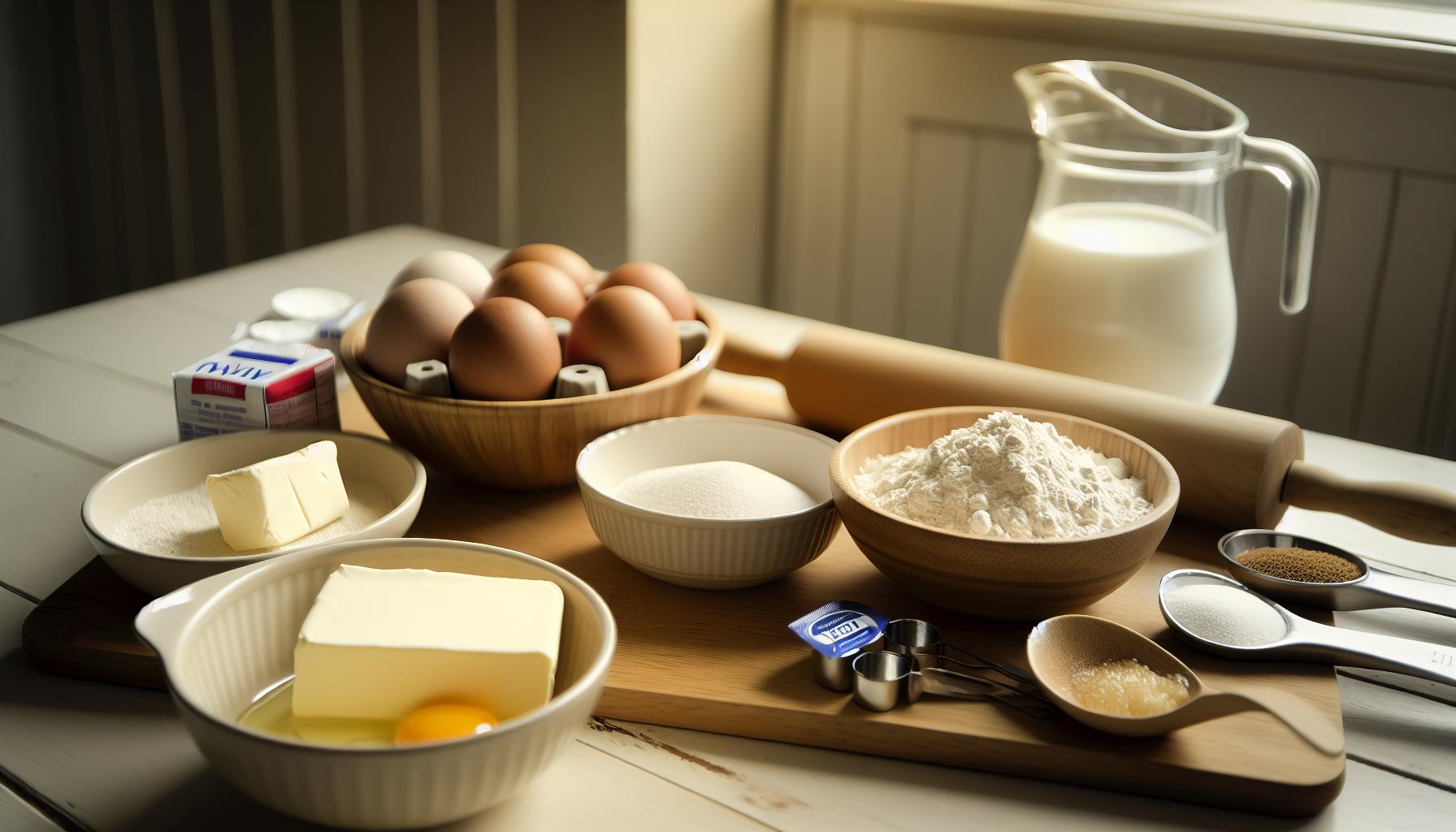
When it comes to crafting fluffy butter rolls, the quality of your ingredients plays a crucial role in achieving that light, airy texture we all crave. Start with high-quality unsalted butter-it not only adds moisture but also delivers a rich flavor. Using unsalted butter gives you the flexibility to control the salt content in your rolls, allowing for a sweeter dough that pairs perfectly with savory dishes. If you’re feeling adventurous, you might even consider using a plant-based butter or ghee for a unique twist.
Next up is the flour: all-purpose flour is a fantastic choice for its versatility, but for an even softer roll, consider using bread flour. Bread flour has a higher protein content, which helps develop gluten and contributes to a chewy texture, making your rolls not just fluffy but also a bit hearty. Combining all-purpose and bread flour can provide the best of both worlds.
Don’t overlook the yeast-fresh yeast will yield the best rise. If you’re using dry yeast, proof it in warm water with a bit of sugar before adding it to your dough to ensure it’s active. The liquid in your recipe also matters. Warm milk (rather than water) in your dough recipe enhances flavor and richness. For a slight sweetness, a touch of sugar in the dough will help activate the yeast and give your rolls a beautiful golden color when baked.
Lastly, a pinch of salt is essential, not just for taste but also for controlling yeast activity. Experimenting with dairy is another way to imbue extra flavor-try substituting some of the milk for buttermilk or adding a spoonful of yogurt to the mix for added moisture and tang. With these carefully selected ingredients, you’re well on your way to rolling up some delicious, fluffy clouds perfect for any dinner table.
Essential Kitchen Tools for Baking Success
Crafting ultra-soft butter rolls is as much about the tools you use as it is about the ingredients you select. The right kitchen equipment can make all the difference, ensuring smooth mixing, accurate measuring, and effective baking. Whether you’re a seasoned baker or just starting out, having a few essential tools on hand will guide you through the process with ease and confidence.
Start with a mixing bowl. A sturdy, large bowl is key for combining your ingredients. Opt for a stainless steel or glass bowl, which won’t retain odors and is easy to clean. A set of measuring cups and spoons is also indispensable. Precise measurements of flour, sugar, and liquid are crucial for the perfect dough consistency. For the best results, invest in a kitchen scale to weigh your ingredients. This can be especially helpful for flour, as it varies in density depending on how it’s scooped.
When it comes to kneading the dough, a silicone spatula will help you fold ingredients together effortlessly without scratching your mixing bowl. A bench scraper can be your best friend too; it helps in dividing and shaping your dough, and it makes cleaning up a snap! If you’re working with yeast-based doughs, having a stand mixer with a dough hook can save you time and effort, especially if you’re making a double batch.
Lastly, don’t forget about your baking sheets and parchment paper. Quality baking sheets will distribute heat evenly, ensuring that your rolls bake perfectly. Line your sheets with parchment paper to prevent sticking and make for easy cleanup. Having a trusty kitchen thermometer on hand to check the internal temperature of your rolls will also ensure they’re baked to golden perfection.
With these essential tools in your kitchen, you’ll be well-prepared to tackle your butter roll recipe, confidently creating those delectably fluffy, cloud-like rolls that can elevate any meal. Happy baking!
Step-by-Step Instructions to Make Soft Dinner Rolls

To create irresistibly soft dinner rolls that practically melt in your mouth, following a few simple steps can make all the difference. These buttery clouds are not only comforting but also bring joy to any meal. Let’s dive into the step-by-step process to get you rolling in no time!
Start by gathering your ingredients. You’ll need 4 cups of all-purpose flour, 2 tablespoons of sugar, 2 teaspoons of instant yeast, 1 teaspoon of salt, 1 cup of warm milk, and 1/2 cup of softened butter. Having everything pre-measured makes the process smoother and more enjoyable.
Mixing the Dough
In a large mixing bowl, combine the warm milk, sugar, and yeast. Let it sit for about 5-10 minutes, until frothy-it’s a sign that your yeast is active! Next, add 1/4 cup of the softened butter (reserving the rest for later), salt, and 2 cups of flour. Stir until combined, then gradually add the remaining flour, mixing until a shaggy dough begins to form.
Kneading to Perfection
Dust your countertop lightly with flour. Turn out the dough and knead it for about 8-10 minutes, or until it feels smooth and elastic. If you have a stand mixer with a dough hook, you can knead it on low speed for a similar time. If the dough is too sticky, sprinkle it with a little more flour as needed. Remember, the more you knead, the better your rolls will be!
First Rise
Once your dough is kneaded, shape it into a ball and place it in a lightly greased bowl. Cover with a kitchen towel or plastic wrap to keep it warm. Allow it to rise in a warm place for about 1 to 1.5 hours, or until it has doubled in size. This is the moment where patience pays off, as the yeast does its magic!
Shaping Your Rolls
After the dough has risen, gently punch it down to release any air. Turn it onto a floured surface and divide it into 12 equal pieces. Shape these pieces into balls by tucking the edges underneath to create a smooth top. Place the rolls in a greased baking pan, ensuring they are close but not touching.
Second Rise and Baking
Cover the shaped rolls with a towel and let them rise again for about 30 minutes, or until they puff up nicely. Preheat your oven to 350°F (175°C) during this time. Once risen, melt the remaining butter and brush it generously over the rolls for that golden-brown finish. Bake for 20-25 minutes, or until the tops are golden and the internal temperature reaches around 190°F (88°C).
Let the rolls cool slightly before serving. The aroma of freshly baked butter rolls will fill your kitchen, creating an inviting atmosphere. Serve these warm with more butter or your favorite jam, and watch them disappear!
With this straightforward recipe, you’ll be able to impress your family and friends with soft, fluffy butter rolls perfect for any occasion. Enjoy the process and feel free to add your own twist-perhaps some garlic or herbs for an extra flavor kick! Happy baking!
Secret Tips for Ultra-Soft Dough and Texture
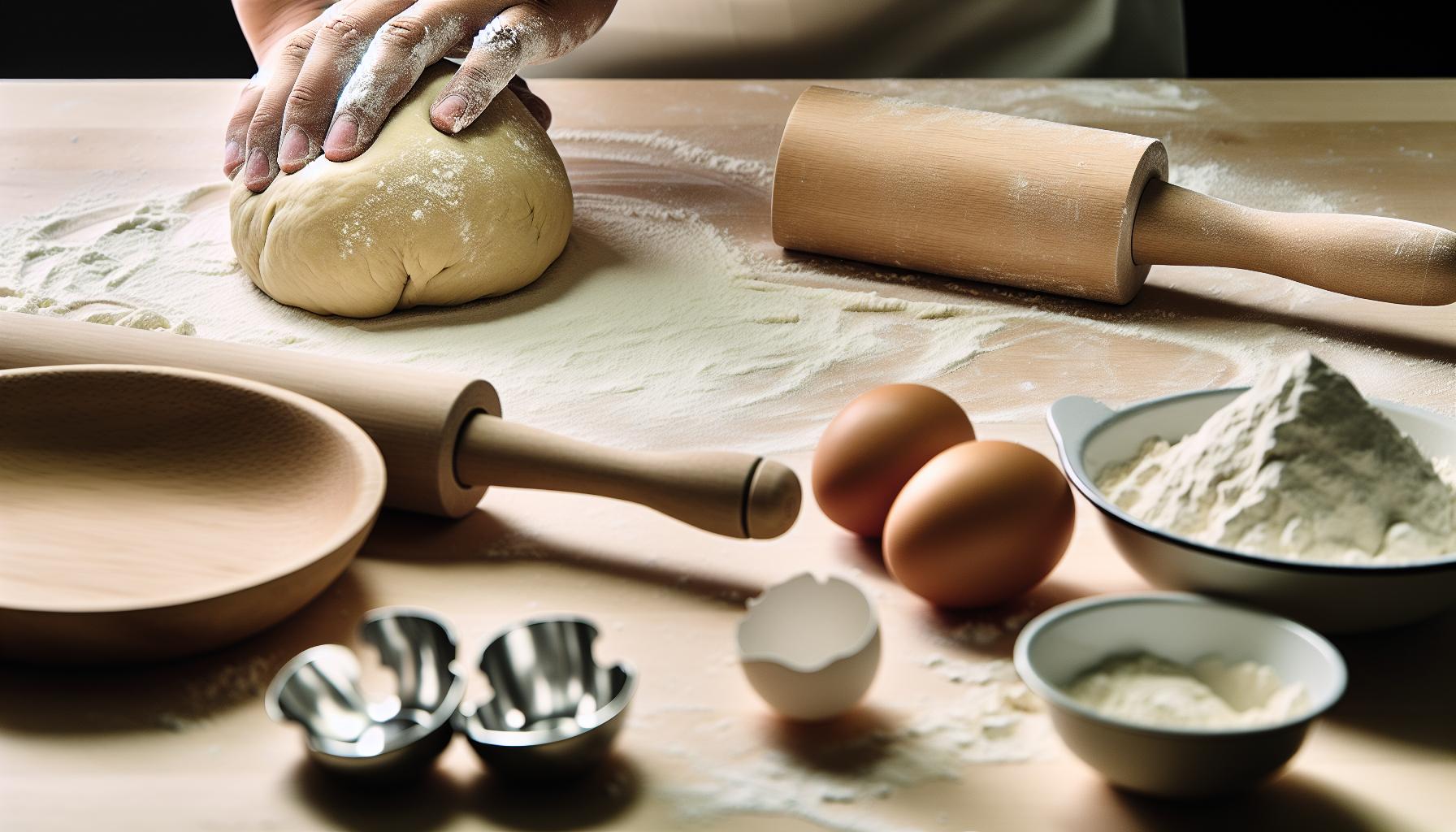
When it comes to achieving that dreamy, ultra-soft texture in your butter rolls, there are a few key techniques you can employ that will transform your dough into fluffy clouds of deliciousness. One vital tip is to ensure your butter is at the right consistency. Use softened butter, which is easy to blend into the dough, creating a tender crumb. If you’re in a hurry, you can gently microwave butter in short bursts, ensuring it’s softened but not melted.
Another secret lies in the kneading process. Kneading your dough well develops gluten, which helps create structure and a chewy texture. You should knead for about 8-10 minutes until the dough is smooth and elastic. If you have a stand mixer with a dough hook, it can do most of the work for you. However, don’t rush this stage; the more time you invest in kneading, the softer your rolls will become.
To keep your dough extra soft, consider the hydration level. Adding a little extra warmth or moisture can make a significant difference. When mixing your ingredients, try using warm milk instead of cold; this not only helps the yeast activate but also keeps the dough cozy, encouraging a better rise. If your dough feels too dry, don’t hesitate to sprinkle in a bit more milk, just a tablespoon at a time, until it reaches the right consistency.
Lastly, pay attention to your rising times. Each rise is your dough’s opportunity to develop flavor and texture. Be patient and allow it to double in size during the first rise, and don’t skimp on the second rise; this ensures that the rolls are airy and soft. While the dough rises, keep it covered and in a warm environment, as cooler temperatures can slow down the yeast activity, resulting in denser rolls. By following these tips, you’ll be on your way to baking the softest butter rolls that everyone will love!
Experimenting with Flavors: Adding Herbs and Spices
Adding herbs and spices to your butter rolls can elevate their flavor profile and make them truly memorable. Imagine pulling a warm, fluffy roll from the oven, its surface glistening with melted butter and a hint of herbs that tantalizes your taste buds. Experimenting with different seasonings not only enhances the rolls but also allows you to tailor them to match your meal or occasion.
To begin with, consider incorporating fresh herbs into your dough. Chopped rosemary, thyme, or dill can create a savory delight that complements a variety of dishes. You can add about two tablespoons of finely chopped herbs to your flour mixture for a subtle flavor infusion. If you’re using dried herbs instead, reduce the amount to about one tablespoon since they are more concentrated.
Spices can also play a significant role in your butter rolls. For instance, sprinkling some garlic powder or even a dash of smoked paprika into the dough can yield a deliciously aromatic result. Adding spices works best when combined with a sprinkle of sea salt, which will bring out their flavors. Try experimenting with combinations like garlic and rosemary or a mix of oregano and parsley for a twist that pairs wonderfully with Italian meals.
If you’re feeling adventurous, consider sweetening your rolls with cinnamon or nutmeg, especially if you’re aiming for a sweet variation like cinnamon rolls. This can be achieved by adding one to two teaspoons of your chosen spice to the dough and also incorporating sugar into the mix for balance. Don’t forget to brush the tops with some melted butter mixed with spices right before baking for an enticing aroma and flavor boost.
Engaging in this experimentation process is not only enjoyable but also encourages creativity in the kitchen. Feel free to write down your combinations and keep track of what works and what doesn’t. You’ll create your unique versions of butter rolls that become family favorites-because the joy of cooking lies in discovering new flavors and making them your own!
Different Types of Shaping Techniques for Perfect Rolls
Creating the perfect butter roll is as much about the dough as it is about how you shape it. Shaping your rolls not only affects their appearance but also influences how they rise and bake, impacting the final texture and softness. After you’ve kneaded your dough to a lovely, smooth consistency, it’s time to transform those little pieces into beautiful rolls that beckon from the oven.
One popular shaping technique is the ball method. To do this, take a piece of dough and gently flatten it into a disc. Then, fold the edges toward the center, creating a small pouch. Flip it over so the seam is on the bottom and roll it gently between your palms to form a smooth ball. This technique helps the rolls rise uniformly, resulting in that fluffy, cloud-like texture. Aim for uniform size so that they bake evenly.
Another fun technique to try is the cinnamon roll twist. Start by rolling out your dough into a rectangle. Spread a layer of butter and your choice of sweet filling-like brown sugar and cinnamon-across the surface. Then, roll the rectangle tightly from one end to the other to form a log. Slice the log into equal pieces and place them in a baking dish. This not only produces a delightful swirl but also provides a bit of flair on the dinner table!
For those aiming for a more elegant presentation, consider the cloverleaf method. Divide your dough into smaller pieces and create three small balls. Place these in a muffin tin, ensuring that they touch slightly. The rolls will rise into each other, creating soft, pillowy rolls that are easy to pull apart. This method is particularly great for dinner gatherings, making it a simple and appealing way to serve.
Lastly, don’t shy away from braiding if you’re feeling artistic! For this technique, take three strands of dough, rolling each into a long rope. Braid them together and tuck the ends under to create a lovely braided roll. This not only makes for a visually stunning bread but also can be flavored beautifully with herbs or spices added to the dough.
Each shaping technique offers a unique twist to your butter rolls, adding both visual appeal and delightful texture. Keep experimenting until you find the methods that resonate with your baking style, and don’t forget to have fun in the kitchen-after all, the joy of homemade rolls is about creativity and flavor!
How to Properly Rise and Bake Your Rolls
To achieve those dreamy, ultra-soft butter rolls, understanding the nuances of rising and baking is key. The first step is creating the ideal environment for your dough to rise. Yeast loves warmth and moisture, so find a cozy spot in your kitchen-an oven preheated to the lowest setting for a few minutes then turned off is perfect. Place your covered dough-wrapped in a towel or within a lightly greased bowl-inside. Let it rise until nearly double in size, usually about 1 to 1.5 hours. Keep an eye on it; perfect rising is crucial for fluffy rolls!
When your dough has achieved that lovely puffiness, it’s time to shape your rolls and prepare for the second rise. After shaping, place them in a greased baking dish or a lined baking tray, ensuring they’re snug yet not overcrowded. Cover them again with a kitchen towel and allow them to rise for another 30 to 45 minutes. This final rise is essential for that light, airy texture. If you can gently poke a roll and it springs back slowly, then you’re good to go!
Baking is where the magic happens. Preheat your oven to 350°F (175°C). For even baking, consider rotating your tray halfway through the baking time. Depending on your oven and the size of your rolls, this should take about 20 to 25 minutes. You’ll know they’re done when they’re golden brown, and tapping on the bottom gives a hollow sound. As they bake, the delicious aroma of butter fills your kitchen, promising a delightful treat.
Once out of the oven, brush your rolls with melted butter for that shiny, flavorful finish and to keep them soft. Allow them to cool for a few minutes before serving. If you’ve followed these steps, you’ll have soft, fluffy rolls that are perfect for gatherings or a cozy family dinner. Enjoy the process and don’t hesitate to experiment with the timing based on your oven; each bake is a chance to refine your technique!
Storing and Reheating Leftover Butter Rolls
Leftover butter rolls can be a delightful treat if stored and reheated correctly, preserving their fluffy texture and rich flavor. To keep your rolls fresh, start by allowing them to cool completely after baking. Once cooled, transfer them to an airtight container or wrap them in plastic wrap to prevent them from drying out. If you plan to eat them within a few days, storing them at room temperature is perfectly fine. However, for longer storage, move them to the fridge, where they can last about a week.
When it comes to reheating your rolls, the goal is to restore their softness while maintaining that lovely buttery aroma. The best method is to wrap each roll in aluminum foil and place them in a preheated oven at 350°F (175°C) for about 10 to 15 minutes. This method traps steam inside the foil, gently warming the rolls without making them tough. If you’re short on time, a microwave can also work. Just place a damp paper towel over the rolls and microwave for about 15 to 20 seconds. Be cautious, as they can quickly become chewy if overheated.
For a tasty twist, consider brushing your reheated rolls with melted butter or garlic-infused oil. This extra layer of flavor enhances your leftover rolls, making them scrumptious enough to accompany any meal. If you have any remaining rolls after reheating, you can even slice them for sandwiches or serve them with soups and salads.
In summary, with the right storage techniques and reheating methods, your leftover butter rolls can remain as delicious as when they first came out of the oven. Enjoy the comfort of homemade creations, and don’t hesitate to get creative with how you serve them!
Troubleshooting Common Butter Roll Issues
Baking fluffy butter rolls should be a fun and rewarding experience, but sometimes things don’t go as planned. Whether your rolls turned out too dense, dry, or misshapen, don’t fret-most common issues have simple solutions!
One frequent problem is rolls ending up dense instead of delightfully airy. This can happen if the dough isn’t kneaded enough to develop gluten or if there’s too much flour. To remedy this, ensure you knead the dough until it’s smooth and elastic, usually around 8-10 minutes. It’s also essential to measure your flour properly; try using a kitchen scale for accuracy, or spoon it into your measuring cup and level it off with a knife to avoid packing. If you’re finding your rolls still too dense after baking, increase the proofing time. Letting your dough rise until it has doubled in size ensures maximum fluffiness.
If your butter rolls come out too dry, it’s often due to overbaking. Every oven is different, so keep a close eye on your rolls in the last few minutes. They’re usually done when they’re golden brown on top and sound hollow when tapped on the bottom. Additionally, brushing melted butter on the tops of your rolls right after baking helps keep them moist and adds a beautiful shine.
Another common issue is rolls that hold their shape but come out flat rather than fluffy. This can typically be resolved by ensuring the yeast is fresh and activated properly. Always check the expiration date on your yeast, and if you’re using active dry yeast, make sure to proof it with warm water (about 110°F or 43°C) until it’s bubbly. Lastly, temperature plays a significant role in rising. If your kitchen is too cold, consider placing your dough in a slightly warm oven (turned off) to encourage better rising.
In summary, understanding the basics of bread baking and addressing these common missteps will lead to consistently fluffy, delicious butter rolls. Embrace the learning process, experiment with your methods, and soon you’ll be serving up dinner rolls that are the star of every meal!
Creative Serving Ideas for Dinner Rolls
A buttery, fluffy roll is not just a side dish; it can be transformed into a delightful centerpiece for any meal. With a little creativity, your dinner rolls can elevate your dining experience. Consider these fun and tasty serving ideas that will impress your family and friends while keeping things simple and accessible.
One simple way to enhance your rolls is by making a bread basket that showcases various flavors and colors. You can create a beautiful medley by serving your butter rolls alongside herb-infused variations, such as rosemary or garlic rolls. Place your rolls in a lovely basket lined with a cloth napkin for warmth and a rustic touch. For added flair, drizzle some infused olive oil or balsamic vinegar at the table for dipping. This not only looks appealing but gets everyone involved as they mix and match flavors to suit their taste.
For those cozy nights, consider serving your soft dinner rolls with a warming soup or stew. These rolls are perfect for soaking up delicious broths. After baking, you can also cut a small pocket into each roll and fill it with a savory mixture-think cheese and herbs or a bit of seasoned cream cheese. This turns each roll into a mini appetizer that complements your main course.
Don’t hesitate to think outside the dinner table, either! Use your rolls to make enticing sliders by filling them with your favorite proteins, like pulled pork or seasoned chicken, and topping them with coleslaw or pickles. This not only gives a new life to leftover rolls but also creates a fun, interactive meal option for parties or casual gatherings.
Lastly, elevate your presentation by serving rolls warm with a variety of butters. Experiment with compound butters by mixing softened butter with different ingredients like honey, garlic, or herbs. Place a small dish of each flavor on the table, allowing guests to spread and explore flavors with every bite. Playful choices can turn a simple roll into a variety-filled experience that matches any occasion!
With these creative serving suggestions, your butter rolls can shine brightly on any table-making each meal a special event. Enjoy experimenting and happy baking!
Nutritional Information and Modifications for Healthier Options
A dreamy, soft butter roll doesn’t have to be a calorie-laden indulgence! By making a few thoughtful substitutions, you can enjoy these delightful clouds without the guilt. Many of us are looking to lighten our baking and make choices aligned with healthier lifestyles without sacrificing flavor. Let’s explore some simple adjustments that keep the deliciousness while being a bit kinder to your waistline.
To reduce the saturated fat typically found in butter rolls, consider replacing a portion of the butter with a healthier fat source. Using unsweetened applesauce, for example, can replace half the butter in your recipe. This not only cuts down on calories but also adds a subtle sweetness, making your rolls even more appealing. Additionally, swapping in Greek yogurt for some of the butter will provide extra protein and moisture without compromising texture.
It’s also worth noting the flour you choose to use. For a more nutritious option, consider blending whole wheat flour with all-purpose flour. This adds fiber and essential nutrients to your rolls. Start with a 50/50 mix and adjust based on your flavor preferences. You might be surprised at how it elevates the nutritional value while still producing a light and fluffy result.
Ingredient Tips for Healthier Butter Rolls
- Butter Substitutes: Use unsweetened applesauce or Greek yogurt in equal amounts for part of the butter.
- Flour Choices: Blend whole wheat flour with all-purpose flour for added fiber.
- Sweeteners: Reduce refined sugar by incorporating natural sweeteners like honey or maple syrup, adjusting quantities as necessary to maintain sweetness.
- Add-Ins: Toss in seeds, nuts, or dried fruits for texture and health benefits.
Finally, don’t overlook the power of herbs and spices. Infusing your rolls with fresh herbs like rosemary or garlic can elevate flavor dramatically without adding calories. Not only do these additions enhance taste, but they also pack a nutritional punch, offering potential health benefits such as improved digestion and lower inflammation.
With these modifications, you can easily whip up butter rolls that feel indulgent but are also nourishing. Embrace the creativity of baking while respecting your health goals. Happy baking!
Sweet Variations: Making Cinnamon Butter Rolls
Imagine pulling a tray of freshly baked cinnamon butter rolls from the oven, the warm, sweet aroma embracing you like a hug. These delightful treats are not just a simple variation of your favorite butter rolls; they are a celebration of flavor and texture that can elevate any meal or gathering. Let’s explore how to create these gooey, cinnamon-infused clouds of joy that everyone will rave about.
To get started, you’ll need some basic ingredients that you probably already have in your kitchen. Here’s a quick overview:
- Ingredients:
- 2 cups all-purpose flour
- 1 tablespoon sugar
- 1 packet active dry yeast (about 2 1/4 teaspoons)
- 1/2 teaspoon salt
- 1/2 cup warm milk (about 110°F)
- 1/4 cup melted butter
- 1 egg
- 1/4 cup brown sugar (for filling)
- 1 tablespoon ground cinnamon (for filling)
- Additional melted butter (for brushing)
Begin by activating the yeast. In a small bowl, combine the warm milk and sugar, then stir in the yeast. Let it sit for about 5-10 minutes until it becomes frothy. In a large bowl, mix together the flour and salt, then create a well in the center to pour in the butter, egg, and yeast mixture. Mix until it starts forming a dough, then knead it for about 5-7 minutes on a floured surface until it’s smooth and elastic.
Once your dough is ready, let it rise in a warm place for about an hour or until it doubles in size. During this time, you can prepare the cinnamon filling. Simply mix the brown sugar and cinnamon together in a small bowl. When the dough has risen, roll it out into a rectangle about 1/4-inch thick. Brush it with melted butter and sprinkle the cinnamon-sugar mixture evenly over the top.
Now comes the fun part: rolling! Starting from one long edge, tightly roll the dough into a log. Pinch the seams to seal and cut the log into even sections-around 1 to 1.5 inches thick. Place the rolls in a greased baking dish, cover with a cloth, and let them rise again for about 30 minutes. This second rise is crucial for fluffy, airy rolls.
While they’re puffing up, preheat your oven to 350°F (175°C). Bake the rolls for about 20-25 minutes, or until they’re golden brown and your kitchen is filled with that irresistible cinnamon scent. For an extra treat, brush them with more melted butter as soon as they come out of the oven.
Cinnamon butter rolls are best enjoyed warm, but don’t worry if you have leftovers; they store well! Simply keep them in an airtight container at room temperature or gently reheat them in the microwave.
With this simple yet delightful recipe, you can transform regular butter rolls into something truly special, perfect for breakfast, brunch, or as a sweet treat after dinner. Enjoy the fun of baking and the delicious rewards that come with it!
Frequently Asked Questions
Q: How long does it take to make ultra-soft butter rolls from start to finish?
A: Making ultra-soft butter rolls typically takes about 2 to 3 hours from start to finish. This includes 30 minutes for mixing and kneading the dough, 1 hour for the first rise, 30 minutes for the second rise, and then around 20 minutes for baking. Plan accordingly for the best results!
Q: What are common mistakes to avoid when making butter rolls?
A: Common mistakes include using cold ingredients, not allowing the dough to rise adequately, and overbaking. Ensure your butter is softened and your environment is warm for effective rising. Check the internal temperature of cooked rolls; they should reach 190°F for perfect texture.
Q: Can I use whole wheat flour instead of all-purpose flour in butter rolls?
A: Yes, you can use whole wheat flour, but it may result in denser rolls. For lighter texture, consider mixing whole wheat with all-purpose flour. Adjust liquid amounts slightly, as whole wheat absorbs more moisture. Explore the Choosing the Right Ingredients for Fluffy Butter Rolls section for more tips!
Q: How can I make my butter rolls even softer?
A: To make your butter rolls ultra-soft, incorporate an egg into the dough and use vital wheat gluten. Additionally, ensure proper kneading to develop gluten, which helps create a fluffier texture. For more secret tips, check out the Secret Tips for Ultra-Soft Dough and Texture section.
Q: What flavors can I add to butter rolls for a twist?
A: You can enhance your butter rolls by adding garlic powder, dried herbs (like rosemary or thyme), or cheese to the dough. Experimenting with flavors can create delicious variations. For creative ideas, refer to the Experimenting with Flavors section.
Q: Can I freeze butter rolls after baking?
A: Yes, you can freeze butter rolls after baking. Allow them to cool completely, then place them in an airtight container or freezer bag. They can be stored for up to 3 months. When ready to eat, thaw and reheat them in the oven for the best texture.
Q: What is the best way to reheat butter rolls?
A: The best way to reheat butter rolls is to preheat the oven to 350°F and warm them for about 10-15 minutes. This method ensures that they remain soft and fluffy. For more tips on storing and reheating, see the Storing and Reheating Leftover Butter Rolls section.
Q: How can I tell if my butter rolls are fully baked?
A: To check if your butter rolls are fully baked, tap the bottom; it should sound hollow. Alternatively, use an instant-read thermometer-the internal temperature should reach about 190°F. For more troubleshooting advice, refer to the Troubleshooting Common Butter Roll Issues section.
In Retrospect
Thank you for joining us in making these ultra-soft butter rolls, perfect for any dinner gathering! With just a few simple ingredients and steps, you can create light, fluffy clouds of deliciousness that your family and friends will adore. Whether you’re looking to impress or simply enjoy a cozy meal at home, these rolls fit the bill. Don’t wait to elevate your dining experience-get baking today!
Looking for more buttery inspiration? Explore our Ultimate Guide to Butter for tips on the best types to use in your cooking and baking adventures [[1]], or check out our fastest methods to perfectly soften butter for future recipes [[3]]. We’d love to hear how your butter rolls turned out, so be sure to leave a comment below. And don’t forget to sign up for our newsletter for more delicious recipes and kitchen tips-join our community of home cooks celebrating the joy of homemade meals!