If you love cooking, you’ve probably struggled with oils that smoke or burn at high temperatures. Enter clarified butter-a versatile kitchen staple that can withstand the heat while enriching your dishes with a rich, nutty flavor. Unlike regular butter, which can easily scorch, clarified butter is rendered to remove milk solids and water, making it perfect for sautéing, frying, and roasting.
Making your own clarified butter is surprisingly simple and requires just one ingredient-unsalted butter! In this recipe, you’ll discover a straightforward method that anyone can follow. Whether you’re a novice cook looking to elevate your culinary skills or a seasoned chef seeking an accessible alternative to cooking oils, this guide will help you master clarified butter with ease. Get ready to enhance your high-heat cooking and bring a new level of flavor to your favorite meals!
Selecting the Best Butter for Clarification
Choosing the right butter for clarification can significantly impact the flavor and quality of your clarified butter. To start, opt for unsalted butter, which allows you complete control over the seasoning in your final dish. Salt can affect the texture and clarity of the butter during the clarification process, so unsalted is your best bet for cooking.
When selecting butter, consider the source. Grass-fed butter is often richer and more flavorful thanks to the cows’ diet. This type of butter not only enhances the taste of your clarified butter but also boasts higher levels of beneficial nutrients, including omega-3 fatty acids and vitamins A and K2. Look for reputable brands that ensure quality, as this can make a world of difference in your cooking.
Always check the ingredient label to ensure you’re getting a pure product. The best butter will ideally have just a single ingredient listed: butter. Avoid those with added preservatives, as these can interfere with the clarification process. If you’re feeling adventurous, try experimenting with flavored or cultured butters for unique twists on your clarified butter. Whether you use your clarified butter for sautéing vegetables or as a base for sauces, the right choice at the outset will set you up for delicious results.
Essential Tools for Making Clarified Butter
To whip up a batch of clarified butter, you’ll need just a few essential tools that make the process straightforward and fun. The beauty of making your own clarified butter lies in its simplicity; you don’t need a professional kitchen setup to achieve fantastic results.
Start with a heavy-bottomed saucepan. This helps distribute heat evenly, preventing any burning as the butter melts. A medium-low flame is ideal for gently dissolving the butter without scorching. You’ll also want a fine mesh strainer or cheesecloth on hand. This tool is crucial for separating the clear butterfat from the milk solids and water. If you don’t have cheesecloth, a clean kitchen towel can also do the trick-just ensure it’s thin enough to allow the liquid to pass through while catching the solids.
Next, don’t forget a heat-resistant container for your finished clarified butter. Glass jars work wonderfully; they are easy to clean and you can see the beautiful golden color through the glass, which is always satisfying. Utilizing a spatula or spoon for stirring will also help you keep an eye on the milk solids as they foam up during the cooking process.
Remember, while you don’t need fancy gadgets, a good thermometer can be helpful if you want to be precise about the temperatures involved in melting and simmering your butter. However, this is optional-experience and an attentive eye will guide you just as well! Embrace the process, and enjoy the delicious results of your homemade clarified butter in your cooking adventures!
Step-by-Step Process for Clarifying Butter
To clarify butter, you’re embarking on a delightful culinary journey that transforms ordinary ingredients into a versatile kitchen staple. The process is straightforward and accessible, making it perfect for both novice cooks and seasoned chefs. Here’s how you can do it step by step, ensuring that the rich flavor and high cooking temperature potential of clarified butter shine through.
Start by placing your butter in a heavy-bottomed saucepan. The key here is to use low to medium heat, allowing the butter to melt slowly without scorching. This gentle approach keeps the milk solids intact and floating at the bottom, which is crucial for a successful separation later. For a standard block of butter (about 1 cup), you should expect to simmer for roughly 10 to 15 minutes.
Once the butter has fully melted, you’ll notice a foam forming on top. This is the milk solids beginning to separate. Reduce the heat to low and let it continue to simmer gently. As it cooks, keep an eye on the color change; the butter will begin to turn a beautiful golden hue. Soon, you’ll see the milk solids sinking to the bottom of the pan, while the clear, golden butterfat remains on the surface. This process can take about 25 to 30 minutes in total, but patience is key to ensuring it doesn’t burn.
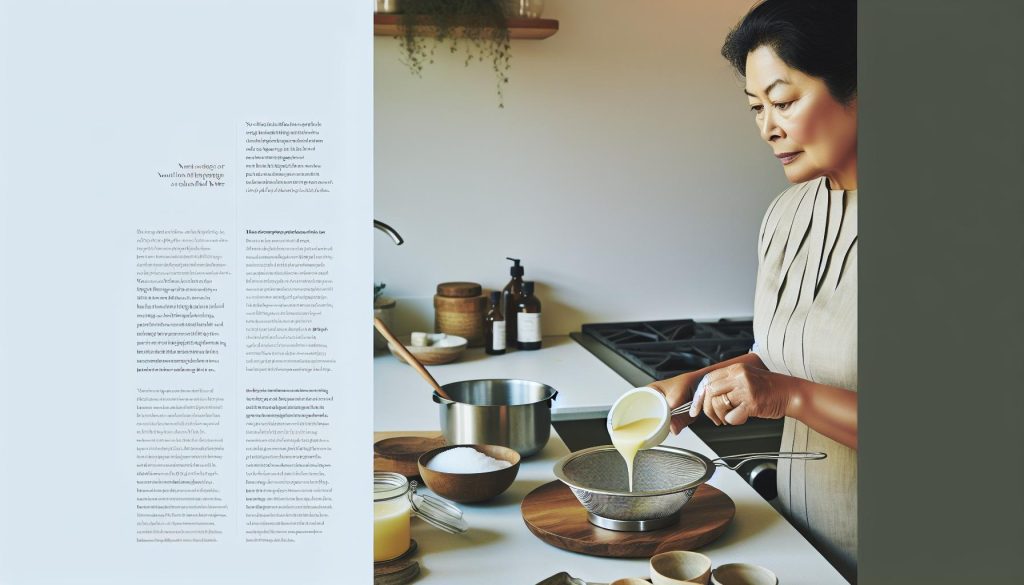
Now, it’s time to strain your butter. Using a fine mesh strainer or cheesecloth, carefully pour the melted butter into your heat-resistant container, leaving the milk solids behind. If you’re using a kitchen towel, make sure it’s clean and thin enough for the liquid to filter through. You should aim to stop pouring before you reach the bottom layer where the solids have settled. Once this is done, let the clarified butter cool slightly before sealing it in a jar or container.
And there you have it! Your homemade clarified butter, ready for all your high-heat cooking needs-like sautéing vegetables or frying delicate proteins without the risk of burning. Enjoy experimenting with clarified butter, and don’t forget to save those milk solids; they have a robust flavor and can be used in recipes for added richness!
How to Store and Extend the Shelf Life
Storing clarified butter properly can keep it fresh for longer, all while maintaining its rich flavor and cooking versatility. Did you know that clarified butter can last for several months when handled correctly? Here’s how to ensure your homemade creation remains at its best.
To extend the shelf life of your clarified butter, transfer it to an airtight container as soon as it has cooled. Glass jars are excellent for this purpose, as they are easy to sanitize and resilient against flavor absorption. If you plan to store it in the refrigerator, be sure to let it cool completely before sealing it; this helps prevent condensation, which can lead to spoilage.
Storage Tips
- Refrigerate for Longevity: When stored in the fridge, clarified butter can last up to six months. Just be mindful that it may solidify as it cools. This is perfectly normal!
- Freezing for Future Use: If you want to keep it even longer, clarified butter can be frozen for up to a year. Consider using ice cube trays to portion it out in small amounts for easy use in cooking.
- Keep it Dark: Store your butter in a dark place away from sunlight, as light can degrade its quality over time.
You can also add a dash of salt before storing, which can enhance its flavor while acting as a preservative. Salted clarified butter might also last longer than unsalted. Just remember that this may slightly alter the flavor profile.
With these practical storage methods, you can enjoy the rich taste and high-heat benefits of clarified butter without worrying about spoilage. Keep experimenting in the kitchen; there’s no limit to the delicious dishes you can enhance with this wonderful ingredient!
Creative Uses for Clarified Butter in Cooking
When it comes to cooking, clarified butter is a game changer, making it easier to elevate your dishes while also being a healthier fat option. Its high smoke point means you can use it for frying, sautéing, and roasting without the worry of burning. Imagine the golden, nutty flavor that clarified butter can bring to your favorite recipes! Let’s explore some creative ways to incorporate this versatile ingredient into your cooking routine.
First, consider using clarified butter as a base for sautéing vegetables. Just a couple of tablespoons can transform your ordinary sauté into something spectacular. The richness of clarified butter pairs beautifully with vibrant veggies like green beans, asparagus, or bell peppers. Toss in some garlic and fresh herbs, and you have a side dish that’s bursting with flavor.
Another stellar use is in baking. Swapping out regular butter with clarified butter can enhance your baked goods by adding a delightful depth of flavor. Try using it in pastries or cookies for a rich and buttery taste that elevates the final product. It’s also fantastic for greasing baking pans, giving your treats a beautiful, non-stick finish and an added layer of flavor.
You can also use clarified butter to enrich sauces and soups. For instance, when making a classic béchamel or a yummy curry, start by sautéing your aromatics in clarified butter. This not only improves the sauce’s flavor profile but also helps in achieving a luxurious, velvety texture.
Lastly, don’t overlook the potential for flavor infusions. Try infusing your clarified butter with spices like rosemary, thyme, or chili flakes. Simply place the herbs in the hot clarified butter and let them steep for a few minutes before straining. This infused butter can then be drizzled over popcorn, tossed with pasta, or used to enhance grilled meats.
Incorporating clarified butter into your cooking not only makes your dishes taste incredible but also gives you confidence to experiment in the kitchen. From sautéing to baking and flavoring, the possibilities are endless-so grab that clarified butter and start creating some kitchen magic!
High-Heat Cooking Techniques with Clarified Butter
When it comes to cooking at high temperatures, clarified butter is your best friend. With a smoke point around 450°F (232°C), it’s perfect for techniques that require intense heat without the risk of burning or smoking. This means you can fry, sear, and sauté to your heart’s content, all while enjoying the rich, buttery flavor that elevates any dish.
One of the most popular high-heat cooking techniques is frying. Whether you’re making crispy fried chicken or tempura vegetables, clarified butter provides a delightful crunch without sogginess. The secret here is to ensure the oil is hot enough. When heated correctly, clarified butter creates a beautiful golden crust that locks in moisture while enhancing flavor. Just be sure to monitor the temperature; if it starts to smoke, it’s getting too hot!
Another effective method is sautéing. Use clarified butter to quickly cook vegetables or proteins, locking in their natural juices while achieving that perfectly caramelized exterior. For example, sautéing shrimp in clarified butter with a sprinkle of garlic and fresh herbs turns a simple dish into a showstopper. It’s all about using the right amount and not overcrowding the pan, which would lower the temperature too much.
For those who love roasting, clarified butter can also shine here. Drizzle it over your favorite root vegetables or chicken before tossing them in the oven. As they roast, the butter will help them achieve an irresistible golden color and tender texture. Plus, the nutty flavor from the clarified butter will infuse throughout your dish, making each bite a delight.
Lastly, don’t underestimate the power of clarified butter in high-heat baking techniques. While traditional butter tends to burn at higher temperatures, clarified butter can withstand the heat in recipes like puff pastry and biscuits, leading to a wonderfully flaky texture. So, the next time you’re whipping up a batch of biscuits or a pie crust, consider substituting in clarified for a higher success rate.
In short, clarified butter opens a world of high-heat cooking possibilities. Whether frying, sautéing, roasting, or baking, embracing this kitchen staple will not only enhance your dishes but also simplify your cooking adventures. Enjoy experimenting with clarified butter and revel in the delicious results!
Benefits of Using Clarified Butter Over Regular Butter
When it comes to cooking, the type of fat you choose can truly make a difference, especially in high-heat applications. Clarified butter stands out for several compelling reasons that can elevate your culinary creations. With its superior smoke point, typically around 450°F (232°C), clarified butter allows you to fry, sauté, and roast without the risk of burning, making it an ideal choice for those crispy, caramelized dishes we all love.
Unlike regular butter, clarified butter is stripped of its milk solids and water, which significantly reduces the chances of it turning brown and developing a burnt flavor during cooking. This means not only can you push the heat higher without worry, but you also maintain a clean, rich buttery taste that enhances your dish rather than overpowering it. Imagine sautéing vegetables in clarified butter-their colors pop, and their flavors are intensified, resulting in a dish that looks as good as it tastes.
Another notable benefit is its extended shelf life. Because the milk solids that can spoil are removed, clarified butter can last for weeks at room temperature and even longer when refrigerated. This convenience allows you to always have it on hand for last-minute cooking sessions. Plus, it’s naturally lactose-free, making it suitable for those who are intolerant to dairy while still wanting to enjoy that delightful buttery essence in their meals.
Using clarified butter can also add an extra layer of creativity to your cooking. It’s versatile enough for both savory and sweet dishes, whether you’re spreading it on popcorn for a gourmet snack or using it to enrich your baked goods, like biscuits and pastries. By embracing clarified butter, you open the door to a world of flavors and cooking techniques that can transform your home cooking experience from ordinary to extraordinary.
Flavor Enhancements: Infusing Clarified Butter
Infusing clarified butter is a delightful way to elevate your culinary creations, adding a rich layer of flavor that can transform even the simplest dishes. The beauty of this technique lies in its simplicity and versatility, allowing you to explore various aromatics and ingredients that suit your palate. Imagine sautéing vegetables in garlic-infused clarified butter or drizzling it over popcorn with a hint of truffle oil. The possibilities are endless!
How to Infuse Clarified Butter
Infusing clarified butter is incredibly straightforward. Start with your basic clarified butter, which you can make in just a few minutes using unsalted butter. Once you have your clarified butter ready, consider the following flavoring options:
- Herbs: Fresh herbs like rosemary, thyme, or basil can add aromatic qualities to your butter. Simply chop the herbs finely and add them to the warm clarified butter, allowing them to steep for about 10-15 minutes.
- Garlic: For a robust flavor, sauté minced garlic in the clarified butter over low heat until fragrant, then strain out the solids to keep the smooth texture.
- Spices: A pinch of smoked paprika, cumin, or chili flakes can elevate the flavor profile. Just stir the spices into your warm clarified butter and let them infuse for a few minutes.
- Citrus Zest: The zest of lemon, lime, or orange can bring a refreshing brightness to your butter. Be sure to add the zest while the butter is still warm, allowing the essential oils to release.
Storage Tips
Once you’ve infused your clarified butter, store it in an airtight container in the refrigerator. Infused clarified butter can typically last up to a month when stored properly. Just remember to label your container with the infusion date and the flavor, ensuring you enjoy it at its best.
Culinary Uses for Infused Clarified Butter
Infused clarified butter is exceptionally versatile. Use it to sauté vegetables, drizzle over grilled meats, or enhance the flavor of roasted potatoes. You can even pour it over popcorn for a gourmet twist on a classic snack. The key is to experiment with different combinations to find your perfect flavor match, making every meal a little more special.
By infusing clarified butter with your favorite ingredients, you take this already superb cooking fat to new culinary heights, showcasing your creativity in the kitchen and turning everyday dishes into something extraordinary.
Common Mistakes to Avoid When Clarifying Butter
When it comes to clarifying butter, overcoming common pitfalls is key to achieving that perfect golden fat. Many home cooks dive into the process but might overlook a few simple steps that can make all the difference. Let’s explore the typical mistakes and how to avoid them, ensuring your clarified butter turns out just right every time.
One prevalent mistake is using too high a heat. It’s tempting to crank up the stove to speed things up, but melting butter too rapidly causes it to burn and turn bitter. Instead, opt for a gentle heat. Allow the butter to melt slowly, fully liquefying without agitation, which helps keep the milk solids from sticking to the bottom-and burning. A medium-low setting is ideal for achieving a beautiful simmer rather than a vigorous boil.
Another common error is not allowing the milk solids enough time to settle. After your butter has melted, patience is crucial. If you rush to pour it off before the solids sink, you risk ending up with a murky mixture instead of the clear liquid gold you desire. After removing it from the heat, let it sit undisturbed for a few minutes so that the solids can settle properly.
Using the wrong type of butter can also impact your results. Always start with unsalted butter for clarifying. Salted butter introduces moisture and salt crystals, both of which can interfere with the clarification process. Additionally, be mindful of your butter’s quality; using fresh, high-quality butter will yield the best flavor and clarity in the final product.
Lastly, many people neglect proper storage once their clarified butter is ready. To maintain its quality, scoop it into a clean, dry container and store it in the refrigerator. Avoid introducing moisture or contaminants by using a clean spoon each time you scoop some out. Properly stored clarified butter can last several months, but paying attention to these details will help ensure you always have a beautiful cooking fat on hand for high-heat techniques.
By sidestepping these common missteps, you can enjoy making clarified butter that enhances your cooking with rich flavor and versatility. Embrace the simplicity of this process, and you’ll find that creating your own clarified butter can be an enjoyable and rewarding experience in your kitchen journey.
Nutritional Profile: Why Choose Clarified Butter?
When it comes to choosing a cooking fat, clarified butter stands out not just for its delicious flavor but also for its impressive nutritional profile. Unlike regular butter, clarified butter is composed primarily of healthy fats, offering a pure form of nourishment that can enhance your cooking while aligning with various dietary needs. By removing the milk solids and water, you’re left with a vibrant, golden oil that’s perfect for high-heat cooking and adds a distinct richness to your dishes.
One of the most notable benefits of clarified butter is its high smoke point, around 450°F (232°C). This makes it ideal for frying, sautéing, and baking without the risk of burning. Regular butter, on the other hand, has a much lower smoke point due to the presence of milk solids. When you use clarified butter, you’re not only ensuring better flavor but also creating a healthier cooking environment. This high smoke point means you can achieve crispy textures and beautifully browned flavors while keeping the nutritional integrity of your meal intact.
In addition to its cooking properties, clarified butter is rich in fat-soluble vitamins A, D, E, and K. These nutrients play crucial roles in maintaining a healthy body. For example, vitamin A supports vision and immune function, while vitamin D is essential for bone health and calcium absorption. Clarified butter also contains butyrate, a short-chain fatty acid known for its anti-inflammatory properties and its role in gut health. Regular inclusion of clarified butter in your diet can thus contribute to overall wellness.
For those mindful of dietary restrictions, clarified butter is a great option. Since the milk solids are removed, individuals who are lactose intolerant can often enjoy clarified butter without any digestive discomfort. This makes it a versatile choice for many home cooks looking to experiment with flavors while adhering to different health needs. Whether you’re sautéing vegetables or preparing a lavish sauce, clarified butter provides a nutrient-rich base that supports culinary creativity and healthy eating alike.
Incorporating clarified butter into your kitchen routine opens the door to a world of flavor and health benefits, all while ensuring that you have a reliable fat for high-heat cooking. With its rich texture and nutritional advantages, it’s a fantastic ingredient to elevate your dishes while keeping them wholesome.
Exploring Alternatives: Ghee vs. Clarified Butter
When it comes to cooking with fats, the world often delights in the rich flavors and versatility of both ghee and clarified butter. While they may seem similar, understanding their differences can elevate your culinary prowess and help you make the right choice for your recipes. Ghee, traditionally used in Indian cuisine, is made by simmering unsalted butter until the water evaporates and the milk solids brown and are then strained out. This process not only enhances the flavor but also gives ghee a slightly nutty taste.
On the other hand, clarified butter is simply butter that has been melted and the milk solids removed, resulting in a clean and pure fat. The distinction lies mainly in the cooking techniques and flavor profiles. Ghee’s longer cooking time allows for the development of complex flavors, making it ideal for Indian dishes, while clarified butter has a more neutral taste that works beautifully across various cuisines.
Both fats boast high smoke points, typically around 450°F (232°C) for clarified butter and slightly higher for ghee. This quality makes them perfect for high-heat cooking methods like frying, sautéing, and baking. However, ghee is often praised for its health benefits, including its rich source of butyrate, which supports gut health and reduces inflammation.
When choosing between ghee and clarified butter, consider your culinary goals. If you’re seeking a buttery flavor without lactose, clarified butter fits the bill. But, if you yearn for a depth of flavor that complements Indian spices or enhances curries, then ghee is your go-to option. Experimenting with both can enlighten your cooking journey, allowing you to discover which fat best enhances the dishes you love to prepare.
Frequently Asked Questions
markdown
Q: What is clarified butter used for in high-heat cooking?
A: Clarified butter is ideal for high-heat cooking because it has a higher smoke point than regular butter, making it less likely to burn. Use it for sautéing, frying, or roasting to enhance flavors while achieving crispy textures. Explore its versatility in recipes like stir-fries and seared meats.

Q: How do I know when my clarified butter is ready?
A: Your clarified butter is ready when the milk solids have settled at the bottom, and the liquid is clear and golden. This process usually takes about 10-15 minutes, depending on the heat. Make sure to watch it carefully to avoid overcooking the milk components.

Q: Can I use salted butter for clarification?
A: While you can use salted butter, unsalted butter is preferred for clarification. This allows you complete control over the saltiness of your dishes. Salt can also affect the clarification process, potentially leading to a less clear product.

Q: How long does clarified butter last in the fridge?
A: Properly stored clarified butter can last up to 3 months in the refrigerator or even longer in the freezer. Make sure to keep it in an airtight container to maintain its quality and flavor.

Q: What is the difference between ghee and clarified butter?
A: Ghee is a type of clarified butter but cooked longer to develop a nutty flavor and remove all milk solids, resulting in a rich taste. In contrast, regular clarified butter retains some milk solids, making it lighter in flavor and golden in color.

Q: Can I use clarified butter in baking?
A: Yes, clarified butter can be used in baking, particularly in recipes that require high-heat baking like cookies or pastries. Its high smoke point enhances flavors without burning. Consider using it in recipes where a richer taste is desired.

Q: Is clarified butter healthier than regular butter?
A: Clarified butter tends to be healthier due to the removal of milk solids which contain lactose and casein, making it a good alternative for those with dairy sensitivities. It also has a higher concentration of healthy fats. However, moderation is key, as it is still calorie-dense.

Q: What dishes can I make with clarified butter?
A: You can use clarified butter in a variety of dishes! Try it in sautéed vegetables, seafood dishes, or drizzled over popcorn. It adds a delicious buttery flavor without the risk of burning, making it perfect for gourmet cooking.
Wrapping Up
Now that you’ve mastered the art of making clarified butter, you’re set for all your high-heat cooking adventures! Remember, this versatile component not only enhances flavors but also gives you the freedom to experiment in the kitchen. Don’t hesitate to try adding herbs or spices to your clarified butter for an extra kick.
Want to know how to pair it perfectly with your favorite dish? Check out our guides on sautéing vegetables and creating the ultimate sauces. If you’re looking for more delicious recipes, subscribe to our newsletter for fresh ideas delivered straight to your inbox!
Your culinary journey doesn’t have to stop here-explore our collection of oil substitutions and discover tips on perfecting your frying techniques. Comment below with your best tips or any questions you have; we love hearing from you! Happy cooking!