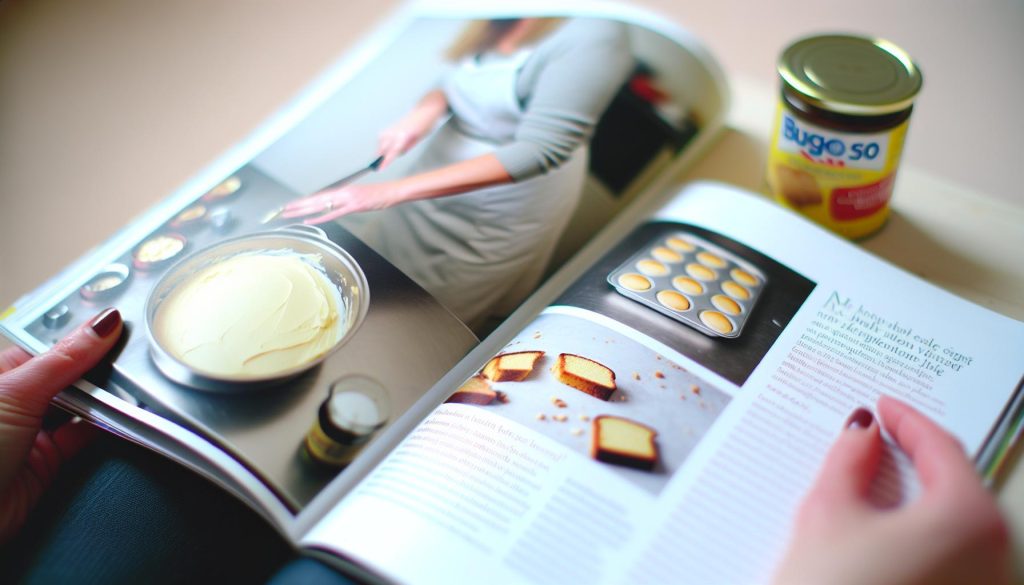
Did you know that a simple butter cake can become the star of any dessert table? Using just a few pantry staples, you can create a moist and flavorful cake that’s perfect for any occasion. Whether you’re celebrating a birthday or just treating yourself to something sweet, this easy butter cake recipe is your go-to solution that requires minimal fuss and ingredients.
So often, we find ourselves craving something delicious but feel daunted by lengthy recipes and complicated techniques. With this straightforward recipe, even beginners can achieve bakery-worthy results right at home. You’ll learn how to combine everyday kitchen items to craft a delightful cake that’s not only easy to make but also incredibly versatile. Imagine the joy of sharing a slice of homemade goodness with family and friends! Ready to unleash your inner baker? Let’s dive into this delightful butter cake journey together, where simplicity meets satisfaction!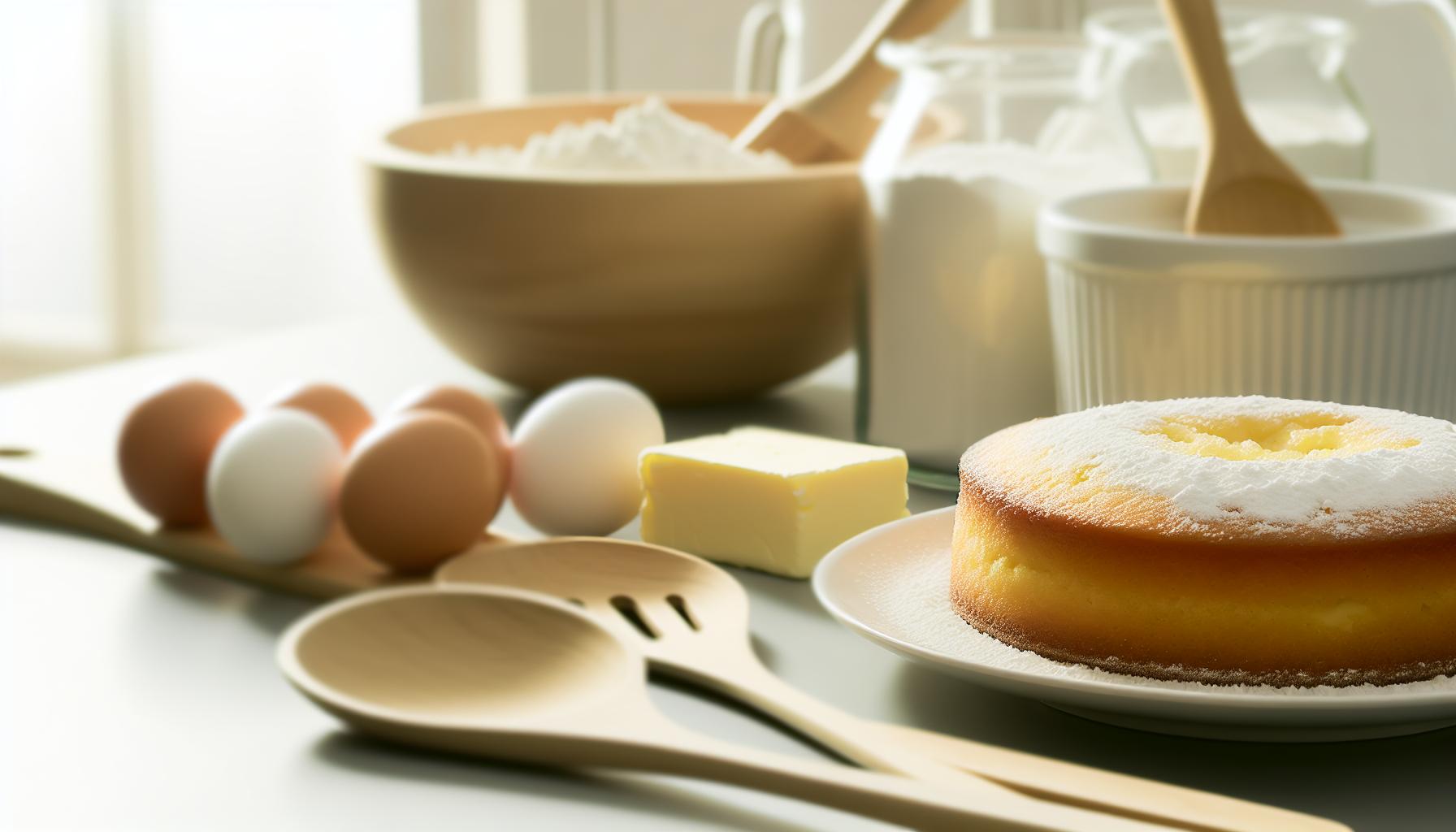
Essential Ingredients for Easy Butter Cake
To create a delightful butter cake that’s both simple and satisfying, you’ll want to start with a few essential ingredients that you likely already have in your pantry. The beauty of a classic butter cake lies in its rich, buttery flavor, which comes from just a handful of key components. It’s the kind of recipe that welcomes both novice bakers and seasoned pros to enjoy the straightforward joy of baking.
Butter: The star of the show is, of course, unsalted butter. Using high-quality butter not only gives your cake a wonderful depth of flavor but also contributes to its moist and tender crumb. Remember, the butter should be softened to room temperature for the best incorporation into the batter.
Sugar: Granulated sugar plays a crucial role in sweetening the cake and aiding in the texture by helping to create a light and airy crumb. You might even explore using alternatives like brown sugar for a more caramel-like flavor, though it will change the texture slightly.
Eggs: Eggs act as a binding agent and add richness to the batter. Room temperature eggs are easier to incorporate into the mixture, leading to a more homogeneous batter.
Flour: All-purpose flour is the go-to choice for a butter cake. Its protein content provides the right structure while keeping the cake tender. For a fluffier texture, some bakers like to use cake flour, but either works well.
Baking Powder: This leavening agent is necessary to help your cake rise. Make sure it’s fresh; stale baking powder can prevent your cake from achieving that lovely lift.
Milk: Adding milk (or even a bit of cream) enhances the cake’s moisture and flavor. Whole milk will yield a more decadent cake, while low-fat versions will still work if that’s what you have on hand.
Incorporating these ingredients is not only about following a recipe; it’s a chance to get creative, so feel free to swap or add elements as you see fit! Even adding a splash of vanilla or almond extract can elevate the flavor profile without much effort. Chefs from every level can unite in the kitchen with these pantry staples, celebrating the warmth of homemade baking and the creativity it inspires.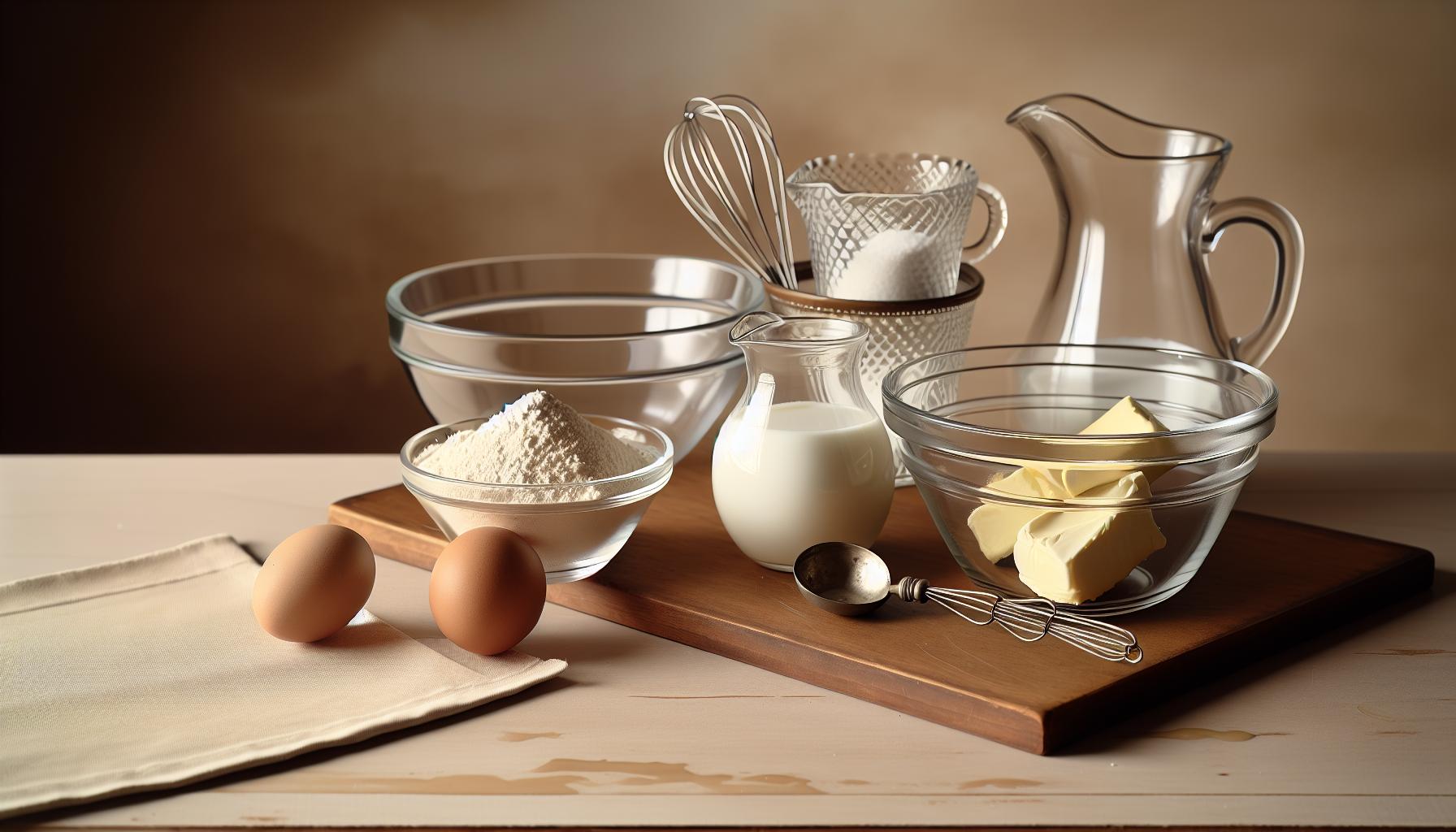
Step-by-Step Butter Cake Recipe
Creating a butter cake from scratch is as easy as mixing up your favorite pancake batter! With just a few pantry staples, you’ll have a delightful cake that’s perfect for any occasion or just a treat to enjoy with your afternoon coffee. Let’s dive into the step-by-step process to bake your very own easy butter cake.
Start by gathering your ingredients. You’ll need:
- 1 cup unsalted butter, softened to room temperature
- 2 cups granulated sugar
- 4 large eggs, at room temperature
- 3 cups all-purpose flour
- 1 tablespoon baking powder
- 1 cup whole milk
- 1 teaspoon vanilla extract (optional, but adds a wonderful flavor)
Preparation Steps
- Preheat your Oven: Set your oven to 350°F (175°C) to ensure it’s hot and ready for your cake.
- Grease the Pan: Prepare a 9×13 inch baking pan by greasing it with butter or non-stick spray. This will help your cake slide right out after baking.
- Cream the Butter and Sugar: In a large mixing bowl, combine the softened butter and granulated sugar. Using an electric mixer, beat on medium speed until the mixture is light and fluffy, about 3-5 minutes. This step is crucial as it incorporates air, making your cake fluffy.
- Incorporate the Eggs: Add the eggs one at a time, beating well after each addition. This helps build the structure of your cake, so don’t rush this step!
- Mix Dry Ingredients: In another bowl, whisk together the flour and baking powder. Gradually add this mixture to the wet ingredients, alternating with the milk. Start and end with the flour mixture. Be careful not to overmix; stir just until everything is combined.
- Add Flavor: If using, stir in vanilla extract to give your cake that inviting aroma and taste.
- Bake: Pour the batter into the prepared baking pan and spread it evenly. Bake for 30-35 minutes, or until a toothpick inserted in the center comes out clean.
- Cool and Serve: Once done, remove the cake from the oven and let it cool in the pan for about 10 minutes. Transfer it to a wire rack to cool completely before slicing and serving.
This cake is incredibly versatile! You can leave it plain or dress it up with some frosting, fresh fruit, or a simple dusting of powdered sugar. Whether it’s for a special celebration or just a cozy weekend treat, this easy butter cake will surely be a hit. Happy baking!
Time-Saving Tips for Baking Success
Baking a delicious butter cake doesn’t have to take your whole afternoon. By incorporating a few clever time-saving strategies, you can streamline your process while still achieving that lovely, homemade flavor. One of the simplest ways to save time is to prep your ingredients ahead of time. Measure out your flour, sugar, and butter the night before, and even blend your dry ingredients so they’re ready to go when you are. This not only cuts down on the chaos while you bake but also helps you keep track of your quantities.
Another nifty tip is to utilize your kitchen appliances wisely. For example, using a stand mixer can save you significant time when creaming butter and sugar. If you don’t have one, a hand mixer works too, but just remember to give your butter enough time to soften-this can make creaming much quicker and easier. Additionally, if you’re short on time, consider using a microwave to soften your butter slightly if it’s still too cold; just be cautious not to melt it!
While your cake is baking-typically around 30-35 minutes-take that time to clean up your workspace. This way, when your cake cools, you’re not left with a mountain of dishes to tackle. You can also use this time to prepare any frostings or toppings you may want to add, ensuring everything is ready for that lovely final touch when your cake is cool.
Lastly, if you’re planning to serve the cake later, consider baking multiple cakes at once and freezing them. This approach not only saves time but can also provide you with a delightful dessert at a moment’s notice. Just remember to wrap them tightly in plastic wrap and then foil to prevent freezer burn. When you’re ready to enjoy, let them thaw in the fridge overnight, and you’ll have a delicious butter cake ready to impress with minimal fuss. Happy baking!
Creative Variations on Butter Cake
Baking a butter cake opens the door to a world of creative possibilities. This classic recipe, built on simple pantry staples, can be adapted in countless ways to suit your taste or the occasion. Whether you prefer fruity enhancements, rich chocolatey flavors, or fun textures, there’s a variation that will make your butter cake uniquely yours.
One of the easiest ways to elevate your butter cake is by incorporating different flavors. Add a splash of vanilla extract or almond extract for depth. If you’re a fan of citrus, consider zesting a lemon or orange into the batter for a refreshing twist. For a richer cake, fold in some cocoa powder to create a delightful chocolate butter cake. You could also stir in spices like cinnamon or nutmeg for a warm, cozy aroma that pairs wonderfully with a cup of tea.
Another fun approach is to mix and match different add-ins. Throw in some chocolate chips for a sweet surprise in every bite, or consider adding nuts such as chopped walnuts or pecans for a lovely crunch. Dried fruits, like cranberries or raisins, can provide a pleasant chewiness and added sweetness. If you’re feeling adventurous, you might even try adding a layer of jam or fruit preserves in the middle of the cake, creating a delightful surprise when it’s sliced.
Incorporating various toppings is another opportunity to get creative. A simple dusting of powdered sugar can dress up a plain cake, while a homemade frosting made from cream cheese or butter can take it to the next level. Fresh berries or a drizzle of caramel or chocolate sauce can add visual appeal and flavor. You might also experiment with a streusel topping made from flour, butter, and sugar for a delicious crunchy layer.
The possibilities are endless, making baking with butter a delightful experience. So grab your pantry staples, let your imagination run wild, and enjoy the delicious journey of creating a butter cake that’s distinctively your own!
Common Mistakes to Avoid When Baking
Baking a butter cake seems straightforward, but there are a few common pitfalls that can turn an easy recipe into a kitchen disaster. From oven miscalculations to ingredient mishaps, even the smallest mistake can lead to a cake that’s less than stellar. Let’s explore some frequent missteps and how to avoid them, ensuring your butter cake turns out perfect every time.
One of the biggest mistakes is not properly measuring your ingredients. Baking is more science than art, and precision is key. Always use a kitchen scale if possible, or measure your flour by spooning it into a measuring cup and leveling it off with a knife. Scooping directly from the bag can compact the flour, leading to a denser cake. Also, remember to use room temperature ingredients when the recipe calls for them; this helps create a smooth batter that incorporates air properly for a fluffy texture.
Another common error is overmixing your batter. It’s tempting to whip everything together vigorously, especially when you want to ensure no lumps remain, but overmixing can develop the gluten in the flour too much, resulting in a tough cake. Mix until just combined-there should still be a few small lumps in the batter. Give it a gentle fold when adding in extras like chocolate chips or nuts, rather than mixing vigorously, to maintain that lightness.
Don’t forget to preheat your oven! Baking a cake in an oven that hasn’t reached the correct temperature can lead to unpredictable results. Invest in an oven thermometer to check your oven’s accuracy if you suspect it might be off. Also, avoid opening the oven door too frequently; every time you do, you let out heat, which can affect the baking time and texture of your cake.
Finally, be mindful of baking times. Ovens can vary widely, so start checking your cake a few minutes before the recipe suggests. A toothpick inserted into the center should come out clean or with a few moist crumbs attached, not wet batter. If you notice that the cake is browning too quickly on top, cover it with a piece of aluminum foil to prevent over-baking.
By paying close attention to these details, you’ll set yourself up for success every time you bake. No matter your skill level, these small adjustments can make a significant difference, leading to a moist, delicious butter cake that you’ll be proud to share!
How to Store and Freeze Your Butter Cake
Storing and freezing your butter cake properly can be a game changer, ensuring you have delicious slices on hand whenever a craving strikes. To keep your cake moist and flavorful, wrapping it correctly is essential. Start by letting your cake cool completely after baking. This step is crucial; wrapping a warm cake can trap moisture and lead to sogginess.
Once cooled, use plastic wrap to tightly cover the cake. If you have a whole cake, try to place it in an airtight container instead. For slices, you can wrap each piece individually in plastic wrap. This not only helps with freshness but also makes it easy to grab a slice whenever you’re in the mood for a treat! If you want to take it a step further for long-term storage, consider placing your wrapped cake or slices into a freezer-safe bag. Remove as much air as possible to prevent freezer burn.
When it comes to freezing, butter cakes hold up beautifully. You can freeze your cake for up to three months without sacrificing flavor or texture. When you’re ready to enjoy it, simply transfer it from the freezer to the refrigerator and let it thaw overnight. For an even quicker option, you can leave it out at room temperature for a few hours. If you’re feeling creative, consider warming individual slices in the microwave for a few seconds to bring back that fresh-out-of-the-oven taste.
By following these simple steps, you’ll always have a scrumptious butter cake ready to enjoy, whether for a special occasion or just a casual afternoon snack. So, embrace the joy of baking in batches and savor the delightful ease of having homemade cake at your fingertips!
Delicious Toppings and Pairings for Butter Cake
Butter cake is a delightful canvas for creativity, and the right toppings and pairings can elevate it from a simple treat to a showstopper. Whether you’re looking to add a layer of sweetness, a touch of tartness, or a burst of flavor, there are endless possibilities that can make your butter cake shine. The best part? Many of these toppings can be crafted using pantry staples or items you already have in your kitchen!
Classic Toppings
Start with the classics-these toppings are timeless for a reason. A simple dusting of powdered sugar can transform your cake, adding a sophisticated look and a hint of sweetness. For a bit more flavor, consider whipping up some freshly made whipped cream. Just combine heavy cream and a bit of sugar, then beat until soft peaks form. Spread it generously on top or serve it on the side for a perfect pairing.
Another popular choice is cream cheese frosting. With its tangy profile, it complements the buttery richness of the cake beautifully. Blend softened cream cheese with butter, sifted powdered sugar, and a touch of vanilla extract. This frosting is divine spread on top or slathered between layers for a multi-tiered delight.
Flavorful Sauces and Compotes
For those who enjoy a bit of fruitiness, sauces and compotes are fantastic options. A quick fruit compote made from berries or apples can be prepared in minutes. Just cook your choice of fruit with a dash of sugar and a splash of lemon juice until thickened. Pour it over your butter cake to add juicy flavor and vibrant color.
You can also elevate your cake with a drizzle of caramel or chocolate sauce. These sauces not only add a rich flavor but also create an inviting, gooey texture that contrasts beautifully with the fluffy cake. Simply heat store-bought or homemade sauces until warm, and drizzle generously over each slice for a decadent finish.
Creative Pairings
Pairing your butter cake with complementary flavors can take it to new heights. Consider serving it with a side of fresh fruit, such as sliced strawberries, raspberries, or citrus segments, which add a refreshing contrast to the richness of the cake. Ice cream or gelato is another unbeatable choice; the coolness of vanilla or even a tangy lemon sorbet can provide a delightful balance.
For a cozy, comforting twist, a scoop of hot chocolate sauce or a sprinkle of cinnamon can create a warm and inviting dessert experience. And don’t forget about nuts. Toasted pecans or slivered almonds add crunch and a nutty flavor that pairs wonderfully with the buttery cake.
With these delicious toppings and pairings, your butter cake will not only celebrate simplicity but also enable you to showcase your creativity. Remember, the best part of baking is enjoying the process, so don’t be afraid to experiment and find what flavors you love most!
Baking Essentials: Tools Every Home Baker Needs
To make a butter cake that’s as delightful to your taste buds as it is simple to create, having the right tools is essential. While you don’t need a fancy kitchen to whip up this classic treat, a few key items can make your baking experience smoother and more enjoyable. Let’s take a look at the must-haves for every budding baker.
Essential Baking Tools
Start with basic kitchen staples that you likely already have, which are perfect for your butter cake journey:
- Mixing Bowls: A good set of mixing bowls in various sizes will help you combine ingredients without mess. Opt for stainless steel or glass for durability.
- Measuring Cups and Spoons: Accurate measurements are crucial for baking success. A set of both dry measuring cups and liquid measuring cups will cover all your needs.
- Electric Mixer or Whisk: An electric mixer makes creaming butter and sugar a breeze, but a good old-fashioned whisk works just fine if you enjoy a bit of elbow grease.
- Rubber Spatula: Essential for scraping down the sides of bowls to ensure everything is well combined.
- 9×5-inch Loaf Pan or Round Cake Pans: Choose according to your desired cake style. A good non-stick pan makes removing the cake much easier.
- Parchment Paper: Using this in your pans creates a non-stick surface and helps with easy transfer after baking.
- Cooling Rack: Allowing your cake to cool evenly can make a big difference in texture. A cooling rack provides proper airflow around the cake.
Helpful Add-Ons
While the essentials are important, a few additional tools can enhance your baking experience:
- Kitchen Scale: For precise ingredient measurements, especially useful in baking recipes that require exact weights.
- Timer: Keep track of your baking time with a kitchen timer or the timer on your phone to avoid overbaking.
- Sifter: If your recipe calls for flour or powdered sugar, a sifter can help incorporate air for a lighter cake.
With these tools at your disposal, you’ll find that baking a butter cake with pantry staples can be both simple and rewarding. Embrace the fun of experimenting with flavors and techniques, turning your kitchen into a creative playground where delicious memories are made!
Troubleshooting Your Butter Cake Problems
Baking can be a delightful yet sometimes unpredictable adventure, especially when it comes to perfecting your butter cake. Whether you’re a seasoned baker or just starting out, it’s common to encounter a few bumps along the way. But don’t fret-most cake problems are easily solvable with a little know-how!
A frequent issue is that your butter cake sinks in the middle. This can happen if the batter is overmixed or if it’s taken out of the oven too soon. To ensure a perfectly risen cake, remember to mix just until the ingredients are combined, and perform the toothpick test to check for doneness; if it comes out clean, your cake is ready to cool. On the other hand, if you notice a gritty texture or the cake is dense, it may be due to flour that’s packed too tightly. To prevent this, fluff up the flour with a fork before measuring or consider using a kitchen scale for accuracy.
You might also find that your butter cake is too dry. This can occur from overbaking or using too much flour. If you suspect your cake is drying out, try reducing the baking time slightly or adding a touch more butter or an extra egg to enrich the batter. Adding a simple syrup while the cake is still warm can also help introduce moisture back into the cake.
Lastly, if you’re struggling with the cake sticking to your pan, it’s likely due to inadequate greasing or the use of a non-stick pan gone wrong. Ensure you generously grease your pans or line them with parchment paper before pouring in the batter. This extra step will help your cake release beautifully once baked, making it easier to enjoy your creation.
Embrace these challenges as part of your baking journey! Each cake you bake teaches you something new, and soon you’ll be troubleshooting like a pro. Remember, baking is about enjoying the process-so have fun experimenting and learning through each delicious attempt!
Customized Butter Cake: Dietary Adaptations
Baking can be a wonderfully adaptive process, especially when it comes to creating a butter cake that meets various dietary needs. Whether you’re looking to make your cake gluten-free, dairy-free, or even vegan, there are numerous swaps and modifications you can apply without sacrificing flavor or texture. The beauty of this classic recipe is its flexibility, allowing home bakers at any skill level to experiment with ingredients they have on hand.
When it comes to making a gluten-free butter cake, the key is to find the right flour mix. You can use a gluten-free all-purpose blend that contains xanthan gum for better structure. For a more nutritious option, try substituting half of your flour with almond or coconut flour. This not only caters to gluten sensitivities but also adds a delightful flavor twist to the cake. Just remember that different flours absorb moisture differently, so you may need to adjust the liquid ingredients slightly.
If you’re aiming for a dairy-free version, replace traditional butter with plant-based alternatives like coconut oil or dairy-free butter. Unsweetened applesauce is another fantastic option that keeps your cake moist while adding a hint of natural sweetness. For eggs, consider using flax eggs (1 tablespoon of ground flaxseed mixed with 2.5 tablespoons of water per egg) or chia seeds. This adjustment helps bind the ingredients without compromising the cake’s delightful texture.
For those who might need to reduce sugar, you can experiment with natural sweeteners like honey, maple syrup, or even mashed bananas. While these might change the texture slightly, they can add an exciting new flavor profile. If sweetened items are not an option due to dietary restrictions, consider using sugar substitutes such as erythritol or stevia, and bear in mind that some may require you to adjust the liquids in your recipe.
Incorporating these adaptations means you can create a butter cake that’s not only delicious but also considerate of various dietary requirements. By embracing these substitutions, you’re not just baking a cake; you’re crafting an inclusive dessert that everyone can enjoy. Each bite is a celebration of creativity and resourcefulness in the kitchen, proving that making something special doesn’t have to be complicated or rigid. So gather your ingredients and feel free to experiment-your personalized butter cake awaits!
Celebrating Special Occasions with Butter Cake
Celebrating special occasions with a butter cake is one of the joys of home baking, as its simplicity and flavor make it a delightful centerpiece for any gathering. Whether it’s a birthday, an anniversary, or a holiday feast, this versatile cake can be dressed up or served simply to fit the theme. Imagine the rich aroma of a freshly baked butter cake wafting through the house, making everyone anticipate a sweet treat.
To elevate your butter cake for celebrations, consider adding a few personal touches. Decorative frosting can turn a basic cake into an impressive centerpiece. Whipped cream, buttercream, or even a glaze can provide a beautiful finish. You can customize the flavors-try adding citrus zest or a hint of vanilla extract for a vibrant twist. For a festive look, top with seasonal fruits like berries or edible flowers, which add color and freshness.
Also, think about creative serving ideas. Instead of the traditional slices, consider cutting the cake into shapes with cookie cutters for themed parties. Alternately, serve mini butter cakes in cupcake liners for a fun, portable option. Pair your cake with a delightful side, such as a scoop of vanilla ice cream or a drizzle of caramel sauce to enhance the experience. These simple additions not only boost the visual appeal but also create a memorable dessert that your guests will love.
No matter the occasion, the most important aspect is sharing the joy of home baking with loved ones. A butter cake celebrates not just the event itself, but the effort and love that you put into creating something special. Each slice tells a story of comfort and creativity, making it an ideal dessert for your next celebration. So preheat your oven, gather your ingredients, and let your butter cake take center stage at your next get-together!
Baking with Kids: Fun Butter Cake Ideas
There’s something magical about baking with kids, especially when it comes to a simple butter cake. This classic treat is not only delicious but also provides a fantastic opportunity for fun and creativity in the kitchen. The best part? Most of the ingredients are likely already in your pantry. Let’s dive into some exciting ways to engage your little chefs while whipping up this delightful cake!
Start with the basics by letting your kids measure out the ingredients. It’s a great way to sneak in some math skills while they have fun! For example, when measuring flour or sugar, encourage them to fill the measuring cup to the top and then level it off with a knife. This interactive step makes them feel involved and gives a sense of accomplishment.
### Creative Customizations
Once the batter is ready, the real fun begins! Allow your kids to take the lead in flavoring the cake. Here are some ideas to jazz up your butter cake:
- Mix-Ins: Let them add chocolate chips, nuts, or their favorite candy pieces. Watching the melt and swirl as the cake bakes is always a thrill!
- Flavor Explorations: Experiment with extracts like almond, lemon, or coconut for a unique twist. Ask them to guess the flavors or create combinations.
- Colorful Variations: A few drops of food coloring can turn the batter into a rainbow cake. Kids will love seeing the color transformations as they mix.
### Fun Decorations
Baking isn’t complete without some decoration! After your cake has cooled, let your kids unleash their inner artists. Provide a selection of toppings, such as:
- Frosting: Teach them how to spread frosting or, for an even more interactive experience, let them create a design using piping bags.
- Fruit and Sprinkles: Encourage them to arrange fresh fruit, sprinkles, or even edible glitter on top of the frosting. It’s all about making the cake visually appealing!
- Themed Creations: Use cookie cutters to create fun shapes, or make mini butter cupcakes decorated like animals or characters for an added surprise.
### Making Memories
Lastly, emphasize the joy of baking together. Share stories while mixing and waiting for the cake to bake, and encourage your kids to describe the scents and textures. This bonding time not only creates lasting memories but also fosters a love for home-cooked treats. After the cake is out and cooled, enjoy delicious slices together. Challenge them to think of a new creation for next time-perhaps a chocolate-cherry butter cake?
Baking with kids is all about creativity and making memories. So roll up those sleeves, gather your pantry staples, and get ready to create not just a cake, but a joyous experience that will have everyone smiling!
Q&A
Q: What can I substitute for butter in a butter cake recipe?
A: You can substitute equal parts margarine or vegetable oil for butter in a butter cake recipe. For a dairy-free option, try using coconut oil or applesauce. Each alternative will slightly alter the flavor and texture, but they can still yield a delicious cake.
Q: How do I make my butter cake more flavorful?
A: To enhance the flavor of your butter cake, consider adding vanilla extract or almond extract. You can also mix in citrus zest like lemon or orange for a refreshing twist. Don’t forget toppings like frosting or whipped cream for extra taste!
Q: Why is my butter cake not rising properly?
A: If your butter cake is dense and doesn’t rise, it may be due to overmixing the batter or using cold ingredients. Ensure your ingredients are at room temperature, and mix gently until combined. Additionally, check your baking powder for freshness.
Q: Can I bake a butter cake in a different pan?
A: Yes, a butter cake can be baked in different pans like cupcake tins or loaf pans. Adjust baking times; smaller portions will need less time while larger cakes might take longer. Always perform the toothpick test to ensure it’s baked through!
Q: How can I make a gluten-free butter cake?
A: Replace all-purpose flour with a 1:1 gluten-free flour blend in your butter cake recipe. It’s essential to add a binding agent like xanthan gum (if your flour blend doesn’t already include it) to maintain the cake’s structure and texture.
Q: What toppings are best for butter cake?
A: Great toppings for butter cake include fresh fruit, whipped cream, or a light dusting of powdered sugar. For a richer flavor, consider using cream cheese frosting or ganache. Enhance your options by exploring the “Delicious Toppings and Pairings for Butter Cake” section of our article!
Q: How long can I store butter cake?
A: You can store butter cake at room temperature for up to 3 days, wrapped in plastic wrap. For longer storage, freeze it for up to 3 months. To maintain freshness, wrap it tightly and label it with the date. Check out our “How to Store and Freeze Your Butter Cake” section for detailed tips!
Q: Can I add fruits to my butter cake batter?
A: Absolutely! Adding fruits like blueberries, chopped apples, or bananas can bring moisture and flavor to your butter cake. Just be sure to adjust the batter consistency if needed, and dice the fruit into bite-sized pieces to avoid excess moisture.
The Conclusion
Thank you for diving into this delightful Easy Butter Cake Recipe Using Pantry Staples! You’ve learned how to whip up a moist, buttery cake effortlessly-perfect for any occasion. Now that you’ve got this simple yet delicious recipe in your back pocket, why not experiment with delicious frosting options or even explore other variations? Try our Classic Vanilla Cake for a timeless twist, or check out our collection of Sheet Cake Recipes to discover easy desserts that can serve a crowd.
Don’t let this be the end of your baking journey! Sign up for our newsletter to receive more easy recipes and baking tips right in your inbox. If you have any questions or want to share your cake-making success, drop us a comment below! Remember, every layer you bake adds to your confidence as a home cook. Keep experimenting-baking is all about creativity and having fun in the kitchen!