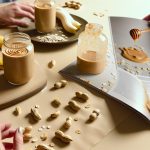

Have you ever tasted a freshly made flour tortilla, warm and fluffy, melting in your mouth? Making your own flour tortillas with butter is not only simple but also takes your taco night to the next level. This recipe highlights the beauty of flexibility in cooking, allowing you to create soft, pliable discs perfect for wrapping around your favorite fillings. With just a few pantry staples, you’ll unlock the secret to tortillas that are not only delicious but also customizable to suit your taste! Whether you’re a kitchen novice or a seasoned home cook, this easy-to-follow guide invites creativity and experimentation, ensuring that homemade tortillas become a staple in your culinary repertoire. So, let’s roll up our sleeves and dive into this delightful cooking adventure together!
Perfect Flour Tortilla Ingredients to Use
When it comes to crafting the perfect flour tortillas, the ingredients you choose play a pivotal role in achieving that soft, pliable texture we all crave. The beauty of homemade tortillas is that they require just a handful of basic ingredients, yet the quality of these basics can elevate your tortillas from good to extraordinary.
Start with all-purpose flour; it’s the backbone of any great tortilla. Its protein content provides just the right structure without making the tortillas too tough. If you’re feeling adventurous, you can also experiment with a blend of half all-purpose flour and half whole wheat flour for a nuttier flavor and a bit more nutrition. Next, you’ll need baking powder to give your tortillas a slight lift, creating a lighter texture. However, this ingredient is optional; many traditional recipes omit it altogether.
A key player in your quest for flexible tortillas is fat. While lard is traditionally used, feel free to swap in butter or even vegetable oil if you prefer. Butter adds a rich flavor and also contributes to that desired flexibility, making your tortillas easy to roll without cracking. Water is the final essential component, binding everything together; using warm water helps to activate the flour’s gluten, making for a softer dough.
Here’s a quick list of ingredients to keep in mind for your perfect tortillas:
- Flour: All-purpose (can mix with whole wheat)
- Baking Powder: Optional for a lighter texture
- Fat: Lard, butter, or vegetable oil for flavor and flexibility
- Water: Warm for better dough consistency
- Salt: Enhances the overall flavor of the tortillas
With these ingredients on hand, you’re well on your way to making delicious, homemade flour tortillas that will impress family and friends alike. Enjoy the process of experimenting with different fats and flours until you find your perfect blend!
The Simple Process for Making Tortillas
When you’re ready to embark on the journey of making your own flour tortillas, you’ll find it to be a simple and rewarding process. With just a few ingredients and easy-to-follow steps, you’ll be able to create delicious, flexible discs ideal for wraps, tacos, and more.
Start by mixing your dry ingredients: in a large bowl, combine 2 cups of all-purpose flour, 1/2 teaspoon of salt, and 1 teaspoon of baking powder (if using). This combination sets the stage for a light and flavorful tortilla. Next, add 3 tablespoons of softened butter to the dry mix. Use your fingers or a pastry cutter to work the butter into the flour until the mixture resembles coarse crumbs. This step is crucial, as the fat will contribute to the flexibility and richness of your tortillas.
Now it’s time to add moisture. Gradually pour in about 3/4 cup of warm water, mixing with a fork until the dough begins to come together. Depending on humidity and flour type, you may need a little more or less water-just aim for a soft, pliable dough. Knead the dough on a floured surface for about five minutes, until it’s smooth and elastic. After kneading, cover the dough with a kitchen towel or plastic wrap and allow it to rest for at least 20 minutes. This resting time is essential as it allows the gluten to relax, making your tortillas easier to roll out.
When you’re ready to cook, divide the dough into small balls-about the size of a golf ball. Roll each ball out on a floured surface into a thin disc, roughly 8-10 inches in diameter. Heat a dry skillet over medium-high heat, and once hot, carefully place one tortilla into the pan. Cook for about 30 seconds on each side, or until you see bubbles forming and light golden spots appear. Flip it over and cook the other side, then transfer to a plate. Cover with a clean kitchen towel to keep warm while you cook the remaining tortillas.
This straightforward process invites you to experiment. Maybe you’ll try adding spices to your dough for an extra kick, or perhaps you’ll perfect your rolling technique to achieve those wonderfully thin tortillas you love. The kitchen is your canvas, so enjoy the process and celebrate your homemade creations!
Why Butter Makes Tortillas More Flexible
Adding butter to your flour tortilla dough is more than just a flavor enhancer; it plays a crucial role in achieving that perfect, flexible texture that makes your tortillas a joy to use for wraps, tacos, and beyond. The butter contributes fat, which coats the flour particles, leading to a tender and pliable dough. This tenderizing effect is key because it prevents the gluten from over-developing, which can lead to a chewy texture rather than the desired softness.
When you incorporate butter into the flour, it promotes a rich flavor and a delightful mouthfeel. The warmth of the butter helps create a soft dough that is easy to roll out, while also infusing the tortillas with a subtle richness that elevates any dish they accompany. Imagine biting into a fresh tortilla that has that buttery warmth and a slightly crisp edge, making every bite satisfying and delicious.
Furthermore, the moisture in the butter keeps the tortillas from becoming dry, allowing them to retain their flexibility even after cooking. This means they can be filled and folded without cracking or breaking, making them perfect for everything from breakfast burritos to savory enchiladas. If you want to experiment, consider using flavored butters or even infused oils to add extra layers of taste. Your tortillas will not only be functional but will also delight your palate with each meal.
So, don’t skip the butter! It’s a simple ingredient that transforms the humble tortilla into a versatile staple, providing both flexibility and joy in every bite.
Essential Tips for Storing Your Tortillas
To keep your homemade flour tortillas as fresh and flexible as the day you made them, proper storage is key. After putting in the effort to make delicious butter-infused tortillas, the last thing you want is for them to dry out or lose their softness. Here are some simple, effective tips to ensure your tortillas stay scrumptiously pliable and ready for your next meal.
Start by allowing your tortillas to cool completely on a wire rack after they come off the heat. Storing them while they’re still warm can create steam, leading to sogginess and eventually drying out once they cool. Once cooled, stack them with a piece of parchment paper or a clean kitchen towel between each tortilla. This not only helps absorb any excess moisture but also makes it easy to grab just the right amount when you need them.
Storage Methods
- Short-term: For a few days’ worth of tortillas, simply place your stack in an airtight container or wrap them tightly in plastic wrap. Keep them at room temperature, away from direct sunlight, to maintain their softness.
- Long-term: If you’ve made a larger batch and want to store some for later, freezing is the best option. Place tortillas in a freezer-safe bag, making sure to separate them with parchment paper. They can be stored in the freezer for up to three months. When you’re ready to use them, just thaw at room temperature or heat them directly from the freezer on a skillet for a few seconds on each side.
Reviving Tortillas
If your tortillas have stiffened a bit after storage, don’t worry! You can easily revive them. Lightly sprinkle water on both sides of each tortilla, then wrap them in a damp paper towel. Microwave for about 20-30 seconds, and they’ll be warm, soft, and ready to roll!
By following these simple storage tips, you’ll ensure that your butter-enhanced flour tortillas remain a delightful addition to any meal, whether it’s for a quick taco night or an elaborate family feast. Enjoy your cooking adventure, and don’t hesitate to experiment with different ways to enjoy your tortillas!
Creative Ways to Use Your Tortillas
There’s so much you can do with your freshly made flour tortillas beyond tacos and burritos! With their soft, pliable nature and buttery richness, they can become the star of many creative dishes. Let’s explore some delicious and inventive ways to use them.
One fantastic option is to craft quesadillas. Simply fill a tortilla with cheese and any other desired fillings-like sautéed vegetables, meats, or beans-fold it in half, and cook on a skillet until the cheese melts and the tortilla is golden brown. This method is quick and allows for endless customization. For an extra kick, sprinkle in some jalapeños or a dash of hot sauce before cooking!
Another delightful way to use your tortillas is to make wraps. Spread a layer of hummus or your favorite spread over the tortilla, layer on some fresh veggies, deli meats, or grilled chicken, then roll it snugly. This makes for a nutritious lunch option that’s easy to pack. You could even whip up a breakfast wrap by adding scrambled eggs, avocado, and salsa.
Don’t forget about tortilla chips! Cut your tortillas into wedges, brush them lightly with melted butter, sprinkle with salt, and bake until crispy. Serve them with guacamole, salsa, or cheese dip for a perfect snack. Homemade tortilla chips are a sure crowd-pleaser and super simple to make.
For something sweet, try dessert tortillas. Spread a little butter and sprinkle with cinnamon and sugar, then heat on the skillet until golden. Serve them with a scoop of ice cream or fresh fruit for a delightful treat that’s sure to impress.
Experimenting in the Kitchen
Don’t be afraid to get creative! Try using tortillas as a base for mini pizzas by adding your favorite tomato sauce, cheese, and toppings, then baking them until bubbly. Or create baked egg cups by lining muffin tins with tortillas, filling them with a mixture of eggs and your choice of ingredients, and baking until set.
With your butter-infused flour tortillas, the possibilities are endless. Enjoy the process of experimenting and discovering new favorite ways to savor these kitchen delights! Whether you’re making meals for yourself or sharing with family and friends, you’ll find that these versatile discs can fit seamlessly into any culinary adventure.
Common Mistakes to Avoid When Making Tortillas
Making homemade flour tortillas can be a delightful experience, but it’s easy to run into a few common pitfalls along the way. By being aware of these mistakes, you can ensure that your tortillas turn out perfectly every time, with that lovely buttery flavor and incredible flexibility that makes them so enjoyable.
One major mistake is not letting the dough rest. After mixing your flour, butter, and water, give your dough at least 20-30 minutes to rest. This step allows the gluten to relax, leading to a much easier rolling process and a more pliable tortilla. If you skip this, you might end up with dough that springs back as you roll it, making it frustrating to get a nice, thin shape.
Another common error is overworking the dough. While it might seem logical to knead the dough until it’s perfectly smooth, too much kneading can develop gluten to a point where your tortillas become tough instead of tender. Aim for a soft, slightly sticky dough that is worked just enough to bring it together. Gently knead for a couple of minutes until the texture is even, but don’t stress over perfection!
When it comes time to roll out the tortillas, be wary of using too much flour on your work surface. While a light dusting is necessary, too much flour can make your tortillas dry and stiff. Instead, try using a silicone mat or parchment paper to prevent sticking, which allows you to roll the tortillas with minimal added flour while keeping them soft and moist.
Also, pay attention to the cooking temperature of your skillet. Many home cooks either underheat or overheat their skillet, resulting in tortillas that are either doughy in the middle or scorched on the outside. The ideal temperature is medium-high; a drop of water should sizzle and evaporate quickly on contact. This way, your tortillas will get the perfect golden color and retain their softness without becoming dry.
Finally, consider storing your tortillas properly after making them. If you leave them uncovered after cooking, they can dry out quickly. Once cooked, stack your tortillas in a clean kitchen towel or foil to keep them warm and moist until you’re ready to serve. This simple step can enhance the texture dramatically and ensure that every bite is as delightful as the first.
By avoiding these common mistakes, you’ll be well on your way to making irresistibly delicious flour tortillas that are perfect for any meal. Embrace the process, enjoy the experimentation, and soon you’ll be a tortilla-making pro!
Enhancing Flavor: Spice Up Your Tortillas
Think of flour tortillas as a blank canvas for culinary creativity. While the classic recipe uses simple ingredients-flour, butter, salt, and water-you can easily enhance the flavor of your tortillas and elevate your meals. Adding just a few spices or flavorings can transform your tortillas into something extraordinary, making every bite deliciously memorable.
To start, consider incorporating spices directly into your dough. Spices like cumin, paprika, or chipotle powder can add warmth and depth. A teaspoon of each can make a noticeable difference without overwhelming the taste. If you’re aiming for a more fragrant twist, herbs such as oregano or thyme can work their magic as well. Just remember, a little goes a long way!
Another fun idea is to replace plain water with broth (chicken or vegetable) or even buttermilk to infuse extra flavor right into your tortillas. This small substitution can create a richer taste profile. Experimenting with different types of oils-like olive or infused oils-can also offer a subtle boost. A drizzle of garlic olive oil might be fantastic if you’re planning to use your tortillas for hearty wraps or savory quesadillas.
For a bold finish, consider brushing your cooked tortillas with a mixture of melted butter and your choice of herbs or spices. This adds an aromatic finish that pairs beautifully with fillings. You could try cilantro and lime or rosemary and garlic for a delightful fusion of flavors.
By playing around with these simple enhancements, you’ll discover new flavor dimensions that can make your homemade flour tortillas truly shine. Don’t hesitate to get creative; cooking is all about exploring and finding combinations that excite your palate!
The Best Tools for Homemade Tortillas
Making homemade tortillas is a rewarding experience, and having the right tools can make the process not only easier but also more enjoyable. You don’t need fancy equipment to create delicious, flexible flour tortillas; just a few basic items will do the trick. Here’s what you’ll need to get started.
First and foremost, a sturdy mixing bowl is essential. It should be large enough to hold all your ingredients while allowing for enough space to mix everything together without making a mess. A wooden spoon or a sturdy spatula will help you combine the flour, butter, salt, and water effectively. Once your dough comes together, you’ll benefit from a clean surface to knead it. A large, clean countertop works perfectly, but you can also use a cutting board if that’s more convenient.
Essential Cooking Tools
- Rolling Pin: This is crucial for rolling out your dough. A simple, standard rolling pin will work, but you can also experiment with a french rolling pin for more control.
- Cast Iron Skillet or Non-Stick Pan: A heavy cast iron skillet is perfect for cooking your tortillas. It heats evenly and retains heat, giving your tortillas those perfect golden brown spots. If you prefer, a non-stick pan can work well too.
- Plastic Wrap or a Kitchen Towel: Use these to cover your dough while it rests. This prevents it from drying out and ensures you end up with soft, pliable tortillas.
While those tools are all you really need, a few extras can add convenience. A tortilla press can help you achieve uniform thickness if you want to go for that option-however, it’s definitely not necessary. If you’re cooking for a crowd, consider investing in a baking stone or griddle, as these can help you cook multiple tortillas at once and get them on your table faster.
As you gather your tools, remember that the most important aspect is to have fun and let your creativity shine. The process of making tortillas can be as simple or as intricate as you wish. So, roll up your sleeves, and dive in! Your perfect homemade flour tortillas await!
Variations on Classic Flour Tortillas
One of the most delightful aspects of making your own flour tortillas is the opportunity to experiment with variations that can elevate your dishes. While the classic recipe with butter yields wonderfully flexible tortillas, let’s explore some creative twists that can match any meal or occasion!
For a *herbed version*, simply mix in finely chopped fresh herbs-such as cilantro, chives, or oregano-into your dough. A tablespoon or two of dried herbs can also add a beautiful flavor. These herbed tortillas work wonderfully for wrapping grilled vegetables or roasted meats, giving your meal an aromatic lift.
If you’re in the mood for some sweetness, consider creating *cinnamon-sugar tortillas*. After rolling out your dough, sprinkle a light mixture of sugar and cinnamon on the surface before cooking. These sweet tortillas can be a fantastic dessert option, served warm with butter or even as a base for ice cream tacos. They could even shine bright at breakfast, served with yogurt and fruit!
For a *spiced kick*, incorporating spices like cumin, paprika, or chili powder into the dough can add depth and flavor. Just a teaspoon of your chosen spice will infuse your tortillas with a warm taste. These are perfect for serving alongside chili con carne or as a wrap for spicy grilled chicken.
Whole Wheat Variation
Another healthy alternative is using whole wheat flour instead of all-purpose flour. The result will be a nuttier flavor and a slightly denser texture. Make sure to adjust the water slightly since whole wheat absorbs moisture differently. These whole wheat tortillas are excellent for a wholesome wrap filled with fresh veggies, grilled fish, or chicken.
Cheesy Tortillas
If you love cheese, why not add some shredded cheese directly to the dough? Cheddar, pepper jack, or even feta can enhance the flavor and richness of your tortillas. Just mix in about half a cup of cheese into the dough for a gooey, delicious addition that pairs well with any filling.
Remember, the sky’s the limit when it comes to customizing your flour tortillas! Feel free to experiment and adapt based on your taste preferences or the ingredients you have on hand. Making these variations not only enhances your culinary repertoire but also makes each meal a special occasion filled with your unique touch. Dive in, and let your creativity lead the way!
Dietary Modifications for Healthier Options
Making flour tortillas doesn’t have to feel indulgent or unhealthy; with a few clever tweaks, you can create delicious versions that cater to various dietary needs without sacrificing flavor or flexibility. For instance, swapping out traditional all-purpose flour for whole wheat flour not only enriches the nutritional content-offering more fiber and protein-but also provides a lovely nutty flavor. Keep in mind that whole wheat flour absorbs more liquid than white flour, so you may need to adjust the water in your dough slightly for the best results.
Another fantastic option is to incorporate alternative flours, like almond or oat flour. These gluten-free options provide unique textures and flavors, perfect for those needing to avoid gluten without losing out on the joy of homemade tortillas. When using nut or oat flours, you may also want to mix them with a binding agent like xanthan gum to help the tortillas hold together better.
You can also experiment with the fat in your recipe. While butter adds wonderful flavor and pliability, using avocado oil or coconut oil can provide a different health boost. Avocado oil is rich in healthy fats and can make your tortillas even more tender. If you’re cutting down on calories, consider using less fat overall or exploring alternatives like Greek yogurt, which can add moisture and a slight tanginess to your dough while reducing the amount of oil or butter you use.
Finally, consider upping the nutritional value by adding seeds or ground flaxseed to your dough. This boost adds omega-3 fatty acids and fiber, making your tortillas not just a delightful wrap, but a more nutritious option as well. With all these modifications at your fingertips, creating healthier flour tortillas becomes not only possible but also an exciting adventure in the kitchen!
Serving Suggestions for Flour Tortillas
When it comes to serving flour tortillas, the possibilities are as endless as your creativity! These versatile discs can be the canvas for an array of delicious meals, snacks, and even desserts. Whether you’re preparing a simple family dinner or an elaborate gathering, there’s always a delightful way to showcase your homemade tortillas.
Start with the classics-tacos and quesadillas are undoubtedly crowd-pleasers. For tacos, fill your warm tortillas with seasoned meats like carnitas or grilled chicken, then add fresh toppings like cilantro, diced onions, and a squeeze of lime. Quesadillas can be just as simple; simply layer cheese and your choice of fillings (try sautéed mushrooms, spinach, or beans) between two tortillas and grill until golden brown and melty.
But why stop there? Flour tortillas also shine in breakfast dishes! Consider making breakfast burritos packed with scrambled eggs, cheese, and veggies or a hearty chilaquiles by layering tortilla chips with salsa and cheese. For a sweet twist, you could even fill them with cinnamon-sugar coated apples or bananas, drizzle with honey, and grill for a delightful dessert that feels indulgent yet quick.
When it comes to serving, presentation is key! Wrap your tortillas in a clean kitchen towel to keep them warm and soft, or stack them on a decorative plate that encourages sharing and creativity. You may want to provide a selection of sauces or dips on the side, such as salsa, guacamole, or a tangy yogurt sauce, which allows everyone to customize their meal to their own taste.
Incorporate these simple serving ideas and watch your homemade flour tortillas elevate your meals, bringing smiles and satisfaction to the table. Enjoy experimenting in the kitchen and let your imagination guide you!
Frequently asked questions
Q: How do you store homemade flour tortillas to keep them fresh?
A: To keep homemade flour tortillas fresh, store them in an airtight container or a resealable plastic bag at room temperature for up to two days. For longer storage, freeze them layered with parchment paper and sealed tightly. Simply warm them directly from the freezer for best results.
Q: What is the best way to warm flour tortillas before serving?
A: The best way to warm flour tortillas is by heating them in a dry skillet over medium heat for 30 seconds to 1 minute on each side. You can also wrap them in foil and place them in a warm oven. This helps maintain their flexibility and enhances flavor.
Q: Can I use olive oil instead of butter in my flour tortilla recipe?
A: Yes, you can substitute olive oil for butter in your flour tortilla recipe. This will alter the flavor slightly, resulting in a distinct taste. Use the same amount of oil as butter for the best texture and flexibility.
Q: How can I make my flour tortillas more flavorful?
A: Enhance your flour tortillas by adding ingredients like herbs, spices, or garlic powder to the dough. Additionally, using flavored butter, such as garlic or herb-infused, can provide an extra layer of taste. Explore various spices to personalize your tortillas!
Q: What’s the difference between using all-purpose flour and whole wheat flour for tortillas?
A: All-purpose flour makes softer, more pliable tortillas, while whole wheat flour yields a denser, nuttier flavor. You can blend the two for a balance of taste and texture, ensuring your tortillas are still flexible while being more nutritious.
Q: How thick should flour tortillas be when rolling them out?
A: Flour tortillas should be rolled to about 1/8 inch thick. This thickness allows them to remain flexible and soft while still holding up to fillings without tearing. Adjust according to personal preference but aim for consistency.
Q: Why do my flour tortillas crack when I roll them out?
A: Cracking in flour tortillas often occurs due to dry dough or insufficient resting time. Ensure your dough is well-hydrated and allow it to rest for at least 15-30 minutes before rolling. This relaxes the gluten, making it easier to roll out without cracking.
Q: Can I make gluten-free flour tortillas?
A: Yes, you can make gluten-free flour tortillas using alternatives like almond flour or gluten-free all-purpose flour. Mix in a binding agent like xanthan gum for better texture. Follow a similar recipe but adjust liquid ingredients as needed for the right consistency.
In Retrospect
Congratulations on mastering the art of making flexible flour tortillas with butter! These delicious discs are perfect for wrapping your favorite fillings or enjoying with just a pat of butter. With just a few simple ingredients and a bit of kneading, you’ve created a versatile staple that can elevate any meal. So, why not take it a step further? Try adding herbs or spices to the dough for a flavorful twist, or experiment with various fillings to discover new combinations.
If you loved this recipe, dive deeper into our collection of bread-making tips and tricks for even more culinary inspiration! Don’t forget to check out our articles on the best types of flour for baking and how to store your homemade tortillas for maximum freshness. And while you’re here, sign up for our newsletter to keep discovering delightful recipes and kitchen hacks!
Your homemade tortillas are just the beginning. Share your creations in the comments and connect with our community as you embark on this delicious journey. Keep experimenting and remember-every great cook started as a beginner! Happy cooking!