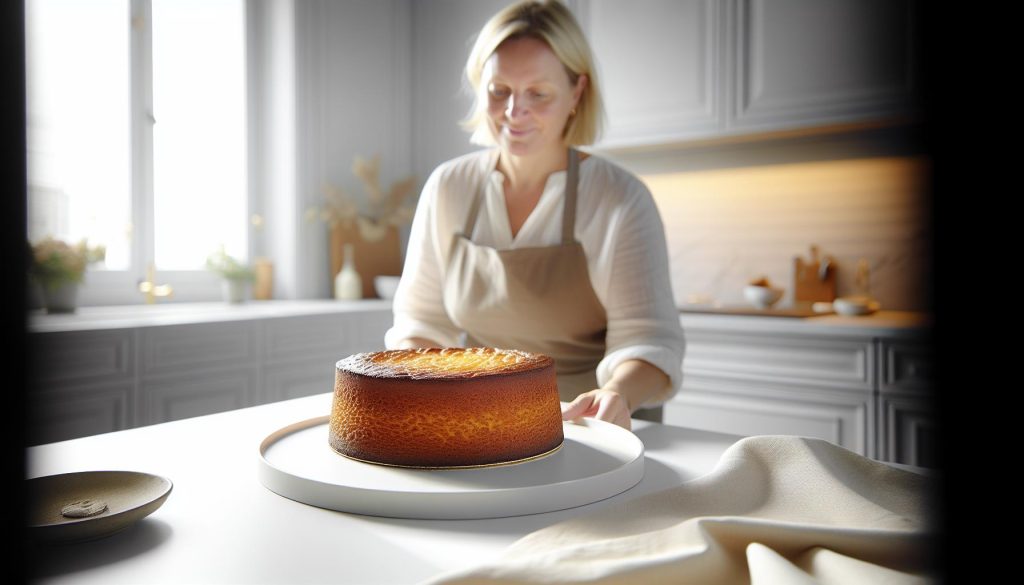
If you’ve ever craved a dessert that envelops you in buttery bliss, the French Butter Cake is your answer. This approachable yet elegant treat features a tender, melt-in-your-mouth texture and a rich, golden crust, making it a perfect centerpiece for any gathering or a simple indulgence at home. Many of us desire that bakery-style quality without the complicated process, and this recipe delivers just that-effortless sophistication with familiar ingredients you likely already have in your pantry.
Baking this cake isn’t just about following a recipe; it’s a chance to create a warm memory on a cozy afternoon, whether you’re enjoying it solo or sharing it with loved ones. With its versatile nature, you can serve it plain, dusted with powdered sugar, or adorn it with fresh cream and berries for an extra special touch. Ready to transform your kitchen into a French patisserie? Let’s dive in and discover the joy of making this delightful cake together!
Choosing the Right Ingredients for French Butter Cake
When making a French Butter Cake, the ingredient choices you make are crucial to achieving that rich, luxurious flavor and texture. The star of the show is, of course, butter. For the best results, opt for high-quality, unsalted butter. This kind adds a rich creaminess without the added saltiness that can interfere with the cake’s sweet nuances. You’ll want to let the butter come to room temperature so it creams beautifully with the sugar, creating that light, airy base for your cake.
Next up is sugar. Granulated sugar is typically used for its ability to dissolve effortlessly into the butter, helping to create a tender crumb. You might also consider using a touch of brown sugar for a hint of molasses flavor, which can deepen the taste profile of your cake.
Don’t forget the eggs, as they provide structure and moisture. Fresh, large eggs are ideal, and separating the yolks from the whites can help if you want to fold in beaten egg whites later, enhancing fluffiness.
As for flour, all-purpose flour works beautifully, but for a slightly denser cake, a mix of all-purpose and cake flour can give you a delightful texture. Lastly, flavorings are essential. Vanilla extract is a classic choice, yet a little almond extract can take your cake to the next level, adding a subtle nutty flavor that pairs well with the buttery notes.
Here’s a quick overview of the essential ingredients for your French Butter Cake:
| Ingredient | Type/Quality | Role in Cake |
|---|---|---|
| Butter | High-quality unsalted | Main flavor component, contributes to moisture |
| Sugar | Granulated (with optional brown sugar) | Sweetness, tenderizes the cake |
| Eggs | Fresh large eggs | Provides structure and moisture |
| Flour | All-purpose (or mix with cake flour) | Gives structure and texture |
| Flavorings | Vanilla and almond extract | Enhances flavor profile |
With these carefully chosen ingredients, you’ll be well on your way to creating a French Butter Cake that not only looks impressive but also delights the palate. Happy baking!
Essential Baking Tools for Success
To whip up a stunning French Butter Cake that rivals those from your favorite bakery, having the right tools in your kitchen is essential. While you don’t need a chef’s arsenal to achieve bakery-level results, there are a few key tools that can significantly improve your baking experience and outcomes.
Essential Tools for Baking Your French Butter Cake
Start with a good digital kitchen scale. Weighing your ingredients leads to accurate measurements, which is crucial for baking success. While volume measurements can be inconsistent, grams provide the precision needed for that light and tender crumb. Next, grab a set of mixing bowls. Opt for various sizes, as you’ll need one for creaming the butter and sugar, another for sifting the dry ingredients, and a smaller one for egg whites if you choose to separate them for fluffiness.
A hand mixer is also invaluable, especially if you’re not ready to invest in a stand mixer. It’s perfect for creaming together your softened butter and sugar until light and fluffy. If you’d like to take it a step further, a whisk can be used to fold in beaten egg whites gently, which enhances the cake’s texture. For mixing your batter smoothly, rubber spatulas are a must. They’re great for scraping down the sides of bowls and ensuring everything is well combined without deflating the batter too much.
Don’t forget about cake pans. Choose heavy, non-stick round pans in the right size; typically, 8-inch pans work well for a beautifully layered cake. For easy release, consider lining the bottom with parchment paper. Finally, a cooling rack is essential for letting your cake cool evenly, preventing it from becoming soggy. This is especially important for a butter cake, which can be quite moist.
Bonus Tip
If you have a revolving cake decorating stand, it will give you an edge when it comes to frosting your cake beautifully. Decorating becomes a breeze when you can spin your creation around easily, ensuring even coverage and style.
With these tools at your side, you’ll find that baking a French Butter Cake is not only achievable but also a delightful process. Embrace your creativity, and enjoy the journey of bringing this rich, buttery treat to life! Happy baking!
Step-by-Step Guide to Making French Butter Cake
When it comes to baking a French Butter Cake, following a straightforward process can transform simple ingredients into a delightful masterpiece that has all the warmth and charm of a bakery classic. This cake is celebrated for its rich flavor and tender crumb, making it perfect for both special occasions and cozy afternoons at home.
Start by gathering your ingredients. You’ll need unsalted butter (room temperature), granulated sugar, eggs, vanilla extract, all-purpose flour, baking powder, and a pinch of salt. Once everything is within arm’s reach, preheat your oven to 350°F (175°C) and grease two 8-inch round cake pans. For extra ease, line the bottoms with parchment paper to ensure the cakes come out smoothly.
The first step is to cream your butter and sugar. In a large mixing bowl, beat the softened butter until it’s light and fluffy, then gradually add the sugar, continuing to mix for about 4-5 minutes. This step is crucial as it incorporates air into the batter, contributing to the cake’s fluffy texture. Next, add your eggs one at a time, mixing well after each addition, then stir in the vanilla.
Now, for the dry ingredients! In a separate bowl, whisk together your flour, baking powder, and salt. Gradually add this dry mixture to the wet ingredients, alternating with milk if your recipe calls for it, mixing just until combined. Be careful not to overmix; we want to maintain that tender crumb!
Once the batter is ready, divide it evenly between the prepared pans and smooth the tops with a spatula. Bake in the preheated oven for about 25-30 minutes, or until a toothpick inserted into the center comes out clean. As soon as your cakes are done, allow them to cool in the pans for about 10 minutes before transferring them to a wire rack to cool completely.
After your cakes have cooled, you can frost them with your favorite buttercream for a classic finish or a simple glaze for a touch of elegance. Enjoy slicing into this rich, buttery treat that not only satisfies your sweet tooth but also fills your kitchen with the delightful aroma of homemade goodness. Happy baking!
Pro Tips for Achieving Bakery-Style Fluffiness
To achieve that bakery-style fluffiness in your French Butter Cake, it’s all about technique and a few clever tricks that make a world of difference. The first key step is to properly cream your butter and sugar. Use unsalted butter at room temperature, which ensures it beats up nice and soft. When you beat the butter alone first, it allows for maximum air incorporation-aim for a light, pale texture that resembles whipped cream. Add your granulated sugar gradually, continuing to mix for about 4-5 minutes. This is where you create the air pockets that will help your cake rise beautifully.
Another tip is to bring your eggs to room temperature before adding them to your batter. Cold eggs can shock the mixture and lead to denser cakes. If you forget, simply place them in a bowl of warm water for about 10 minutes. Add your eggs one at a time, making sure each is fully incorporated before the next. This step helps maintain that wonderful airy texture you’re aiming for.
With your dry ingredients, be mindful of your mixing technique. Combine your all-purpose flour, baking powder, and salt in a separate bowl and gently fold them into the wet ingredients. Overmixing can lead to a tough cake, as it develops gluten, so mix just until you see no dry flour-lumps are perfectly okay!
Lastly, consider your baking temperature. While most cakes bake at 350°F (175°C), some French Butter Cakes benefit from a slightly lower temperature, around 325°F (160°C). This allows for even cooking and prevents over-browning, letting your cake stay moist and fluffy. Check for doneness a few minutes before the timer goes off-every oven is different! By following these tips, your French Butter Cake will boast that bakery-worthy fluffiness that’s simply irresistible. Enjoy your baking journey!
Creative Variations: Flavoring Your Butter Cake
The beauty of French Butter Cake lies not only in its rich, buttery flavor but also in its versatility to adapt to your taste preferences. By experimenting with flavors, you can transform this classic treat into your own signature dessert. Here are some creative ways to infuse your cake with delightful tastes that will impress any palate.
One simple yet impactful way to flavor your butter cake is by incorporating extracts and zests. Vanilla is a classic choice, but consider adding a splash of almond extract or even a hint of orange zest for a refreshing twist. If you’re feeling adventurous, try mixing in lavender or rosemary for an aromatic experience that elevates the cake to a new level. For a more indulgent version, swirl in some melted chocolate or add fresh berries into the batter to create a marbled effect.
Another delightful variation is to layer the cake with flavored syrups or creams after baking. You can soak the warm cake in a simple syrup infused with lemon or vanilla, which adds moisture and a burst of flavor. For a luxurious touch, consider frosting it with cream cheese icing or a light whipped cream mixed with your favorite liqueur like amaretto or hazelnut. These toppings not only enhance the flavor profile but also give a beautiful presentation.
When seeking out unique flavor combinations, think of the season or occasion. For instance, during autumn, you can spice up your butter cake with cinnamon or nutmeg, incorporating grated apples or chopped pecans for texture. In summer, a coconut milk substitution for part of the regular milk can bring a tropical flair, complemented with toasted coconut flakes on top for crunch.
Baking is all about exploring and making the recipe your own. Don’t hesitate to experiment with different combinations, such as incorporating spices, extracts, or fruits that you love. With each variation, you’ll not only create a delicious cake but also discover new favorites along the way! Remember, the heart of baking lies in the joy of creativity and sharing delightful experiences with loved ones.
Troubleshooting Common Baking Issues
Baking can sometimes feel like a mad science experiment, especially when things don’t go as planned. If you find your French butter cake isn’t quite living up to the hype, don’t worry! There are common pitfalls that can easily be avoided with a little knowledge and preparation. Whether it’s a dense cake or one that didn’t rise, understanding these potential issues will not only help you troubleshoot but also enhance your baking skills.
One frequent issue is a dense texture, often caused by overmixing the batter after adding the flour. Mix only until the flour is just incorporated to maintain that light and airy feel you’re aiming for. Similarly, if your butter and sugar weren’t creamed together properly, you might end up with a cake that’s more brick than bliss. Aim for a mixture that’s light and fluffy before adding in your eggs and dry ingredients. Another factor to consider is ingredient temperature-eggs and butter should be at room temperature to ensure they combine seamlessly, preventing lumps and ensuring even baking.
If your cake sinks in the middle, it could be a result of opening the oven door too early or underbaking. It’s tempting to check on your cake as it bakes, but try to resist until you reach the minimum baking time. Stick a toothpick in the center; if it comes out clean or with a few crumbs, your butter cake is ready! Also, check your oven temperature with an oven thermometer to ensure it’s matching your recipe; an oven running too cool or too hot can make a huge difference.
Another common concern is that your cake dries out after sitting for a while. This often happens when it’s improperly stored. To keep your cake moist, wrap it in plastic wrap or store it in an airtight container at room temperature. If you need to freeze your cake, it helps to wrap it tightly and place it in a freezer-safe bag. Remember, the cake’s flavor and texture are best enjoyed when it retains its moisture!
In summary, baking is all about love and a little experimentation. Keep these troubleshooting tips in mind, and don’t hesitate to tweak your methods as needed. Each baking experience helps you grow, so celebrate those little victories, and soon you’ll be creating perfect French butter cakes with ease!
Serving Suggestions and Perfect Pairings
Imagine serving a warm slice of French butter cake, its rich, buttery flavor perfectly complemented by delightful pairings that elevate your dessert experience. This cake’s tender crumb and melt-in-your-mouth texture provide a solid foundation for countless serving suggestions that cater to various occasions and palates.
To create a delightful contrast, consider serving the cake with fresh seasonal fruits. Slices of ripe strawberries, berries, or a citrus medley not only add a pop of color but also bring a refreshing balance to the richness of the cake. A drizzle of homemade raspberry or strawberry sauce can intensify the fruitiness while adding a lovely visual appeal.
For a more decadent treat, pairing your butter cake with a scoop of vanilla ice cream or a dollop of whipped cream can turn an everyday dessert into a celebratory delight. The cold creaminess of ice cream juxtaposes beautifully with the warmness of the cake, making each bite a luxurious experience. For a twist, try flavored ice creams like lavender or almond to complement the cake’s buttery notes.
Don’t overlook the charm of a simple glaze or syrup! A drizzle of lemon or orange glaze can add a zesty kick that cuts through the cake’s richness, while a chocolate ganache can satisfy any chocolate lover’s cravings, providing a rich, indulgent finish. For an even more sophisticated touch, dust the cake with powdered sugar and sprinkle toasted almonds or hazelnuts for added texture and depth.
Lastly, the perfect cup of coffee or tea can enhance your enjoyment of this classic cake. A robust espresso brings out the buttery flavors and makes for a cozy afternoon treat, while a light, floral tea can create a calming atmosphere perfect for a leisurely brunch or dessert after dinner.
In the world of baking, the possibilities are endless, and with French butter cake, you have a versatile base that invites creativity. So, experiment with these pairing ideas and discover that each variation can lead to a new favorite way to enjoy this delectable treat!
Storing and Freezing Your Butter Cake
To enjoy your French butter cake at its best, proper storage is key. This cake, rich in buttery flavor and dense with a tender crumb, can stay deliciously fresh if stored correctly. To keep your cake moist and flavorful, store it in an airtight container at room temperature. This method helps maintain its delightful texture for several days. If you have leftovers, placing the cake in the refrigerator can extend its life, but be sure to wrap it well to avoid drying out.
If you’re looking to keep your butter cake for an extended period, freezing is a fantastic option. Wrap the cooled cake tightly in plastic wrap, ensuring there are no exposed areas that could lead to freezer burn. For added protection, you could place the wrapped cake in a resealable freezer bag or an airtight container. Properly stored, your butter cake can be frozen for up to one month while retaining most of its lovely flavor and texture.
When you’re ready to enjoy your frozen cake, simply move it to the fridge to thaw overnight. For a fresh-from-the-oven experience, you can also warm individual slices in the microwave for a few seconds. This simple technique revitalizes the cake’s buttery goodness, making it feel freshly baked each time.
Remember, a well-stored French butter cake not only holds its flavor but can also serve as a delightful treat anytime you crave a slice of nostalgia or comfort. Keeping these storage tips in mind will ensure that your homemade cake is as delectable on day five as it was on the day it was baked!
Exploring the History and Origins of French Butter Cake
The roots of French butter cake run deep into the heart of France’s baking tradition, reflecting a culinary history rich with flavor and craftsmanship. Known in French as “Gâteau au Beurre,” this cake elegantly showcases the luxurious essence of butter, a staple in French kitchens. Early versions of butter cake date back centuries, influencing the development of many light and airy desserts we enjoy today. The simple but refined combination of high-quality butter, sugar, eggs, and flour creates a cake that is both delectable and versatile.
What makes French butter cake particularly special is its connection to the region of Brittany, where buttery and creamy gastronomic delights thrive. The salted butter from this region adds a unique flavor profile, elevating the cake’s richness while providing a subtle contrast to its sweetness. Over time, recipes have evolved, incorporating techniques from nearby cultures, yet the fundamental principles of using quality ingredients and care in preparation remain the same.
A home cook can easily pay homage to this tradition, as making French butter cake doesn’t require any specialized equipment. Just a mixing bowl, a whisk, and a baking pan can lead you to a delightful dessert that captures the spirit of French baking. As you mix the ingredients, think of the generations of bakers who have perfected this recipe, each adding their personal touch. Perhaps you’ll find joy in experimenting with local ingredients or trying out different flavor additions like almond extract or citrus zest, echoing the creative spirit of home bakers across the ages.
Ultimately, baking a French butter cake is more than just following a recipe-it’s about embracing a culinary legacy. Whether you enjoy it fresh out of the oven or savor it days later, each slice carries a bit of history, reminding us of where this beloved cake began and the joy it continues to bring to our tables.
Nutritional Information and Dietary Adjustments
When it comes to enjoying a slice of French butter cake, understanding its nutritional content can help you make informed choices without sacrificing the delightful experience this treat offers. A typical serving of French butter cake contains about 90 calories and provides key nutrients that can fit well into a balanced diet. The cake boasts approximately 1.5 grams of protein, 10 grams of carbohydrates, and 5 grams of fat, which includes a bit of richness from the butter that makes it oh-so-indulgent [[2]].
For those looking to adjust the dessert to fit specific dietary needs or preferences, there are plenty of creative alternatives. Here are some substitutions and adjustments you might consider:
Ingredient Substitutions
- Gluten-Free Option: Use a 1:1 gluten-free flour blend to replace all-purpose flour for a gluten-free cake without compromising texture.
- Lower Fat Alternative: Substitute unsweetened applesauce or Greek yogurt for some of the butter. This will reduce fat content while still keeping the cake moist.
- Reduced Sugar: Try using a sugar substitute like erythritol or coconut sugar to lower the overall glycemic index, while still satisfying your sweet tooth.
Portion Control and Serving Suggestions
Rather than enjoy a large slice, consider smaller portions while pairing the cake with fresh fruit or a light dusting of powdered sugar. This not only balances the sweetness but also adds a refreshing contrast. You could also serve it with a dollop of whipped cream or a scoop of yogurt, enhancing both flavor and texture.
Ultimately, baking is about enjoyment and creativity. With a few simple adjustments, you can make French butter cake a delicious treat that fits into various dietary lifestyles while still celebrating the rich, buttery flavor that makes it a classic. Enjoy experimenting with ingredients-your kitchen is yours to explore!
Expert Tips for Perfecting Your Baking Skills
Baking a perfect French butter cake is all about technique and care. With the right approach, you can elevate your cake from good to absolutely divine. Start with high-quality ingredients-this means real butter and fresh eggs. They not only improve flavor but also contribute to the cake’s rich texture. Ensure your butter is at room temperature so that it blends seamlessly with the sugar, creating a light and airy batter.
A critical tip is to measure accurately. Baking is a science, and even a slight variation can affect the outcome. Use a kitchen scale for precision, especially for flour and sugar. When mixing, avoid overmixing the batter after adding the flour to keep the cake tender. Instead, mix just until you see no more streaks of flour. This small detail can make a significant difference in texture.
Don’t forget about your baking equipment! A good quality baking dish or cake pan is essential. Opt for a light-colored, non-stick pan to prevent the cake from over-browning on the outside while the inside remains undercooked. Additionally, lining the bottom with parchment paper ensures easy removal and a clean finish.
Lastly, patience is your ally. Allow your cake to cool in the pan for about 10-15 minutes before transferring it to a wire rack. This simple act will help maintain its structure. And remember, if you want that truly bakery-style fluffiness, consider using a method called “creaming,” where butter and sugar are beaten together until light and fluffy before adding eggs. This incorporates air and helps achieve that delightful lift. Enjoy the process, and don’t hesitate to experiment-each bake is an opportunity to learn and improve!
User-Submitted Recipes and Modifications
Baking is all about creativity, and one of the best ways to personalize your French butter cake is to explore . Enthusiastic bakers often share their twists on the classic recipe, inspired by unique flavors, dietary needs, or even nostalgic memories. This not only enhances your culinary repertoire but also fosters a sense of community among home bakers.
One popular modification comes from a fellow baker who swears by adding citrus zest-from lemons or oranges-to the batter. This small change adds a refreshing brightness that complements the rich butter flavor beautifully. Another fun idea is to incorporate seasonal spices; a dash of cinnamon or nutmeg during autumn can elevate the cake’s aroma and warmth. For those looking to indulge further, consider swirling in chocolate ganache or mixing in chunks of your favorite chocolate for a decadent chocolate chip butter cake.
Many bakers also share their experiences with gluten-free alternatives. Instead of regular flour, using a gluten-free all-purpose blend can yield equally delicious results. Remember, you may need to adjust the liquid content slightly when making such substitutions. If you’re experimenting with healthier options, some bakers have substituted part of the butter with Greek yogurt, resulting in a moist cake with reduced fat content.
Don’t hesitate to share your own modifications or variations! Maybe you’ve discovered a fantastic topping, like a caramel glaze or a sprinkle of toasted nuts, that takes your cake to the next level. Every little tweak adds to the deliciousness and makes the recipe your own. Your personalized touch may inspire someone else in their baking journey!
Frequently asked questions
Q: What makes a French butter cake different from regular butter cakes?
A: French butter cakes have a lighter texture due to the creaming method used for mixing butter and sugar until fluffy, combined with eggs added gradually. This technique results in a rich yet airy treat. Learn more about achieving bakery-style fluffiness in our guide.
Q: How do I ensure my French butter cake is moist?
A: To ensure your French butter cake is moist, use fresh ingredients, avoid overmixing, and incorporate a liquid component like milk or buttermilk. Also, consider baking it just until a toothpick comes out clean-this prevents dryness. For detailed baking tips, refer to our troubleshooting section.
Q: Can I freeze my French butter cake, and if so, how?
A: Yes, you can freeze your French butter cake. Allow it to cool completely, then wrap it tightly in plastic wrap and aluminum foil. Store in the freezer for up to three months. For serving after freezing, thaw it in the fridge overnight before enjoying.
Q: What are some popular variations of French butter cake?
A: Popular variations include adding flavors like almond or lemon zest for a twist on the classic. You can also incorporate fresh fruits or spices like cinnamon. Explore more about these creative variations in our additional recipes section.
Q: How can I achieve a golden crust on my French butter cake?
A: To achieve a golden crust, brush the cake with melted butter or an egg wash before baking. Additionally, bake at the right temperature and avoid opening the oven door frequently, which can affect browning. Check our step-by-step guide for more baking strategies.
Q: What should I serve with my French butter cake?
A: French butter cake pairs wonderfully with fresh berries, whipped cream, or a dusting of powdered sugar. For a richer experience, serve it with vanilla ice cream or a fruit sauce. Check our serving suggestions for more delightful pairing ideas.
Q: How can I fix a sunken French butter cake?
A: If your French butter cake sinks, it may be due to overmixing or underbaking. Ensure you mix until just combined and test for doneness with a toothpick. For more advice on common baking issues, refer to our troubleshooting tips.
Q: What ingredients are essential for a rich French butter cake?
A: Essential ingredients include high-quality butter, granulated sugar, eggs, and all-purpose flour. Using fresh ingredients is key to achieving a rich flavor and texture. For a deeper dive into choosing ingredients, read our section on ingredient selection.
Final Thoughts
Now that you have the recipe for the delicious French Butter Cake, it’s time to bring your baking skills to life! This rich, buttery treat is not just a delight on its own; it pairs beautifully with seasonal fruits and a dusting of powdered sugar for that perfect bakery-style finish. Remember, the ease of this recipe means anyone can create a stunning dessert without the need for professional tools. So why not bake one today and experience the joy of homemade goodness?
As you embark on this baking adventure, check out our related articles on enhancing your cake with seasonal flavors and tips for achieving the perfect crumb. Got questions or want to share your baking triumphs? Leave a comment below-we’d love to hear from you! Don’t forget to sign up for our newsletter to receive more delightful recipes and kitchen tips directly to your inbox, ensuring your next baking project is just as satisfying as this one. Enjoy your baking journey!