
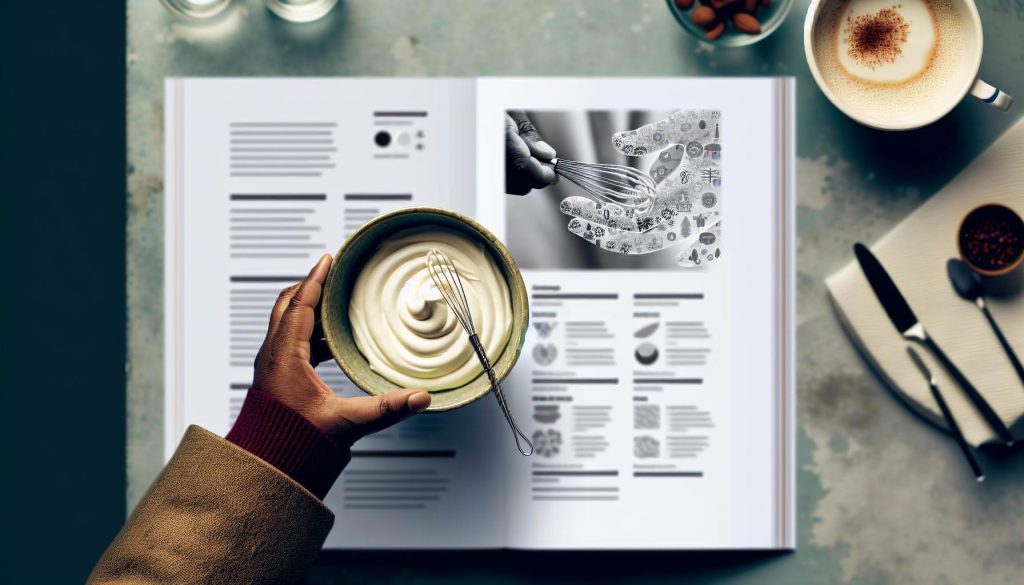
Imagine a rich, luscious frosting that elevates your cakes and cupcakes, yet contains no butter! This frosting recipe is not just a healthier alternative; it’s a game-changer for those of us who may be dairy-free or simply looking to lighten up our desserts without sacrificing flavor. With just a few simple ingredients, you’ll create a silky-smooth frosting that’s perfect for spreading or piping, making every bite just as delightful as traditional butter frostings. Whether you’re baking for a special occasion or simply indulging your sweet tooth, this versatile recipe opens the door to endless creativity. So grab your mixing bowl and let’s dive into a frosting experience that’s as easy as it is delicious!
Choosing the Right Ingredients for Silky Frosting

When it comes to creating silky frosting without butter, your choice of ingredients can make all the difference. The goal is to achieve that luscious, creamy texture we all love, and this can be accomplished using a variety of substitute ingredients that not only replicate the smoothness of butter but also offer unique flavors and health benefits.
Start with a base of cream cheese or mascarpone. These dairy products provide a rich creaminess that closely resembles traditional butter frosting. For those looking for dairy-free options, coconut cream is a fantastic alternative. Whipped coconut cream is light, fluffy, and brings a subtle sweetness, making it a popular choice for vegan or health-conscious bakers. Additionally, using ingredients like avocado adds a unique twist. Not only does it lend a smooth texture, but it also infuses healthy fats into your frosting, giving it a vibrant green hue without compromising taste if blended well with cocoa or vanilla.
Incorporating powdered sugar is crucial for achieving that silky finish; it dissolves easily and creates a light and airy consistency. You might also consider adding a splash of non-dairy milk-like almond or oat milk-to adjust the frosting’s consistency. Start with small amounts, mixing thoroughly until you reach the desired smoothness. Finally, don’t overlook flavoring options; vanilla extract, almond extract, or even a touch of espresso can elevate your frosting to new heights.
Cooking should always be an adventure! Try experimenting with different ratios and combinations to create the perfect silky frosting for your cakes, cookies, or cupcakes. Remember, the best part of baking is the creativity involved, so feel free to explore and adapt based on what you have in your kitchen!
Simple Substitutes for Butter in Frosting

When you’re on the hunt for that out-of-this-world silky frosting but want to skip the butter, you’re in for an exciting adventure in the kitchen! There are so many simple substitutes that can help you achieve the delightful texture you crave, all while adding unique flavors and maintaining a luscious finish. Let’s dive into some delicious alternatives that both beginners and seasoned bakers can easily incorporate.
One of the most popular substitutes for butter is cream cheese. It’s rich, creamy, and provides an incredible texture that blends well into frosting. If you’re aiming for something a bit lighter, mascarpone cheese is another excellent choice. It offers a similarly luxurious mouthfeel but with a slightly different flavor profile that can elevate your frosting. On the plant-based side, coconut cream is a standout. When whipped, coconut cream becomes light and fluffy, adding a hint of sweetness that can be perfect for various desserts, especially if you’re creating vegan confections.
For a unique twist, consider avocado. This surprisingly versatile fruit can be blended into a frosting base to add healthy fats and a vibrant color. Just mash it with some cocoa powder for a chocolate variation, and your frosting will be both smooth and nutritious. If you’re concerned about sweetness and texture, try incorporating non-dairy milk like almond or oat milk. A splash can loosen up your frosting to the perfect spreadable consistency without compromising its flavor.
Always remember to add powdered sugar to your frosting mix; it’s vital for achieving that silky texture. It dissolves easily and helps prevent any grit, ensuring your end product is smooth and enjoyable. Don’t hesitate to experiment with flavors, too! Ingredients like vanilla extract, almond extract, or even espresso can add delightful nuances to your frosting, allowing your creativity to shine through in every delicious bite. Happy baking!
Step-by-Step Guide to Making Frosting Without Butter

Making frosting without butter doesn’t mean sacrificing flavor or texture; in fact, it opens up a world of delicious alternatives! Whether you’re avoiding dairy or simply out of butter, you can whip up a silky, smooth frosting with just a few simple ingredients. Here’s a step-by-step guide to help you create that perfect frosting, ideal for cakes, cupcakes, or cookies!
Start by gathering your ingredients. Typically, you will need:
- 1 cup of substitute base (cream cheese, mascarpone cheese, coconut cream, or avocado)
- 3-4 cups of powdered sugar (adjust based on desired sweetness)
- 1-2 teaspoons of vanilla extract (or other flavorings)
- Milk or non-dairy milk (optional, for desired consistency)
To begin, place your chosen substitute in a mixing bowl. If using cream cheese or mascarpone, make sure it’s at room temperature for optimal creaminess. For avocado, mash it until smooth, ensuring there are no lumps. Next, add the powdered sugar gradually-this is key to avoiding an explosive cloud of sugar! Start with one cup and mix on low until well combined. Continue adding sugar until you reach the desired sweetness and texture.
Once your mixture is ready, pour in the vanilla extract and any additional flavorings you’d like to incorporate. For extra creaminess, consider adding a splash of milk. Mix everything together on medium speed until your frosting is fluffy and smooth. If it seems too stiff, just add more milk, a teaspoon at a time, until you achieve the perfect spreadable consistency.
Lastly, taste your frosting! This is your chance to make it uniquely yours. Want a chocolate twist? Add some cocoa powder or melted chocolate! A touch of espresso will punch up that rich flavor, or a hint of almond extract can add a delightful contrast. Once you’re satisfied, you’re ready to frost your treats. Enjoy the satisfaction of knowing you created something deliciously indulgent and completely butter-free!
Achieving the Perfect Texture: Tips and Tricks
To create that ideal texture of frosting without butter, the key lies in understanding the role of your ingredient choices and mixing techniques. Whether you’re using cream cheese, coconut cream, or avocado as your base, achieving a silky consistency is very much about how you combine and whip your ingredients. A well-mixed frosting should be light, fluffy, and spreadable, yet rich enough to provide that indulgent mouthfeel.
First, start with your substitute at room temperature; this makes a world of difference. Cold ingredients can lead to lumps and a less-than-ideal texture. If you’re using cream cheese or mascarpone, make sure to whip them until smooth before adding powdered sugar. For a luscious result, beat your substitute on medium speed until it becomes creamy and aerated, typically around 2-3 minutes.
When it comes to adding powdered sugar, dump it in gradually to avoid a sugary explosion-trust me, your kitchen will thank you! This technique allows you to reach your desired sweetness without overwhelming the base flavor. If your frosting is too stiff, don’t hesitate to incorporate a little milk or non-dairy milk to thin it out. A teaspoon at a time can help you find that creamy, spreadable consistency without overdoing it.
Lastly, don’t forget to taste as you go! A pinch of salt can elevate flavors, balancing sweetness and enhancing the overall taste. Experiment with other flavorings or add cocoa powder for a chocolaty twist. Remember, frosting is all about personalization, so feel free to adjust textures to suit your preferences for a truly satisfying homemade treat!
Flavor Enhancements for Non-Butter Frosting

Crafting delicious, silky frosting without butter opens up a world of flavor possibilities that can elevate your baked goods to the next level. Even without traditional ingredients, you can create rich, creamy textures bursting with taste. Why limit yourself to vanilla or chocolate? Dive into a palette of flavors that can transform your frosting into a standout component of your dessert.
One effective way to enhance the flavor is by incorporating extracts and spices. Add a splash of vanilla extract for warmth, or try almond or hazelnut extract for a nutty twist. For a fall-inspired frosting, a dash of cinnamon or nutmeg can add a cozy depth. If you’re feeling adventurous, consider citrus extracts like lemon or orange, which add a refreshing zesty contrast that pairs beautifully with cakes and cookies.
Another creative approach is to use flavored non-dairy milk or cream as a base for your frosting. Almond, coconut, or soy milk not only provide unique flavors but can also impart a delightful creaminess. For instance, coconut cream makes for a luxuriously tropical frosting, while almond milk can lend an unexpected nuttiness. When opting for these alternatives, start with unsweetened versions to maintain balance and adjust sweetness to your taste.
Fruits and nut butters can also enhance the flavor and create exciting variations. Mashed ripe bananas or pureed berries can add both sweetness and natural color to your frosting, making it visually appealing as well. Peanut butter or cashew butter offers a nutty richness that can complement chocolate or vanilla bases beautifully. Just remember to adjust your sugar content accordingly, since these additions will naturally increase the sweetness.
Lastly, don’t underestimate the power of salt! A pinch can amplify sweetness and deepen flavors in your frosting, creating a well-rounded taste experience that’s hard to beat. As you play around with these various enhancements, have fun experimenting to find the perfect balance that suits your palate-after all, frosting is all about personal touches and creativity!
Easy Variations for Silky Frosting Recipes
Crafting silky frosting without butter can lead to some surprisingly delightful variations that will keep your baking fresh and exciting. One of the simplest ways to change up your frosting is to experiment with different bases. For a lighter, fluffy texture, try using whipped coconut cream. It not only gives a lightness to your frosting but also infuses a subtle coconut flavor that works beautifully on chocolate cakes and tropical desserts.
Another fun twist is to incorporate different types of sweeteners. Instead of plain powdered sugar, consider using maple syrup or agave nectar as your sweetening agent. This offers a unique flavor profile and works wonderfully in vanilla or spice cakes, adding a warm undertone. Keep in mind that these liquid sweeteners will change your frosting’s consistency, so adjust the thickening agents accordingly-perhaps try a bit of cornstarch or ground nuts to maintain that desired silky texture.
Fruity flavors can also elevation to the next level! Mashing fresh berries, such as strawberries or raspberries, into your frosting can create not only a stunning color but also an amazing freshness. For example, a strawberry puree mixed with non-dairy cream can yield a beautiful pink frosting with a burst of berry flavor, perfect for springtime treats. Alternatively, for a chocolate lover’s dream, mixing in some espresso powder can give your frosting a delicious mocha kick that’s sure to impress.
Don’t shy away from fun mix-ins, either! Adding a tablespoon of nut butter like almond or cashew can lend a rich creaminess, creating a delightful contrast with the sweetness of your frosting. This works particularly well for chocolate or caramel-flavored frostings. Experiment with these variations, and don’t hesitate to let your creativity run wild. After all, the joy of baking comes from making a recipe your own, so have fun mixing, matching, and tasting as you go!
Decorating Tips: Using Your Frosting Creatively
There’s something truly special about how a well-decorated dessert can elevate the entire experience of baking. Whether you’re topping off a rich chocolate cake or a light coconut cupcake, your silky frostings without butter can shine through in delightful ways. The key to creative decorating lies not just in the frosting itself, but also in the techniques and tools you choose to showcase it.
To begin, consider the type of frosting you’re working with. If it’s light and fluffy, like whipped coconut frosting, use a piping bag fitted with a star tip to create beautiful swirls or rosettes. This technique adds texture and invites curiosity with its airy feel. For a more rustic look, spread the frosting with a spatula, allowing it to have peaks and valleys that catch the eye. Incorporate sprinkles, toasted coconut, or crushed nuts as garnish for an extra layer of texture and taste.
Accessorizing Your Frosting
Don’t forget about color! Adding natural food coloring or fruit purees (like beet juice for pink or matcha for green) can make your frosting not just a treat for the taste buds but for the eyes as well. Layering colors can also give a stunning effect. Try piping a rainbow effect by filling your piping bag with multiple colors of frosting, giving you a bright and cheerful finish.
Another fun idea is to make themed decorations based on the occasion. For instance, create simple fondant shapes or use cookie cutters to add fun designs. You could also freeze small dollops of colored frosting on parchment paper to create fun toppings. Simply peel them off and use them as edible confetti to sprinkle over your desserts just before serving.
Combining Flavors and Textures
Pairing your frosting creatively with your cake can also enhance the overall taste. For instance, a tangy lemon frosting pairs wonderfully with a berry cake, while chocolate frosting smothered over a dense red velvet cake is always a crowd-pleaser. Don’t hesitate to mix and match flavors that speak to you-remember that frosting isn’t just a final touch; it’s an integral part of your dessert journey.
Ultimately, the heart of the decoration lies in your personal touch. Experiment with tools and techniques, and let your imagination guide you. Whether you’re a novice or an experienced home baker, using your frosting creatively can transform a simple dessert into an extraordinary masterpiece. Enjoy the process, and don’t be afraid to show off those beautifully frosted creations to your friends and family!
Storing and Preserving Your Frosting
When you’ve whipped up a delightful batch of silky frosting without butter, you want to ensure it stays as delicious as the day you made it! Proper storage is key to extending its shelf life and maintaining that luscious texture. Whether you have leftovers from a decorating session or you’ve prepared a big batch for upcoming baking adventures, knowing how to store your frosting can save you time and enhance your baking experience.
First, always allow your frosting to cool to room temperature if you’ve just made it. Once it’s cooled, transfer it to an airtight container. This step is crucial; exposure to air can cause your frosting to dry out, resulting in a crusty texture that is less than ideal for spreading or piping. If you don’t have an airtight container, you can cover your bowl tightly with plastic wrap, ensuring that the wrap is pressed against the surface of the frosting to limit air contact.
For short-term storage, keep your frosting in the refrigerator. Most butter-free frostings can be stored this way for about a week. When you’re ready to use it, simply take it out and let it come to room temperature. A quick stir can help restore its creamy consistency. If your frosting has thickened in the fridge, you can add a splash of milk or non-dairy milk to adjust the texture as needed.
If you find you have a significant amount of frosting, consider freezing it. Frosting can be frozen for up to three months without sacrificing flavor. To do this, spoon your frosting into freezer-safe bags or containers, making sure to remove as much air as possible before sealing. Label the containers with the date and type of frosting, which will help you keep track of your supplies. When you’re ready to use it, simply thaw the frosting in the refrigerator overnight and give it a good mix before using.
With these simple tips, you’ll be able to store and preserve your silky, butter-free frosting effectively, ensuring that your creations are always as delicious as you envisioned. Whether you’re layering it on cakes, spreading it on cupcakes, or using it for creative decorations, rest assured that your frosting will be ready and waiting for your culinary endeavors!
Common Mistakes to Avoid When Making Frosting
When crafting silky frosting without butter, it’s easy to overlook a few key details that can mean the difference between a delightful treat and a frustrating mess. Many home bakers encounter common pitfalls that can affect the texture and taste of their frosting. Avoiding these mistakes can ensure that you create a smooth, luscious topping that’s perfect for your cakes and cupcakes.
One of the first mistakes to sidestep is using ingredients that are too cold. If you’re incorporating cream cheese or cream to your frosting, make sure they are at room temperature. Cold ingredients can lead to a lumpy texture that’s hard to overcome. Similarly, mixing your powdered sugar in too quickly without sifting can result in clumps. Always sift your powdered sugar to ensure a smooth blend, and consider adding it gradually to your mixture.
Another key aspect is the mixing process. Overmixing can deflate your frosting, making it dense and less airy. Conversely, undermixing can lead to a gritty texture from undissolved sugar. Start at a low speed to combine the ingredients, then increase to medium speed just until everything is well blended. A good rule of thumb is to mix it until just combined, checking the consistency often to avoid going too far.
Additionally, be cautious with flavoring agents. The wrong amounts of extracts or flavorings can overwhelm the frosting or alter its consistency. Start with small quantities, then taste as you go. It’s much easier to add more flavor than to fix an overpowering one.
Lastly, keep an eye on your environment. High humidity can affect how your frosting sets and can cause it to become runny. If you know it’s a humid day, consider adding a bit more powdered sugar to help absorb excess moisture, ensuring your frosting maintains its desired consistency.
By being mindful of these common mistakes, you’ll be well on your way to whipping up fabulously silky frosting that’s sure to impress. Enjoy the creativity of frosting without butter and create delicious desserts that showcase your culinary skills!
Pairing Your Frosting with Different Desserts
When it comes to enhancing your desserts, the right frosting can elevate everything from a simple slice of cake to a batch of homemade cookies. Silky frosting without butter offers a unique texture that pairs beautifully with a variety of sweet treats. The creamy and smooth consistency can bring an extra layer of delight, whether you’re baking for a special occasion or just indulging in a sweet craving.
One of the best complements for your frosting is a classic vanilla or chocolate cake. The light texture of a non-butter frosting works wonders with these beloved flavors. For an extra surprise, try a hint of almond extract in your frosting to create a delicious contrast with the rich cake flavors. Alternatively, a citrus-infused frosting pairs marvelously with lemon or orange-flavored cakes, bringing a zesty brightness that refreshes the palate.
Don’t overlook the delightful options with cookies! Silky frosting is perfect for frostings on sugar cookies, whoopie pies, or even brownies. Consider blending in some cocoa powder or matcha for a touch of flavor that aligns with your cookie’s personality. For a fun twist, top chocolate chip cookies with a light mint-flavored frosting-it’s a nostalgic treat that can transport you back to your childhood.
For those seeking a lighter dessert, think about using your frosting to finish off fruit tarts or parfaits. A dollop of your silky frosting on fresh fruit, or layering it between yogurt and granola, adds a creamy richness that perfectly balances tartness. You could even swirl it into cheesecake for an ultra-decadent yet butter-free dessert.
The possibilities are endless, and with a bit of creativity, you can find the perfect pairings that showcase your silky frosting. Embrace the experimentation in the kitchen, and enjoy discovering new flavor combinations that will make your desserts shine!
Healthier Alternatives: Lower Sugar Frosting Options
Making frosting without butter doesn’t mean sacrificing flavor or texture, especially when you’re looking for healthier, lower sugar options. The good news is that you can create a silky frosting that not only tastes fantastic but also aligns with your dietary goals. Here are a few creative ways to cut down on sugar while still enjoying rich and creamy frosting.
One effective method is to use natural sweeteners that have a lower glycemic index than regular sugar. Options like honey, maple syrup, and agave nectar can add sweetness without the same spike in blood sugar. While these don’t exactly mimic the texture of traditional frosting, mixing them into a base of whipped aquafaba (the liquid from canned chickpeas) can yield a light and airy finish. For a thicker texture, consider using a combination of mashed bananas or unsweetened applesauce with cream cheese or vegan cream cheese. This combo not only enhances flavor but also adds moisture without the need for too much sugar.
Another secret weapon in reducing sugar is to incorporate flavor boosters that enhance sweetness perception without adding extra sugar. Ingredients like vanilla extract, almond extract, or a sprinkle of cinnamon can create a sense of sweetness that can allow you to use less sweetener overall. For instance, a frosting made with whipped coconut cream, a dash of almond extract, and just a spoonful of powdered sugar can be incredibly satisfying and silky!
Finally, consider making the switch to sugar alternatives like stevia or erythritol. These sweeteners can provide that needed sweetness without the calories or sugar content. When using stevia, just remember it is much sweeter than sugar, so a little goes a long way! Mix stevia or erythritol into a base made from blended silken tofu and vanilla for a creamy, frostable delight that feels indulgent without the guilt.
Experimentation is key when it comes to lower sugar frosting. Start small, adjust the sweetness to your taste, and embrace the process of finding the perfect balance that satisfies your sweet tooth while keeping your dessert healthier.
Frosting for Special Dietary Needs: Vegan and Gluten-Free Options
Crafting a silky frosting that caters to special dietary needs can be simpler than you might think! With a little creativity, you can whip up vegan and gluten-free options that not only please the palate but also align with specific dietary preferences. Whether you’re baking for someone with dietary restrictions or simply want to explore delicious alternatives, these recipes will empower your kitchen adventures.
A fantastic starting point for vegan frosting is coconut cream. Just chill a can of full-fat coconut milk overnight, then scoop out the solidified cream, leaving the liquid behind. Whip this cream with a touch of sweetener, such as agave syrup or maple syrup, and a splash of vanilla extract for a delightfully fluffy, dairy-free frosting. For those looking to avoid processed sugars, consider using mashed ripe bananas or pureed dates as natural sweeteners. These not only add depth of flavor but also provide a creamy texture, making your frosting irresistibly smooth.
For a gluten-free option, most traditional frosting ingredients work seamlessly. Stick to powdered sugar, which is naturally gluten-free, and use cornstarch or arrowroot powder to thicken if needed. Mixing aquafaba (the liquid from canned chickpeas) into your frosting is a clever way to introduce a light, airy texture without any gluten. Whip it until stiff peaks form before folding it into your frosting base, whether that’s a vegan cream cheese or a nut-based spread.
When it comes to flavoring your frosting, don’t shy away from experimenting with extracts such as almond or peppermint, or even citrus zests for a refreshing twist. Remember, the world of frosting is your oyster, so feel free to play with different combinations until you strike the perfect balance that suits your taste buds and dietary needs. With these approaches, you can relish in the joy of baking, knowing everyone can enjoy your sweet creations, no matter their dietary restrictions!
Q&A
Q: What are the best substitutes for butter in frosting?
A: The best substitutes for butter in frosting include cream cheese, coconut oil, and shortening. Each alternative can provide a unique texture and flavor. For a silky texture, neutral oils like canola or sunflower can also work well. Explore more in the Simple Substitutes for Butter in Frosting section.
Q: How do you make frosting without butter that doesn’t taste oily?
A: To avoid an oily taste in butterless frosting, use cream cheese or whipped non-dairy cream. Ensure you mix thoroughly for a light and airy texture. Incorporating powdered sugar can also help absorb excess moisture, creating a smoother finish.
Q: Can you achieve a silky frosting texture without using dairy?
A: Yes, you can achieve a silky texture without dairy by using coconut cream or tofu. Blend these with powdered sugar and vanilla extract for a creamy consistency. Check out the Achieving the Perfect Texture: Tips and Tricks section for more guidance.
Q: How can I enhance the flavor of frosting made without butter?
A: Enhancing flavor in butterless frosting can be done by adding vanilla, almond, or citrus extracts. Additionally, incorporating cocoa powder for chocolate frosting can deepen the taste. For tips on flavors, refer to the Flavor Enhancements for Non-Butter Frosting section.
Q: What are some common mistakes when making butter-free frosting?
A: Common mistakes include using too much liquid, which can make the frosting runny, or not blending well, leading to a gritty texture. Always start with small quantities of liquids and mix thoroughly. For more detail, see Common Mistakes to Avoid When Making Frosting.
Q: How long can I store frosting made without butter?
A: Butterless frosting can typically be stored in an airtight container in the fridge for up to one week. For longer storage, freeze it for up to three months. Check the Storing and Preserving Your Frosting section for more tips.
Q: Can you make a silky frosting without sugar?
A: Yes, you can make a silky frosting without sugar by using sugar alternatives like stevia or erythritol mixed into a base like coconut cream. Adjust the amount to taste, and explore alternatives in the Healthier Alternatives: Lower Sugar Frosting Options section.
Q: What desserts pair well with butterless silky frosting?
A: Butterless silky frosting pairs wonderfully with cakes, cupcakes, and even cookies. Try it on chocolate or vanilla cakes, or even brownies. Look into the Pairing Your Frosting with Different Desserts section for more pairing ideas.
The Way Forward
Now that you have the recipe for a deliciously silky frosting without butter, it’s time to put it to the test! Remember, this simple yet versatile frosting can elevate any dessert, from cakes to cupcakes, making them irresistibly creamy. If you loved this recipe, you might want to explore our other frosting ideas, like the Cream Cheese Frosting or the Vegan Chocolate Ganache, for even more delicious options!
Don’t forget to share your frosting creations with us in the comments below-we can’t wait to see what you whip up! And if you found this recipe helpful, sign up for our newsletter for more tasty tips and tricks straight to your inbox. Dive back into our recipe section for easy baking guides that keep the fun rolling in the kitchen. Explore, experiment, and enjoy creating sweet moments with your homemade treats!