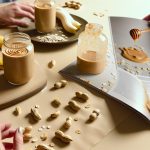

If you’re a peanut butter lover, you’re in for a treat! This Peanut Butter Cake Recipe is not only delicious but also easy enough for beginners to master. With just a few simple ingredients and straightforward steps, you can whip up a moist, flavorful cake that celebrates the rich, nutty taste of peanut butter. Imagine cutting into a slice of this delightful cake, topped with creamy peanut butter frosting-a perfect way to satisfy your sweet tooth and impress friends or family alike. Whether you’re baking for a special occasion or just want a delightful dessert to enjoy at home, this recipe makes it accessible and fun. So grab your mixing bowl and let’s create something memorable together!
Choosing the Right Ingredients for Peanut Butter Cake
Choosing the right ingredients is the cornerstone of creating a delicious peanut butter cake. Here’s what you need to know to ensure your cake is moist, flavorful, and a hit with everyone.
Start with the peanut butter. Use a good-quality creamy peanut butter for a smooth texture; natural peanut butter can work as well if you’re okay with a slightly less sweet cake. Just make sure it’s well stirred, so the oils and solids are combined.
Next, focus on your sugars. A mix of granulated sugar and brown sugar not only sweetens the cake but also adds a fantastic depth of flavor and moisture. The brown sugar infuses a subtle caramel note that beautifully complements the peanut butter.
Eggs are another essential ingredient, contributing to the cake’s structure. Make sure they are at room temperature for better mixing. If you’re keen on experimenting, you can even swap in a flaxseed mixture for a vegan option: combine 1 tablespoon of flaxseed meal with 2.5 tablespoons of water to replace one egg.
For the flour, all-purpose flour is a reliable choice, but you can experiment with whole wheat flour for a nuttier flavor and added nutrition. To help your cake rise, don’t forget the baking powder (or baking soda) and salt; they work together to create that lovely lift while balancing the sweetness of the peanut butter.
Lastly, always swing by the liquid ingredients. Adding milk, buttermilk, or even a plant-based alternative enhances moisture while keeping it fluffy. A touch of vanilla extract can elevate the overall flavor profile, tying everything together beautifully.
By selecting these quality ingredients with care and consideration, you set yourself up for a delightful baking experience that leads to a peanut butter cake everyone will love. Don’t hesitate to adjust the sweetness or richness based on your personal taste; that’s the beauty of baking at home!
Essential Equipment for Baking Beginners

Baking a peanut butter cake can be a delightful and rewarding experience, especially for beginners who may feel overwhelmed by the thought of kitchen gadgets and tools. But fear not! You don’t need a state-of-the-art bakery to whip up a delicious cake. With just a few essential pieces of equipment, you can create a scrumptious peanut butter cake that will impress your family and friends.
Start with a good mixing bowl. A medium-sized bowl is perfect for combining your ingredients without spilling everywhere. Look for one that’s sturdy and easy to handle. Glass or stainless steel bowls are excellent choices as they’re durable and easy to clean. The next critical tool is a set of measuring cups and spoons. Accurate measurements are essential in baking, so invest in a good set. Measuring cups with both cup and milliliter measurements can simplify everything when following a recipe.
Must-Have Baking Tools
- Mixing Bowl: A sturdy, medium-sized bowl for combining ingredients.
- Measuring Cups and Spoons: Essential for accuracy in baking.
- Hand Mixer or Whisk: A hand mixer can save time and effort, but a simple whisk works just fine for those who enjoy a little workout!
- Baking Pan: A 9-inch round cake pan is ideal for peanut butter cake. If you want to get creative, consider an 8-inch square pan.
- Parchment Paper: This helps prevent sticking, especially if you’re worried about your cake not coming out smoothly.
Don’t forget about the baking essentials like a rubber spatula for scraping down the sides of your bowl and folding in any last-minute ingredients. A cooling rack is also beneficial to allow your cake to cool evenly once it’s out of the oven.
Bonus Tips for Beginners
When you’re starting out, keeping things simple is key. You can definitely get by with just the basics-no need to get overwhelmed with fancy gadgets. The joy of baking lies in creativity, so feel free to experiment with what you have on hand. Remember, the best tool is the one that makes you feel comfortable and excited to bake. Enjoy the process, embrace the mess, and let your peanut butter cake turn into a fun kitchen adventure!
Step-by-Step Instructions for Easy Peanut Butter Cake

Creating a delicious peanut butter cake is an enjoyable experience, especially when you have a simple step-by-step process to guide you. This cake, perfect for beginners, combines the rich flavor of peanut butter with moist, fluffy texture, making it an all-time favorite. Let’s dive into the instructions!
Start by preheating your oven to 350°F (175°C). This ensures that your cake bakes evenly. While the oven is warming up, grease your 9-inch round cake pan (or 8-inch square, if you prefer) and line the bottom with parchment paper to help prevent sticking.
Next, in your medium-sized mixing bowl, combine the dry ingredients: 2 cups of all-purpose flour, 1 ½ teaspoons of baking powder, and ½ teaspoon of baking soda. Whisk these together until they’re well mixed. In another large bowl, cream together 1 cup of creamy peanut butter (try using unsweetened for a less sweet taste), 1 cup of granulated sugar, and ½ cup of brown sugar. Mix these until they’re light and fluffy – about 2-3 minutes with an electric mixer should do the trick.
Then, add in 3 large eggs, one at a time, mixing well after each addition. This helps incorporate air for a fluffier cake. Pour in 1 teaspoon of vanilla extract followed by 1 cup of milk (whole or 2% works best). Mix until everything is well combined. Gradually fold in the dry mixture, being sure not to overwork the batter. The goal is to mix until just combined to keep your cake tender.
Pour the batter into your prepared pan and smooth out the top with a spatula. Bake for about 25-30 minutes or until a toothpick inserted into the center comes out clean. While your cake is baking, resist the urge to open the oven door too frequently; this helps avoid a collapsed center. Once baked, allow the cake to cool in the pan for about 10 minutes, then transfer it to a wire rack to cool completely.
Voilà! You’ve got a beautifully baked peanut butter cake ready for frosting, serving, or enjoying all on its own. The simplicity of these instructions allows for creativity-feel free to add chocolate chips to the batter or top it with your favorite frosting. Happy baking!
Common Mistakes to Avoid When Baking
Baking a delicious peanut butter cake can be a joyful adventure, but even seasoned bakers encounter hiccups along the way. Understanding common mistakes can help you avoid pitfalls and ensure your cake turns out perfectly every time. One of the first missteps many make is not measuring ingredients accurately. Baking is a science, and even a slight discrepancy in flour or sugar can affect the texture and flavor of your cake. Always use proper measuring cups and spoons, and consider using a kitchen scale for dry ingredients to ensure precise amounts.
Another frequent issue is overmixing the batter. While it’s tempting to keep beating the mixture until everything looks perfectly combined, overmixing can lead to a dense, heavy cake instead of the fluffy, light result we all desire. When incorporating your dry ingredients, strive to mix just until combined; a few lumps are perfectly okay! This gentle blending keeps the cake tender and airy.
Temperature is also key-both for your ingredients and your oven. Ensure your eggs, butter, and milk are at room temperature before you start mixing. Cold ingredients can cause the batter to seize, which again impacts texture. Furthermore, always preheat your oven before putting the cake in. Baking in an unpreheated oven can lead to uneven cooking, so make sure to give it a good 15-20 minutes to reach the desired temperature.
Finally, resist the urge to peek into your oven while the cake is baking. Every time you open the door, heat escapes, which can cause your cake to collapse. Instead, use the last few minutes of the baking time to perform the toothpick test-insert a toothpick into the center of the cake; if it comes out clean or with a few crumbs, your cake is ready. By sidestepping these common errors, you can boost your confidence in the kitchen and create a scrumptious peanut butter cake that wows friends and family alike!
Creative Variations: Make It Your Own
There’s no limit to the delicious adaptations you can make to your peanut butter cake, turning a simple recipe into a delightful creation that suits your taste and occasion! One of the easiest ways to personalize your cake is by tweaking the flavor profile. For a chocolatey twist, fold in some cocoa powder into your batter or add chocolate chips for that irresistible combination of peanut butter and chocolate. If you’re feeling adventurous, try swirling in your favorite jam or fruit puree, such as raspberry or banana, before baking. The tangy fruit can cut through the richness of the peanut butter, creating a stunning flavor balance.
Another fun way to mix things up is by experimenting with different textures. Consider adding chopped nuts, like peanuts or walnuts, to the batter for a crunch or a sprinkle of coarse sea salt on top for a savory edge. You could also turn your cake into a layered masterpiece by baking two rounds and creating a peanut butter frosting sandwiched between them. This opens the door to flavor combinations; imagine a layer of cream cheese frosting with a hint of vanilla or a drizzle of caramel for extra decadence.
For a more health-conscious approach, consider substituting some of the sugar for honey or maple syrup, and swap part of the all-purpose flour for whole wheat flour. Not only will this add more nutrients, but it also enhances the nutty flavor of the cake. If you’re going gluten-free, almond flour or oat flour works beautifully too, giving your cake a unique taste and texture.
Lastly, when it comes to presentation, let your creativity shine through! Top the cooled cake with a drizzle of melted chocolate or a dollop of whipped cream. Garnish with fresh berries or a sprinkle of chopped nuts to make it look as great as it tastes. Remember, the beauty of baking is that there are no strict rules-feel free to play around with ingredients and make this peanut butter cake your own!
How to Serve and Store Peanut Butter Cake
Serving your peanut butter cake in an inviting way can elevate even the simplest of desserts, turning a basic recipe into a memorable experience. Once your cake has cooled to room temperature, you have a world of options for serving. A classic approach is to cut the cake into generous slices and plate them with a light drizzle of chocolate sauce or a dollop of whipped cream. This not only enhances the flavor but also adds a touch of elegance to your presentation. Consider garnishing with some chopped peanuts or a sprinkle of sea salt to highlight the cake’s rich, nutty profile.
For a more casual gathering, feel free to serve the cake directly from the baking dish, especially if you’re going for a cozy family get-together. Add a scoop of vanilla ice cream on the side-a delightful contrast to the cake’s dense texture and nutty flavor that everyone will love. If you’re feeling adventurous, serve the cake warm, straight from the oven, which can make for a comforting treat that’s perfect for chilly evenings.
When it comes to storing your peanut butter cake, you have a few simple strategies. Keep any leftovers tightly covered at room temperature for up to two days for the best flavor and moisture. If you want to extend its shelf life, refrigeration is a great option; just be sure to wrap it in plastic wrap or store it in an airtight container. In the fridge, your cake will last about a week. For longer storage, consider freezing individual slices. Wrap each slice securely in plastic wrap, then place them in a freezer-safe bag. They can be stored this way for up to three months. When you’re ready to enjoy, simply thaw at room temperature for a satisfying treat that tastes almost as fresh as when it was first baked!
Tips for Decorating Your Peanut Butter Cake
When it comes to decorating your peanut butter cake, the possibilities are as delightful as the cake itself! A well-decorated cake not only makes a statement but also adds an extra layer of fun and creativity to your baking experience. Whether you’re aiming for something simple or a bit more elaborate, here are some approachable tips to help you enhance your peanut butter cake with charm and personality.
Start with the basics: a smooth layer of peanut butter frosting. For a homemade touch, mix creamy peanut butter with softened butter, powdered sugar, and a splash of milk until you achieve a spreadable consistency. Once spread over your cooled cake, you can create texture by swirling the frosting with the back of a spoon or a spatula. If you want to elevate the visual appeal, try using a piping bag to create decorative swirls or rosettes around the edges. Even a simple spatula can be your best tool for achieving a lovely finish without any fancy equipment!
To bring your cake to life, consider adding some toppings that will not only look great but also complement the flavors. Chopped roasted peanuts add a delightful crunch and enhance that nutty flavor. You can also sprinkle mini chocolate chips or drizzle melted chocolate or caramel sauce over the top for a decadent touch. If you’re feeling festive, some colorful sprinkles or edible glitter can make your cake pop for a birthday or holiday celebration.
Creative Presentation Ideas
It’s all about the presentation! A beautiful cake stand can elevate your peanut butter cake to centerpiece status at any gathering. You can also place dessert plates under the cake to catch any drips, especially if you’re using a gooey topping. If you want to add a personal touch, consider crafting a banner or using miniature cake toppers that reflect the occasion, whether it be a casual family dinner or a birthday party.
Lastly, don’t forget that serving is part of the decoration! Presenting your slices with a side of whipped cream or a scoop of vanilla ice cream creates a visual and delicious combination. Remember, decorating is all about expressing yourself and having fun, so don’t stress over perfection. Enjoy the process, and let your cake reflect your personal style and taste!
Pairing Suggestions: What Goes Well with Peanut Butter Cake
Peanut butter cake is not just a tasty treat on its own; it pairs beautifully with a variety of accompaniments that can elevate your dessert experience. The combination of rich, nutty flavors and sweet undertones opens the door for creative pairings that enhance its appeal. Here are some delightful suggestions to consider when serving your peanut butter cake.
For a classic pairing, nothing beats the combination of peanut butter and chocolate. Consider serving slices with a drizzle of rich chocolate ganache or a scoop of chocolate ice cream. The contrast between the creamy peanut butter and the smooth chocolate creates a taste sensation that many find irresistible. Additionally, if you want to add a touch of freshness, a dollop of whipped cream can balance the flavors nicely.
Another option is to contrast the cake’s richness with refreshing accompaniments. Slices of fresh fruit or a fruity compote can add a bright note. Think of juicy strawberries, bananas, or a tart raspberry sauce that can cut through the sweetness. These vibrant additions not only enhance flavor but also bring a pop of color to your dessert table.
Lastly, for those who love texture, pair your peanut butter cake with a crunchy element. Serve it alongside caramelized nuts, like candied pecans or almonds, which add a sweet crunch, or sprinkle some crushed graham crackers for a s’mores-inspired twist. You can even offer a side of crunchy granola for added texture, creating a more dynamic dining experience.
When it comes to drinks, a chilled glass of milk is a timeless choice, perfect for youngsters and the young-at-heart alike. For adults, consider pairing it with a robust coffee or a creamy latte, which complements the cake’s nutty flavors, or even a light dessert wine that adds a festive touch. With these pairings, your peanut butter cake will not just satisfy your sweet tooth but become the highlight of any gathering!
Allergy-Friendly Alternatives for Peanut Butter Cake
When it comes to baking, allergies don’t have to prevent you from enjoying a slice of delightful peanut butter cake. Fortunately, there are plenty of allergy-friendly alternatives that make it easy to whip up a version of this classic treat that everyone can enjoy. You can still create a delicious cake that caters to dietary restrictions, ensuring that no one misses out.
For a peanut-free alternative, consider using sunflower seed butter. It has a similar creamy texture and a nutty flavor, making it an excellent substitute in recipes requiring peanut butter. Sunflower seed butter is also rich in nutrients and can be swapped in equal amounts for peanut butter in your cake. If you’re catering to those with tree nut allergies too, this option is perfect!
In addition to changing the butter, pay attention to your flour choice. For gluten-free needs, try almond flour or a gluten-free all-purpose blend. Almond flour adds a lovely moistness and light nutty note, while a gluten-free blend simplifies the baking process-just make sure it contains xanthan gum or another binding agent. Substitute using the same measurement as regular flour or adjust based on the specific flour’s absorption.
Another important ingredient to consider is the milk. To make the cake dairy-free, almond milk, oat milk, or coconut milk offer great alternatives. These plant-based milks can easily replace regular milk in equal measure without compromising the cake’s texture or taste.
Lastly, for egg-free versions, substitute eggs with natural alternatives like unsweetened applesauce or chia seeds. Two tablespoons of applesauce can replace one egg, adding moisture without altering the flavor. If using chia seeds, mix one tablespoon of chia seeds with three tablespoons of water, let it sit until it forms a gel-like consistency, and then use it as you would an egg.
Get ready to bake with these alternatives and enjoy the same wonderful flavors without the worry of allergies getting in the way. Your peanut butter cake can be a source of joy and deliciousness for everyone, regardless of their dietary restrictions!
Reading and Understanding Baking Measurements
Understanding baking measurements is a crucial skill for anyone looking to bake a delicious peanut butter cake, especially if you are a beginner. Accurate measurements ensure that your cake has the right texture, flavor, and rise. Whether you’re using cups, grams, or ounces, making sure you’re measuring correctly can be the difference between a light, fluffy cake and a dense, gummy one.
When following a recipe, it’s important to distinguish between *dry* and *liquid* ingredients. For dry ingredients like flour, sugar, and cocoa powder, it’s usually best to use the *spoon and level* method. This means you should spoon flour into your measuring cup and then level it off with a straight edge. Avoid scooping directly from the bag, as this can pack the flour down and result in too much being used. In contrast, liquid ingredients such as milk or melted butter should be measured in a clear liquid measuring cup with measurement markings on the side. Always check the measurement at eye level to ensure accuracy.
Another handy tip is to familiarize yourself with common conversion measurements. For instance, 1 cup of all-purpose flour typically weighs about 120 grams, while 1 cup of brown sugar packed down weighs around 220 grams. Knowing these conversions can help you feel more confident when you’re modifying recipes or experimenting with your own versions. Here’s a quick reference to keep in your kitchen:
| Ingredient | 1 Cup Equivalent |
|---|---|
| All-Purpose Flour | 120 grams |
| Granulated Sugar | 200 grams |
| Brown Sugar (packed) | 220 grams |
| Cocoa Powder | 100 grams |
Lastly, don’t be afraid to use a scale. Digital kitchen scales take away the guesswork and provide precision, especially for finicky recipes like cakes. They allow you to measure your ingredients with accuracy, making it easier to replicate successful bakes. Remember, baking is as much science as it is art. So, take your time, enjoy the process, and soon enough, you’ll be whipping up perfect peanut butter cakes with confidence!
Building Confidence with Cake Baking Basics
Baking can be an incredibly rewarding experience, especially when you’re preparing a delicious peanut butter cake. The key to feeling confident in the kitchen is understanding the essentials and mastering the basics. With a few simple techniques and a dash of practice, you’ll be well on your way to impressing friends and family with your baking skills.
First, familiarize yourself with the basic ingredients that go into your cake. Peanut butter adds a rich flavor, while simple pantry staples like flour, sugar, eggs, and butter form the foundation of your batter. It’s all about having good quality ingredients. For instance, using natural peanut butter without added sugar or oils can greatly affect the taste and texture of your cake. Remember, fresh baking powder and soda are crucial for a perfect rise.
Another important aspect is learning effective mixing techniques. Start by creaming butter and sugar together until light and fluffy; this incorporates air into the batter, leading to a lighter cake. Then, add your peanut butter and mix until smooth. It’s essential to alternate adding dry and wet ingredients to keep your batter well-combined without overmixing. Overmixing can lead to a tough cake, which is not what you want.
Practice Makes Perfect
Don’t be afraid to experiment! If something doesn’t turn out perfectly the first time, that’s all part of the learning process. For example, if your cake feels a bit dense, take note and adjust your mixing time next time. You could also try different types of peanut butter or add a splash of vanilla for a flavor boost. Remember, baking is science, but it’s also an art. With each layer of cake and sprinkle of frosting, you’ll gain more experience and confidence.
Lastly, set yourself up for success by creating a comfortable baking environment. Lay out all your ingredients and equipment before you start, measure everything ahead of time, and follow a step-by-step recipe. This not only helps you stay organized but also allows you to enjoy the process without feeling rushed. Soon enough, baking your favorite peanut butter cake will become second nature, and you’ll be excited to share your creations with others!
Frequently Asked Questions About Peanut Butter Cake
Baking a peanut butter cake can prompt a lot of questions, especially for those just beginning their baking journey. Here’s a rundown of the most common queries to guide you through your cake-baking adventure.
One of the first questions you might ask is about the type of peanut butter to use. Natural peanut butter is often recommended because it contains just peanuts (and sometimes salt) without added sugars or oils, resulting in a purer flavor and better texture. Look for a creamy variety that blends well in the batter. If you prefer a slightly sweeter cake, smooth commercial peanut butter can work just fine, but be cautious with your sugar adjustments.
Another frequent concern is about the cake’s moisture level. To ensure your cake comes out perfectly moist, be mindful of how long you mix the batter. Overmixing can lead to a dense cake, while undermixing can cause uneven texture. Aim for a consistent batter, mixing just until the ingredients are combined. Also, don’t skip on ingredients like eggs and vegetable oil, which contribute to moisture.
When it comes to baking time, every oven is a little different. Start checking your cake for doneness a few minutes before the recipe states. A toothpick inserted into the center should come out clean, or with a few moist crumbs clinging to it. If it’s too moist and doesn’t come out clean, it likely needs a few more minutes.
You might also wonder about frosting options. A classic peanut butter frosting, made from creamy peanut butter, butter, powdered sugar, and a splash of milk, complements the cake beautifully. For something a bit different, consider a chocolate ganache or cream cheese frosting to balance the nuttiness.
Lastly, storing your peanut butter cake properly will keep it fresh longer. If it’s frosted, store it in an airtight container in the refrigerator for up to a week. You can also freeze it for longer storage; just wrap slices in plastic wrap followed by aluminum foil to prevent freezer burn. When you’re ready to enjoy it, simply thaw it in the fridge overnight.
Baking is all about enjoying the process, so don’t hesitate to experiment and make the recipe your own!
FAQ
Q: What are some easy substitutions for peanut butter in a cake recipe?
A: If you’re allergic to peanut butter or prefer alternatives, *sunflower seed butter* and *almond butter* work well in cake recipes. You can also try *soy nut butter* or *cream cheese* for different flavors. These options maintain a similar texture and provide a delicious taste without using peanut butter.
Q: How can I make my peanut butter cake even more moist?
A: To ensure your peanut butter cake remains *moist*, consider adding *sour cream* or *applesauce* to your batter. Incorporating these can enhance moisture and flavor. Additionally, avoid overbaking; check for doneness a few minutes early for the best texture.
Q: What frosting pairs best with peanut butter cake?
A: For peanut butter cake, *cream cheese frosting* or a *chocolate ganache* are excellent choices. The tanginess of cream cheese complements the richness of the cake, while chocolate ganache adds a decadent layer. Feel free to explore variations by mixing these frostings for unique flavors!
Q: Can I use natural peanut butter instead of processed in my cake recipe?
A: Yes, you can use *natural peanut butter*, but be aware that it may affect the cake’s texture. Natural peanut butter has separation, so mix it well before measuring. It can create a denser cake, which some find delightful! Adjusting sugar may also help enhance sweetness.
Q: How long does peanut butter cake last after baking?
A: A peanut butter cake can last about *3-5 days* at room temperature if stored properly in an airtight container. For longer storage, refrigerate it for up to a week or freeze for up to three months. Be sure to wrap tightly to prevent freezer burn.
Q: What should I do if my peanut butter cake is too dense?
A: If your cake turns out dense, it may be due to overmixing or using too much flour. To avoid this, be gentle when combining ingredients. Also, ensure your baking powder is fresh, as expired leavening agents can lead to a heavy texture.
Q: Is it possible to make a gluten-free peanut butter cake?
A: Absolutely! Substitute all-purpose flour with *gluten-free flour blends* or *almond flour* for a gluten-free peanut butter cake. You may also need to add an additional binding agent like *xanthan gum* for better texture. This approach preserves the delicious peanut butter flavor!
Q: Can I make peanut butter cake in advance?
A: Yes, you can prepare peanut butter cake in advance! Bake and cool it completely, then wrap it well and store in the fridge for up to a week or freeze for up to three months. Frost just before serving to keep the cake fresh and delightful.
The Conclusion
Congratulations on making your very own Peanut Butter Cake! This beginner-friendly recipe is not just simple but also incredibly satisfying, proving that anyone can bake a delicious treat at home. Whether you’re a novice or just looking for an easy dessert, this cake strikes the perfect balance between rich flavor and effortless preparation. Don’t wait-try it today and impress your friends and family!
To keep the baking fun going, check out our other delectable recipes like Peanut Butter Cookies and Peanut Butter Cups. Want more easy recipes and baking tips? Subscribe to our newsletter for the latest updates and exclusive content! Remember, every baking journey begins with a single recipe, so embrace your creativity in the kitchen and share your thoughts or photos in the comments below. Happy baking!