
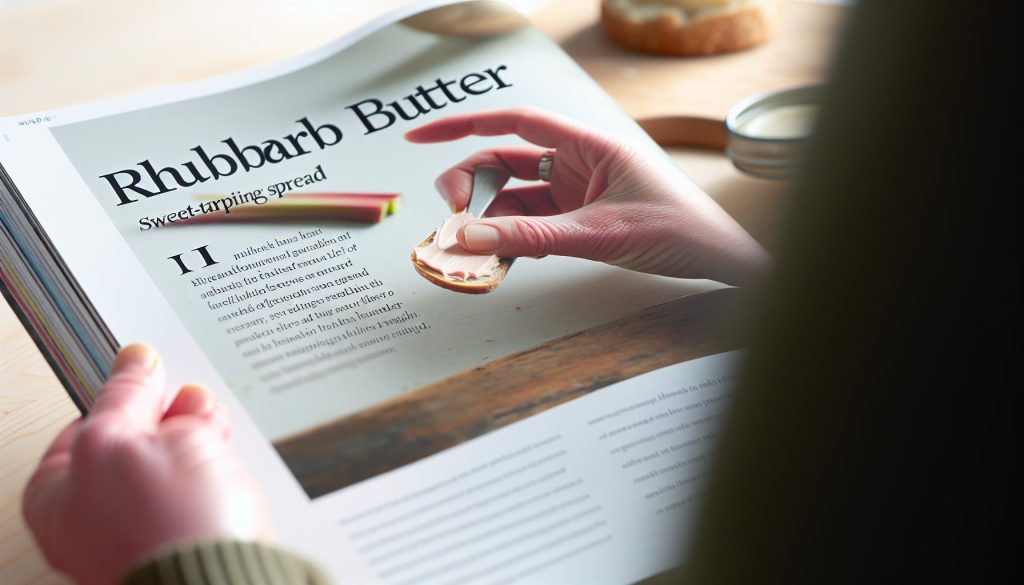
Spring is a magical time for food lovers, especially when rhubarb is in season. This vibrant, tangy plant is the star of our Rhubarb Butter Recipe, a delightful sweet-tart spread that brings a burst of flavor to your breakfast table. Imagine slathering this homemade goodness on warm toast or pancakes, elevating simple dishes with its unique taste.
Cooking rhubarb is not just about nourishing your body; it’s a wonderful opportunity to savor the fleeting joys of the season. Plus, making rhubarb butter is a breeze-requiring just a few key ingredients and minimal effort. Whether you’re a seasoned home cook or a kitchen novice, you can create a delicious spread that friends and family will love. So gather your fresh rhubarb and let’s dive into this simple yet rewarding recipe that celebrates the beauty of homemade creations!
Choosing the Best Rhubarb for Your Butter Recipe
When it comes to making rhubarb butter, the quality of your rhubarb is key. Opt for stalks that are firm, crisp, and vibrant in color. Generally, the best rhubarb is young and tender, harvested in the spring through early summer. Look for stalks that are long and straight, as shorter, thinner ones may not have as much flavor. Avoid any that show signs of wilting, browning, or slime, as freshness translates to better flavor in your spread.
For a balanced butter, you might consider using a mix of rhubarb varieties. Tart varieties, like the common garden rhubarb or ‘Victoria,’ deliver the classic, tangy taste that pairs beautifully with sweeteners. On the other hand, if you can find sweeter types like ‘Strawberry Rhubarb,’ these can add a delightful twist without requiring excessive sugar.
Here are a few tips for selecting and preparing your rhubarb:
- Color Matters: Bright red or deep green stalks signal good flavor. Pale stalks may lack the punch you’re looking for.
- Storage: Store rhubarb in the vegetable crisper of your fridge, wrapped in a damp paper towel to maintain moisture.
- Preparation: Wash and trim the ends, discarding any leaves, as rhubarb leaves are toxic and should never be consumed.
Remember, the choices you make with your rhubarb will influence the overall taste of your butter, so selecting the right stalks is a step you don’t want to skip. Happy cooking!
Essential Ingredients for Rhubarb Butter
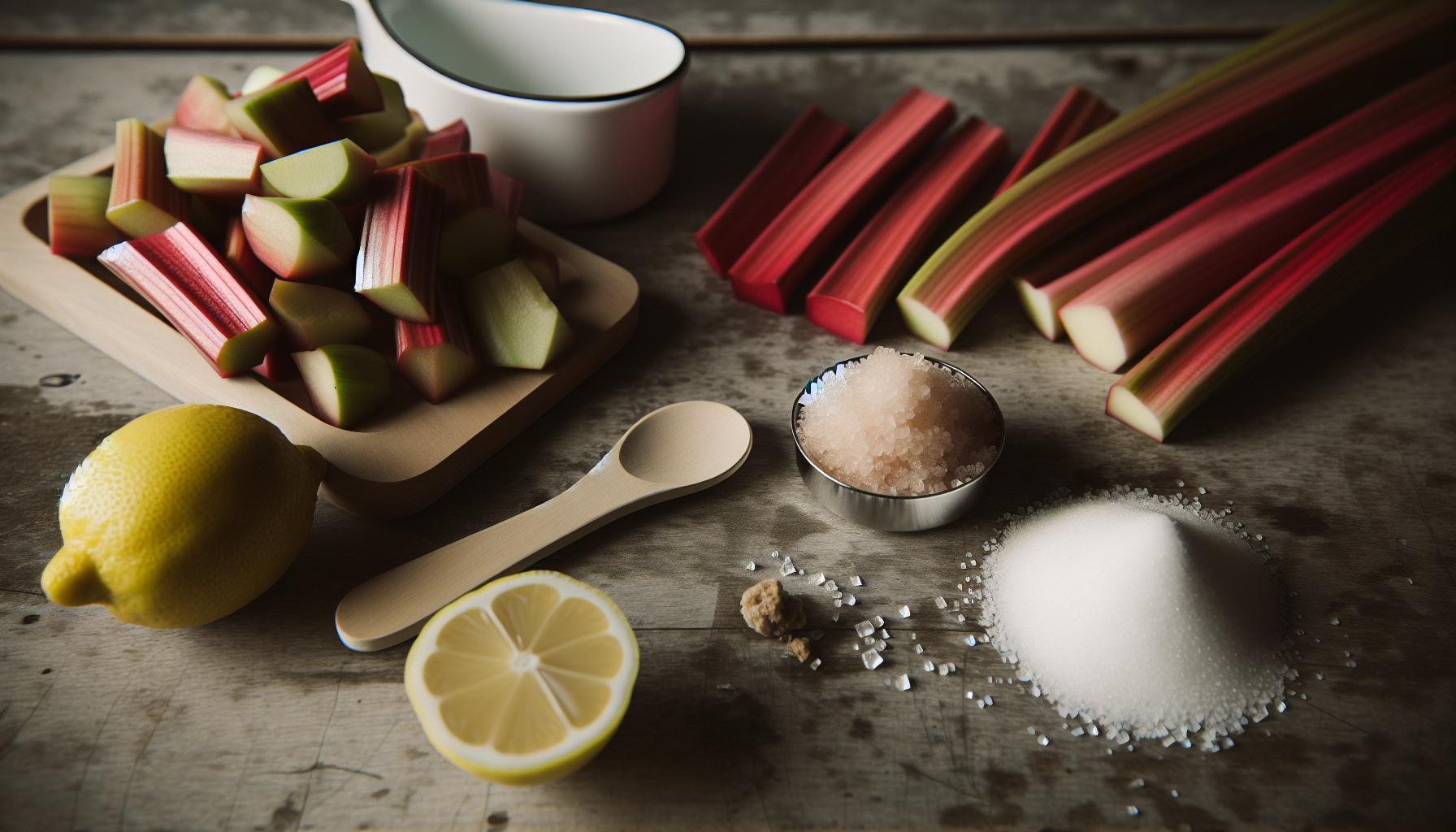
Creating rhubarb butter is a delightful way to capture the essence of springtime flavors in a jar. This spread combines the tartness of rhubarb with sweetness, making it a perfect accompaniment for breakfast or a tasty snack. To achieve that luxurious texture and vibrant taste, here are the essential ingredients you’ll need:
- Fresh Rhubarb: The star ingredient! About 4 cups of rhubarb, chopped into small pieces, will be your base. Choose the reddest, firm stalks for the best color and flavor.
- Sugar: Add around 1/2 to 1 cup of sugar, depending on how sweet you like it. A good starting point is 1/2 cup; you can always taste and adjust as the mixture cooks down.
- Lemon Juice: A couple of tablespoons of fresh lemon juice not only enhances the flavor but also helps to balance the sweetness. The acidity compliments the tartness of the rhubarb beautifully.
- Water: About 1/2 cup of water will help to cook down the rhubarb and create a smoother texture.
- Vanilla Extract (optional): Adding a teaspoon of vanilla can elevate the flavor profile, giving your butter a warm, aromatic quality.
Optional Spices for Depth
If you want to get creative, consider incorporating a dash of spices like cinnamon or ginger. They add a nice warmth that complements the tartness perfectly.
Mixing these ingredients together creates not only a delicious spread but also a wonderful aroma that fills your kitchen. The simplicity of these ingredients makes it accessible for cooks at any skill level, allowing room for experimentation and personalization in your rhubarb butter creation. Start with these basics, and you’ll have a versatile, sweet-tart spread ready to enjoy!
Step-by-Step Guide to Making Rhubarb Butter
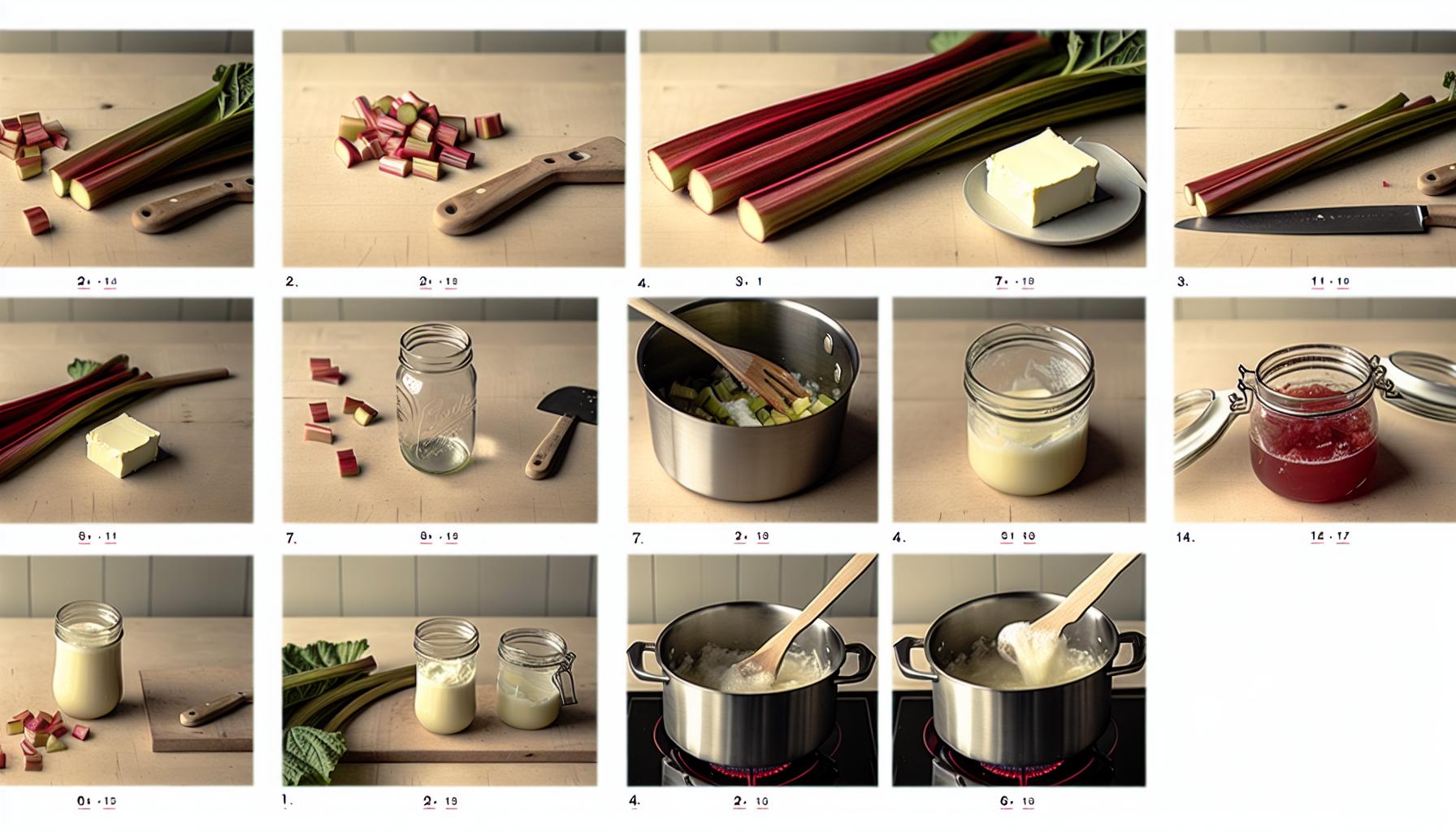
Creating rhubarb butter is an incredibly satisfying kitchen project that allows you to transform tart, juicy rhubarb into a sweet spread that brightens up any meal. With just a few simple steps, you can capture the essence of this spring vegetable and enjoy its unique flavor year-round. Here’s how you can make your own delightful rhubarb butter.
First, gather your ingredients. You’ll need about 4 cups of chopped fresh rhubarb, which should be firm and brightly colored. Rinse the rhubarb well and chop it into small pieces to help it break down during cooking. Combine the rhubarb in a large pot with your chosen sweetener-be it sugar, honey, or maple syrup-plus a bit of water to help the rhubarb cook down. A good starting point is 1/2 cup of sweetener and 1/4 cup of water.
Next, bring the mixture to a gentle simmer over medium heat. Stir occasionally, letting the rhubarb soften and break down. This should take about 10-15 minutes. As the rhubarb cooks, you’ll see it transform into a pulpy mixture. If desired, you can mash it down with a fork or potato masher for a smoother texture, or use an immersion blender for a silky consistency. Once you’ve reached your preferred texture, balance the flavors by adding a splash of lemon juice and a dash of vanilla extract, if you’re using it.
After achieving the desired taste and consistency, it’s time to can or store your rhubarb butter. If you’re canning it, be sure to follow proper canning guidelines to ensure food safety. Allow the butter to cool slightly before transferring it to clean, sterilized jars. Seal them tightly and either store them in the refrigerator for immediate use or follow canning methods for longer shelf life. This buttery spread can be enjoyed on toast, over pancakes, or even swirled into yogurt, making it a versatile addition to your kitchen staples.
Sweet vs. Tart: Balancing Flavors Perfectly
Rhubarb butter is all about capturing the natural *sweet-tart* harmony that makes rhubarb so special. When you first bite into a spoonful, you’ll experience an explosion of flavors that blend tartness with sweetness, creating a delightful spread that is not only versatile but also truly scrumptious. Perfecting this balance is key to transforming the often overly tart rhubarb into a luscious, spreadable treat that can elevate your breakfast or snack game.
To achieve the right flavor profile, start by choosing the right kind of sweetener. Depending on your taste preference, you might lean towards brown sugar for deeper, caramel notes or opt for pure maple syrup for a more complex sweetness. For a classic touch, granulated sugar works beautifully. As you sweeten, remember to incorporate a splash of acidity, like lemon juice, which not only enhances the flavor but also balances the sweetness. A hint of lemon can lift the rhubarb’s flavor, preventing it from becoming overly sweet during cooking.
Tips for Balancing Flavors
- Taste as You Go: Don’t be afraid to sample your rhubarb mixture while it’s cooking. Adjust the sweetness or acidity based on your personal preference.
- Add Spices: Consider adding cinnamon or nutmeg for warmth, which can complement the sweet-tart profile perfectly without overwhelming it.
- Cook Down to Concentrate Flavors: The longer you cook the rhubarb, the more its natural sugars will come out, enriching the final product and helping to integrate the flavors.
Experimenting is part of the fun. If you find that your rhubarb butter is leaning too far on the tart side, just add a spoonful of your chosen sweetener until you get to your happy place. Conversely, if you find it’s too sweet, a little more acidity or even a splash of vanilla extract can help balance that out. Remember, creating rhubarb butter is about finding your personal balance, and there are no hard and fast rules-just delicious results waiting to be shared!
Creative Variations: Spice Up Your Rhubarb Butter
Adding creative twists to rhubarb butter is an enjoyable way to elevate its natural sweetness and tartness, transforming a classic spread into something truly extraordinary. Consider infusing flavors from spices to fruits, making each batch a unique culinary adventure. For a delightful aromatic touch, a dash of ground ginger can warm your butter, while cinnamon adds a comforting, sweet essence. Both spices marry beautifully with rhubarb, enhancing its inherent flavors without overpowering them.
Another brilliant way to spice up your rhubarb butter is by incorporating other fruits. Apples are a standout partner; they add a hint of sweetness and a lovely texture. Simply chop an apple and cook it down with the rhubarb for a delicious blend. For a tropical twist, try adding diced pineapple or mango; the bright, juicy flavors can create a refreshing variation that’s perfect for summer spreads. You might also experiment with berries; they’re not just delicious but also visually stunning.
For those who want a bit of zing, consider adding a splash of citrus zest-like orange or lemon-to your rhubarb butter. The zest brightens the flavor and adds a refreshing aroma that enhances the overall experience. You can also try sweeteners like honey or maple syrup for different flavor profiles. Each sweetener will contribute its unique taste, so feel free to experiment and adjust according to your palate.
Lastly, don’t overlook the finishing touches! A splash of vanilla extract or almond extract can bring warmth and richness. If you enjoy a little heat, a pinch of chili flakes or a small amount of cayenne pepper can create a surprising yet delightful kick. The key is to taste as you go, ensuring your rhubarb butter reflects your unique tastes and preferences. Remember, each variation is a chance to explore your creativity in the kitchen, making your homemade rhubarb butter not just a spread, but a flavorful journey!
Storing and Preserving Your Rhubarb Butter
When you finally create a luscious batch of rhubarb butter, ensuring it stays fresh and flavorful is the next step in your culinary adventure. This delicious spread, with its unique balance of sweet and tart, deserves to be well-stored so you can enjoy it for days or even weeks.
For the best results, store your rhubarb butter in an airtight container. Glass jars with a tight-sealing lid are an excellent choice since they keep out moisture and help maintain flavor. If you don’t have glass jars, any resealable plastic container will work too. Just make sure to allow the butter to cool completely before sealing it; this helps avoid condensation, which can affect the texture and taste. In the refrigerator, your rhubarb butter will remain fresh for about 2 to 3 weeks.
If you’re looking to store your rhubarb butter for a longer duration, freezing is a fantastic option. To freeze, transfer the butter to freezer-safe containers or even ice cube trays for smaller, single-use portions. Make sure to leave some space at the top of the container as the butter will expand when frozen. Properly stored, rhubarb butter can maintain its delightful flavor for up to a year! When you’re ready to use some, simply thaw it overnight in the fridge or leave it at room temperature for a few hours.
For even more versatility, consider making small batches of various flavor combinations-like adding strawberries or spices. Label each jar with the ingredient mix and date, so you keep track of what you have on hand and when to use it. With these simple storage tips, you can savor your homemade rhubarb butter and share it with friends and family, making every meal a delightful experience.
Delicious Serving Ideas for Rhubarb Butter
Rhubarb butter is not just a delightful spread; it’s a versatile ingredient that can elevate a wide array of dishes. Its sweet-tart flavor profile complements both breakfast delights and decadent desserts, making it a must-have in your kitchen repertoire. Here are some delicious ways to enjoy this springtime treat.
Start with breakfast. Spread rhubarb butter on warm toast or flaky biscuits. For an extra touch of indulgence, use it as a filling for pancakes or waffles, drizzling a little maple syrup on top to enhance that tartness. You can also stir it into oatmeal or yogurt for a flavorful morning boost. If you’re feeling adventurous, mix it into smoothies for a refreshing twist.
When it comes to desserts, rhubarb butter shines as a cake filling or topping. Swirl it into cheesecake batters for a unique flavor, or use it as a layer between sponge cakes. It pairs beautifully with vanilla ice cream or fresh fruit, adding a layer of complexity that makes your desserts stand out. Consider filling puff pastry with rhubarb butter for an elegant dessert that’s deceptively easy to make.
For savory applications, think beyond sweet dishes. Use rhubarb butter as a glaze for roasted meats like chicken or pork, where its acidity can cut through richness beautifully. It can also be mixed into salad dressings to bring a tangy sweetness to your greens.
No matter how you choose to serve it, rhubarb butter invites creativity. It’s easy to experiment by combining it with spices like cinnamon or nutmeg, or even blending it with other fruits like strawberries or peaches. Each new combination can create a fresh experience, adding excitement to your culinary creations. Enjoy your homemade rhubarb butter as an amazing complement to your meals, and let your creativity shine!
Nutrition Benefits of Rhubarb in Your Diet
Rhubarb is not just a key ingredient for a delicious butter; it also boasts impressive nutritional benefits that can enhance your diet. This tart vegetable, often classified as a fruit for culinary purposes, is low in calories yet high in essential nutrients, making it a fantastic addition to your springtime spreads. Just a small amount can add a significant punch to your nutrition without weighing you down.
One of the standout features of rhubarb is its fiber content. Fiber is crucial for maintaining a healthy digestive system and can help regulate blood sugar levels. By incorporating rhubarb butter into your meals, you’re seamlessly adding fiber into your diet, which supports gut health and contributes to a feeling of fullness. Moreover, rhubarb is packed with vitamins and minerals. It’s an excellent source of vitamin K, crucial for bone health, and contains decent amounts of vitamin C, which is vital for immune function and skin health.
Additionally, this colorful plant is rich in antioxidants like anthocyanins and polyphenols. These compounds help fight inflammation and can reduce the risk of chronic diseases. Enjoying rhubarb butter as a spread on whole grain toast or in yogurt allows you to reap these benefits while relishing its tangy flavor. The versatility of rhubarb butter means you can incorporate it into many dishes, ensuring that you’re not only savoring a delicious treat but also fueling your body with nutritious ingredients.
As you prepare your rhubarb butter, think about how easy it is to increase your intake of these beneficial nutrients. Whether you’re spreading it on breakfast foods or using it in savory dishes, you’re making a delicious step towards a healthier diet. So grab some fresh rhubarb and get creative in your kitchen-not just for a delightful treat, but for a nutritious boost to your meals!
Common Mistakes to Avoid When Making Rhubarb Butter
Making rhubarb butter is a delightful way to harness the tangy sweetness of this spring vegetable, but there are common pitfalls that can turn your delicious endeavor into a disappointment. Avoiding these mistakes will help you achieve that perfect balance of flavors and texture in your homemade spread.
One major misstep is not choosing the right rhubarb. For the best results, select rhubarb stalks that are vibrant in color, preferably a deep red. Stalks that are overly green may lead to a more bitter butter. Additionally, always avoid using any leaves, as they are toxic. When preparing your rhubarb, be sure to wash it thoroughly and trim off any woody ends, which can make your butter grainy.
Overcooking is another frequent error. Rhubarb breaks down quickly, and if you let it simmer for too long, you could end up with a mushy texture reminiscent of baby food rather than the spreadable delight you’re aiming for. Keep the heat low and stir frequently, cooking it just long enough to reach a thick, creamy consistency-around 40 to 45 minutes should do the trick.
Using too much sugar is a common mistake that can drown out the natural tartness of rhubarb. It can be tempting to add more sweetener for a smoother flavor, but remember that the beauty of rhubarb butter lies in its sweet-tart balance. Start with a smaller amount of sugar and taste as you go, adjusting until you find your desired flavor profile. You can also experiment with natural sweeteners like honey or agave syrup for a unique twist.
Lastly, don’t forget to properly store your rhubarb butter. Let it cool completely before transferring it to airtight containers, and ensure you label them with the date. This homemade treat can be stored in the refrigerator for about two weeks or sealed in jars and frozen for up to a year, letting you enjoy a taste of spring all year long!
By steering clear of these common mistakes, you’ll not only improve your rhubarb butter but also gain confidence in your canning and cooking skills. Enjoy the process of making this spring spread, and don’t hesitate to tweak the recipe to make it your own!
Getting Creative: Using Rhubarb Butter in Recipes
There’s something wonderfully versatile about rhubarb butter that makes it a delightful addition to various recipes. Whether you have a jar of this sweet-tart spread sitting in your fridge or you’re looking to create unique dishes, incorporating rhubarb butter can elevate your cooking and baking game. Here are some creative ways to use this homemade treat.
Transform your breakfast routine by spreading rhubarb butter on toast or pancakes. Its tartness pairs beautifully with creamy butter or fluffy whipped cream, enhancing the sweetness of your morning meal. You can also mix rhubarb butter into yogurt or oatmeal for a burst of flavor that brightens up your usual fare. Imagine digging into a warm bowl of oatmeal swirled with the vibrant taste of rhubarb-comforting and delicious!
Baking Bliss
Rhubarb butter can also shine in baking. Use it as a filling in pastries or croissants for a delightful surprise. Just roll out your dough, spread a layer of rhubarb butter, and roll it up for a tasty twist on classic cinnamon rolls. You might even consider swapping out part of your regular butter for rhubarb butter in cookie recipes-think thumbprint cookies filled with a spoonful of this spread. The result? An exciting flavor profile that will have your friends asking for the recipe!
Savory Adventures
Don’t shy away from savory dishes! Combine rhubarb butter with meats, especially pork or chicken. A glaze made from rhubarb butter mixed with a splash of soy sauce or balsamic vinegar can create a stunning marinade that balances sweet and savory notes effortlessly. You can also mix it into beans or lentils for a unique side dish that complements a range of proteins.
Creative Pairings
Pair rhubarb butter with cheeses to create an elegant appetizer. Spread it on a cheese board alongside creamy brie, tangy goat cheese, or sharp cheddar, letting the flavors meld. Or, for a refreshing drink, add a spoonful of rhubarb butter to your cocktails or sparkling water for a unique twist on your favorite beverages.
With its versatility, rhubarb butter invites you to explore new culinary adventures. Don’t hesitate to experiment-this sweet-tart spread can fit seamlessly into many recipes, making it a delightful staple in your kitchen year-round. Enjoy the creativity that comes with using homemade rhubarb butter, and remember, the only limit is your imagination!
How to Pair Rhubarb Butter with Other Foods
Rhubarb butter is a delightful spring spread that brings a bright, tangy flavor to your meals and snacks, but do you know how to pair it effectively with other foods? This sweet-tart treat is extremely versatile, allowing you to mix up your culinary creations effortlessly. Think beyond the breakfast table; this spread can enhance a variety of dishes across the spectrum from savory to sweet.
Cheese and Charcuterie Pairings
One of the best ways to enjoy rhubarb butter is on a cheese board. It pairs wonderfully with creamy cheeses like brie or goat cheese, where the tanginess of the butter cuts through the richness, creating an explosion of flavor. Serve it alongside aged cheddar or a sharp blue cheese to balance their bold flavors. You can also spread rhubarb butter on crackers, making for easy, elegant appetizers that will impress your guests.
Breakfast and Brunch Favorites
Incorporate rhubarb butter into your morning routine by spreading it on freshly toasted bagels or scones. It’s perfect on pancakes or waffles, where its tartness complements toppings like whipped cream or yogurt. For a delicious twist, try swirling it into oatmeal or yogurt for a quick breakfast that feels indulgent yet wholesome.
Savory Applications
Don’t forget about the savory side! Rhubarb butter can elevate meats such as pork and chicken. Use it as a glaze before roasting to create a beautiful caramelized crust. Another idea is to mix it with mustard for a zesty marinade that gives a unique flavor to grilled chicken or pork chops. Additionally, it can be stirred into sauces or dressings to add a burst of flavor, making your dishes more dynamic.
Creative Cocktails and Beverages
If you want to get a little adventurous, consider incorporating rhubarb butter into cocktails. A spoonful can transform a simple gin and tonic, adding a refreshing and unique twist. For a non-alcoholic option, stir it into sparkling water or iced tea for a sophisticated beverage that’s sure to delight on a warm day.
With just a little creativity, you can seamlessly blend this lovely spread into your meals. Don’t hesitate to experiment; the fresh, vibrant taste of rhubarb butter is sure to add an exciting element to your culinary creations!
Seasonal Inspiration: Enjoying Rhubarb Butter Year-Round
Rhubarb butter, with its vibrant sweet-tart flavor, isn’t just for springtime. This delightful spread can shine all year long, and there are countless ways to enjoy it amidst different seasonal inspirations. Imagine the rich flavors of summer when pairing rhubarb butter with fresh berries or as a topping on grilled meats during a backyard barbecue. The bright notes of rhubarb elevate dishes, making them feel fresh and playful, regardless of the season.
To savor rhubarb butter in the fall, consider incorporating it into your favorite autumn recipes. Spread it generously on warm, spiced muffins or use it in a warm compote alongside roasted winter squash for a delightful contrast. You can even swirl it into pumpkin bread batter for an unexpected twist that brings a beloved seasonal ingredient to life in a new way. If winter has a hold on your kitchen, don’t forget rhubarb butter’s comforting capabilities-it can be a sweet, tangy addition to warm oatmeal or pancakes, brightening dull mornings during those chilly months.
As spring makes its return, look forward to pairing rhubarb butter with seasonal produce. Combine it with strawberries in desserts or serve it with fresh artisan cheeses at your spring gatherings. The key is to experiment with what’s available-using the spread as a way to complement and enhance other seasonal fruits and flavors keeps your cooking dynamic and exciting. Whether you’re planning a festive celebration, a quiet family dinner, or even a enjoyable breakfast, rhubarb butter can be your secret weapon, proving that this simple homemade preserve perfectly embodies the essence of seasonal cooking all year round.
No fancy tools are needed to enjoy your homemade rhubarb butter; just a little creativity and the willingness to play with flavors. Whether you’re simply spreading it on toast or incorporating it into a more complex recipe, rhubarb butter is sure to bring a burst of brightness to any meal, making it a fantastic addition to your pantry, no matter the season.
Q&A
Q: What can I use rhubarb butter for?
A: Rhubarb butter is versatile! Use it as a spread on toast or scones, swirl it into yogurt or oatmeal, or as a filling for pastries. It makes an excellent accompaniment to cheese boards and can enhance marinades or glazes for meats. Discover more serving ideas in our article!
Q: Can I make rhubarb butter without sugar?
A: Yes, you can make rhubarb butter without sugar by using natural sweeteners like honey or maple syrup. Keep in mind that reducing sugar may alter the texture and flavor. For more tips on balancing flavors, check out our section on Sweet vs. Tart.
Q: How long does homemade rhubarb butter last?
A: Homemade rhubarb butter can last up to two weeks in the refrigerator. For longer storage, consider canning or freezing it. You can find more about storing and preserving your rhubarb butter in our article.
Q: What is the best way to store rhubarb butter?
A: The best way to store rhubarb butter is in an airtight container in the refrigerator. For extended freshness, freeze it in small portions. For detailed storage tips, refer to our guidelines on storing and preserving rhubarb butter.
Q: Can I add spices to my rhubarb butter?
A: Absolutely! Adding spices such as cinnamon, ginger, or vanilla can elevate your rhubarb butter. Experiment with flavors that suit your taste. For creative ideas, check out our section on Creative Variations to enhance your recipe!
Q: What goes well with rhubarb butter?
A: Rhubarb butter pairs beautifully with cheese, yogurt, pancakes, and even grilled meats. It also complements desserts like ice cream and cake. Explore more pairing ideas in our article on How to Pair Rhubarb Butter with Other Foods.
Q: How can I thicken my rhubarb butter?
A: To thicken rhubarb butter, continue cooking it on low heat to evaporate excess moisture. You can also blend in a small amount of cornstarch slurry if needed. For a step-by-step guide, see our Step-by-Step Guide to Making Rhubarb Butter.
Q: How do I ensure my rhubarb butter is not too tart?
A: To prevent your rhubarb butter from being too tart, use a good balance of sugar. Start with less and taste as you go. You can always add more sweetener gradually. Learn more about balancing flavors in our Sweet vs. Tart section.
Concluding Remarks
Thank you for exploring our delightful Rhubarb Butter Recipe! This simple yet aromatic spread is not only perfect for spring but also a fantastic way to embrace the sweet-tart flavor of rhubarb in your kitchen. Don’t wait too long-spring is fleeting, and ripe rhubarb won’t stay fresh forever! Experiment with variations like adding strawberries or adjusting sweetness to make it your own.
Ready to dive deeper into homemade creations? Check out our related recipes for Strawberry Rhubarb Butter and more seasonal spreads, or sign up for our newsletter to receive exclusive tips and new recipes straight to your inbox. We’d love to hear your thoughts in the comments or see your creations on social media! Sharing your experience encourages others to try too. Let’s keep creating beautiful, flavorful moments together in the kitchen!