
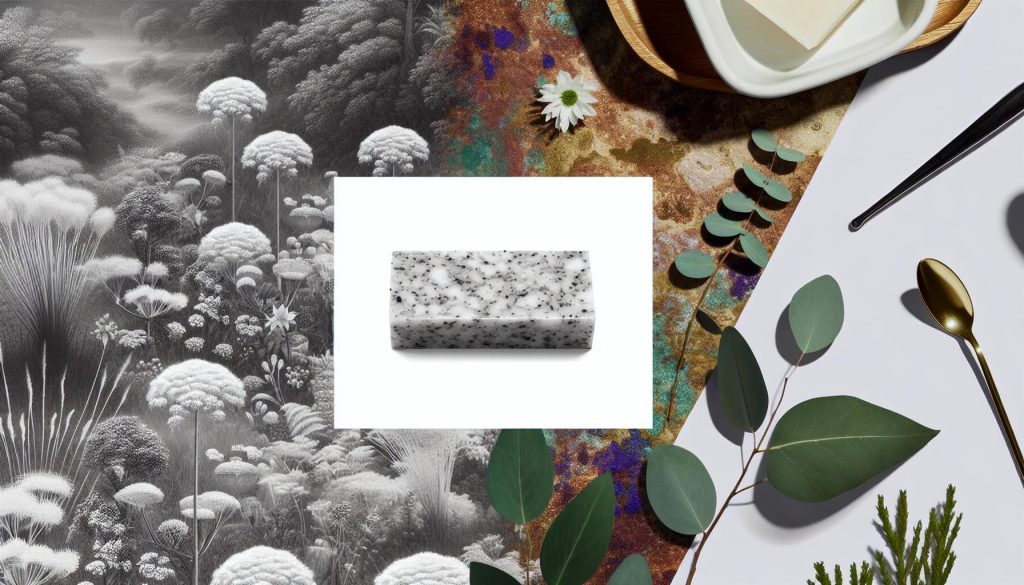
Did you know that shea butter has been cherished for centuries for its skin-soothing properties? Making your own Shea Butter Soap is not just a fun DIY project; it’s a wonderful way to nourish and moisturize your skin naturally. If you struggle with dry, flaky skin or just want a more natural approach to your skincare, this recipe is perfect for you. With simple ingredients and easy steps, you’ll create luxurious, moisturizing bars that leave your skin feeling soft and rejuvenated. Whether you’re a seasoned soap maker or a curious beginner, this guide will help you explore the delightful world of homemade soap, bringing a touch of creativity into your kitchen. So let’s dive in and discover how to make these nourishing bars that your skin will love!
Shea Butter Soap Benefits for Skin Hydration
Crafting your own shea butter soap not only elevates your bathing routine but also brings fantastic hydration benefits for your skin. Shea butter is revered for its rich, creamy texture and nutrient density, making it an ideal ingredient for moisturizing bars. This natural wonder is packed with essential fatty acids that deeply nourish the skin, leaving it feeling soft and supple without the greasy after-feel that some commercial products might leave behind.
When you use shea butter in your soap, you’re incorporating a powerhouse of benefits. It helps to maintain the skin’s natural moisture barrier, effectively keeping dryness at bay. For those dealing with conditions like eczema or psoriasis, shea butter provides soothing properties that can alleviate discomfort and promote healing. Plus, being rich in vitamins A and E, it helps in regenerating skin cells and improving overall skin tone, making it excellent for maintaining youthful skin.
In addition to its hydrating capabilities, shea butter soap also allows for a luxurious bathing experience. The creamy lather it provides feels indulgent and helps to lock in moisture during your bath. This is especially beneficial in dry climates or during colder months when skin often craves extra hydration. By making your own shea butter soap, you not only control the quality of ingredients but can customize it to suit your skin needs, ensuring every wash feels like a treat.
Making shea butter soap at home is straightforward and rewarding-a true testament to how a few simple ingredients can elevate your daily routine. Not only will your skin thank you, but you’ll also take pride in creating something beautiful and beneficial for yourself and your loved ones.
Essential Ingredients for Moisturizing Shea Butter Soap
Crafting shea butter soap opens up a world of skin-loving possibilities, and understanding the essential ingredients is your first step toward creating bars of goodness. At the heart of this recipe is the star ingredient, raw shea butter, known for its incredible moisturizing properties that deeply nourish the skin. When sourced from reputable suppliers, it retains its vitamins and natural properties, providing a lush, creamy texture that melts beautifully with your skin’s warmth.
Aside from shea butter, you’ll want a few key ingredients that not only enhance the soap’s moisturizing capabilities but also contribute to its overall performance. Consider the following:
- Oils: Incorporate a blend of carrier oils such as olive oil, coconut oil, or sweet almond oil. These help in creating a balanced lather and add nourishing elements that complement the shea butter. For instance, coconut oil gives hardness and bubbly lather, while olive oil contributes to a mild, gentle soap.
- Lye (Sodium Hydroxide): Essential for the saponification process, lye transforms your oils and shea butter into soap. Always handle it with care, using gloves and goggles during measurement and mixing.
- Water: This is the medium in which you dissolve your lye. The quality of water can influence the final product, so distilled water is recommended for purity and consistency.
- Essential Oils or Fragrance Oils: While this is optional, adding essential oils like lavender or lemon not only provides a delightful scent but can also offer additional skin benefits. Just be mindful of the concentration to avoid irritating sensitive skin.
Blending these ingredients requires a careful balance to achieve a soap that not only cleans but also enriches your skin. The recommended ratios depend on the specific properties you desire; for instance, a soap with more shea butter will be thicker and more moisturizing, perfect for dry skin.
As you embark on your soap-making journey, think of it as a canvas for creativity. Whether you stick to these essential ingredients or venture into unique combinations, the key is to experiment and observe how each element interacts. Enjoy the process and relish in the fact that you’re making something truly special and beneficial for your skin!
Step-by-Step Guide to Making Shea Butter Soap
To embark on the rewarding journey of making your own shea butter soap, you’ll find comfort in knowing that this process is not only fulfilling but also creates luxurious, moisturizing bars that your skin will love. With a handful of ingredients and a bit of patience, you can craft soap that rivals any store-bought option. Here’s how to get started.
First, gather your materials. You’ll need raw shea butter, carrier oils (such as olive and coconut oil), lye (sodium hydroxide), distilled water, and optional essential oils for fragrance. Safeguards are important; wear gloves and goggles when handling lye to protect your skin and eyes. Ensure you have a scale for precise measurements, a heat-safe container, and a stick blender for an easier mixing process.
Step 1: Prepare Your Lye Solution
Begin by carefully measuring your lye and distilled water. Always add lye to water, not the other way around, to prevent a dangerous reaction. Stir the mixture gently until the lye is fully dissolved, and set it aside to cool. This mixture will heat up significantly, so give it time to cool to room temperature.
Step 2: Melt Your Oils
In a separate container, measure out your shea butter and chosen carrier oils. Melt them together gently, either in a double boiler or microwave, until they’re fully liquefied. Once melted, allow your oils to cool slightly-aim for a temperature range of 100°F to 110°F, similar to the cooled lye solution.
Step 3: Combine Lye and Oils
When both your lye solution and oils are within the desired temperature range, it’s time to combine them. Slowly pour the lye solution into the oils while mixing with a stick blender. Blend until you reach “trace,” which is the point at which the mixture thickens enough to leave a trail on the surface. This usually takes about 5-10 minutes.
Step 4: Add Optional Ingredients
At this stage, you can incorporate any essential oils or fragrance oils for scent, as well as additional ingredients like oats for exfoliation or activated charcoal for color and detoxifying properties. Mix until everything is well combined.
Step 5: Pour Into Molds
Pour the soap mixture into your molds, smoothing the top with a spatula. Cover the molds with a towel for insulation and let sit for 24-48 hours until they harden.
Step 6: Cure Your Soap
Once your soap is firm enough to remove from the molds, slice it into bars and place them on a drying rack. Allow the bars to cure for about 4-6 weeks. This curing time is crucial as it lets the lye fully saponify, ensuring the soap is safe and gentle on your skin.
Creating shea butter soap can be an exciting and personalized project. Feel free to experiment with different oils, scents, and colors in your future batches, tailoring your creations to your own preferences. Remember, practice makes perfect, and each soap-making adventure brings you closer to your ideal recipe! Enjoy the process and the beautiful, nourishing bars you create.
Tips for Perfecting Your Shea Butter Soap Recipe
Getting the perfect recipe for shea butter soap is all about experimentation and refining your process, and trust me, it can lead to some truly amazing results! One of the key things to remember is that temperature plays a crucial role in the saponification process. Ensuring that both your lye solution and your oils are within the 100°F to 110°F range is essential for achieving a smooth, consistent mix. If they’re not at similar temperatures, it can result in separation or a lumpy texture.
Another factor to consider is the mixing technique. When you combine your lye solution with the oils, use a stick blender to reach “trace.” However, be careful not to over-blend; a light and gentle approach is often more effective, allowing you to infuse air into the mix while avoiding over-emulsification, which can affect the texture of your final soap bars. Watch for that telltale trace-when the mixture leaves a light film on the surface. It’s a delightful moment!
When adding scents and colorants, start with small amounts and increase gradually. Essential oils not only add fragrance but can also affect the soap’s properties; citrus oils, for example, can speed up the saponification process. Testing a small batch first is always a good idea and allows you to find the perfect balance without wasting ingredients. If you’re adding any exfoliants like oatmeal or coffee grounds, be mindful of the quantity, as too much can make your soap grainy rather than smooth.
Lastly, don’t skip the curing period! While it might be tempting to use your soap right after it hardens, allowing it to cure for 4-6 weeks is essential for drying out any excess water and making your bars last longer. During curing, place the soap in a cool, dry location with good air circulation. This not only improves hardness but allows the scents to fully develop. Enjoy the process, and happy soaping!
Creative Add-Ins for Customized Soap Bars
Making your own shea butter soap is a wonderful way to customize your skincare routine while letting your creativity shine! Adding various ingredients can enhance the moisturizing properties and make your soap bars truly unique. Here are some delightful additions to consider.
Start by exploring natural exfoliants, which not only improve texture but also add a spa-like experience to your daily wash. Oatmeal is a fantastic option; it soothes the skin and has gentle exfoliating qualities. Simply grind rolled oats into a fine powder and incorporate about 1 tablespoon per pound of oils. Coffee grounds can also work wonders, giving your soap a rich texture and a subtle caffeine boost that might help awaken your senses during your morning shower!
For a burst of fragrance, consider essential oils. Lavender and peppermint are popular choices, but you can mix and match to find a scent that resonates with you. Aim for about 0.5 to 1 ounce of essential oil for every pound of oils, depending on your preference for strength. Botanical extracts like chamomile or green tea can also slide into your recipe, infusing your soap with additional skin-soothing benefits while providing a natural, herbal scent.
Don’t forget about color! Natural colorants like spirulina for green, turmeric for yellow, or even clay for a soft hue can make your soap visually appealing. Just a teaspoon can often create stunning effects, especially when swirled to create patterns within the bars. Always remember to test with small amounts first to achieve the desired shade without overpowering the base recipe.
Lastly, consider adding honey or yogurt for moisturizing properties. Honey not only acts as a humectant, drawing moisture to the skin, but it also has antibacterial qualities. Adding about 1 teaspoon of honey per pound of oils works beautifully. If you opt for yogurt, keep in mind to use it sparingly-about a tablespoon can enrich your soap, providing creaminess and extra moisture.
Experimenting with these creative add-ins will undoubtedly elevate your shea butter soap experience. Have fun mixing, and don’t hesitate to try new combinations to discover your perfect moisturizing bar!
Common Mistakes to Avoid When Making Soap
Making shea butter soap can be an incredibly rewarding venture, but it’s easy to stumble into a few common pitfalls along the way. Here are some valuable tips to help you avoid mishaps and ensure that your homemade soap turns out beautifully every time.
One frequent mistake is not measuring ingredients accurately. Precision is crucial in soap-making, particularly when it comes to lye and oils. Even a minor miscalculation can lead to a soap that doesn’t saponify properly, resulting in a texture that is either too soft or too harsh for the skin. Always use a digital scale to weigh your ingredients, and consider using a lye calculator to confirm your ratios before starting.
Another common error is skipping the safety precautions when handling lye. Lye can be caustic and dangerous if not treated with respect. Always wear gloves, goggles, and long sleeves, and work in a well-ventilated area. A simple setup with essential tools like a mixing stick, heat-resistant containers, and a stick blender will go a long way toward keeping you safe while you create.
Temperature management also plays a key role in the outcome of your soap. Mixing your oils and lye at incorrect temperatures may lead to issues such as separation or a poor saponification process. Ideally, you want both your lye solution and your oils to be between 100°F and 110°F before mixing them together. Trust your thermometer-this simple step can make a world of difference in your final product.
Lastly, don’t rush the curing process. Freshly made soap requires time to cure properly, typically around 4 to 6 weeks. This allows the saponification process to complete and the soap to harden. Cutting your soap too early may damage the bars and lead to a mushy texture. Patience in this stage will reward you with a hard, long-lasting bar that lathers beautifully.
Avoiding these common mistakes not only enhances your soap-making ability but also boosts your confidence as you experiment with different recipes and techniques. Remember, every batch is an opportunity to learn something new-it’s all part of the joyful journey of homemade soap-making!
Storing and Preserving Your Homemade Soap
To keep your homemade shea butter soap fresh and effective, proper storage and preservation are essential. Once your soap has cured for the recommended 4 to 6 weeks, it’s ready to be stored. A key point to remember is that moisture is the enemy of soap. To ensure your hard work lasts, choose a dry, cool place for storage.
Start by wrapping your soap bars in parchment paper or muslin cloth. This allows them to breathe while preventing dust from settling on their lovely surfaces. You can also use a cardboard box or a wire rack for storage, which will help keep them well-aerated. Avoid plastic wrap or any plastic containers as they trap moisture, which can lead to a slimy texture and spoil the bars.
For longer-term storage, you might consider creating a rotation system. If you batch-make several bars, label them with the date made and store the older bars on top to use first. This method ensures that you always use the freshest soap, maximizing its benefits. If you’re planning to gift or sell your soap, wrapping them nicely can add a nice touch while also guarding against moisture and dust.
Lastly, keep an eye on your soap’s scent and texture. If you notice that your soap is losing its fragrance or becoming too soft, it’s a sign that it may have absorbed too much moisture. Sometimes, simply moving them to a less humid location can remedy this issue. With a little care and attentiveness, your shea butter soap can remain a luxurious treat for your skin, ready to pamper you whenever you desire!
Packaging Ideas for Gifting Shea Butter Soap
Bringing your homemade shea butter soap gifts to life with creative packaging can elevate the joy of giving, transforming a simple bar into a delightful present! Imagine handing someone a beautifully wrapped soap that reflects the care and effort you’ve put into crafting it. Not only does thoughtful packaging protect your soap, but it also adds an inviting touch that makes the gift feel extra special.
One easy and elegant way to package your soap is to use muslin bags. These breathable pouches not only allow the soap to maintain its freshness but also create a rustic charm. Fill each bag with a bar of soap, and then tie it shut with a piece of twine or a colorful ribbon for a lovely presentation. For a personal touch, consider attaching a small tag that includes the soap’s ingredients and benefits or even a heartfelt note. If you’re feeling crafty, you could even create your own tags with scrapbook paper and stamps!
Another option is to wrap the soap bars in decorative parchment paper or any patterned paper that matches the occasion-be it floral prints for spring or festive designs for the holidays. After wrapping, secure the paper with adhesive tape or twine. This method not only provides a pop of color but also keeps moisture at bay. To make it even more unique, create a layered effect by wrapping the soap in a layer of cellophane, followed by the decorative paper.
Finally, if you’re gifting multiple bars, consider using a gift box. Choose a sturdy box that can hold several bars, then line it with crinkled paper or dried flowers for added flair. After placing the soaps in the box, close it up and wrap it in some twine or ribbon. This way, your recipients can enjoy the delightful unwrapping experience while keeping everything organized at home.
Ultimately, your packaging choices should reflect your creativity and the essence of your handcrafted shea butter soap. Whichever method you choose, your thoughtful presentation will undeniably add an extra layer of warmth to your homemade gifts!
Exploring Variations: Scented vs. Unscented Soap
When crafting your homemade shea butter soap, one of the delightful choices you’ll need to make is whether to create scented or unscented bars. This decision can greatly influence how the soap is perceived and enjoyed, not just by you, but also by anyone you choose to gift or share it with. Scented soaps often enhance the sensory experience, thanks to essential oils or fragrance oils that bring delightful aromas. For instance, adding lavender essential oil can create a wonderfully calming soap, perfect for a soothing bathtime ritual.
On the other hand, unscented soaps have their charm, particularly for those with sensitive skin or allergies. They allow the pure, rich essence of shea butter to shine through without any distractions. Unscented options are perfect for children or anyone with skin sensitivities, offering the same fantastic moisturizing benefits without the risk of irritation. If you’re looking for a more natural approach, unscented soaps can also be customized post-production. You can infuse them later with natural scents, using essential oils in the shower or exploring herbal infusions.
Creating either type is straightforward, but the process involves a few considerations. If you opt for scented soap, it’s important to use high-quality essential oils to ensure a pleasant and long-lasting aroma. Remember to conduct a patch test with your chosen oils to avoid potential skin reactions. For unscented soap lovers, focus on the quality of your shea butter and other ingredients, as they will be the highlights of your final product.
Experimentation is key! Whether you choose scented or unscented, allow your creativity to flourish by adjusting the ratios of shea butter and other ingredients. Maybe try a blend of both-scented on one side, unscented on the other-to cater to various preferences in one batch! Whatever path you choose, both scented and unscented shea butter soaps promise to deliver delightful hydrating qualities and a personal touch to your soap-making journey.
The Science Behind Shea Butter’s Moisturizing Properties
Shea butter is celebrated not just for its delightful creamy texture but also for its remarkable ability to hydrate and nourish the skin. This powerhouse ingredient contains high levels of fatty acids, particularly oleic, stearic, and linoleic acids, making it an exceptional moisturizer. These fatty acids work by creating a barrier on the skin that helps to lock in moisture, which is especially beneficial during dry seasons or in low-humidity environments.
One of the impressive aspects of shea butter is its emollient properties, which means it can soften the skin. Thanks to its natural composition, it penetrates deep into the skin layers, promoting elasticity and improving overall texture. Numerous studies suggest that shea butter can even aid in reducing the signs of aging by combating dryness and improving skin tone. This is a major reason why using it in soap recipes can lead to bars that not only cleanse but also provide lasting hydration.
Healing and Soothing Properties
In addition to moisturizing benefits, shea butter is known for its anti-inflammatory properties, making it a fantastic addition to any skincare regimen, particularly for those with sensitive skin conditions. It contains vitamins A and E, both of which promote healing and cell regeneration. This can help alleviate irritation and redness, making shea butter soap an excellent choice for people prone to eczema, psoriasis, or other skin sensitivities.
Using shea butter in your soap not only enhances its moisturizing qualities but creates a product that is gentle enough for daily use, infusing your skin with nourishment every time you wash. The science behind shea butter’s moisturizing prowess is a mix of its unique fatty acid profile and its rich content of vitamins, making it a staple in both traditional and modern skincare formulations.
Benefits of Natural Soap Over Commercial Options
Choosing natural soap over commercial options can be a game-changer for your skin, especially when it comes to moisturizing bars like shea butter soap. Unlike most store-bought soaps, which often contain synthetic fragrances, harsh chemicals, and preservatives, homemade shea butter soap is crafted with nourishing ingredients that are gentle on your skin. This means you can wash away dirt and impurities without stripping your skin of its natural oils. It’s a luxurious way to pamper yourself every time you lather up!
When you make your own soap, you control exactly what goes into it. Natural ingredients such as shea butter, essential oils, and botanical extracts provide not only hydration but also a range of beneficial properties. For instance, shea butter’s rich fatty acid profile offers hydration, while vitamins A and E promote skin repair and regeneration. In contrast, many commercial soaps can leave your skin feeling tight and dry due to their harsh detergents and fillers. Imagine the satisfaction of knowing that each bar you use is packed with goodness, made from ingredients you can recognize and trust!
Not only does the absence of artificial additives benefit your skin, but natural soap also tends to be more eco-friendly. Many commercial soaps are packaged in plastic, contributing to environmental waste. In contrast, you can choose sustainable packaging options for your homemade soap, or even go package-free if you like. Making shea butter soap at home means you’re not just investing in your skin’s health, but also making a positive choice for the planet.
In addition to all these benefits, crafting soap can be an enjoyable and creative process. Experimenting with different scents, colors, and add-ins allows you to design products that reflect your personal style. Whether it’s a lavender-infused bar or a citrus-scented delight, each batch can be uniquely yours. So, while commercial soaps might offer convenience, the advantages of nourishing your skin and expressing your creativity through homemade shea butter soap far outweigh the easy grab-and-go options at the store. Dive into the delightful world of natural soap-making, and experience the difference yourself!
Frequently Asked Questions About Shea Butter Soap
Have you ever wondered about the potential of shea butter soap and how to make it? You’re not alone! This luxurious soap has gained popularity for its deep moisturizing properties and gentle nature. It’s packed with vitamins that nourish your skin, making it a favorite among DIY enthusiasts and skincare aficionados alike. Let’s dive into some common questions about shea butter soap to help you on your soap-making journey!
How do I know if my shea butter soap is moisturizing enough?
The richness of shea butter is key to creating a moisturizing bar. If your soap recipe incorporates a high percentage of shea butter (at least 20-30%), you should find that it effectively hydrates your skin. Additionally, test the lather; a good moisturizing soap will create a creamy lather that feels luxurious rather than stripping your skin.
Can I use other oils with shea butter?
Absolutely! While shea butter is fantastic on its own, combining it with other oils can enhance its properties and customize your soap’s texture and scent. Oils like coconut oil provide lather, olive oil offers excellent hydration, and jojoba oil closely resembles our skin’s natural oils. A mix of oils can create a balanced bar that is both nourishing and cleansing.
What is the ideal cure time for shea butter soap?
After making your shea butter soap, it’s important to let it cure for at least 4 to 6 weeks. This time allows the soap to fully saponify and for the excess moisture to evaporate, resulting in a harder, longer-lasting bar. Patience is key! Proper curing also ensures a gentler product, as the soap needs time to mellow and become smoother.
Can I add fragrances or essential oils to my shea butter soap?
Absolutely! Adding essential oils can not only provide a lovely scent but also enhance the benefits of your soap. For example, lavender essential oil can promote relaxation, while tea tree oil offers antibacterial properties. Just be cautious with the amounts-most essential oils need to be used sparingly to avoid skin irritation. A good rule of thumb is to stick to about 1 ounce of essential oil for every pound of soap base.
By exploring these FAQs, you’re taking the first steps toward creating your own nourishing shea butter soap! Embrace the process and remember that each batch can be a delightful experiment tailored to your skin’s needs. Get creative and enjoy the journey of homemade skincare!
FAQ
Q: How can I customize my Shea Butter soap recipe?
A: You can customize your Shea Butter soap by adding essential oils, natural colorants, or exfoliants like oats and coffee grounds. For specific scents and skin benefits, incorporate lavender for relaxation or tea tree oil for acne-prone skin. Explore the Creative Add-Ins for Customized Soap Bars section for more ideas.
Q: What essential oils work best with Shea Butter soap?
A: Popular essential oils for Shea Butter soap include lavender for calming effects, eucalyptus for refreshing aromas, and sweet orange for uplifting scents. Always test oils for skin sensitivity and start with small amounts. Check the Essential Ingredients for Moisturizing Shea Butter Soap section for more tips on selecting oils.
Q: Can I use other oils in addition to Shea Butter?
A: Yes, you can enhance your Shea Butter soap with other oils like coconut oil for lather, olive oil for added moisture, or castor oil for bubbly texture. Mixing these oils can diversify the moisturizing properties of your soap.
Q: How do I troubleshoot common issues when making Shea Butter soap?
A: Common issues include soap separation or incorrect texture-usually due to inaccurate measurements or temperatures. Ensure you measure ingredients precisely and use proper saponification techniques. See the Common Mistakes to Avoid When Making Soap section for detailed troubleshooting tips.
Q: What is the best way to store homemade Shea Butter soap?
A: Store your homemade Shea Butter soap in a cool, dry place away from direct sunlight to extend its shelf life. Wrapping the soap in parchment paper can help retain moisture and prevent it from sweating. Refer to the Storing and Preserving Your Homemade Soap section for additional storage techniques.
Q: How long do homemade Shea Butter soap bars last?
A: Properly stored homemade Shea Butter soap bars can last between 6 months to a year. The shelf life can be influenced by the ingredients used and storage conditions. Learn more in the Storing and Preserving Your Homemade Soap section.
Q: What techniques can I use to color my Shea Butter soap naturally?
A: Natural colorants like turmeric, beet juice, or spirulina powder can add vibrant color to your soap. Mix these colorants carefully during the soap-making process to achieve the desired hue. Explore the Creative Add-Ins for Customized Soap Bars section for instructions and inspiration.
Q: How can I create a natural fragrance in my Shea Butter soap?
A: You can create a natural fragrance by using essential oils or herbal infusions. Infuse oils with herbs like mint or rosemary before using them in your soap recipe. This method enhances scent naturally, as mentioned in the Exploring Variations: Scented vs. Unscented Soap section.
To Conclude
You’ve just unlocked the secrets to creating your own moisturizing shea butter soap bars! With simple ingredients and easy steps, you can enjoy the benefits of handcrafted soap that nourishes your skin. Don’t wait-dive into your soap-making adventure and experience the joy of crafting products that are both beneficial and beautiful.
If you’re eager to explore more DIY projects, check out our guides on natural skincare recipes and homemade beauty essentials. Need a little more inspiration? Join our community by signing up for our newsletter, where you’ll receive tips, exclusive content, and updates on new recipes straight to your inbox.
Remember, every batch you make is a step toward a more sustainable lifestyle. So, gather your ingredients, invite a friend over for a fun afternoon, and let your creativity shine! Share your experiences or any questions in the comments-let’s keep the conversation going. Happy soaping!