
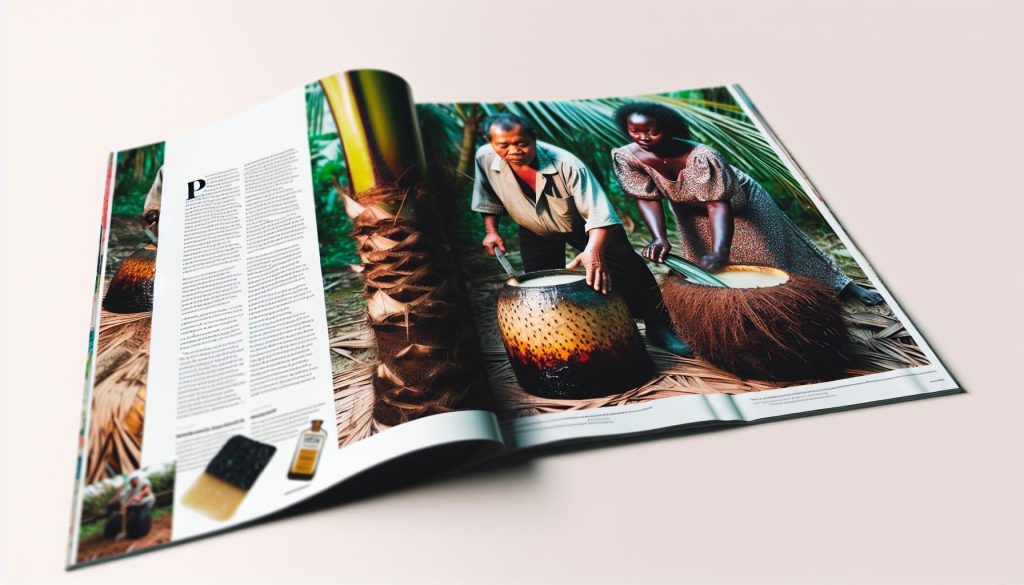
Have you ever wondered how to capture the essence of tropical landscapes in a bottle? Making palm wine is not just a delightful culinary adventure; it’s a tradition that connects cultures and celebrates creativity. This age-old fermentation method transforms the sweet sap of palm trees into a bubbly, mildly alcoholic beverage enjoyed across many regions. Whether you’re looking to impress friends at gatherings or simply want to explore homemade beverages, palm wine offers a unique and rewarding experience. In this guide, we’ll walk through the straightforward steps to create your own palm wine, highlighting essential ingredients, helpful techniques, and ways to customize your brew. Get ready to embark on this flavorful journey, and soon you’ll be savoring the fruits of your labor!
Understanding Palm Wine: A Cultural Treasure
Understanding palm wine offers a glimpse into a rich cultural heritage that spans many tropical regions. This traditional beverage, which is often consumed during celebrations and communal gatherings, is not just a drink but a symbol of social connection and ancestral practices. In many cultures, palm wine is associated with rituals, celebrations, and even rites of passage, making it a critical part of communal life. Its production methods are steeped in tradition, often passed down through generations, reflecting the identity of the communities that craft it.
At its core, palm wine is made from the sap of various palm trees, with the most common being the oil palm and the sugar palm. The sap is harvested in a process that requires skill and knowledge, as it involves climbing tall trees and collecting the sap in containers, typically at dawn when it is freshest. Not only does this process highlight the artisan’s craft, but it also fosters community participation, as friends and family often gather to assist in the harvesting. As the sap ferments, it develops its characteristic flavors, which can range from sweet and milky to more potent variants depending on the fermentation duration and conditions.
Palm wine is universally celebrated for its refreshing taste and the sense of community it inspires. It is often enjoyed straight from the gourd or mixed with local ingredients to create unique blends that reflect regional flavors. This adaptability allows for varied expressions of palm wine across cultures, inviting experimentation and personalized recipes that resonate with local tastes. Whether you’re enjoying a glass during a traditional festivity or crafting your version at home, palm wine serves as an invitation to explore the vibrant tapestry of cultural heritage it represents.
Essential Ingredients for Palm Wine Making

To create a delightful batch of palm wine, you need just a few essential ingredients that come directly from nature and your surroundings. At the heart of this traditional beverage is the sap, which serves as the base. While various palm species can be tapped for their sap, the most popular choices include the oil palm and the sugar palm. Each type of sap contributes its unique flavor profile and sweetness, which will influence the final taste of your palm wine.
In addition to fresh sap, you’ll need a few other key components to enhance the fermentation process. These are:
- Yeast: Wild yeast is naturally occurring and often found on the sap itself, but you can also introduce commercial yeast to ensure consistent fermentation. For beginners, a packet of dry yeast from your local store works well.
- Time: Fermentation time is crucial-typically, it can take anywhere from a few hours to a couple of days, depending on the environmental conditions and desired taste.
- Containers: Choose containers made from food-safe materials to store the sap and let it ferment. Glass jars or food-grade plastic buckets are excellent options that won’t interfere with the flavors.
The beauty of making palm wine lies in its simplicity and the creative potential it offers. As you experiment, you’ll find that different climates and environmental factors can result in surprisingly diverse products, even when using the same base ingredients. Remember that homemade palm wine is a celebration of culture and nature, inviting everyone to partake in the communal spirit it embodies. So gather your ingredients and prepare for an aromatic journey through spice and sweetness that connects you to generations of tradition!
Traditional Fermentation Techniques Explained

To truly appreciate the art of making palm wine, it’s essential to understand the traditional fermentation techniques that transform raw sap into this beloved beverage. The magic happens primarily due to fermentation, a natural process that converts sugars in the sap into alcohol. This transformation is influenced by various factors, including temperature, time, and the presence of yeast.
The process typically begins after the sap is harvested-freshly collected sap is poured into a clean, food-safe container. Once the sap is in the container, wild yeast will either be introduced intentionally or allowed to enter naturally; if you’re using commercial yeast, sprinkle it on top to get things started. A crucial aspect of this step is ensuring that the container is kept at room temperature without direct sunlight. This brings out the best in the fermentation process, allowing the flavors to develop fully.
Over the next few hours to days, you’ll need to keep a close eye on your concoction. As the sap bubbles and changes, the sweet aroma will begin to fill the air, signaling that fermentation is underway. It’s essential to taste your palm wine at various stages; this will give you a sense of how the flavors are evolving. Remember, the ideal fermentation time often depends on your personal taste-longer fermentation can yield a stronger alcohol content and more complex flavors.
After fermentation, the palm wine is usually filtered to remove any sediment before it’s bottled or consumed right away. This step is straightforward: just pour it through a clean cloth or coffee filter into another container. Enjoy the vibrant essence of your homemade palm wine, knowing it’s crafted with love and care using traditional methods that have been passed down through generations. The beauty of this process is not just in the drink itself but in the cultural journey you embark on with every batch you create.
Step-by-Step Guide to Harvesting Sap
To create authentic palm wine at home, the first and most crucial step is harvesting the sap from palm trees. This process not only instills joy in the winemaker but also connects you with nature and the ancient practices of your ancestors. The best time for sap harvesting is typically in the early hours of the morning or late evening when the tree’s sap flows most abundantly.
Start by identifying the right tree. Common sources include the sugar palm and the coconut palm, which are known for their sweet sap. Once you’ve chosen your tree, gather your supplies. You’ll need a sharp knife or machete, a collection container (a clean bucket works well), and some cloth or netting to cover the container and prevent contamination.
Harvesting the Sap
The actual process of tapping the tree is straightforward but requires care to avoid injuring the tree. Follow these steps:
- Make the Initial Cut: Using your knife, create a shallow notch on the tree trunk about 3-4 feet off the ground. The cut should be angled downward to facilitate sap flow.
- Insert a Collection Container: Position your clean container under the notch. If desired, you can attach a bamboo or plastic tube that leads the sap into the container for easier collection.
- Secure the Opening: Cover the entrance of the notch with a cloth or netting. This will help maintain the quality of the sap by keeping out insects and debris.
- Wait for a Few Hours: Leave the set-up for several hours, allowing the sap to collect. Returning around dawn or dusk is ideal for watching the flow.
After you’ve collected enough sap, it’s time to process it. Fresh sap can spoil quickly, so aim to use it within a day or two for the best flavor in your palm wine. The sweet, slightly tangy liquid is the lifeblood of your brew, full of potential flavors waiting to be unleashed during fermentation. Embrace this step as both a labor of love and a connection to tradition, setting the stage for a delightful palm wine experience!
Tools You’ll Need: Simple and Accessible
To embark on your palm wine-making journey, you’ll be glad to know that you don’t need a sprawling toolkit or high-tech equipment-just a few simple, accessible tools. Each one plays a critical role in harvesting the sap and fostering a successful fermentation process. Let’s look at the essentials.
Start with a sharp knife or machete. This tool is paramount for making the initial cut into the palm tree. A clean, sharp blade ensures a smooth incision, minimizing damage to the tree and allowing for better sap flow. If you’re new to this, practice your technique on a non-essential branch first; it can help build your confidence.
Next, a collection container-like a clean bucket or large jar-is necessary for catching the sap. Ensure it’s sanitized to prevent any unwanted bacteria from spoiling the harvest. For more efficient collection, consider adding a bamboo or plastic tube to direct the sap flow from the cut directly into your container.
Cover your container with a cloth or netting. This simple addition prevents contamination from insects and debris while allowing air circulation, which is crucial during sap collection and fermentation.
Additionally, having rubber gloves can be beneficial to keep your hands clean and protect you from any irritants that might be present in the sap. A funnel may also be handy when transferring your sap into fermentation vessels, reducing any spillage during the process.
Remember, the goal is to keep everything as simple and accessible as possible. With these basic tools, you’ll be well-prepared to take on the delightful adventure of making palm wine, connecting you to tradition and nature. Enjoy the process, and happy brewing!
Crafting Unique Variations of Palm Wine
When it comes to making palm wine, the world is full of fascinating flavors and creative possibilities! allows you to infuse your brews with different tastes and aromas, making each batch a delightful surprise. Whether you’re looking to enhance the sweetness, add a tangy twist, or introduce aromatic spices, let your creativity run wild!
One popular method is to experiment with natural flavor infusions. Start by selecting your base palm sap, then consider adding ingredients such as chopped fruits, herbs, or spices during the fermentation process. Here are some suggestions to get you started:
- Citrus Zest: Orange or lemon zest can add a refreshing zing to your palm wine.
- Ginger: Fresh ginger slices provide a warm, spicy kick that complements the sweetness of the sap.
- Fruit Juices: A splash of pineapple or mango juice can enhance the overall sweetness and bring in tropical notes.
- Herbs: Experiment with mint or basil to introduce a fresh aromatic element to your drink.
Once your ingredients are chosen, mix them into your fermentation container alongside the collected sap. Allow it to ferment as usual, but keep an eye on the flavors-sampling a little along the way can help you decide when it’s reached the perfect balance.
For those seeking something truly unique, consider the addition of sugars or sweeteners. While traditional palm wine is naturally sweet from the sap, introducing things like honey, maple syrup, or even brown sugar can create a richer flavor profile. Just remember to adjust the fermentation time, as additional sugars can affect yeast activity and taste.
Lastly, don’t hesitate to pair your creations with local ingredients and flavors. If you’re in an area with unique fruits or spices, incorporate those! Each region offers its own specialties-think outside the box, and you might discover a combination that perfectly reflects your locality, making your palm wine not just a drink, but a narrative of your surroundings.
As you explore these variations, remember that there are no strict rules-what works best is the combination that pleases your palate. Celebrate the process, enjoy the experimentation, and most importantly, share your creations with friends and family for a joyful tasting experience! 🍷
Common Mistakes to Avoid During Fermentation
When embarking on the delightful journey of making your own palm wine, it’s easy to get carried away with creativity and enthusiasm. However, even the most passionate home brewers can stumble upon common missteps that affect the quality and taste of their final product. By being aware of these pitfalls, you can ensure that each batch turns out delicious and satisfying.
One frequent mistake is not using fresh palm sap. The sap is the heart of your palm wine, and it requires careful handling. Always collect sap early in the morning when it’s freshest, as the longer it sits, the more sugar it loses. This can lead to less sweet wine. Additionally, if the sap is collected from trees that have been treated with pesticides or chemicals, it can adversely affect the flavor and safety of your drink.
Another area to watch is sanitation. Palm wine fermentation can attract unwanted bacteria, leading to off-flavors and spoilage. Before you start, ensure all your equipment-containers, tools, and even your hands-are clean. Consider rinsing everything with boiling water or a mild sanitizer. A clean environment not only secures the fermentation process but also helps preserve the unique flavors you’re aiming for.
Temperature control is also vital. Yeast thrives in warm conditions, but excessive heat can kill it, while too much cold can stall fermentation. Ideally, your fermentation space should be consistently warm, around 70-85°F (21-29°C). If your environment is too hot, try finding a cooler spot; if it’s too cold, consider using a heating pad set on low or simply bringing it indoors if the weather allows.
Lastly, don’t rush the fermentation process. While impatience can be tempting-especially when you’re excited to taste your creation-allowing your palm wine the right amount of time to ferment will enrich its flavor profile. Typically, fermentation takes about 2 to 5 days. During this time, taste it daily. You want to strike the right balance between sweetness and sourness, as over-fermenting can lead to overly sour wine.
By taking care to avoid these common mistakes, you’ll be well on your way to mastering the art of palm wine making. Enjoy the process, embrace the occasional hiccup, and celebrate each successful batch with friends and family! 🍷
Health Benefits of Palm Wine: What You Should Know
Palm wine, a cherished beverage in many tropical cultures, is more than just a refreshing drink; it also boasts various health benefits that can enhance your well-being. Rich in essential nutrients, palm wine is typically low in alcohol, making it an enjoyable option for those looking to partake in a natural and potentially healthful beverage. It contains various vitamins and minerals, including Vitamin C, B vitamins, calcium, and iron, which can contribute to overall health.
One of the most notable health benefits of palm wine is its potential to boost the immune system. The presence of antioxidants, like vitamin C, helps fend off oxidative stress and supports immune function. Additionally, the fermented nature of palm wine harbors probiotics, which are beneficial bacteria that can promote gut health. A healthy gut microbiota is crucial for proper digestion and can enhance nutrient absorption, leading to overall improved health.
Moreover, palm wine has been traditionally used to enhance libido and support sexual health, particularly in various African cultures. This is often attributed to its natural sugars and mineral content, which can provide a quick energy boost and improve stamina. Consuming it in moderation can also support heart health due to its ability to help lower cholesterol levels, thanks to the presence of flavonoids and other heart-healthy compounds.
However, it’s important to consume palm wine responsibly. Overindulging, like with any alcoholic beverage, can negate its potential health benefits. Incorporating palm wine as an occasional treat rather than a daily staple can allow you to enjoy its unique flavors while reaping its healthful rewards. So next time you find yourself crafting homemade palm wine, remember its diverse benefits and enjoy it as part of a balanced lifestyle!
Complementary Foods and Pairings for Palm Wine
Palm wine is not just a delightful drink; it deserves to be paired with foods that enhance its unique flavors and celebrate its cultural significance. Whether you’re enjoying a fresh batch at a gathering or sharing it over a meal, knowing what to serve alongside palm wine can elevate the experience. Traditionally, this beloved beverage complements a variety of dishes, especially those that are rich and flavorful.
One classic pairing includes grilled or roasted meats. The slight sweetness of palm wine harmonizes beautifully with the smoky char of grilled chicken, beef, or goat. Consider marinating your meats with spices like ginger, garlic, and a splash of palm wine itself for a delightful flavor infusion. Additionally, seafood dishes, such as spicy grilled fish or fried shrimp, also make excellent companions, creating a refreshing contrast that balances the meal.
For a lighter option, fresh salads with citrus dressings can offer a crisp aspect to your palate, making them a great accompaniment to the slightly sweet and milky taste of palm wine. You might create a simple salad with mixed greens, avocado, and a tangy vinaigrette. Furthermore, traditional sides such as cassava, yam, or plantains, whether boiled, fried, or roasted, not only pair well but are staples in many cultures where palm wine is enjoyed.
Lastly, don’t underestimate the versatility of palm wine when it comes to desserts! Sweet, fruity desserts like coconut rice pudding, banana fritters, or even a simple fruit platter can round off a meal perfectly, showcasing the beverage’s tropical roots. The key is to balance flavors; let your creativity flow and experiment with your own favorite dishes. Enjoy your palm wine journey, and remember, it’s all about savoring the rich flavors and moments with loved ones!
The Role of Palm Wine in Celebrations
The warmth of a gathering often finds its heart in shared traditions, and few beverages embody this spirit like palm wine. Celebrated for centuries across tropical regions, palm wine is more than just a drink; it is a vibrant part of cultural rituals and festive occasions. Whether at weddings, harvest festivals, or family reunions, this drink plays a pivotal role in bringing people together, bridging generations through shared stories and laughter.
One captivating aspect of palm wine is its use in ceremonial practices. For instance, during weddings, the couple might partake in a toast with palm wine, symbolizing fertility and prosperity. This tradition is often accompanied by music and dance, elevating the atmosphere and creating lasting memories. Moreover, in many cultures, palm wine is considered an offering to spirits or ancestors, reflecting respect and gratitude. This connection to spiritual practices enhances its significance beyond mere refreshment, making it a conduit for expressing love and reverence.
For those interested in incorporating palm wine into celebrations, consider creating a designated space for sharing it during gatherings. A beautifully arranged serving area with traditional cups can invite guests to taste and explore the flavors. You might also try pairing it with local dishes to showcase culinary heritage-imagine the interplay of flavors when palm wine meets spicy jollof rice or savory grilled fish. These pairings not only enhance the dining experience but also spark conversations about the cultural significance of these foods and drinks.
Ultimately, is about creating connections. It acts as a catalyst for storytelling and bonding, reminding us of our roots and shared experiences. Embrace the joy of finding new ways to celebrate with palm wine, whether through traditional methods or innovative twists, and let it serve as a backdrop for cherished moments with loved ones.
Exploring Regional Differences in Palm Wine Production
In the world of palm wine production, regional variations add a delightful richness to the overall experience. Each locale brings its unique practices, flavors, and cultural significance to the brewing process. For instance, in West Africa, particularly Nigeria, palm wine is traditionally tapped from the oil palm tree. Local palm tappers climb the trees, using sharp knives to make incisions in the tree’s trunk to collect the sweet sap, known as “toddy.” This process not only showcases the expertise of the tappers but also reflects deep-rooted cultural practices, often accompanied by songs and communal celebrations.
Moving over to Southeast Asia, the process takes an intriguing turn with the use of the sugar palm. In countries like Indonesia and the Philippines, the sap harvested has different characteristics, sometimes resulting in a sweeter taste that is integral to local dishes and festivities. The methods of fermentation can vary greatly, too; in some regions, natural fermentation occurs in open containers, while others may use essential fermentation starters passed down through generations, creating unique flavors and aromas that tell a story of their origin.
You might also find that the time of sap collection affects the taste of the palm wine. In many places, sap gathered early in the morning may have a lighter, fresher flavor, while sap collected later in the day tends to have a richer, more robust profile. This simple change can lead to significantly different experiences in flavor, depending on when it’s harvested and how it’s processed.
To dive into the regional specifics, consider the following aspects that vary across regions:
- Source Trees: Oil palm versus sugar palm and other varieties.
- Harvesting Techniques: Traditional methods influenced by local customs.
- Fermentation Practices: Use of natural wild yeasts versus defined starters.
- Serving Traditions: Different vessels and rituals associated with enjoyment.
This diversity in palm wine production not only emphasizes the adaptability of techniques but also celebrates the cultural identities tied to each version of this beloved beverage. Whether you are experimenting at home or exploring local offerings while traveling, understanding these regional differences can enhance your appreciation and connection to palm wine as a truly global cultural treasure.
Preserving Your Palm Wine: Tips and Best Practices
Preserving your palm wine is key to enjoying this delightful beverage over time, allowing you to savor its unique flavors long after the initial fermentation. The freshness of palm wine is one of its hallmarks, but with some thoughtful techniques, you can maintain its essence.
One effective method is refrigeration. Once you’ve brewed your palm wine, transfer it to clean, airtight containers and store it in the fridge. This helps slow down the fermentation process, which can lead to a rapid change in flavor. Make sure to consume it within a week or two for optimal taste. However, if you notice any unusual odor or bubbles, trust your instincts-it’s best to avoid consuming anything that seems off.
Another option for longer-term storage is pasteurization. If you want to bottle your palm wine for extended enjoyment, gently heat it to about 70-80°C (158-176°F) for a few minutes. This process kills off the wild yeasts and bacteria that contribute to fermentation, stabilizing the drink. After pasteurization, let it cool before bottling in sterilized containers to ensure a clean, enjoyable taste.
Flavor preservation can also be enhanced by adding other ingredients during the bottling process. For instance, a splash of citrus juice can brighten the wine and contribute to its longevity due to the acid content. Alternatively, consider infusions with spices like cinnamon or ginger, which can provide exciting flavor profiles and may extend shelf life when done carefully.
Don’t forget to check for common pitfalls. Avoid exposing your palm wine to direct sunlight or temperature fluctuations, as this can degrade its quality. Always keep your storage area cool and dark. With these handy tips, you’ll be well-equipped to enjoy your homemade palm wine to the fullest, relishing the fruits of your labor with each sip!
Frequently asked questions
Q: What type of palm tree is best for making palm wine?
A: The best palm tree for making palm wine is the “sugar palm” (Arenga pinnata) or the Raffia palm (Raphia spp.). These varieties produce sweet sap rich in sugars, ideal for fermentation. Cultivating these palms can enhance the quality and flavor of your palm wine.
Q: How long does the fermentation process for palm wine take?
A: The fermentation process for palm wine typically takes 24 to 48 hours. In warmer climates, fermentation occurs more quickly, while cooler environments can slow it down. Checking the taste and smell can help determine if it’s ready.
Q: Can you make palm wine without sap harvesting?
A: While traditional palm wine is made from sap, you can create a similar beverage using sugar, water, and yeast as a substitute. Mix these ingredients and allow fermentation to occur, though the flavor will differ from authentic palm wine.
Q: What equipment do I need to make palm wine at home?
A: To make palm wine at home, you’ll need a fermentation container (like a glass jar), a heat source for boiling water, and sugar palm sap (or alternative sugars). Investing in a fine mesh strainer can also help clarify the final product.
Q: What is the ideal temperature for fermenting palm wine?
A: The ideal temperature for fermenting palm wine is between 25°C to 30°C (77°F to 86°F). Maintaining this temperature range helps yeast activity, fostering a quicker fermentation process and enhancing the flavor.
Q: How can you tell if palm wine has gone bad?
A: If palm wine has gone bad, you’ll notice a sour taste and an off-putting odor. Fresh palm wine should have a sweet, fruity aroma. If it smells vinegary or rancid, it’s best to discard it.
Q: Is palm wine safe to drink?
A: Yes, palm wine is generally safe to drink as long as it is prepared and consumed fresh. It’s important to follow hygienic practices during production to prevent contamination, ensuring a safe and enjoyable experience.
Q: How should I store palm wine to maintain its freshness?
A: To maintain palm wine’s freshness, store it in a cool, dark place. Refrigeration is recommended if not consumed within a few days. Seal it properly to prevent oxidation, which can spoil the beverage faster.
In Summary
Now that you’ve learned the traditional fermentation method to make palm wine, it’s time to dive in and start your brewing adventure! Remember, patience is key, and with a little experimentation, you can refine your process to achieve that perfect balance of flavors. If you’re curious about other delicious homemade beverages, check out our guides on “Crafting Your Own Kombucha” and “Fermenting Fruits for Delicious Flavors” for more ideas.
Don’t forget to share your palm wine journey with us in the comments! We love to hear about your experiences and any unique twists you add. If you found this guide helpful, subscribe to our newsletter for more culinary tips and tricks straight to your inbox. Let’s raise a glass to your newfound skill and the enchanting world of fermentation-your kitchen awaits your creativity!