Have you ever opened a bottle of wine, only to find it’s just not living up to your expectations? You’re not alone! Many wine lovers encounter this issue, but the good news is that you can easily enhance the flavor of any bottle with a few simple tricks. In this guide, we’ll explore practical methods to make wine taste better, from aerating with a simple shake to pairing it creatively with food. Whether you want to transform a modest bottle into something special or impress your guests at your next gathering, mastering these techniques will help you unlock rich, delightful flavors. So grab your corkscrew and let’s embark on this flavorful journey together! You’ll soon be sipping on wines that sing with enjoyment.
Choosing the Right Wine for Your Palate
can transform a meal or gathering into an unforgettable experience. With the vast array of wine varieties available, it can feel overwhelming. However, understanding your personal tastes is the first step toward finding the perfect bottle. Start by identifying the characteristics of wines you already enjoy. Do you prefer robust reds or crisp whites? Are you drawn to sweet dessert wines or dry varietals? Keeping a flavor journal can be an exciting way to track your preferences as you explore different wines.
Here are some key factors to consider:
- Body: Wines range from light to full-bodied. Light-bodied wines, like Pinot Grigio, are often more refreshing, while full-bodied options such as Cabernet Sauvignon deliver a richer experience.
- Sweetness: Understand whether you like your wines dry, off-dry, or sweet. A dry Riesling can offer a delightful balance of acidity without being overly sweet, perfect for those who prefer subtlety.
- Tannins: Red wines typically have tannins that contribute to their mouthfeel. If you enjoy velvety textures, look for Merlots or vintage Ports, which typically have softer tannins.
- Acidity: High-acid wines like Sauvignon Blanc can enhance food pairings, while low-acid wines such as many Chardonnays may complement rich or creamy dishes.
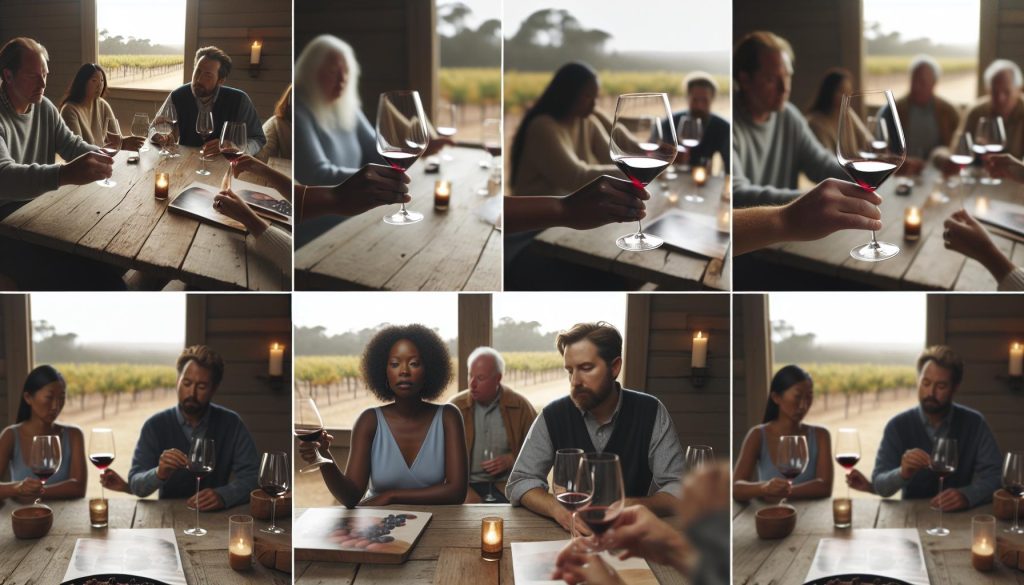
To help you decide, consider attending a local wine tasting event, where you can sample various wines and receive guidance from knowledgeable staff. This immersive experience not only gives you a breadth of options to try but also helps you hone your palate by identifying what truly excites your taste buds. Remember, choosing the right wine isn’t just about following trends; it’s about what you genuinely enjoy, so don’t hesitate to experiment! Ultimately, every palate is unique, and the joy of discovering your favorite wines should be a fun and personal adventure.
Enhancing Flavor with Wine Aeration Techniques
Aerating wine can truly transform your drinking experience, bringing forth vibrant flavors and delightful aromas that might otherwise remain hidden. Think of aeration as giving your wine some room to breathe, and just like a good conversation, a little air goes a long way in enhancing its character. Whether you’re popping open a budget-friendly bottle or splurging on a vintage, knowing how to properly aerate wine can elevate even the simplest of meals.
One of the easiest methods to aerate wine is using a wine aerator. You can choose from handheld or pourer types that don’t require any complicated setup. Simply pour the wine through the aerator into a glass, and watch as it transforms! The aerator increases the wine’s exposure to air, softening tannins and highlighting the flavors. If you don’t have an aerator on hand, fret not-there are alternative techniques too. Pouring the wine into a decanter or even swirling it gently in the glass allows it to interact with oxygen, helping to mellow its profile.
Here are some practical tips to make aeration even more effective:
- Timing is Key: Aim to aerate the wine at least 30 minutes before serving it, especially for young reds or robust wines, to allow the flavors to fully open up.
- Temperature Matters: Serve your wine at the right temperature-slightly cooler than room temperature for reds enhances the aeration process, while whites should be served chilled, adding to their crispness.
- Glassware Impact: Use wide-bowled glasses for reds; this shape naturally encourages better aeration. For whites, a narrower glass can help retain their floral notes while still allowing some air contact.
Remember, the goal of aeration is to enhance your wine experience. Pour it, let it breathe, and savor the journey-each sip will be transformed as the wine evolves in your glass, revealing layers of depth and complexity you might have missed otherwise. So go ahead, experiment with different aeration techniques and enjoy the richer flavors that come with each pour!
Simple Food Pairings to Elevate Wine Taste
The right food can bring out the hidden gems in your wine, making every sip a delightful experience. Simple pairings not only enhance the flavors of the wine but also amplify the enjoyment of your meal. It’s all about finding harmony between your dish and the wine in your glass. By keeping a few pairing principles in mind, you can elevate your wine tasting experience without any fancy equipment or extensive wine knowledge.
One classic tip is to match the wine to the dominant flavor of the dish. For example, if you’re preparing a rich tomato-based pasta, a medium-bodied red like Chianti complements the acidity of the tomatoes beautifully. If your dish leans toward creamy, like a rich Alfredo, try a Chardonnay which can match that creamy texture with its buttery notes. Remember, it’s often the sauce rather than the protein that defines the best pairing.
Another rule of thumb is to consider the weight of the food versus the wine. Pair light foods, such as salads or white fish, with lighter wines like Sauvignon Blanc or Pinot Grigio. Conversely, robust dishes, such as grilled steak or lamb, pair wonderfully with bolder reds like Cabernet Sauvignon. This balance ensures that neither the food nor the wine overpowers the other, letting both shine in their own right.
Don’t forget about flavor contrasts! Sweet or spicy foods can be beautifully offset by wines that offer a touch of acidity or sweetness. For instance, something spicy like Indian curry might be paired with a slightly sweet Riesling, which helps mellow the heat while complementing the dish’s complexity. Similarly, salty foods like blue cheese can be elevated with a sweet dessert wine like Sauternes, creating a delightful balance of flavors.
Here’s a quick list to spark your creativity when planning your next meal:
- Salty foods Pair with acidic wines like Champagne or Sauvignon Blanc.
- Savory meats Try bold reds like Syrah with grilled meats.
- Spicy dishes Balance with sweet Rieslings or off-dry Gewürztraminer.
- Rich seafood Opt for a buttery Chardonnay or a textured Viognier.
Feeling adventurous? Don’t hesitate to experiment! Try different combinations that speak to your palate. Ultimately, the best pairing is one that you enjoy. So grab your favorite bottle and have fun discovering new flavor adventures right from your kitchen!
Creative Wine Infusions: Easy DIY Ideas
Looking to jazz up your wine experience? Creative infusions can transform an ordinary bottle into something extraordinary, allowing you to tailor flavors to your palate with minimal effort. Whether you’re aiming for citrusy brightness or earthy depth, infusing wine lets you explore a delightful array of tastes right from your kitchen.
To get started, choose a base wine you enjoy-work with a crisp white, a fruity red, or even a bubbly. The beauty of infusions is that almost any wine can serve as a canvas. Here are some easy ideas to try:
- Citrus Dream: Add slices of oranges, lemons, or limes directly into the bottle. Let it infuse in the fridge for at least a few hours, up to 24 for a more pronounced citrus flavor.
- Berry Bliss: Fresh berries, such as strawberries or raspberries, give wines a gorgeous hue and a sweet, tart edge. Use about a cup of berries per bottle and let it steep for 12 to 24 hours.
- Herb Infusion: A few sprigs of fresh herbs like basil, mint, or rosemary can lend a surprising twist to your wine. Add them to a bottle and let them sit in a cool, dark place for about a day.
- Spiced Winter Warmth: For a cozy flavor, try infusing your wine with a couple of cinnamon sticks and star anise. Let it sit for several days to develop a rich spice flavor perfect for chilly evenings.
Once you infuse your wine, be sure to strain out any solids before serving, especially with herbs and spices that can become overpowering. Serve your infusion chilled in a beautiful glass or even use it as a base for creative cocktails!
Infusing wine is straightforward and offers endless possibilities. Don’t shy away from experimenting! Combine flavors you love and create your signature wine infusion that reflects your unique taste. Enjoy the process, and let your kitchen be a space for flavor exploration!
Temperature Matters: Serving Wine at Its Best
Serving wine at the right temperature can make all the difference between a good glass and a truly memorable one. Different types of wine have their sweet spots when it comes to temperature, enhancing their flavor profiles and aromas. For instance, chilling white wines or sparkling wines can accentuate their refreshing qualities, while serving reds slightly cooler can soften their robust flavors. Having a simple guideline in mind can help elevate your wine experience dramatically.
For whites and rosés, aim to serve them between 45°F to 55°F (7°C to 13°C). This range allows the wine to retain its crispness without being too cold, which could mute its fruity notes. If you don’t have a thermometer handy, a good rule of thumb is to chill them in the refrigerator for about two hours before serving. For those last-minute gatherings, a quick chill in an ice bucket filled with salt and ice can achieve the desired temperature in about 15-20 minutes.
On the other hand, red wines are best enjoyed at 55°F to 65°F (13°C to 18°C). Most people serve red wine too warm, which can intensify tannins and limit their complex flavors. Storing red wine in a cool place or in the fridge for 30 minutes before serving can help achieve just the right temperature, bringing out the wine’s nuances without compromising its bold character.
Practical Tips for Temperature Control
- White and Sparkling Wines: Store in the fridge and serve cold. A wine cooler can also be a fantastic investment if you enjoy chilled varieties often.
- Red Wines: A wine rack may be ideal for storage, but do remember to pop them in the fridge or a cool area before serving.
- Testing Temperatures: If you’re unsure, pour a small sample into a glass; if it feels chilly to the touch (for whites) or pleasantly cool (for reds), you’re ready to pour.
By paying attention to serving temperatures, not only do you enhance the overall drinking experience, but you also show respect to the craftsmanship that goes into winemaking. Now, grab that bottle, set the perfect temperature, and watch how the flavors bloom to life!
Using Glassware to Improve Wine Experience
A well-chosen wine glass can significantly enhance your wine-drinking experience. It’s not just about the aesthetics; the design of the glass affects how you perceive aromas and flavors. For instance, a glass with a wide bowl allows a fuller aeration of the wine, enhancing its complexity, while a narrower rim concentrates the aromas for a more intense smelling experience. This is particularly important when tasting fine wines, as the subtleties in flavor can be easily overlooked if not presented in the right glass.
When selecting your wine glass, consider the type of wine you’re enjoying. Different styles of glassware are crafted for specific varietals. For example, red wines often shine in larger bowls that provide ample space for aeration, which is key for unlocking deeper flavors. In contrast, white wines benefit from taller, narrower glasses that keep their crispness and maintain cooler temperatures. If you’re unsure where to start, investing in a general-purpose stemmed glass can be a great choice for both reds and whites, giving you versatility for various occasions.
Key Factors in Glassware Selection
- Glass Shape: The shape impacts how the wine interacts with oxygen and how aromas are released.
- Rim Thickness: Thinner rims offer a better sipping experience, allowing wine to flow smoothly.
- Size: Look for glasses that are large enough to allow for swirling, which promotes aeration.
Cleaning your glasses properly is crucial as well. Any residue from detergent or improper rinsing can mask the wine’s flavor. Use a mild detergent and rinse thoroughly, ideally allowing the glasses to air dry on a dish rack. This small step ensures that nothing interferes with the purity of your wine’s taste, allowing you to enjoy each sip without distraction.
By consciously choosing the right wine glass and maintaining them well, you set the stage for a remarkable tasting experience that highlights the unique qualities of your favorite wines. So the next time you’re pouring a glass, take a moment to appreciate the impact that simple glassware can have on your enjoyment!
Common Mistakes That Muffle Wine Flavor
When it comes to enjoying wine, many people unknowingly make common mistakes that can dull flavors and diminish the overall experience. One of the biggest culprits is serving wine at the wrong temperature. For example, white wines served too cold can mask subtle flavors, while reds that are too warm might taste overly heavy or flat. A quick tip is to chill whites in the refrigerator for a couple of hours, and serve reds slightly cooler than room temperature-around 60-65°F (15-18°C)-to allow their full character to shine.
Another frequent oversight is using improper glassware. Many people grab the first glass they see, but the shape of your wine glass significantly affects how aromas are released. A wide bowl is ideal for reds, allowing oxygen to interact with the wine, enhancing its complexity. For whites, a narrower glass keeps the wine cooler and emphasizes its freshness. Investing in a couple of quality wine glasses based on the types you enjoy can make a world of difference.
Lastly, neglecting to let wine breathe is a common mistake that can muffle its flavor. While some wines benefit from being opened and left to sit for a while before serving, others might prefer a gentle aeration through decanting. This process not only helps to aerate the wine but also separates it from any sediment, enhancing the purity of flavor. Don’t be afraid to experiment with both methods; you might discover a new favorite way to enjoy your bottle! Remember, wine should always be about personal enjoyment, so take the time to find what makes your palate sing.
Secrets to Layering Flavors with Wine Additives
Layering flavors in wine is an exhilarating journey that can transform your glass into a complex experience. Just like crafting a delicious dish, blending different wine additives can enhance and elevate the taste of your wine. Whether you want to introduce sweetness, acidity, or even a hint of spice, there are simple yet effective methods to play with your wine’s profile.
One of the most accessible ways to layer flavors is by incorporating fruit. Fresh fruits like berries or citrus can add a delightful freshness to your wine. For a simple infusion, consider steeping slices of peach or a handful of raspberries in a carafe of white wine for a few hours. This not only brightens the flavor but adds a lovely visual appeal. Here’s a quick method to try:
- Choose your wine-a crisp white or a light red works best.
- Slice your favorite fruit and place it in a pitcher with the wine.
- Allow it to chill in the refrigerator for at least 1-2 hours.
- Serve it over ice for a refreshing twist.
Another interesting approach is to introduce spices and herbs. Think of aromatic herbs like mint or basil, which can add an intriguing floral note when steeped in wine. You might find that a few sprigs of rosemary or thyme can elevate the character of a robust red. Here’s how you can experiment with this:
- Pour your wine into a saucepan over low heat (do not boil!)
- Add a few sprigs of your chosen herb and let it infuse for about 10 minutes.
- Strain and allow it to cool before serving, or incorporate into a cocktail for a unique blend.
Adding a splash of a complementary liqueur can also work wonders. A bit of elderflower liqueur, for instance, can bring a new depth to a dry white wine, while a touch of vermouth might enhance the richness of a bold red. Just a little goes a long way, so start with a teaspoon and adjust to taste.
Ultimately, the beauty of layering flavors with wine additives lies in creativity and personal preference. Don’t hesitate to experiment with different combinations, and most importantly, taste as you go. Each addition can bring a new dimension to your wine, allowing you to discover and enjoy new flavor profiles that suit your palate perfectly. Happy experimenting!
Exploring Wine Tasting Notes and Descriptions
Tasting wine is a delightful experience, akin to savoring a beautifully crafted dish. When you sip, you’re not just enjoying what’s in your glass; you’re experiencing a symphony of flavors, aromas, and textures that tell a story about the grape, the region, and the winemaker’s craft. Understanding wine tasting notes can elevate your enjoyment and appreciation, making each glass more than just a drink but an exploration of complexity.
To start, it helps to focus on the four primary characteristics of wine: sweetness, acidity, tannin, and body. Each attribute plays a crucial role in shaping your overall impression. Sweetness can range from bone dry to lusciously sweet, instantly affecting how you perceive flavors. A wine’s acidity gives it freshness and brightness, which is especially important in balancing sweeter varieties. When it comes to tannins, found mainly in red wines, these compounds contribute to a wine’s structure and can provide a pleasant astringency that complements rich foods. The body of the wine-often described as light, medium, or full-relates to its weight on the palate and can influence how we experience its flavors.
When tasting, it’s beneficial to look for specific flavor notes and aromas. Many wines exhibit a range of descriptors such as fruity, floral, herbal, earthy, or spicy. For instance, a Cabernet Sauvignon might introduce flavors like blackcurrant, plum, and notes of bell pepper or cedar, while a Grenache might bring forth cherries coupled with hints of leather and spice. Don’t hesitate to jot down your impressions as you taste; before long, you will build a personal lexicon of wine descriptions that reflect your palate’s preferences. Try this simple exercise next time you open a bottle:
- Pour a small amount of wine into your glass and take a moment to observe the color and clarity.
- Swirl it gently and inhale the aroma, noticing any immediate scents that come to mind.
- Sip the wine slowly, allowing it to spread across your palate. Think about its texture and how it develops in your mouth.
- Finish by reflecting on the aftertaste, which often reveals even more about the wine’s character.
Engaging with wine tasting notes not only enhances your own experience but also opens up wonderful conversations about flavor and preference when enjoying wine with friends or at tastings. It’s a journey of discovery that can enrich your culinary adventures, enabling you to pair wines more thoughtfully with meals and celebrations. So, pour a glass and allow your senses to explore every intricate detail-there’s a whole world of flavors waiting to be discovered!
Mastering the Art of Wine Decanting
Pouring wine from its bottle directly into a glass can often feel rudimentary, but when you take the time to decant your wine, you’re unlocking a whole new level of flavor and aroma. Decanting isn’t just a fancy way to serve wine; it serves a practical purpose that can enhance your drinking experience dramatically. When you decant, you’re allowing oxygen to interact with the wine, which can mellow tannins and bring out complex aromas that might otherwise go unnoticed. Whether you’re opening a robust red or an aromatic white, spending a few minutes to decant can elevate your enjoyment tremendously.
To decant efficiently, grab a clean decanter or even two wine glasses. If you’re in a pinch, pouring the wine back and forth between the two can aerate it quickly and effectively. Aim to pour from a bit of height to introduce more air. For wines that are older and may have sediment, be careful to stop pouring when you start to see the dregs in the neck of the bottle, ensuring you leave them behind. Positioning a light source behind the bottle can help you spot sediment as you pour. It’s all about engaging with the wine in a hands-on manner, making the experience even more rewarding.
Another great approach is to use a decanting device or a simple funnel with a mesh filter, which can help separate sediment while enhancing aeration. You don’t need fancy tools; creative solutions like repurposing kitchen items can work wonders. Some enthusiasts even suggest letting the wine breathe in the decanter for 30 minutes to an hour before serving, especially with fuller-bodied reds, to allow for full flavor development. The longer the wine sits, the more its characteristics will unfold, revealing layers of complexity that bring each sip to life.
Finally, remember that wine decanting is an opportunity to personalize your experience. Experiment with different wines and observe the changes in flavor profiles. Take notes on how decanting affects your favorites, and use that knowledge to elevate future wine selections and pairings. Wine is all about exploration and enjoyment, so don’t shy away from this simple yet effective technique to enhance your next pour.
Engaging Wine Rituals for Better Enjoyment
Engaging with wine can feel like a grand affair, but it doesn’t have to be intimidating; instead, think of it as a delightful ritual that enhances flavor and enjoyment. One of the simplest yet most effective ways to make your wine experience more engaging is by incorporating a few charming traditions into your routine. For instance, consider creating a dedicated space for your wine. Fill it with your favorite bottles, perhaps some elegant glassware, and even a few tools like a corkscrew and a wine aerator. This not only adds to the ambiance but sets the stage for each pour to become a mini-ceremony.
Creating an engaging ritual can start with the way you choose to present the wine. Use a beautiful decanter not just for aesthetics but to encourage a slow, thoughtful experience as the wine breathes. Set the mood with soft music and dimmed lighting while watching the wine swirl and dance within the crystal. Let your guests participate in the process! Encourage them to help pour or even to share which notes they smell as the wine aerates. This transforms an ordinary evening into an interactive experience that spurs conversation and connection.
Timing is just as important as the ritual itself. Consider discussing the origin of the wine and the nuances of its flavor profile as you serve it. This educational element can enrich the enjoyment and appreciation of what’s in the glass. Perhaps you could create a tasting notebook for you and your guests to jot down thoughts on each wine you sample, showcasing their preferences and discoveries as you explore different varietals. Mix up the routine by inviting friends over for a themed tasting night-like “Italian Reds” or “Spring Whites.” Choosing specific regions or varietals can guide both conversation and camaraderie.
Don’t forget the snacks! Prepare a simple charcuterie board or a few small bites that complement the wine, utilizing flavors that pair well with what you’re sipping. Think about it as an extension of your ritual-laying out the platters can be just as enjoyable as mixing flavors. The goal here isn’t just to drink wine but to create a rich tapestry of tastes, smells, and experiences that everyone can share.
Incorporating these simple yet meaningful rituals will undeniably elevate your wine enjoyment. It’s not just about the wine itself; it’s about celebrating the moment, the company, and the flavors that unfold. Every pour can become an invitation to explore and connect, turning an ordinary evening into an extraordinary experience.
Faq
Q: How can I enhance the aroma of my wine?
A: To enhance the aroma of your wine, try *swirling it gently in your glass*. This helps release aromatic compounds. Additionally, you can *pair it with complementary scents*, such as soft cheeses or herbs, which can elevate the overall experience. Remember to serve at the right temperature for optimal aroma release.
Q: What simple food should I pair with wine to boost its flavor?
A: Foods like *rich cheeses, grilled meats, and dark chocolate* can enhance your wine’s flavor. For instance, pairing a bold red with aged cheddar creates a delightful contrast. Explore *various food pairings* detailed in our Simple Food Pairings section for more ideas!
Q: Why does wine taste better when decanted?
A: Decanting wine allows it to *mix with oxygen*, which can soften tannins and enhance flavors. This process improves the wine’s *overall quality*, making it smoother and bringing out complex notes. Consider mastering the art of wine decanting to fully enjoy your bottle.
Q: Which wine additives can I use to improve flavor?
A: Common flavor-enhancing additives include *fruit slices, herbs, or bitters*. For instance, adding a slice of *orange or a sprig of mint* can add a refreshing twist to your glass. Explore more in our Secrets to Layering Flavors section for creative ideas.
Q: How long should I aerate wine before serving?
A: Generally, allow your wine to aerate for *30 minutes to 1 hour* before serving. This timing varies by wine type; bold reds benefit most from longer aeration. If in doubt, check our Enhancing Flavor with Wine Aeration Techniques for specific recommendations.
Q: What are the best glasses for wine to improve taste?
A: Using the right glass can *significantly improve your wine experience*. For example, *wide-bowled glasses* enhance the aroma of fuller-bodied wines. Explore our Using Glassware to Improve Wine Experience section for tips on the best glasses for each wine type.
Q: How do temperature changes affect wine flavor?
A: Wine can taste vastly different depending on its serving temperature. *Red wines are best served slightly warmer*, while whites and rosés should be chilled. Refer to our Temperature Matters section for detailed serving temps that can enhance your wine’s flavor profile.
Q: What common storage mistakes can ruin wine flavor?
A: Avoid exposing wine to *extreme temperatures and light*. Poor storage conditions can lead to *oxidation and flavor degradation*. For more storage tips, check our Common Mistakes That Muffle Wine Flavor article to ensure you preserve the quality of your wine.
Final Thoughts
Now that you have these simple tricks for enhancing your wine’s flavor, it’s time to experiment! Try chilling your wine, pairing it with complementary foods, or even adding a touch of ingredients to elevate your tasting experience. Each sip can be a unique journey, so don’t be afraid to get creative!
For more wine tips, check out our articles on making mass-produced wines taste exceptional and improving your overall palate with wine tasting. Want to stay updated on the latest in wine and flavor? Sign up for our newsletter for exclusive tips and tricks right in your inbox! Remember, making wine taste better is just the beginning; dive deeper into the world of wine with us, and let’s explore together. Cheers to discovering richer flavors!