
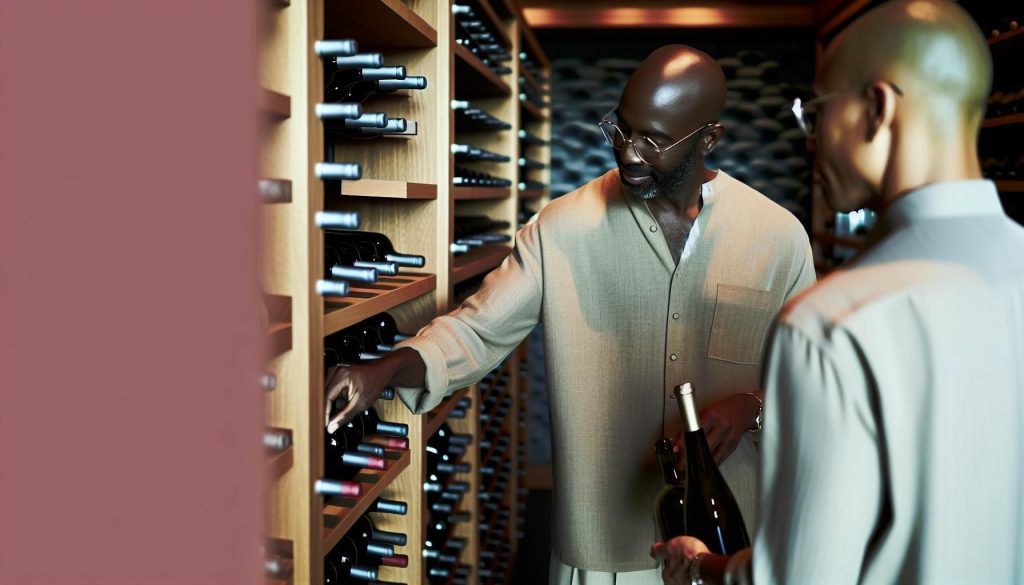
Creating your own wine cellar is a rewarding way to enhance your wine collection and ensure each bottle ages to perfection. Did you know that proper storage can significantly improve the flavor and quality of your wines? With the right techniques, you can transform any space into a haven for your favorite vintages, protecting them from unwanted light, temperature fluctuations, and humidity issues. Whether you’re a casual drinker or a wine enthusiast, understanding how to create an optimal wine storage environment will help you savor every sip even more. Follow along as we explore practical tips and tricks to design a wine cellar that not only meets your storage needs but also elevates your overall wine experience. Your ideal bottle is waiting!
Choosing the Right Space for Your Wine Cellar
is a crucial first step in creating an environment where your collection can thrive. Did you know that the location of your cellar can significantly impact the aging process of your wines? Ideally, you want a place that minimizes temperature fluctuations and protects your bottles from light and vibration. With this in mind, here are several key considerations to help you determine the best space for your wine cellar.
Location and Environment
Start by identifying areas in your home that are naturally cooler and more stable in temperature. Basements are often ideal due to their inherent insulation and consistent climate. If you don’t have a basement, consider a closet or even a pantry in the interior of your home, away from exterior walls and sunlight. The goal is to select a space that can maintain a temperature between 50°F and 58°F (10°C and 14°C) with minimal fluctuations. Avoid places near appliances that generate heat, such as ovens and dishwashers, which can disrupt the delicate aging process.
Space and Layout
Next, think about how much space you need. A small collection might only require a few shelves, while a serious enthusiast may need a fully dedicated room. Measure your available space accurately to ensure your design fits well without feeling cramped. Open, accessible layouts tend to work best for usability. If possible, plan for easy movement within the cellar to accommodate new arrivals to your collection and make selections less cumbersome.
Ventilation and Humidity
Correct ventilation is another aspect that cannot be overlooked. Proper air circulation helps maintain ideal humidity levels-around 60-70%-which is vital for preventing corks from drying out and spoiling your wine. If you’re using a small closet or an enclosed space, consider adding a small fan or a ventilation system to promote airflow. Humidity can be managed through the use of humidifiers or dehumidifiers, depending on your climate.
In summary, the right space for your wine cellar should balance temperature stability, humidity control, and accessibility. By thoughtfully selecting and preparing your chosen location, you’re laying the groundwork for a successful wine storage environment that will enhance your collection and the enjoyment it brings.
Essential Wine Cellar Dimensions and Design
When embarking on the journey to create your very own wine cellar, understanding the essential dimensions and design elements can make all the difference in preserving your cherished collection. One vital aspect to keep in mind is that not all spaces will accommodate wine storage equally. Whether you’re working with a small nook or an expansive room, the right dimensions will set a solid foundation for optimal aging conditions.
Dimensions to Consider
Aim for a layout that promotes airflow and ease of access. A good rule of thumb for wine shelf spacing is to allow between 6 to 8 inches between each shelf, giving your bottles enough vertical room while still maximizing storage efficiency. If you plan to store larger bottles, like magnums, consider increasing this spacing. The total depth of your wine racks should ideally be at least 12 inches, accommodating standard bottles while allowing for adequate insulation. Depending on the scale of your collection, a standard wine cellar can vary greatly in size:
- Small Collection: A simple design can range from 25 to 50 square feet, which can be achieved in a closet or small dedicated room.
- Medium Collection: Aim for about 50 to 100 square feet, allowing for a more spacious layout with a small tasting area.
- Large Collection: For the serious enthusiast, plan for 100 square feet or more, incorporating various styles of storage and seating.
Design Layout Tips
When designing your wine cellar, consider various styles of storage to blend aesthetics with functionality. A traditional racking system can provide an appealing visual while maintaining specific dimensions, allowing for rows of bottles that can easily be accessed. Additionally, incorporating a tasting area can enhance your cellar’s functionality and create an inviting atmosphere when sharing your collection with friends.
Creative Storage Solutions
In small spaces, think vertically. Use high ceilings to your advantage by adding racks that reach upward, utilizing every inch of available height. You can also explore modular racking systems, which can be adjusted or expanded as your collection grows. For instance, incorporating corner racks can help maximize space that might otherwise be overlooked.
Balancing these considerations will not only create an efficient wine cellar but also a warm, personal space that reflects your passion for winemaking. Remember, the goal is to create a climate-controlled haven where your bottles will thrive and age beautifully, allowing you to enjoy the fruits of your labor for years to come.
Temperature and Humidity Control for Optimal Aging
Creating the perfect environment for your wine collection begins with proper temperature and humidity control, essential factors that significantly influence the aging process. Ideally, wine should be stored at a consistent temperature between 45°F to 65°F (7°C to 18°C), with the sweet spot generally hovering around 55°F (13°C). Fluctuations in temperature can lead to undesirable chemical reactions, resulting in off-flavors and diminished quality. For instance, if you find your wine cellar temperature swinging widely-like during summer heat waves or winter cold spells-investing in a reliable cooling system is crucial. Wine cellar coolers, specifically designed to maintain optimal conditions, can help ensure your collection sits in a stable environment.
Humidity also plays a pivotal role in wine preservation; it should generally be between 50% and 70%. Too little humidity can cause corks to dry out, exposing the wine to oxygen, while excessive dampness can lead to mold and spoilage. To maintain the right humidity level, consider using a humidification system or placing water basins in your cellar. A hygrometer is a valuable tool here, as it provides real-time readings and helps you make adjustments as needed.
Maintaining Ideal Conditions
Regular monitoring is key to ensuring that your wine enjoys a perfect aging environment. Check both temperature and humidity levels frequently, especially when the seasons change. You might want to set up alarms on your temperature control unit for extra peace of mind. If you live in a particularly dry or humid climate, consider additional measures such as dehumidifiers or air conditioners with humidity control settings.
Examples of Effective Solutions
When selecting cooling systems, look for options that have digital temperature displays and precise control capabilities. Many modern wine cellars also come with dual-zone capabilities, allowing you to store red and white wines at their respective optimal conditions. For those with smaller spaces or budgets, high-quality wine fridges are a great alternative-some even come with UV protection to shield your bottles from light damage.
Ultimately, the goal is to create a steady environment that protects and enhances the character of your wines. With the right tools and a bit of ongoing care, you can ensure that your wine ages gracefully, rewarding you with the rich flavors and aromas you anticipate. Cheers to crafting your ideal wine cellar!
Best Wine Storage Racks and Shelving Solutions
Creating the ideal wine storage setup is as much about aesthetics as it is about functionality. Choosing the right racks and shelving solutions is essential for both preserving your wine and enhancing the visual appeal of your wine cellar. After all, a well-organized and beautifully displayed collection not only protects your investment but also invites enjoyment when it’s time to share your favorites with friends or family.
When considering wine racks, you’ll want to keep several factors in mind, including material, style, and capacity. Wooden racks, for instance, are a popular choice for many wine enthusiasts. They provide a classic look and can be custom-built to fit your space perfectly. Metal racks, on the other hand, offer a sleek, modern aesthetic and can be more flexible in terms of design and layout. Each type has its unique advantages, and mixing materials can create an eye-catching display that reflects your personal style.
Common Types of Wine Storage Solutions
- Wall-mounted Racks: Ideal for saving floor space, these racks allow you to display bottles at eye level and can be arranged in creative patterns.
- Freestanding Racks: Perfect for larger collections, freestanding options can vary in size and design, allowing you to store bottles horizontally, which is key for maintaining cork moisture.
- Modular Racks: If you foresee expanding your collection, modular racks are versatile and can be reconfigured as needed.
A common question many face is how to maximize space without overcrowding. Here, stackable wine racks can be a game-changer. They allow you to build vertically, accommodating a growing collection while keeping bottles safe and easily accessible. It’s a fantastic solution for smaller cellars or homes where every inch counts.
Accessorizing Your Wine Storage
Don’t forget about accessories that can enhance your storage solutions! Consider integrating features like tasting shelves or glass storage cabinets to showcase special bottles. Using climate control units alongside your racks ensures that your wines age gracefully, but don’t overlook the role of good lighting. LED lights not only illuminate your collection beautifully but also emit less heat, protecting your wines from temperature fluctuations.
In summary, investing in the right storage racks and shelving solutions not only serves a practical purpose but can also elevate your wine cellar into a stunning showcase of your collection. Whether you choose rustic wooden racks, modern metal frameworks, or a combination of both, make sure each piece reflects your personality and preserves your prized wines perfectly. Cheers to creating a space that celebrates your passion for wine!
Lighting Considerations for Your Wine Cellar
When thinking about how to best showcase your wine collection, lighting plays a pivotal role in creating a warm and inviting atmosphere while also protecting your precious bottles. Did you know that the right lighting can enhance the visual appeal of your cellar while preventing damage to your wines? UV light exposure can spoil wine and alter its taste, so let’s explore how to light your cellar effectively and stylishly.
Choosing the right type of lighting is crucial. LED lights are a fantastic choice for wine cellars because they emit little to no heat and do not contain UV rays, making them safe for wine storage. They come in various colors and intensities, allowing you to customize the ambiance of your cellar. For a cozy and elegant vibe, consider warm white LED bulbs that create a soft glow, perfect for evening tastings.
Placement Tips
Lighting placement can dramatically affect the feel of your space. Here are some practical ideas to consider:
- Spotlights and Downlights: Use these to highlight specific areas or display shelves. Aim them at eye level to create a focal point around your most prized bottles.
- Ambient Lighting: Incorporate soft ambient lighting, like wall sconces or LED strips, to fill the room with a gentle light without overpowering your collection.
- Task Lighting: If you plan to have a tasting area, consider adding task lighting above that space for functionality-think pendant lights or table lamps with dimmers.
Don’t forget about the importance of dimmable options! By varying the lighting intensity, you can set the mood whether it’s a casual gathering or a formal tasting event.
Additional Considerations
Make sure your lighting design showcases your collection while also considering functionality. Use fixtures that blend seamlessly with your overall decor, whether rustic or modern. If you’re tight on space, consider wall-mounted options or even recessed lighting to avoid taking up any floor space. Remember, the objective is not just to illuminate but to create a stunning showcase that invites appreciation of your wine collection.
In summary, the right lighting can transform a simple wine storage area into a magnificent showcase. By opting for LED lights and thoughtfully planning your lighting layout, you’ll not only protect your wine but also enhance the overall aesthetic of your cellar. Cheers to creating an enchanting atmosphere where your wine can shine!
Accessibility Tips for Easy Wine Selection
Making your wine selection process as seamless as possible can enhance the enjoyment of your collection and elevate the experience for you and your guests. One of the best ways to achieve this is by organizing your wine cellar thoughtfully and ensuring everything is easily accessible. Imagine the satisfaction of picking the perfect bottle without rummaging through a disorganized space-it’s all about creating a user-friendly environment that invites exploration.
One effective strategy is to categorize your wines based on type and region. For example, separate reds from whites and organize them by country or vineyard. This way, when you’re in the mood for a specific varietal or trying to pair a wine with dinner, you can quickly locate what you need. Consider using labels or tags on your racks; they can be as simple as printed paper or more decorative options. If you have a larger collection, a wine database application can even help track and manage your inventory, allowing you to know what bottles you have at a glance.
Utilizing Space Wisely
Efficient use of space is essential for accessibility. Ensure that frequently chosen bottles are within easy reach-those at eye level (or just below) are ideal. If you have bottles that you intend to age for several years, store them in a less accessible area but keep a record of their location. Invest in adjustable racks that can accommodate different bottle shapes, or consider using a lazy Susan or pull-out shelves to make accessing hard-to-reach bottles a breeze.
Lighting Considerations
Proper lighting not only showcases your collection beautifully but also aids in identifying labels quickly. Incorporate motion-sensor lights or LED strip lights along shelves to illuminate your wine selections whenever you enter the cellar. This creates a welcoming atmosphere while ensuring you can see every bottle clearly, making it easier to find exactly what you’re looking for.
By focusing on organization, utilizing space effectively, and incorporating thoughtful lighting, you’ll create a wine cellar that not only looks great but allows for easy wine selection. Cheers to enjoying your carefully curated collection with friends and family!
How to Organize Your Wine Collection
To create a harmonious and functional wine collection, embracing organization is vital. Did you know that a well-organized wine cellar not only offers you quick access to your favorite bottles but also helps in keeping track of your collection? Imagine knowing exactly where your precious vintages are stored, all while creating a delightful aesthetic that showcases your passion for wine.
One effective way to start organizing is by categorizing your wines based on type, region, or vintage. For example, you could arrange your reds together, followed by whites, and then sparkling wines. Consider labeling each section clearly. Labels can be as simple as handwritten tags or as elegant as printed labels affixed to the shelves. This personal touch not only facilitates easy identification but also adds character to your cellar.
Utilizing the Right Tools
Investing in the right wine racks and storage units is crucial for maintaining order in your collection. Adjustable racks can accommodate different bottle shapes and sizes, while tiered shelving allows for easy visibility. Using a wine inventory app can enhance your organization even further. These apps allow you to log details about each bottle, including tasting notes and optimal drinking windows, directly from your smartphone.
Space Management Tips
Efficient space management helps make the most of your cellar. Place frequently consumed wines at eye level for quick access, while storing bottles meant for aging in lower, harder-to-reach spots. This strategy not only ensures you can grab a bottle in a hurry but also keeps your aging bottles secure and undisturbed. Remember to use baskets or bins for smaller items like corks or wine tools; this adds an extra layer of organization while maximizing space.
Lastly, as your collection grows, it’s essential to periodically reassess and reorganize based on new arrivals and personal preferences. Wine tasting events or dinners with friends can also motivate you to rediscover forgotten bottles, giving you the perfect reason to freshen up your cellar. By following these simple yet effective strategies, you’ll not only maintain an organized wine cellar but also cultivate an enjoyable wine-drinking culture at home!
Maintenance Tips for Long-Term Wine Cellar Care
Maintaining a wine cellar is more than just storing bottles; it’s about creating the ideal environment for your wines to thrive and mature beautifully. One key element of maintaining your cellar is to regularly monitor the temperature and humidity. Aim for a consistent temperature range of 55°F to 57°F (13°C to 14°C) and humidity levels around 60% to 70%. Too much humidity can lead to mold on corks, while too little can dry them out, leading to oxidation. A reliable thermometer and hygrometer are your best friends here.
Regular Inspection
A successful wine cellar is one that receives regular attention. Check your bottles frequently for any signs of leakage or damage. Keep an eye on cork conditions; if you notice any wetness or mold, it might be time to consume those bottles sooner rather than later. Don’t forget to keep the shelves clean and free from dust or spider webs, as these can harbor unwanted pests.
Ventilation and Air Quality
Good ventilation is another vital aspect of cellar maintenance. Make sure your space has adequate airflow to avoid musty odors, which can affect the taste of your wine. If your cellar is particularly sealed, consider incorporating a small fan or ventilation system to promote healthy air circulation. Additionally, storing your wine away from strong odors-like cleaning supplies or food-will help preserve its delicate bouquet.
Efficient Lighting
Lighting also plays a role in the longevity of your wine. While your cellar should be illuminated enough for you to navigate, heavy, direct lighting can degrade wine quality over time. Use soft LED or incandescent bulbs to keep the ambiance inviting without jeopardizing your collection. If possible, consider installing motion-sensor lights to limit exposure.
Inventory Management
Lastly, keep a detailed inventory of your collection. This helps you track which bottles are aging and which ones need to be enjoyed soon. Whether it’s a simple spreadsheet or an app designed for wine lovers, maintaining an organized list will not only help you remember what you have but will also alert you to when it’s time to sample something special. By staying actively engaged with your wine cellar, you’ll ensure your collection remains in tip-top shape for many years to come, making every bottle a delightful experience when the time is right.
Wine Cellar Accessories You Didn’t Know You Needed
As you embark on your journey to create the perfect wine cellar, it’s easy to overlook some of the helpful accessories that can significantly enhance your wine storage experience. Investing in a few thoughtful additions can make a world of difference in the organization, maintenance, and enjoyment of your wine collection.
A wine fridge or cooling unit is one such accessory that is often underrated. Ideal for those with limited space or in warmer climates, these units keep your wines at the optimal temperature, ensuring that reds, whites, and sparkling wines are preserved beautifully. With adjustable temperature settings, you can create different zones for various types of wine, giving you flexibility and peace of mind.
Another important addition is a corkscrew with a built-in foil cutter. While it might seem like a basic tool, a good corkscrew allows you to easily pop open your treasured bottles without damaging the cork, which is especially critical for wines you plan to age. Look for options that offer ergonomic grips and leverage to minimize effort-this is particularly handy during gatherings when you’re opening multiple bottles for friends.
Consider also incorporating a wine decanter into your collection. Not only does it add a touch of elegance to your serving, but decanting can improve the flavors of younger wines by allowing them to breathe. This is a simple yet effective way to elevate the tasting experience, making it special whether you’re hosting a dinner party or simply enjoying a quiet night in.
For organization, wine tags or an inventory app can transform the way you interact with your collection. Tags provide quick visual cues about the type and vintage of each bottle, while an app can help you keep track of what you have, when you bought it, and when it should be enjoyed. This not only simplifies selection but also ensures that no bottle goes unappreciated.
Lastly, add a set of wine glass racks or holders to your cellar. These not only keep glasses within easy reach but also help prevent breakage and clutter, making your space feel polished and ready for entertainment. By thoughtfully curating these accessories, you’ll enhance not just your wine storage but also your overall enjoyment of wine as a cherished hobby.
Creating a Rustic or Modern Wine Cellar Aesthetic
Creating a distinctive atmosphere in your wine cellar can enhance not only the storage experience but also the enjoyment of your wine collection. Whether you lean towards rustic charm or sleek modernity, the aesthetic of your wine cellar should reflect your personal style and the essence of the wines it holds. Here’s how to achieve this balance.
For a rustic aesthetic, consider materials that evoke warmth and tradition. Think about using reclaimed wood for your wine racks, which adds character and a story to your space. Stone walls or brick accents can also infuse a cozy, cellar-like feeling that’s reminiscent of European wineries. Incorporating vintage elements, such as an old wine barrel as a table or rustic metal fixtures, can create a welcoming ambiance. Warm lighting, perhaps using wrought iron fixtures or soft pendant lights, will further enhance this inviting look, making it perfect for hosting intimate gatherings.
On the other hand, if a modern vibe resonates more with you, focus on clean lines and minimalistic design. Opt for sleek metal or acrylic wine racks that showcase your collection without overwhelming the space. The use of glass walls or doors can create a feeling of openness while allowing your wine to be on display. Consider adding a contemporary twist with LED lighting that highlights the bottles and the design of your racks, making the space feel upscale and sophisticated. Neutral color palettes, such as whites, blacks, and grays, can help in maintaining a streamlined, modern look.
Regardless of the aesthetic you choose, remember that functionality should not take a backseat. Incorporating practical elements like a small tasting area can heighten the cellar’s usability while adding to its appeal. Ultimately, whether crafting a rustic retreat or a modern showcase, the key is to harmonize your personal style with the functional needs of a wine cellar that ages and displays your collection beautifully.
Innovative Ideas for Small Wine Cellars
Creating a wine cellar in a small space can seem daunting, but with a bit of creativity, you can effectively maximize every corner. Rather than viewing size as a limitation, think of it as an opportunity to innovate and personalize your space. Here are some clever strategies to consider when crafting your compact wine haven.
One effective approach is to utilize vertical space. Tall, narrow wine racks can elegantly line your walls, allowing you to store more bottles without overwhelming the floor area. Consider modular shelving that can be customized to fit the layout of your room. This not only provides flexibility but also offers the chance to display your bottles attractively. Alternatively, think about under-stair storage; this often-overlooked area can be transformed into an exquisite wine nook, complete with climate control if needed.
If you’re short on floor space, consider innovative furniture solutions. A sideboard or console table with built-in wine storage can serve a dual purpose, offering both a functional workspace and a stylish display for your collection. There are also many stylish wine cabinets available on the market that are designed for compact living. These often have temperature control settings and can accommodate various bottle sizes, making them a practical choice for a small wine cellar.
Lastly, don’t forget the ambiance! Lighting can drastically change the feel of a small space. Opt for LED strip lights or small spotlights that can highlight your wine selection without taking up valuable space. Tucked away lights and dimmers can help create the perfect mood for when you want to showcase your collection or host small tastings. Even adding a few decorative elements like a chalkboard for labels or thematic decor can enhance the personality of your wine cellar while making the most of its limited size.
Incorporating these ideas will not only help you store your wine effectively but will also make your cellar a delightful feature of your home. Embrace the compactness, and let your creativity shine!
Cost-Effective Options for Building Your Wine Cellar
Creating your own wine cellar doesn’t have to break the bank. With a little ingenuity, you can design a space that meets your needs for storing and aging wine without overspending. Many beautiful wine cellars showcase custom-built racks and high-end climate control systems, but there are plenty of cost-effective solutions that can look great and function well.
One approach is to repurpose furniture you already own. Old bookshelves, cabinets, or even dressers can be easily transformed into wine storage. A simple DIY project can breathe new life into these pieces by adding wood dividers or inserts that fit your bottle sizes. If you enjoy a hands-on project, consider creating your own racks using inexpensive materials like pine or plywood. There are many online tutorials on how to build simple wine racks that can fit into your available space while maintaining a cohesive look.
Another budget-friendly option is to look for second-hand or vintage items. Thrift stores, garage sales, or online marketplaces often have unique finds that can double as wine storage. Vintage crates, charming side tables with hidden compartments, or even repurposed shipping pallets can serve as creative wine racks. Not only do these options save money, but they can also add a unique touch of character to your cellar.
Don’t overlook the power of proper layering and organization. Simple, stackable wine boxes or bins can efficiently store your bottles, making it easy to keep track of your collection. Labeling your bins or sections makes selection effortless, and using recycled materials means you can customize your space without spending a fortune. If you’re particularly handy, building a modular shelving system can effectively accommodate your growing wine collection while allowing for flexibility in how you display your bottles.
Finally, consider DIY climate control methods if you’re concerned about temperature and humidity-two critical factors for wine preservation. Instead of investing heavily in costly climate-control units, consider using simple solutions like a dehumidifier or air conditioner if the space is in a warmer area. Adding thermal curtains to windows can also help regulate temperature, making it an affordable escapade to keep your wine perfectly aged.
By thinking creatively and using a resourceful mindset, you can build a stylish and efficient wine cellar without overspending. Remember, the most important aspect of any wine storage solution is that it meets your specific needs while allowing for the joy of wine appreciation!
FAQ
Q: What materials should I use for building a wine cellar?
A: To build a wine cellar, consider using wood, such as cedar for racks, and insulation materials like foam boards to maintain temperature. Stone or concrete can provide a solid foundation. Look for materials that can resist moisture and prevent odors from affecting the wine.
Q: How do I choose the right location for my wine cellar?
A: Select a location that is cool, dark, and away from vibrations. A basement is ideal due to its naturally cooler temperature. Ensure it is also well-ventilated to avoid mustiness, and consider a north-facing wall to limit direct sunlight exposure.
Q: What temperature should my wine cellar be?
A: The optimal temperature for a wine cellar is between 50°F to 55°F (10°C to 13°C) for aging red wines, while white wines can be stored at slightly cooler temperatures of 45°F to 50°F (7°C to 10°C). Consistency in temperature is crucial for preserving wine quality.
Q: How can I control humidity in my wine cellar?
A: Aim for a humidity level of 50-70% in your wine cellar. Use a hygrometer to monitor levels and consider a humidifier if the air is too dry. A dehumidifier can be helpful in damp conditions. Proper humidity prevents corks from drying out or mold from developing.
Q: What type of wine racks are best for a wine cellar?
A: The best wine racks are those made of wood or metal, providing sturdy support. Look for racks with individual compartments to minimize movement. Adjustable or modular racks work well for growing collections. Ensure they allow airflow around the bottles for optimal aging.
Q: How do I light my wine cellar to avoid damaging the wine?
A: Use LED lighting in your wine cellar as it emits minimal heat and no UV rays, helping protect your wine. Consider recessed lighting or motion sensors to reduce light exposure when not needed, and keep lights off when the cellar is closed.
Q: What should I include in my wine cellar maintenance routine?
A: Regular maintenance should include monitoring and adjusting temperature and humidity levels, cleaning racks and shelves, inspecting corks and seals, and rotating your bottles to ensure even aging. Check for any signs of moisture or mildew regularly.
Q: How can I ensure my wine cellar stays accessible?
A: Design the layout of your wine cellar to have easy access to frequently consumed wines. Organize your collection by type or vintage, using clear labeling to locate bottles quickly. Consider installing sliding racks or pull-out shelves for added convenience.
In Retrospect
Congratulations on taking the first step to create your perfect wine cellar! Remember, the right temperature, humidity, and lighting are essential for optimal aging, ensuring your collection reaches its full potential. If you’re feeling inspired, explore our articles on selecting the best wine racks and understanding proper wine storage techniques to further enhance your setup.
Now is the time to dive into your wine aging journey-don’t wait too long to start! Have questions or experiences to share? We’d love to hear from you in the comments below. For ongoing tips and expert insights, consider signing up for our newsletter, where you’ll receive exclusive content tailored for wine enthusiasts.
Your wine adventure is just beginning. Be sure to check out our guides on wine tasting basics and food pairings to complement your new cellar, and elevate your wine appreciating experience even further. Cheers to your delightful journey in winemaking and cellaring!