

Imagine transforming a basket of ripe, juicy cherries into a bottle of rich, flavorful wine that reflects your creative spirit. Making cherry wine is not only a delightful process but also an exciting way to showcase the sweet-tart notes of this vibrant fruit. It’s easier than you might think-requiring just a few simple ingredients and tools you probably already have at home. Whether you’re a seasoned winemaker or trying your hand at it for the first time, this guide will walk you through each step with warmth and encouragement. You’ll find that crafting your own cherry wine can become a rewarding hobby, infusing your cellar with bold flavors and personal touch. So, let’s dive in and explore the delicious possibilities!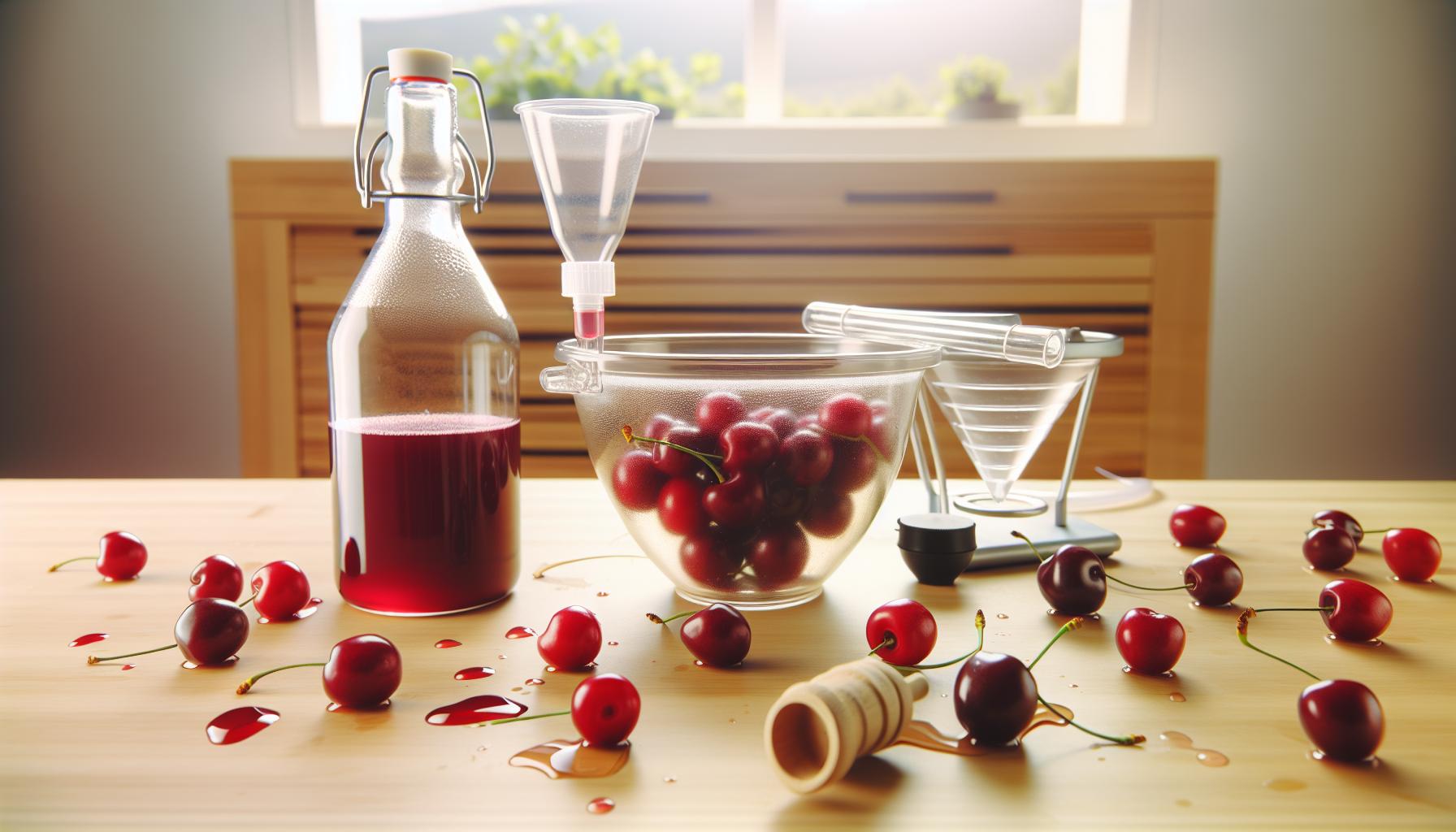
How Cherry Wine Differs from Other Wines
Cherry wine is a delightful and unique beverage that stands apart from traditional grape wines in several ways. For starters, the primary ingredient-cherries-gives this wine a distinct sweetness and a vibrant, fruity flavor profile that can range from tart to luscious, depending on the cherry variety used. This fruity character is often perceived as lighter and more refreshing than many full-bodied red wines made from grapes, making cherry wine a great option for those who enjoy sweeter wines or are looking for something different.
When it comes to the fermentation process, cherry wine can be more forgiving than many grape wines. Cherries have a naturally high sugar content, which aids fermentation and often allows for a quicker production cycle. Home winemakers will find that the juice extracted from cherries is rich and flavorful, requiring less added sugar compared to grape must. The pH and acidity levels in cherries also tend to balance well, contributing to a harmonious final product. However, this sweetness can lead to specific challenges, such as managing fermentation temperatures to prevent unwanted bacteria from developing.
Moreover, cherry wine offers versatility in terms of blending. While grape wines are often noted for their specific varietal characteristics, cherry wine can be mixed with other fruits like raspberries or blueberries to create unique blends that might enhance its flavor and complexity. This flexibility not only adds to the charm of making cherry wine but also encourages home winemakers to experiment creatively, adding an exciting twist to their wine repertoire.
In summary, cherry wine’s vibrant flavor, approachable fermentation process, and versatility set it apart from more traditional wines, making it a fantastic choice for both novice and experienced winemakers looking to explore new tastes in their wine cellar.
Essential Ingredients for Making Cherry Wine
To unleash the vibrant flavors of cherry wine, it’s important to start with the right ingredients. You will find that crafting your own cherry wine is not only rewarding but also surprisingly simple, requiring just a few essential items. At the heart of this delightful beverage are cherries-the star ingredient. Choose fresh, ripe cherries for the best flavor. Sweet varieties like Bing or Rainier yield a luscious wine, while tart cherries such as Montmorency add a refreshing zing.
Alongside your cherries, you’ll need a few other key players to assist in the fermentation process. Here’s a quick rundown of the essentials:
- Sugar: Depending on the natural sweetness of your cherries, you may want to add sugar to enhance fermentation and balance the acidity. A general guideline is about 1 to 2 cups of sugar per gallon of juice.
- Water: To extract the cherry juice and adjust sweetness, water is necessary. Sometimes, just a bit of water is added, but it largely depends on how juicy your fruit is.
- Yeast: A good quality wine yeast is crucial for fermentation. Popular choices include Lalvin EC-1118 and Red Star Montrachet, which can help to ensure a clean, flavorful fermentation.
- Acid Blend: This mix of tartaric, citric, and malic acids is helpful to maintain the wine’s balance, especially if your cherries are on the sweeter side. A teaspoon per gallon can enhance the brightness of your wine.
- Campden Tablets: For sanitizing your equipment and killing off wild yeast or bacteria, Campden tablets are invaluable. Crush a tablet and dissolve it in water, adding it to your mixture before fermentation.
Gathering these ingredients sets a solid foundation for your cherry wine journey. Remember, the quality of your ingredients greatly influences the final product; always opt for fresh and high-quality cherries. Don’t shy away from experimenting with ratios to find your perfect blend. For instance, if you prefer a sweeter profile, add a bit more sugar, or if you want a more tart finish, use tart cherries as the base. Making cherry wine is all about personal touch and creativity, so embrace the process and enjoy every step!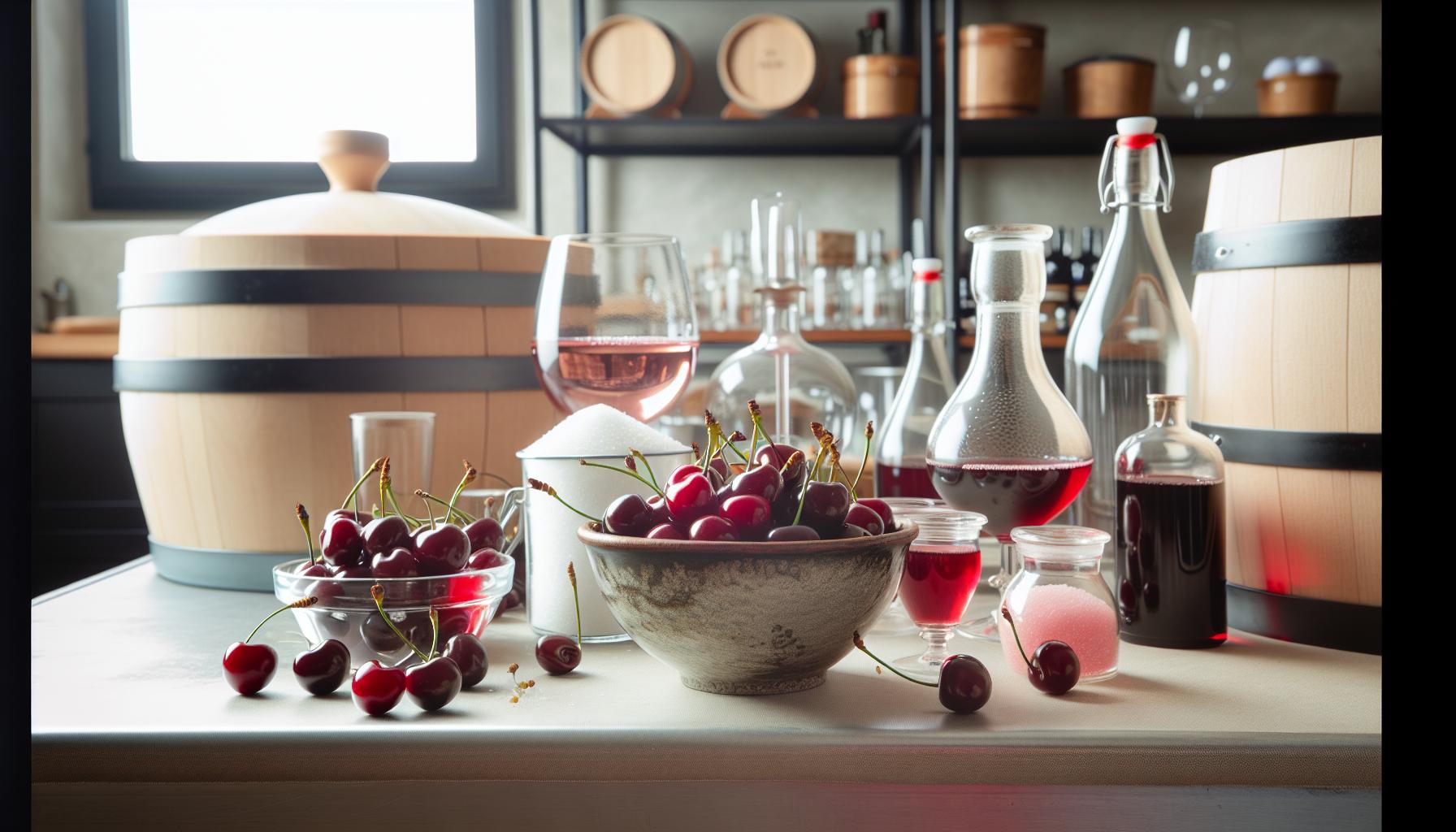
Step-by-Step Guide to Winemaking at Home
There’s something truly magical about creating your own cherry wine at home. With its vibrant flavors and inviting aroma, homemade cherry wine adds a special touch to any gathering or quiet evening at home. Plus, the satisfaction of sipping a wine you crafted from scratch is unmatched. This winemaking adventure is accessible, allowing you to explore your culinary creativity without needing a professional kitchen setup. Let’s dive into the step-by-step process of crafting your cherry wine masterpiece.
Start by gathering all your ingredients and tools. You’ll need fresh, ripe cherries-about 5 to 6 pounds is ideal for a one-gallon batch. Ensure your cherries are free of blemishes for the best flavor. Next, have sugar, water, a quality wine yeast like Lalvin EC-1118, acid blend, and Campden tablets at hand.
Now, let’s move on to the core steps:
1. Prepare the Cherries
Wash and stem your cherries. If you prefer a more pronounced flavor, pit them first; if you like a bit of tartness, you can leave the pits in. Smash the cherries lightly to release their juices. You can use a potato masher or your hands-just remember to sanitize everything before you start!
2. Create the Must
In a primary fermentation container, mix your smashed cherries with water and sugar. A good starting point is 1 to 2 cups of sugar per gallon of juice, depending on your taste preference and cherry sweetness. Stir well to dissolve the sugar.
3. Add Yeast and Prepare for Fermentation
Dissolve Campden tablets in some water to sanitize your mixture, killing any wild yeast or bacteria. After 24 hours, add your yeast along with the acid blend to maintain the right pH balance. Stir the mixture gently to incorporate all ingredients. Cover the container with a clean cloth or a fermentation lock to keep it secure yet breathable.
4. Monitor Fermentation
Let your cherry wine ferment for about 5 to 7 days. You’ll notice bubbling as the fermentation process kicks into gear. Check daily, and give it a gentle stir every few days to keep things moving.
5. Transferring and Aging
Once fermentation slows down and activity decreases, it’s time to siphon the wine into a clean glass carboy, leaving behind the sediment at the bottom. This process, known as racking, helps clarify your wine. Seal it with an airlock and allow it to age for a few weeks to a few months, depending on your preference.
The joy of winemaking is not only in the final product but in the entire process. Embrace the uniqueness of your ingredients and the journey of fermentation. You may even want to play around with new cherry varieties or add other fruits to create delightful blends. Each step will bring you closer to a bottle of wine that reflects your personal taste and craftsmanship. Enjoy the process, and cheers to the fruitful adventure ahead!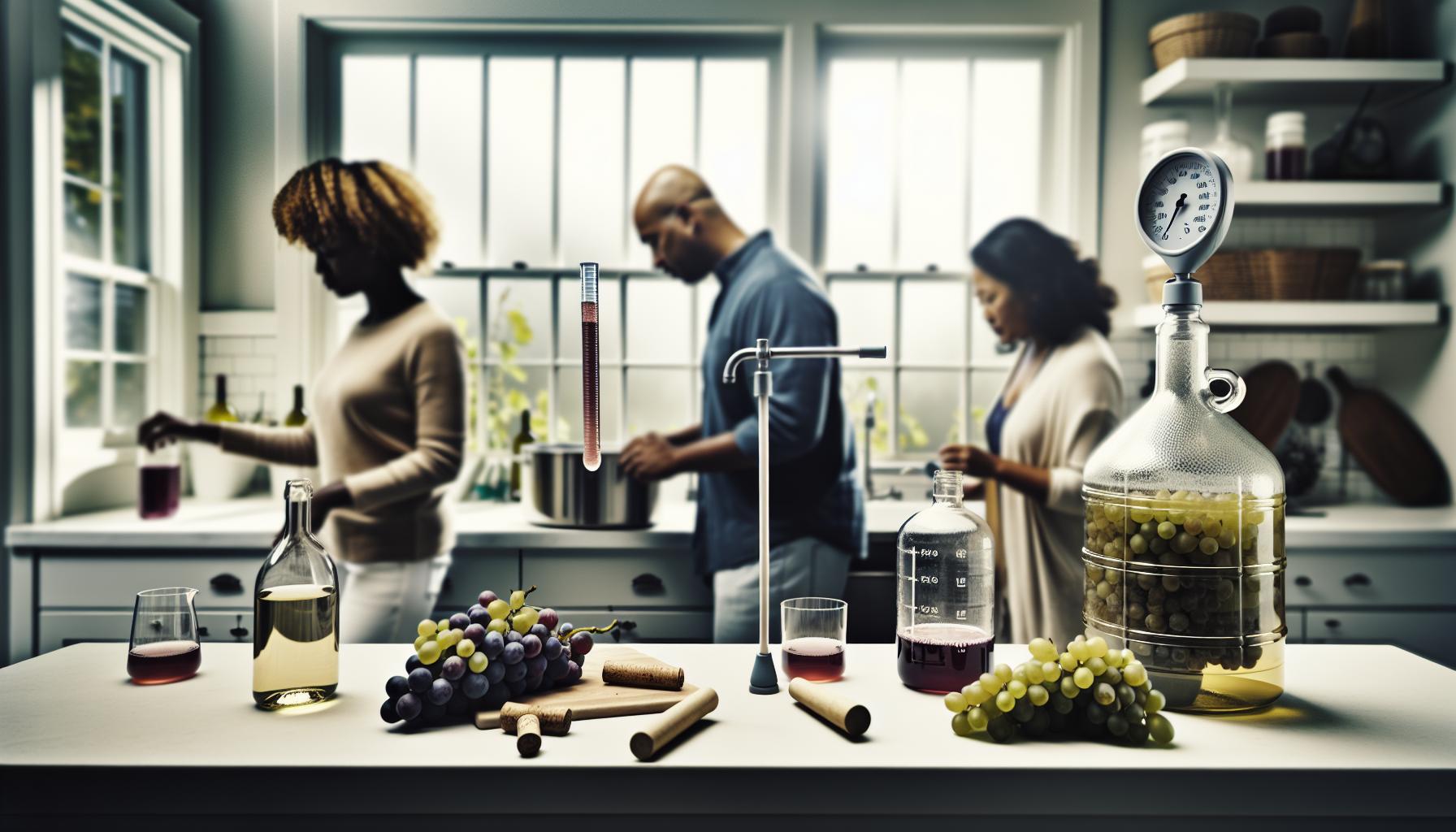
The Best Cherry Varieties for Flavorful Wine
When it comes to crafting cherry wine that tantalizes the taste buds, the choice of cherry variety plays a crucial role in determining the final flavor profile. Different cherries offer unique characteristics that can enhance your homemade wine, making it fruity, tart, or sweet. The most commonly used varieties for winemaking include Bing, Rainier, and Tart Cherries, each bringing something special to the table.
Bing cherries are perhaps the most popular choice among home winemakers. Known for their rich, sweet flavor and dark red color, these cherries can provide a luscious base for your wine. They are perfect for those who enjoy a sweeter wine, as their natural sugars tend to balance beautifully with the acidity during fermentation.
Another excellent option is the Rainier cherry, which boasts a light yellow color with a blush of red. This variety is known for its sweet and juicy flesh, offering a slightly milder flavor compared to Bing cherries. When used in winemaking, Rainier cherries can create a wine that is delicate and refreshing, making it ideal for warm summer evenings or paired with lighter dishes.
For a more complex and tart flavor, consider using Tart cherries, which are often preferred for their bright acidity. Varieties like Montmorency or Balaton are excellent choices, as they provide a zesty kick that can elevate your wine’s taste. These cherries can be particularly appealing in blends or when creating a cherry port-style wine, where a robust flavor is desired.
To explore the potential of your cherry wine, don’t hesitate to experiment with blends. Mixing different varieties can yield delightful surprises, allowing you to tailor the acidity and sweetness to your liking. A blend of Bing and Tart cherries, for instance, can create a harmonious balance, showcasing both the sweetness of Bing and the tartness of the Tarts.
Ultimately, the best cherry variety for your wine will depend on your taste preferences and the type of wine you wish to create. Whether you favor a sweet, easy-drinking wine or a bold, complex blend, choosing the right cherries is the first step toward a flavorful homemade cherry wine that you’ll be proud to share. Embrace the adventure of trying new varieties and enjoy the unique results as you pour your creativity into each bottle!
Fermentation Techniques to Enhance Bold Flavors
When striving to create a bold and vibrant cherry wine, the fermentation process is where the magic truly happens. This is the stage where your wine evolves, transforming fresh cherries into a delightful drink. Understanding the nuances of fermentation can significantly enhance the flavors and aromas of your final product, giving you a rich and complex cherry wine that’s sure to impress.
One key technique is temperature control. Fermenting at a warmer temperature-around 70-75°F (21-24°C)-can encourage the development of fruity esters, which can amplify the cherry flavors and add depth. Conversely, cooler fermentation temperatures may lead to a cleaner, crisper wine if that’s what you prefer. It’s like crafting the perfect song: faster beats bring energy and excitement, while slower tempos create a soothing melody. Monitor your fermentation temperature using a simple thermowell or an aquarium heater, ensuring consistent warmth without overheating.
Another powerful method to enhance flavors is the use of natural or cultured yeast. Wild yeast, which is present on the cherry skins, can create unique and complex flavor profiles. However, it can also be unpredictable. If you’re feeling adventurous, try letting wild yeast ferment a small batch. Otherwise, consider using a cultured wine yeast strain specifically designed for fruit wines, which can offer a reliable fermentation process with bold flavors. Popular strains like Lalvin 71B can help highlight the fruity notes while keeping the acidity in check-perfect for cherry wine.
It’s also beneficial to aid fermentation by employing techniques like punchdowns or pump-overs. These methods help keep the fruit skins in contact with the juice, extracting more color, tannins, and aromatic compounds, which are crucial for making a statement wine. Simply use a sanitized tool to gently push down the skins into the juice once a day during the first week of fermentation. This is a cross between labor and love; the more you engage with your wine, the richer and bolder it can become.
Don’t shy away from experimenting! Consider adding adjuncts like spices or oak chips to your primary fermentation. They can introduce additional layers of flavor-think cinnamon or vanilla-which can balance the natural sweetness of the cherries. Just remember to keep a careful record of what you do; it’s your best friend when you want to recreate that phenomenal batch or adjust for the next one.
By playing with these fermentation techniques, you can truly unlock bold flavors in your cherry wine. Embrace the process with an open heart, and let your creativity shine in each bottle. Happy winemaking!
Aging Cherry Wine: Tips for a Perfect Cellar
Aging cherry wine is an exciting step in the winemaking journey that can really enhance the richness and complexity of your final product. Just like a fine cheese or a well-crafted beer, wine improves with age-allowing the flavors to mellow, integrate, and deepen. So, if you’re ready to dive into the nuances of creating a perfect cellar, here are some encouraging tips to help you along the way.
The first thing to consider is temperature control. Wine is sensitive to fluctuations, and the ideal aging temperature is around 55-60°F (13-15°C). This cooler environment helps the wine evolve gracefully. Extreme heat can cause premature aging and spoilage, while too cold can slow down or completely halt the aging process. A simple thermometer can help you monitor the temperature of your cellar. If you don’t have a traditional wine cellar, a closet or a corner in your basement that stays cool and dark can work just as well.
Next, think about humidity. Ideally, the humidity level should be around 50-70%. This is important to keep the corks from drying out and allowing air into the bottles, which can lead to oxidation. To create a slightly humid environment, you can store a small bowl of water in your cellar or invest in a hygrometer to keep track of moisture levels. A well-functioning cork will help your cherry wine develop those beautiful flavors over time.
When it comes to light, keep your wine in a dark place. UV light can degrade and prematurely age wine, so dark glass bottles and a shadowy storage area will protect your hard work from any damaging rays. If you’re using a wine rack or shelves, ensure they’re away from direct sunlight and incandescent lighting.
Finally, cherish the process of tasting and patience. While younger cherry wines can be vibrant and fruity, aging allows them to evolve complex profiles, developing notes of earthiness and spice. Mark your calendar and taste your wine at intervals-every six months is a good rule of thumb. This will give you a sense of how the flavors are developing and help you discover your perfect aging timeline.
By keeping these elements in check, you’ll set the stage for an impressive aging process that will reward your patience with depth and character. As you sit back and wait for your cherry wine to blossom, remember that every bottle reflects your effort and creativity. Cheers to a fruitful and flavorful future in your cellar!
Creative Cherry Wine Blends to Try
Exploring the vibrant world of cherry wine opens the door to a plethora of creative blends that can tantalize your taste buds and elevate your winemaking experience. By pairing cherries with different fruits and flavorings, you can create unique profiles that not only reflect your personal taste but also impress your friends at social gatherings. Here’s a look at some delightful cherry wine blends you can try.
Start with a classic blend of cherry and raspberry. This duo creates a sweet, tart profile that’s refreshing and aromatic. To make it, simply combine equal parts of ripe cherries and raspberries before fermentation. The raspberries enhance the cherry’s natural fruitiness, resulting in a wine that’s perfect for summer sipping. For an adventurous twist, consider adding a splash of vanilla during fermentation. This addition introduces a subtle creaminess that rounds out the flavors beautifully.
Next, why not venture into the realm of spices with a spiced cherry blend? Incorporating spices like cinnamon and clove adds warmth and complexity. Use about one cinnamon stick and a few whole cloves for every gallon of cherry wine. Add the spices into the fermentation vessel about a week before bottling. This infusion will give your wine a cozy, seasonal feel, ideal for chilly evenings or festive gatherings.
For those who enjoy herbal notes, a cherry and basil blend could be a game changer. The aromatic quality of fresh basil complements the sweet and tart characteristics of cherry, creating an unexpected yet delightful combination. To infuse, add several crushed basil leaves during secondary fermentation and taste frequently until you achieve the desired flavor. This blend is perfect for pairing with lighter foods or as a refreshing summer cocktail base.
Lastly, consider a cherry and citrus blend by adding zests from oranges or lemons into your cherry wine. The bright acidity of citrus balances the sweetness of the cherries and introduces a lively quality to the wine. Simply zest one or two oranges or lemons, and steep the zest in the fermenting wine for a few days before straining it out. This blend is particularly delightful when served chilled.
Experimentation is the key to creating your signature cherry wine blend. Don’t shy away from trying new fruits and herbs! Keep track of your ingredient measures and methods to perfect your recipes. With each batch, you’ll become more confident in your abilities, and you’ll discover an array of flavors that suit your palate. So gather those cherries and let your creativity flow! Cheers to your delightful concoctions!
Serving Suggestions and Pairings for Cherry Wine
One of the most delightful aspects of homemade cherry wine is how it can elevate a variety of dishes and contribute to memorable dining experiences. The sweet, tangy notes of cherry wine offer a fruity twist that complements many flavors, making it a versatile partner at the dining table. Whether you’re hosting a casual get-together or celebrating a special occasion, thoughtful pairings can enhance the enjoyment of your homemade creation.
To start, consider serving cherry wine with charcuterie boards. The bright acidity and fruitiness of the wine balance beautifully with cured meats, creamy cheeses, and fresh fruits. Try pairing it with aged cheddar or a blue cheese for a contrast in flavors. Adding some dark chocolate can also be an indulgent treat, as the bitterness plays well with the sweet notes of the wine.
Additionally, cherry wine shines with roasted poultry, such as duck or chicken. A light glaze of cherry sauce can harmonize with the wine’s profile, creating a delectable match. For vegetarian options, consider dishes featuring goat cheese, arugula, and roasted beets. The earthiness of the beets and the tang of the cheese pair excellently, while the wine adds a refreshing finish.
When it comes to desserts, cherry wine can take your sweet offerings to the next level. It’s particularly fantastic with fruit tarts or cheesecake; the wine’s acidity cuts through richness, enhancing every bite. For a fun twist, consider serving a glass alongside a cherry almond cake, reinforcing the cherry flavors and tying the meal together.
Lastly, don’t forget about the cocktail potential of your cherry wine! Mix it with some sparkling water and a splash of fresh citrus juice for a refreshing spritzer, perfect for warm weather sipping. You can also incorporate it into cocktails, where it serves as a unique base for drinks that can be tailored to your taste.
By thoughtfully pairing your homemade cherry wine with food, you can enhance both the flavors of the wine and the dishes you serve, creating a delightful culinary experience that celebrates your winemaking accomplishments. Enjoy experimenting and sharing your creations with friends and family!
Troubleshooting Common Cherry Wine Issues
When diving into the world of cherry wine, encountering a few bumps along the way is entirely normal. The journey of winemaking is as much about overcoming hurdles as it is about celebrating successful batches. Whether it’s fermentation issues, unwanted flavors, or clarity problems, with a little guidance, you can troubleshoot common challenges effectively.
One of the most frequently faced issues in home cherry winemaking is stuck fermentation, which can occur when yeast becomes inactive before the sugars are fully converted into alcohol. If your wine appears overly sweet and fermentation has stalled, consider gently shaking the fermentation vessel to re-suspend the yeast. If that doesn’t work, you might need to add a small amount of fresh yeast to kickstart the process again. Always ensure your fermentation temperature is within the recommended range for the yeast strain you are using, as too low or too high temperatures can inhibit activity.
Another common concern is cloudy wine, which can arise from pectin in the fruit or leftover yeast. To clarify your cherry wine, consider adding a fining agent like bentonite or gelatin, which helps to settle out particles. If using bentonite, mix it with a small amount of water to create a slurry before adding it to your wine. After a few days, rack (transfer) the clearer wine off the sediment at the bottom. Remember that patience is key; some wines may take time to clear naturally.
Flavors that may not meet your taste expectations are also a part of the learning process. If your cherry wine has developed a vinegary taste, it might be a sign of acetic acid bacteria contamination, often due to exposure to oxygen. To prevent this in future batches, ensure all equipment is sanitized properly, and minimize oxygen contact during fermentation and bottling. On the flip side, if your wine tastes too harsh or astringent, consider aging it for a bit longer. Time can work wonders, mellowing those bold flavors into a smoother, more enjoyable profile.
Ultimately, the key to troubleshooting is to remain calm and experiment. Document each batch’s process and the challenges you face; this will create a valuable reference for future winemaking endeavors. Each setback offers a learning opportunity, so embrace the journey of making cherry wine. It’s all about honing your craft and enjoying the fruits of your labor-literally!
Tips for Bottling and Storing Your Wine
Bottling your cherry wine is a momentous occasion, a sign that your hard work has paid off and that delicious flavors await. This stage is crucial-not only does it involve sealing in the flavors you’ve nurtured, but it also sets the stage for how well your wine will age. To get started, ensure everything is thoroughly sanitized. This includes your bottles, corks, and any equipment you’ll use during the bottling process. Using a no-rinse sanitizer can save time and keep things straightforward.
When it comes to filling your bottles, aim for a level that leaves about an inch of headspace at the top. This space allows for any expansion that might occur during temperature changes. A funnel can be particularly handy here, reducing spills and keeping your work area tidy. If you’re using corks, consider investing in a quality corker-manual or electric. A good corker ensures a tight seal, preventing oxidation and preserving the wine’s delicate flavors.
Storing your cherry wine properly is just as vital as bottling it right. Keep your bottles in a cool, dark place, away from direct sunlight and temperature fluctuations, ideally between 55°F and 60°F. Storing bottles on their sides is beneficial if you’re using corks, as it keeps the cork moist and expands, preventing air from seeping in. If you’ve opted for screw caps, upright storage works well.
Remember, patience is a key ingredient in winemaking. Most cherry wines can benefit from aging-typically, a minimum of six months to a year will help develop deeper flavors and a more rounded profile. Keep track of your bottles, and feel free to sneak a taste every once in a while to monitor how the flavor evolves. This blend of careful storage and enthusiastic sampling makes your winemaking journey all the more rewarding!
Essential Tools Every Home Winemaker Needs
When diving into the delightful world of cherry winemaking, having the right tools at your fingertips can make all the difference. A little preparation goes a long way, ensuring that your journey from fresh cherries to luscious wine is as smooth as possible. Don’t worry-achieving your cherry wine dreams doesn’t require fancy gadgets. Most of what you need is accessible and easy to find, so let’s roll up our sleeves and transform those cherries into something special!
Start with the essentials that will serve you throughout the winemaking process:
- Primary Fermenter: A food-grade plastic bucket or glass carboy is crucial for the initial fermentation. These should come with an airlock to allow gases to escape while preventing contamination.
- Hydrometer: This handy tool measures the specific gravity of your wine, helping you determine the sugar content and the potential alcohol level. It’s a small investment that pays off in creating balanced wine.
- Sanitizing Agent: Cleanliness is key in winemaking. Use a no-rinse sanitizer to ensure all your equipment is free from unwanted bacteria. This includes bottles, tools, and surfaces.
- Funnels and Strainers: A funnel will help you easily transfer liquids without spilling. A strainer is useful for separating juice from pulp and ensuring a smooth texture.
- Corker: A hands-on corker is essential if you plan on using corks. There are simple manual options that won’t break the bank and ensure a tight seal.
- Wine Bottles: Recycled wine bottles are a great choice! Ensure they are thoroughly cleaned and sanitized before use.
Beyond these basics, there are a few extra tools that can elevate your winemaking experience. A quality thermometer helps monitor fermentation temperatures, which can significantly impact the final flavor. If you’re feeling adventurous, consider investing in a small press to extract the maximum juice from your cherries.
Remember, winemaking is as much about creativity as it is about procedure. Don’t hesitate to incorporate your favorite kitchen items-like a kitchen scale for precise measurements or measuring cups for mixing your blends. Each step you take, armed with the right tools, sets you on the path to creating a cherry wine that’s uniquely yours. Keep it fun, and enjoy every moment of this delicious adventure!
Exploring the Health Benefits of Cherry Wine
The rich, vibrant flavor of cherry wine isn’t just a feast for the taste buds; it also comes packed with health benefits that make it a delightful choice for both casual sippers and serious wine lovers. Cherries, the base ingredient in this wine, are known for their antioxidant properties, thanks to compounds like anthocyanins, which give cherries their deep red color. These antioxidants help combat oxidative stress in the body, potentially reducing the risk of chronic diseases. Plus, they provide anti-inflammatory benefits that can aid in recovery after physical exertion-perfect after a long day in the garden or a vigorous session of winemaking!
Trying to elevate your health game while enjoying a glass? Cherry wine may support heart health as well. Studies suggest that the consumption of cherry juice and, by extension, cherry wine can contribute to lower cholesterol levels and a reduced risk of heart disease. This is largely due to the potassium content found in cherries, which helps regulate blood pressure. Remember, moderation is key; pairing a glass of this fruity wine with a balanced diet can maximize its benefits while minimizing any alcohol-related risks.
When crafting your cherry wine at home, consider the quality of cherries you use. Organic cherries are often sweeter and richer in nutrients than conventionally grown ones, enhancing the wine’s overall health benefits. Enjoying cherry wine can also be a wonderfully social activity, as laughter and connection-benefits of sharing a good drink with friends-contribute positively to mental health. So, while you’re savoring your homemade cherry wine, you’re also prioritizing wellness, making each sip a toast to your health!
Frequently asked questions
Q: What are the key differences in flavors between cherry wine and other fruit wines?
A: Cherry wine stands out with its vibrant, sweet-tart flavor profile, often richer than other fruit wines. Unlike wines made from apples or pears, cherry wine can showcase bold notes of cherry pit and bright acidity, making it ideal for sipping or pairing with rich dishes. Explore more about flavor differences in our article section.
Q: How long should I let cherry wine ferment for optimal flavor?
A: For optimal flavor, cherry wine should typically ferment for about 7 to 14 days. This period allows the yeast to convert sugars into alcohol effectively, enhancing the wine’s taste. It’s crucial to monitor specific gravity to determine when fermentation is complete.
Q: Can I make cherry wine using frozen cherries?
A: Yes, you can make cherry wine using frozen cherries. In fact, frozen cherries can provide a more consistent flavor, as they are often picked at peak ripeness and frozen shortly after. Just ensure to thaw them properly before use to release their juices.
Q: What is the best time of year to harvest cherries for winemaking?
A: The best time to harvest cherries for winemaking is during the peak of the summer season, typically June to July, depending on your location. Cherries should be fully ripe for the best flavor. Visit our section on the best cherry varieties for further tips.
Q: What equipment do I need to start making cherry wine at home?
A: To start making cherry wine, you’ll need basic equipment such as a fermenter, airlock, glass carboy, and bottling supplies. This simple setup allows home winemakers to create quality wine without the need for professional equipment. Check our section on essential tools for a detailed list.
Q: How can I enhance the natural flavors in my cherry wine?
A: To enhance natural flavors in your cherry wine, consider adding spices like cinnamon or vanilla during fermentation or blending with other fruits. This can add depth and complexity to your wine, making it more unique.
Q: What is the ideal aging time for cherry wine in my cellar?
A: The ideal aging time for cherry wine is 6 months to 2 years, depending on your taste preferences. Proper aging allows the flavors to mellow and develop, making for a smoother wine experience. For detailed aging tips, refer to our aging tips section.
Q: Are there specific health benefits associated with cherry wine?
A: Yes, cherry wine can offer health benefits, including antioxidant properties and potential heart health support due to its flavonoid content. However, moderation is key. Explore our section on health benefits for more information.
The Conclusion
Now that you know how to make cherry wine and craft those bold flavors for your cellar, it’s time to unleash your creativity in the kitchen! Don’t just stop here-explore our related guides on fermentation tips and pairings to elevate your winemaking experience. Remember, the joy of homemade wine lies in experimentation, so don’t hesitate to mix flavors and techniques.
If you found this guide helpful, consider signing up for our newsletter for exclusive recipes and insights straight to your inbox. Your winemaking journey doesn’t end here! Leave a comment with your thoughts or questions, and share your cherry wine creations with fellow enthusiasts. Together, let’s celebrate the art of homemade wine-simple, approachable, and oh-so-satisfying. Cheers to your next batch!