
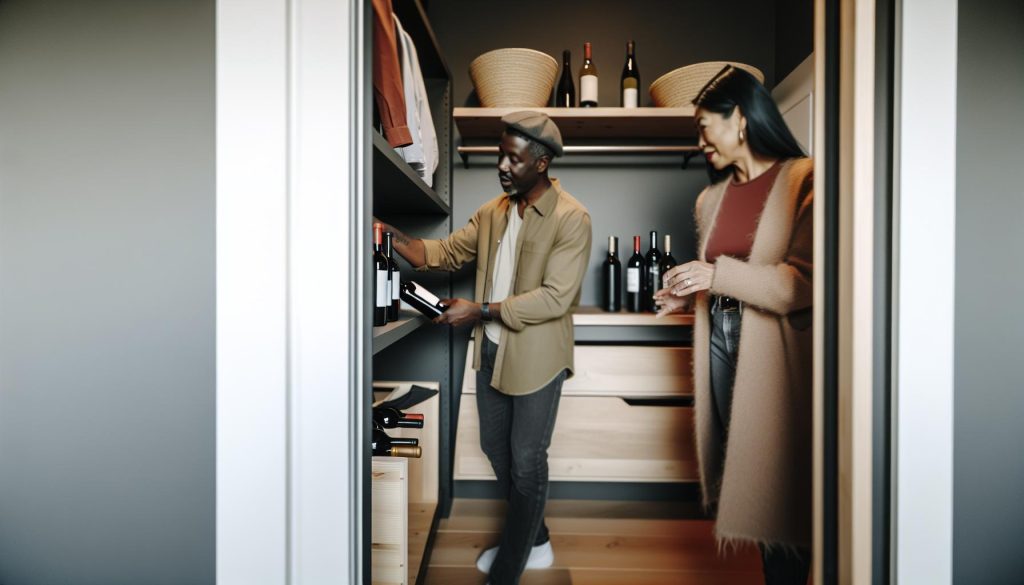
Did you know that creating your own closet wine can be a rewarding journey that transforms your home into a haven for personalized flavor? Whether you’re a novice or a seasoned enthusiast, the allure of crafting a unique bottle for special occasions is irresistible. In this guide, we’ll explore essential tips to store and age your wines right at home, making it easy to savor your favorite varietals at just the right moment.
Many of us dream of enjoying a perfectly aged wine, but fear not-you don’t need a dedicated wine cellar to achieve this! With just a little creativity and some key techniques, your closet can turn into a clever storage solution. Imagine opening up a bottle that you’ve lovingly crafted, knowing it’s been preparing for that special toast. Ready to unlock the secrets of closet wine? Let’s dive in and discover how to make your wine journey both enjoyable and accessible, no matter your experience level!
How to Choose the Perfect Spot for Your Wine Closet
Choosing the right location for your wine closet can significantly impact the quality and longevity of your wine collection. Ideally, you want a spot that maintains a cool, consistent temperature, away from light and vibration. Basements often serve as excellent wine storage areas, given their natural coolness and humidity levels. However, if a basement isn’t an option, consider a closet in a climate-controlled environment, ensuring it’s away from direct sunlight and frequently used appliances that can generate heat.
To further enhance your wine storage, focus on accessibility and organization. Determine how frequently you’ll access your collection; this will inform whether to prioritize ease of access for everyday bottles or allocate space for less frequently enjoyed selections. A well-organized wine closet not only helps in maintaining optimal storage conditions but also makes it easier to find and enjoy your wines when the occasion calls for it. Think about incorporating shelves or racks that allow air circulation while minimizing movement, as vibration can disturb the sediment in your bottles.
When setting up your wine closet, pay attention to the materials used. Opt for shelving crafted from wood rather than metal, as wood can help moderate temperature fluctuations. Additionally, using a dark or solid-colored paint for the walls can aid in preventing light exposure and maintaining a stable environment. Ultimately, the goal is to create a serene and dedicated space where your wine can age gracefully, ready to impress your guests or accompany your next meal.
Essential Materials for DIY Wine Storage
Creating your own wine storage solution can be both rewarding and practical, especially when you have a growing collection. To build an effective DIY wine storage space, you’ll need to focus on several essential materials that will not only support your bottles but also protect them from external factors that could compromise their quality.
Start with the foundation of your storage: shelves. Wooden shelving is ideal because it provides insulation against temperature fluctuations and is less likely to transmit vibrations, which can disturb the sediment in your wine. Opt for sturdy hardwoods like oak or pine, which can hold the weight of your bottles without sagging over time. If you’re looking for a more rustic look, reclaimed wood can add character and a unique touch to your wine closet.
When it comes to organizing your collection, consider investing in wine racks. These come in various styles-some can be wall-mounted, while others are free-standing. Look for racks made of wood or metal that are specifically designed to hold bottles at an angle. This orientation keeps the cork moist, preventing it from drying out and allowing air to seep in. If you have limited space, modular wine racks are great as they can be easily expanded or rearranged as your collection grows.
Temperature and humidity control are critical for wine storage. If your wine closet doesn’t maintain a consistent temperature between 50-60°F and a humidity level around 60-70%, you might want to invest in a small wine cooler or dehumidifier. These devices can help create the ideal environment for aging your wine. To keep track of conditions, consider adding a hygrometer to monitor humidity and a thermometer to keep an eye on temperature.
Lastly, consider the paint and interior finish of your wine closet. A dark, matte paint can reflect less light than glossy finishes, reducing the risk of exposure that can harm your wines. A good option is to use a specialty paint designed for cooler spaces, which will help maintain the right conditions. In addition, avoid bright, artificial lighting within the closet. Instead, think about using soft LED bulbs that generate minimal heat and won’t damage your precious bottles.
By choosing the right materials and making thoughtful design choices, you can create a functional and beautiful wine storage space that enhances both the aging process of your collection and the enjoyment of your favorite vintages.
Understanding Wine Aging: The Science Behind It
Understanding the aging process of wine reveals why a well-organized wine closet isn’t just for show-it’s essential for achieving the best flavors and aromas from your collection. As wine ages, complex chemical reactions occur that affect its taste, aroma, and overall quality. The primary factors that dictate successful aging include the type of wine, its storage conditions, and time. Did you know that certain wines can improve for decades, while others are best enjoyed young?
During aging, the interaction between wine compounds-such as tannins, acids, and sugars-creates new flavors and textures. Tannins soften over time, which usually results in a smoother mouthfeel. This is why red wines, often high in tannins, develop a richer, rounder texture as they mature. Similarly, white wines evolve to reveal deeper, more intricate flavors with age, moving from fresh and fruity to something more complex and layered.
To maximize the aging potential of your wine, consider these key factors:
Key Factors in Wine Aging
- Temperature: Keep your wine at a consistent temperature-ideally between 50-60°F. Fluctuations can cause the wine to expand and contract, potentially compromising the seal of the cork.
- Humidity: Aim for a humidity level around 60-70%. This prevents corks from drying out, which could allow air into the bottle and spoil the wine.
- Light: Store wine in a dark place. UV rays can degrade the wine and alter its flavors. Using dark, matte paint for your closet can help protect your bottles.
- Vibration: Minimize vibrations, which can disturb sediment and interfere with the aging process. Ensure your storage solutions, like racks and shelves, are stable.
By understanding these elements, you can create the perfect environment that not only preserves your wine’s integrity but also enhances its potential for delightful aging. Engaging with your wine collection becomes a rewarding journey as you anticipate the evolving flavors and the stories they tell – a process made all the more special with the right storage approach in your wine closet.
Temperature and Humidity: Key Factors for Wine Preservation
To keep your wine in peak condition, understanding the roles of temperature and humidity is essential. Think of your wine as a delicate ingredient, much like fresh produce or a piece of gourmet chocolate-where they are stored matters significantly to their quality and flavor.
For wine storage, the ideal temperature is a consistent range between 50-60°F (10-15°C). Any fluctuations in temperature can affect the wine’s integrity. When a bottle experiences sudden changes in temperature, the liquid expands and contracts, which can compromise the cork seal. A compromised cork could let oxygen in, resulting in oxidized, flat, or spoiled wine. Consider using a thermometer in your wine closet to regularly monitor this vital condition; it’s an easy step that can save you from serving less-than-stellar bottles.
Humidity is another critical factor; aim for a humidity level of 60-70%. This environment ensures that corks remain moist, preventing them from drying out and allowing air to seep into the bottle. A dry cork is a recipe for disaster, often leading to spoilage. If you’re concerned about low humidity, placing a small bowl of water or a humidity control pack in your wine closet can help maintain optimal moisture levels.
Remember, creating a perfect wine storage environment doesn’t require sophisticated equipment-simply pay attention to the essentials. By being mindful of the temperature and humidity, you’re not just protecting your investment; you’re unlocking the potential for your wines to age gracefully and develop exquisite flavors that you can truly enjoy.
Creative Solutions for Maximizing Space in Your Closet
To maximize space in your wine closet, think creatively about how to utilize every nook and cranny. Many people underestimate the potential of verticality in storage. Consider installing shelves that go all the way up to the ceiling. Not only does this create additional space, but it also gives your collection a stunning display. Use the lower shelves for frequently accessed bottles and reserve the top shelves for those special vintages that you’re saving for a special occasion. You’d be surprised how much you can fit when you look up!
Another clever solution is to incorporate modular wine racks. These can be customized to fit the specific dimensions of your closet. Select racks that can be added or rearranged easily to accommodate your growing collection. For small spaces, a wine tower or a corner wine rack can be perfect. You can also use underutilized areas, such as the back of the closet door, to hang a simple wine holder. These holders not only save space but also create a chic look that showcases your bottles beautifully.
Utilize Baskets and Bins
Consider using decorative baskets or bins to store wine accessories or smaller bottles. This keeps the area organized and makes it easy to access everything you need without cluttering surfaces. Labeling these containers can also save you time when searching for that perfect bottle or your trusty corkscrew.
Incorporating these creative solutions doesn’t require expensive renovations-many adjustments can be done with affordable DIY projects. Embrace your inner designer and make the most of your wine closet space while creating an inviting atmosphere that reflects your personality and passion for wine. Cheers to transforming your wine storage into a functional and charming part of your home!
Different Types of Wine Racks: Which Is Best for You?
Choosing the right type of wine rack can transform your wine closet from a cluttered space into an organized showcase of your collection. With a plethora of options available, it’s important to consider not just aesthetics but also functionality and space efficiency. Each type of wine rack serves a unique purpose, catering to different needs depending on your collection size, the type of wines you prefer, and the style you wish to achieve in your wine closet.
Wall-Mounted Racks
Wall-mounted wine racks are perfect for maximizing vertical space and creating an eye-catching display. They can be made of wood, metal, or acrylic, and come in various designs, from minimalist to ornate. This type of rack is ideal for smaller spaces where floor space is limited, allowing you to showcase your favorite bottles while keeping them easily accessible.
Modular Wine Racks
Modular racks offer versatility and adaptability, which is fantastic if you anticipate growing your collection. They can be easily assembled and disassembled, allowing you to customize the arrangement as your needs change. Choose modular options that allow for expansion; for example, a set of stackable racks can be a great solution for evolving collections.
Freestanding Wine Racks
For collectors who appreciate the aesthetic pleasure of displaying their bottles, freestanding wine racks can be an attractive addition. These can range from large, sturdy wooden units to more contemporary metal designs. Look for racks that fit comfortably in your preferred spot and can hold the number of bottles you anticipate gathering.
Corner Racks
If space is at a premium, don’t overlook corner wine racks, which can utilize underappreciated corners in your closet. These racks can be custom-fitted or designed to fit standard corner spaces, allowing you to optimize every inch of room.
Selecting the right wine rack not only enhances your storage capabilities but also contributes to the overall aesthetic of your wine closet. Consider how often you reach for your bottles and the style that best represents your taste. A well-chosen rack can turn your wine storage into a delightful corner of your home, inviting you to explore and enjoy your collection every time you reach for a bottle. Embrace the beauty and practicality of your wine storage solution as you create the perfect sanctuary for your treasured wines.
Maintaining Optimal Wine Conditions: Tips and Tricks
To truly savor the fruits of your winemaking efforts or to store your prized bottles, you must set the stage with optimal conditions. The right environment for your wine can significantly enhance its aging process and flavor development, transforming a good wine into a great one. Here are some essential tips to help you maintain perfect conditions for your wine collection, ensuring every bottle reaches its fullest potential.
First and foremost, focus on temperature. Wine is best stored at a consistent temperature, typically between 50-55°F (10-13°C) for red wines and slightly cooler for white. Fluctuations can cause expansion and contraction of the liquid and cork, potentially leading to spoilage. A dedicated wine refrigerator or a climate-controlled closet is ideal, but if that’s not an option, aim for a cool, dark place away from direct sunlight and heat sources.
Next, consider humidity. The relative humidity should ideally be between 50-70%. Too little humidity can dry out corks, allowing air to seep in and spoil the wine, while too much can promote mold growth. A simple solution is placing a small bowl of water in your storage area or investing in a hygrometer to monitor conditions. If your wine closet is particularly dry, a small humidifier can work wonders.
Light is another critical factor; it can degrade and prematurely age wine. Minimize light exposure by keeping your wine bottles in dark places or using opaque storage solutions. UV rays are particularly harmful, so if you use glass bottles for display, ensure they are tinted or UV-protected. Insulating your storage area properly also helps maintain darkness and temperature stability.
Lastly, be mindful of vibration. Excessive movement can disturb the sediments in wine and disrupt its aging process. Choose a stable, solid shelving system, and avoid placing your wine rack near appliances or on surfaces that vibrate. When storing bottles, lay them on their sides to keep the cork moist, which further prevents air from entering.
By combining these strategies, you’ll create an environment that not only preserves but enhances your wine’s characteristics, letting you enjoy the fruits of your labor even more. Cheers to crafting a perfect space for your beloved bottles!
Common Mistakes to Avoid When Storing Wine
When it comes to storing wine, even small mistakes can lead to disappointing results that tarnish the enjoyment of your carefully selected bottles. One of the most common errors is neglecting temperature control. Wine thrives in a stable environment-significant fluctuations can cause the wine to expand and contract, potentially ruining its flavor. Aim for a consistent temperature between 50-55°F (10-13°C) for red wines and slightly cooler for whites. If your closet gets warm during the day, consider investing in a wine fridge to safeguard your collection.
Another frequent oversight is ignoring humidity levels. Ideally, the humidity in your wine storage area should be between 50-70%. Too little moisture can dry out corks, leading to oxidation, while too much can encourage mold growth. A simple fix is to keep a shallow bowl of water in the storage area or use a hygrometer to keep tabs on humidity. This way, your corks remain intact, and your wine stays fresh.
Light exposure is often underestimated in its detrimental effects. UV rays can spoil wine, altering its chemical composition and aging process. Instead of showcasing your collection lit up with bright lights, consider using opaque storage solutions, or keep your bottles in complete darkness. If you must use glass for display, invest in UV-protected bottles or tinted glass to shield your wine from light damage.
Lastly, be wary of vibration. Regular movement can disturb sediments and negatively impact the aging process. Keep wine bottles on a stable surface and refrain from placing your wine rack near noisy appliances or high-traffic areas. Storing bottles on their sides not only helps keep the cork moist but also minimizes the chance of accidental jostling. By avoiding these common pitfalls, you’ll ensure your wine is stored safely and preserves its intended quality, allowing each sip to be a delightful experience.
How to Organize Your Wine Collection Like a Pro
Even the most enthusiastic wine lovers can feel overwhelmed by the process of organizing their collections. But with just a few simple strategies, you can transform your wine storage into a well-organized haven that makes it easy to find the perfect bottle for any occasion. Start by categorizing your wines in a way that makes sense to you. This could be by varietal, region, vintage, or even occasion-whatever helps you remember where things are.
When you’ve decided on a system, consider labeling your bottles if you’re storing them horizontally. Use simple tags that indicate the type of wine and perhaps the year, ensuring every bottle is easy to identify at a glance. This helps avoid the “where did I put that Pinot Noir” moment. For larger collections, an inventory app or a spreadsheet can help you track what you have, allowing you to keep notes on tasting dates or favorites.
Maximizing Your Space
To make the most of your storage area, think vertically! Wine racks that utilize vertical space can free up precious shelf space for other items. If you’re handy, building custom shelves can create the perfect fit for your closet and even add a touch of personality. Remember to maintain proper spacing between bottles to prevent breakage or unnecessary jostling.
Another clever way to save space is by adopting a rotation system. When you bring in a new bottle, place it at the back of the rack, encouraging you to drink older bottles first. This not only helps keep your collection fresh but also brings a little excitement to each wine night as you explore what treasures are at the back of your storage!
Quick Organizing Tips:
- Sort by Type: Group similar wines together-reds with reds, whites with whites.
- Label Clearly: Add tags or use a color-coding system for easy access.
- Utilize Vertical Space: Opt for tall racks or wall-mounted shelves to maximize storage.
- Rotate Your Stock: Always drink older wines first for optimal enjoyment.
By implementing these strategies, you’ll not only improve your wine organization but also enhance your overall wine enjoyment experience. Every time you open that closet, you’ll feel a sense of pride and satisfaction, ready to select the perfect bottle for any occasion!
The Role of Light in Wine Aging: Myths vs. Facts
Light plays a surprisingly critical role in the aging process of wine, but many misconceptions can cloud our understanding of its effects. Most people believe that all light exposure is harmful to wine, and while it’s true that excessive light can damage the delicate compounds within, not all light is created equal. In particular, ultraviolet (UV) light is the main villain; even brief exposure can lead to premature aging and spoilage. Therefore, it’s essential to keep your wine stored in a dark or dimly lit area to protect it from these damaging rays.
When creating your wine storage environment, consider the materials you use as well. Glass bottles, particularly those with clear or green hues, are much more susceptible to light’s negative effects compared to dark bottles. If you prefer to showcase your collection, think about utilizing darker or UV-resistant glass options, or even consider wrapping your bottles in cloth or storing them behind tinted glass. These simple adjustments can help safeguard your investment against light damage while still allowing for an elegant presentation.
Moreover, the type of light in your storage area matters too. Incandescent and fluorescent lights can generate heat, which introduces another risk factor by raising the temperature of your wine. Instead, opt for LED lighting, which emits little heat and can provide a softer, more consistent glow. If your closet space has windows, use blackout curtains or shades to block out sunlight during those long afternoons when it might be streaming in.
In summary, while light is an important consideration in your wine storage setup, the insights surrounding it are often oversimplified. By managing light exposure effectively-using the right bottle types, choosing appropriate storage environments, and selecting lighting wisely-you can create an optimal aging space for your precious wine collection. This attention to detail not only preserves the integrity of your wine but also enhances the overall experience, making every sip a delightful journey.
Enhancing Flavors: The Importance of Aeration
When it comes to savoring a glass of wine, aeration plays a vital role that many enthusiasts overlook. This simple act of allowing wine to breathe can significantly elevate your drinking experience, transforming a good wine into a truly memorable one. By exposing wine to air, you’re not just letting it sit in a glass; you’re initiating a process that enhances its flavors, aromas, and overall character.
Aeration works by softening the tannins and releasing volatile compounds that contribute to a wine’s bouquet. Young, robust reds, in particular, benefit from this exposure, which helps mellow out harsher flavors and brings forth the fruitiness and complexity hidden within. If you’ve ever found a wine too sharp or tight upon first tasting, giving it some time to breathe can make all the difference. Try pouring a glass and letting it sit for 30 minutes or so; you’ll be amazed at how the flavors evolve.
There are various methods to aerate wine, each with its unique charm. The most straightforward way is simply to pour it into a glass and let it sit, but using an aerator can speed up the process significantly. These devices introduce air into the wine as you pour, accelerating the oxidation that enhances flavor. Alternatively, decanting wine into a wider container not only allows for greater surface area exposure but also serves as a beautiful way to showcase your collection.
When you’re storing your wines in your closet, think about how you plan to enjoy them. If a bottle has been aging for a few years, it’s likely ready for some aeration when you finally decide to pop the cork. By understanding the importance of aeration and integrating it into your wine enjoyment routine, you’ll unlock layers of flavor that enhance your sipping experience, making each glass a delightful addition to your culinary adventures.
Easy DIY Projects for Custom Wine Storage Solutions
Creating your own wine storage solutions can be both a fun DIY project and a rewarding way to ensure your collection is well-organized and preserved. With just a few materials and some creativity, you can design a space that not only looks great but also keeps your wine in optimal conditions.
Start by assessing the space you have available. Whether it’s a small closet or a nook in your kitchen, consider how many bottles you’d like to store and their sizes. Use materials that are easy to work with and readily available. For instance, wood crates can be transformed into charming rustic racks. Stack them on their sides to form shelves, or even hang them on the wall for a unique display. This method not only saves floor space but also adds character to your storage space.
Another easy project is to repurpose an old bookshelf. Remove the back panel for better airflow, then use each shelf to store different types of wine. You can adjust the shelf heights to accommodate larger bottles, which allows for versatility in your collection. Even a simple coat of paint can personalize it to match your decor, making your wine storage a beautiful focal point.
Simple Wine Rack Options
- Wooden Crate Storage: Stack and secure them for a layered look.
- Repurposed Bookshelf: Adjust shelves and paint for a custom fit.
- Hanging Racks: Use wall-mounted racks to save space.
- Pipe Racks: For a modern industrial touch, consider using plumbing pipes cut to size.
Don’t forget to add some climate control elements. If your closet tends to get warm, consider adding a small fan for ventilation. A thermometer or hygrometer can help you monitor the temperature and humidity, ensuring that your wines age gracefully. Remember, the ideal temperature for storing red wine is around 55°F (13°C) and for white wine, about 45°F (7°C). Keeping humidity levels between 50-70% is also essential to prevent corks from drying out.
By turning to these easy DIY projects, you’ll not only create functional storage but also infuse your personal style into your wine collection display. There’s nothing quite like the satisfaction of knowing you crafted a customized wine haven right from your own home.
Faq
Q: What are the best materials for building a wine storage closet?
A: The best materials for a wine storage closet include insulated walls, wooden wine racks, and moisture-resistant shelving. Use cedar wood for its aroma and ability to deter pests. Plywood or MDF can be effective for shelves, ensuring strength and stability while maintaining proper airflow.
Q: How can I ensure my wine is aging properly in a closet?
A: Ensure proper aging by maintaining consistent temperature between 50-55°F and humidity levels around 60-70%. Use a thermometer and hygrometer to monitor conditions accurately. Avoid fluctuations and store bottles horizontally to keep corks moist and prevent air from entering.
Q: What types of wine racks are ideal for small closets?
A: For small closets, consider stackable wine racks or modular systems that maximize vertical space. Corner racks and wall-mounted shelves are also great options. Look for designs that allow easy access while ensuring bottles are secure and safe.
Q: Why is it important to control light exposure for wine storage?
A: Controlling light exposure is crucial because UV rays can degrade wine quality, causing it to age prematurely. Store wine in a dark place or use UV-filtering glass if your closet has windows. Low light levels also help maintain the integrity of the wine flavors.
Q: When should I check my wine for any signs of spoilage?
A: Regularly check your wine every 3-6 months for spoilage signs like unusual odors, leakage, or cork degradation. If you notice any off-smells or the wine appears cloudy, it might be beyond its ideal drinking window. Proper storage helps reduce these risks over time.
Q: What are common mistakes to avoid when storing wine in a closet?
A: Common mistakes include storing wine in bright light, at inconsistent temperatures, or with poor airflow. Avoid placing bottles upright for prolonged periods and don’t store wine in a kitchen where heat fluctuates. Follow the ideal conditions detailed in the article for best results.
Q: How can I best organize my wine collection?
A: Organize your wine collection by varietal, region, or vintage for easy access. Use a labeling system for quick identification and consider rotating older bottles to the front. This method maximizes both organization and accessibility for when you want to serve or enjoy a bottle.
Q: What should I know about aeration before serving my wine?
A: Aeration is essential as it enhances a wine’s flavor and aroma by allowing it to interact with oxygen. Pour the wine into a decanter or let it breathe in the glass for 30 minutes to an hour before serving. This step helps mitigate any harsh flavors, especially in younger wines.
To Conclude
Now that you have the insider tips for successful closet winemaking and effective storage strategies, it’s time to put your knowledge into practice! Remember, the secret to great wine lies in patience and care, so don’t rush the aging process. Consider exploring more about ideal storage conditions and wine accessories that enhance your collection-check out our guide on creating a climate-controlled environment for your wine or browse our favorite wine storage solutions for every space.
Don’t forget to share your winemaking journey with us in the comments and let us know how your first batch turns out! If you enjoyed this guide, sign up for our newsletter for more expert tips and resources, or check out our product recommendations for winemaking essentials. Embrace your inner vintner, and nurture your passion-your next favorite bottle is just a step away!