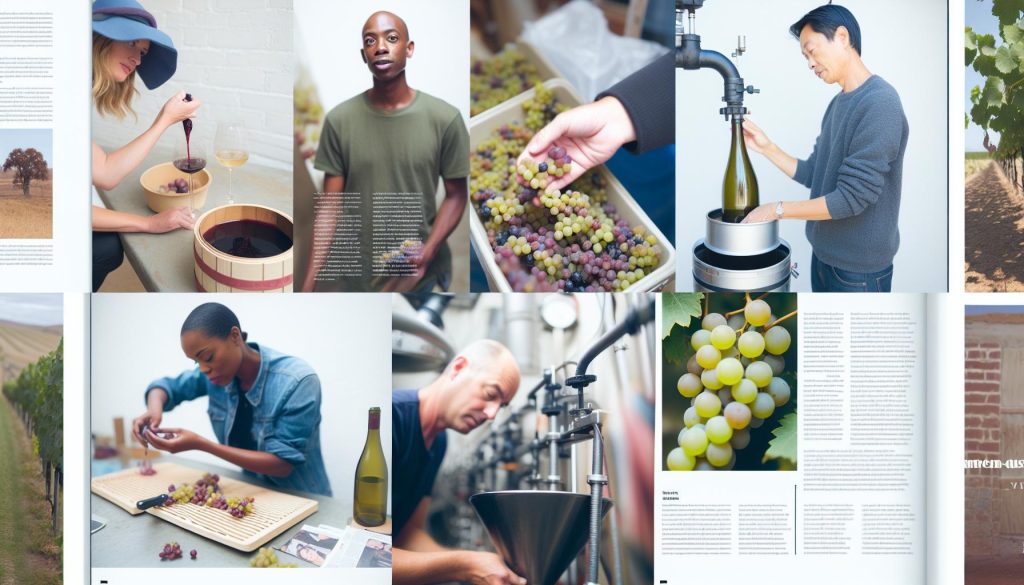
Making your own wine at home is not only a delightful hobby but also a rewarding experience that connects you to a rich tradition. Did you know that homemade wine can be tailored to your taste preferences, allowing you to create unique flavors that store-bought wines can’t offer? Imagine savoring a glass of Cabernet Sauvignon crafted from grapes you selected yourself or a refreshing fruit blend made from seasonal produce.
In this engaging guide, we will walk you through the art of winemaking, from choosing your ingredients to the fermentation process. It might sound intimidating, but don’t worry-it’s simpler than you think, and you don’t need professional equipment to get started! Whether you’re a complete beginner or looking to refine your skills, our step-by-step tips will help you navigate each stage, demystifying the process. So grab your apron and get ready to explore the creative world of homemade wine-you’ll be impressing friends and family with your artisanal creations in no time!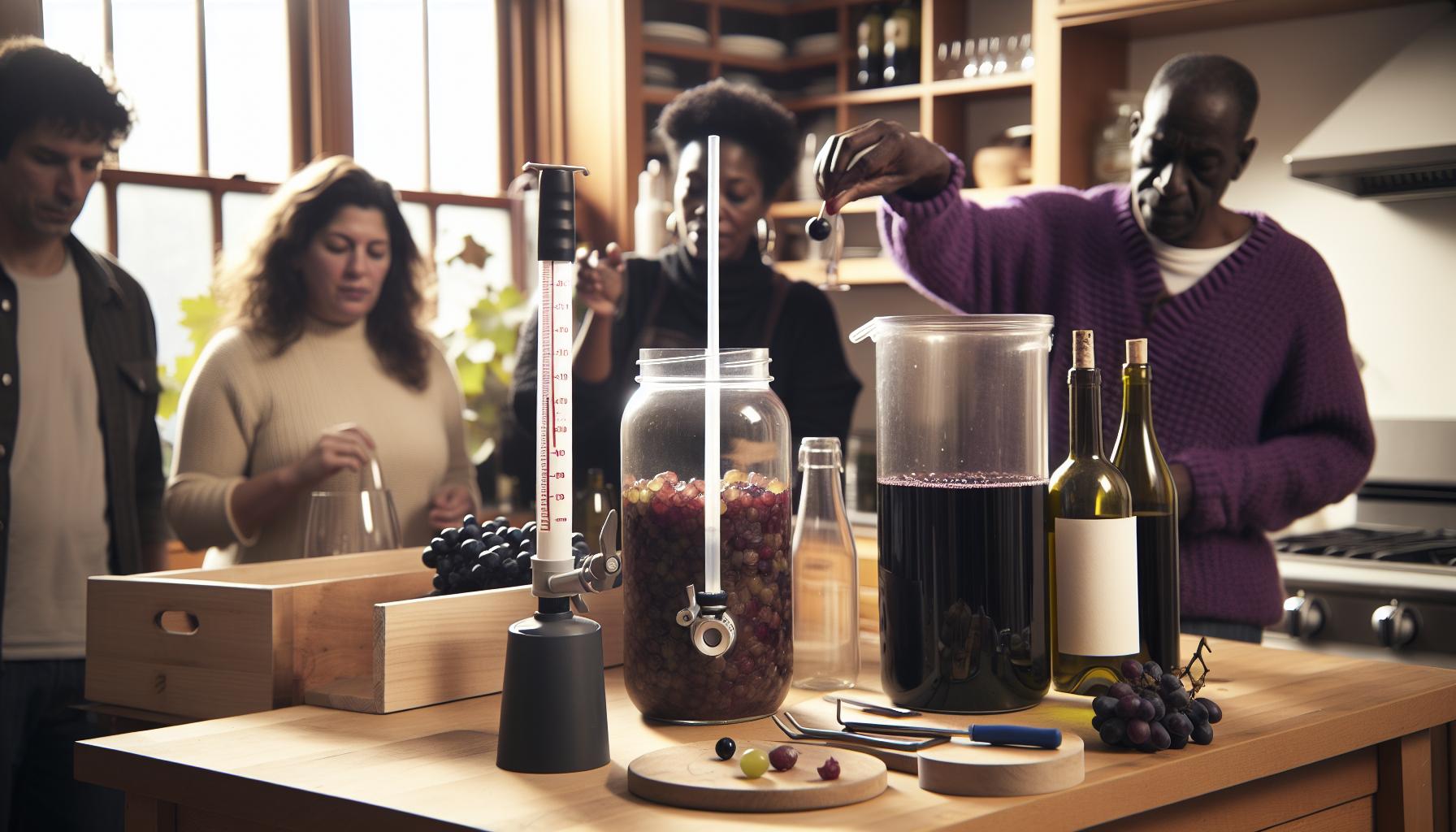
Choosing the Right Ingredients for Homemade Wine
Choosing ingredients for homemade wine is an exciting first step that sets the stage for your unique creation. Whether you’re drawn to the lush sweetness of fresh grapes or the bright notes of seasonal fruits, the choices you make will significantly influence the flavor and character of your wine. It’s not just about picking the right fruit; the quality of your ingredients can make or break your final product.
Start by considering the freshness of your ingredients. Ideally, you want ripe, juicy fruits with vibrant color and no signs of spoilage. For wine made from grapes, look for varieties like Cabernet Sauvignon for bold reds or Chardonnay for crisp whites. If you’re using fruits like apples or berries, go for those that are in season, as they’ll provide the best flavor. Don’t shy away from experimenting with blends, as combining different fruits can yield delightful and unexpected outcomes.
In addition to fruits, don’t forget about the other essential ingredients like sugar, water, and yeast. Sugar is crucial for fermentation and can be adjusted based on the sweetness of your fruit. Typically, a higher sugar content will lead to a sweeter wine, while less sugar allows for dryness. The yeast you choose, whether it’s a specific wine yeast or a wild strain from your fruits, will also affect the aroma and flavors, contributing notes of complexity.
Lastly, consider adding acidity to balance the sweetness and enhance the overall taste. Citric or tartaric acid can help with this, especially if you’re using fruits with lower natural acidity. Remember that the beauty of homemade wine lies in its customizable nature-feel free to adjust ratios, experiment with new ingredients, and most importantly, enjoy the process of crafting something that’s uniquely yours!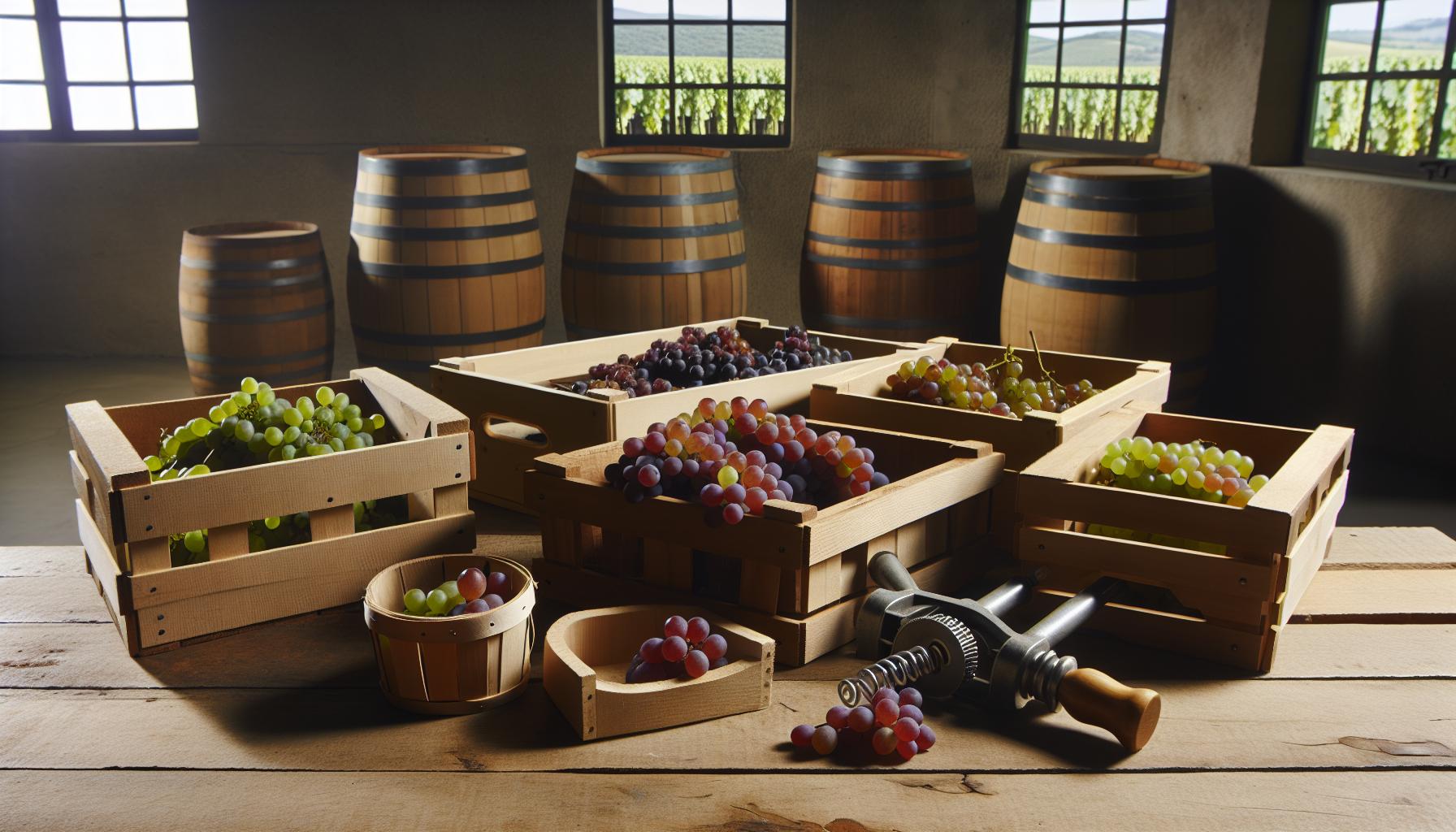
Essential Winemaking Equipment: What You Need
To embark on the delightful journey of winemaking at home, having the right equipment is essential. Don’t worry; you won’t need a lab full of sophisticated gadgets! Most of the tools are simple and can often be found in your kitchen or easily purchased at a local store. With just a few basics, you’ll be well on your way to creating your own delicious wines.
To get started, here’s a list of the essential items you’ll need:
- Buckets or Fermentation Vessels: A food-grade plastic bucket or glass carboy is ideal for the primary fermentation process. Ensure it has a capacity of at least 5 gallons to accommodate your ingredients.
- Airlock: This little piece allows gases to escape while preventing outside air from contaminating your wine. Most fermentation vessels come with a compatible airlock.
- Hydrometer: This tool measures the specific gravity of your must (crushed fruit and juice), which helps you determine the potential alcohol content of your wine.
- Siphon or Turkey Baster: Used for transferring your wine from one container to another, ensuring you leave sediment behind and keep your finished product clear.
- Bottles and Corks: Collect old wine bottles, or buy new ones. Don’t forget the corks! A hand corker will help seal your bottles perfectly.
- Sanitizing Solution: Keeping everything clean is crucial in winemaking. Use a no-rinse sanitizer to clean all your equipment before starting.
- Measuring Cups and Spoons: Get ready to measure your ingredients accurately-especially sugar and acid!
Winemaking might sound daunting, but with these tools, even a beginner can succeed. When I first started, I borrowed a few items from my kitchen, and it made the process feel more approachable. You don’t need top-of-the-line equipment; clean and simple tools will yield delicious results. Plus, DIY winemaking is all about personal experimentation and enjoying the process. Once you’ve gathered these essentials, you’ll find that each step of the winemaking journey will become increasingly rewarding. Cheers to your upcoming winemaking adventure!
Step-by-Step Guide to Fermentation
When it comes to crafting your own homemade wine, the fermentation process is a thrilling adventure that transforms your fruit juice into a delightful beverage. It may sound complex, but with a little patience and attention to detail, you can master this step! Fermentation is essentially the process where yeast converts sugars into alcohol and carbon dioxide, creating the liquid gold we all love. Let’s walk through this exciting phase together, one clear step at a time.
To start fermentation, make sure your must (the mixture of fruit juice and any added ingredients) is prepared and at the right temperature-ideally between 70-75°F (21-24°C). This temperature range is perfect for your yeast to thrive. Once everything is ready, you’ll want to pitch your yeast. Use about one packet of active dry yeast for five gallons of wine. Just sprinkle it over the must, and give it a gentle stir to mix it in. This introduces the yeast to its sugar buffet!
Next, it’s time to seal everything up for the magic to begin! Transfer your must into your fermentation vessel, and attach the airlock. This simple device is crucial; it allows gases produced during fermentation to escape while keeping air and contaminants out. Over the next few days, keep an eye on the airlock; if you see bubbles, that’s a good sign-it means your yeast is busy working away!
As fermentation progresses, you may notice a frothy layer forming on top. This is known as “krausen” and is completely normal. Let the fermentation happen for about one to two weeks, depending on the temperature and the fruit you’re using. You’ll know it’s time to move on when bubbling slows down, and the krausen settles down. At this point, it’s essential to take a gravity reading with your hydrometer. This will help you monitor the fermentation process and ensure that the sugar levels are where you want them.
Don’t forget to taste your evolving creation every few days. This is not just fun; it’s a great way to learn how flavors develop! Once fermentation is complete, you can siphon your wine into another clean vessel, leaving the sediment behind. Congratulations! You’ve just completed an essential part of the winemaking process. Remember, patience is key here-great wines aren’t rushed! Now, you’re well on your way to aging and bottling your unique homemade creation. Enjoy this genuine journey of flavor and fun!
Exploring Different Types of Grapes and Fruits
When you think about homemade wine, grapes might spring to mind first, but the world of fruit wine is wonderfully diverse! From juicy peaches to tart cherries, nearly any fruit with natural sugars can be transformed into a delightful beverage. not only expands your winemaking repertoire but also allows you to tailor flavors to suit your palate and occasion.
Popular Grapes for Winemaking
Grapes are a classic choice for wine lovers, and different varieties bring different characteristics to your homemade creations. Here are a few you might consider:
- Cabernet Sauvignon: This bold red grape produces rich, full-bodied wines with notes of dark fruit and spice. Perfect for age-worthy options.
- Chardonnay: A versatile white grape, Chardonnay can be buttery and oaky when fermented in barrels or crisp and clean when done in stainless steel.
- Riesling: Known for its floral aroma and sweetness, Riesling can be enjoyed dry or sweet, making it a favorite among more adventurous winemakers.
- Merlot: Softer and fruitier than Cabernet, Merlot is a great choice for beginning winemakers looking for a smoother red.
Choosing grapes that fit your local climate is essential. If you’re growing them yourself, research which varieties thrive in your area!
Fruit Wines That Shine
If you’re keen to experiment outside of traditional grapes, a plethora of fruits can yield fantastic wines. Here are some you might want to try:
- Apples: Ideal for a light, refreshing cider. Using contemporary varieties like Granny Smith adds tartness, while sweeter ones like Honeycrisp enhance complexity.
- Pineapple: Bursting with tropical flavor, pineapple wine is sweet with a tart finish, perfect for summer sipping.
- Peaches: Known for their floral aroma and sweetness, peach wine has a delightful summer vibe that’s hard to resist.
- Blackberries: These berries can produce rich, dark wines. Mix them with a splash of Cabernet for a unique blend!
Incorporating seasonal fruits into your winemaking can add a personal touch to your bottles. Think about what you love to eat and drink and let that guide your fruit selections.
Key Considerations
While experimenting with different fruits and grapes, keep a few tips in mind:
- Ripeness Matters: Always use ripe fruits for better fermentation and flavor profiles.
- Sugar Levels: Measure the sugar in your chosen fruits; the sugar content will largely affect the final alcohol levels.
- Mixing Things Up: Don’t be afraid to blend fruits-create your signature wine by mixing flavors that complement each other.
Embrace the art of experimenting! Whether you choose to stick with grapes or venture into the world of exotic fruit wines, each batch will teach you something new about flavor, fermentation, and your own preferences. Enjoy the journey of homemade winemaking, and celebrate every delightful sip!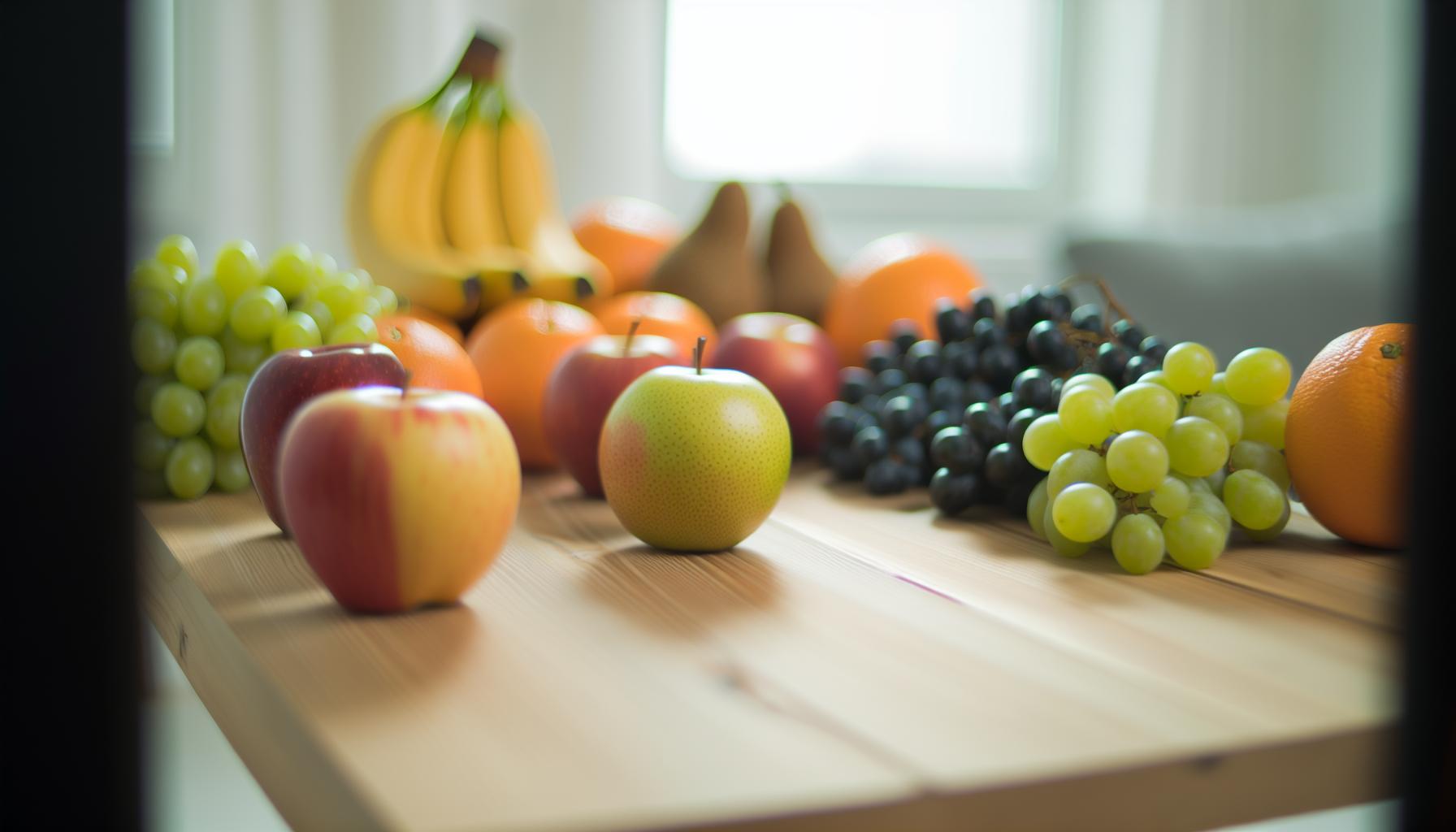
Common Mistakes in Homemade Wine Making
Making homemade wine can be a delightful adventure, but it’s not without its pitfalls. Understanding common missteps is key to ensuring your winemaking experience is enjoyable and successful. One major oversight is not sanitizing equipment thoroughly. Wine is susceptible to contamination, and bacteria can spoil your hard work. Make sanitization a top priority by using food-safe cleaning solutions on all utensils, bottles, and fermentation vessels before you start. This simple step protects your wine and improves the quality of your final product.
Another frequent mistake is using under- or overripe fruit. The ripeness of your fruit greatly affects the flavor and sugar content of your wine. Unripe fruit can result in harsh flavors and lower sugar levels, while overripe fruit might lead to unwanted fermentation byproducts. Always choose fresh, properly ripened fruit-this helps achieve a balanced and delicious wine. Watch for signs of quality, like rich colors and pleasant aromas, which indicate that the fruit is ready for winemaking.
Timing is also crucial, particularly during fermentation. Taking too long to transfer your wine to a secondary fermenter can lead to excessive exposure to oxygen, which may cause off-flavors. Aim to clarify your wine according to the recommended schedules in your recipe. Additionally, ignoring temperature control during fermentation can hinder the process. Yeast is sensitive to temperature; maintain a stable and appropriate range to ensure a healthy fermentation.
Finally, many novice winemakers neglect to taste and evaluate during the process. Regular sampling allows you to monitor the development of flavors and aromas. It can help you make adjustments, such as adding sugar or acid, to refine the taste as you go. Remember, winemaking is about personal expression, so don’t hesitate to experiment and trust your instincts along the way! Celebrate these learning moments, as each batch you create offers an opportunity to improve and innovate.
Tips for Aging and Bottling Your Wine
Aging and bottling your homemade wine can significantly alter its flavor and character, and the process is as rewarding as it is critical. Once fermentation is complete and your wine has clarified, it’s time to set it aside to mature. This might seem daunting, but with a few straightforward tips, you can ensure your wine develops the best possible flavors.
One key tip for aging your wine is to choose the right environment. Store your bottles in a cool, dark place with a consistent temperature-ideally between 55°F and 65°F. A temperature fluctuating too much can spoil the wine or halt the aging process. Humidity is important too; aim for about 70%, as this will help keep corks moist, preventing them from drying out and letting air seep in.
When it comes to bottling, cleanliness and sanitation can’t be overstated. Use clean, sterilized bottles and corks to minimize the risk of contamination. A simple method is to soak them in a solution of hot water and an approved sanitizer, then let them air dry. As you fill the bottles, leave about an inch of space at the top to allow for expansion. This is particularly important if you plan to age your wine, as pressure from gases could cause corks to pop out or even break.
Finally, consider experimenting with different aging techniques. You might want to try aging in bottles versus barrels, or using oak chips for additional flavor. Each technique will impart a unique character to your wine. Also, remember to periodically taste-test your wine as it ages. This allows you to monitor its development and decide when it has reached your desired flavor profile. Celebrate this part of the winemaking journey-it’s all about crafting a wine that reflects your taste and style!
Flavoring Your Wine: Herbs, Spices, and More
Embracing the art of homemade winemaking opens a delightful world of flavors, and one of the most exciting ways to personalize your creation is by infusing it with herbs, spices, and other botanicals. Adding these elements not only enhances the bouquet and complexity of your wine but also allows your tastings to tell a story-your story.
To start, consider the ingredients you might want to incorporate. Think about herbs like basil, mint, or rosemary, which can add refreshing notes. Spices such as cinnamon, clove, or anise can create warm, inviting undertones. Fruits naturally lend their flavors well, especially when combined with a base of common grape varieties or your chosen fruit for winemaking. For instance, peach can bring a lovely floral essence, while cherries might lend a deeper, richer quality.
Infusing Your Wine
Infusing your wine with these ingredients can be done during different stages of the winemaking process, particularly during fermentation or after bottling. Here’s a simple way to do it:
- Herbal infusion: Add a small handful of fresh herbs to your fermentation vessel a few days before the fermentation finishes. Tasting along the way will ensure the flavor doesn’t overpower your base wine.
- Spice addition: Use whole spices rather than ground ones to avoid sediment. Consider creating a spice bag with cheesecloth for easy removal after a few days of steeping.
- Fruit flavoring: Chopped fruit can be added to both primary fermentation or during the aging process. Just be sure to monitor the sugar levels, as fruits can contribute additional sugars.
Experimentation is key! Whether you take a light-handed approach or go bold with stronger flavors, keep notes on each batch. This not only helps you replicate successful experiments but also allows you to learn from those that don’t quite hit the mark. If a particular herb or spice is too strong, the beauty of winemaking means you can adjust your method or ratios in future iterations.
As you embark on this flavorful journey, remember that the essence of winemaking is to reflect your tastes and creativity. With each batch, you’re not just crafting alcohol; you’re creating a personal expression to share with friends and family. So gather your chosen herbs, spices, and fruits, and let the flavors mingle and develop into something uniquely yours!
Troubleshooting: Fixing Common Wine Issues
Sometimes the joy of creating homemade wine can come with its challenges, but don’t let that discourage you! Many common problems can be fixed with just a little know-how and a pinch of patience. Let’s explore some typical issues and how you can troubleshoot them to ensure your wine-making journey is as smooth as possible.
One of the most frequent issues home winemakers face is stuck fermentation, which can happen when the yeast stops converting sugar to alcohol. If you find that your fermentation appears to have halted, first check the temperature; yeasts typically thrive between 70°F and 85°F (20°C to 29°C). If it’s too cold, gently warm your fermentation vessel. Additionally, a high sugar concentration can also inhibit fermentation. You might gently stir your must to mix in yeast nutrients and oxygen, which can help kickstart the fermentation process.
Another common concern is cloudiness in your wine. If your final product looks hazy, it may be due to suspended yeast or other particles. A good practice is to rack the wine-transferring it from one container to another, leaving sediment behind. After racking, allow the wine to settle in a cool, dark place for a week or two. If it remains cloudy, you might consider using fining agents like bentonite clay or egg whites to help clarify it. Just be sure to follow the instructions precisely!
Taste can also be a point of worry. If your wine is unbalanced or too acidic, there are simple adjustments. If it tastes too sour, adding a pinch of baking soda can help neutralize some acidity. Conversely, if it’s lacking sweetness, you can back-sweeten with sugar or use a sweetener like honey. Start with small amounts and taste frequently until you reach your desired flavor.
Lastly, if you notice an off-flavor reminiscent of vinegar (often a result of acetic acid bacteria), it’s crucial to act quickly. This can happen if your wine is exposed to too much air. To mitigate this, you can try adding potassium sorbate or sulfur dioxide to inhibit the bacterial growth. Just make sure your wine is properly sealed and stored to prevent further oxidation.
Homemade winemaking is all about exploration and learning, so embrace these little bumps along the way! Each challenge might teach you a new lesson about your taste preferences and enhance your winemaking skill set, leading to even better results in future batches. Keep notes on any adjustments you make; this documentation will become valuable as you refine your craft. Remember, every great winemaker has faced hurdles, and turning them into triumphs is part of the fun!
Creative Variations: Experimenting with Flavors
Experimenting with flavors in homemade wine is where the fun truly begins. Just like chefs love to infuse dishes with a mix of spices, herbs, and fruits, winemakers can elevate their creations through creative variations. The beauty of crafting your wine is the freedom to play with different flavor profiles, turning simple fermentation into a personal expression of taste.
Think about adding fresh fruits such as raspberries, peaches, or even exotic fruits like passion fruit to your base wine. Start with a basic white or red wine and blend in puréed fruit during fermentation. This can result in a vibrant, aromatic wine that captures the essence of summer. A good rule of thumb is to use about 1 to 2 cups of fruit for each gallon of wine to strike a balance between flavor and sweetness. Remember, the fresher the fruit, the better the taste!
Herbs and spices can also work wonders. Consider infusing your wine with basil, mint, or even a touch of cinnamon or cloves. To do this, you can create a simple tea by steeping the herbs or spices in hot water, letting it cool, and then mixing it into your must. Start with small quantities-one or two sprigs of fresh herbs or a pinch of spice-then taste as you go. This method allows you to adjust the flavor to your liking without overwhelming your wine.
Another exciting approach is experimenting with different types of fermentation vessels. Oak barrels provide unique tannins and flavors, while stainless steel can help preserve fruitiness and freshness. Don’t shy away from using glass jars for smaller batches, which can be a fantastic way to test your flavor combinations before committing to a larger batch.
As you explore these creative variations, keep a journal of your experiments. Note the ingredients and processes used, along with the results. This makes it easier to replicate successes or tweak less-than-stellar attempts in the future. Don’t forget, the journey of homemade wine is all about creativity and personalization, so embrace the process, and let your taste adventures unfold!
Understanding Wine Tasting and Pairing
Every bottle of homemade wine tells a story, and understanding how to taste and pair your creation can elevate that experience even further. Wine tasting isn’t just about sipping; it’s an engaging journey through flavors, aromas, and sensations. To begin, hold your glass by the stem and observe the color. Swirling the wine gently releases its aromas. Take a moment to inhale deeply-what does it remind you of? Notes can range from fruity and floral to earthy or spicy.
Pairing your wine with food is where the magic truly happens. Think about the flavor profiles of both the wine and the dish. A good rule of thumb is to match the weight of the food with the body of the wine. For instance, a robust Cabernet Sauvignon pairs beautifully with hearty red meats, while a light, crisp Sauvignon Blanc complements seafood and fresh salads. Feeling adventurous? Experiment with contrasting flavors. For example, a sweet dessert wine can create a delightful balance with salty cheeses.
Practical Tips for Wine Tasting
- Taste with Intention: Start with small sips, letting the wine coat your palate. Notice the initial flavors, the mid-palate development, and the finish. Are there any lingering tastes?
- Descriptive Language: Use vivid descriptors. Instead of just saying “fruity,” mention specific fruits like “ripe peaches” or “zesty citrus.”
- Share the Experience: Invite friends to taste together. Discussing your impressions can reveal new perspectives on your wine.
Food Pairing Ideas
- Red Wines: Try pairing with grilled steak, rich pasta dishes, or dark chocolate desserts.
- White Wines: Consider roasted chicken, creamy pastas, or a fresh fruit platter.
- Rosé Wines: They often shine with picnic food! Pair with charcuterie, light salads, or tacos.
- Sparkling Wines: Perfect for salty snacks, fried foods, or even popcorn!
As you taste and pair your homemade wine, remember this is all part of the joy of winemaking. Be open to experimentation, and you’ll soon discover personal favorite pairings that reflect your unique culinary style!
Storage Tips for Your Homemade Wine
Storing your homemade wine properly is crucial for preserving its flavors and ensuring it ages gracefully. Wine is sensitive to temperature, light, and humidity, so setting up the right environment can make all the difference. Ideally, you want a cool, dark place with minimal temperature fluctuations-around 55°F (13°C) is considered perfect. If you don’t have a wine cellar, a cool closet or pantry can be a great alternative. Just keep your bottles away from direct sunlight or bright artificial light, as UV rays can degrade the wine over time.
When it comes to positioning your bottles, always store them on their sides if they have corks. This keeps the cork moist and swollen, preventing air from sneaking into the bottle and spoiling the wine. For screw-top bottles, you can store them upright since there’s no cork to worry about. Using a wine rack or a sturdy shelf works well; just make sure they are stable and won’t tip over.
Humidity and Airflow
Maintaining the right humidity level is also vital-around 60-70% is ideal. Too little humidity can dry out the cork, leading to oxidation, while too much can encourage mold. If you’re in a dry area, consider using a humidity tray or placing a shallow dish of water in the storage area. Lastly, ensure there’s some airflow to prevent mustiness and keep the environment fresh, but avoid places with high levels of air pollution.
Monitoring and Rotation
It’s a good idea to check on your stored wine occasionally. Look for any signs of leakage or mold and ensure the corks are still intact. Some wine enthusiasts recommend rotating your bottles every few months to ensure sediment settles properly. This is particularly helpful if you’re storing bottles long-term.
Remember, the joy of winemaking continues even after you’ve bottled your creation. With the right storage techniques, you can look forward to savoring the rich, complex flavors of your homemade wine for years to come!
Celebrating Your Creation: Sharing and Enjoying Wine
Whether it’s a holiday gathering, a backyard barbecue, or a cozy dinner party, sharing your homemade wine can elevate any occasion and foster connections. Imagine the smiles as you pour a glass of your own creation, explaining the process and ingredients that went into crafting it. Each bottle has a story to tell, one that reflects your creativity and hard work.
To truly celebrate your wine, consider hosting a tasting event with friends or family. Set up a few stations with different wines you’ve made, complete with tasting notes to guide your guests in appreciating the nuances of each one. Provide some cheese, bread, and fruit pairings that complement the flavors of your wines, enhancing the experience. Here’s a simple idea: label your bottles with the grape variety or fruit used, the year of production, and a fun fact or two about the winemaking process. This not only invites discussion but also makes your homemade wine feel special and worthy of applause.
Perfect Pairings and Presentation
Selecting the right food to accompany your wine can enhance its flavor and create a memorable experience. Here are a few pairing suggestions:
- Red Wines: Think hearty dishes such as grilled meats or rich pasta sauces.
- White Wines: Pair with lighter fare like seafood, salads, or poultry.
- Fruity Wines: Serve with cheese platters or desserts that balance sweetness with acidity.
When serving, use proper glassware to accentuate the wine’s aromas and flavors. For reds, larger bowls allow for better aeration, while whites typically shine in more slender glasses. Keep the conversation flowing by inviting guests to share their thoughts on each wine’s character, from aroma to finish.
As you toast to your winemaking achievement, remember to savor not just the flavors, but the moment. Homemade wine is more than just a drink; it’s a labor of love and a catalyst for connection. So go ahead, raise a glass, and share the joy of your creation with those around you. Cheers!
Frequently asked questions
Q: What is the best fruit for making homemade wine?
A: The best fruit for homemade wine varies by preference, but grapes are the classic choice due to their natural sugars and acidity. Other popular options include berries like strawberries and blackberries, which can add unique flavors. Experimenting with peaches or apples can also produce delightful variations!
Q: How long does it take to make homemade wine?
A: Making homemade wine typically takes about 4 to 6 weeks from fermentation to bottling. However, the aging process can extend this period to several months or even years, depending on the type of wine and desired flavor profile. Patience is key for the best results!
Q: How do I know when my homemade wine is ready to drink?
A: Your homemade wine is ready to drink when it has cleared and tastes good to you. Generally, allow it to ferment for at least 4 weeks, then taste. If it has a balanced flavor, it’s ready. Aging further can enhance its complexity, so don’t hesitate to wait longer!
Q: Can I make wine without grapes?
A: Yes, you can make wine without grapes! Many fruits, such as apples, pears, and berries, can be fermented into wine. Each fruit will impart its unique flavor and aroma, allowing for creative variations in your winemaking journey.
Q: What equipment do I need for winemaking at home?
A: Essential winemaking equipment includes a fermentation vessel, airlock, siphon, and bottles. You’ll also need basic kitchen tools like a funnel, strainer, and hydrometer for measuring sugar content. Investing in good equipment ensures better results!
Q: How much sugar should I add to homemade wine?
A: The amount of sugar you should add depends on the type of fruit used and desired sweetness. Generally, aim for 1-2 cups of sugar per gallon of liquid for a balanced flavor. Testing with a hydrometer can help determine the right level based on your taste preferences.
Q: What’s the ideal temperature for fermenting wine at home?
A: The ideal fermentation temperature for homemade wine is typically between 65°F and 75°F (18°C – 24°C). This range promotes healthy yeast activity while preventing undesirable flavors. Keep your fermentation vessel in a stable environment to maintain this temperature.
Q: How can I make my homemade wine more flavorful?
A: To enhance the flavor of your homemade wine, consider adding herbs, spices, or botanicals during the fermentation process. Common additives include vanilla beans, cinnamon, or citrus peels. Experimenting with these ingredients can create unique, customized flavors in your wine!
In Conclusion
Congratulations! You’ve taken the first steps toward crafting your own delicious homemade wine. Remember, the joy of winemaking lies in experimenting with flavors and techniques, so don’t hesitate to get creative. Whether you’re a complete beginner or honing your skills, you now have the trusted tips needed to get started. Feeling inspired? Dive deeper into related topics like “Choosing the Right Grapes for Your Wine” or explore our guide on “Essential Wine-Making Equipment” to further enhance your skills.
Before you pour your first glass, make sure to subscribe to our newsletter for more exclusive recipes and tips delivered straight to your inbox. And if you have any questions or want to share your winemaking journey, please leave a comment below-we’d love to hear from you! Let’s keep the conversation going and celebrate the wonderful world of homemade wine together. Cheers to your new crafting adventure!