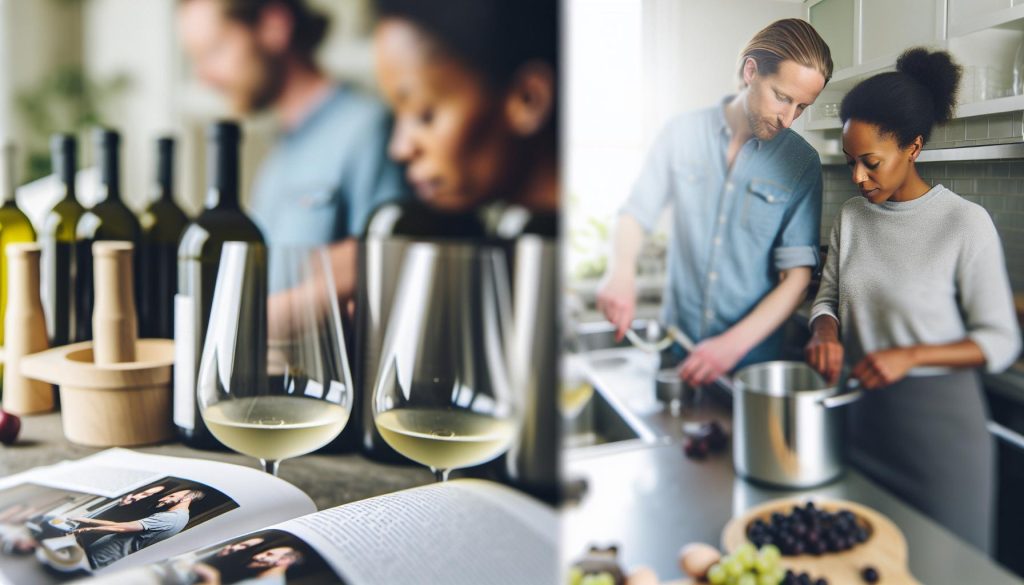
Did you know that you can craft delicious non-alcoholic wine right in your kitchen? Whether you’re hosting a celebration or simply want to enjoy a refreshing drink without the buzz, homemade non-alcoholic wine is the perfect solution. It’s a fantastic way to cater to guests seeking healthier choices or to indulge yourself without the effects of alcohol. In this guide, we’ll walk you through the simple steps to make your own non-alcoholic wine, highlighting easy ingredients and techniques that even beginner cooks can master. Get ready to impress your friends and family with a delightful beverage that suits every occasion, from cozy dinners to festive gatherings. Let’s dive into the art of winemaking and unleash your creativity!
How Non-Alcoholic Wine Differs from Traditional Wine
The world of wine has evolved to embrace non-alcoholic options, offering a delightful alternative that retains much of the traditional essence without the buzz. At its core, the primary difference between non-alcoholic and traditional wine lies in the alcohol content. Traditional wines are fermented with grapes, allowing natural sugars to turn into alcohol. In contrast, non-alcoholic wines undergo a similar fermentation process, but they are subjected to methods that remove or reduce the alcohol, typically resulting in less than 0.5% ABV (alcohol by volume).
One of the key techniques used to create non-alcoholic wine is distillation, where alcohol is evaporated off at low temperatures to preserve the wine’s flavors and aromas. Other methods include reverse osmosis, which separates water and alcohol from the wine. These processes strive to maintain the depth of flavor and complexity found in traditional wines, though achieving the same robust profile can be a delicate balance. Many non-alcoholic wines aim to capture the familiar notes of their alcoholic counterparts, making them viable options for diverse occasions where alcohol isn’t desired.
Beyond the technical aspects, the flavor profiles often differ due to the absence of alcohol, which can enhance the perception of sweetness and acidity. Non-alcoholic wines may also showcase fruitier and more pronounced flavors, making them a refreshing choice for summer afternoons or casual gatherings. It’s worth noting that the growing demand for non-alcoholic wines has fueled significant improvements in production techniques, yielding options that cater to increasingly discerning palates.
You might find non-alcoholic wines available in various styles, including reds, whites, and sparkling options. Each category brings its unique characteristics and pairing possibilities, ensuring that you can enjoy a sophisticated drink without the effects of alcohol. So whether you’re celebrating a special occasion, looking for a refreshing drink on a hot day, or simply experimenting in the kitchen, non-alcoholic wine can be a delicious addition to your repertoire.
Essential Ingredients for Homemade Non-Alcoholic Wine
To craft your very own homemade non-alcoholic wine, you’ll need a few essential ingredients that create a vibrant and flavorful drink. Making this delightful beverage can be a fun kitchen experiment that allows for creativity, so let’s dive into what you’ll need!
First off, grapes are the star of the show. They provide the foundational flavor of your wine and can be any variety-red, white, or even a mix. If you’re looking to keep it simple, opt for seedless grapes that are ripe and sweet. Generally, around 4-6 pounds should suffice, depending on how much wine you wish to make.
Along with grapes, you’ll need water to adjust the concentration and balance the flavors. Using filtered or spring water is ideal, as it enhances the quality of your final product. You might also incorporate sugar for sweetness, especially if you prefer a fruity profile. Start with a cup and adjust to taste. Depending on your grape choice, you may find that some varieties are already sweet enough!
Another key component is citric acid, which acts as a natural preservative and adds brightness to your wine. If you can’t find citric acid, freshly squeezed lemon juice can serve as a great substitute. Aim for a couple of tablespoons for just the right zing.
Lastly, consider adding spices or herbs such as cinnamon, cloves, or mint to introduce unique flavors. This is where creativity comes into play! Imagine a spiced white wine infused with a hint of cinnamon, or a refreshing mint twist in your red. The possibilities are endless, so don’t hold back.
Here’s a quick overview of your essential ingredients:
| Ingredient | Quantity | Purpose |
|---|---|---|
| Grapes | 4-6 pounds | Base flavor |
| Water | As needed | To balance flavor |
| Sugar | 1 cup (to taste) | Sweetness |
| Citric Acid | 2 tablespoons | Preservative/brightness |
| Spices/Herbs | To taste | Flavor enhancement |
With these ingredients, you’ll be well on your way to creating a delicious non-alcoholic wine that suits any occasion. Whether you’re enjoying a quiet evening or hosting friends for dinner, your homemade creation will impress everyone while keeping things light and refreshing!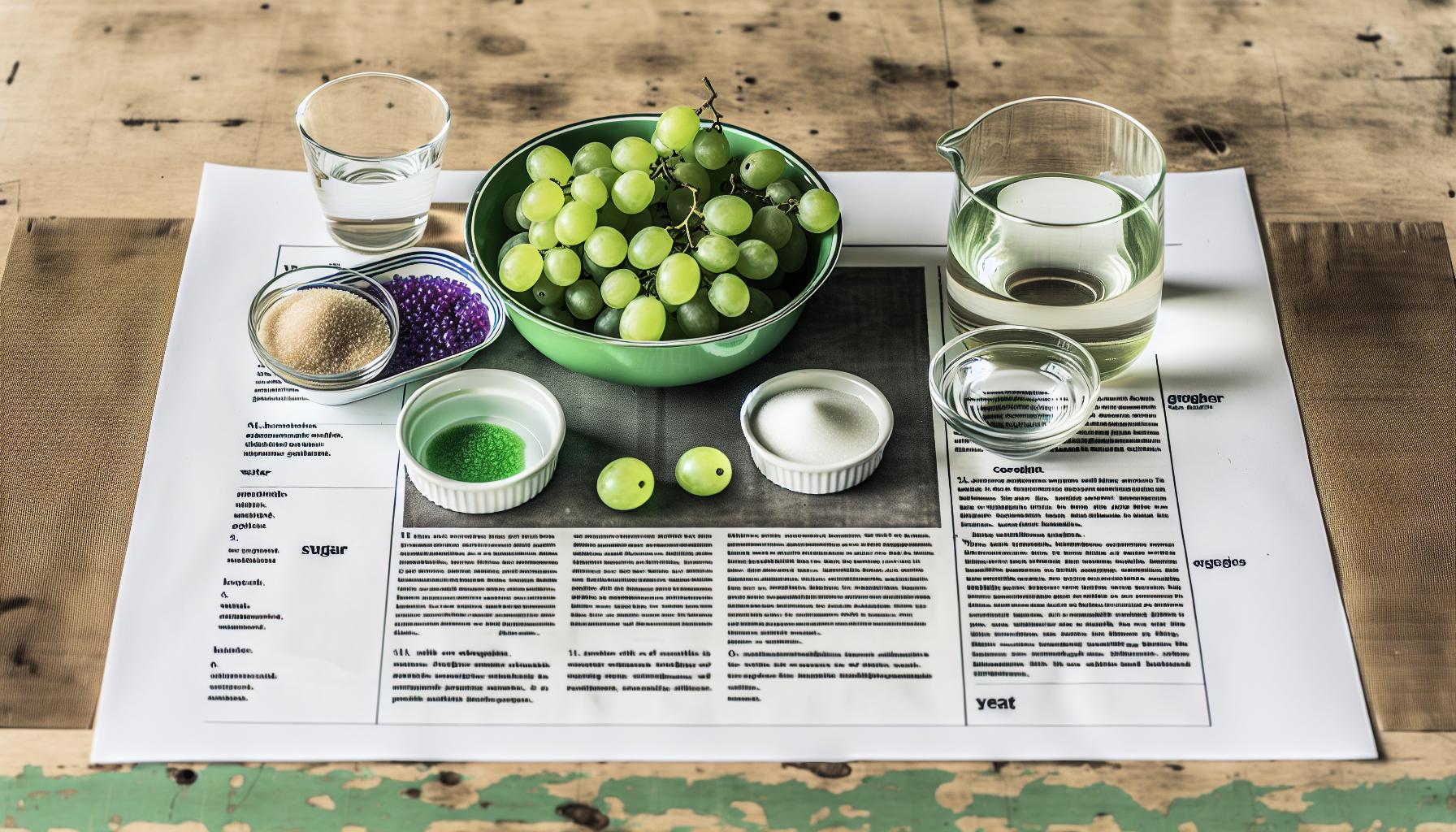
Step-by-Step Guide to Making Non-Alcoholic Wine
Making your own non-alcoholic wine can be a rewarding kitchen adventure, allowing for personal touches and creative flavors. The process is accessible and straightforward-perfect for anyone looking to explore the world of winemaking without the alcohol! Grab your ingredients and let’s get started!
Begin by preparing your grapes. Wash them thoroughly to remove any dirt or residue. Then, remove the stems from the grapes and place them in a large pot. Using a potato masher or your hands, crush the grapes to release their juice. Remember, this is where the magic begins! If you prefer a smoother finish, you can blend the grapes in a blender before transferring them to the pot.
Next, add the water to your crushed grapes. The amount can vary depending on how concentrated you want your final product to be, so start with around 1-2 cups. This will help to extract more juice and flavor from the grapes. Stir the mixture gently to combine, and you may choose to add the sugar at this stage, adjusting to your taste preference.
Once your grape mixture is ready, it’s time to heat it. Place the pot on the stove over medium heat, and keep an eye on it. You want to bring it to a simmer, not a boil. Heating will help to dissolve the sugar and infuse the flavors. Allow it to simmer for about 10-15 minutes, stirring occasionally. This is also the moment to add your citric acid (or lemon juice) for that essential zing and preservation properties.
After simmering, remove the pot from heat and let the mixture cool slightly. Prepare a clean strainer or cheesecloth over another pot or bowl. Carefully pour your grape mixture through the strainer to separate the juice from the pulp. Use a spoon to press down on the solids to extract as much liquid as possible. What you have now is a fresh, non-alcoholic grape juice that can be enjoyed as is or transformed further.
If you’d like to add spices or herbs for flavor variations, this is a great time! Consider experimenting with ingredients like cinnamon, mint, or even a touch of vanilla. Add your chosen spices into the still-warm liquid, letting them infuse for an additional 15 minutes. Then, strain again to remove any solids.
Once your non-alcoholic wine is ready, it’s important to cool it completely before bottling it in clean, sterilized bottles. Seal them tightly and refrigerate your homemade treat. This vibrant beverage is perfect for all occasions-serve it chilled at gatherings, or enjoy a glass during a quiet evening at home.
With this simple guide, you’re well on your way to creating a delicious non-alcoholic wine tailored to your taste. Just remember, share your creations with friends and family-winemaking is all about enjoyment and celebration!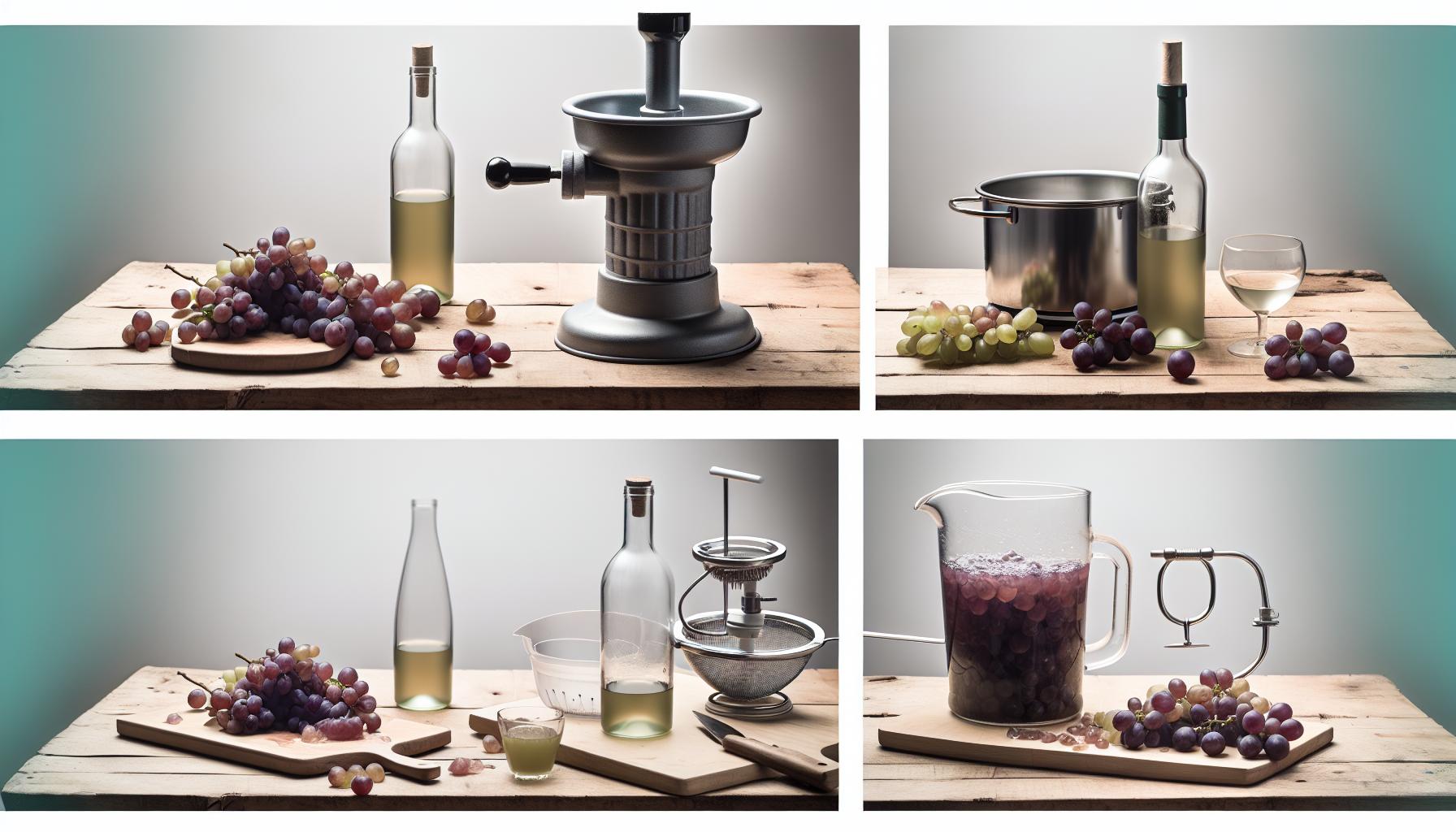
Exploring Different Types of Non-Alcoholic Wine
When diving into the realm of non-alcoholic wines, you’ll be pleasantly surprised by the variety available, which rivals traditional wines in complexity and flavor. Non-alcoholic wines can be categorized largely into three types: dealcoholized wines, wine alternatives, and sparkling grape juices. Each type offers unique characteristics and can be tailored to suit different occasions and tastes.
Dealcoholized Wines
These are traditional wines that undergo a process to remove the alcohol while retaining the original flavors of the grape. You’ll often find dealcoholized options like Chardonnay, Merlot, and sparkling wines that taste remarkably similar to their alcoholic counterparts. Many wine enthusiasts are surprised by how closely these versions mimic the true essence of wine, making them an ideal choice for gatherings or as everyday sips. When selecting a dealcoholized wine, look for those that have undergone quality processing methods to ensure a delightful experience.
Wine Alternatives
Wine alternatives are crafted specifically to have the structure and taste of wine but do not derive from traditional grapes. They might include ingredients like fruits, herbs, and spices blended to create complex flavors. For example, you might find a red blend made from hibiscus and berries, offering a refreshing twist that’s perfect for picnics or casual brunches. These alternatives are fantastic for those who want to experience the joy of wine without the traditional grape base, allowing complete freedom for creativity in flavor profiles.
Sparkling Grape Juices
For those who enjoy the fizz but prefer avoiding any semblance of wine, sparkling grape juices provide a delightful option. Often made from fermented grape juice, these bubbly beverages offer a sweet, fruity profile that appeals to both adults and kids alike. They are perfect as a celebratory drink or as a refreshing palate cleanser between courses during a meal. You can also use sparkling grape juice as a base for mocktails, combining it with fresh fruits and herbs for a fun, festive drink.
Incorporating these types into your entertaining repertoire not only caters to varied dietary preferences but also opens up a world of flavors to explore. Whether you’re crafting your own non-alcoholic wine or selecting a bottle from the store, there’s a delightful option for every occasion, empowering you to enjoy every sip without the alcohol!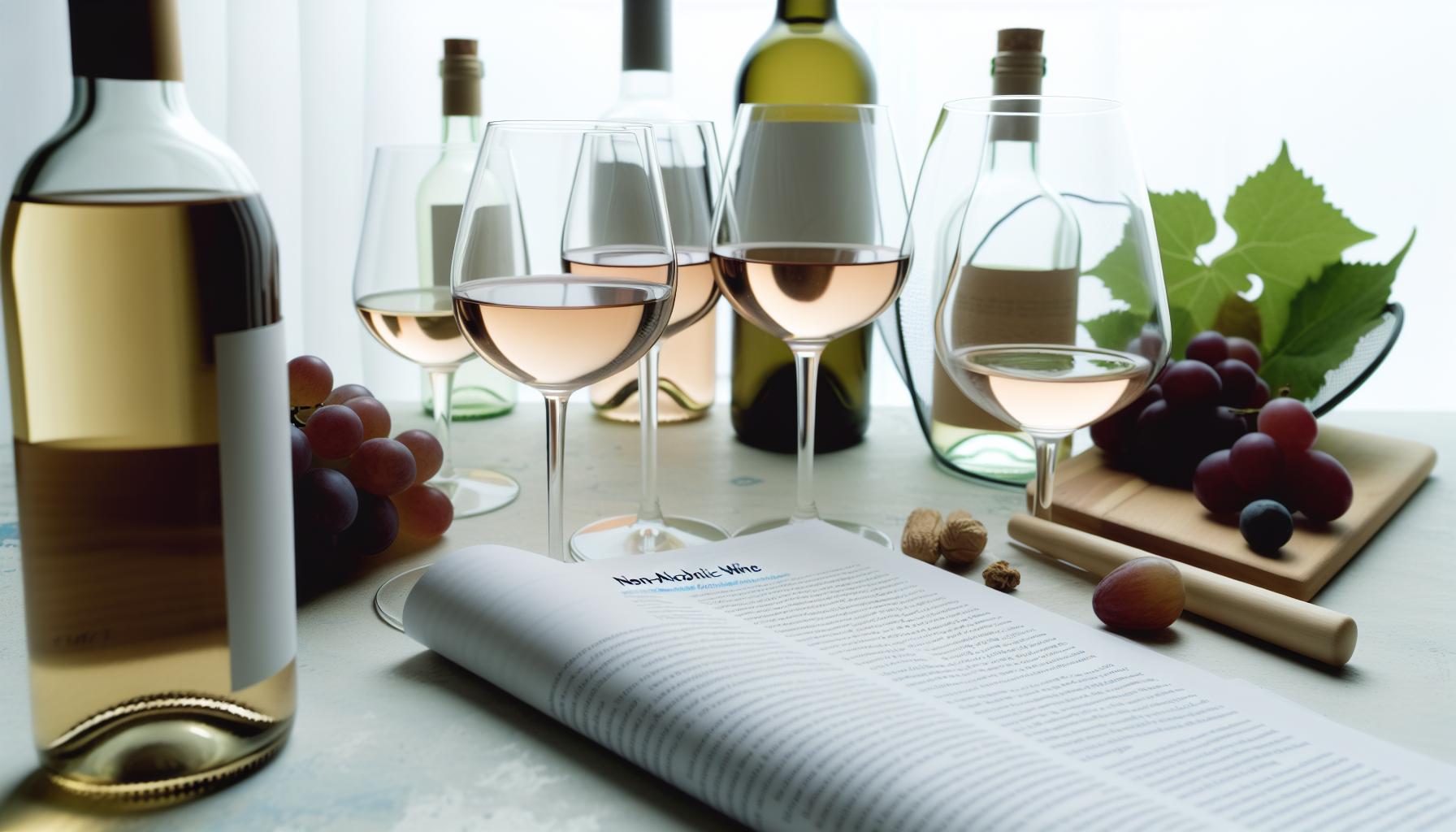
Creative Flavor Variations for Your Non-Alcoholic Wine
When it comes to crafting your own non-alcoholic wine, the beauty lies in the endless possibilities for creative flavor variations. You don’t have to stick to conventional grape flavors; Instead, let your imagination run wild and experiment with fruity, floral, and even spicy notes. The best part? You can tailor your creations to suit any occasion or personal taste.
One delightful approach is to infuse fruits into your non-alcoholic wine. Consider using seasonal fruits like ripe peaches or berries for a refreshing summer blend. Simply blend your chosen fruit with water, strain out the solids, and combine the juice with grape juice or dealcoholized wine. Add a splash of lemon or lime juice to brighten the flavor or a hint of mint for a refreshing twist. This fruity infusion is perfect for a picnic or a casual brunch with friends.
Herbs and spices can also add an unexpected depth to your wine. Think of using fresh basil, rosemary, or even a cinnamon stick to enhance your mix. For instance, a blend of dealcoholized red wine with muddled blackberries and fresh rosemary creates a complex and aromatic beverage. Let the mixture sit for a few hours to allow the flavors to meld beautifully. Such herbal infusions work wonderfully in colder months, bringing warmth and comfort to your gatherings.
- Citrus Zest: Adding the zest of oranges or lemons can give your wine a vibrant, zesty kick.
- Floral Notes: Experiment with chamomile tea or hibiscus flowers to create a delicate floral profile.
- Mocktail Vibes: For a fun twist, try mixing your non-alcoholic wine with soda water and fresh fruit for a fizzy treat!
Don’t shy away from balancing flavors either-training your palate to recognize how sweet and tart can complement each other is key. By incorporating a touch of honey or agave syrup, you can create a beautifully sweet non-alcoholic wine that surprises and delights. Each sip should be an adventure, inviting you to explore what flavors work best for you or match the theme of the event. Whether you’re celebrating a holiday or simply unwinding after a busy day, elevating your homemade non-alcoholic wine with these creative variations will surely impress everyone at your table.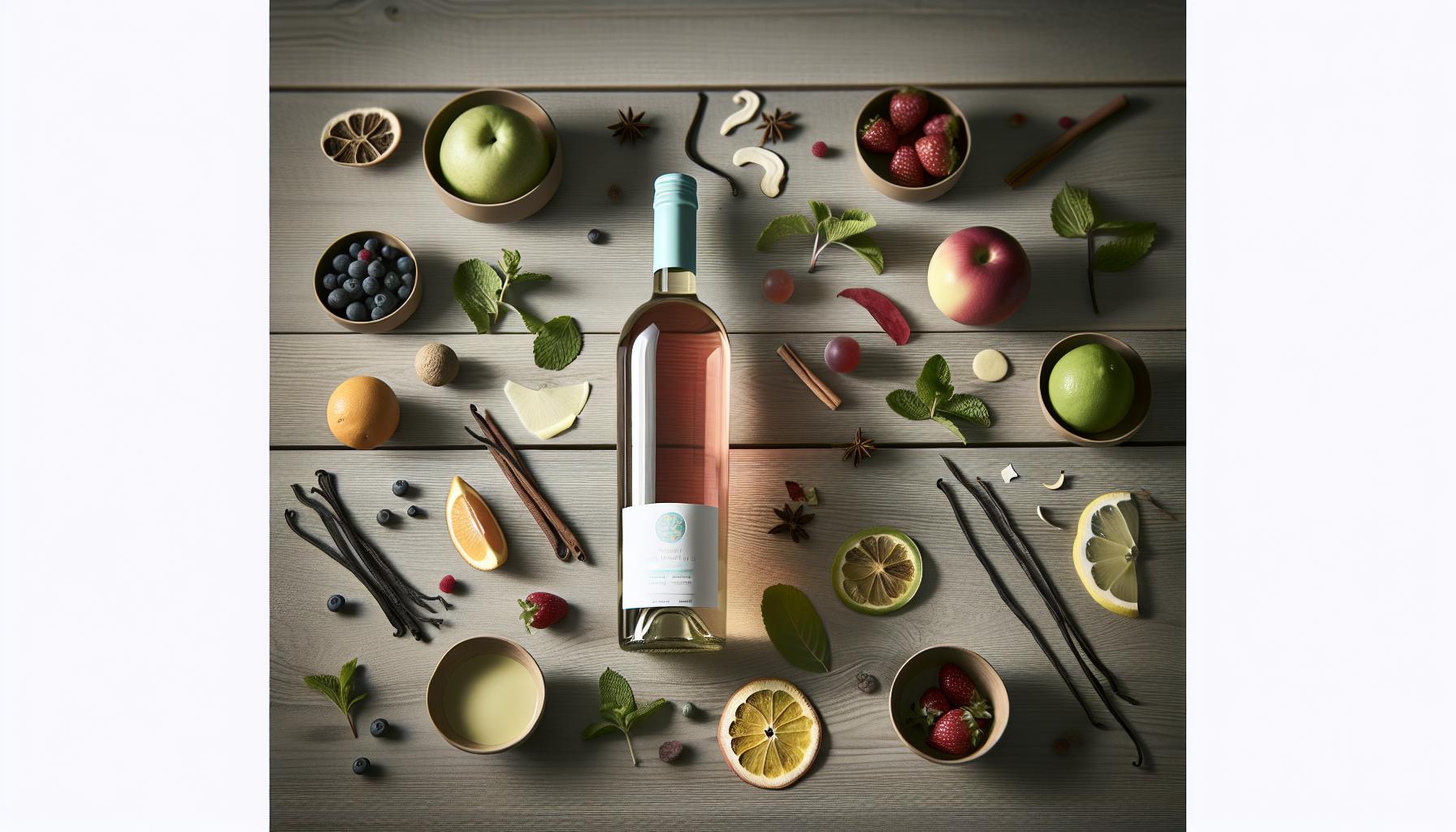
Elevating Your Non-Alcoholic Wine Experience
To truly elevate your non-alcoholic wine experience, consider not just the ingredients you use, but also the atmosphere and accompaniments that can enhance every sip. Start by presenting your creation in an appealing way-opt for beautiful wine glasses or even unique mason jars for a rustic touch. A carefully curated presentation can make your homemade non-alcoholic wine feel just as special as any traditional wine, transforming an everyday drink into a celebratory experience.
Next, think about the temperature of your wine. Just like with regular wine, serving your non-alcoholic blend at the right temperature can significantly impact taste. Chill white and sparkling varieties before serving, as this can heighten their refreshing qualities. For red wines, you might choose to slightly chill them as well, enhancing fruity flavors while softening any bitterness. Remember, a simple ice bucket works wonders for maintaining the right chill.
Another way to elevate the experience is by thoughtfully pairing your non-alcoholic wine with food. The right pairing can bring out the nuances of your wine. For example, a fruity rosé can beautifully complement a light salad drizzled with citrus vinaigrette, while a deep, dealcoholized red can enhance richer dishes like a mushroom risotto or roasted vegetables. On the sweeter side, a non-alcoholic dessert wine can turn any ordinary dessert into an indulgent treat when paired with chocolate cake or fruit tarts.
Finally, create a stunning atmosphere with appropriate music and lighting. A cozy setting, perhaps with soft lighting or candles, adds warmth and comfort, making your wine experience memorable. Whether serving it at a festive gathering or enjoying a quiet evening at home, these small touches can significantly impact how you and your guests perceive and enjoy your homemade non-alcoholic wine. Each element works together to make your wine more than just a beverage-it’s an experience to be savored.
Pairing Non-Alcoholic Wine with Food
Pairing food with non-alcoholic wine can elevate your dining experience and transform regular meals into something exceptional. The beauty of non-alcoholic wine lies in its versatility; it can complement a variety of dishes while offering the rich, complex flavors we often associate with traditional wines. Understanding the flavor profiles of your homemade creations will help you make the best pairings.
For instance, lighter non-alcoholic wines, like fruity whites or effervescent sparkling varieties, pair wonderfully with seafood or fresh salads. A zesty lemon vinaigrette drizzled over a spinach salad can be beautifully echoed by a chilled non-alcoholic Sauvignon Blanc, emphasizing the wine’s crispness and the dish’s brightness. Alternatively, consider a non-alcoholic rosé with a summer pasta salad that features cherry tomatoes, mozzarella, and basil; the wine’s fruit notes will enhance the dish’s flavors, creating a delightful harmony.
On the other hand, richer, more robust non-alcoholic reds can stand up to heavier fare. Dishes like a hearty mushroom risotto or grilled vegetables drizzled with balsamic reduction are enhanced by the deep, complex flavors of a dealcoholized Cabernet Sauvignon. These pairings not only bring out the best in your food but also highlight the depth of your wine, showcasing the care you’ve put into your homemade creation.
Don’t shy away from experimenting with dessert pairings as well. A sweet non-alcoholic wine can transform a simple chocolate cake into a decadent treat. Pair it with a rich dessert wine variant to balance out the sweetness of the chocolate, or try a berry-infused non-alcoholic wine with a fruit tart to accentuate the tartness of the dessert.
Ultimately, the joy of lies in exploring combinations that delight your palate. Take the time to taste your wine as you prepare your meals, and don’t be afraid to mix and match until you find your perfect pairings. By doing so, you’ll create a dining experience that’s not only flavorful but also uniquely yours.
The Best Occasions for Serving Non-Alcoholic Wine
Non-alcoholic wine is a delightful alternative that fits seamlessly into a variety of occasions. Whether you’re hosting a formal dinner, celebrating a milestone, or enjoying a casual get-together, non-alcoholic wine can enhance the experience without the effects of alcohol.
For celebratory moments, think of serving non-alcoholic sparkling wines during milestone events like weddings, anniversaries, or birthday parties. These bubbly options can mirror the joy and festivity typically associated with traditional champagne, allowing everyone to toast together. Imagine raising your glass filled with sparkling non-alcoholic wine, creating the same exciting atmosphere and ensuring that everyone, including those who prefer not to consume alcohol, can join in the fun.
Family gatherings are another perfect occasion for incorporating non-alcoholic wine. It allows guests of all ages to partake in the meal together, fostering a sense of unity. Pairing a fruity non-alcoholic white or rosé with a barbecue or summer feast makes for a refreshing choice that complements grilled meats and fresh salads beautifully, ensuring that everyone can enjoy the food without the alcohol.
Additionally, consider serving non-alcoholic wine at a cozy dinner party where the focus is on rich conversations and shared experiences. You can create a wine-pairing menu where each course is thoughtfully paired with a different style of non-alcoholic wine. This not only elevates the meal but also sparks discussions about flavors and experiences among your guests, making the evening feel special and memorable.
Finally, special occasions like holidays or seasonal festivities are ideal for showcasing your homemade non-alcoholic wine. Whether it’s a crisp autumn evening with family or a festive holiday gathering, serving your own creations can add a personal touch that resonates with your guests. With a little creativity, you can customize flavors to match the season, such as using spiced red non-alcoholic wine during the winter holidays, creating an atmosphere that’s warm and inviting.
By embracing the versatility of non-alcoholic wine, you can foster connections and create cherished memories across all kinds of occasions, making the experience delightful for everyone involved. Enjoy the opportunity to celebrate with gusto while catering to all preferences-your gatherings will be richer and more inclusive than ever!
Common Mistakes to Avoid in Winemaking
Making your own non-alcoholic wine can be a rewarding and enjoyable experience, but it’s essential to avoid common pitfalls that can lead to less-than-desirable results. First and foremost, don’t skimp on quality ingredients. Just like traditional winemaking, the foundation of great non-alcoholic wine lies in the quality of your grapes or juices. Choose fresh, ripe fruits and, if possible, organic options to ensure vibrant flavors. If you’re using grape juice, aim for 100% fruit juice with no added sugars or preservatives, as these can alter the final taste.
Another frequent mistake is disregarding the fermentation process. While non-alcoholic wine typically involves less fermentation or none at all, it’s important to monitor the process carefully if you decide to incorporate it. Too much fermentation can lead to undesirable flavors and even spoilage. Use a reliable recipe that guides you through the right temperatures and times, and don’t rush this step. Taste as you go, adjusting components like sweetness or acidity to fit your palate.
Neglecting the importance of flavor balance is another misstep to watch out for. Non-alcoholic wines should still have a pleasant balance of sweetness, acidity, and tannins just like their alcoholic counterparts. If your homemade creation is one-dimensional, consider enhancing it with herbs, spices, or other fruits. For instance, adding a hint of cinnamon or cloves to a spiced red wine can elevate the complexity and make it perfect for cozy evenings.
Finally, the presentation is key-after all, we eat (or drink) with our eyes first. If you’re serving non-alcoholic wine, pay attention to how you present it. Use nice glassware, and consider adding garnishes like fresh fruit or herbs to enhance the visual appeal. This not only makes your homemade wine feel special but also invites your guests to enjoy the experience fully. Embracing these thoughtful practices can transform a simple batch of non-alcoholic wine into an exceptional centerpiece for any occasion.
Storing and Serving Non-Alcoholic Wine Properly
While the excitement of crafting your own non-alcoholic wine is palpable, knowing how to store and serve it properly can elevate your homemade creation to new heights. Unlike traditional wines, which often call for specific aging conditions, homemade non-alcoholic wines can be a bit more forgiving, but they still deserve thoughtful care to ensure their flavors remain crisp and enjoyable.
When it comes to storage, aim for a cool, dark place. A wine cellar is ideal, but a pantry or cupboard away from heat sources works well too. Non-alcoholic wine is best enjoyed fresh, so try to consume it within a few months after making it. If you’ve bottled your wine, keep it upright to avoid cork taint, which, while less of a problem with non-alcoholic options, is still worth considering. If you’re making larger batches, consider vacuum sealing them to prolong shelf life, and always label your bottles with the date you crafted them.
Serving your non-alcoholic wine is where the fun really begins! Chill white wines and rosés to about 45-50°F (7-10°C) and reds to about 60-65°F (15-18°C). This temperature range brings out their best qualities and makes for a refreshing drink. Don’t forget the glassware! Just because it’s non-alcoholic doesn’t mean you should overlook the aesthetics; use your favorite wine glasses to enhance the presentation. You can also garnish with fresh herbs or citrus slices for an inviting touch. Remember, a beautifully presented drink can set the tone for any gathering, turning your non-alcoholic wine into a star attraction at dinner parties or casual get-togethers.
To add a unique twist, consider creating a vibrant mocktail using your non-alcoholic wine base. Mix it with sparkling water, fresh fruit, or herbs for a delightful fizzy drink that pleases the palate. The ability to serve creatively is one of the great perks of making non-alcoholic wine at home, making every occasion special and showcasing your culinary flair.
DIY Non-Alcoholic Wine Gift Ideas
Looking for a unique gift that showcases your thoughtful touch? Homemade non-alcoholic wine can make for a delightful present for any occasion, from birthdays to celebrations or simply as a gesture of appreciation. Crafting your own non-alcoholic wine allows you to customize flavors and presentations, making the gift feel personal and special.
To turn your homemade non-alcoholic wine into a gift, start with attractive bottling. Invest in some charming glass bottles or repurpose vintage ones; they add a rustic charm that elevates your gift. Consider labeling your bottles with creative names or descriptions of the flavor profiles you’ve crafted. For a professional touch, you can even create a custom label using printable templates online-something that will surely impress your recipients!
Presentation Matters
A beautifully presented gift can enhance the value of what’s inside. Pair your bottle of non-alcoholic wine with a simple, handmade cork coaster or a set of tasting notes that detail the ingredients and suggested food pairings. You might include a small box of gourmet snacks like assorted cheeses, crackers, or dried fruits to complement the wine, making your gift basket even more enticing.
Special Occasions
Tailor your gifts to the occasion. For the holiday season, bottle up some spiced non-alcoholic wine with festive decorations; think cinnamon sticks and cloves for flavor and warmth. You can create mini bottles for party favors or even larger ones for a cozy family gathering. When making gifts, think about the preferences of your friends or family and aim for flavors they would love, whether that’s a refreshing white with citrus notes or a rich red with berry hints.
Creating these gifts not only spreads joy but also showcases your culinary creativity while being a thoughtful option for those who prefer a non-alcoholic lifestyle. Don’t hesitate to experiment with different ingredients and flavors-the joy of winemaking lies in creativity and personalization!
Exploring Store-Bought vs. Homemade Non-Alcoholic Wine
Exploring the world of non-alcoholic wine brings up an important choice: should you buy ready-made selections or craft your own at home? Each option has its merits and can cater to different occasions and tastes. For those looking for convenience, store-bought non-alcoholic wines offer a quick and easy solution. They come in a variety of flavors, from light whites to rich reds, allowing you to explore different profiles without any commitment to the winemaking process. Many brands focus on replicating traditional wine flavors, ensuring that even those accustomed to the nuances of conventional wines can enjoy these alternatives. However, keep in mind that the price can vary significantly, and some selections might not meet your flavor preferences.
On the other hand, homemade non-alcoholic wine presents an exciting opportunity to unleash your creativity and personalize flavors. By using fresh fruits, herbal infusions, and spices, you can create unique blends tailored specifically to your liking. The process is accessible, requiring no special equipment-just a few ingredients and a bit of patience. You can experiment with different ingredients and methods each time, making it a fun project to tackle during weekends or special occasions. Moreover, crafting your own wine allows for a touch of personal flair that can transform ordinary gatherings into memorable ones, especially when paired with your favorite dishes.
When considering both options, think about the occasion and your guests’ preferences. If you’re hosting a large gathering or simply wish to avoid the hassle of preparation, a selection from your local store can save you time. Conversely, making your own non-alcoholic wine is rewarding, offering not just a satisfying drink but also an activity that can be shared with friends or family. Whether you choose to stock your fridge with store-bought varieties or dive into the delightful art of homemade winemaking, you’re sure to enjoy the benefits of this inclusive approach to wine enjoyment.
Frequently asked questions
Q: What is the best way to sweeten homemade non-alcoholic wine?
A: The best way to sweeten homemade non-alcoholic wine is by adding natural sweeteners like honey, agave syrup, or fruit juice. Start with small amounts, taste, and adjust to reach your desired sweetness. For ideas on flavor combinations, check the Creative Flavor Variations for Your Non-Alcoholic Wine section.
Q: How can I make my non-alcoholic wine more aromatic?
A: To enhance the aroma of your non-alcoholic wine, consider adding herbs, spices, or fruit essences during the fermentation process. Ingredients like basil, rosemary, or citrus zest can elevate your final product. Explore more in the Exploring Different Types of Non-Alcoholic Wine section.
Q: Can I carbonate my homemade non-alcoholic wine?
A: Yes, you can carbonate your homemade non-alcoholic wine using a soda maker or carbonation drops. This adds a delightful fizz, making it a refreshing option for special occasions. For more serving ideas, see the The Best Occasions for Serving Non-Alcoholic Wine section.
Q: What are the benefits of making non-alcoholic wine at home?
A: Making non-alcoholic wine at home allows for customization of flavors, control over ingredients, and the ability to cater to dietary preferences. Plus, it can be a fun and creative activity! For more tips on the process, refer to the Step-by-Step Guide to Making Non-Alcoholic Wine.
Q: How long does homemade non-alcoholic wine last?
A: Homemade non-alcoholic wine can last about 1-3 weeks in the fridge, depending on ingredients and storage conditions. Always store it in an airtight container to maintain freshness. Check the Storing and Serving Non-Alcoholic Wine Properly section for more details.
Q: Is it possible to use regular wine-making equipment for non-alcoholic wine?
A: Yes, traditional wine-making equipment can be used for non-alcoholic wine; however, make sure to have equipment for either heating or freezing methods to remove alcohol effectively. For more on the process, see the Common Mistakes to Avoid in Winemaking section.
Q: What fruits are best for making non-alcoholic wine?
A: Fruits like grapes, apples, pears, and berries are excellent for making non-alcoholic wine. Each offers unique flavors and aromas that contribute to the final taste. For additional fruit pairing ideas, check the Exploring Different Types of Non-Alcoholic Wine.
Q: How can I make non-alcoholic wine that tastes like red or white wine?
A: To mimic red or white wine flavors, use corresponding fruits and spices; for red, think of blackberries and cloves, and for white, try apples and citrus. Experiment with your recipes and refer to the Creative Flavor Variations for Your Non-Alcoholic Wine section for inspiration.
The Conclusion
Now that you know how to make non-alcoholic wine perfect for any occasion, it’s time to put your newfound skills to the test! Whether you’re hosting a gathering or simply indulging in a quiet evening, homemade non-alcoholic wine can elevate your experience without the buzz. Don’t hesitate to experiment with different fruits or flavors to make each batch uniquely yours!
If you loved this guide, dive deeper into our other resources, like “10 Tips for Perfecting Your Homemade Beverages” and “Creative Ways to Pair Non-Alcoholic Wines with Food.” These articles can enhance your culinary journey and help you better understand the art of crafting delightful alternatives.
We’d love to hear about your own non-alcoholic wine-making experiences! Share your thoughts in the comments and inspire fellow readers. Remember, the kitchen is all about creativity and fun-so get started today and embrace the joy of crafting your own non-alcoholic delights!