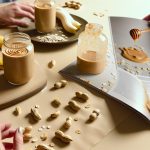

Did you know that you can transform sweet and juicy plums into delightful homemade wine without using any commercial yeast? Making plum wine through natural fermentation is not only a fun and fulfilling kitchen project, but it also allows the rich flavors of the fruit to shine through in every sip. Whether you’re looking to impress at your next gathering, or simply enjoy the fruits of your labor, this process is surprisingly easy and accessible for all skill levels. In this guide, you’ll discover simple tips and techniques to harness the power of wild yeasts present on the skin of the fruit. You’ll be amazed at how uncomplicated and rewarding crafting your very own plum wine can be, turning your kitchen into a creative fermentation hub. So, roll up your sleeves and let’s embark on this flavorful journey together!
Natural Ingredients for Plum Wine Fermentation
There’s something truly magical about crafting your own plum wine at home, especially when you can embrace the natural fermentation process without relying on commercial yeast. This method invites the unique flavors of your plums to shine through while celebrating the wild beauty of fermentation itself. The key to successful natural fermentation lies in your choice of ingredients, which can dramatically influence the flavor and character of your wine.
Selecting ripe, high-quality plums is essential. Look for fruits that are fragrant and slightly tender, as these will yield the most sugars and natural yeasts. Varieties like Santa Rosa or Satsuma are particularly good for wine-making due to their flavor complexity and juiciness. In addition to plums, consider incorporating other natural ingredients to enhance the fermentation process. Fruits with high sugar content, like peaches or apricots, can be combined, as well as ingredients like honey or sugar for sweetness, which can help kick-start fermentation.
Don’t forget about the importance of the environment in which you’re fermenting. Using non-chlorinated water is crucial, as chlorine can inhibit the natural yeast needed for fermentation. Aim for a container that is easy to clean and maintain, such as glass jars or food-grade plastic buckets. These will help create the ideal conditions for the wild yeast to thrive. Lastly, think about adding spices such as cinnamon or cloves for a unique twist that complements the plum’s natural tartness.
This wholesome approach to winemaking allows you to personalize your drink while participating in a time-honored tradition, putting your creative spin on each batch. Each sip of your homemade plum wine will be a taste of your own dedication and experimentation, celebrating the rich flavors of your harvest.
Understanding Natural Fermentation Process
Creating wine naturally is all about harnessing the power of wild yeast, which resides on the skin of fruits and in the environment around us. Unlike commercial yeast, which can produce consistent results, natural fermentation allows for a more unpredictable and richly nuanced flavor profile, reflecting the unique characteristics of your chosen ingredients and their surroundings. Understanding how this process unfolds can be both insightful and rewarding, guiding you through each step of your winemaking adventure.
When you begin with ripe plums, it’s vital to remember that their skins are teeming with naturally occurring yeasts that initiate fermentation. The sugar content in the fruit is equally important, as it fuels the fermentation process. During fermentation, yeast consumes the sugars, producing alcohol and carbon dioxide in the process. The temperature is another critical factor; ideally, you want a warm environment (around 70°F to 75°F) to encourage active fermentation without risking spoilage. Keeping an eye on these variables will help maintain healthful fermentation.
It’s also essential to provide the right environment for your wild yeast to thrive. Start by ensuring your fermentation vessel is clean and free from contaminants that could overpower the natural yeast. Glass jars or food-grade plastic containers are perfect for this purpose. Additionally, avoid using chlorinated water, as chlorine can inhibit yeast growth, potentially stalling fermentation altogether. If your local tap water isn’t ideal, consider using filtered or bottled water instead.
Lastly, patience is key in natural fermentation. This process can take anywhere from a few days to several weeks, depending on the ambient temperature and the activity level of your yeast. During this time, you might notice bubbling as the yeast works its magic. Keeping a close eye on your fermentation can help you learn what works best for your palate and preferences, ultimately leading to a unique and personal batch of plum wine that captures the essence of your creativity. Embrace the journey, and don’t hesitate to experiment along the way!
Essential Tools for Home Winemaking
Creating delicious plum wine at home doesn’t require a fancy winery; it just needs a few essential tools that are often found right in your kitchen or easily accessible. By gathering the right equipment, you can embark on your winemaking adventure with confidence and enjoyment. The beauty of natural fermentation is in its simplicity!
First and foremost, you’ll need a fermentation vessel. This can be a large glass jar or a food-grade plastic container-just make sure it’s clean to avoid any unwanted bacteria. A container with a wide mouth is ideal, making it easy to add and remove ingredients. If you can find a glass carboy, even better! This will allow you to observe the fermentation process without disturbing the mixture.
Next, a mash paddle or a long spoon for stirring is crucial. You’ll use this when you’re mixing your plums with water and sugar. Materials like wood or food-safe silicone are great because they won’t react with the acids in the fruit. Additionally, a fine mesh strainer or cheesecloth will help you separate the solids from the liquid after fermentation, ensuring a smooth wine.
Don’t forget about your airlock. While it’s not mandatory, an airlock is helpful for preventing outside air from entering your fermenting wine while allowing carbon dioxide to escape. If you can’t find one, simply cover your container with a clean cloth secured with a rubber band to keep dust and insects out.
Lastly, having a few bottles ready for storage is key. Choose glass bottles with corks for the best preservation. Clean and sanitize them before use to keep unwanted microorganisms at bay.
By gathering these essential tools, you’ll be well on your way to crafting your own unique plum wine. Remember, the process is not just about the end product; it’s about enjoying the experimentation and celebration of homemade creations!
Choosing the Right Plums for Wine
To create a truly exquisite plum wine, the selection of your plums is paramount. Not all plums are created equal, and their flavor profiles can greatly influence the final outcome of your wine. Generally, the best plums for winemaking are those that are ripe, sweet, and full of flavor. Varieties like the Santa Rosa plum are favorites due to their juiciness and balanced sweetness, while Italian prunes offer a richer, more concentrated flavor that’s perfect for wine.
When choosing plums, look for those with vibrant color and a slight give when you press them gently. Freshness is key; avoid any that are bruised or overripe, as these can impart off-flavors to your wine. It’s ideal to harvest or purchase plums when they are in season, typically from late spring through early fall, ensuring you’re working with optimal ingredients.
If you’re exploring local farms or farmers’ markets, don’t hesitate to ask vendors for recommendations; they often have insights on the current best varieties for winemaking. Some even offer a selection that may include lesser-known heirloom varieties-these can provide unique flavor profiles that set your wine apart.
Another fun aspect of winemaking is the opportunity to experiment! You can mix different types of plums to create a custom blend, combining the tartness of a greengage plum with the sweetness of a yellow plum for added complexity. Just remember, the fruit you choose is the foundation of your wine, so take your time and enjoy the process!
With your plums selected and ready, you’re on your way to crafting something truly delicious from your kitchen!
Step-by-Step Guide to Making Plum Wine
To craft a delightful batch of plum wine without the use of commercial yeast, you’ll lean into the natural fermentation process, which showcases the natural sugars and yeast present on the fruit’s skin. This method not only simplifies your process but also connects you to the traditional art of winemaking. Here’s a straightforward guide to get you started on this flavorful journey.
First, gather your ingredients. You’ll need approximately 4-5 pounds of ripe plums, 2-3 cups of sugar (adjust based on your sweetness preference), and enough water to cover your plums. You may also want to have equipment like a large fermenting container (glass or food-grade plastic), a mesh strainer, and bottles for storage.
Begin by washing the plums thoroughly to remove any dirt or pesticides. Next, remove the pits and roughly chop the fruit, placing it into your fermenting container. The goal is to break down the plums to release their juices while retaining as much pulp as possible.
Once your plums are prepped, dissolve the sugar in warm water. The amount of sugar directly affects the sweetness and alcohol content of your wine, so feel free to experiment here! Pour the sugar solution over the plums, adding enough water to completely cover the mixture. Now, this is where nature takes the lead: cover the container loosely with a cloth or a lid to allow gases to escape while keeping unwanted pests out.
Over the next few days, stir the mixture daily with a clean utensil. You should notice bubbling, which indicates fermentation is beginning. It’s vital to keep an eye on the temperature; a warm, stable environment (around 70-75°F) is ideal for this process. After about one week, once fermentation has slowed, strain the liquid through a mesh sieve into another clean container, squeezing the pulp gently to extract as much juice as possible.
At this point, you have the makings of your plum wine! Transfer the liquid into bottles, leaving some space at the top for fermentation gases. Seal with a cork or lid, and store them in a dark, cool place. The wine will continue to ferment and develop over the next few weeks to a few months-patience is key! Taste periodically to monitor how flavors evolve.
Finally, enjoy the fruits of your labor! Whether you savor it on its own or mix it into cocktails, homemade plum wine is a rewarding creation that reflects the flavors of your chosen fruit. Don’t hesitate to experiment with adding spices or other fruits during fermentation to infuse complexity and new flavors into your wine. Cheers to your winemaking adventure!
Common Challenges in Natural Fermentation
Embracing the art of natural fermentation can be thrilling, but it often comes with its own set of challenges. One common hurdle is managing the temperature during fermentation. Yeast is sensitive to heat; temperatures that are too high can lead to off-flavors and an imbalanced brew. Ideally, maintaining a stable environment around 70-75°F will encourage yeast activity without overwhelming the natural flavors of your plums. Use a thermometer to keep tabs, and if your space tends to fluctuate, consider moving your fermenting container to a more temperate spot or using a simple insulated blanket to stabilize conditions.
Another challenge is preventing contamination. Since you’re relying on wild yeast and natural bacteria found on the skin of the plums, it’s crucial to ensure that your equipment and workspaces are clean. Rinse everything thoroughly-containers, utensils, and bottles-before use. Also, avoid exposure to pests and airborne contaminants by covering your fermenting vessel with a clean cloth. While some variation and wild influences can enhance flavor, going overboard can lead to undesirable results, like vinegar-like tastes.
You’ll also want to pay attention to the sugar levels in your mixture. Too much sugar can drown out the natural acidity and fruit flavors, while too little might not yield enough alcohol. Take notes during your first attempt: How did your sugar level influence the taste and fermentation process? This reflection will help you adjust your recipe on future batches. Don’t hesitate to experiment within your comfort zone-fermentation is as much about learning as it is about creating.
Finally, patience is key. The fermentation process can take several weeks, and it’s tempting to rush things, especially when you’re eager to taste your creation. Regularly check on your brew by tasting it, but resist the urge to bottle it prematurely. The longer you allow the plum wine to ferment, the more complex and developed its flavors will become, transforming your initial effort into a delightful sip. With these challenges in mind, you’ll find that each batch of plum wine not only teaches you more about the craft but also brings a sense of accomplishment and joy.
Flavor Enhancements for Your Plum Wine
Creating your own plum wine is not just about fermentation; it’s also a delightful opportunity to enhance flavor and tailor the wine to your taste. By experimenting with different ingredients and techniques, you can elevate your homemade plum wine into a unique creation that reflects your personal style. Here are some effective methods to enrich the flavor profile of your brew, making every sip an adventure for the palate.
One of the simplest ways to enhance your plum wine is through the addition of other fruits. While plums provide a fabulous base, consider integrating fruits like peaches, apricots, or even berries. Their natural sugars and flavors can complement the rich sweetness of the plums, creating layers of taste. For instance, adding sliced peaches can introduce a floral aroma, while berries can bring a tart edge that balances the sweetness of plums. When incorporating other fruits, aim for approximately 20% of the total fruit volume to keep the plum flavor dominant.
Spices and herbs can also work wonders in amplifying your plum wine. Cinnamon sticks, clove, and ginger can introduce warm, spicy notes that contrast beautifully with the fruit’s sweetness. A small handful or a single stick can infuse your brew with just the right amount of warmth without overwhelming the plum essence. Alternatively, try adding vanilla beans or a bit of nutmeg for a richer, dessert-like quality. Remember, it’s best to start with small quantities; you can always add more in subsequent batches if you find your first attempt lacking in flavor complexity.
For those seeking a more adventurous twist, consider incorporating citrus peels-like lemon or orange-into the fermenting mix. This addition not only brightens the wine with refreshing acidity but also contributes delightful aromatic qualities. Just be sure to use organic fruits and wash them well to avoid any pesticides. The zest can add a lovely fragrance, while the juice can enhance the overall acidity of your wine, making it more balanced and refreshing.
Finally, don’t forget about sugar levels! Natural sweeteners such as honey or maple syrup can be added to tweak the sweetness and complexity. These alternatives can provide unique flavor profiles that table sugar cannot. Experiment a little to find the right balance; perhaps start with a tablespoon and adjust according to your taste.
By embracing these flavor enhancements, you’ll transform a straightforward plum wine into a robust and intricately flavored drink that’s a true reflection of your creative spirit. Remember, winemaking is as much about personal expression as it is about following techniques, so feel free to explore and adapt these ideas to suit your palate. Enjoy the process and celebrate the joy of crafting something uniquely yours!
Storing and Aging Your Plum Wine
Once your plum wine is bottled and ready for the next phase, proper storage and aging are crucial to developing its unique flavors. Just like fine wines, homemade plum wine benefits from a little time to evolve. The gentler flavors of natural fermentation can truly shine with patience, transforming your creation from merely drinkable to something truly delightful.
To begin with, it’s important to store your bottles in a cool, dark place. A temperature range of 55°F to 65°F (about 13°C to 18°C) is ideal. Avoid areas that experience fluctuations in temperature, as this can harm the wine’s integrity. Basements or cellars are perfect for this, but a pantry or closet can work just as well if kept consistently cool. Make sure the bottles are stored upright for younger wines, as this prevents the cork from drying out and letting air enter. However, for wines that will age longer, laying them on their sides can help keep the cork moist.
Aging your plum wine can last from several months to several years, depending on your taste preferences and the quality of your ingredients. Typically, allowing the wine to rest for at least six months can lead to a smoother finish and more complex flavors. As it ages, the initial fruity notes will mellow out, and subtle aromas from any spices or additional fruits you’ve added will emerge beautifully. Keep a tasting schedule, perhaps every few months, to monitor how your wine transforms over time. You’ll be fascinated to discover how flavors evolve!
As you approach the end of your aging process, consider carefully how and when to bottle. If you haven’t already, ensure your bottles are clean and sterilized. Using high-quality corks will also make a significant difference in how your wine breathes during aging. Once bottled, remember that darker bottles can help protect the wine from light, which could degrade flavor.
Lastly, enjoy the fruits of your labor! When the time comes to savor your plum wine, take a moment to reflect on the journey from fruit to fermentation. Serve it chilled or at room temperature, depending on your preference, and consider pairing it with simple cheeses or roasted meats to complement its flavors. Your handmade plum wine is not just a drink; it’s a celebration of your creativity and patience in the kitchen!
Creative Variations: Infusing Other Fruits
Infusing other fruits into your plum wine not only elevates the flavors but also infuses a personal touch that reflects your creativity in the kitchen. Think of it as painting a masterpiece, with each fruit adding its own unique hue to the final product. This process is not only fun but also straightforward, allowing you to experiment with combinations that excite your palate.
Choosing Complementary Fruits
When selecting fruits to infuse, consider those that balance well with the sweetness and tartness of plums. Some popular choices include:
- Peaches: Their soft, floral notes harmonize beautifully with the acidity of plums.
- Blackberries: These add a deep, rich flavor and a lovely dark color.
- Apples: They contribute sweetness and crispness, enhancing the overall body of the wine.
- Cherries: Their natural tartness complements plums nicely and offers a vibrant color.
Infusion Techniques
To infuse other fruits into your plum wine, follow these simple steps:
- Preparation: Wash and chop your chosen fruits into small pieces. This increases the surface area and helps flavors meld during fermentation.
- Incorporation: Add the prepared fruit to your plum mixture before fermentation begins. For each gallon of plum wine, consider using about 2-4 cups of fruit.
- Monitoring: As the fermentation progresses, taste your mixture every few days. This allows you to gauge how the flavors are developing and determine when to stop the infusion-a process that typically lasts 1-2 weeks.
- Straining: Once you’ve achieved your desired flavor, strain out the fruit before bottling to ensure a smooth consistency.
Creative Combinations
Don’t hesitate to get inventive! For instance, try pairing plums with a splash of citrus-lemons or oranges can bring a refreshing zing. Alternatively, spices like cinnamon or ginger can be added to the initial mixture for a warm, aromatic twist that can make your plum wine truly stand out.
Remember, winemaking is about exploration and enjoyment. Each batch can teach you something new, whether it’s perfecting a classic combination or venturing into unexpected territory. Celebrate your unique creations, and don’t hesitate to share your fruits (literally!) of labor with friends and family.
Troubleshooting Your Plum Wine Recipe
Making your own plum wine can be a truly rewarding experience, but it’s not uncommon to face a few bumps along the way. Whether it’s a funky smell, unexpected flavors, or sluggish fermentation, troubleshooting these issues can help ensure you end up with a delightful final product. By staying observant and engaged with the natural fermentation process, you can learn to fix problems as they arise, turning potential disasters into delicious triumphs.
One common issue is slow or stalled fermentation. This can happen for several reasons, such as inadequate yeast from the fruit or a temperature that’s too cool. If your fermentation seems sluggish, gently stir the mixture to introduce some oxygen, which can stimulate the natural yeasts. If the temperature is on the cooler side (ideally, fermentation should occur between 65°F and 75°F), consider moving your fermentation vessel to a warmer spot. Just remember to monitor the mixture closely to avoid overheating.
Another challenge you might encounter is an undesirable off-flavor, such as bitterness or a sharp taste. This can result from over-oxidation or the presence of undesirable bacteria. To prevent this, always ensure your equipment is thoroughly cleaned and sanitized before use. If you notice off-flavors developing, a gentle acidity test can help you gauge the pH. If it’s too high (above 3.6), consider adding a small amount of citric acid to help balance the taste. Another tip is to taste your wine regularly; it’s a great way to learn about how flavors develop during fermentation.
Mold growth on the surface of your fermentation is another potential hiccup. If you spot mold, it’s essential not to panic. Carefully skim off the mold and check the underlying liquid. If it smells and tastes fine, you can continue the fermentation process. However, if the wine gives off a sour, vinegar-like smell, it may be best to discard the batch and start anew, ensuring all equipment is sanitized this time.
Storing your plum wine properly is also crucial; if it’s exposed to too much light or fluctuating temperatures, flavor deterioration can occur. Choose a dark, cool place and consider using dark bottles for storage to protect your wine. With these tips in mind, don’t hesitate to experiment and explore; every batch can teach you something new about your winemaking journey!
Safety Tips for Homemade Fermentation
When embarking on the delightful journey of making your own plum wine, keeping safety at the forefront is crucial. Natural fermentation can be a bit unpredictable, and understanding the best practices to ensure both quality and safety will lead to a far more enjoyable experience. Remember, fermentation involves live bacteria and yeasts, and while most are harmless, some can pose risks if not managed properly.
To start, always sanitize your equipment. This cannot be stressed enough! Thoroughly washing your bottles, fermentation vessel, and any tools you use will help prevent unwanted bacteria and mold from ruining your batch. A simple mixture of warm water and unscented bleach can do the trick, but be sure to rinse everything well afterward to remove any traces of the bleach. You want a clean environment to help your natural yeasts flourish without unwanted guests.
Next, monitor the temperature of your fermentation closely. If the environment is too hot, it can encourage the growth of harmful bacteria, while too cold might slow the fermentation process significantly. Aim for a sweet spot around 65°F to 75°F. If you’re working in a cooler area, consider moving your vessel to a warmer room, or wrapping it with a blanket to maintain a consistent temperature.
Also, pay attention to any signs of off-odors or unusual colors. A funky smell or an unexpected change in color might indicate spoilage. It’s normal for some sediment or foam to appear, but mold growth on the surface is a red flag. If you spot mold, skim it off gently and check the underlying liquid. If it smells good and doesn’t taste sour, you can usually continue. However, if you detect even a hint of vinegar-like smell, it’s safest to discard the batch and start fresh.
Lastly, familiarize yourself with basic fermentation-related first aid. Always keep your work area clean, and avoid touching your face or other surfaces while handling the fermentation batch to minimize contamination risks. Be mindful of alcohol levels when sampling your wine – it’s easy to forget that even a young wine can have notable alcohol content. Enjoy your homemade plum wine responsibly, and celebrate the delightful fruits of your labor with friends and family!
Celebrating Your Homemade Plum Wine
Your homemade plum wine deserves to be celebrated with a joyful spirit, and it’s the perfect excuse to gather friends and family for an unforgettable tasting experience. This delightful drink, crafted with your own two hands, is not just about the final product but also the incredible journey it takes to create. Whether it’s a cozy gathering or a lively dinner party, you can showcase your homemade wine in various exciting ways.
Start your celebration by sharing the story behind your plum wine. Talk about the plums you chose, the natural fermentation process you embraced, and any unique techniques you incorporated. This narrative not only makes the experience more engaging but also inspires others to appreciate the art of homemade winemaking. Pair your wine tasting with a selection of light appetizers that complement the sweet and tart flavors of the plum wine. Think about cheese platters, cured meats, or even simple fruit-based desserts that will enhance the tasting experience.
To elevate your gathering, consider making it interactive! Set up a DIY wine cocktail station where guests can create their own drinks inspired by your plum wine. Provide mixers, herbs, and garnishes-like fresh mint, soda water, or citrus slices-allowing everyone to experiment and discover their favorite combinations. This hands-on experience adds an element of fun and creativity to your celebration.
Finally, don’t forget to reflect on the experience! Perhaps take a moment to toast to your hard work and the joy of making something delicious from scratch. Share your hopes for future batches, or even discuss flavors you want to explore next. Remember, winemaking is as much about the process and the memories created as it is about the wine itself. So, raise your glass, enjoy the fruits of your labor, and celebrate the creativity and community that homemade plum wine brings to your life!
Frequently Asked Questions
Q: How can I tell if my plum wine is fermenting properly without yeast?
A: You can monitor natural fermentation by checking for bubbles or foam on the surface of the wine and by tasting small samples. If the flavors develop and become more sour or fruity, it’s a good sign that fermentation is occurring. For details, see the Understanding Natural Fermentation Process section.
Q: What types of plums are best for making wine without yeast?
A: The best plums for winemaking are those that are ripe and sweet, such as Japanese or European varieties. Avoid overly tart or underripe plums, as they may not ferment well. Refer to the Choosing the Right Plums for Wine section for more insights.
Q: Can I add other fruits to my plum wine for different flavors?
A: Yes, you can infuse other fruits like cherries or blueberries into your plum wine for added complexity. Just remember to adjust the sugar levels, as other fruits can impact sweetness. Check the Creative Variations: Infusing Other Fruits section for guidance.
Q: How long does it take for plum wine to ferment naturally?
A: Natural fermentation can take anywhere from several days to a few weeks, depending on temperature and the natural yeast present. Taste periodically to track the development. For more on this, see the Common Challenges in Natural Fermentation section.
Q: What should I do if my plum wine smells bad during fermentation?
A: A bad smell could indicate spoilage or unwanted bacteria. If this occurs, consider starting over with fresh ingredients. To troubleshoot this and other issues, refer to the Troubleshooting Your Plum Wine Recipe section.
Q: Is it safe to drink homemade plum wine made with natural fermentation?
A: Yes, homemade plum wine can be safe to drink if proper cleanliness is maintained during the process. Ensure all equipment is sanitized and follow safety tips outlined in the Safety Tips for Homemade Fermentation section.
Q: How do I know when my plum wine is ready to bottle?
A: Your plum wine is ready to bottle when fermentation has visibly slowed and clarified. The flavor should be well-balanced, and there should be no bubbles. For further details, see the Storing and Aging Your Plum Wine section.
Q: Can I ferment plum wine in a regular glass jar?
A: Yes, you can use a regular glass jar for fermentation, but ensure it has an airtight seal to prevent contamination. Consider using a fermentation lock if possible. For more on tools needed, check the Essential Tools for Home Winemaking section.
The Way Forward
Now that you’ve learned how to make delicious plum wine without yeast using natural fermentation, it’s time to get started on your own batch! Remember, the key ingredients are ripe plums, patience, and a little creativity-you don’t need any fancy equipment. Embrace the process and don’t hesitate to experiment with flavors.
If you enjoyed this guide, dive deeper into the art of preparing your favorite fruits by checking out our articles on how to make homemade fruit jams or exploring other fruit wines. Plus, don’t miss our ultimate guide to home fermentation for more tips!
We’d love to hear about your winemaking journey, so feel free to share your experiences in the comments below. Interested in more recipes and tips? Sign up for our newsletter for the latest in culinary inspiration. Cheers to your homemade plum wine!