
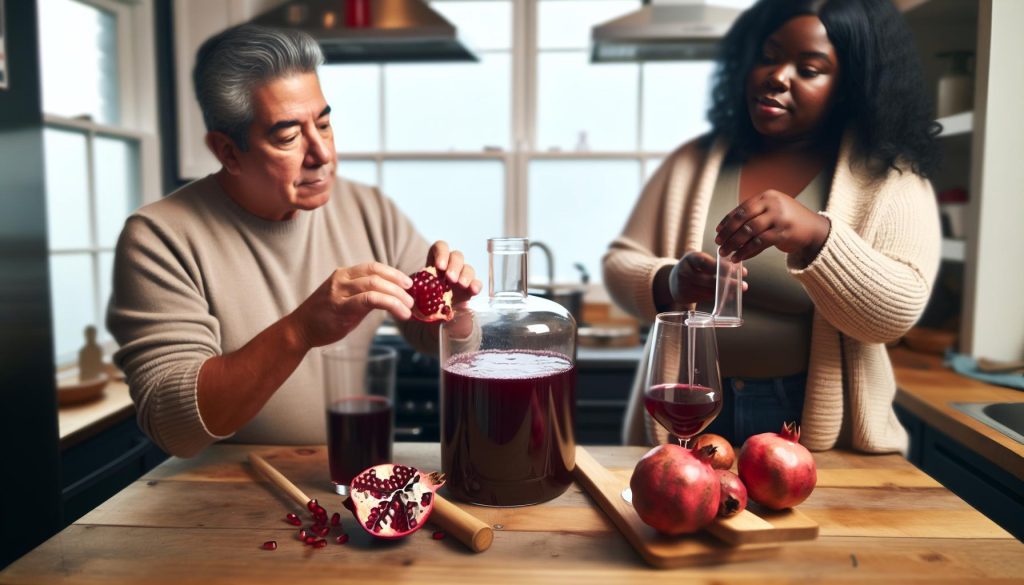
Imagine transforming the vibrant, jewel-like pomegranates sitting on your kitchen counter into a rich, tangy wine that tells a story of tradition and creativity. Making pomegranate wine at home might seem daunting, but it’s surprisingly simple! This guide will walk you through the process step-by-step, ensuring that every beginner feels confident and empowered. With just fresh pomegranates, sugar, and a little patience, you can craft a unique drink that’s perfect for special occasions or a quiet evening at home. Not only will you impress your friends and family, but you’ll also enjoy the satisfying experience of creating something truly your own. So grab those pomegranates, and let’s dive into the wonderful world of winemaking together!
Selecting the Best Pomegranates for Winemaking

When it comes to making pomegranate wine, the quality of your fruit is crucial. Selecting the best pomegranates will set the foundation for a rich and flavorful wine. To start, you want to look for pomegranates that are heavy for their size; this indicates that they are juicy and have a high water content, essential for extracting that luscious juice. A good rule of thumb is to choose pomegranates with vibrant red skin that feels firm to the touch. Avoid any with blemishes, soft spots, or overly dried areas, as these can affect the flavor and quality of your wine.
Here are some key characteristics to consider when selecting pomegranates:
- Color: Opt for deep, rich hues, which typically suggest ripeness and sweetness.
- Weight: Heftier pomegranates usually indicate more juice, which is a must for winemaking.
- Shape: Look for a rounded shape, signaling that it is full of seeds and juice.
- Time of Year: Pomegranates are typically in season from September to December, which is the best time to find fresh, flavorful options.
If you have access to different varieties, don’t hesitate to experiment. Varieties like ‘Wonderful’ are known for their sweetness and flavor profile, making them a favorite for winemaking. Mixing different types can also create unique taste profiles in your wine, enhancing complexity and depth.
Bringing home your chosen pomegranates means you’re one step closer to crafting your homemade wine. Remember to wash them thoroughly and store them in a cool, dry place until you’re ready to start the juicing process. Keeping your fruit in top condition is key to achieving a tangy and rich flavor in the final product that you can be proud of.
Essential Equipment for Making Pomegranate Wine
To embark on your pomegranate wine journey, gathering the right tools is essential. Think of your kitchen as a winemaking lab, equipped with everything you need to transform those gorgeous pomegranates into something extraordinary. You don’t need to invest in fancy industrial equipment; rather, a few basic supplies will set you up for success, allowing you to create a delicious tangy and rich homemade wine.
Start with a fermentation vessel, which is simply a large container that can hold your pomegranate juice as it transforms into wine. A glass carboy or a food-grade plastic fermenter works perfectly. You’ll also need an airlock and bung to allow gases to escape during fermentation without letting contaminants in. These simple devices prevent a problematic overflow of foam while ensuring your wine is safe and sound.
Next, consider the tools for juicing and preparing your pomegranates. A quality juicer or a food processor is ideal for extracting juice while preserving flavor. You might also need a fine mesh strainer or cheesecloth to filter out any pulp from the juice, guaranteeing a smooth final product. To measure specific gravity, a hydrometer will be your new best friend-it helps determine the sweetness and alcohol content in your wine.
Lastly, don’t forget some basic winemaking accessories that can make this journey more enjoyable. A stirring spoon, preferably long enough to reach the bottom of your fermentation vessel, is crucial for mixing ingredients. A siphon tube will come in handy for transferring your wine from one container to another without disturbing the sediment that collects at the bottom of the fermenter. And of course, bottles are needed for storage; wine bottles with corks or screw tops will suffice.
By assembling this straightforward toolkit, you’re setting the stage for a fulfilling winemaking experience. Each step, from juicing to fermentation, becomes accessible and manageable with the right equipment. So gather your tools, roll up your sleeves, and let the adventure of pomegranate winemaking begin!
Step-by-Step Guide: How to Ferment Pomegranate Juice

To bring your pomegranate wine to life, fermentation is where the magic happens-the moment when raw juice transforms into a delightful elixir. This process is like alchemy, and with a touch of patience and the right techniques, you can create a rich and tangy wine from your pomegranates. Let’s dive in!
Start by preparing your fresh pomegranate juice. If you’re using whole pomegranates, gently wash them, cut them open, and extract the seeds. A food processor can help speed up this process by mashing the seeds, making it easier to juice. Once you’ve got a good amount of juice, strain it through a fine mesh strainer or cheesecloth to remove the pulp. Aim for around 1 to 1.5 gallons of juice, as this will yield about 5 to 6 bottles of wine.
The Fermentation Process
- Mixing Ingredients: In your fermentation vessel, combine your freshly squeezed pomegranate juice with sugar. A good starting point is about 2 to 3 pounds of sugar for every gallon of juice. You’ll also need to add a campden tablet (if you’re using potassium metabisulfite) to help eliminate wild yeast and bacteria that might affect your wine. Let this mixture sit for about 24 hours to allow the campden tablet to work its magic.
- Yeast Addition: After the waiting period, it’s time to introduce yeast. A wine yeast such as Lalvin 71B or EC-1118 works wonders. Sprinkle the dry yeast over the surface of the juice and give it a gentle stir. Cover the vessel with a clean cloth or use an airlock if you have one, allowing gases to escape while keeping contaminants out.
- Fermentation Time: Allow your wine to ferment in a cool, dark place. This primary fermentation can take anywhere from 7 to 14 days. You’ll know it’s time to move to the next step when bubbles slow down significantly, and the mixture shows signs of clarity. Use a hydrometer to test the specific gravity if you have one-it should drop significantly, indicating fermentation is underway.
- Racking: Once fermentation has slowed, it’s time to rack your wine-this means transferring it to another container while leaving sediment behind. This step not only helps clarify the wine but also reduces undesirable flavors. A siphon tube makes this process easy and minimizes disturbance to the sediment.
- Secondary Fermentation: Seal your new fermentation vessel with an airlock. Let the wine undergo secondary fermentation for about 4 to 6 weeks. During this phase, flavors will develop more fully, and the wine will clarify as remaining solids settle at the bottom.
By following these straightforward steps, you’ll harness the unique flavors of the pomegranate and create a delicious homemade wine that’s not just a drink but a celebration of your kitchen creations. Don’t be afraid to take notes throughout the process; each batch can teach you something new! So, grab your pomegranates, roll up your sleeves, and enjoy the delightful journey into winemaking.
Creating the Perfect Pomegranate Wine Blend

Creating a rich and balanced pomegranate wine blend is an exciting part of the winemaking process that lets your creativity shine. Pomegranate, with its naturally sweet and tangy notes, provides a vibrant base for your wine, but the magic happens when you think outside the box and incorporate other flavors to enhance your blend. Many home winemakers discover that adding a little extra fruit can create delightful layers of complexity in their final product.
Start by considering the natural characteristics of pomegranate juice. Its flavor is robust, making it a perfect partner for other fruits. You might want to experiment with light berries like raspberries or blueberries, which can provide a lovely color and additional sweetness. A splash of citrus, such as orange or lemon zest, can brighten the profile with a refreshing acidity that complements the pomegranate’s tang. Depending on your palate, you can mix and match these fruit juices to achieve a blend that suits your taste.
When blending, pay attention to sugar levels and acidity. For example, you can add sugar or adjust acidity by including fruits high in natural sugars or acids. If your pomegranate juice is particularly tart, consider balancing it with a sweeter fruit to create a harmonious flavor profile. Here’s a practical starter formula to guide you:
- For every gallon of pomegranate juice, try adding:
- 1 quart of raspberry or blueberry juice
- 1 orange, juiced and zested
- Optional: 1 cup of sugar (adjust based on taste)
Remember, the best way to find your perfect blend is to taste throughout the process. Start with small increments of your additional flavors and keep a keen eye (or tastebud!) on how the flavors develop as the fermentation progresses. Each batch offers a lesson in flavor development, so don’t hesitate to jot down what works and what doesn’t.
Embrace the joy of experimentation! Winemaking shouldn’t feel intimidating or overly technical. Instead, it’s about expressing yourself through flavors you love. As you create your blend, think of what you enjoy sipping on or what flavor combinations excite your palate. With practice, you’ll not only master the pomegranate wine but also discover unique blends that could become your signature creation, cherished at gatherings and celebrations for years to come.
Finishing Techniques: Clarifying and Filtering Your Wine
The final stage of your pomegranate winemaking journey is all about achieving that crystal-clear finish that not only looks appealing but also enhances the overall drinking experience. Clarifying and filtering your wine is essential to removing any unwanted particles or cloudiness that might have accumulated during fermentation. This step may seem daunting, but with a few simple techniques, you’ll be able to enjoy a beautifully filtered homemade wine.
Start by allowing your wine to settle for a few days after fermentation. During this time, you can expect sediments, also known as lees, to form at the bottom of your fermentation container. Once these have settled, it’s time to carefully siphon or transfer the clear wine into another clean vessel, leaving the sediment behind. This process is called racking and is crucial for keeping your wine free from unwanted flavors that can come from the sediments.
Clarification Methods
To achieve an even clearer wine, you might consider using fining agents. These are substances that help trap and settle particulates out of the wine. Common options include:
- Gelatin: Derived from animal collagen, this is an effective fining agent for reds.
- Bentonite: A clay that works well with many types of wines, including whites and rosés.
- Egg Whites: Traditional and also popular with red wines, egg whites aid in softening harsh tannins and clarifying.
Simply mix the chosen fining agent with water (or other wine) and add it gently to your wine. Give it a few days to do its job before racking again to further refine the clarity.
Filtering Your Wine
After clarifying, filtering is the next step. This process ensures that any remaining tiny particles are removed, resulting in a flawless presentation. For home winemakers, purchasing a simple wine filter kit can make this task much easier. These kits typically include a vacuum pump and filter pads, allowing you to filter small batches at a time.
Simply pour your clarified wine into the filtering system, apply the vacuum, and watch as the wine passes through the filter, leaving any remaining sediment behind. This might take a little patience, but the end result is absolutely worth it-your wine will be both beautiful and ready to impress your guests!
Remember, while achieving clarity is important, the most critical aspect of winemaking is enjoying the process. Celebrate each step, and don’t hesitate to experiment with different clarifying and filtering methods that suit your taste!
Storing Your Homemade Pomegranate Wine
is just as crucial as the winemaking process itself. Proper storage can enhance the flavors and longevity of your wine, allowing you to enjoy its tangy richness over time. The essence of your wine’s character will evolve, often improving with age, making the right storage conditions essential.
Begin by choosing a suitable location for your wine. A cool, dark space away from light and temperature fluctuations is ideal-think of a cellar or a dedicated wine fridge. The temperature should be around 50-55°F (10-13°C) for optimal aging. It’s important to store your bottles horizontally if they have corks. This keeps the cork moist and prevents it from drying out, which can lead to spoilage.
Temperature and Humidity
Stable humidity levels are also beneficial. Aim for a humidity level between 50-70%. Too much dryness can cause corks to shrink, while excessive humidity can encourage mold growth. A hygrometer can help you monitor these levels accurately.
Consider Wine Bottles and Closure
When it comes to the bottles themselves, dark glass will protect your wine from UV light, which can deteriorate flavors. If you’ve opted for screw caps, you won’t have to worry about cork issues, but it’s still wise to keep them in a cool, dark environment. Each bottle should be sealed tightly-if you’ve bottled your pomegranate wine but plan to hold onto it for a while, consider using wine stoppers designed for long-term use when storing opened bottles.
Enjoying Your Wine Over Time
Lastly, always keep a log of your bottled wine, noting when you made it and when you plan to taste it again. This helps you track the aging process and discover your wine’s best drinking window. Homemade pomegranate wine can be a joy to share, and monitoring its evolution will deepen your appreciation for your craft.
By following these simple yet effective storage practices, you ensure that your homemade pomegranate wine remains delightful and memorable, ready to impress when you finally pop the cork!
Creative Variations: Infusing Flavors in Pomegranate Wine
Infusing unique flavors into pomegranate wine can elevate your brewing experience and create a signature drink that reflects your personal taste. Whether you prefer a fruity twist, a hint of spice, or a herbaceous touch, exploring different flavor infusions can be a fun way to transform your homemade wine. Let’s dive into a few creative variations that you can easily incorporate during your winemaking process.
One of the simplest and most popular methods for flavor infusion is to add additional fruits. Citrus fruits like oranges or lemons can brighten your wine with a zesty aroma, while berries such as raspberries or blackberries can add depth and complexity. To infuse, consider the following steps:
- Choose your fruit: Fresh, ripe fruit yields the best flavor. Aim for about 1-2 pounds per gallon of pomegranate wine.
- Prepare the fruit: Clean and chop the fruits into small pieces to maximize surface area.
- Add during fermentation: Introduce the fruit to your fermentation bucket during the primary fermentation stage to allow the flavors to meld.
Spices are another fantastic option. Cinnamon, cloves, and ginger can provide a warm, comforting complexity to your wine. Here’s how to incorporate spices:
Spicy Infusions
- Select your spices: Start with a small amount; for example, 1-2 cinnamon sticks or 3-4 cloves per gallon.
- Create a spice bag: Place the spices in a mesh bag for easy removal later, preventing the infusion from becoming too overpowering.
- Introduce during fermentation: Add the spice bag to your fermentation vessel at the start of fermentation.
Another adventurous approach is to experiment with herbs. Fresh herbs like mint, basil, or rosemary can give your wine an aromatic lift. To infuse herbs:
Herbaceous Touches
- Choose your herbs: Fresh is best, and a few sprigs per gallon is often sufficient.
- Macerate: Lightly bruise the herbs to release their oils before adding them to the fermentation mix.
- Timing: Consider adding them during secondary fermentation for a more balanced flavor profile.
Lastly, if you’re feeling particularly creative, try combining these elements. A pomegranate wine infused with a blend of fresh blueberries, a hint of mint, and a dash of cinnamon can be refreshingly unique. Just keep track of your measurements and keep a tasting log, so you can replicate or tweak your creations in future batches.
There’s no right or wrong way to infuse your wine. These techniques allow you to celebrate your creativity and flavor preferences while crafting a delightful homemade pomegranate wine that’s truly your own! Happy winemaking!
Pairing Pomegranate Wine with Food: Tips and Tricks
Pairing pomegranate wine with food can transform an ordinary meal into an extraordinary experience. With its tangy sweetness and vibrant color, pomegranate wine offers a unique flavor profile that can complement or enhance various dishes. Whether you’re hosting a dinner party or enjoying a simple weeknight meal, here are some friendly tips and tricks to make the most of your pomegranate wine pairing.
One delectable combination is with roasted meats. Pomegranate wine’s acidity cuts through the richness of dishes like roast duck or pork, creating a delightful balance. For a flavorful twist, serve the wine alongside a cherry-glazed duck breast or a honey-mustard pork tenderloin. The sweet notes of pomegranate harmonize beautifully with the savory elements of these dishes.
Seafood is another excellent match. Consider pairing your pomegranate wine with grilled salmon or seared scallops. The wine’s fruity undertones enhance the natural oils in the fish, making each bite more enjoyable. Additionally, a fresh citrus salad topped with pomegranate seeds can create a refreshing contrast that brightens up the meal while echoing the wine’s flavors.
Vegetarian dishes also shine alongside pomegranate wine. Think about roasted vegetables drizzled with balsamic glaze or a hearty grain salad featuring quinoa and chickpeas. These options highlight the wine’s versatility; the natural sweetness of the pomegranate will elevate the earthiness of the grains and roasted veggies. To round out the meal, consider adding a cheese platter featuring creamy goat cheese or sharp feta, which pairs nicely with the wine’s profile.
When serving pomegranate wine, the right temperature matters. Chill your wine slightly-between 50-60°F is ideal. This enhances its refreshing quality and pairs well with a variety of dishes, making your meal feel festive. So go ahead, experiment with these pairings and discover what works best for your palate. There’s no wrong way to enjoy your homemade pomegranate wine!
Troubleshooting Common Winemaking Issues
When diving into the world of winemaking, it’s not uncommon to run into a few hiccups along the way. Don’t let these challenges discourage you! Every experienced winemaker has faced similar issues, and with a little guidance, most problems can be easily remedied. Here are some common issues you might encounter while making your delightful pomegranate wine, along with friendly troubleshooting tips to help you get back on track.
Fermentation Troubles
If your fermentation seems stuck or sluggish, it might be due to several factors:
- Temperature: Yeast thrives in a warm environment (around 70-75°F). If your fermentation is sluggish, check the temperature and try moving your brew to a warmer spot.
- Yeast Health: Old or improperly stored yeast can underperform. Always use fresh, active yeast. If in doubt, you can rehydrate the yeast before adding it to your must to ensure it’s lively.
- Sugar Level: If the initial sugar content is too low, fermentation may slow down. Make sure your juice is sweet enough, ideally starting around 1.100 specific gravity.
If you notice that your fermentation has completely stopped and there are signs of spoilage, you may have to consider restarting the process with fresh juice and yeast.
Cloudiness in the Wine
It’s natural for new wine to be a bit cloudy, especially when first bottled. However, if it remains unclear long after fermentation:
- Racking: Gently rack your wine into another clean vessel, leaving sediment behind. This will help clarify the liquid.
- Fining Agents: Consider using fining agents like bentonite or egg whites, which can coax sediments to settle, clarifying your wine.
Off-Flavors or Aromas
Sometimes, your wine might develop an unwanted flavor or smell, often due to inadequate sanitation or fermentation issues:
- Sanitation: Ensure all your equipment is sanitized to prevent spoilage bacteria from taking hold. A simple mix of water and a no-rinse sanitizer works wonders.
- Oxidation: If your wine tastes ‘flat’ or overly vinegary, it may have been exposed to oxygen too early. Keep your wine in a tight-sealed container throughout the fermentation process.
Carbonation Issues
If you’re hoping for a bubbly pomegranate wine but find it flat instead, you might need to take a closer look at your bottling process:
- Priming Sugar: If you want a sparkling finish, add a small amount of priming sugar (about 1 oz. per gallon) during bottling to encourage a secondary fermentation in the bottle. Ensure proper cap sealing to trap the CO2.
- Temperature Control: Bottling in a cooler environment can help maintain carbonation levels.
Shortage of Flavor
If your wine lacks the robust flavor you were hoping for, consider these adjustments for your next batch:
- Fruit Quantity: Depending on your personal taste, try adding more pomegranate juice or blending with other fruits to enhance complexity.
- Aging: Some wines benefit from aging. Give your pomegranate wine time to mature, as flavors often deepen and develop with age.
By staying aware of these common issues and employing these simple yet effective solutions, you’ll be well on your way to mastering homemade pomegranate wine. Remember, winemaking is an adventurous process; embrace the learning curve, and most importantly, enjoy the journey along the way!
Understanding the Benefits of Homemade Wine
Crafting your own wine at home is not just a satisfying hobby; it opens up a world of flavors and personal touches that store-bought options simply can’t replicate. When you make pomegranate wine, you’re not just following a recipe; you’re infusing your personality and taste preferences into each batch. The beauty of homemade wine lies in its originality and the joy it brings to gatherings and personal moments alike.
One remarkable benefit of making wine at home is the control you gain over the ingredients and process. You can select the ripest pomegranates, tailor the sugar levels to your liking, or even experiment with various blends-like adding berries or spices-to create a unique flavor profile. This versatility allows you to cater to your taste or specific dietary needs, avoiding preservatives often found in commercial wines. Remember, a personal touch can elevate a drink from ordinary to extraordinary.
Moreover, engaging in winemaking fosters a deeper appreciation for the craft. You’ll become more attuned to the intricacies of fermentation, the importance of temperature control, and the role of yeast. Each batch teaches you something new, whether it’s troubleshooting a fermentation issue or perfecting a blending technique. This learning journey not only enhances your skills but also deepens your enjoyment of wine as a whole.
Finally, there’s something undeniably pleasing about sharing your homemade creations with friends and family. Each bottle tells a story-from harvest to fermentation to the moment it’s poured into a glass. Presenting a homemade pomegranate wine at a dinner party or gifting it to a loved one adds a personal touch that enhances the experience for everyone involved. It transforms a simple drink into a testament of your creativity and effort, making every sip a special occasion. So roll up your sleeves, embrace the adventure of winemaking, and celebrate the joy of crafting your own pomegranate wine.
The Art of Labeling and Gifting Your Pomegranate Wine
Crafting your own pomegranate wine is an art, and presenting it as a gift adds an extra layer of thoughtfulness and creativity. The experience doesn’t just stop at bottling; it extends to how you label and gift your homemade wine, making it even more special. A well-designed label can turn your delightful creation into a cherished souvenir for friends and family, reflecting the effort and love you’ve put into every drop.
Start by choosing the right label. You can go for pre-printed wine labels or create custom ones that highlight the unique characteristics of your pomegranate wine. Include details like the wine’s name, the year it was made, and a brief description of the flavors or notes it contains. For example, “Rich and Tangy Pomegranate Wine, 2025 – A delightful blend that dances with hints of spice and sweetness.” This not only informs the recipient about what to expect but also elevates the presentation. Feel free to get creative with designs-add illustrations of pomegranates or a watermark that speaks to the wine’s character. There are easy-to-use online tools that can help you design labels, making the process accessible no matter your skill level.
When preparing your wine for gifting, consider pairing it with a thoughtful touch. A simple yet elegant presentation can enhance the overall experience. Think about wrapping the bottle in a burlap sack, tying it with twine, and attaching a small sprig of rosemary or basil for a fragrant addition. You could also create a little gift basket including artisanal cheese, dark chocolate, or dried fruits that complement the wine. Customize your basket based on the recipient’s tastes; this makes your gift feel even more personal.
Lastly, don’t underestimate the power of a handwritten note. Once you’ve labeled your pomegranate wine and packaged it beautifully, include a lovely message. Share a little about the winemaking process and what inspired you to create this particular batch. This personal touch fosters a connection and conveys the significance of the gift. Whether it’s for a birthday, holiday, or a simply heartfelt gesture, your thoughtfully labeled and presented pomegranate wine will undoubtedly be a memorable gift that’s also an invitation to savor life’s delicious moments together.
Celebrating Your Pomegranate Wine: Serving Suggestions
Celebrating your homemade pomegranate wine is all about the experience of sharing it with friends and family, enhancing moments with delightful flavors, and making every sip memorable. A great way to serve your pomegranate wine is to chill it slightly before pouring. This brings out its vibrant flavors, creating a refreshing drink, particularly in warmer months. You can serve it in elegant wine glasses to elevate the experience, or for a casual gathering, opt for tumblers to create a relaxed atmosphere.
Consider pairing your pomegranate wine with complementary snacks to create a harmonious spread. Pomegranate wine’s tangy, rich notes work beautifully with a variety of foods. Here are some ideas to inspire you:
- Cheeses: Soft cheeses like Brie or goat cheese contrast nicely with the acidity of the wine, while aged cheeses like Gouda add depth to the pairing.
- Charcuterie: Include a selection of cured meats such as prosciutto or salami, which will enhance the fruity flavors of the wine.
- Fruits: Fresh fruits like figs, apples, or pears, and even dried fruits such as apricots or dates, can provide a delightful complement.
- Desserts: Dark chocolate or pomegranate-topped desserts make a sweet finale, balancing the wine’s acidity with rich flavors.
For a fun twist, consider creating cocktails using your pomegranate wine. Mix it with a splash of sparkling water for a refreshing spritzer, or combine it with a bit of gin and tonic for a vibrant, fruity cocktail. You can even freeze pomegranate wine into ice cubes to chill other drinks without diluting them, adding a unique flavor boost.
Lastly, don’t forget the importance of presentation! Enhance the experience with a little atmosphere by setting a rustic table or adding candles to create a cozy vibe during an evening gathering. Whatever the occasion, showcasing your homemade pomegranate wine with thoughtful pairings and an inviting setup makes for an unforgettable celebration-not just of the wine itself but of the joy of sharing and creating together. Cheers!
Frequently Asked Questions
Q: What type of yeast is best for making pomegranate wine?
A: For making pomegranate wine, champagne yeast or white wine yeast varieties, such as Lalvin 71B, are excellent choices. These yeasts are known for their ability to enhance fruit flavors and achieve a crisp finish, making them ideal for a tangy and rich pomegranate wine.
Q: How long does it take to ferment pomegranate wine?
A: Typically, pomegranate wine ferments for about 2 to 4 weeks, depending on the yeast and fermentation temperature. Primary fermentation may last about 1 to 2 weeks, followed by additional weeks of secondary fermentation for clarity and flavor development.
Q: Can I add sugar to my pomegranate wine?
A: Yes, adding sugar can enhance the sweetness of your pomegranate wine. Start by adding ½ cup of sugar per gallon of juice and adjust according to your taste preferences. Remember to check the specific gravity to ensure proper fermentation.
Q: Is it necessary to filter pomegranate wine?
A: While it’s not mandatory, filtering your pomegranate wine helps achieve a clearer beverage and removes any sediment. You can use a fine mesh strainer or a wine filter during bottling to enhance clarity and texture.
Q: How should I store homemade pomegranate wine?
A: Store your homemade pomegranate wine in a cool, dark place, ideally at a temperature between 50-60°F (10-15°C). Using dark bottles can also help protect from light, preserving the wine’s flavor and quality over time.
Q: What are some food pairings for pomegranate wine?
A: Pomegranate wine pairs wonderfully with grilled meats, spicy dishes, and rich cheeses like goat cheese. Its tangy profile complements flavors well, making it a versatile choice for various meals.
Q: How can I tell when my pomegranate wine is ready to drink?
A: Your pomegranate wine is ready when it has cleared, developed a pleasant aroma, and tastes balanced. This usually takes about 3 to 6 months after bottling. Taste periodically to ensure it meets your preference before serving.
Q: Can I use frozen pomegranates for winemaking?
A: Absolutely! Frozen pomegranates are a great option as they are typically processed at peak ripeness. Just ensure to thaw them thoroughly and extract as much juice as possible for the best flavor and fermentation results.
Final Thoughts
Now that you’ve mastered the art of making tangy and rich homemade pomegranate wine, why not share your experience? We’d love to hear about your variations or any tips you’ve discovered along the way-drop a comment below! If you’re eager to continue your culinary journey, check out our guides on how to pair your pomegranate wine with meals or dive into crafting pomegranate-infused cocktails.
Don’t forget to subscribe to our newsletter for more fantastic recipe ideas and exclusive tips delivered straight to your inbox. Remember, winemaking can be simple and rewarding, turning everyday ingredients into gourmet delights right in your kitchen. So gather your pomegranates, unleash your creativity, and toast to your homemade success! Explore more and keep experimenting-there’s a whole world of flavors waiting for you!