
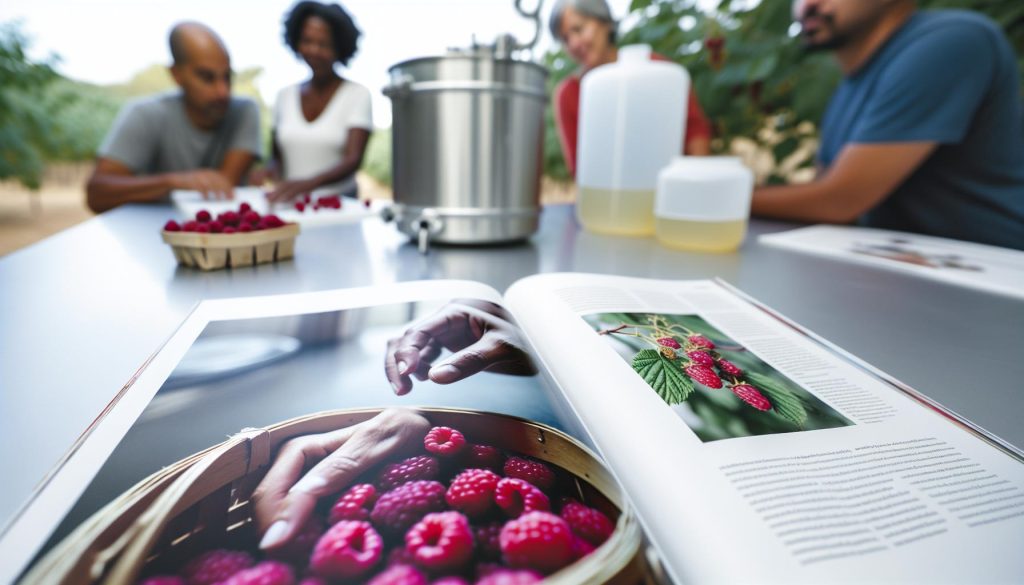
Have you ever tasted a homemade raspberry wine that bursts with bold berry flavor? The good news is that making your own raspberry wine is not only achievable but also incredibly rewarding! With just a few simple ingredients, including fresh raspberries or store-bought juice, you can craft a delightful beverage that elevates any gathering or cozy night in.
In this step-by-step guide, you’ll discover how to transform luscious raspberries into a stunning wine that showcases your creativity without the need for fancy equipment or extensive expertise. Perfect for beginners and seasoned homebrewers alike, we’ll walk you through every essential step, from fermentation to bottling, ensuring your wine turns out delicious every time! So roll up your sleeves and get ready to impress your friends and family with your very own berry-infused creation!
Choosing the Right Raspberries for Wine
When it comes to crafting delicious homemade raspberry wine, the type of raspberries you choose can make a world of difference in flavor and quality. The best raspberries for winemaking are those that are ripe, fresh, and of high quality. Opt for organic raspberries if possible-they tend to have better flavor, and you can avoid any unwanted pesticides leaching into your wine.
Look for berries that are deep in color and plump; their aroma should be fragrant and fruity. Avoid any that are overly soft or have signs of mold. If you don’t have access to fresh raspberries, frozen ones can also work well, especially if they’re caught at peak ripeness. Just ensure you thaw and drain them properly before using to extract maximum juice.
Here are a few tips to keep in mind when selecting your raspberries:
- Color: Bright red with no dull spots or bruising.
- Aroma: Sweet, fruity scent signifies ripeness.
- Season: Late summer is typically the best time for fresh raspberries.
- Source: Local farms or farmer’s markets often yield the freshest options.
Using quality raspberries not only enhances the flavor of your wine but also ensures the best possible outcome. By taking the time to select the right fruit, you’ll set the foundation for a beautifully balanced and aromatic raspberry wine that you can share with friends and family.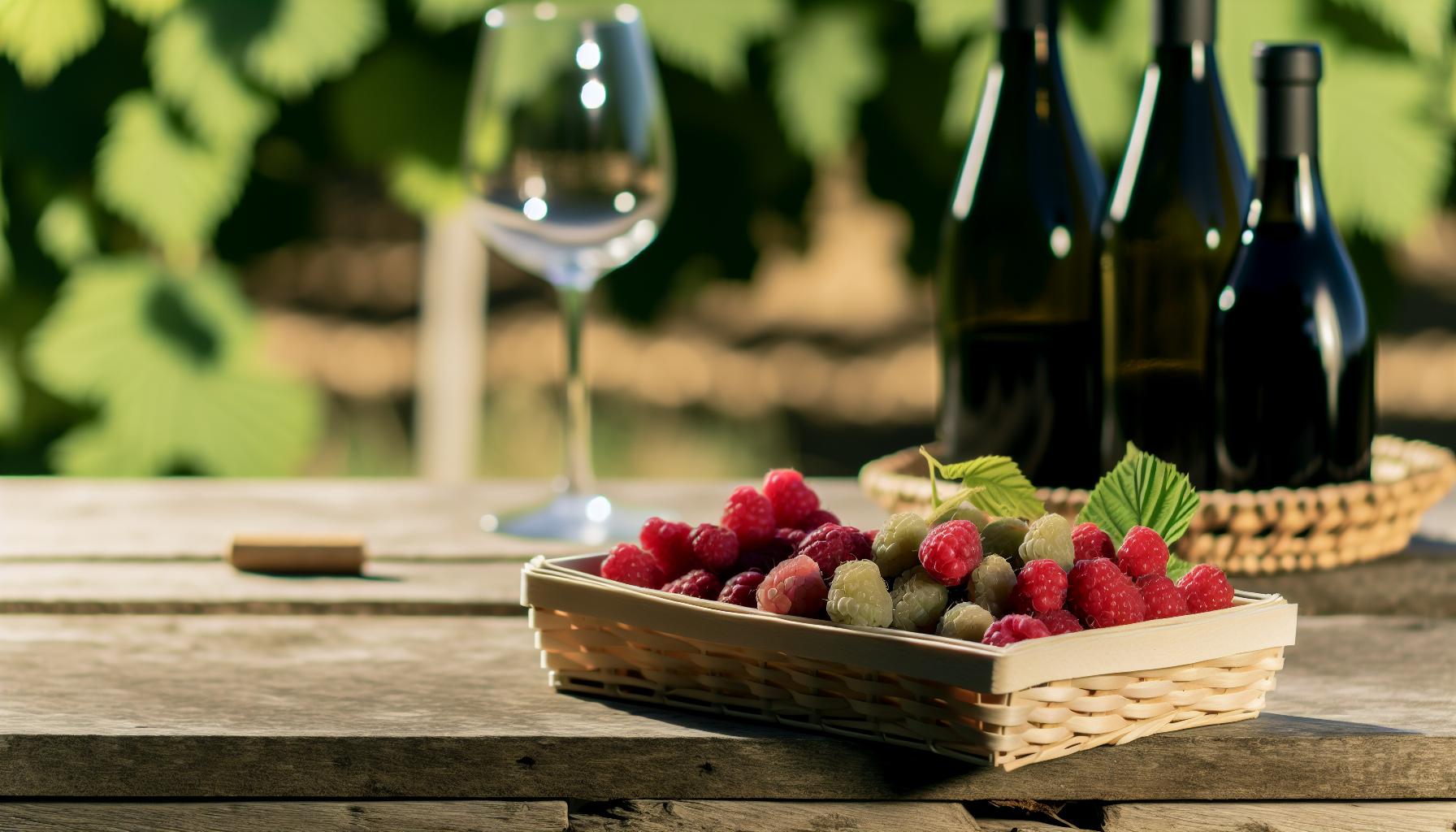
Essential Equipment for Making Raspberry Wine
To embark on your raspberry wine-making journey, having the right equipment is key to ensuring a smooth process and a delicious final product. You don’t need a fancy wine cellar or specialized winery tools; many essentials can already be found in a well-stocked kitchen or can be easily purchased online or at local stores. Below, I’ll lay out the must-have items to get you started on crafting your own bold and flavorful raspberry wine.
Basic Equipment
The foundation of your winemaking toolkit begins with a few basic items:
- Primary Fermentation Vessel: A 1-gallon glass or plastic carboy works perfectly. Choose one with a wide mouth for easy cleaning.
- Airlock: This nifty device allows gases to escape during fermentation while preventing contaminants from entering your wine.
- Fine Mesh Strainer or Cheesecloth: Essential for separating the juice from the raspberry pulp after mashing.
- Wine Bottles and Corks: Once your wine is ready, you’ll need clean, dry bottles (750 mL is standard) and appropriate corks to seal them tightly.
Additional Supplies
While those basics get you started, consider these additional items that can enhance your winemaking experience:
- Large Pot or Blender: A large pot is great for heating your mixture if needed, while a blender helps to puree the raspberries before fermentation.
- Hydrometer: This tool measures your wine’s specific gravity and helps determine the potential alcohol content.
- Sanitizer: Keeping everything clean and sanitized is crucial because unwanted bacteria can spoil your wine. Look for no-rinse sanitizers specifically designed for home brewing.
- Siphon and Bottling Wand: Useful for transferring finished wine from one container to another without disturbing sediment.
Preparing to make raspberry wine can be exciting and fulfilling, especially when you realize that it doesn’t require extensive or expensive equipment. With just a few basic tools and some enthusiasm, you’ll be on your way to enjoying the fruits of your labor. Remember, the journey of winemaking is just as delightful as the end result, so take your time, enjoy the process, and don’t hesitate to experiment!
Step-by-Step Guide to Preparing Raspberry Wine
To create your own delightful raspberry wine, starting with a clear and enjoyable process is essential. This journey involves significant flavor infusion, which is part of what makes homemade raspberry wine such a rewarding experience. Before diving in, gather your ingredients: you’ll need around 800 pounds (360 kg) of frozen raspberries, 200 pounds (90 kg) of sugar, and about 20 gallons (76 L) of water to yield a robust batch. Here’s a simple yet effective guide to get you on the path to bold berry flavor.
Prep Your Ingredients
Begin by thawing your raspberries thoroughly. As they defrost, they’ll release their delightful juices, which are perfect for winemaking. Once thawed, mash the raspberries gently with a potato masher or your hands to maximize juice extraction. In a separate large pot, dissolve your sugar into some of the water over low heat; this helps create a syrup that will blend seamlessly with the raspberry mixture.
Mixing It All Together
In your primary fermentation vessel, combine the mashed raspberries, syrup, and the remaining water. This combination not only boosts the flavor but also helps adjust the sweetness to your preference. For a bit of bubbly excitement, sprinkle in your wine yeast-Lalvin K1-V1116 is a popular choice for preserving fruity notes during fermentation.
Fermentation Time
Seal your fermentation vessel with an airlock. This crucial step prevents any contaminants while allowing gases released during fermentation to escape. Place your vessel in a dark, room-temperature spot (around 70-75°F or 21-24°C) for about 7-14 days. You’ll know fermentation is happening when you see bubbles forming and floating to the surface; this is a good sign indicating your wine is on its way!
Finishing Touches
After fermentation, it’s time to strain out the pulp using a fine mesh strainer or cheesecloth. This gives your wine that smooth finish. Transfer the liquid into another sanitized carboy for secondary fermentation, and let it sit for an additional 4-6 weeks. Once it’s clear and tastes just right, you can bottle it up in clean and sanitized bottles. Make sure to cork them tightly and store your bottles in a cool, dark place for aging.
Creating raspberry wine is not just a cooking process; it’s an experience full of delicious anticipation and personal touch. With the right ingredients and a bit of patience, you’ll have a beautiful homemade wine that captures the essence of fresh raspberries and can be enjoyed in any season!
The Fermentation Process: What to Expect
As your raspberry wine begins its fermentation journey, excitement fills the air. This critical step transforms your fruit and sugar mixture into a delightful alcohol-rich beverage, and understanding what to expect can make the experience even more rewarding. The magic of fermentation is caused by the yeast consuming the sugars in your mixture, releasing alcohol and carbon dioxide as byproducts. You may not see the process unfold in real-time, but you will certainly notice the signs of a thriving fermentation.
After sealing your fermentation vessel with an airlock, place it in a warm, dark spot with a stable temperature between 70-75°F (21-24°C). Within a day or two, bubbles will begin to form, signaling that the yeast is active. You might even hear gentle gurgles or see foam developing on the surface. This bubbling is an indication that the fermentation process is well underway, and the yeasts are happily transforming your mixture. Typically, fermentation will take 7 to 14 days. During this time, it’s important to keep an eye on the activity. If bubbles slow down significantly or stop, it may indicate that fermentation is complete.
At around the one-week mark, consider gently swirling the vessel once or twice. This simple action helps resuspend the yeast and allows it to come into contact with any remaining sugars in the mixture, improving the clarity and flavor of your final product. As fermentation progresses, the bubbling will gradually diminish, eventually coming to a halt. This indicates that the yeast has consumed most of the sugars, resulting in a delicious, albeit still raw, form of raspberry wine, with more character than any store-bought version can offer.
Once fermentation slows or stops, you’ll want to test the specific gravity of your wine using a hydrometer, which helps determine the alcohol content. If the gravity reading is stable over a couple of days and has reached your desired level, it’s time to strain out the solids and move on to secondary fermentation. This second stage helps develop flavors further and improves clarity, bringing you one step closer to that brilliantly ruby-colored raspberry wine. The anticipation builds, and with a little patience, you’ll soon be enjoying your homemade creation!
Common Challenges and How to Overcome Them
As you embark on the exciting adventure of making raspberry wine, it’s vital to be prepared for some common challenges that can pop up along the way. Every batch offers its own unique quirks, and while they might seem daunting, many issues have straightforward solutions that can keep your winemaking on track.
One frequent hurdle is fermentation getting stuck, where the specific gravity remains at 1.000 or close to it, indicating that the yeast has stopped working. If you find yourself facing this issue, it’s essential to check several factors: First, assess the temperature; yeast thrives in a warm environment, ideally around 70-75°F (21-24°C). If your ambient temperature is low, gently warming the environment can revitalize your yeast. Next, consider yeast nutrient. A lack of nutrients can hinder yeast activity, so adding a yeast nutrient may help. Don’t forget to gently swirl the fermentation vessel to resuspend the yeast and allow it to reach any remaining sugars. In some cases, simply giving it a little time (a few days) can bring the fermentation back to life.
Another challenge could be unwanted flavors or smells developing, such as a vinegary or off-putting odor. This can happen if oxygen has seeped into your fermentation vessel. To mitigate this risk, always ensure your equipment is sanitized, and use an airlock that allows gases to escape while keeping oxygen out. If you detect any off-flavors during fermentation, a subtle addition of potassium metabisulfite can act as an antioxidant, helping preserve the flavor integrity of your wine.
If you notice a low yield after pressing your raspberries, you might be left wondering about extraction. To increase yield, spend a little more time crushing your fruit before fermentation. When preparing your raspberries, ensure they’re fully crushed or mashed to expose more juice. Alternatively, consider using a fruit press for optimal extraction, giving you that robust berry flavor you’re after.
Lastly, let’s not overlook the importance of patience during the bottling phase. A common mistake is to rush this step. Always wait until your wine has fully cleared, which may take weeks or even months. If you’re in haste, you might mix sediment with your wine, affecting clarity and taste. By filtering your wine or letting it settle properly, you ensure a clearer and more refined final product.
With these tips and tricks, you’ll be well-equipped to tackle any challenges that come your way. Winemaking should be an enjoyable experience, so embrace the process, learn from each batch, and celebrate your delicious raspberry creations!
Exploring Flavor Variations in Raspberry Wine
When it comes to crafting your own raspberry wine, exploring flavor variations opens up a delightful realm of possibilities. While the classic raspberry wine features the bold, sweet-tart profile of pure raspberries, experimenting with additional ingredients can take your creation to new heights, enhancing and complementing the natural flavors of the fruit.
One exciting way to infuse new flavors is by incorporating complementary fruits. For instance, adding strawberries or blueberries can enhance the berry characteristics and add a bit of complexity. Just be mindful of the sugar content in any additional fruits, as this can affect the fermentation process. Another route is to incorporate herbs and spices. A sprig of fresh mint or a hint of cinnamon can provide a refreshing twist or warm undertones, respectively. Remember to start small and taste as you go, as these ingredients can easily overpower the delicate raspberry essence.
Consider the fermentation process itself as a chance to explore flavors. For instance, using different yeast strains can lead to varied flavor profiles. Some yeast can accentuate fruity notes, while others may lend a more floral aroma. Playing with fermentation times and temperatures can also result in slight flavor differences; warmer fermentation can yield a richer, more robust wine, whereas cooler conditions might keep the profile light and crisp.
Finally, don’t forget the role of aging in developing flavors. Leaving your raspberry wine to mature for several months can greatly enhance its complexity and depth. As it ages, the flavors meld, and the harsh edges often soften, creating a smoother palate and a more refined finish. Experimenting with oak aging can add layers of vanilla or toasted notes, turning your rustic raspberry wine into something truly special.
By embracing these variations, you can transform your raspberry wine into a personal expression of creativity and taste, ensuring every bottle tells its own unique story. Happy winemaking!
Bottling and Storing Your Raspberry Wine
After the thrilling journey of fermentation, it’s time for the rewarding part: bottling your raspberry wine. This step not only secures your creation but also showcases your hard work and creativity. You’ll want to ensure that the bottling process is done with care to preserve the bold, fresh flavor of your raspberry wine.
Start by preparing your bottles. Make sure they’re clean and sanitized; this is crucial to avoid any unwanted bacteria spoiling your wine. You can use a solution of potassium metabisulfite to sanitize your glass bottles-just rinse them well after soaking. If you’re using corks, they should also be soaked in the same solution to help sterilize them before sealing your bottles.
Once your bottles are ready, the next step is to siphon your wine into them using a racking cane. This method helps minimize exposure to air, which is important since oxidation can alter the flavor of your wine. Fill each bottle, leaving about an inch of space at the top to allow for any expansion. After bottling, carefully cork each bottle and store them upright for a few days to ensure the corks seal properly. After that, you can lay them on their sides to store.
For storing, consider a cool, dark place-ideally between 55°F to 65°F-to allow your wine to mature gracefully over time. A wine rack in a basement or a cupboard away from heat sources is perfect. Remember, patience is key; while you can enjoy your raspberry wine after a few months, letting it age longer can enhance its flavors.
If you’re wondering how long you should store your raspberry wine, generally, it will hold its best quality for up to a year or two. However, many winemakers, including myself, love to experiment and enjoy tasting as the wine evolves. Keep track of your bottling dates so you can revisit and compare the flavors as time goes on. Cheers to your homemade raspberry wine masterpiece!
Creative Uses for Leftover Raspberry Pulp
When you’ve finished pressing the raspberries for your wine, you might wonder what to do with all that leftover pulp. Don’t toss it out! This flavorful byproduct can be repurposed in delightful ways that extend the fun of your winemaking experience. Not only will you reduce waste, but you’ll also be adding delicious homemade touches to your kitchen creations.
One fantastic way to use the leftover raspberry pulp is by making fruit preserves. Combine the pulp with sugar and lemon juice, then cook it down until it thickens. This can make a vibrant jam that’s perfect for spreading on toast, livening up yogurt, or as a filling for pastries. With minimal effort, you can turn that pulp into something that brings a burst of berry flavor to your breakfast or desserts.
Another exciting option is to whip up a batch of sorbet. Blend the raspberry pulp with a bit of sugar and lemon juice, then freeze it to create a refreshing frozen treat. This not only satisfies your sweet tooth but also showcases the fantastic flavor of your raspberries. You can even add a splash of your homemade raspberry wine for an adult twist!
If you’re feeling adventurous, consider experimenting with smoothies or cocktails. The pulp can add a unique texture and flavor to your favorite smoothies, like mixing it with banana and spinach for a nutrient-packed drink. For cocktails, incorporating the pulp into drinks can create a vibrant visual and taste experience-try it in a sparkling wine or in a refreshing summer punch.
With these ideas, you can transform your leftover raspberry pulp into delicious, creative recipes that enhance your culinary repertoire and honor the fruits of your labor. Plus, it’s a great way to impress friends and family with your resourcefulness in the kitchen!
Tasting Notes: Understanding Raspberry Wine Flavor Profiles
Raspberry wine captures the essence of summer in a bottle, offering a beautiful expression of bold berry flavors that can be both refreshing and complex. When you take a sip, you’ll often be greeted with an explosion of juicy raspberry notes, which can vary greatly depending on the ripeness of the fruit. The initial flavor is typically bright and tart, a signature of fresh raspberries, followed by a delightful sweetness that can transform the experience. This wine can present an array of sensations, including subtle hints of other fruits like cherry or pomegranate, showcasing a lovely balance that keeps you coming back for more.
There are several aspects to consider when tasting raspberry wine. For instance, you might notice floral undertones reminiscent of pink blossoms or a hint of citrus zest that brightens the palate. The aftertaste can range from smooth and lingering to crisp and clean, depending on the fermentation process and the residual sugar levels. The texture of the wine is another important characteristic, often described as silky, which beautifully complements its vibrant flavors. The right raspberry wine can transport you to a sun-drenched berry patch, making this a delightful choice for any occasion.
When crafting your own raspberry wine, it’s essential to keep in mind how different raspberry varieties influence the final profile. Red raspberries tend to produce a tart and bright wine, while black or golden raspberries might lend a sweeter, richer finish. Experimenting with blending different types can lead to a unique and personalized wine that reflects your own taste preferences. To deepen your understanding, consider creating tasting notes for each batch, highlighting flavors, aromas, and textures. This not only enhances your tasting experience but also informs your future winemaking endeavors.
Whether you’re sipping it chilled on its own or pairing it with food, understanding the flavor profiles of raspberry wine will heighten your appreciation for this luscious drink. Explore the possibilities of incorporating different spice or herb infusions during your fermentation process to chart your own path in the realm of flavors. Enjoy every step of this delicious journey!
Pairing Raspberry Wine with Food: A Guide
Raspberry wine is a delightful treat that pairs beautifully with a variety of foods, enhancing both the dish and the drink. Its vibrant flavor profile, which ranges from tart to sweet, makes it an exceptional companion for many dishes. Pairing your homemade raspberry wine can transform a gathering into a truly special occasion, accentuating the fruity notes of the wine while balancing richness or acidity in food.
To start, consider food items that naturally complement the flavors of raspberry. Cheese is a classic choice; the creaminess of goat cheese or brie works wonderfully with the bright acidity of raspberry wine. Try a simple cheese board featuring these cheeses alongside fresh berries and nuts for a refreshing starter. Salads can also shine when paired with this wine-think of a salad tossed with a light lemon vinaigrette or topped with raspberry vinaigrette. The fresh greens and tart dressing create a delightful contrast that heightens the berry flavors in the wine.
Desserts are perhaps the most delightful place to explore pairing raspberry wine. Rich chocolate-based desserts, like chocolate tarts or brownies, harmonize beautifully with the fruitiness of the wine. A creative twist could be to drizzle some chocolate over fresh raspberries while enjoying a glass of your wine. The combination is indulgent yet balanced, making each bite and sip a perfect match. For a lighter option, spend a warm evening sipping raspberry wine with lemon sorbet or panna cotta topped with a berry compote.
One exciting idea is to incorporate raspberry wine into your cooking and baking. You can use it as a marinade for meats to add a fruity touch, or reduce it into a sauce to drizzle over grilled chicken or pork. The sweetness and acidity from the wine can transform a simple dish into something special.
By experimenting with these pairings, you’ll discover how raspberry wine can elevate your meals and gatherings. Enjoy the process of finding what works best for your taste buds, and relish the joy of sharing your delicious homemade wine with friends and family.
Tips for Sharing Your Homemade Raspberry Wine
Sharing your homemade raspberry wine can be one of the most rewarding experiences, turning a simple drink into a conversation starter and a cherished memory. To begin, consider crafting personalized labels for your bottles. This small touch adds a thoughtful element that shows you care about the presentation. You can include the wine’s name, the date it was made, and even a brief description of the flavor profile or the ingredients used. It’s a lovely way to commemorate a special occasion, or just to share your winemaking adventure with friends and family.
Another great idea is to create tasting kits. Gather a few bottles of your raspberry wine and pair them with small bites or cheeses that complement the wine’s flavors. For example, a combination of creamy goat cheese and fresh raspberries can enhance the berry notes of the wine. Consider including a small card with tasting notes and pairing recommendations, guiding your guests through the experience. This encourages them to savor each sip while learning more about what makes your homemade creation special.
Don’t forget about the setting when sharing your wine! A cozy gathering at home can be transformed into a delightful wine party. Set up a tasting table with your wine, some delicious food pairings, and maybe even some fun games or activities related to wine. This could be as simple as a trivia game about wines or a blind tasting contest. Creating an engaging atmosphere will not only make your homemade wine shine but also foster great conversation and laughter among friends.
Lastly, embrace the spirit of sharing by encouraging your guests to bring their own tasting notes. Provide them with small notepads and pens to jot down their thoughts on the wine. This way, you not only create a delightful experience but also gather feedback that can inspire future batches! Sharing your homemade raspberry wine is about creating connections and making memories-so let your creativity flow and have fun with it!
Safety and Sanitation in Home Winemaking
When crafting your own raspberry wine, ensuring safety and sanitation is a crucial step that cannot be overlooked. A clean environment prevents unwanted bacteria or wild yeast from spoiling your hard work, allowing the vibrant raspberry flavor to shine through. Remember, with any winemaking endeavor, proper sanitation goes hand-in-hand with successful fermentation.
Start by gathering all your equipment and cleaning it thoroughly. A simple solution of hot water and a few drops of dish soap is often effective, but for more assured sanitation, consider using a specialized sanitizing solution like Star San or a mixture of water and unscented bleach. Make sure to rinse everything well, as any residue can affect the flavor of your wine. Here’s a quick checklist to keep your workspace and tools pristine:
- Clean all equipment, including fermentation vessels, airlocks, and bottles.
- Sanitize your utensils, like spoons and ladles.
- Wipe down surfaces where you’ll be working, including counters and tables.
- Consider wearing gloves during handling to minimize the transfer of oils and bacteria.
Once your equipment is sanitized, it’s time to focus on your ingredients. Use fresh, high-quality raspberries, as they are the heart of your wine. If you’re not able to use the berries immediately, ensure they’re stored correctly in the refrigerator to maintain their freshness. Always inspect your fruit for any signs of mold or spoilage before use, as this can contaminate your batch.
During the fermentation process, keep an eye on the environment. Temperature is key; yeast thrives in warmth, but excessive heat can lead to unwanted flavors due to the proliferation of harmful bacteria. Ideally, your fermentation area should be cool, dark, and well-ventilated. If you notice any strange smells (like vinegar) or unusual colors, it might indicate spoilage, signaling that you need to discard the batch and start anew.
Finally, even if everything is clean and your raspberries are fresh, never forget to trust your senses. Taste as you go, and ensure each step feels right. If something seems off, take action before it spirals. Safety and sanitation are not just best practices; they’re the foundation of crafting delightful raspberry wine that is deliciously enjoyable. Happy winemaking!
FAQ
Q: How do I choose the best raspberries for making wine?
A: To select the best raspberries for wine, look for ripe, firm berries that are deep red in color. Avoid overripe or mushy raspberries as they can lead to off-flavors. Freshness is key, so use them within 24 hours of picking for optimal flavor in your wine.
Q: What equipment do I need for making raspberry wine at home?
A: Essential equipment includes a fermentation vessel, airlock, hydrometer, and bottling supplies. You’ll also need basic kitchen tools like a funnel, measuring cups, and a sanitizer. Having a strainer is helpful for separating pulp from the liquid during the process.
Q: How long does it take to ferment raspberry wine?
A: Raspberry wine typically begins fermenting in 1 to 2 days after yeast addition. Primary fermentation can last 1 to 2 weeks, followed by secondary fermentation, which may take about 2 to 4 weeks. Total fermentation time can range from 4 to 8 weeks before it’s ready for bottling.
Q: Why is my raspberry wine not fermenting?
A: If raspberry wine isn’t fermenting, it could be due to inactive yeast, improper temperature, or lack of nutrients. Ensure the yeast is fresh, maintain a warm environment (around 70-75°F), and consider adding yeast nutrients if necessary.
Q: What should I do if my raspberry wine has a sour taste?
A: A sour taste in raspberry wine may indicate excess acidity or spoilage. To mitigate this, consider blending with a sweeter wine or adding sugar to balance flavors. If spoilage is suspected, discard the wine as it may not be safe to consume.
Q: Can I add other fruits to my raspberry wine for more flavor?
A: Absolutely! Adding fruits like strawberries or blackberries can enhance the wine’s flavor profile. Mix in these fruits during the fermentation process for a complex, layered taste that complements the bold raspberry notes.
Q: How do I properly store homemade raspberry wine?
A: Store homemade raspberry wine in a cool, dark place, ideally at a consistent temperature around 55°F. Use dark glass bottles to protect against light damage. If opened, consume within a few weeks and refrigerate if necessary.
Q: What food pairs well with raspberry wine?
A: Raspberry wine pairs excellently with cheeses, grilled meats, and desserts like chocolate cake. The bright berry flavor complements rich dishes and balances sweetness in desserts, making it versatile for various meals.
The Conclusion
Congratulations on mastering the art of making raspberry wine! You’ve unlocked the secrets to a delightful, bold berry flavor that can elevate any occasion. Remember, the joy of winemaking is not just in the final product but also in the creative process-feel free to experiment with different fruits or blends to customize your own signature wine.
Ready to take your culinary skills further? Check out our related guides on homemade jams and gourmet butters for even more delicious creations. Don’t forget to subscribe to our newsletter for exclusive recipes and winemaking tips directly to your inbox! Share your raspberry wine experience in the comments below, and connect with fellow home brewers who are also discovering the joys of winemaking. Cheers to your new endeavor-let’s raise a glass to creativity in the kitchen!