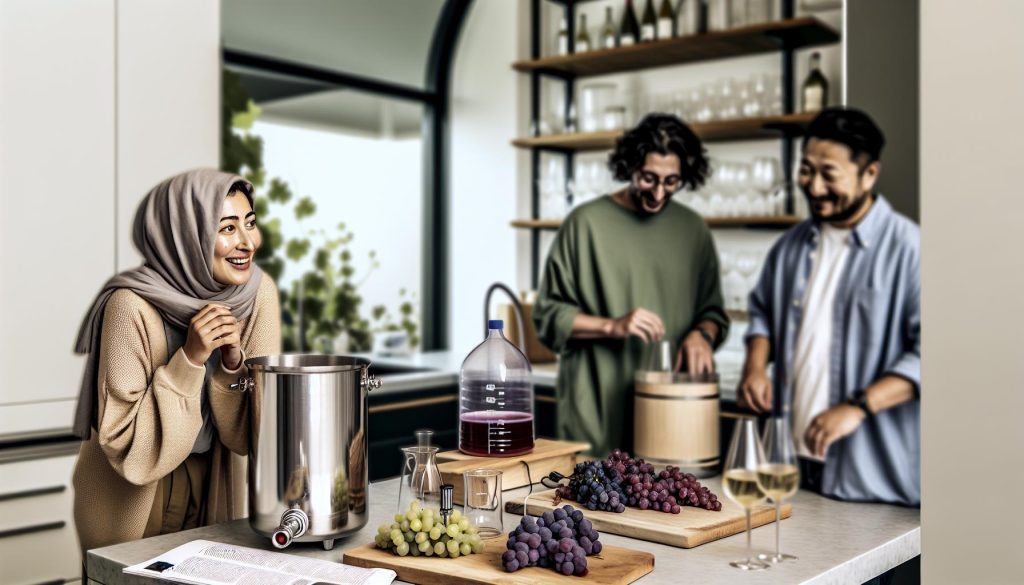
Have you ever dreamed of crafting your own wine at home? The good news is that making wine is far more accessible than you might think! With just a few ingredients like sugar, juice, and yeast, you can embark on a delightful journey into winemaking that not only taps into your creativity but also opens up a world of flavors to explore. Whether you’re motivated by the joy of sharing homemade wine with friends, the desire to customize flavors, or simply the thrill of experimentation, this guide will equip you with easy, step-by-step tips to get started. From understanding basic fermentation to blending your favorite fruit flavors, you’ll discover that winemaking is a rewarding and satisfying adventure suitable for everyone. Let’s dive into the simple yet intriguing world of DIY wine-making and transform your kitchen into a mini vineyard!
Choosing the Right Grapes for Homemade Wine
Choosing the right grapes is a fundamental step in crafting delightful homemade wine. The flavor, aroma, and texture of your wine heavily depend on the grape varietals you select. Start by considering the climate and soil conditions of your region, as different grapes thrive in specific environments. For instance, Chardonnay and Cabernet Sauvignon flourish in warmer climates, while Pinot Noir tends to do better in cooler areas. Know what grows best in your locale, and don’t hesitate to experiment with regional varieties.
When picking your grapes, fresh and high-quality fruit should be your primary focus. Look for grapes that are plump, free from blemishes, and have a balance of sweetness and acidity. If you’re fortunate enough to have access to a local vineyard, a visit can be both enjoyable and insightful. You might even get tips on grape selection directly from experienced winemakers. If buying commercially, check for organic or sustainably grown grapes to enhance your wine’s quality and character.
As you begin your winemaking journey, it’s also essential to think about the type of wine you want to create. Are you leaning towards a rich red, a crisp white, or perhaps a fruity rosé? Each grape variety can lend unique notes to the final product. For instance, Grenache often contributes juicy berry flavors perfect for lush reds, while Sauvignon Blanc may provide the zesty brightness typical of refreshing whites. Consider blending different varietals for a well-rounded flavor profile or go single varietal for purity.
In conclusion, the key to a successful homemade wine lies in your choice of grapes. Don’t rush the decision-take the time to explore various options and understand their potential. With a little guidance and a sense of adventure, you’ll find the perfect grapes that reflect your style and taste, creating a wine worthy of sharing with friends and family.
Essential Equipment for DIY Wine-Making
When you decide to embark on your winemaking journey, having the right equipment is essential for a smooth experience. You don’t need to invest in fancy gadgets or expensive tools-just a few key pieces will get you started on a delightful venture into homemade wine. Think of these tools as your trusty companions in the kitchen, helping you channel your inner vintner with ease.
First on your list should be a food-grade fermentation bucket. This is where the magic begins! The bucket should have a lid and an airlock to allow gases to escape while preventing contaminants from sneaking in. Next, you’ll want a carboy, which is typically glass or plastic and will serve as the secondary fermenter. It’s perfect for aging your wine and keeping it safe from impurities.
Other key items include a racking cane and hose-these tools help you transfer wine from one vessel to another without disturbing the sediment at the bottom. A bottle filler speeds up the bottling process and ensures that your bottles are filled without creating a mess. And don’t forget the fermentation lock and stopper; these are crucial for controlling the fermentation process, ensuring that your wine develops properly.
To make bottling easy, consider having a set of clean, empty wine bottles ready to go, along with corks and a corker to seal them when the time comes. You might also find a hydrometer helpful for measuring the sugar levels during fermentation, ensuring that your wine achieves the desired alcohol content and flavor.
Each of these pieces can easily be found at your local wine supply store or online. With these essentials in hand, you’re well-equipped to start crafting your very own wine at home. Remember, the most important part of winemaking is to enjoy the process-so gather your supplies, invite some friends over, and make it a fun experience!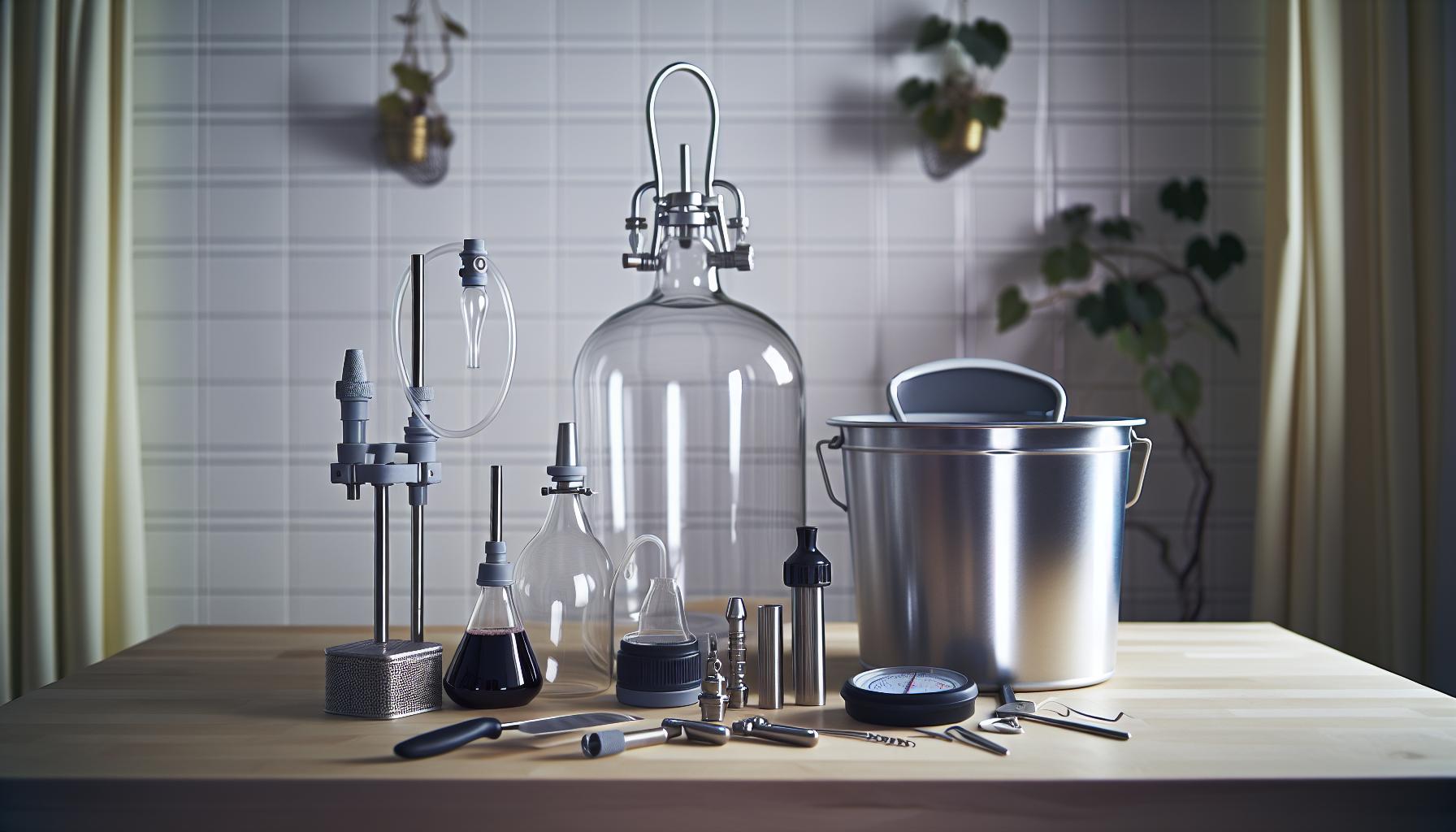
Step-by-Step Process: Making Wine at Home
When you decide to make wine at home, the process can be both thrilling and rewarding. Starting with just a few key ingredients and some essential equipment, you can transform simple fruits and sugars into something truly delightful. Whether you want to enjoy a glass of your own creation or share it with friends, crafting homemade wine allows you to express your culinary creativity. Here’s a straightforward step-by-step guide to making wine at home.
Gather Your Ingredients
To kick things off, you’ll need some basic ingredients:
- Fruit: The primary flavor of your wine will come from the fruit. Traditional choices include grapes, but you can experiment with apples, peaches, or berries.
- Sugar: Depending on the sweetness of your fruit, you may need to add sugar. This will help in fermentation and can affect the final taste.
- Water: Used to dissolve the sugar and help in the fermentation process.
- Yeast: Essential for fermentation. You can buy wine yeast for more control, but regular bread yeast can work in a pinch.
Crush and Prepare Your Fruit
Once you have your ingredients, it’s time to prepare the fruit. Start by washing your fruit thoroughly to remove any pesticides or dirt. For grapes, simply squish them by hand into your fermentation bucket-this releases the juice. For other fruits, you might want to chop them up or blend them to get a good juice extraction. The goal here is to break down the fruit so that the sugars and flavors can be released during fermentation.
Mix and Ferment
Now that your fruit is ready, it’s time to mix your ingredients. In your fermentation bucket, combine the crushed fruit, water, and sugar. Stir the mixture to dissolve the sugar, and then sprinkle the yeast on top. It’s a good idea to cover the mixture with a cloth to allow it to breathe while keeping contaminants out.
Place an airlock on the fermentation bucket to allow CO2 to escape while preventing any unwanted air from getting in. Store the bucket in a dark, cool place where it can ferment for about 1-2 weeks. You’ll know fermentation is happening when you see bubbles forming.
Racking and Bottling
Once fermentation slows down, it’s time for racking, which is transferring the wine to another container to get rid of sediment. Use your racking cane and hose to gently siphon the clear liquid into a clean carboy, leaving the sediment behind. After racking, you can choose to add any desired flavorings, such as vanilla beans or oak chips.
Finally, when the wine is clear and you’re ready to bottle, sanitize your bottles and corks. Using a bottle filler, fill each bottle, leaving a bit of headspace at the top. Cork them securely and seal them with a corker if needed.
Aging Your Wine
Aging is the final touch that enhances your wine’s flavor. Store the bottles upright for the first few days, then lay them on their sides in a dark, cool area. Allow your wine to age for at least a few months-this allows the flavors to mingle and develop complexity.
Making wine at home is a journey filled with discovery and delight. It doesn’t have to be daunting; with simple steps and a bit of patience, you’ll find joy not just in the finished product but in the process itself. Enjoy tasting your creations and learn as you go-each batch can be a unique expression of your efforts!
Fermentation Basics: Understanding the Science
The magic of transforming fruit into wine lies in the fermentation process, a fascinating natural reaction that occurs when yeast consumes sugars and produces alcohol and carbon dioxide. This process is not only what gives wine its kick, but it also enhances flavors and aromas, making your homemade creation uniquely yours. Understanding the science behind fermentation can empower you to experiment more boldly and fine-tune your technique, ensuring each bottle is a delightful reflection of your culinary creativity.
To begin with, the choice of fruit and yeast is essential. Different fruits contain varying levels of natural sugars, which influence the final sweetness and alcohol content of your wine. For example, grapes are typically high in sugar and contain natural yeasts on their skins, making them ideal for traditional wine-making. On the other hand, fruits like apples or berries may require additional sugar and the use of specific wine yeast, which can be purchased at homebrew shops. This yeast not only converts sugars to alcohol but also contributes to the complexity of flavors-each strain has its own character that will infuse your wine.
Once you’ve selected your ingredients, the fermentation begins when the yeast is introduced to the sugar-laden fruit juice. This is where the fun happens! As the yeast ferments, it produces bubbles of carbon dioxide, which escape through the airlock (a handy piece of equipment that keeps your fermenting wine safe from contaminants). You’ll know fermentation is in full swing when you see activity in the airlock, typically characterized by bubbling and frothing. Depending on the fruit and conditions, fermentation can take about one to three weeks. Monitoring this stage is crucial, as varying temperatures and sugar levels can impact how quickly fermentation occurs.
After fermentation slows down and the bubbling diminishes, it’s time to clarify your wine. This involves racking, where you siphon the liquid from the fermentation vessel into another container, leaving behind the sediment (the leftover yeast and other solids). This step not only cleans up your wine but also prepares it for aging, where the flavors can meld and mature over time. Understanding the fermentation basics empowers you to troubleshoot issues, adjust flavors, and ultimately craft a wine that reflects your taste preferences and experimentation. So dive in, enjoy the process, and remember: every batch of homemade wine is a unique expression of your journey in winemaking!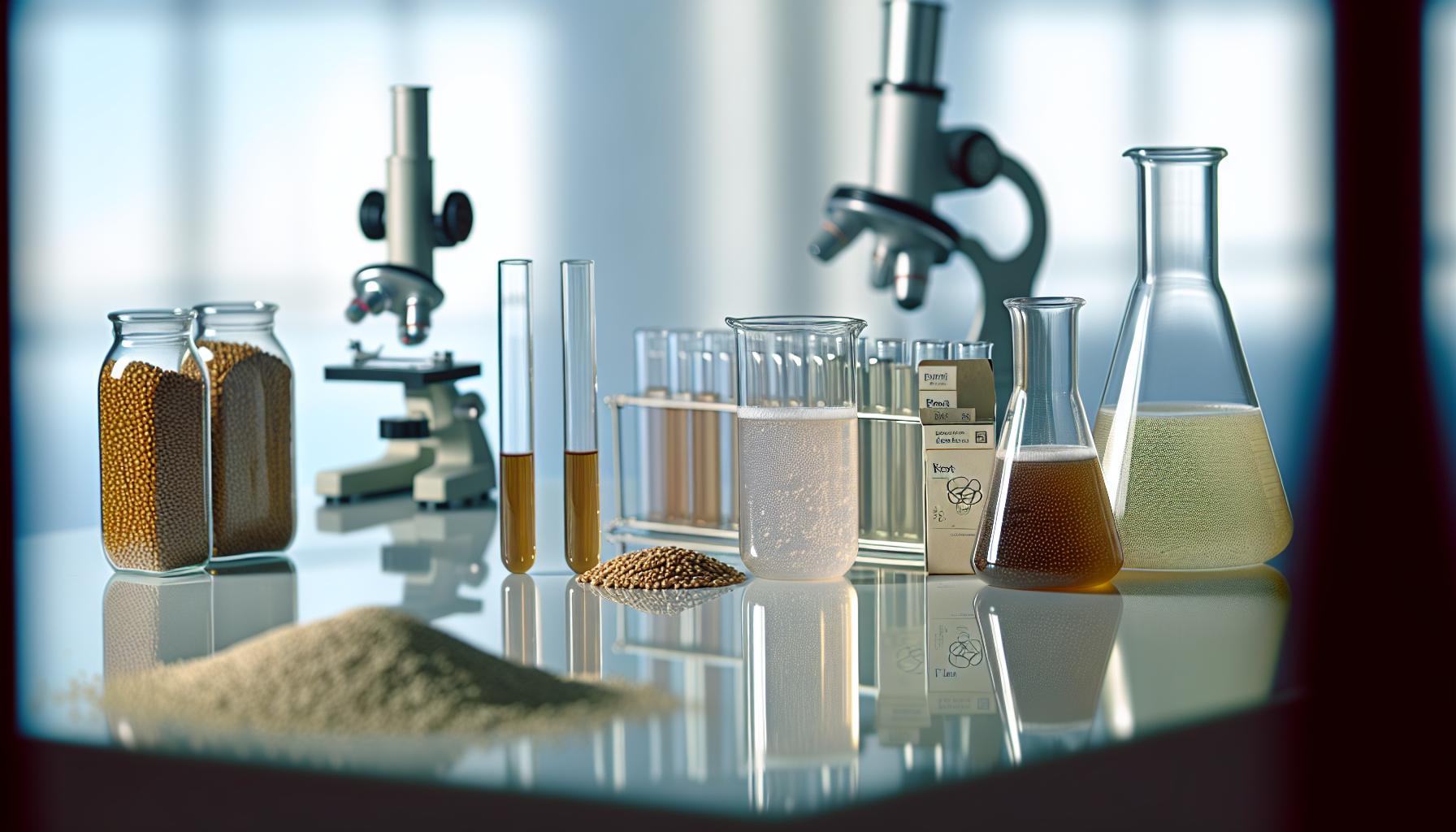
Common Mistakes to Avoid When Making Wine
Making your own wine can be a rewarding adventure, but it’s easy to stumble into a few common pitfalls along the way. Many budding winemakers make the same mistakes, often leading to less-than-stellar results. Here are some key mistakes to keep an eye out for, along with simple tips to help you avoid them.
One of the most significant errors is not controlling the fermentation temperature. Yeast is sensitive to temperature, and if it’s too high or too low, it can stall or produce undesirable flavors. Always aim for a stable, moderate temperature-generally between 65°F and 75°F (18°C – 24°C)-to ensure that the yeast can work its magic effectively. Use a thermometer to monitor the temperature of your fermentation area, and adjust as needed by moving your fermenter to a cooler or warmer spot in your home.
Another frequent misstep is poor sanitation. Any equipment that comes into contact with your wine must be squeaky clean to prevent unwanted bacteria from spoiling your batch. Thoroughly sanitize everything-from your fermentation vessel to your siphoning tube and bottles. A simple solution of potassium metabisulfite or a no-rinse sanitizer from your local brew shop can go a long way in keeping your wine pure and flavorful. If you’re ever in doubt, remember: it’s better to be over-sanitized than to risk a ruined batch!
Many home winemakers also overlook the importance of proper racking. This process involves siphoning your wine from one container to another, leaving behind the sediment. Skipping this step can result in a cloudy or sediment-heavy wine. Aim to rack your wine at least once during fermentation and again before bottling. This helps clarify the wine and enhances its final taste. Using clear tubing can also allow you to see how the wine is developing, adding a fun visual element to your winemaking journey.
Lastly, don’t forget to taste your wine along the way. Many new winemakers shy away from sampling until bottling, but tasting is an integral part of the process. It helps you understand the fermentation and gives you clues about whether adjustments are necessary-like adding sugar or acidity. Trust your palate and embrace the experimentation that comes with homemade wine-making. Every batch is a learning experience, and with each mistake, you’ll grow more confident and adept in your winemaking skills. Happy brewing!
Flavoring Your Wine: Tips for Creative Variations
Creating delightful variations on your homemade wine is one of the most exciting parts of the winemaking journey! Whether you’re looking to infuse your wine with fruity notes, floral aromas, or even a spicy kick, the options are as diverse as your imagination. With a few simple tips, you can elevate your wine-making game and impress your friends and family with unique flavors that reflect your personal touch.
Start by considering what you want to add to your wine. Fresh fruits like berries, citrus, or stone fruits can bring vibrant character. You can either add chopped fruits directly into the fermentation vessel or use fruit purees for a more concentrated flavor. Remember, the earlier you introduce these flavors during fermentation, the more they will meld into the wine. Aim for about a cup of fresh fruit per gallon of wine, but taste as you go to adjust according to your preference. For an even simpler method, consider using store-bought fruit juices or concentrates.
Herbs and spices also open a world of flavor possibilities. For example, a few sprigs of rosemary or thyme can lend herbal notes that elevate a simple white wine. If you’re adventurous, think about adding spices like cinnamon or vanilla beans during fermentation or aging. Use sparingly at first, perhaps starting with just a stick of cinnamon or half a vanilla bean, and taste regularly. This approach allows you to control the intensity of the spices in your wine, ensuring it complements rather than overpowers the base flavor.
Another fantastic way to customize your wine is by using extracts or syrups. These can be added after fermentation to offer a concentrated and punchy flavor boost. For instance, adding a splash of almond extract can transform a basic white wine into something reminiscent of a sweet dessert wine. You can create your own syrups by simmering sugar with water and your chosen flavor, like lavender or mint, for a uniquely sweet and fragrant addition. Aim for about a tablespoon of syrup per glass when serving, but adjust based on your taste.
Lastly, don’t shy away from experimenting with blending different types of wines. Mixing a fruity red with a crisp white can create layers of flavor that are exciting and entirely new. When blending, start with equal parts, and then adjust gradually based on what you’re aiming to achieve. The beauty of homemade wine lies in your ability to create something uniquely yours. So embrace the process and let your creativity flow!
Bottling Your Wine: Techniques for Success
A vital step in your winemaking adventure is the moment you prepare to bottle your creation. The excitement of seeing your hard work come together is palpable, but it’s crucial to be meticulous during this phase. Proper bottling techniques not only ensure the longevity of your wine but also enhance its presentation, making every bottle a work of art.
Begin by gathering your supplies. For bottling, you’ll need clean glass bottles, corks, a corker, and a siphon or funnel. Make sure everything is sanitized-bottles should be rinsed well and can be sanitized in a hot water bath or with a no-rinse sanitizer. This step is critical to prevent any unwanted bacteria from contaminating your precious wine.
Next, it’s time to siphon the wine into the bottles. Place the siphon in your fermentation vessel and let gravity do the work. Fill each bottle, leaving about an inch of space at the top. This air gap is essential as it allows for some movement during fermentation and prevents the cork from being pushed out. If you find this method tricky, a funnel can help minimize spills and ensure a smooth transfer.
Corking Your Bottles
Once your bottles are filled, it’s time to cork them. Insert the cork into your corker and align the bottle neck with the corker’s spout. Apply even pressure to secure the cork in place. If you’re using natural corks, make sure they are slightly damp; this facilitates a tighter seal and helps avoid breakage. For synthetic corks, you can cork dry without any issues.
After corking, it’s wise to label your bottles. This is not just for aesthetics; it helps in remembering the specifics of each batch, such as the grape variety, fermentation date, and any flavor additions. Use waterproof labels or a permanent marker to ensure the information remains intact over time.
Finally, store your bottled wine upright for about 24 hours to allow the corks to settle, then lay them on their sides in a cool, dark place. This position keeps the corks moist and prevents them from drying out, which could lead to air leaks.
With these straightforward bottling techniques, you’re set to enjoy the fruits of your labor. Remember, each bottle is a reflection of your creativity and effort, so take pride in every step!
Aging Your Wine: How to Enhance Flavors
Aging your homemade wine is akin to nurturing a fine piece of art; it allows time to transform your creation into something truly exceptional. As your wine matures, the flavors evolve, leading to a depth and complexity that cannot be achieved in its youth. Understanding how to age your wine properly not only enhances its taste but also turns each sip into a delightful experience.
Start with the right conditions. Ideally, wine should be aged in a cool, dark place. Keep the temperature between 50-55°F (10-13°C) with a humidity level around 70%. This environment minimizes the risk of spoilage while maximizing potential flavor development. Remember to store your bottles on their sides, allowing the wine to remain in contact with the cork. This keeps the cork moist, preventing it from drying out and allowing air to seep in.
Different types of wine benefit from aging in unique ways. For instance, red wines often develop softer tannins, resulting in a smoother texture and richer flavors. Whites, on the other hand, may deepen in color and gain honeyed or nutty notes as they mature. Keep in mind that not all wines are designed to age well. Light whites and ripe rosés are best enjoyed fresh, while bold reds like Cabernet Sauvignon or sturdy whites like Chardonnay can develop beautifully over time.
To gauge your wine’s readiness, periodically taste a bottle. This not only helps you understand its aging process but also allows you to appreciate your handiwork. Make careful notes of your tastings, and don’t hesitate to experiment with different aging times. Some wines are best enjoyed within a couple of years, while others may reach their peak after several decades. Ultimately, the goal is to find that sweet spot where your wine tastes just right for your palate.
Embrace the journey of aging your homemade wine. Each bottle tells a story, and with time, that story gets richer and more nuanced. By giving your wine the care it deserves, you allow it to grow into a delightful companion for your meals and gatherings, reflecting your hard work and creative spirit in every glass.
Exploring Different Wine Styles and Recipes
Wine-making at home opens up a world of creativity, allowing you to explore different styles and flavors that suit your palate and occasions. Whether you’re drawn to the bold notes of a rich red or the crisp and refreshing profile of a white, experimenting with various wine styles can be immensely rewarding. Let’s dive into some popular wine styles, along with recipes that will inspire your homebrew journey.
Popular Wine Styles to Try
- Red Wines: Typically made from dark grapes, red wines can be rich and full-bodied. Think Cabernet Sauvignon or Merlot. They often shine with flavors of black currant, cherry, and sometimes spicy notes.
- White Wines: Made from green or yellowish grapes, white wines can be light and fruity, like Sauvignon Blanc, or creamy and full-bodied, like Chardonnay. They often exhibit citrus zest, floral aromas, or buttery undertones.
- Rosé Wines: A delightful blend that combines the characteristics of both red and white wines, rosés are often fruity and fresh, making them perfect for warm weather. They can range from dry to slightly sweet.
- Fruit Wines: Not limited to just grapes, you can experiment with a variety of fruits like apples, peaches, or elderberries. Each brings a unique sweetness and aroma to the table.
Simple Recipes to Get Started
Below are a couple of straightforward recipes you can try that highlight the versatility of homemade wines.
Basic Red Wine Recipe
- Ingredients: 10 pounds of red grapes, sugar (to taste), and wine yeast.
- Process:
– Ferment the grapes after crushing them for about a week in a sanitized container, using a balloon to cover it, allowing gases to escape.
– Stir daily and monitor the fermentation.
– Once bubbling slows, strain the liquid into a secondary fermenter.
– Age for at least 3-6 months before bottling.
Classic White Wine Recipe
- Ingredients: 10 pounds of white grapes (like Chardonnay), sugar (to taste), and wine yeast.
- Process:
– Crush the grapes and let them sit for a few hours to release their juices.
– Transfer to a fermentation vessel with wine yeast.
– Allow it to ferment for about 10 days before straining and transferring to a clean vessel for aging.
– Bottle after several months, ensuring it’s mellowed and flavorful.
Creative Flavor Variations
Don’t hesitate to get creative! Adding ingredients like oak chips to your red wine can introduce subtle vanilla notes, while infusing white wine with herbs, like basil or mint, can produce refreshing, unique flavors perfect for summer.
As you embark on this exciting journey of homemade wine-making, remember that each batch is a chance to learn and explore new flavors. From bold reds to crisp whites and fruity creations, the possibilities are endless. Enjoy the process, experiment freely, and most importantly, savor the fruits of your labor!
Troubleshooting Common Wine-Making Issues
Even the most seasoned winemakers encounter challenges, so don’t fret-troubleshooting is part of the craft. Whether you’re dealing with off flavors, stuck fermentation, or unexpected cloudiness, understanding potential issues can help you salvage your homemade wine and lead to better batches in the future.
One common problem is stuck fermentation, where yeast stops converting sugars into alcohol. This can happen if the temperature is too low, the sugar content is too high, or the yeast is stressed. If you suspect this issue, gently warm the fermentation vessel to around 70-75°F (21-24°C) and stir gently. Sometimes, adding more yeast or a yeast nutrient can provide the boost needed to kickstart the process again. If fermentation is significantly stalled, you may also consider using a different yeast strain known for high sugar tolerance.
Another frequent concern is off flavors. These can range from unpleasant sour notes to a vinegar taste, often caused by poor sanitation or fermentation conditions. To avoid this, always ensure your equipment is sanitized thoroughly. If you do encounter off flavors after bottling, don’t panic. You can blend small amounts of your wine with a fresher batch or introduce small quantities of complementary flavors (like fruits or spices) to masks undesirable traits. Tasting your wine at various stages can also give you insights into how flavors develop over time.
If your final product appears cloudy, it might not look appetizing, but this can often be fixed. Cloudiness frequently comes from suspended yeast or the presence of pectin from fruits. A simple solution is to use a fining agent such as bentonite clay or gelatin to help clarify the wine. Just follow the package instructions and remember to give it enough time to settle before bottling. Filtration can also be effective if you prefer a crystal-clear finish.
Lastly, if you’re worried about bottle shock-the term for wines tasting off briefly after being bottled-don’t be. It usually remedies itself after a couple of weeks of resting in the bottle. Just give your wine some time to settle post-bottling before sharing it with friends or enjoying it yourself.
Wine-making is as much a journey of learning as it is of creation. Every challenge presents an opportunity to refine your techniques and develop a more nuanced palate. With patience and a bit of creativity, your troubleshooting efforts can lead to even better batches of homemade wine. Cheers to your adventures in winemaking!
Sharing Your Homemade Wine: Presentation and Pairing Tips
There’s something undeniably special about sharing a bottle of homemade wine. Not only does it represent your hard work and creativity, but it also serves as a delightful centerpiece for gatherings and celebrations. As you prepare to present your wine, consider how you can elevate the experience for yourself and your guests, from the way you bottle and label to the foods and occasions you pair it with.
To give your wine an appealing touch, bottle presentation matters. Start by ensuring your bottles are clean and shiny, which will reflect your attention to detail. You can take it a step further by creating custom labels that share the story behind your wine-its ingredients, the date it was made, or even a personal message. Simple, handmade labels can be made from craft paper, or you can design and print more polished versions if you prefer a modern approach. Don’t forget to include the type of wine and its characteristics on the label to spark interest.
Pairing Your Wine
Food pairing is where the real magic happens! Consider the flavor profile of your wine when deciding what food to serve. For example, a fruity white wine pairs beautifully with light dishes such as grilled chicken or fresh seafood, while a full-bodied red complements heartier fare like red meats and rich pasta dishes. Here are some classic pairings that will impress your guests:
- Fruity Whites: Perfect with salads and light appetizers like bruschetta.
- Reds: Pair with robust cheeses, grilled meats, or even chocolate desserts for a sweet finish.
- Rosé: Versatile for picnics, complementing both savory and sweet bites.
Remember, these are just guidelines. The best part of homemade wine is the ability to experiment, so trust your palate and try unexpected combinations!
Finally, when sharing your wine, how you present it can make a big difference. Use proper wine glasses to enhance the tasting experience, and consider the ambiance. Whether it’s a cozy dinner at home or a festive gathering, lighting some candles and playing soft background music can create a warm, inviting atmosphere. You could even host a tasting night where guests can sample various wines, share their thoughts, and vote for their favorite-making it an interactive experience that celebrates your winemaking journey.
Sharing your homemade wine is about more than just the drink; it’s about creating memorable moments. By putting thought into the presentation and selection of pairings, you’ll not only showcase your talents as a winemaker but also foster connections with family and friends, turning every sip into a cherished memory. Cheers to your creations!
Frequently Asked Questions
Q: What types of fruits can I use to make wine at home?
A: You can use a variety of fruits to make wine, including grapes, apples, peaches, and berries. Each fruit will impart its unique flavor and aroma to the wine. When selecting fruit, ensure it’s ripe and free of blemishes for the best results. For detailed fruit selection tips, check our section on Choosing the Right Grapes for Homemade Wine.
Q: How long does it take to make wine at home?
A: The entire process of making wine at home can take anywhere from 4 to 12 weeks depending on the type of wine and fermentation conditions. After fermentation, aging can further extend this period. For a quicker turnaround, consider lighter wines, which usually require less aging.
Q: Do I need specialized equipment to make wine at home?
A: While you don’t need extensive equipment, basic items like fermentation buckets, airlocks, and bottles are essential. A beginner wine-making kit can be a great investment. Refer to our section on Essential Equipment for DIY Wine-Making for a complete list of tools you might need.
Q: Can I make wine without using grapes?
A: Yes, you can make wine from many fruits, such as apples or berries, often referred to as fruit wine. These wines follow a similar fermentation process to grape wine. For techniques regarding fruit wine, see our section on Exploring Different Wine Styles and Recipes.
Q: What is the best way to troubleshoot common wine-making issues?
A: Troubleshooting usually involves checking fermentation temperature and sanitation practices. If you encounter off-flavors, review your process for any contamination. Our Troubleshooting Common Wine-Making Issues section has helpful tips for resolving common challenges.
Q: When should I bottle my homemade wine?
A: Bottle your wine after fermentation has completed, and there’s no more activity in the airlock (typically after 4-6 weeks). This ensures clarity and stability. For best practices on bottling, refer to our section on Bottling Your Wine: Techniques for Success.
Q: How can I enhance the flavor of my homemade wine?
A: You can enhance flavors by adding spices, herbs, or even oak chips during fermentation or aging. Experimentation is key! For creative flavoring ideas, check out our Flavoring Your Wine: Tips for Creative Variations section.
Q: Is it safe to make wine at home?
A: Yes, making wine at home is generally safe when proper sanitation practices are followed to avoid contamination. Always use food-grade equipment and ingredients. For more safety tips, see our Common Mistakes to Avoid When Making Wine section for best practices.
In Summary
Congratulations on embarking on your winemaking journey! Remember, the beauty of making wine at home lies in experimentation and personal touch-don’t hesitate to tweak flavors and methods to suit your taste. If you enjoyed these simple DIY winemaking tips, check out our articles on “Essential Wine-Making Tools You Need” and “Creative Pairings for Your Homemade Wine” for more inspiration and practical advice.
Now is the perfect time to try your hand at this rewarding craft-your kitchen can transform into a vibrant winery! Share your experiences in the comments below or join our community of fellow home winemakers. For even more tips and delicious recipes, subscribe to our newsletter to stay updated. Your unique bottle awaits-cheers to your next batch!