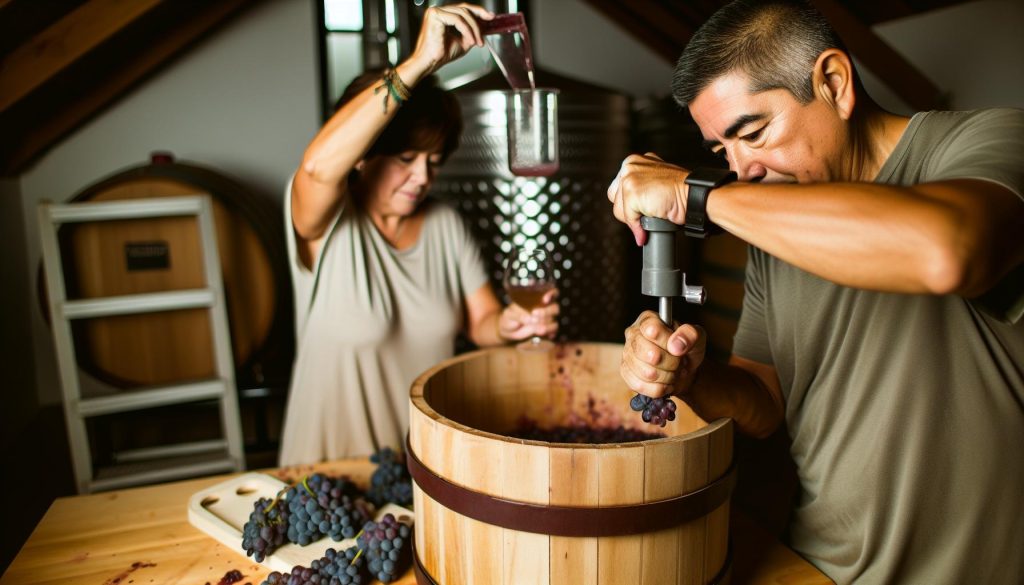
Did you know that winemaking is one of the oldest crafts known to humanity? With just a few simple ingredients-grapes, water, and sugar-you can transform ordinary fruit juice into a delightful homemade wine. This journey not only allows you to create a delicious beverage but also connects you with a tradition that spans centuries. Whether you’re looking to impress friends at a gathering or simply enjoy a glass of your own creation, making wine at home is surprisingly accessible. Don’t worry if you’re a beginner; this guide will walk you through easy steps to craft your own wine, providing tips and tricks along the way. Get ready to unleash your inner vintner and explore the joy of crafting a truly personalized drink. Let’s dive in and make something special together!
How to Choose the Perfect Grapes for Homemade Wine
When it comes to making homemade wine, the type of grapes you choose can make or break your final product. Not only do different varieties impart unique flavors, but the grape’s ripeness, sugar content, and acidity also significantly influence your wine’s character. Selecting the right grapes means understanding both your palate and the conditions in which you’re making your wine.
Know Your Grapes
Start with the basics: varietals. Do you prefer a fruity and sweet wine, a dry and crisp option, or something with robust tannins? For whites, consider grapes like Chardonnay or Sauvignon Blanc for refreshing options, while reds could include Cabernet Sauvignon or Merlot for a bolder taste. If you’re experimenting, regional grapes can often provide unexpected flavors and aromas – think of local vineyards as a source for unique varieties.
When selecting your grapes, ripeness is key. Grapes are typically harvested when they have reached sufficient sugar levels, which is crucial for fermentation. If you’re picking wild grapes, look for fruit that’s slightly wrinkled, rich in color, and sweet when tasted, as this usually indicates a perfect balance of sugars and acidity.
Find Quality Sources
If you’re purchasing grapes, local farmers’ markets or vineyards can be great places to start. Look for grapes that are free from blemishes or mold, and avoid those that are overly soft, as this can indicate overripeness or spoilage. Don’t hesitate to ask vendors about the vintage and the best uses for their grapes to ensure you’re making a well-informed choice.
By understanding the characteristics of different grape varietals and ensuring the quality of your fruit, you’ll set a strong foundation for your winemaking adventure. Remember, choosing the perfect grapes is just the beginning-embrace the process, enjoy the experimentation, and get ready to craft something delicious!
Essential Equipment for Backyard Winemaking
To embark on your winemaking adventure, having the right tools on hand can make all the difference. You don’t need an expensive setup or professional equipment to create delicious homemade wine; with some basic supplies, you can easily capture the essence of your chosen grapes right in your backyard. Here’s a rundown of the essential equipment to get you started, no matter your experience level.
One of the first items on your list should be a quality fermentation vessel. A glass carboy or food-grade plastic fermenter works wonders for primary fermentation. It should provide enough space for your grape juice, ensuring there’s room for bubbling fermentation to occur. Additionally, you’ll want a airlock to allow gases to escape while keeping contaminants out.
Next, consider investing in a grape crusher and press if you’re using whole grapes. While you can crush grapes by hand in small batches, a manual crusher or press will save time and effort as your wine-making skills develop. For smaller quantities, a good ol’ rolling pin or even footwear will suffice for crushing.
A few other indispensable tools include a thermometer for monitoring temperature during fermentation, hydrometer to measure specific gravity (which tells you how much sugar is present), and a siphon for transferring the wine without disturbing the sediment. Don’t forget about cleaning supplies! A dedicated sanitizer (like sulfites or a good vinegar solution) will help ensure that all your equipment is free of unwanted bacteria before you start.
Lastly, keep in mind the importance of bottling supplies. You’ll need wine bottles (empty, clean bottles are a must), and corks or caps to seal up your batches after aging.
By gathering these essentials, you’ll set the stage for successful backyard winemaking. Celebrate the process and don’t hesitate to experiment-the world of homemade wine is as vast and varied as your imagination!
Simple Steps to Ferment Your Own Wine
To create your own delicious homemade wine, the fermentation process is where the magic truly happens. Don’t worry if you’ve never done this before; with a few simple steps, you can turn just a few ingredients into a beautiful, bubbling batch of wine. The process is less intimidating than it sounds!
Start by preparing your must, which is simply the mixture of crushed grapes (or other fruits), water, and sugar. The key is to crush your fruit well. If you’re working with grapes, a grape crusher or even a hearty stomp will do. Once crushed, measure and mix in the sugar. The amount of sugar can vary depending on the sweetness desired and the natural sugar content of your fruit. Use a hydrometer to check the specific gravity, which helps indicate how much sugar is present before fermentation begins.
Once your must is ready, transfer it into your fermentation vessel-ideally, it should be a clean glass carboy or food-grade plastic bucket. It’s essential to leave some space at the top to allow for bubbling during fermentation, which can produce a frothy mess if there’s too little room. Next, sprinkle your chosen yeast over the must. Choosing the right yeast can affect the flavor and alcohol content, so do a little research on yeast types based on your recipe.
Now comes the exciting part! Seal your fermentation vessel with an airlock. This allows gases to escape while preventing any contaminates from getting in. Place your vessel in a cool, dark area with a stable temperature-ideally between 65°F and 75°F. Over the next few days, you should start to see bubbles forming in the airlock as fermentation kicks in. Keep an eye on it, and in about one to two weeks, when the bubbling slows down significantly, it’s time to siphon your wine into another clean vessel for secondary fermentation. This step will help clarify your wine and reduce sediment.
Fermentation can take anywhere from a few weeks to several months depending on the recipe and desired flavors. After fermentation is complete, you can move on to bottling. Remember, each step provides you the chance to taste your creation and make adjustments to flavor, sweetness, and more. Embrace the process, keep notes about what you do, and most importantly, enjoy the journey of creating your own wine at home!
The Magic of Yeast: Types and Their Roles
Fermentation is the heartbeat of winemaking, and at the center of this magical process is yeast. These remarkable microorganisms not only transform grape juice into wine but also dictate much of the flavor and character of your final product. Understanding the types of yeast available and their roles can empower you to craft a wine that reflects your personal taste and style.
Most home winemakers rely on Saccharomyces cerevisiae, the superstar of winemaking yeasts. This species is celebrated for its vigorous fermentation capabilities and tolerance for high alcohol levels. It thrives in a wide pH range and is reliable, making it an ideal choice for beginners. When you sprinkle this yeast into your must (the mix of crushed grapes and sugar), it begins to consume the sugars and convert them into alcohol and carbon dioxide. This process not only produces the alcohol content but also contributes to the aromatic complexity of the wine.
However, don’t overlook wild yeasts, which can be found naturally on grape skins and in the environment. Wild fermentation can lead to unique, complex flavors that reflect the terroir-meaning the unique characteristics of the vineyard or region. While working with wild yeast can be unpredictable, it adds an element of adventure to your winemaking. To harness this, allow your crushed fruit to sit covered for a day or two before adding cultivated yeast, encouraging the natural yeasts to kickstart the fermentation process.
Yeast is not merely a facilitator for alcohol production; it also enhances flavor profiles. Different yeast strains can contribute various characteristics, from fruity and floral to earthy and spicy notes. If you want to experiment, consider using a strain designed to enhance specific flavors or one that promotes malo-lactic fermentation, which softens sharp acids and adds a creamy texture to the wine. Each choice you make about yeast can shape your wine’s story, inviting you to explore and express creativity in your kitchen.
As you embark on your winemaking journey, remember that yeast is a critical ingredient that can make or break your batch. Feel free to experiment with different strains for varying effects, keeping detailed notes on what you use for future reference. Each fermentation will teach you something new, making the winemaking process as rewarding as the final sip of your homemade creation. Enjoy the adventure, trust the process, and celebrate the flavors that your chosen yeast brings to life!
How to Craft Delicious Wine Recipes
Crafting your own wine at home can be thrilling, especially when you realize how simple it is to create a delicious recipe tailored to your taste. The beauty of winemaking lies in its flexibility; you can experiment with different fruits and flavors, easily adapting recipes to suit your palate. Start by considering what type of wine you want to make-are you leaning towards a sweet dessert wine or something drier and more robust? Choosing the right base ingredients is essential.
To begin, you’ll need to gather basic ingredients such as fresh fruit, sugar, water, and yeast. For example, if you want to make a classic fruit wine, ripe fruit like berries, peaches, or apples work wonderfully. The typical ratio is around 3-4 pounds of fruit per gallon of water, depending on how fruity you want the wine to be. Remember, the quality of your ingredients will directly affect the outcome, so aim for ripe, flavorful fruit.
Once you have your ingredients ready, follow these simple steps for a basic fruit wine recipe:
- Prepare the Fruit: Wash and crush the fruit to release the juices. Using a potato masher or just your hands can do the trick.
- Mix the Sugar and Water: In a separate container, dissolve sugar in warm water. A good starting point is about 2-3 cups of sugar per gallon of wine.
- Combine Ingredients: Pour the fruit mash into a fermentation vessel (a clean, food-grade bucket works well). Add the sugar-water mixture and enough water to make up the total volume you desire-usually one gallon. Stir well to combine.
- Add Yeast: Sprinkle in your yeast, which can be dry or liquid. Make sure you choose a yeast suited for fruit wine, as some strains bring out different flavors or enhance sweetness.
- Ferment: Cover the vessel with a cloth and secure it with a rubber band to keep it clean while allowing gases to escape. Let it ferment in a warm, dark location for about one to two weeks, stirring daily.
- Strain and Bottle: After fermentation, strain the liquid to remove the solid fruit remnants. Transfer the liquid into clean bottles, leaving some space at the top, and seal them.
By following these steps, you’ll have your first batch of homemade fruit wine, ready to savor in a few weeks! The key is to be adventurous and try different combinations of fruits and sugar levels to find what pleases your palate. Don’t be afraid to play with flavors by adding spices or herbs-think cinnamon, ginger, or even surprising elements like hibiscus for a vibrant twist.
Making wine can seem daunting, but remember it’s all about enjoyment and discovery. The more you experiment, the more you’ll learn, and every bottle carries your unique touch. So gather your ingredients, roll up your sleeves, and have fun exploring the rich world of homemade wine!
Tasting Your Wine: Understanding Flavor Profiles
When it comes to enjoying your homemade wine, understanding flavor profiles is key to enhancing your tasting experience. Just like a savory dish, wine has its own unique combination of aromas and tastes, influenced by the ingredients you used and the fermentation process. This exploration will not only deepen your appreciation but also empower you to create wines that truly express your palate.
Flavor profiles can be divided into several key categories: sweet, sour, bitter, salty, and umami. Each of these components is shaped by the specific ingredients you select, such as the type of fruit or the amount of sugar added. For instance, a fruit wine made from ripe berries may evoke a sweet and fruity profile, while a drier wine, featuring less sugar and different yeast strains, could bring out a more complex, earthy character.
### Tips for Tasting
To fully immerse yourself in the tasting journey, consider these practical steps:
- Use the Right Glassware: A standard wine glass allows the aromas to concentrate, making it easier to savor each sip.
- Observe the Color: Hold the glass against a white background to assess the wine’s hue-this can indicate its age and the type of fruit used.
- Swirl and Sniff: Swirling releases the aromatics. Take a moment to inhale deeply before tasting; look for fruit, floral, or even herbal notes.
- Taste Mindfully: Take a small sip and let it roll over your palate. Pay attention to the initial flavors, the mid-palate sensations, and the finish, or aftertaste.
### Common Flavor Descriptors
Understanding common flavor descriptors can also enhance your experience:
| Flavor Descriptor | Possible Sources |
|---|---|
| Fruity | Varieties of fresh fruits like berries, apples, and peaches. |
| Floral | Aromas reminiscent of flowers, such as lavender or rose. |
| Earthy | Notes of soil, mushrooms, or peat, often found in darker wines. |
| Spicy | Subtle hints of spices like pepper, clove, or cinnamon. |
| Herbaceous | Fresh-cut grass, basil, or even thyme can add depth. |
Exploring these flavor profiles doesn’t just make for a more enjoyable tasting session; it also helps you identify what you love most about your homemade creations. Remember, the world of winemaking is all about exploration and creativity, so embrace the process and delight in the flavors you uncover!
Troubleshooting Common Winemaking Issues
When embarking on the journey of winemaking, it’s not uncommon to encounter some bumps along the road. Troubleshooting these issues can be the key to transforming potential failures into delightful successes. Understanding common problems and knowing how to address them will empower you to create wines that not only meet your expectations but inspire you to experiment further.
First off, fermentation problems are among the most frequent issues that home winemakers experience. If your wine isn’t bubbling, it might be due to inactive yeast, which could stem from using old or improperly stored yeast. Make sure to check the expiration date on your yeast package. If it’s past its prime, don’t hesitate to start over with fresh yeast. Additionally, if you’ve added too much sugar in your recipe, this can lead to an overly high sugar concentration, which can hinder fermentation. In such cases, you can dilute the must (the mixture of juice and solids) with some water to bring the sugar levels back into balance.
Another common challenge is unwanted flavors, often a result of poor sanitation or contaminated equipment. To avoid these off-flavors, ensure that all of your tools, such as fermenters and bottles, are meticulously cleaned and sanitized both before and after use. If you detect a smell reminiscent of rotten eggs (often due to hydrogen sulfide production from stressed yeast), you can try racking the wine, which involves transferring it from one container to another while leaving the sediment behind. This gentle aeration can help dissipate some of those undesirable odors.
It’s also essential to pay attention to your wine’s clarity. Cloudiness in your finished product could indicate a need for additional racking or fining agents to clarify the wine. For instance, bentonite is a common fining agent used to settle suspended particles. If you’ve followed the steps to clarify and still find your wine lacks clarity, don’t be discouraged-this can sometimes happen in natural winemaking. A good filtering process before bottling can yield a clearer result, but also adds a layer of character to your wine.
Finally, remember that every mistake is a learning opportunity. Keeping a detailed journal of your winemaking process can help you identify patterns in problems and refine your technique over time. Whether you encounter unexpected fermentation issues or unusual flavors, these experiences can steer you toward becoming a more skilled and confident winemaker. Celebrate these moments, and keep pushing your boundaries-your next great vintage might be just around the corner!
Enhancing Your Wine: Flavoring Techniques and Additives
To elevate your homemade wine to the next level, experimenting with flavoring techniques and additives can be both fun and rewarding. Whether you’re looking to create a robust red or a light, fruity white, there are plenty of options to enhance your wine’s profile. The key is to balance these additions with the natural characteristics of your base wine, allowing your unique touch to shine through.
One of the simplest methods to add flavor is through fruit additions. You can experiment with a range of fruits, such as berries, citrus, or even stone fruits. Just cut them up and add them during fermentation for a fresh taste infusion. For example, adding sliced peaches can bring a delightful, sweet aroma to your white wine, while blackberries can deepen the color and flavor of red wine. Be sure to strain any solids before bottling to achieve a clear final product.
Another popular technique involves using herbs and spices, which can introduce an unexpected twist to your wine. Think of classic pairings like rosemary with some white wines or cinnamon and cloves in a spiced red. Just a pinch can transform your wine without overwhelming it. You can either steep the herbs and spices in hot water to create a tea-like infusion or add them directly into the fermenter, being careful to monitor their intensity.
Sweetness is another element that can dramatically change your wine’s flavor profile. If you prefer a sweeter wine, consider adding a sugar syrup during the fermentation or right before bottling. This is a great way to balance out the acidity of your wine, especially if you’ve created something particularly tart. Remember to taste as you go, adjusting based on your palate.
Lastly, don’t overlook the impact of aging on flavor enhancement during the aging process. Using oak barrels or even oak chips can impart subtle vanilla and caramel notes to your wine, crafting a more complex flavor profile. If you don’t have access to barrels, simply soaking some oak chips in your wine for a few days can mimic this effect beautifully.
With these techniques, you’re well on your way to creating a wine that not only reflects your personal taste but also impresses your friends and family. Don’t be afraid to play around with these ideas and trust your instincts-every batch is a new opportunity to explore your creativity!
Understanding the Bottling Process for Homemade Wine
Once your wine has fermented and reached its desired profile, it’s time for the exciting, yet critical, stage of bottling. This is your chance to preserve all your hard work and creativity, ensuring that your homemade wine not only tastes great but also remains stable over time. A clean and careful approach here is essential, as bottling can introduce contaminants that spoil your precious brew.
To start, make sure you have everything you need prepped and ready. Here’s a basic checklist of what you’ll need:
- Bottles-choose between standard wine bottles or smaller formats, ensuring they’re made of glass.
- Corks or caps-select a sealing option that fits your bottles perfectly.
- A siphoning device or racking cane-this helps transfer wine without introducing oxygen.
- Sanitizer-cleaning everything is crucial to prevent spoilage. Think of a food-safe solution.
- A funnel-this will make pouring easier and cleaner.
### Getting Ready for Bottling
Before you even think about pouring your wine, sanitation is your best friend. Clean everything that will come into contact with your wine. Bottles should be rinsed and soaked in sanitizer, while corks may need a quick dip if they’re made from natural materials. After they’ve dried, you’re ready to bottle. Ensure your siphoning tube or racking cane is also sanitized.
Next, it’s time to transfer your wine. Position your sanitized bottles on a clean surface, ideally at a level lower than your fermentation vessel. This way, gravity does the work for you-minimizing exposure to air and helping maintain the purity of your wine. Insert the siphon to gently move the wine into the bottle, leaving about an inch of headspace at the top. This space allows for expansion, especially if you’re planning to age your wine.
### Sealing and Storing Your Bottled Wine
Once your bottles are filled, the next step is to seal them. If you’re using corks, ensure you’ve got a corking device handy-it can make the task much easier and ensure a proper seal. For screw caps, just twist them on firmly. Proper sealing is vital to avoid oxidation, which could ruin your wine over time.
Now comes the fun part: labeling! Whether it’s a simple tag or a beautifully designed sticker, labeling your bottles not only makes them look professional but also helps you remember what you created, especially if you’re experimenting with different recipes or fruits. Include details like the type of wine, the ingredients used, and the bottling date.
Finally, store your wine bottles in a cool, dark place. Ideal conditions are 55-65°F (13-18°C) with low humidity. This will help your wine mature beautifully, giving you a delightful reward after all your hard work. With this process behind you, you’re now officially a winemaker! Enjoy the fruits of your labor, and don’t hesitate to invite friends and family for a tasting session to celebrate your unique creation.
Aging Your Wine: Tips for Perfecting Flavor
Aging your wine can transform a good batch into something truly special. The art of aging allows the flavors to mellow and develop complexity, creating a delightfully nuanced experience in each sip. To achieve that perfect balance, you don’t need to be a winemaking wizard; just a little patience and attention to detail can go a long way.
First, consider your wine’s ideal aging conditions. Storing your bottles in a cool, dark place is key to preserving the integrity of your creation. Aim for a temperature range of 55-65°F (13-18°C) with minimal fluctuations. High humidity is beneficial, around 60-80%, to keep corks moist and prevent air exposure, which might spoil your wine. If you don’t have a wine fridge, a dedicated closet or basement can work just as well.
The aging duration can vary based on the type of wine. Light, fruity whites are usually best enjoyed young-think a few months to a year. In contrast, robust red wines like cabernet sauvignon or syrah can benefit from years in the bottle, allowing for deeper flavors and smoother tannins. Here’s a simple guide to aging times you can consider:
| Type of Wine | Optimal Aging Time |
|---|---|
| Light White Wines | 0-1 Year |
| Full-Bodied Whites | 1-3 Years |
| Light Reds | 1-2 Years |
| Robust Reds | 3-10+ Years |
Monitoring your wine over time can be a rewarding process. If possible, taste your wine at various stages of aging. This not only enhances your understanding of the aging process but also helps you decide the best point for bottling. Remember, as flavors develop, you might enjoy experimenting with different food pairings to see how they enhance the wine’s profile.
Ultimately, aging wine is about personal preference. Some folks enjoy the youthful freshness, while others savor the mature intricacies that time can reveal. So, embrace this journey, trust your taste buds, and enjoy every moment as your wine evolves into a celebration of your hard work and creativity!
Creative Ideas for Wine Pairings with Food
When it comes to enjoying your homemade wine, pairing it with the right foods can elevate the entire experience. The beauty of homemade wine is that it allows for creativity, both in the winemaking process and during mealtime. Pairing your wine with food involves balancing flavors, textures, and even the mood of the setting. Here are some delightful, easy-to-follow pairing ideas to spark excitement at your next meal.
Classic Combinations
One of the simplest ways to ensure a successful pairing is to consider traditional matches that have stood the test of time. For example, a crisp white wine, like a Sauvignon Blanc, pairs beautifully with light dishes such as salads or seafood. Try it alongside lemon-drenched grilled shrimp or a fresh garden salad to complement the zesty acidity. On the other hand, robust red wines like Merlot or Cabernet Sauvignon shine with heartier fare. Picture slicing into a succulent steak grilled to perfection, paired beautifully with your rich homemade red.
Experimenting with Flavors
Don’t shy away from experimenting! Homemade fruit wines, such as peach or raspberry, can be surprisingly versatile. Serve a chilled peach wine with spicy Asian dishes; the sweetness of the wine can counterbalance the heat of a Szechuan stir-fry or spicy grilled chicken. Similarly, a dry rosé can complement a variety of dishes, from savory quiche to roasted vegetables. The key is to identify the dominant flavors in both your wine and your dish, and look for a harmonious balance.
Consider Texture and Acidity
Texture is another factor worth considering. A wine’s body (light versus full) should match your dish’s texture. Pair a light, sparkling wine with a delicate appetizer like bruschetta topped with fresh tomatoes and basil. The bubbles offer a refreshing contrast to the richness of the topping. Additionally, wines with higher acidity can elevate fatty or rich dishes. Think of pairing a tart Chardonnay with creamy pasta variations or a buttery fish; the acidity cuts through the richness and refreshes the palate.
Creating a Memorable Experience
Finally, don’t forget the joy of sharing your creations! Hosting a casual wine and food tasting can be a fantastic way to try different pairings with friends and family. Set up a small tasting menu featuring a selection of your homemade wines with match-up bites. This not only creates fun conversation but also allows everyone to find their perfect pairing preferences. Remember, the goal is enjoyment, so let your tastes lead the way!
Hosting a Wine Tasting: Sharing Your Creation with Friends
Inviting friends over for a wine tasting can be one of the most rewarding ways to share your winemaking journey. Not only does it allow you to showcase your creations, but it also transforms a simple gathering into a delightful experience. Imagine your friends sampling different wines, sharing their impressions, and discovering the fruits of your labor. It’s like hosting a mini festival right in your home!
Start by selecting a few of your homemade wines. Consider the variety in flavor profiles; perhaps a zesty white, a fruity rosé, and a rich red. This diversity will keep the tasting exciting and give your guests something to discuss. Pair each wine with small bites that complement the flavors. For instance, alongside a crisp white, serve some light hors d’oeuvres such as goat cheese and crackers or shrimp cocktail. With a robust red, think about heartier options like cured meats or dark chocolate. These pairings enhance the tasting experience and encourage conversation about how the flavors work together.
Setting the Scene
Creating an inviting atmosphere is key. Arrange a comfortable space where everyone can gather and sip at their leisure. Use simple decorations like fresh flowers or a themed tablecloth. Provide tasting notes or scorecards for your guests to jot down their thoughts on each wine. This not only keeps them engaged but also gives you valuable feedback on your winemaking.
Fun Activities
Incorporate some interactive elements into the evening. You could have a blind tasting where guests guess the flavors or regions of the wines. Another fun idea is to challenge everyone to create their perfect wine blend using small samples of different wines you’ve made. This hands-on activity can spark creativity and might even lead to some delightful new blends!
Remember, the goal is to celebrate your hard work and enjoy the moment with good friends. Encourage laughter, share stories about your winemaking process, and above all, savor the flavors together. Each sip is not just a testament to your craft, but also a memory in the making that you and your friends will cherish.
FAQ
Q: What type of grapes are best for homemade wine?
A: The best grapes for homemade wine are those with high sugar content and good acidity, such as Cabernet Sauvignon, Chardonnay, or Zinfandel. Freshness is key, so choose grapes that are plump and ripe. For detailed selection tips, refer to the section on Choosing the Perfect Grapes.
Q: How long does it take to make wine at home?
A: Making wine at home typically takes about 4 to 6 weeks for fermentation and an additional several months for aging, depending on the type of wine. Patience is key-allow your wine to develop its flavor. More on this can be found in the Aging Your Wine section.
Q: What common mistakes should I avoid when making wine?
A: Common mistakes in winemaking include not sanitizing equipment properly, using low-quality ingredients, and overlooking temperature control during fermentation. Thorough preparation can save you from headaches. Refer to the Troubleshooting Common Winemaking Issues section for more insights.
Q: Can I make wine without specialized equipment?
A: Yes, you can make wine without specialized equipment! Basic items like clean bottles, a fermentation container, and an airlock are essential. A few kitchen tools will suffice, making winemaking approachable. Check the Essential Equipment for Backyard Winemaking section for a detailed list.
Q: How can I tell when my wine is ready to drink?
A: You can tell your wine is ready to drink when it has cleared and has developed pleasant aromas and flavors. Taste testing periodically will help you decide. For a deeper understanding, see the Tasting Your Wine section for flavor profile tips.
Q: What is the best way to store homemade wine?
A: Store homemade wine in a cool, dark place, ideally at temperatures between 55°F and 60°F. Ensure bottles are positioned horizontally to keep the cork moist. Proper storage enhances aging. For more storage advice, refer to Aging Your Wine.
Q: Are there any natural ways to flavor homemade wine?
A: Yes, you can naturally flavor homemade wine by adding fruits, spices, or herbs during fermentation. Ingredients like citrus peels and cinnamon offer unique flavors. For more creative ideas, check the Enhancing Your Wine section.
Q: How does fermentation work in winemaking?
A: Fermentation is the process where yeast converts sugars in the grapes into alcohol and carbon dioxide. This usually takes a week or two. Monitoring and adjusting conditions can improve the outcome. For detailed fermentation steps, refer to Simple Steps to Ferment Your Own Wine.
To Conclude
Congratulations on taking the first steps to make your very own homemade wine! Remember, the process is simple and fun-no fancy equipment required. As you explore the world of winemaking, don’t hesitate to experiment with flavors and techniques; your creativity is your best ingredient. If you have any questions, feel free to drop a comment below-we love hearing from you!
Ready to expand your kitchen skills? Check out our guide on easy no-bake desserts or dive into the art of making homemade butter for even more culinary adventures. Don’t forget to sign up for our newsletter to get the latest tips and recipes delivered right to your inbox!
Your adventure in winemaking doesn’t have to end here. Try your hand at different grape varieties or invite friends for a tasting! Remember, every bottle tells a story-make yours memorable. Happy winemaking!