
If you’ve ever savored a glass of rich, sweet Concord grape wine, you know just how delightful and satisfying it can be. Making your own wine from Concord grapes is a rewarding journey that transforms simple ingredients into something truly special. This process is accessible, even for beginners, and doesn’t require any fancy equipment or a vineyard backdrop. With just a few hours and a bit of patience, you’ll be able to enjoy the fruits of your labor-literally! Whether you’re looking to impress guests or simply indulge in a homemade treat, this guide will walk you through each step of crafting delicious Concord grape wine. Let’s unlock the secrets of winemaking and explore the sweet vineyard flavors waiting to be captured in your very own kitchen!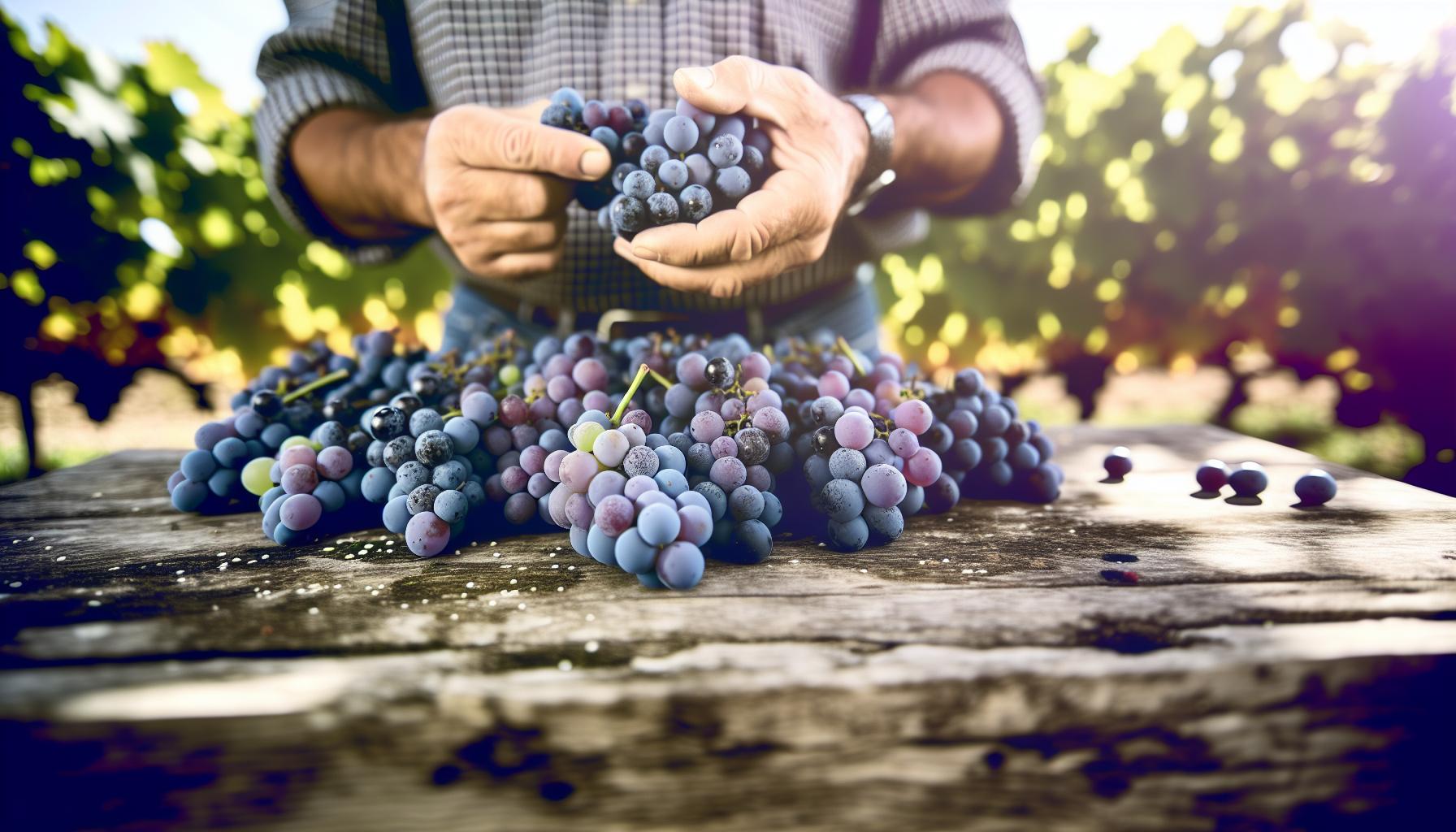
Selecting the Best Concord Grapes for Winemaking
Selecting the right Concord grapes is crucial for crafting a delightful homemade wine that captures the essence of those sweet vineyard flavors. These grapes, known for their robust musky fragrance and a divine balance of tart and sweet, are the star of your winemaking journey. You want to choose grapes that are not only ripe but bursting with flavor, as they will be the foundation of your wine.
When you’re on the hunt for the perfect Concord grapes, look for these key characteristics:
- Color: Opt for deep, dark purple grapes. Brightly colored grapes usually indicate ripeness, signaling the lush flavors you want in your wine.
- Skin Integrity: Gently squeeze the grapes to ensure the skins are plump and intact. They should yield slightly under pressure but not be mushy or overly soft.
- Aroma: The scent should be rich and fragrant. Fresh, aromatic grapes signal a bounty of flavor waiting to be unleashed in your winemaking.
- Seeds: If possible, check the grapes for seeds. Grapes with mature seeds tend to have a better flavor profile, enhancing the wine’s complexity.
Timing is everything with Concord grapes! They typically reach peak ripeness in late summer to early fall, but this can vary based on your location and climate. If you’re purchasing from a local farmer or farmer’s market, ask about their harvest schedule. With careful selection, you can ensure that the grapes you choose will yield a memorable wine that everyone will enjoy. Remember, quality grapes lead to quality wine, so take your time and enjoy the process-it’s all part of the fun of winemaking!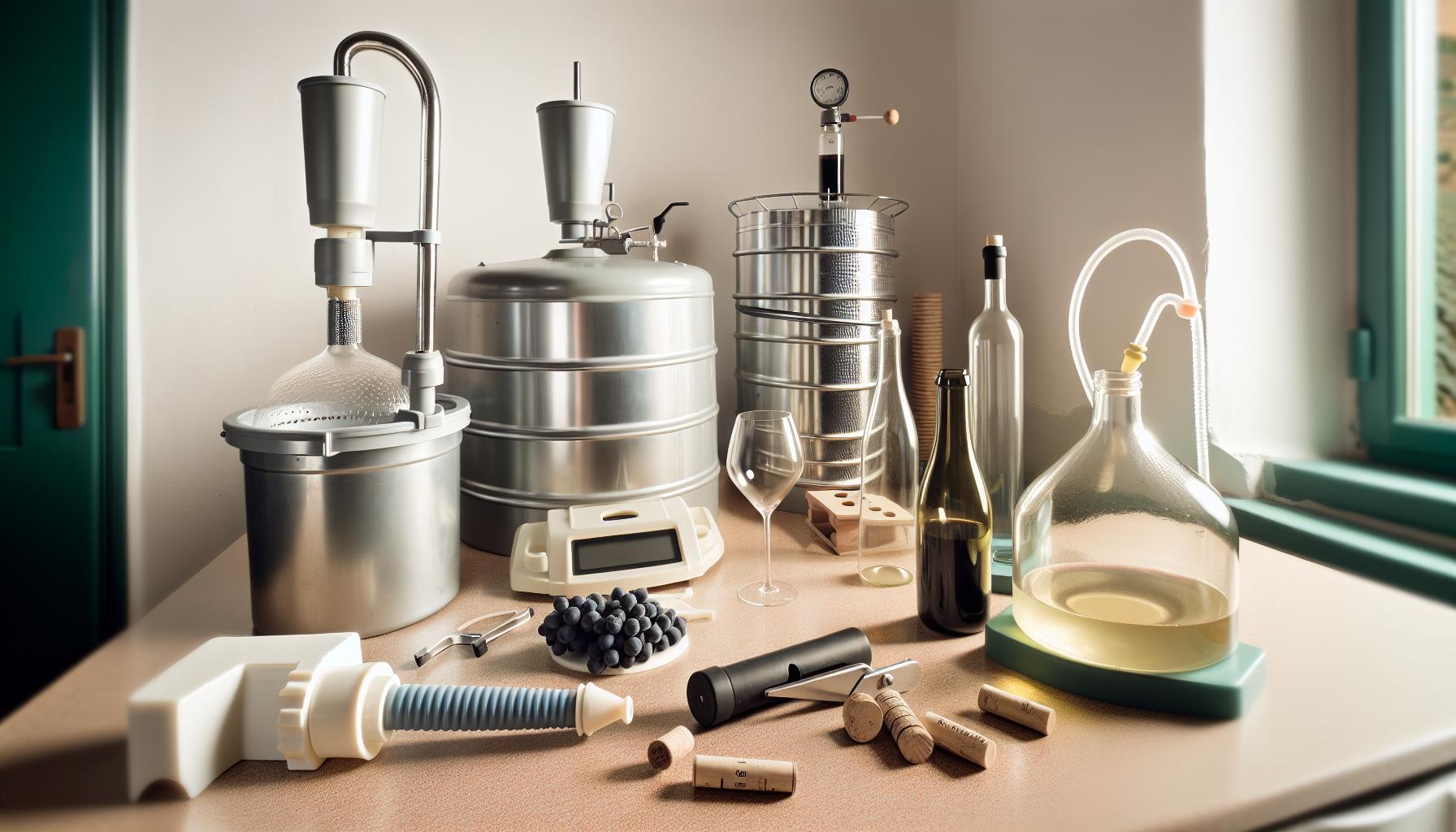
Essential Equipment for Home Winemakers
The delightful journey of winemaking starts with the right tools, and you don’t need a fancy vineyard setup to create your sweet Concord wine at home. With a few essential pieces of equipment, you’ll be well on your way to crafting a tantalizing bottle that captures the essence of those luscious grapes. Let’s dive into what you’ll need to get started!
Key Tools for Winemaking
- Grape Crusher/De-Stemmer: This handy tool breaks open the skins and removes stems, ensuring an efficient and gentle extraction of juice. If you’re starting small, a manual version can work wonders.
- Fermentation Vessel: A clean, food-grade bucket or carboy allows for the fermentation process. Make sure it has an airlock to let gas escape while preventing contamination.
- Hydrometer: This simple instrument measures sugar levels in your grape juice, helping you determine the potential alcohol content and monitor fermentation progress.
- Thermometer: Keeping an eye on temperature is crucial during fermentation. A simple digital thermometer will help ensure you’re within the ideal range.
- Stirring Spoon: A long, sturdy spoon (ideally food-safe) is perfect for mixing your ingredients thoroughly without introducing contaminants.
- Bottling Equipment: Invest in a siphon or siphon pump and corks to easily transfer your finished wine into clean bottles. Bottle labels can also add a personal touch!
Keeping It Clean
Don’t forget: sanitation is key in winemaking. You’ll need a good sanitizer to cleanse all your equipment before starting. Things like Star San or a bleach solution are commonly used and make sure no unwanted bacteria are lurking around to spoil your creation.
Having these essentials on hand will streamline your winemaking process, making it approachable and enjoyable for beginners and seasoned home winemakers alike. So gather your tools, embrace the process, and let your creativity as a winemaker shine!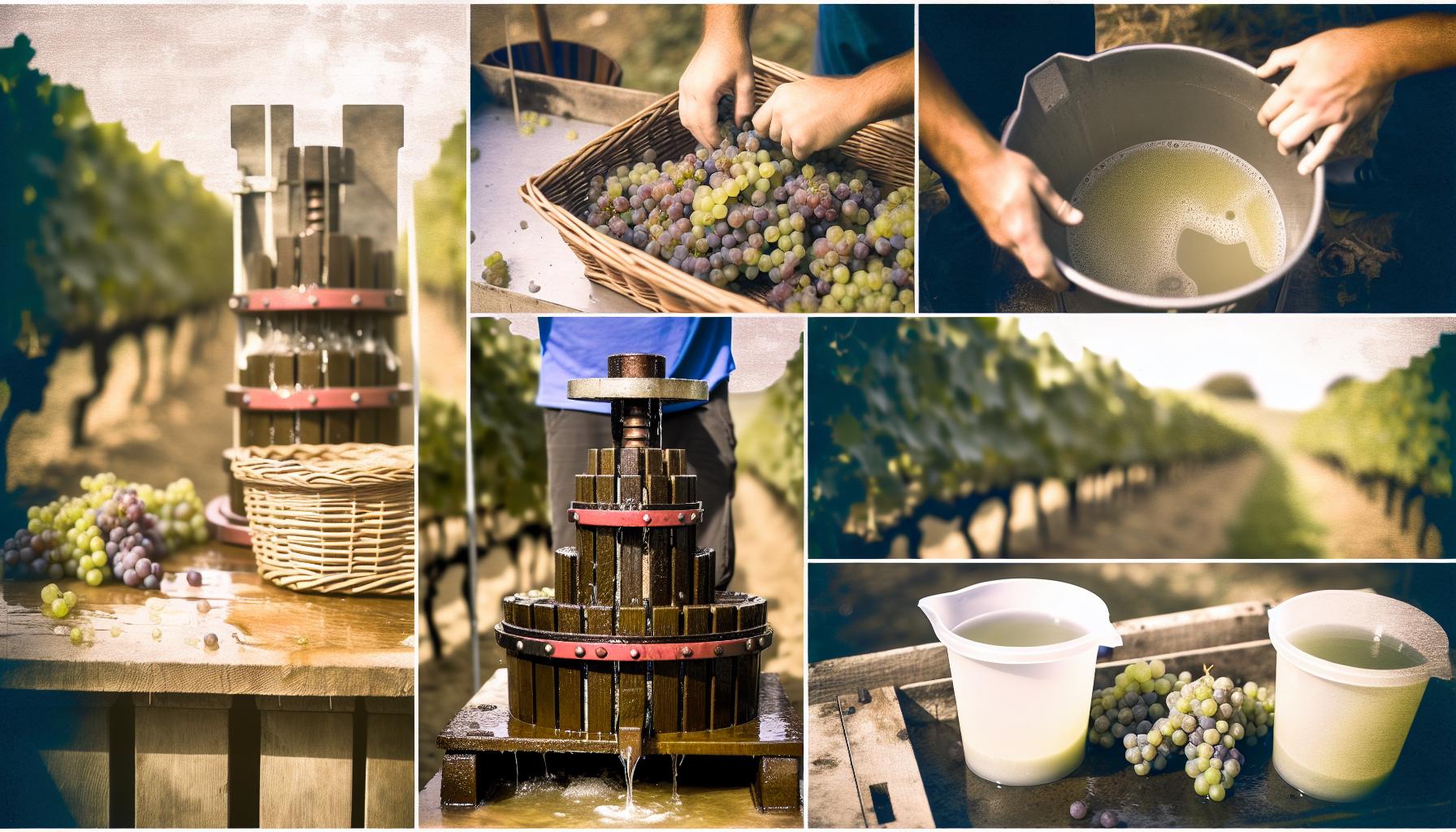
The Simple Process of Crushing and Pressing Grapes
Crushing and pressing your Concord grapes is an exhilarating part of the winemaking journey, where the sweet, musky essence of the fruit is transformed into the pure liquid that will eventually become your beloved wine. To dive into this process, you don’t need a vineyard or fancy equipment-just some enthusiasm and a few simple tools!
Start by gathering your grapes, ideally freshly picked and ripe, as this will affect the flavor of your wine. Aim to collect around 20 pounds of Concord grapes for a small batch. When you’re ready, it’s time to crush the grapes. You can use your hands if you’re feeling rustic, but a grape crusher or even a sturdy potato masher works wonders for breaking the skins and releasing the juice. Just be gentle-those skins are what hold so much of the grape’s flavor and aroma!
Once you’ve broken the skin of all your grapes, it’s time for pressing. This step helps extract the maximum juice while minimizing the number of seeds and solids that make it into your must. If you have access to a wine press, great! Otherwise, a clean pillowcase or cheesecloth can help you strain out the solids after pressing. Simply place the crushed grapes in the cloth, gather it up, and squeeze. The goal here is to get that beautiful, sweet juice into your fermentation vessel without introducing any undesirable bits.
Throughout this process, keep your tools clean and sanitized to prevent unwanted bacteria from spoiling your hard work. With your grape juice collected, you’re now ready to move on to fermentation, where the magic really begins!
Enjoy the process, relish the delightful aromas, and remember: every winemaker has their unique style. This is your creation, and it’s all about enjoying the craft one step at a time!
Creating Your Concord Wine: Step-by-Step Guide
Creating wine from Concord grapes is a rewarding adventure that fills your home with delightful aromas and transforms simple fruit into a complex beverage. This step-by-step guide will make the process accessible, whether you’re an ambitious beginner or just looking for a fun weekend project. With this approach, you’ll need about 20 pounds of Concord grapes, sugar, and some basic equipment, plus a little patience!
Start by preparing your grapes. Rinse them thoroughly to remove any dirt or insects, and remove any stems. You can either crush the grapes by hand or use a grape crusher-just remember to be gentle to keep the skins intact for maximum flavor extraction. After crushing, you’ll want to press the grapes to extract the juice. If you don’t have a wine press, using a cheesecloth or a clean pillowcase works beautifully: just place the crushed grapes inside, gather it up, and squeeze until you have collected all that sweet, luscious juice.
At this point, you can consider adding sugar to boost fermentation-about 2 to 3 cups per gallon, depending on how sweet you want your final product. Dissolve the sugar in a bit of the grape juice first to make it easier to incorporate. Next, it’s time to introduce yeast. Using good quality wine yeast ensures a controlled fermentation process. Sprinkling it directly into the juice does the trick; you don’t need to activate it first.
Now that your juice, sugar, and yeast are combined, pour it into a fermentation vessel. Seal it securely with an airlock to allow gases to escape while keeping contaminants out. Within 24 to 48 hours, you should see bubbling as fermentation begins. This is when the magic happens, and your kitchen will soon be filled with the intoxicating scent of fermenting Concord grapes.
As fermentation winds down-typically after about one to two weeks-you’ll notice the bubbling slows, and the mixture grows clearer. At this point, it’s time to strain and transfer your wine into a clean carboy (or secondary fermentation vessel) using a siphon. This helps separate the wine from the sediment. Now you can let it age-ideally for at least a month, but the longer, the better, as flavors will develop beautifully.
With these steps, you’re well on your way to crafting a delightful homemade Concord wine. Enjoy experimenting with ratios, aging times, and even flavor infusions to make it truly your own! Remember, winemaking is as much about enjoying the process as it is about the final product. Cheers to your winemaking journey!
Exploring Fermentation: What to Expect
Fermentation is where the alchemy of winemaking truly unfolds, transforming sugar into alcohol and crafting flavors that dance on your palate. As your mixture of Concord grape juice, sugar, and yeast begins to bubble, you’re not just watching a chemical reaction; you’re witnessing nature at work. Typically, you should expect fermentation to kick off within 24 to 48 hours after introducing the yeast, evidenced by a steady release of bubbles from the airlock and a delightful aroma wafting through your kitchen.
During the initial stages, the yeast is busy consuming the sugars present in your mixture, producing alcohol and carbon dioxide as byproducts. This vigorous bubbling is a sign of a healthy fermentation process. It’s essential during this time to keep the fermentation vessel in a dark, stable environment at a temperature between 70°F and 75°F (20°C to 24°C), which is perfect for your Concord wine. If your house is warmer, try to find a cooler spot, as high temperatures can lead to off-flavors or even stop fermentation prematurely.
As the days pass, you’ll notice a change. The bubbling will start to slow down after about one to two weeks, indicating that the yeast is beginning to finish consuming the sugars. At this point, you’ll find that the liquid becomes clearer, with sediment settling at the bottom. It’s crucial during this calm period to carefully strain the wine from the sediment to avoid unwanted bitterness, using a siphon or funnel to transfer the liquid into a clean carboy. This also helps enhance the flavors, as the wine continues to evolve without being hindered by the spent yeast and grape solids.
Patience is your secret ingredient here. Allow your wine to age for at least a month in a cool, dark place, as the flavors meld and mature. Each day brings new developments in taste, making your wait feel rewarding. Embrace this phase as an opportunity to reflect on the journey your wine has taken and get excited about the delicious creations to come!
Sweetening Your Wine: Techniques for the Perfect Taste
When it comes to creating your own Concord wine, the level of sweetness can make all the difference between a delightful evening sipper and a cloying concoction. The beauty of sweetening your wine lies in both art and science, as you get to customize the final product to match your palate. Before you dive into sweetening techniques, remember that balance is key; you want your wine to be harmonious rather than overwhelmingly sweet.
One effective method for sweetening is by adding a simple syrup. To create this, dissolve equal parts sugar in hot water and cool it down before adding it to your wine. Start with a small amount-perhaps a quarter cup per gallon of wine-then blend and taste, adjusting incrementally to achieve that perfect sweetness. This method gives you the flexibility to find just the right level without dominating the wine’s inherent flavors.
Another option is to utilize back-sweetening. This technique involves adding sugar directly to your wine after fermentation, preferably after the wine has been cleared and stabilized. This point is crucial because if the yeast is still active, it may ferment the added sugar, leading to unwanted carbonation. Using a wine sorbate can help stabilize your wine and prevent fermentation before you sweeten it. If you prefer a natural approach, consider fruit juices or concentrates like Concord grape juice, which can enhance the flavor profile while contributing additional sweetness.
For those adventurous spirits, experimenting with honey or agave syrup can impart unique flavors. Honey, in particular, offers floral notes that can complement the rich berry flavors of Concord grapes beautifully. Start with a small amount, as honey is sweeter than sugar, and mix it thoroughly to ensure it dissolves completely. Always taste as you go!
In summary, sweetening your Concord wine is a delightful process that allows you to tailor the experience to your liking. Whether you opt for simple syrup, back-sweetening techniques, or natural sweeteners like honey, remember to take your time and enjoy the creative journey. Each sip of your homemade wine should reflect your unique flavor preferences, offering a personal touch to every glass.
Aging Your Wine: Key Tips for Optimal Flavor
Aging is a crucial step in the winemaking process that can elevate your Concord wine from enjoyable to extraordinary. This phase allows your wine to develop complexity, soften harsh flavors, and enhance the overall bouquet. While it may seem intimidating, aging your homemade wine is both an art and a science that can easily fit into your kitchen routine.
The first thing to consider is the container. Traditionally, aging is done in oak barrels, which impart unique flavors, but you can achieve fantastic results with glass carboys or stainless steel containers. If you’re looking for a touch of oak, try adding oak chips to your carboy during the aging process. Start small; about an ounce per gallon can offer a wonderful depth without overpowering the delicate flavors of your Concord grapes.
Timing is everything when it comes to aging. For Concord wine, a good rule of thumb is to let it age for at least six months if you’re aiming for a greater depth of flavor. During this time, taste your wine every few weeks. This hands-on approach helps you understand how flavors evolve, and you can adjust your aging technique accordingly. Each tasting gives you insights into when your wine reaches its peak flavor-something you won’t find in any recipe book!
Temperature and storage conditions play a significant role in aging. Aim for a cool, dark place with consistent temperatures between 55-65°F (13-18°C). Excessive heat can lead to premature aging, while cold conditions can stunt the process. A basement works beautifully for this-just ensure it’s free from unpleasant odors that could seep into your wine. If you lack ideal conditions, consider purchasing a wine cellar or a simple temperature-controlled wine fridge.
Lastly, remember that aging is not a one-size-fits-all process. Some flavors may soften and integrate beautifully over time, while others might fade. Keep a journal of your tastings to track changes and preferences. This practice not only helps sharpen your palate but also allows you to fine-tune future batches by noting what worked and what didn’t. Embrace the journey, and soon you’ll find crafting your own aged Concord wine becomes an enjoyable ritual, bringing you closer to that perfect bottle. Cheers to your winemaking adventure!
Bottling and Storing Your Homemade Wine
After all the hard work of crafting your homemade Concord wine, the bottling process marks the exciting transition from fermentation to enjoyment. It’s your chance to store your creation properly and make sure it’s ready for sipping down the line. Bottling can feel like a big step, but with a few straightforward techniques and careful preparation, you’ll have your wine safely stored in no time.
Start by gathering your essential supplies: clean bottles, a bottling wand or a simple funnel, corks or caps, and a sanitizer for everything that will touch your wine. It’s crucial to ensure everything is sanitized to avoid unwanted bacteria ruining your hard work. An easy solution is to use a no-rinse sanitizer; just spray or soak your equipment before starting. Cleanliness is key!
When bottling, you have options depending on your preference. If you want that classic homemade touch, consider corking your bottles. However, if you’re looking for ease, screw caps can be just as effective. For bottling, tilt each bottle at a slight angle and fill them carefully using a bottling wand or funnel. Aim for just a half-inch of space at the top to allow for expansion. After filling, cork each bottle immediately to limit oxygen exposure, which can spoil the wine.
Storing Your Wine
Once your bottles are capped or corked, the next step is storage. Find a cool, dark place with consistent temperatures, ideally around 55-65°F (13-18°C), similar to your aging conditions. A wine cellar is fantastic, but a closet in a temperature-controlled room works too. Avoid direct sunlight, as this can degrade the wine’s quality over time.
Additionally, it’s best to store your wine bottles upright for short-term storage, but if you’re planning to keep them for longer, lay them on their sides. This keeps the cork moist and helps prevent air from seeping in. Keep track of your bottling date and the variety, as this will help you gauge when to open your bottles for tasting. A simple note on each bottle or a dedicated notebook can work wonders.
Incorporate a little creativity into your bottling process! Consider labeling your bottles with fun designs or descriptions of your wine. Share the story of your winemaking journey with family and friends when you pop the seal. As your Concord wine develops over time, you’ll not only enjoy the fruits of your labor but also create lasting memories when you share those first sips. Cheers to your well-deserved success!
Creative Serving Ideas for Concord Wine
When you finally uncork that bottle of homemade Concord wine, it’s the perfect moment to showcase your creation with some delightful serving ideas. Serving your wine is not just about pouring it into a glass; it’s an opportunity to enhance the experience for yourself and your guests. Here are some creative ways to enjoy your sweet vineyard flavor.
Start by incorporating your Concord wine into themed gatherings. For instance, create a cozy wine and cheese night. Pair your sweet Concord wine with a variety of cheeses, like creamy brie or tangy goat cheese, and add some fresh fruit, like berries, to bring out the wine’s natural sweetness. Another fun option is to host a fall harvest celebration. Serve your wine alongside roasted seasonal vegetables and spiced pumpkin treats to create a warm, inviting atmosphere that complements the flavors of the season.
Don’t forget about fun cocktails! While your Concord wine is delicious on its own, it also makes a fantastic base for refreshing cocktails. Try a Concord wine spritzer by mixing your wine with soda water and a splash of fresh citrus juice, served over ice for a light and bubbly drink. For a festive twist, consider creating a Concord wine sangria by adding sliced fruits like oranges, lemons, and apples, along with a hint of brandy or triple sec. Let it chill in the fridge for a few hours, and you’ll have an aromatic, fruity delight that’s perfect for parties.
When it comes to serving, presentation plays a key role. Use stylish wine glasses or even mason jars for a rustic touch. Fill each glass with ice if you’re serving a spritzer or sangria. Consider garnishing with fresh mint or a slice of lemon for an added visual appeal. And remember, the right setting can elevate the experience even more. Set up a tasting station with information about your wine, including tasting notes and the winemaking process. This not only captivates your guests but also invites them to engage with your passion for homemade winemaking.
With these creative serving ideas, you can transform your homemade Concord wine into a memorable experience that celebrates your hard work and brings friends and family together. Cheers to enjoying the fruits of your labor!
Pairing Food with Your Sweet Concord Wine
Sweet, fruity, and bursting with flavor, your homemade Concord wine deserves delightful pairings that enhance its characteristics and elevate any dining experience. The rich sweetness and vibrant berry notes make it a versatile companion at the table. Not only does it pair well with various dishes, but it can also be the star of your meal. Let’s explore some fantastic food pairings that will have everyone asking for more.
Start with classic cheese pairings. A cheese platter featuring bold cheeses can beautifully complement your Concord wine. Try creamy brie or tangy goat cheese to contrast the sweetness of the wine. Sharp cheddar can also add an interesting flavor curve that balances it out. You can elevate this pairing by including freshly sliced fruits, like pears or apples, and perhaps a few walnuts for a satisfying crunch.
Next, consider savory mains that can enhance the wine’s sweet profile. Roasted meats, such as pork or duck, work particularly well. The caramelized edges of roasted meats meld wonderfully with the fruit flavors of your wine. If you’re keeping things plant-based, roasted sweet potatoes or squash drizzled with a little maple syrup can echo the wine’s sweetness while providing a warm, hearty dish that’s perfect for comfort food gatherings.
For those with a sweet tooth, pair your wine with desserts that emphasize its lush characteristics. Think chocolate desserts, such as flourless chocolate cake or chocolate mousse, both of which create a luxurious combination when paired with the berry tones of the wine. Alternatively, vanilla ice cream topped with a drizzle of your Concord wine can make for a refreshing and simple yet elegant dessert.
Incorporating your Concord wine into the meal doesn’t stop at being a drink. Use it as a cooking ingredient too! Reduce it down to create a sauce that can be drizzled over grilled meats or sautéed vegetables for an entirely new dimension of flavor. The sweet reduction will deepen with a hint of acidity, enhancing your dishes beautifully.
Ultimately, the goal when pairing food with your Concord wine is to create a balance between flavors that excites the palate. Experiment not only with traditional pairings but also let your creativity shine, crafting unique combinations that reflect your taste. Happy pairing!
Troubleshooting Common Winemaking Issues
Making wine at home can be a delightful adventure, but it’s not without its hiccups. As you embark on your journey with Concord grapes, you may encounter some common winemaking issues. Understanding these can save you time and frustration while helping to ensure that your wine turns out deliciously!
One frequent issue is fermentation problems. Sometimes, your yeast may not activate as expected. This can happen if the fermentation temperature is too low or if the yeast has expired. To address this, ensure your fermenting grapes are kept in a warm area (ideally between 70°F to 75°F). If you suspect that your yeast is inactive, you can gently stir the must and add a fresh, active yeast starter. Always check the expiration date on your yeast packets!
Another challenge can arise during excessive acidity or sourness. This is particularly important with Concord grapes, which are naturally sweet but can develop an off-flavor if high acidity levels are not managed. If you find your wine overly acidic, consider adding a small amount of potassium bicarbonate to neutralize some acidity. Just be careful-start with a tiny amount, test, and adjust gradually, as you don’t want to strip your wine of its characteristic flavor.
Clarity issues are also common. If your wine is cloudy or has sediment, it may need to be racked more. Racking is the process of transferring your wine from one vessel to another, leaving sediment behind. If your wine remains hazy, consider using a fining agent like bentonite, which helps clarify the wine. Just remember to follow the instructions carefully and allow adequate time for fining before bottling.
Lastly, if your homemade wine tastes flat or lacks complexity, don’t despair! You can enhance the flavor by blending. Try mixing your Concord wine with a splash of another varietal. Perhaps some additional acidity from a fruit like raspberries or a touch of oak aging can provide that extra oomph you’re craving. Experimenting is the key to finding the perfect balance.
With these troubleshooting tips, you’re well on your way to crafting delightful Concord wine. Embrace the process, and celebrate every bottle you create!
Experimenting with Flavors: Infusion Techniques
Experimenting with flavors during winemaking can transform your homemade Concord wine from a delightful drink to a signature creation that reflects your personal touch. Infusions allow you to explore unique combinations that enhance the natural sweetness and rich fruitiness of Concord grapes. With just a few simple techniques, you can infuse your wine with additional layers of flavor that make it truly stand out.
To begin, consider the ingredients you want to incorporate. Popular options include fruits, herbs, and spices. Some great choices for infusing with Concord wine are:
- Fruits: Raspberries, peaches, or cherries bring vibrant flavors that complement the grape’s natural notes.
- Herbs: Fresh mint or basil can introduce a refreshing twist that contrasts with the sweetness.
- Spices: A touch of cinnamon or clove can add warmth and complexity, especially appealing in cooler seasons.
The process of infusion is quite straightforward. Start by choosing your infusion ingredients and prepare them for incorporating into your wine. If using fruits, chop or mash them to release juices; for herbs, gently bruise the leaves to enhance their flavor. Place your chosen ingredients in a clean glass jar and cover them with your finished Concord wine. Seal the jar and let it sit in a cool, dark place.
Infusion Duration
The infusion time can vary based on your desired intensity of flavor. Here’s a general guideline:
| Ingredient | Suggested Infusion Time |
|---|---|
| Fruits | 3-5 days |
| Herbs | 1-3 days |
| Spices | 1-2 weeks |
Taste frequently during the infusion process. Remember, flavors will intensify over time, so sift through your concoction daily to find that perfect balance. Once you attain your preferred flavor, strain out the solids and bottle your infused wine.
Infusing flavors is not just a fun experiment; it’s a way to make your homemade Concord wine a reflection of your creative kitchen style. Enjoy the process, and don’t hesitate to tweak recipes by adding or substituting ingredients! Each batch is a chance to discover something new; who knows, you might just create your favorite blend.
Frequently asked questions
Q: What is the best way to choose Concord grapes for wine making?
A: The best way to choose Concord grapes for winemaking is to select ones that are fully ripe, fragrant, and free from blemishes. Look for a deep purple color and taste a few for sweetness. These qualities ensure sweetness and a rich flavor in your final wine.
Q: How can I increase the sweetness of my Concord wine?
A: To increase the sweetness of your Concord wine, try adding sugar during fermentation or back-sweetening after fermentation is complete. Ensure you taste continuously to achieve the desired sweetness level without overdoing it, which can affect fermentation.
Q: What fermentation temperature is ideal for Concord grape wine?
A: The ideal fermentation temperature for Concord grape wine is between 65°F to 75°F (18°C to 24°C). This range helps promote healthy yeast activity while preventing off-flavors, ensuring a successful fermentation process.
Q: Can I use frozen Concord grapes for winemaking?
A: Yes, you can use frozen Concord grapes for winemaking. Freezing grapes can help break down the cell walls, releasing more juice and flavor. Just ensure they’re fully thawed and at room temperature before processing.
Q: How long should Concord wine age before drinking?
A: Concord wine should ideally age for at least 6 months to a year to develop its flavors fully. Taste periodically to find the best time for your preference, as some may enjoy it younger while others prefer more aged complexity.
Q: What are some common mistakes to avoid when making Concord wine?
A: Common mistakes when making Concord wine include using unripe grapes, improper sanitation, and neglecting temperature control during fermentation. Always ensure cleanliness and monitor conditions closely for the best results.
Q: How do I effectively bottle and store my homemade Concord wine?
A: To effectively bottle and store your homemade Concord wine, ensure bottles are sanitized and filled correctly, leaving some headspace. Store in a cool, dark place away from light and temperature fluctuations for optimal aging.
Q: What foods pair well with Concord wine?
A: Concord wine pairs well with a variety of foods such as grilled meats, spicy dishes, and blue cheese. Its sweet flavor complements rich and savory dishes, enhancing the overall dining experience. For more pairing ideas, check the section on Pairing Food with Your Sweet Concord Wine in the article.
To Conclude
Congratulations on embarking on your journey to make delicious wine from Concord grapes! By now, you’ve learned how simple and rewarding winemaking can be, even for beginners. Remember, the beauty of homemade wine lies in its personal touch-feel free to experiment with sweetness and flavor intensity. As you savor your sweet vineyard flavor, don’t hesitate to share your experiences in the comments below; we love hearing from fellow wine enthusiasts!
If you’re eager to dive deeper, check out our guides on the best tools for winemaking and explore our collection of easy wine pairings that will elevate your tasting experience. Plus, join our newsletter for exclusive tips and the latest in wine trends. Your next bottle of homemade Concord wine awaits-get started today and enjoy the fruits of your labor!