
Have you ever dreamed of crafting your own wine from home? Making wine from grapes is a remarkable journey that transforms simple fruit into delightful elixirs. It’s not just about having fun; it’s about creating memories, experimenting with flavors, and savoring your very own creations. The classic method of winemaking is surprisingly accessible, requiring minimal equipment and basic ingredients, allowing anyone to dive into this rewarding hobby.
Whether you’re looking to produce a refreshing white or a full-bodied red, this guide will walk you through each step of the process, demystifying techniques and sharing tips for success. From selecting the right grapes to fermentation and bottling, you’ll gain the confidence to experiment and personalize your wine. So, grab your gloves and let’s uncover the art of winemaking-your journey to becoming a home vintner begins here!
Understanding the Grapes: Choosing the Right Variety
Choosing the right grape variety is the cornerstone of successful winemaking and can dramatically influence the flavor, aroma, and quality of your wine. Did you know that the type of grapes you select not only determines the style of wine you make but also its potential for aging? Each grape variety has its unique profile, influenced by factors like climate, soil, and growing conditions. Understanding these aspects can empower you to create a wine that not only matches your taste preferences but also showcases your winemaking skills.
When selecting grapes, consider the wine style you want to achieve. Are you interested in a bold red, a crisp white, or perhaps a refreshing rosé? Here are a few classic options to consider:
Grape Varieties to Explore
- Cabernet Sauvignon – Ideal for robust reds, known for its dark fruit flavors and aging potential.
- Chardonnay – A versatile white that can produce everything from crisp and fruity to rich and oaky wines.
- Merlot – Softer than Cabernet, Merlot offers plummy flavors and is user-friendly for new winemakers.
- Pinot Noir – If you’re looking for elegance and complexity, this grape can produce exquisite, nuanced wines.
- Sauvignon Blanc – Perfect for zesty whites, marked by its high acidity and herbaceous qualities.
Your choices can also reflect local terroirs-grape characteristics molded by their environment. For example, if you’re in a warmer climate, grapes like Zinfandel or Syrah thrive, producing bold and fruity wines. In cooler regions, consider varietals like Riesling or Pinot Grigio, which flourish and offer refreshing palates.
Don’t shy away from experimenting with lesser-known varieties, too! Grape types such as Chambourcin or Frontenac are gaining popularity for their adaptability and unique flavor profiles, providing great opportunities for home winemakers looking to craft something distinctive without the complexity of well-established varietals [2].
In summary, the key to a delightful wine begins with selecting the right grape variety that aligns with your vision. Whether you’re drawn to classics or feeling adventurous with hidden gems, let your taste guide you, and embrace the creativity that comes with making your own wine.
Essential Equipment for Winemaking at Home
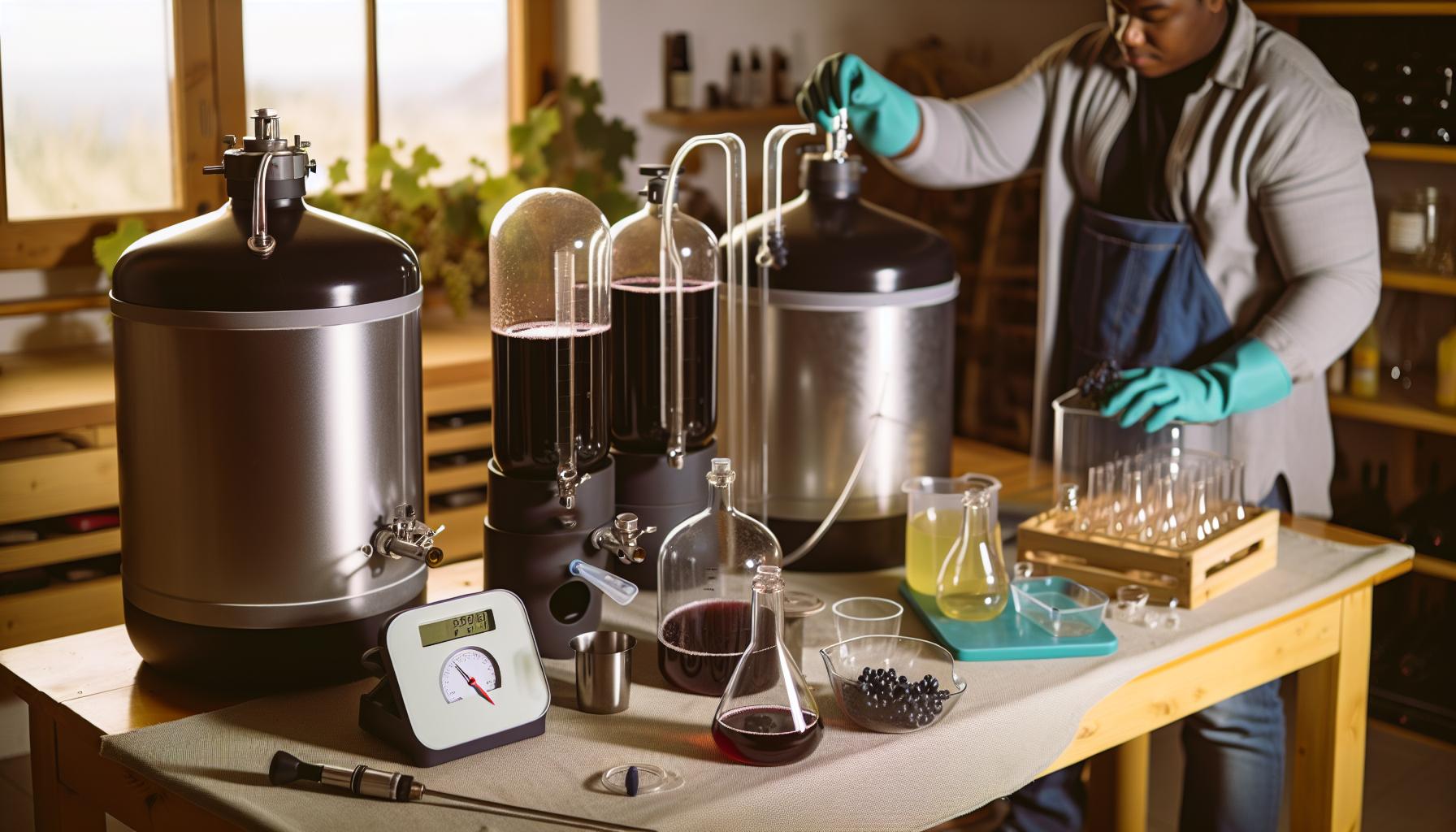
Creating your own wine at home is not just a rewarding experience; it opens up a world of flavors and creativity! To embark on this exciting journey, having the right equipment is essential. Fortunately, you don’t need professional-grade machinery to get started-most of the necessary tools are surprisingly simple and affordable.
First and foremost, you’ll need a fermentation vessel. A food-grade plastic bucket or glass carboy works wonders, allowing you to monitor the fermentation process. Look for a vessel with a capacity of at least five gallons to accommodate the amount of juice from your grapes. Ensure that it’s easy to clean and sanitize-this is crucial for avoiding unwanted flavors or spoilage.
Next, add a good quality grape crusher and destemmer to your toolkit. You can choose from manual models or small electric units, depending on your budget and how many grapes you’re processing. Crushing the grapes releases their juice and pulp, which is vital for extracting flavors during fermentation. If you’re opting for a smaller batch, a simple hand-crusher can suffice.
You’ll also need some basic winemaking supplies, including a hydrometer to measure sugar content and potential alcohol levels. This handy tool will guide you in observing how your wine develops. For the fermentation stage, airlocks are indispensable; they allow gases to escape while keeping contaminants out. Sanitation supplies like sodium metabisulfite or iodine-based sanitizers are crucial for keeping your equipment clean.
For bottling, consider investing in a corker to make the process smooth and effective. Quality corks ensure that your wine is sealed properly, preventing oxidation and keeping those amazing flavors intact. Remember to stock up on bottles-reuse old wine bottles, or purchase new ones specifically designed for storing homemade wine.
Lastly, don’t hesitate to incorporate some creativity into your setup! Many home winemakers enjoy crafting personalized labels for their bottles, which add a special touch when sharing your creations with friends and family. With just a few key pieces of equipment, you’ll be well on your way to producing delightful wines right in your kitchen. Happy winemaking!
The Step-by-Step Process of Crushing Grapes

Crushing grapes is one of the most delightful steps in the winemaking process, embodying the essence of transforming fresh fruit into a libation that can be shared and enjoyed. The sound of grapes bursting under pressure and the rich aroma that fills your kitchen are just a few of the joys that come with this stage. Whether you’re using a hand-crusher or an electric model, the goal is to release the juice and pulp that will become the heart of your wine.
Start by gathering your single-variety grapes-usually around 20 pounds will suffice for a small batch of wine. Before you dive in, make sure to clean your equipment thoroughly. Sanitation is critical; a quick rinse with hot, soapy water followed by a sanitizing solution will help prevent any unwanted bacteria from affecting your wine.
Next, it’s time to crush those grapes! If you’re using a manual crusher, take a moment to position your bucket or fermentation vessel below the crusher. For those using an electric model, ensure it’s set up securely. Pour your grapes into the hopper of the crusher and turn it on, or start turning the handle if you’re going old school. The aim is not only to break the skins but also to release the juice, which is packed with flavor and aroma. As you crush, you might want to take a moment to sample the juice-it’s a sweet, fruity treat that gives you a taste of what’s to come!
After crushing, you’ll want to separate the stems if you haven’t done so already. Some winemakers prefer to crush and destem simultaneously, while others like to do it in two distinct steps. This really depends on your equipment and personal preference. The key here is to ensure that the crushed grapes (now called must) are ready for fermentation. Ideally, they should be transferred to your fermentation vessel and mixed to ensure an even distribution of juice and skins.
In summary, the crushing stage isn’t just about breaking down fruit; it’s about preparing for the magic of fermentation. This step is simple yet profoundly satisfying, so take your time, enjoy the process, and celebrate each burst of flavor that brings you closer to your homemade wine creation! Happy crushing!
Fermentation Explained: Turning Juice to Wine
The magic of winemaking truly begins during fermentation, where the sweet grape juice transforms into the beloved beverage we all enjoy. This fascinating process harnesses the power of yeast, tiny organisms that feast on the sugar in grape juice, converting it into alcohol and carbon dioxide. Imagine the fizz of champagne or the smoothness of a cabernet-this essential step is where those delightful characteristics are born.
To start fermentation, you’ll want to ensure you’ve prepared your must, the mixture of crushed grapes and juice. If you’re working with red grapes, the skins will remain in the must during this stage, allowing for color and tannin extraction. For white wines, the juice is typically separated from the skins beforehand. Once you’re ready, add your chosen yeast-whether it’s a commercial variety you’ve purchased or a wild yeast culture that may naturally occur in your environment.
The typical fermentation process lasts about one to two weeks, but this can vary depending on the temperature and the type of wine you’re producing. Keep your fermentation vessel in a warm, consistent environment; ideally, aim for 70 to 75°F (21 to 24°C). During this period, you’ll notice bubbling and fizzing as the yeast works its magic. It’s like a mini science experiment right in your kitchen!
You can monitor the fermentation process by checking the specific gravity of your must with a hydrometer. This tool measures the sugar content, helping you track when fermentation is complete-when you reach a stable reading over a few days, it’s time to move onto the next step. But don’t be afraid to peek in and enjoy the aroma; it’s a wonderful precursor to the wine that’s developing from your efforts.
If you want to add layers of flavor, consider experimenting during fermentation with various techniques. For instance, you might want to gently punch down the cap (the layer of skins that rises to the top) in red wine fermentation to increase extraction. If you’re venturing into the world of blends or adding fruits or spices, this is also an excellent time to try those creative variations. The beauty of homemade winemaking lies in the experimentation-each batch can be uniquely yours!
Remember, patience is key. Allowing the yeast to do its job without rushing things will pay off in the final product. Embrace the changes you’re witnessing throughout this week or two, and don’t hesitate to document your observations. Cheers to turning that juice into a delightful experience, one bubble at a time!
Mastering the Art of Stabilization and Clarification
The beauty of homemade winemaking doesn’t just lie in the fermentation process; it continues with the essential steps of stabilization and clarification. These crucial phases help ensure that your wine is not only delicious but also visually appealing, with a clean and clear appearance. While it may sound technical, don’t worry! With a bit of patience and care, you can master these steps and achieve stunning results.
To stabilize your wine, you will want to prevent any unwanted fermentation or spoilage after the primary fermentation is complete. This is commonly done by adding sulfites, commonly in the form of potassium metabisulfite. This ingredient acts as a powerful antioxidant and antimicrobial, helping to keep your wine safe and fresh for longer. A good rule of thumb is to add about 1/4 teaspoon per gallon of wine. Be sure to mix well and let it sit for a few hours before proceeding to the next step.
Clarification is where the magic happens! This process removes any leftover sediment, making your wine crystal clear. One popular method involves using fining agents like bentonite clay or gelatin, which attract unwanted particles and help them sink to the bottom. For bentonite, mix it with warm water to form a slurry and then stir it into your wine. Allow it to settle for a week or two in a cool, dark space. During this time, you’ll notice the wine becoming clearer as the sediment settles. It’s a fantastic opportunity to peek at your creation and appreciate the transformation!
Another option in this journey toward clarification is cold stabilization, where you chill your wine to near freezing for a few days. This drops excess tartrate crystals, also known as “wine diamonds,” helping your wine to achieve a polished finish without affecting the flavor. Just remember to bring it back to room temperature before bottling.
Once your wine has been stabilized and clarified, it’s ready for the next step: bottling. By paying attention to these details, you ensure that every glass of your homemade wine delivers a pleasant experience, showcasing your hard work and creativity. Embrace these techniques as part of your winemaking adventure-each step will enhance your understanding and enjoyment of the craft. Cheers to your success in creating beautiful wine that you can proudly share!
Aging Your Wine: Techniques for Depth and Flavor
Aging wine is where the real magic happens. It’s during this period that your creation can evolve, developing layers of flavor and complexity that enhance your initial efforts. Whether you’re working with red or white, the aging process allows the wine to soften, integrate, and mature, leading to a more balanced and delightful drink.
To start aging your wine, consider the type of vessel you’ll use. While oak barrels are traditional and impart wonderful flavors such as vanilla and spice, they can be pricey. Instead, many home winemakers opt for food-safe glass carboys or stainless steel tanks, which won’t influence the taste, allowing the grape’s natural character to shine. If you do choose to use oak alternatives, look into oak chips or cubes, which can mimic the effects of barrel aging without the commitment of a full barrel.
Timing Makes a Difference
When it comes to how long to age, patience is key! The duration depends on the style of wine you’ve created. Generally, lighter whites might need only a few months, while robust reds can benefit from several years in the right conditions. Here’s a quick guideline:
- Light whites: 3-6 months
- Full-bodied whites: 6-12 months
- Medium-bodied reds: 1-2 years
- Full-bodied reds: 2-5 years or more
Make sure to monitor your wine periodically. Taste testing is not only enjoyable but essential in understanding how your wine is developing. Record your observations-that way, you can replicate successful outcomes in future batches.
Environment Matters
The aging environment should be cool, dark, and humid, with temperatures ideally between 55°F and 65°F (13°C – 18°C). A consistent temperature helps prevent unwanted spoilage. If your home isn’t optimal, consider a wine fridge. Also, keep the bottles lying down to ensure the cork stays moist, which prevents oxidation.
In your journey of aging wine, embrace the chance to experiment-test out different aging vessels, adjust the initial blend, and play with the timing. This aspect of winemaking not only enhances the final product but also deepens your appreciation for the craft, making it all the more rewarding when you eventually pour that first glass of your perfectly aged creation. Cheers to your patience and creativity in the winemaking adventure!
Bottling Basics: Preparing Your Wine for Storage
Bottling is an exhilarating milestone in the winemaking journey, marking the transition from raw juice to a finished product that you can share and enjoy. The bottling stage requires attention to detail to ensure that your hard work doesn’t spoil. Properly executed, this step preserves your wine’s quality while enhancing its aging potential.
Before you begin, gather your materials: clean bottles, corks, a reliable corker, and any appropriate additives you might need, such as sulfites to help stabilize your wine. Ensure everything is thoroughly sanitized – from the bottles to your tools – because any contamination can spoil your creation. The process can take some time, but with a little prep, it’s straightforward and rewarding.
Getting Ready to Bottle
Timing your bottling is key. You’ll want your wine to be clarified and stable, typically after the aging process is complete. If you’re unsure, a taste test will tell you if it’s ready. Look for clarity and let your taste buds guide you; the wine should be well-rounded and palatable.
Once you’re ready, it’s time to siphon your wine into the bottles, minimizing exposure to air. Using a siphon (or racking) method reduces the risk of oxidation, which can lead to off-flavors. Fill each bottle to about an inch from the top, leaving enough space for the cork. After the siphoning is done, it’s often recommended to add a small amount of sulfite if you haven’t already, as this helps to protect your wine during storage.
The Finishing Touches
After filling your bottles, it’s time to cork them. Place the cork in the corker and gently insert it into the bottle. Ensure it’s sealed tightly, as a good seal prevents oxidation. If you’re using champagne or stronger wines, you might consider using wired cages or additional closures for extra security.
Finally, label your bottles! This is the fun part where you can get creative. Name your wine and include the vintage and varietals used. Not only does this add a personal touch, but it also helps you keep track of your creations for future reference.
As you embark on this bottling adventure, celebrate your efforts and the unique flavors you’ve crafted. Bottling is not just sealing wine; it’s encapsulating stories, memories, and a lot of heart in every bottle. Cheers to your newfound treasure!
Creative Flavor Variations for Unique Wines
Exploring unique flavor variations in your homemade wine can transform an ordinary batch into something truly special and memorable. As you embark on your winemaking journey, consider infusing your creations with a blend of fruits, herbs, and spices, each offering a distinct twist. Imagine a classic Chardonnay enhanced with zesty lemon or a bold Cabernet Sauvignon complemented by a touch of fresh rosemary-these delightful additions can elevate your wine and showcase your creativity.
Fruits and Herbs
Incorporating additional fruits or herbs is an excellent way to personalize your wine. Here are some ideas to get you started:
- Fruity Infusions: Boost your base grape with fruits like raspberry, peach, or even tropical mango. Just mash or puree your chosen fruit and add it to the fermentation process.
- Herbaceous Touches: Fresh herbs can add depth. Try infusing a white wine with basil or mint for freshness, or use thyme or rosemary in a red wine for a touch of earthiness.
Spices and Other Enhancements
Spices can also be a game changer, especially in wines intended for holiday gatherings or cozy evenings. Consider these options:
- Spice it Up: A few whole cloves, cinnamon sticks, or a dash of nutmeg can bring warmth to a winter wine. Just be sure to taste as you go to avoid overpowering your creation.
- Experiment with Oak: If you have oak chips or cubes available, adding them can impart a rich, vanilla-like flavor reminiscent of aged wines.
Using these creative flavor variations not only allows you to experiment but also engages your palate in the journey of creating something uniquely yours. Don’t hesitate to get adventurous with your combinations; the key is to taste and adjust as you go, ensuring that your balance is just right for your preferences. Each bottle can tell a story, reflecting your personality and passions-so let your imagination run wild as you craft exceptional wines that are sure to impress!
Troubleshooting Common Winemaking Issues
With homemade winemaking, a hiccup here and there is all part of the creative process. Every winemaker, from the eager beginner to the seasoned pro, encounters challenges along the way. Understanding common issues and knowing how to troubleshoot them can make your winemaking journey much smoother and more enjoyable.
One prevalent issue is fermentation not starting or stalling. This can happen for several reasons, such as using inactive yeast or fermenting at inappropriate temperatures. If your fermentation isn’t bubbling away after a couple of days, double-check your yeast-ensure it’s fresh and properly hydrated before adding it to your must. If the temperature is too low, try moving your fermenter to a warmer spot or using a heat belt. If fermentation resumes, you’re back on track; if not, you may need to pitch more yeast.
Off-flavors can also crop up, often manifesting as vinegar, rubber, or other unpleasant tastes. This usually results from oxidation, bacterial spoilage, or high levels of sulfur. If you detect a vinegar taste, it might be due to exposure to air. Consider using an airlock to minimize oxygen contact during fermentation. For sulfur odors, check your sulfur dioxide levels; too much can lead to those pesky burnt match aromas. Monitoring these levels through regular testing can help you catch issues early.
Finally, clarity is a common concern; cloudy wine can be disappointing. If your wine doesn’t clear after a few weeks, consider fining agents like bentonite or gelatin, which can help settle particles. Just remember to follow the manufacturer’s instructions for the right dosage and method. By being proactive and observant, you’ll ensure that your winemaking remains a joyful and fulfilling adventure!
Secrets to Enjoying and Sharing Your Homemade Wine
Enjoying and sharing your homemade wine is one of the most rewarding aspects of the winemaking journey. After months of careful attention and anticipation, you’ll want to celebrate your creation with friends and family. Start by pouring your wine into attractive bottles-the aesthetics can be just as important as the taste. Consider using different bottle shapes for various blends if you’ve experimented with flavors. Personalizing each bottle with a simple label can add a heartfelt touch, allowing you to note the type of wine and the year it was made, creating a lovely keepsake.
When it comes to sharing, hosting a wine tasting can be a delightful way to showcase your creations. Invite friends over and serve your wine alongside a selection of cheeses, charcuterie, and light bites that complement the different flavor profiles of your wines. Encourage your guests to share their thoughts-this interactive experience not only enhances the enjoyment but also opens up avenues for conversation about the winemaking process itself. Share your stories behind each batch, whether it was a particularly challenging fermentation or a glorious harvest from your backyard.
To elevate the experience further, consider pairing your homemade wine with homemade dishes. A light white can beautifully accompany a fresh seafood dish, while a robust red pairs nicely with hearty meals like roasted meats or rich pasta sauces. This not only showcases the versatility of your wine but also emphasizes the connection between winemaking and culinary arts.
Lastly, don’t forget to enjoy your wine with a sense of adventure! Every bottle is unique, carrying the flavors and nuances of the ingredients you chose. Experimenting with different fruits or spices can lead to surprising and delightful results. Whether you’re savoring a glass solo after a long day or toasting with friends during a celebration, relish in the fact that you’ve crafted something special-your very own homemade wine. Cheers!
Enhancing Your Winemaking Skills: Tips from Experts
There’s a world of knowledge waiting to elevate your winemaking journey, and tapping into expert tips can truly transform your process from mundane to remarkable. Whether you’re a newbie or a seasoned home vintner, here are some practical insights that will help you hone your craft and produce wines you’re proud to share.
Understanding Grape Profiles
The foundation of any great wine is the grapes you choose. Different grape varieties possess unique flavor profiles, acidity levels, and sugar content, which will ultimately influence the taste of your wine. For instance, if you’re aiming for a crisp, refreshing white, varieties like Sauvignon Blanc or Pinot Grigio are excellent choices due to their bright acidity. Conversely, for a robust red, consider Cabernet Sauvignon or Zinfandel for their depth and complexity. Don’t hesitate to experiment with lesser-known varieties, as they can yield surprisingly delightful results!
Hygiene is Key
Sanitation cannot be overstated in winemaking; even the tiniest amount of unwanted bacteria can ruin a batch. Always ensure that your equipment is meticulously cleaned and sanitized before use. This means everything from your fermentation vessels to your airlocks should be treated with a food-safe sanitizer. Consider creating a dedicated winemaking workspace to streamline your process and maintain cleanliness.
Keep Notes and Taste Frequently
Documentation is a winemaker’s best friend. Keep a detailed journal of your wins and losses, noting variations in batches, ingredients, and techniques used. This practice not only tracks your progress but also allows you to replicate successful outcomes or adjust less favorable results in the future. Additionally, tasting your wine at different stages of the process can be incredibly enlightening. It helps you understand how flavors evolve and allows you to make informed decisions about adjustments to acidity, sweetness, or oakiness.
Try Small Batches for Creativity
For those looking to unleash their creativity, experimenting with small batches can be a game changer. By producing smaller quantities, you can play around with different yeast types, additives, or even infusions of fruits and spices without committing to a large volume. This low-risk approach opens a world of flavor exploration, enabling you to find your own unique blends and styles.
With these tips in hand, remember that winemaking is as much about passion as it is about precision. Embrace the journey, let your creativity flow, and celebrate every bottle you create. Enjoy the process, and most importantly, have fun experimenting! Cheers to your vinous adventure!
Exploring Wine Pairings: Complementing Your Homemade Creations
Creating your own wine at home is an exciting adventure, but it becomes all the more rewarding when you pair it with food that enhances its flavors. Pairing your homemade creations with the right dishes isn’t just about the type of protein on the plate; it’s an art of balancing flavors, aromas, and textures. Think of wine as an ingredient in a meal-it should complement and elevate, rather than overshadow, your culinary masterpieces.
When deciding what to serve with your wine, consider the basic rule of matching intensity: lighter wines go well with lighter dishes, while full-bodied wines pair beautifully with richer, more robust flavors. For example, a crisp Sauvignon Blanc made from your homegrown grapes is delightful with fresh seafood or a light salad, as its acidity cuts through the richness. On the other hand, if you’ve crafted a bold Cabernet Sauvignon, it will shine when enjoyed alongside a grilled steak or a hearty pasta dish with a rich, tomato-based sauce. This creates a beautiful harmony between the wine and the food, allowing both to shine.
Don’t forget that the seasoning of a dish can influence the pairing as much as the main ingredients. A spicy Cajun chicken, for instance, would find a wonderful match in a fruity Zinfandel that can handle the heat and enhance the dish’s flavors. On the contrary, pairing your homemade Pinot Noir with something earthy like a mushroom risotto highlights the wine’s subtle, complex notes. Remember, the sauce often defines the flavor profile more than the main component, so don’t hesitate to experiment with sauces and spices to find your perfect match.
Lastly, when serving your wine and food pairings, presentation can heighten the experience. Use friendly plates and wide glasses to encourage conversation and enjoyment. This is not just a meal; it’s a celebration of your craftsmanship! By embracing experimentation and personal tastes, you’ll craft a delightful dining experience that marries your homemade wine with a meal that’s just as unique and special. Cheers to your culinary creativity!
Frequently asked questions
Q: What are the best grapes for home winemaking?
A: The best grapes for home winemaking are typically those high in sugar and acidity, such as Chardonnay, Cabernet Sauvignon, and Merlot. Choosing the right variety can significantly impact the flavor and quality of your wine. For beginners, consider starting with concord grapes as they are forgiving and produce fruity wines.
Q: How long does it take to make wine from grapes?
A: Making wine from grapes can take anywhere from four months to several years, depending on the type of wine you’re creating and your aging goals. On average, expect about six to twelve months from crushing grapes to bottling your wine, with additional time for aging if desired.
Q: Can I use store-bought grape juice instead of fresh grapes?
A: Yes, you can use store-bought grape juice for winemaking. Choose 100% juice without preservatives, as these can inhibit fermentation. This method simplifies the process, especially for beginners, allowing you to focus on fermentation and flavoring without the initial crushing phase.
Q: What temperature is ideal for fermenting wine?
A: The ideal temperature for fermenting wine is between 65°F to 75°F (18°C to 24°C). Maintaining this range is essential to promote healthy yeast activity and develop complex flavors. Using a fermentation fridge can help achieve precise temperature control.
Q: How can I improve the taste of my homemade wine?
A: To enhance the taste of your homemade wine, focus on two key factors: proper aging and blending. Experiment with different aging conditions and consider blending varieties to balance flavors. Also, refer to the section on Creative Flavor Variations for innovative ideas on enhancing your wine’s profile.
Q: What should I do if my wine fermentation stops?
A: If your wine fermentation stops, it might be due to low temperature, lack of nutrients, or yeast exhaustion. To troubleshoot, check the fermentation temperature and consider adding yeast nutrient or re-pitching fresh yeast. This can help restart the fermentation process and prevent spoilage.
Q: How can I make my homemade wine sparkling?
A: To make your homemade wine sparkling, you can add priming sugar before bottling, which will encourage a secondary fermentation in the bottle, producing carbonation. Ensure proper bottling techniques as discussed in the Bottling Basics section to prevent any mishaps.
Q: What are common mistakes to avoid in home winemaking?
A: Common mistakes in home winemaking include poor sanitation, incorrect temperatures, and not monitoring fermentation closely. Ensure all equipment is sanitized, maintain appropriate fermentation conditions, and taste regularly to track development, as highlighted in the Troubleshooting Common Winemaking Issues section.
The Conclusion
Congratulations on embarking on your winemaking journey! With the classic method, you’ve not only learned how to turn grapes into delightful wine, but you’ve also gained the skills to experiment and personalize your brews. Remember, the beauty of winemaking lies in the creativity you bring to each batch. If you have any questions or would like to share your experiences, drop a comment below-we love hearing from you!
If you’re eager to deepen your winemaking expertise, check out our guide on “Enhancing Your Wine with Flavor Infusions” or explore “Common Mistakes in Home Winemaking” to avoid pitfalls and perfect your craft. Don’t forget to sign up for our newsletter for more tips and exclusive recipes that will keep your passion for winemaking alive.
Now, gather your grapes and get started! There’s no time like the present to uncork the magic of making your own wine. Cheers to your next glass!