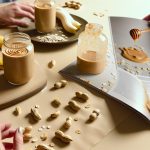

Imagine the mouthwatering aroma of a perfectly roasted turkey, its skin glistening with a golden-brown hue, and each bite bursting with flavor. A Turkey Butter Rub is your secret weapon for achieving juicy, crispy-skinned birds that impress at any gathering. By simply blending herbs and butter, you elevate the humble turkey into a show-stopping centerpiece. This easy-to-make rub not only enhances the taste but also ensures your turkey stays moist throughout the cooking process, alleviating the common fear of dry meat. Whether you’re a seasoned chef or a novice cook, mastering this rub is an approachable step towards creating a delicious and memorable meal. So, let’s dive into the world of herb-infused butter that will make your turkey the star of the feast!
Choosing the Right Ingredients for Turkey Butter Rub
The secret to a delectable turkey is often in the ingredients used for your butter rub. A few simple components can elevate your bird from ordinary to extraordinary, ensuring a juicy, flavorful meal that wows your guests. Start with a good quality unsalted butter; it will be the base of your rub and will allow the natural flavors of your chosen herbs and spices to shine.
Essential Ingredients
A well-rounded turkey butter rub typically includes a mix of aromatic herbs and spices. Here are some standout options to consider:
- Fresh Herbs: Rosemary, thyme, and sage are classic choices that complement turkey beautifully. Fresh herbs pack a punch of flavor and aroma.
- Dried Herbs: If fresh isn’t available, dried herbs can work too. Just remember they’re more concentrated; use about one-third the amount.
- Garlic and Onion: Minced garlic or granulated garlic, along with onion powder, can add depth and richness to your rub.
- Citrus Zest: A hint of lemon or orange zest brings a refreshing brightness that cuts through the richness of the butter.
- Salt and Pepper: Always essential for enhancing flavors; kosher salt is ideal for achieving that balanced taste.
Experiment and Personalize
Don’t hesitate to experiment with other spices like smoked paprika, chili powder, or even a pinch of cinnamon for a unique twist. This is your chance to make the recipe your own, reflecting your personal taste or the preferences of your guests. Try mixing in some honey or maple syrup for a touch of sweetness, which can beautifully balance the savory components.
By understanding these ingredients, you’re setting the stage for a turkey butter rub that not only adds flavor but also creates a mouthwatering golden crust. Remember, the key is to have fun and make it your own!
Step-by-Step Guide to Making Turkey Butter Rub
To create a lip-smacking turkey butter rub that promises a juicy, flavorful bird with irresistibly crispy skin, the process is simpler than you might think. With just a few ingredients and some easy steps, you’ll be well on your way to impressing your dinner guests (or yourself!) with a perfectly roasted turkey.
Start by gathering your ingredients. You’ll need unsalted butter (at room temperature for easy mixing), fresh herbs like rosemary, thyme, and sage, plus garlic (minced or powdered) and onion powder for that depth of flavor. Don’t forget the basics: salt and pepper to taste, and a hint of citrus zest for that fresh zing.
Once you have everything ready, it’s time to make the rub. In a mixing bowl, combine about 1 cup of softened butter with 2-3 tablespoons of your chosen fresh herbs, 2-3 cloves of minced garlic, 1 teaspoon of onion powder, and the zest of one lemon or orange. Mix everything thoroughly until well blended. This is where you can get creative! Feel free to tweak the quantities or add in spices like paprika or even a touch of honey for sweetness.
Now comes the fun part: applying the butter rub to the turkey. Carefully loosen the skin from the turkey breast (don’t tear it!) and work some of that delicious herb butter directly underneath. This not only adds flavor to the meat but also helps achieve that sought-after crispy skin. Afterward, rub the remaining butter all over the exterior of the turkey, making sure to cover all surfaces. This will create a gorgeous golden crust when roasted.
Finally, let your turkey sit for at least 30 minutes before cooking to allow those flavors to meld. If you’re feeling extra ambitious, consider letting it marinate in the fridge overnight. Now you’re ready to roast your turkey to perfection! Follow your favorite cooking method and watch as your efforts culminate in a beautifully golden, juicy centerpiece for your feast. Enjoy!
Best Cooking Techniques for Juicy Turkey
The secret to a juicy turkey lies not only in the rub but also in the cooking techniques you choose. Whether you’re roasting, smoking, or frying your bird, the right methods ensure you achieve that crave-worthy combination of tender meat and crispy skin.
Start with brining your turkey. This process involves soaking your turkey in a saltwater solution, which not only enhances flavor but also helps retain moisture during cooking. A simple brine can be made by dissolving salt (and optionally sugar) in water, along with herbs and spices that complement your butter rub. Aim to brine for at least 8 hours, or overnight if possible. Just remember to rinse and pat the turkey dry before applying your butter rub to avoid excess saltiness.
Next, consider the cooking temperature and method. A lower, more gradual cooking approach can work wonders for juiciness. For example, roast your turkey at a moderate temperature of around 325°F (163°C). This ensures that the meat cooks evenly without drying out. If you’re feeling adventurous, try spatchcocking your turkey. By removing the backbone and flattening it out, you reduce cooking time and promote crispy skin due to increased surface area exposure.
During cooking, the use of a meat thermometer is essential. Insert it into the thickest part of the breast and thigh, aiming for an internal temperature of 165°F (74°C). This ensures the turkey is cooked through while remaining juicy inside. For added flavor, consider adding some aromatics like onions, garlic, or citrus slices to the cavity or roasting pan. As the turkey cooks, these will infuse additional moisture and taste.
Lastly, allow your turkey to rest for at least 20-30 minutes after removing it from the oven. This resting period enables the juices, which are pushed toward the center of the turkey during cooking, to redistribute throughout the meat. A well-rested turkey equals a juicier turkey on your plate.
By employing these techniques and embracing a little creativity, you’ll not only enhance the flavor of your turkey butter rub but also serve up a beautifully juicy bird that everyone will love.
Achieving Perfectly Crispy Skin Every Time
To achieve that crave-worthy, crispy skin on your turkey, attention to detail is essential from start to finish. A little preparation goes a long way! One of the best tips is to dry out the skin before cooking. After brining your turkey (which is critical for flavor and moisture), let it sit uncovered in the refrigerator for a few hours or overnight. This step not only reduces moisture but also helps the skin become that golden, crunchy delight we all aspire to have on our Thanksgiving tables.
When it comes time to apply your butter rub, ensure you’re using room temperature butter infused with herbs and spices. This makes it easier to massage into the skin and guarantees even flavor distribution. For a crispy, golden finish, it’s also vital to season not just the outside but also the inside of the bird, allowing the flavors to penetrate deeply. Consider adding aromatics like garlic, rosemary, or citrus in the cavity for extra depth of flavor.
Temperature and Cooking Method Matter
Cooking your turkey at the right temperature is a game changer. A good rule of thumb is to roast at 425°F (218°C) for the first 30 minutes; this initial blast of high heat helps start the browning process. After that, you can lower the temperature to around 325°F (163°C) to finish cooking through. Spatchcocking, or removing the backbone of the turkey, also helps achieve that coveted crispy skin because it allows for more even cooking and exposes more skin to the heat.
Keep an Eye on the Skin Color
Monitoring the skin is paramount. If you notice it browning too quickly, tent the turkey loosely with aluminum foil to prevent burning. This keeps the skin cooking evenly while ensuring that the meat remains moist underneath. To check for doneness, use a meat thermometer inserted into the thickest part of the breast; aim for an internal temperature of 165°F (74°C).
With these techniques, you’ll be well on your way to serving up a turkey that not only tastes fantastic but also has that irresistible, perfectly crispy skin. Happy cooking!
Flavor Variations: Experimenting with Herbs and Spices
Experimenting with different herbs and spices can transform your turkey butter rub from a simple seasoning into a flavorful experience that will wow your guests. The beauty of a butter rub is its versatility. Any combination of herbs can complement the rich, savory flavor of turkey. Start with basic herbs like thyme, sage, and rosemary, which are classic choices for Thanksgiving. These fragrant herbs not only add depth but also enhance the buttery richness of your rub.
For a fresh twist, consider adding citrus zest-like lemon or orange-into your butter mix. The bright acidity helps cut through the richness of the turkey, providing a well-balanced flavor profile. If you’re in the mood for something spicier, toss in a pinch of cayenne pepper or smoked paprika. This can elevate your rub with a delightful heat and a hint of smokiness that pairs beautifully with roasted turkey.
To further customize your butter rub, think outside the traditional realm. Ingredients like garlic powder, onion powder, or even chili flakes can add an exciting kick. If you adore the aroma of the grill, you might even try incorporating fresh herbs like basil or cilantro for a unique twist that puts a playful spin on your holiday dish.
Don’t forget about sweet elements! A touch of brown sugar or maple syrup mixed into your rub can help achieve that caramelized crust you’re looking for. Remember, experimentation is key! Taste your butter rub before slathering it on the turkey; adjust the flavors to match your palate. The goal is to create a blend that reflects your personal taste, making your holiday turkey not just a meal, but a centerpiece of creativity and flavor. Happy cooking!
Common Mistakes to Avoid when Butter-Rubbing Turkey
When it comes to butter-rubbing your turkey, avoiding a few common pitfalls can make the difference between a mediocre bird and a show-stopping centerpiece. One frequent mistake is not letting the butter rub come to room temperature. Cold butter doesn’t spread well and won’t penetrate the meat as effectively. Aim for a creamy consistency; if the butter isn’t softened, it won’t cling to the skin or infuse flavor properly.
Another common error many home cooks make is applying the rub too late in the process. Rubbing your turkey with butter hours ahead of roasting allows the flavors to meld and lets the butter create a barrier that keeps moisture in. Aim for at least an hour, but for maximum flavor, consider rubbing it the night before and letting it sit in the fridge uncovered.
Timing and temperature are crucial when buttering your turkey, too. If you cook the turkey at too high a temperature without properly basting, you may end up with a charred exterior and dry meat inside. Low and slow is often the best method for achieving that juicy result. Using an internal meat thermometer also helps prevent overcooking.
Lastly, don’t skimp on seasoning! While butter is heavenly, a lack of spices can lead to bland turkey. Don’t forget to sprinkle additional salt and pepper under the skin and in the cavity. This enhances the overall flavor of your turkey and ensures every bite is deliciously seasoned. Remember, the goal is to celebrate the rich flavors of the turkey, so be bold with your rub!
Preparing Your Turkey for the Butter Rub
To create the best butter-rubbed turkey, preparation is key. Whether you’re preparing for a special occasion or just want to elevate your weeknight dinner, a little love goes a long way. Start with a high-quality bird-fresh, frozen, organic, or free-range-all work well, but aim for a size that suits your gathering, typically between 12 and 20 pounds for a substantial feast.
Before you get your hands on that butter rub, it’s crucial to properly thaw your turkey if it’s frozen. Ideally, place it in the refrigerator for about 24 hours for every 4-5 pounds, or utilize the cold water method if you’re pressed for time (just change the water every 30 minutes!). Once your turkey is thawed, remove the giblets and neck from the cavity, and give the bird a good rinse under cold water. Pat it dry with paper towels-this step is vital as moisture on the skin can hinder that glorious crispy texture we all crave.
With your turkey clean and dry, it’s time to loosen the skin gently. Use your fingers to carefully separate the skin from the meat without tearing it. This little trick creates a pocket for the herb butter, enhancing flavor penetration and moisture retention. Imagine that golden, herby goodness melting right into the meat! After loosening the skin, season the inside of the cavity generously with salt and pepper. This not only seasons the meat itself but also helps to round out the overall flavor of your roast.
Finally, let your turkey rest at room temperature for about 30 minutes before applying the butter rub. This not only helps the meat cook more evenly but also makes it easier to spread that deliciously softened butter all over. The warmth allows the fats in the butter to start melting, aiding your rub in creating a juicy, flavorful, and crispy-skinned turkey. Following these steps will set your turkey up for success, ensuring it’s ready to absorb all the delightful flavors you’ve painstakingly crafted for that perfect butter rub.
Cooking Times and Temperatures for Optimal Results
Cooking a turkey can feel like a daunting task, especially if it’s your first time. However, understanding the right cooking times and temperatures is your secret weapon for achieving that juicy, crispy-skinned delight that everyone will rave about. The general rule of thumb is to roast your turkey at 325°F (163°C). This temperature is ideal for ensuring even cooking throughout and is a favorite for achieving that perfect golden skin.
To help you time your turkey correctly, here’s a simple guideline based on its weight:
| Turkey Weight | Unstuffed Cooking Time | Stuffed Cooking Time |
|---|---|---|
| 8 to 12 lbs | 2 3/4 to 3 hours | 3 to 3 1/2 hours |
| 12 to 14 lbs | 3 to 3 3/4 hours | 3 1/2 to 4 hours |
| 14 to 18 lbs | 3 3/4 to 4 1/4 hours | 4 to 4 1/4 hours |
| 18 to 20 lbs | 4 1/4 to 4 1/2 hours | 4 1/4 to 4 3/4 hours |
| 20 to 24 lbs | 4 1/2 to 5 hours | 4 3/4 to 5 1/4 hours |
Keep in mind that these times are estimates. The best way to ensure your turkey is done is to use a meat thermometer. Insert it into the thickest part of the thigh without touching bone, aiming for an internal temperature of 165°F (74°C). For even better results and to help the skin become crispier, you can also tent the turkey with foil during the first half of cooking to retain moisture and then remove it for the last hour of roasting.
Once you’ve removed your turkey from the oven, patience is key! Let it rest for about 20 to 30 minutes before carving. This allows the juices to redistribute, preventing that dreaded dryness and giving you the deliciously juicy turkey you want. With these simple guidelines, you’ll not only master the timing but also serve up a turkey that steals the spotlight at any gathering!
Resting and Carving Your Turkey for Maximum Juiciness
The secret to a juicy turkey lies not just in the rub and cooking method, but also in how you handle it after it leaves the oven. Resting your turkey is a crucial step that should never be skipped! Allowing your turkey to rest for about 20 to 30 minutes after cooking is essential. This downtime gives the juices-those tasty liquids that make your turkey moist-time to redistribute throughout the meat. If you carve too soon, those juices will run out onto your cutting board instead of staying inside the meat, which can lead to a dry turkey.
When it comes time to carve, a sharp knife makes all the difference. Start by removing the legs and thighs; your knife should glide through nicely if the turkey has rested well. Place the turkey breast side up, and slice along the breast bone to get two neat pieces of succulent breast meat. If you’d like to impress your family and friends, feel free to present the turkey whole first, then carve it at the table for a touch of drama and elegance.
Another tip is to carve against the grain. This means cutting across the fibers of the meat rather than with them, which results in tender slices that are easier to chew. As you’re carving, be sure to collect all those delightful juices to drizzle over the slices when serving. Not only does this enhance flavor, but it also contributes to a visually stunning presentation.
Finally, don’t forget to save any leftover turkey! After you’ve enjoyed your beautifully carved bird, store those leftovers with any remaining juices in an airtight container. They’ll keep your turkey moist for another meal or can be used in soups, sandwiches, or salads. Taking these extra steps will not only maximize the juiciness of your turkey but also elevate the overall dining experience. Enjoy the rewards of your hard work and relish in the applause of your satisfied guests!
Serving Suggestions and Pairings for Perfect Turkey
When it comes to serving your beautifully roasted turkey with that irresistible crispy skin, the right pairings can truly elevate the meal from wonderful to unforgettable. After a turkey has been rubbed with herb butter, roasted to perfection, and allowed to rest, it’s time to think about what will complement its rich, savory flavors. Pairing your turkey thoughtfully with sides and sauces can create a well-rounded feast that caters to all tastes.
Classic Side Dishes
Start with traditional favorites that have stood the test of time. Some classic sides you can’t go wrong with include:
- Mashed Potatoes: Creamy and buttery, they’re perfect for soaking up any delicious turkey drippings.
- Green Bean Casserole: This dish adds a delightful crunch from fried onions and balances the richness of the turkey.
- Cranberry Sauce: The tartness complements the savory flavors beautifully, creating a sweet and sour contrast that’s delightful.
- Stuffing: Whether a classic bread-based stuffing or a wild rice version, this is a must-have that pairs wonderfully with turkey.
Unique Flavor Pairings
If you want to shake things up a bit, consider offering some more adventurous sides. Think about:
- Apple and Sage Brussels Sprouts: Their sweetness and slight bitterness bring a fresh zing to the table.
- Roasted Root Vegetables: A medley of carrots, parsnips, and sweet potatoes can provide a colorful, flavorful twist.
- Herbed Quinoa Salad: This light and nutty side can add a refreshing contrast to the heavy turkey dish.
Delicious Sauces
No turkey dinner is complete without the right sauces. Here are some delicious options to drizzle over your turkey or serve on the side:
- Gravy: A rich turkey gravy, made from the drippings, can take your turkey to the next level.
- Honey Mustard Sauce: A sweet and tangy option, it pairs especially well with herb-infused turkey.
- Chimichurri: If you want something zesty, this herby sauce can add a bright finish to each bite.
Remember, the key to a memorable turkey dinner lies not just in the turkey itself but in the harmony of flavors on your table. With these suggestions, you’re set to impress your guests and create a meal that’s not only tasty but also festive. So gather your family, enjoy the fruits of your labor, and relish the joy of a home-cooked turkey dinner!
Storing Leftover Butter Rub for Future Use
When you’ve perfected a delicious butter rub for your turkey, it’s a shame not to save the leftovers for future culinary adventures. Storing leftover butter rub not only minimizes waste but allows you to bring that same flavor magic to your next dish, whether it’s another turkey, chicken, or even roasted vegetables. Here’s how to keep your buttery blend fresh and ready to use!
Start by transferring any leftover butter rub into an airtight container. Glass jars work wonderfully here, but plastic containers will do the trick as well. Ensure that the rub is sealed tightly to prevent air from getting in, which can lead to oxidation and a loss of flavor. For longer storage, consider dividing the rub into smaller portions. This not only facilitates easy access later on but also allows for varied uses without having to thaw out the entire batch.
Freezing Your Butter Rub
If you know you won’t be using the leftover rub within a week or so, freezing is the best option. Softened butter can be frozen for up to six months without losing its quality. To freeze, scoop the butter rub into ice cube trays or silicone molds and freeze until solid. Once frozen, pop the cubes into a zip-top bag, labeling it with the date and contents. This way, you’ll have perfectly portioned dices of flavor that can easily be added to future meals straight from the freezer.
Using Leftover Butter Rub
When you’re ready to use your frozen butter rub, simply transfer the desired number of cubes to the refrigerator to thaw overnight, or microwave them in short bursts until softened. Beyond turkey, these flavorful cubes are excellent for basting meats, adding richness to sautéed vegetables, or enriching sauces. With your homemade butter rub on hand, you’re just a step away from infusing your next meal with the same depth of flavor!
By storing leftover rub thoughtfully, not only do you extend the life of your culinary creation, but you ensure that every meal can be just as mouthwatering as the last. Enjoy your adventures in flavor!
Tips for Cleaning Up After Cooking a Turkey
After the festivities of cooking a delicious turkey butter rub meal, the cleanup process might seem daunting, but it doesn’t have to be. With a structured approach, you can efficiently tackle your kitchen and leave it sparkling. Start your post-cooking adventure by gathering your tools. A few essential items like a sturdy spatula, a pair of tongs, rubber gloves, and some paper towels or dishcloths will make the job easier.
First, focus on any immediate spills or splatters. Using a damp cloth or paper towel, wipe down surfaces as soon as possible to prevent residue from hardening. Pay special attention to countertops, stovetops, and any areas where you prepped your turkey. For tougher spots that require a bit of muscle, a mix of warm water and mild dish soap can work wonders. Simply soak the area for a few moments before scrubbing gently.
Next, address your cookware and baking trays. If your turkey was coated in butter, it might stick to the pan. Fill the pan with hot soapy water and let it soak while you tackle other tasks. This will help loosen stubborn bits, making it easier to clean later. Remember, soaking is your best friend and can save you a lot of scrubbing!
When it’s time to clean utensils used for the butter rub, consider using a plastic scraper to remove any clinging residue before washing them. If you used a mixing bowl or other utensils, place them in the sink right after use to avoid the hassle of dried-on rub later. Finally, don’t forget your cutting board. If you’ve used it for raw turkey, sanitize it thoroughly with hot, soapy water, and let it air dry to prevent any cross-contamination.
By organizing your cleanup and tackling tasks in batches, you can turn a potentially overwhelming chore into a manageable routine. Before you know it, your kitchen will be ready for your next culinary adventure! Happy cooking!
FAQ
markdown
Q: What is the best way to apply butter rub to a turkey?
A: The best way to apply butter rub to a turkey is to gently slide your hands under the skin, especially on the breast, to distribute the butter evenly. Make sure to rub the butter all over the skin as well for maximum flavor and crispiness. This method ensures you achieve a juicy turkey with a deliciously crispy skin.

Q: How long should I let the butter rub sit on the turkey before cooking?
A: Let the butter rub sit on the turkey for at least 30 minutes before cooking. This allows the flavors to penetrate the skin and meat more effectively. For even better results, you can refrigerate the turkey with the rub for several hours or overnight, ensuring a tasty and juicy outcome.

Q: Can I use herbs in my turkey butter rub?
A: Absolutely! Using herbs in your turkey butter rub enhances the flavor immensely. Popular choices include rosemary, thyme, and sage. Experimenting with different herbs can create unique flavor profiles, allowing you to customize your turkey to suit your taste.

Q: What type of butter is best for turkey rub?
A: Unsalted butter is the best choice for turkey rub as it allows you to control the saltiness of your dish. You can always add salt to taste after cooking. Alternatively, using herbed or flavored butter can elevate the taste even further.

Q: Should the turkey be cooked at room temperature after applying the butter rub?
A: Yes, it's advisable to let the turkey rest at room temperature for about 30 minutes after applying the butter rub before cooking. This can help ensure even cooking and a juicier texture. Avoid leaving it out for longer than necessary to maintain food safety.

Q: Can I prepare the butter rub in advance?
A: Yes, preparing the butter rub in advance is a great idea! Simply make the rub and store it in the refrigerator for up to a week. This allows the flavors to meld beautifully, ensuring a more flavorful turkey when you're ready to cook.

Q: What can I do with leftover butter rub?
A: Leftover butter rub can be stored in an airtight container in the refrigerator for up to a week. You can use it for other poultry or vegetables, or even spread it on bread for a tasty garlic bread alternative. Get creative and enhance other dishes with the leftover flavors!

Q: What temperature should I cook the turkey with butter rub?
A: A cooking temperature of 325°F (163°C) is ideal for roasting a turkey with butter rub. Cooking at this temperature ensures juicy meat while allowing the skin to crisp up nicely. For best results, use a meat thermometer to check that the internal temperature reaches 165°F (74°C) before serving.
Concluding Remarks
Now that you have the perfect Turkey Butter Rub for juicy, crispy-skinned birds, it’s time to bring that delicious turkey to your table! Remember, the secret is in that rich buttery blend-so don’t skip it. Experiment with seasonings and share your own twists in the comments below! If you’re ready to take your cooking to the next level, check out our guide on mastering turkey roasting techniques and the best sides to complement your feast.
For more insights and recipes, join our newsletter for exclusive tips or explore our related articles on the best Thanksgiving desserts and herb blends that elevate your dishes. Embrace your culinary creativity and impress your friends and family this holiday season. Your kitchen adventures are just beginning-let’s keep the inspiration rolling!