
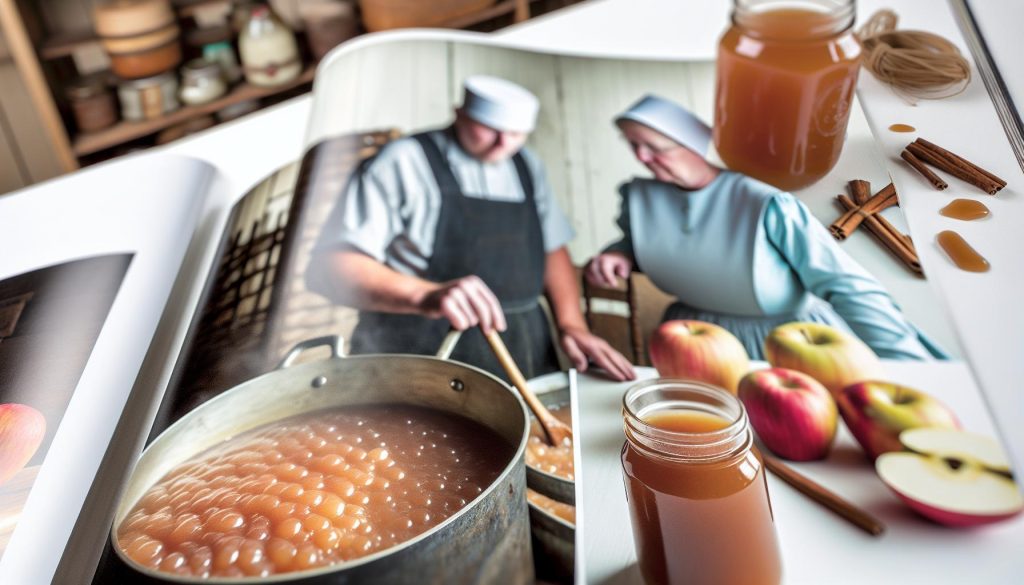
There’s something truly special about homemade apple butter – its rich, spiced flavor evokes memories of autumn and cozy gatherings. This Amish Apple Butter recipe, slow-simmered to perfection, captures the essence of traditional cooking while being incredibly simple to make. Whether you’re new to canning or an experienced home cook, making apple butter is a rewarding kitchen adventure that fills your home with delightful scents.
Imagine spreading this velvety, spiced goodness on hot biscuits or toast, transforming your breakfast into a comforting experience. Plus, with just a few ingredients and a slow simmering process, you’ll find that this recipe is as straightforward as it is delicious. It’s a fantastic way to preserve the bounty of fall apples and bring a taste of homemade warmth to your family gatherings. So roll up your sleeves and let’s dive into this scrumptious journey of creating your own apple butter!
Choosing the Perfect Apples for Amish Apple Butter
When it comes to making a truly exceptional Amish apple butter, the choice of apples is paramount. The right apples aren’t just a minor detail; they can elevate your apple butter from good to glorious. You want a blend of apples that provides a harmonious balance of sweetness, tartness, and depth of flavor. Typically, the best apples for apple butter include varieties like:
- Granny Smith: These apples add a wonderful tartness that balances the sweetness of other varieties.
- Honeycrisp: Known for their juicy sweetness and crisp texture, they lend a delightful taste.
- Fuji: These apples are sweet and dense, enriching the butter’s overall flavor and creaminess.
- Golden Delicious: Their mild sweetness complements tart apples beautifully, adding depth.
Combining these varieties not only brings complexity to your apple butter but also helps achieve a smoother texture. For a standard batch, consider using about 60% sweeter apples (like Fuji and Honeycrisp) and 40% tart apples (like Granny Smith). This mix will give you that perfect sweet-tart flavor profile that is so characteristic of Amish apple butter.
Additionally, freshness matters greatly; look for apples that are firm and free of blemishes. Visiting local farmers’ markets or orchards can provide you with the best seasonal picks. Remember, the real joy of making apple butter lies in experimentation, so don’t hesitate to adjust the apple varieties based on what you have on hand or what’s in season. Each batch could be a unique fingerprint of your culinary creativity!
Essential Ingredients for Flavorful Apple Butter

To create a truly flavorful apple butter that resonates with the rich traditions of Amish cooking, you need to select a few essential ingredients that enhance the natural sweetness and spiciness of your apple concoction. At the heart of any apple butter is, of course, apples, but it’s the supporting cast of ingredients that will elevate your recipe to new heights.
First, consider the spices. Cinnamon is the star player that adds warmth and depth, while nutmeg contributes a subtle earthiness. You might also enjoy a hint of allspice, which brings a pleasant, aromatic complexity. Combining these spices is a classic method, but you can personalize your apple butter by experimenting with different ratios. A good starting point is about 1 teaspoon of cinnamon and 1/4 teaspoon of nutmeg for every quart of apple butter. This blend can be adjusted based on your taste preference or even the type of apples used.
Next, don’t overlook the sweetener. While the natural sugars in apples may suffice, a little extra sweetness can create a luscious, irresistible treat. Brown sugar is a fantastic choice as it offers a hint of molasses flavor that complements the apples beautifully. If you’re aiming for a healthier option, consider using maple syrup or honey; not only do they enhance the flavor, but they also add a touch of natural sweetness that works wonderfully with the spices.
Lastly, a splash of acidity can give your apple butter a delightful lift. Adding a tablespoon of lemon juice or apple cider vinegar brings brightness, balancing the sweetness and making each bite feel lighter. This zing will elevate your apple butter from good to exceptional, ensuring it’s the perfect companion for your morning toast or as a delightful gift for family and friends. Remember, apple butter making is all about balance, so feel free to taste and adjust as you go, creating a unique recipe that reflects your personal style!
The Slow-Simmering Technique Explained

When it comes to making apple butter, the slow-simmering technique is where the magic truly happens. This method allows the flavors to deepen and meld beautifully, resulting in a rich, velvety spread that captures the essence of autumn in every bite. Unlike quick methods that can leave your apple butter tasting raw or overly sweet, slow simmering encourages the natural sugars in the apples to caramelize, enhancing their sweetness while infusing the spices you’ve added.
To begin, gather your diced or sliced apples along with your chosen sweeteners and spices. Place these ingredients into a large, heavy-bottomed pot or slow cooker. It’s crucial to select a gentle heat; if using the stovetop, keep the burner on low. This slow heat allows for a gradual release of moisture, letting the flavors intensify without burning. Stir occasionally to prevent sticking and ensure even cooking, taking care to scrape the bottom of the pot where sugars may settle.
The process typically takes anywhere from 6 to 10 hours-definitely a labor of love, but well worth the wait. As the apples break down, you’ll notice the mixture thickening and the color deepening to a warm, inviting hue. A key indicator of readiness is when it starts to smell heavenly throughout your kitchen! If you want to speed the process slightly, you can use a potato masher to break down the apples further during cooking, but resist the urge to rush-patience yields the best results.
Be sure to taste as you go; this is where the fun begins! Adjust sweetness with more sugar or acidity with a splash of lemon juice depending on your preference. Finally, once it reaches your desired consistency and flavor, let it cool before transferring to jars. This slow-simmering technique not only enriches the taste but also transforms apple butter into a comforting, home-cooked delight that you’ll be proud to share with family and friends.
How to Spice Up Your Apple Butter Recipe
When you think of apple butter, your first thought might be the classic, sweet flavor. But why not explore the world of spices to elevate your homemade spread? Adding the right spices can transform your apple butter into a warm, aromatic delight that dances on your taste buds. Imagine spreading a dash of cinnamon or ginger-infused apple butter on warm toast; doesn’t that sound heavenly?
To begin, consider using a base of classic spices. Cinnamon is a timeless choice that enhances the natural sweetness of the apples, providing a cozy, autumnal flavor. For an extra kick, add nutmeg or allspice; just a pinch can elevate your apple butter to something extraordinary. Ground ginger is another fantastic addition, perfect for those who enjoy a bit of warmth. As you mix, remember to taste as you go-your palate is your best guide!
Creative Spice Combinations
Explore unique combinations to set your apple butter apart. Here are a few of my favorites:
- Cinnamon and Clove: A classic duo that gives a rich, nostalgic flavor.
- Ginger and Allspice: Adds warmth and depth, ideal for those chilly, fall mornings.
- Cardamom: An exotic twist that adds a sophisticated floral note.
- Chili Powder: For those adventurous eaters, a little heat can create an exciting contrast!
Experimenting with different types of sweeteners can also enhance the flavor profile of your apple butter. While brown sugar is traditional, consider using maple syrup or honey for a more nuanced sweetness. Each will bring its own unique notes and depth, complementing your chosen spices beautifully.
Don’t be afraid to get creative! Try infusing the spices into your cooking process. You can simmer whole spices like cloves or cinnamon sticks in your apple mixture for a more pronounced flavor. Just remember to strain them out before bottling your apple butter, so your spread remains delectable and smooth.
Whether you prefer a comforting classic or want to jazz things up, adding spices to your apple butter is all about personal preference. Enjoy the process, trust your instincts, and soon you’ll have a jar filled with fall-spiced goodness ready to share with loved ones-or to savor all for yourself!
Tips for Achieving the Perfect Texture
To create apple butter that beautifully melds flavors with the perfect smooth and spreadable consistency, the texture should be your focal point. Achieving that luxurious, creamy texture relies heavily on the cooking technique as well as the ingredients you choose. Cooking your apple butter slowly allows the natural pectin in the apples to break down, which not only thickens the mixture but also enhances its richness.
Start by ensuring that the apples you select are well-suited for simmering. Apples like Fuji, Honeycrisp, or Bramley are excellent choices for their high pectin content and sweetness. After peeling and chopping your apples into small pieces, combine them with apple cider in a Dutch oven or slow cooker. This additional moisture is vital; it helps to create steam and prevent the mixture from sticking or burning as it cooks down. While traditional recipes call for brown sugar, you can experiment with smaller amounts to gauge the sweetness at various stages of cooking.
As the mixture cooks, stir it occasionally, which will keep it from sticking and allow for even cooking. A wooden spoon is perfect because it can easily scrape the bottom, incorporating any caramelized bits that add depth to the flavor. As you reach desired thickness, if you prefer an ultra-smooth texture, you can use an immersion blender to puree the mixture directly in the pot, or transfer it in batches to a countertop blender.
To ensure a silky finish, remember to strain out any remaining apple peels or larger chunks before canning. This will give your apple butter a refined texture that spreads easily on toast or biscuits. If you aim for a chunkier style, simply adjust the blending step to your taste. The journey of making apple butter is as rewarding as the final product, so don’t hesitate to experiment; soon, you’ll have a delightful spread that can elevate any breakfast or snack!
Storage Tips for Longevity and Freshness
To keep your slow-simmered apple butter fresh and delicious, it’s essential to focus on proper storage methods. After you’ve lovingly crafted your apple butter, the way you store it can significantly impact its longevity and flavor. Whether you’re planning to enjoy your spread soon or want to stock up for the chilly months ahead, here are some tips to ensure your apple butter stays as delightful as the day you made it.
Start by giving your apple butter enough time to cool down to room temperature before storing it. This prevents condensation from forming in your jars, which could lead to spoilage. Once cooled, use sterilized glass jars with airtight lids for storage. This is a great way to keep the flavors locked in and the oxygen out, which helps maintain freshness. If you’re looking for an extra layer of safety, consider using a canning method to preserve your apple butter. By properly canning your apple butter, you can extend its shelf life for up to a year when stored in a cool, dark place.
For shorter-term storage, your apple butter can simply be kept in the refrigerator. It should stay flavorful for about 2 to 3 weeks when refrigerated. Just remember to use a clean spoon each time you scoop out apple butter to avoid introducing any bacteria that can shorten its lifespan. If you find you’ve made more than you can eat within that time, think about freezing it! Apple butter freezes beautifully-just portion it out into freezer-safe containers or bags, leaving some space for expansion. Frozen apple butter can last up to a year in the freezer while retaining its delicious taste and texture.
Lastly, if you’re giving apple butter as gifts, package it in small jars and be sure to include a note on the shelf life and storage tips. Adding a festive touch with labels and ribbons not only makes it beautiful but also provides helpful information for the lucky recipient. By following these simple storage guidelines, your homemade apple butter can bring joy to your kitchen and others for many seasons to come!
Creative Ways to Use Apple Butter in Recipes
There’s something truly delightful about discovering new ways to incorporate apple butter into your meals and snacks. Beyond simply slathering it on toast, this spiced, slow-simmered treasure can transform a variety of dishes, infusing them with warmth and sweetness. Whether you’re a seasoned home cook or just starting your culinary journey, these ideas will help you unleash your creativity in the kitchen.
Breakfast Boost
Start your day right by adding apple butter to your breakfast routine. Spread it on pancakes or waffles instead of syrup for a burst of flavor. You can also mix it into oatmeal or yogurt for a deliciously sweet twist. Consider making an apple butter smoothie by blending a spoonful with banana, spinach, and almond milk for a nutritious start.
Savory Pairings
Apple butter isn’t just for sweet dishes; it can elevate savory meals too! Use it as a glaze for roasted meats like pork or chicken to create a beautifully caramelized crust. You can mix it into barbecue sauce for a unique twist on grilled ribs or burgers. Apple butter also pairs wonderfully in marinades or dressings, providing a hint of sweetness that balances out tangy ingredients.
Baking Magic
Infuse your baked goods with the rich flavor of apple butter. Substitute it for oil or butter in your muffin or bread recipes to add moisture and a hint of spice. It works particularly well in recipes for spiced cakes, quick breads, or even cookies. For a fun treat, try apple butter-filled pastries or hand pies-just be careful not to overfill them!
Snack Time Innovation
When it comes to snacks, the possibilities are endless. Spread apple butter on crackers with a slice of sharp cheese for a perfect sweet-savory pairing. Use it as a dip for fresh fruits like apple slices, pears, or even pretzels. You can create a simple charcuterie board featuring apple butter alongside meats, cheeses, and assorted nuts for a delightful appetizer.
Getting creative with apple butter can add a warm, homey flavor to both everyday meals and special occasions. So grab that jar of homemade goodness and start experimenting! Whether you’re whipping up breakfast, enhancing a savory dish, baking, or snacking, apple butter offers versatility that’s both delicious and easy to incorporate into your culinary repertoire.
Exploring Variations: From Sweet to Spicy
There are endless possibilities when it comes to enhancing the flavors of your apple butter, transforming it from a deliciously sweet spread to something excitingly spiced! Spice can elevate your apple butter, giving it a signature twist that reflects your personal taste. Playing with spices and additional ingredients opens the door to variations that can complement a wide range of dishes.
To start, think about incorporating warm spices like cinnamon, nutmeg, and allspice. These traditional options are staples in apple butter, but you can also get adventurous by adding a pinch of cloves or even a dash of cardamom for a unique flair. For a more robust flavor, consider adding chili powder or cayenne pepper. This is perfect for those who enjoy a bit of heat, balancing the inherent sweetness of the apples with a spicy kick.
Another fantastic way to explore variation is by infusing your apple butter with citrus zest or juice. Adding orange or lemon can brighten the flavor profile, providing a refreshing contrast to the rich, spiced notes. You could also consider mixing in purées of fruits like pears or pumpkins to create a distinct flavor experience that ties in seasonal ingredients.
Don’t forget about the option of sweetening your apple butter with alternatives to sugar! Ingredients like honey, maple syrup, or agave nectar can add their unique winey or earthy notes, making your spread even more complex. Experimenting with these choices not only diversifies the taste but also makes your apple butter truly your own creation.
When you find the combination that hits just right, take careful notes so you can recreate it or share it with friends. Every batch of apple butter is an opportunity for flavor exploration-enjoy the process of adjusting and tasting your way to a delightful, custom jar of deliciousness!
How to Can and Preserve Your Apple Butter
When you’ve spent hours slow-simmering your Amish apple butter, the last thing you want is for it to go to waste. Canning is a simple and effective way to preserve your delicious creation, allowing you to enjoy its rich flavors long after the apples have gone out of season. Plus, nothing beats the satisfaction of knowing you made it all yourself!
To start, you will need a few key items: mason jars with lids and rings, a large pot for boiling, a canning rack (or a small rack to keep jars off the bottom of the pot), and a jar lifter for safe handling. Your apple butter should be bubbling hot when it’s time to can, so have everything prepared and close at hand.
Step-by-Step Canning Process
- Prepare Your Jars: Begin by washing your mason jars and lids in hot, soapy water. Rinse them thoroughly. To sterilize, place them in a boiling water bath for about 10 minutes, or run them through a dishwasher cycle.
- Fill the Jars: Once your apple butter is hot and your jars are sterilized, use a ladle to fill each jar, leaving about a quarter-inch of headspace at the top. This space is crucial as it allows for proper sealing and expansion during processing.
- Seal the Jars: Wipe the rims of the jars with a clean, damp cloth to remove any residue that might prevent a proper seal. Place the lids on the jars and screw on the rings until they are fingertip-tight-this isn’t too loose or overly tight.
- Process the Jars: Add the filled jars to a large pot of simmering water, ensuring they are submerged by at least an inch. Bring the water to a gentle boil and process for about 10-15 minutes. The time may vary depending on your altitude, so refer to canning guides specific to your location.
- Cool and Store: Carefully remove the jars from the pot using a jar lifter and place them on a clean towel or cooling rack. Leave them undisturbed for 24 hours. Once cooled, check the seals by pressing down in the center of each lid; it should not pop back. If sealed properly, your apple butter can be stored in a cool, dark place for up to a year!
Additional Tips for Success
- Use Fresh Apples: The flavor of your apple butter comes from the quality of the apples, so choose the freshest varieties available.
- Experiment with Flavors: Consider adding spices or sweeteners early in the canning process for infused flavors.
- Labeling: Don’t forget to label your jars with the date and contents, so you can keep track of your delicious creations.
Canning your homemade apple butter makes it easy to share with friends and family, or save for those cold winter mornings when you want a taste of autumn. Enjoy the thrill of preserving a seasonal favorite with these friendly, straightforward methods!
Common Mistakes to Avoid When Making Apple Butter
Making apple butter is a delightful culinary adventure, but even the most seasoned cooks can stumble into a few common pitfalls. Let’s explore some typical mistakes that can affect the flavor, texture, or safety of your Amish apple butter, and how to avoid them.
One of the biggest errors is not using the right apples. For the best flavor, steer clear of store-bought, bland varieties. Instead, opt for crisp, flavorful apples like Fuji, Honeycrisp, or Granny Smith. These will provide the perfect balance of sweetness and tartness, enhancing the overall taste of your apple butter. Remember, the fresher the apples, the better the result. If possible, source your apples from local orchards or farmers’ markets.
Another frequent misstep is rushing the cooking process. Apple butter is best when it’s slow-simmered, allowing the flavors to deepen and meld beautifully. If you’re tempted to speed things up, resist! Taking the time to let your mixture bubble gently will yield a velvety texture and rich flavor that quick cooking simply can’t replicate. Aim for a simmer that lasts several hours; the more care you take, the more delicious the end product.
When it comes to spices, many cooks often either overdo it or leave them out entirely. Achieving the right balance is key. Cinnamon, nutmeg, and cloves are classics, but start with small amounts and taste as you go. You can always add more, but it’s hard to take away once it’s in. Similarly, watch your sugar levels. A little goes a long way, and too much can overshadow the natural apple flavor.
Lastly, don’t overlook the importance of proper canning techniques. If you’re planning to preserve your apple butter, ensure your jars are completely sterilized and filled with hot apple butter. Leave the appropriate headspace in the jars to allow for sealing. Neglecting this can lead to ineffective seals and spoilage. Always follow safe canning practices to ensure you can enjoy your delicious spread safely for months to come.
By avoiding these common mistakes, you’ll set yourself up for success in crafting a perfectly spiced, smooth, and delectable apple butter that’s sure to impress your family and friends. Enjoy the process, and don’t be afraid to experiment a little; after all, that’s the joy of homemade cooking!
Serving Suggestions: Pairing Apple Butter with Foods
Imagine the rich, spiced aroma of slow-simmered apple butter wafting through your kitchen-it’s the perfect companion for a multitude of dishes! The beauty of apple butter lies in its versatility; not only can it stand alone as a delicious spread, but it also enhances a variety of meals and snacks, offering a warm, sweet, and slightly spicy flavor.
One of the simplest and most delightful ways to enjoy your homemade apple butter is spread generously on toasted bread or warm biscuits. Try it on a flaky scone for a sweet breakfast treat, or layer it on a thick slice of hearty bread for a cozy afternoon snack. For a touch of indulgence, pair apple butter with cream cheese on a bagel or top your favorite crackers for a quick, festive appetizer that pairs beautifully with cheese.
If you’re in the mood for something a bit heartier, consider using apple butter as a glaze for meats. A spoonful of apple butter mixed with balsamic vinegar makes a fantastic baste for pork chops or chicken, infusing them with flavor as they bake. Additionally, it works wonders in sweet-savory dishes, such as a roasted butternut squash or carrot soup, where a swirl of apple butter can elevate the flavor profile with its rich sweetness.
For dessert lovers, apple butter can be a game-changer. Use it as a filling in pastries or as a topping for vanilla ice cream, and you’ve got a delightful treat that captures the essence of fall. Mix it into oatmeal or yogurt for a nutritious breakfast that bursts with flavor. Plus, apple butter is a perfect partner for cheese; pair it with sharp cheddar or creamy goat cheese for a delightful contrast that will wow your guests at gatherings.
Embrace the creativity that apple butter offers in your kitchen. Whether you’re enjoying it on a quiet morning or sharing it with friends at a gathering, this homemade delight is sure to bring warmth and flavor to every occasion. Happy pairing!
Delicious Homemade Gifts: Packaging Ideas for Apple Butter
There’s something truly special about sharing homemade apple butter with friends and family, and packaging it thoughtfully can elevate this heartfelt gift even more. When you put your delicious slow-simmered apple butter in attractive jars, it not only looks appealing but also conveys the care and effort you’ve poured into making it. Here are some delightful ideas to ensure your homemade apple butter stands out beautifully.
Choosing the Right Jars
Opt for glass jars with tight-sealing lids to keep the apple butter fresh. Mason jars are a popular choice, but you can also find decorative jars at craft stores. Consider various sizes-small jars are perfect for individual gifts, while larger jars make for a centerpiece gift for a family. Be sure to clean the jars thoroughly before filling them, ensuring they’re completely dry to avoid spoilage.
Creative Labeling
Labels add a personal touch that makes your gift feel even more special. You could create handmade labels using cardstock, adding a thoughtful touch with a brief description of your apple butter or even a family recipe. For a rustic feel, use twine to attach the labels. Alternatively, print out professionally designed labels for a polished look, and don’t forget to include the date so recipients know when it was made!
Decorative Touches
Enhance the presentation with simple yet effective decorations. Consider wrapping bright fabric or burlap around the jar and securing it with twine or ribbon. You can even add a cinnamon stick or dried apples for a visually appealing touch that hints at the flavor inside. For seasonal gifts, themed decorations like autumn leaves or festive ribbons can give your jars a warm, seasonal vibe.
Packaging Ideas for Gifting
If you’re packaging several jars, arrange them in a wicker basket or a decorative box lined with tissue paper. Add a handwritten card with serving suggestions or personal tips for using apple butter, reinforcing the connection to your culinary adventure. For holiday gifting, consider including a few complementary items like homemade biscuits or bread to create a delightful gift basket.
By combining thoughtful packaging and creative presentation, your homemade apple butter will not only taste incredible but also make a charming gift that recipients won’t forget. The effort you put into the packaging adds an extra layer of love, making every jar a wonderful surprise!
Frequently asked questions
Q: What apples are best for making Amish apple butter?
A: The best apples for Amish apple butter are a mix of sweet and tart varieties. Fuji, Granny Smith, and Honeycrisp are excellent choices as they create a balanced flavor. For tips on choosing apples, refer to the section on Choosing the Perfect Apples for Amish Apple Butter in the article.
Q: How long does it take to simmer apple butter?
A: Slow-simmering apple butter typically takes 4 to 10 hours. The key is to cook low and slow, allowing the flavors to deepen and the texture to thicken. For a detailed approach to the simmering technique, check out the section on The Slow-Simmering Technique Explained.
Q: Can I add other fruits to my apple butter recipe?
A: Yes! You can enhance your Amish apple butter by adding fruits like pears or cranberries. This adds unique flavors and complexity. Explore more in the Exploring Variations: From Sweet to Spicy section of the article.
Q: What is the perfect texture for apple butter?
A: The perfect texture for apple butter is smooth and spreadable, similar to a thick sauce. To achieve this, ensure you cook the apples down until they break apart, as discussed in the Tips for Achieving the Perfect Texture section.
Q: How can I avoid common mistakes when making apple butter?
A: To avoid mistakes, make sure to not rush the cooking process and regularly stir the mixture to prevent sticking. Additionally, using the right apple varieties is crucial. For a comprehensive list of pitfalls, see the Common Mistakes to Avoid When Making Apple Butter section.
Q: How should I store homemade apple butter for freshness?
A: Store homemade apple butter in sterilized jars in the fridge for up to three weeks. For long-term storage, can your apple butter properly. Refer to the Storage Tips for Longevity and Freshness for detailed instructions.
Q: What can I use apple butter for besides spreading on toast?
A: Apple butter is versatile! Use it in baking (like in muffins), as a glaze for meats, or mixed into oatmeal. Discover more creative uses in the Creative Ways to Use Apple Butter in Recipes section.
Q: How do I can apple butter safely?
A: To can apple butter safely, use a water bath canning method. Ensure jars are hot, fill with hot apple butter, seal, and process for the recommended time. For detailed canning instructions, check the How to Can and Preserve Your Apple Butter section.
To Conclude
Now that you’ve discovered how to create delightful slow-simmered and spiced Amish apple butter, it’s your turn to bring this cozy recipe to life in your kitchen! With just a few simple ingredients and a bit of patience, you’ll craft a homemade treat that’s perfect for spreading on warm biscuits or giving away as heartfelt gifts. Don’t miss out on the chance to impress your friends and family-start simmering today!
If you loved this recipe, be sure to check out our guides on canning basics and other delicious fruit preserves for even more ways to enjoy seasonal flavors. Join our community by signing up for our newsletter for exclusive recipes and tips that will elevate your home cooking. Have questions or want to share your apple butter variations? We’d love to hear from you in the comments below! Your kitchen adventures are just beginning-let’s keep exploring together!