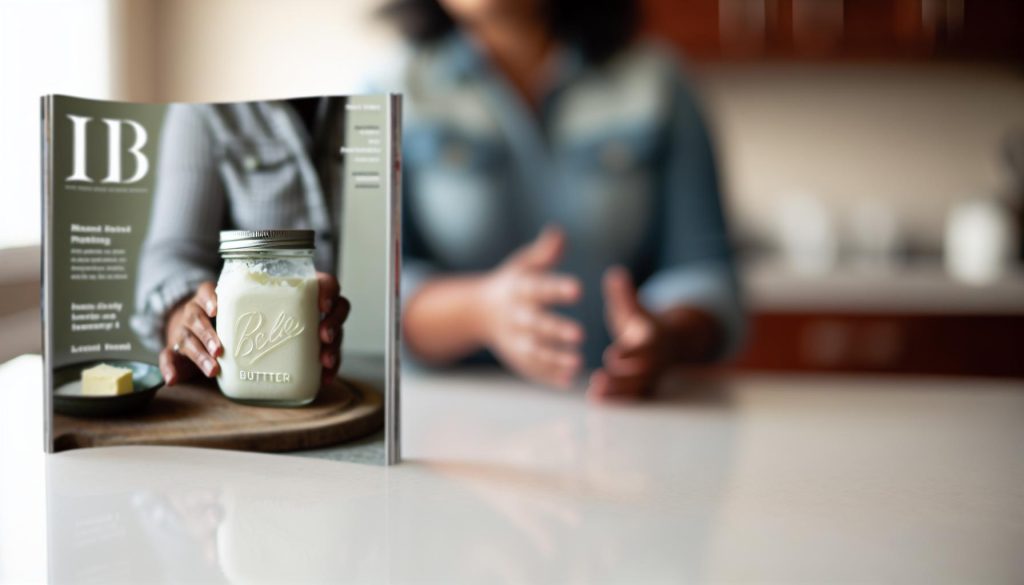
Did you know that making your own butter is as easy as shaking a jar? That’s right! With just one mason jar and some heavy cream, you can whip up delicious homemade butter in minutes. Homemade butter not only tastes fresher than store-bought options, but it also allows you to experiment with flavors, from sweetened honey butter to savory garlic herb blends.
Whether you’re looking to impress at your next brunch or just want a simple, satisfying kitchen project, this easy recipe is perfect for you. It’s a fun way to connect with your food and enjoy the satisfaction of creating something from scratch. Plus, you won’t need any fancy equipment-just your trusty mason jar! So, roll up your sleeves, and let’s dive into the delightful world of homemade butter that will elevate your meals and snacks. Get ready to discover how a little cream can transform into something truly special!
Homemade Butter: A Simple, Fun Kitchen Adventure
Making homemade butter is not just a culinary task; it’s a delightful adventure that transforms a simple ingredient into a creamy, rich spread bursting with personality. Picture yourself cozy in your kitchen, perhaps with some music playing softly in the background, as you shake a mason jar filled with heavy cream. In just a few minutes, you’ll witness the magic of churning as your cream thickens, separates, and finally turns into fresh, velvety butter!
What’s even more inviting about this process? You only need one essential ingredient: heavy cream. That’s right! No specialized equipment or complicated techniques are needed. Just grab a mason jar with a secure lid, pour in that heavy cream, and give it a vigorous shake. As you shake, you’ll begin to feel the transformation take place, a delightful rhythm that results in homemade butter ready to be enjoyed. If you’re not in the mood for shaking, you can also use a blender or a food processor-whichever suits your style!
Aside from the satisfaction of creating something delicious, this adventure also offers a chance for creativity. You can experiment with various flavors, adding herbs or spices to create infused butters that will elevate any dish. Imagine rosemary-infused butter melting over freshly baked bread or a hint of garlic butter drizzled on vegetables. Making butter is not just about enhancing your recipes; it’s about turning an everyday food item into a gourmet delight that you can share with family and friends. So, gather your ingredients, embrace the joy of crafting something from scratch, and let your kitchen adventure begin!
Essential Ingredients for Making Butter
Imagine a world where your bread is slathered in something not just delicious, but made by your own hands. The great news? You only need a single ingredient to embark on this buttery adventure: heavy cream. That’s right! No fancy equipment or hours of labor are required. Just pure heavy cream is the secret to transforming a simple kitchen staple into a luxurious spread.
In addition to the heavy cream, you might consider having salt on hand but it’s purely optional-after all, the joy of homemade butter is that you get to control the flavor. For those adventurous souls who love to spice things up, think about grabbing some herbs or spices from your pantry. A sprinkle of sea salt can enhance the richness, while a dash of garlic powder or fresh rosemary can lead you to gourmet horizons.
Here’s a quick rundown of what you need:
- Heavy Cream: Aim for at least 1 pint for a satisfying yield of butter.
- Salt (optional): About 1/4 teaspoon for that extra flavor kick.
- Add-ins (optional): Fresh herbs, spices, or even honey for flavored butters.
So, whether you’re using just cream or branching out with spices and salt, you’re on your way to creating something truly special. This makes the process not only straightforward but also an outlet for your creativity, allowing you to experiment and find the perfect flavor combinations that suit your palate. Dive into this buttery journey-your warm, homemade creation awaits!
Step-by-Step Guide to Churning Butter
To embark on your butter-making adventure, gather your tools and ingredients: a clean mason jar, heavy cream, and an optional pinch of salt. You’ll find that making butter is not just simple but also incredibly satisfying-perfect for a fun kitchen project that yields delicious results!
Start by pouring about 1 pint of heavy cream into your mason jar. Leave some space at the top, as you’ll need room for the cream to agitate and splatter a bit during the churning process. Securely screw on the lid. Now comes the fun part: shake that jar! It may take a few minutes, but as you shake, you’ll notice the cream transitioning from liquid to whipped cream and then, finally, to buttermilk and butter.
Keep shaking until the butter solidifies and separates from the buttermilk, which typically takes about 10-15 minutes. You’ll know it’s ready when you hear a sloshing sound as the buttermilk separates from the solid butter. When that happens, carefully remove the lid, and strain the buttermilk through a fine mesh sieve or cheesecloth into a bowl, saving it for another use-like pancakes or smoothies!
Next, rinse the butter under cold water to remove any lingering buttermilk, which can encourage spoilage. Knead the butter gently with a spatula or your clean hands to help squeeze out additional buttermilk. At this stage, if you want to add salt for flavor, mix it in now. Your homemade butter is now ready to be shaped or stored, showcasing the joy of creating something utterly delicious from just a simple ingredient!
Creative Flavors for Your Homemade Butter
Imagine spreading a delightful, homemade compound butter onto warm bread or pancakes-there’s a certain joy in elevating simple recipes with your own unique creations. Adding flavors to your homemade butter is not only easy but also a fantastic way to personalize your meals and impress your family and friends. Whether you prefer savory herbs or sweet hints of fruit, the options are virtually endless!
Start by choosing your base flavors. A good rule of thumb is to add about 1-2 tablespoons of your chosen flavor per half cup of butter. For a classic herb butter, mix in finely chopped fresh herbs like rosemary, thyme, or chives, and a pinch of garlic powder. If you’re in the mood for something sweeter, consider blending in honey, maple syrup, or pureed fruits like strawberries or blueberries. You can also experiment with spices-think cinnamon and brown sugar for a delightful finish to your sweet breakfast dishes, or chili powder and lime zest for a zesty twist on grilled meats.
To make your flavored butter more visually appealing, cultivate a bit of flair! Roll the butter into a log shape using parchment paper and twist the ends tightly to seal. This not only keeps it fresh but also makes it easy to slice off pieces whenever you need them. You could also pour your flavored butter into silicone molds for fun shapes, perfect for gifting or impressing at a dinner party.
Lastly, remember to taste and adjust the flavors as you mix. If you want a stronger flavor, add more; if it’s too intense, balance it with additional butter. Homemade flavored butter is a canvas for creativity, ready to enhance every meal. So don’t be shy-get in that kitchen and start experimenting!
Tips for Perfect Texture and Consistency
Making butter at home can be a delightful adventure, and achieving the perfect texture and consistency is key to enjoying your culinary creation. Whether you’re using a mason jar, a stand mixer, or even just shaking by hand, there are some important tips to keep in mind to ensure your butter is smooth, creamy, and spreadable.
Start with fresh, high-quality cream. The richer and fresher the cream, the better your butter will taste. Ideally, look for heavy cream with a high butterfat content-around 36% or more- for that luxurious texture. If you prefer a little tanginess, consider using cultured cream, which not only enhances flavor but also contributes to a silkier consistency.
When it comes time to churn, maintain the right temperature and churning time. Cold cream can take longer to turn into butter, so let your cream sit out for about 10-15 minutes before starting. If you’re using a mason jar, the process of shaking may take about 10-15 minutes, so be patient! If you find the butter feels too soft after churning, place it in the refrigerator for a few minutes to firm up, which will help achieve that perfect spreadable quality.
Incorporating ice water during or after the churning process can also make a significant difference. After you’ve started to see butter form, adding a small splash of ice-cold water helps rinse away excess buttermilk, yielding a creamier final product. When the churning is complete, don’t forget to knead your butter gently with your hands or a spatula to remove any remaining buttermilk and achieve that smooth, rich texture you desire.
Lastly, always remember to taste as you go. Add a pinch of salt for flavor and adjust based on your preferences. If you want to experiment with textures for flavored butters, try variations by adding your favorite mix-ins like herbs or spices right into the jar before the final kneading. Butter making is about creativity as much as it is about technique, making each batch an exciting exploration of flavor and texture!
Storage Solutions: Keeping Your Butter Fresh
Storing your homemade butter properly is essential to keep it fresh and delicious for as long as possible. If you’ve just made a batch in your trusty mason jar, there are some straightforward strategies you can use to ensure it retains its creamy goodness.
First, consider the temperature at which you store your butter. Homemade butter can be stored in the refrigerator for up to two weeks without a significant loss of flavor or quality. Just make sure to keep it in a tightly sealed container to prevent it from absorbing odors from other foods. If you’re hoping to enjoy your butter for longer, you can freeze it. Homemade butter freezes beautifully and can last up to six months in the freezer. For optimal storage, divide your butter into smaller portions-this makes it easy to thaw just what you need.
Creative Storage Ideas
- Wrapped in parchment paper: For a rustic touch, wrap your butter in parchment paper and secure it with twine. This method not only looks charming but also helps prevent freezer burn.
- Use silicone molds: Pour your butter into silicone molds to create perfect single-serving portions. Once frozen, pop them out and store them in a freezer bag. This way, you can easily grab a cube whenever you need to add that homemade touch to your recipes.
Always remember to label your butter with the date it was made, especially if you’re storing several varieties or flavors. That way, you’ll always know what you have on hand and when it needs to be used by.
In regards to texture, if you find your butter has become too soft after refrigeration, just let it sit at room temperature for about 10 to 15 minutes before using. This will bring it back to that perfect spreadable consistency. Enjoy your homemade butter on toast, in baking, or as a delightful addition to your favorite dishes!
Common Mistakes When Making Butter
Making homemade butter can be a delightful kitchen adventure, but it’s easy to stumble over some common pitfalls. One of the primary mistakes is not using the right temperature for the cream. If your cream is too cold, it won’t whip correctly, meaning you might miss that perfect separation of buttermilk from the butterfat. On the flip side, if it’s too warm, your butter can become greasy and overly soft. Aim for cream that is around 60 to 65°F (about 15 to 18°C) for the best results.
Another frequent error is churning for too short a time. It’s tempting to stop once you see some whipped texture, but the real magic happens when you give it that extra bit of effort. This final stage is where the butter starts to clump together and separates from the buttermilk. Aim for about 10 to 15 minutes of churning, monitoring closely for changes in consistency. If you give up too soon, your butter may end up gritty rather than creamy.
Don’t forget about adding flavors or salt at the right moment! While you can incorporate these ingredients post-churning as a delightful mix-in, it’s often better to add a pinch of salt or spices directly during the churning process. This ensures a more nuanced flavor throughout your butter, combining all those delicious notes seamlessly.
Lastly, managing the washing process is crucial for achieving that silky texture. Many home cooks overlook rinsing off the buttermilk thoroughly. Residual buttermilk can lead to spoilage. After you finish churning, rinse your butter under cold water while kneading it gently-this helps release all remaining buttermilk and keeps your homemade treasure fresh longer. With these tips in mind, you’re all set to churn out some delicious, creamy butter!
Delicious Recipes Using Your Fresh Butter
Using your homemade butter opens up a world of delicious possibilities in the kitchen! With just a little creativity, you can elevate your meals and snacks to new heights. Here are some delightful ways to incorporate that fresh churned goodness into your cooking.
One classic use for homemade butter is in baking. Whether you’re whipping up fluffy pancakes for breakfast or decadent cookies for dessert, substituting your fresh butter in place of store-bought options makes a noticeable difference. Try using it in a simple chocolate chip cookie recipe for a rich, creamy flavor that will have everyone coming back for more. Here’s a quick rundown on how to do it:
- Ingredients: 1 cup fresh butter, 1 cup brown sugar, 1 cup granulated sugar, 2 large eggs, 2 teaspoons vanilla extract, 3 cups all-purpose flour, 1 teaspoon baking soda, and 2 cups chocolate chips.
- Directions: Preheat your oven to 350°F (175°C). Cream together the fresh butter and sugars until smooth, then add the eggs and vanilla. Gradually mix in the dry ingredients, and fold in the chocolate chips. Drop spoonfuls onto a baking sheet and bake for 10-12 minutes until golden.
Homemade butter also shines on the stovetop. Use it to make a luscious garlic herb sauce for vegetables or pasta. Simply melt a couple of tablespoons of your butter in a pan, add minced garlic, and fresh herbs like parsley or thyme. This ready sauce transforms any dish into a gourmet experience and pairs beautifully with steamed veggies or tossed pasta.
| Recipe Idea | Main Ingredients | Use For |
|---|---|---|
| Herb Butter | Fresh butter, garlic, herbs | Bread, pasta, veggies |
| Butter Sauce | Fresh butter, lemon juice, capers | Seafood, chicken |
| Cinnamon Butter | Fresh butter, cinnamon, sugar | Toast, muffins, pancakes |
Don’t overlook breakfast either! Whip up a batch of cinnamon butter to spread on your morning toast or pancakes. Just combine your fresh butter with sugar and a dash of cinnamon, and you’ll turn a simple meal into a comforting treat.
Finally, consider experimenting with flavored butters. By adding ingredients like honey, citrus zest, or even roasted garlic, you can create unique spreads that are perfect for entertaining. Try a honey butter for spreading on fresh biscuits or muffins, or a zesty lemon butter to accompany seafood.
With these ideas, you’re all set to make the most of your homemade butter, adding rich flavors and delightful textures to your meals effortlessly. Happy cooking!
Health Benefits of Homemade Butter
Homemade butter is not only a delicious addition to your kitchen but also comes packed with several health benefits that often go unnoticed. One of the key advantages is that you have complete control over the ingredients. Unlike store-bought butter, which may contain artificial additives or preservatives, making your own allows you to ensure it’s as pure and natural as possible. You can use high-quality cream from grass-fed cows, which not only enhances the flavor but also boosts the nutritional profile of your butter.
Another compelling reason to make homemade butter is the presence of beneficial nutrients. Butter is a good source of vitamins A, D, E, and K2, which are essential for maintaining strong bones, supporting the immune system, and ensuring good eye health. Additionally, homemade butter often contains healthy fats that are necessary for hormone production and cell membrane integrity. These fats can also help in the absorption of fat-soluble vitamins, making your meals even more nutritious.
You might be surprised to learn that butter has a lower content of trans fats compared to margarine and other processed spreads. When you create your own butter, you can avoid harmful trans fats found in many commercial products. In moderation, the saturated fats found in butter can be beneficial, promoting satiety and providing energy.
Incorporating homemade butter into your diet can be a delightful way to enjoy its richness while reaping health benefits. Spread it on whole-grain toast, mix it into your favorite dishes, or use it as a base for sauces; the possibilities are endless. As you experiment with flavors like garlic herb or honey, you’re not just enhancing your dishes but also making conscientious choices about the food you consume.
Celebrate the simplicity and satisfaction of making homemade butter. With just a little effort, you can create something that not only tastes amazing but also supports your well-being. Embrace this kitchen adventure and enjoy the rewards in both taste and health!
Fun Facts About Butter Across Cultures
Butter is a staple found in kitchens worldwide, but did you know this creamy concoction carries a rich tapestry of cultural significance? Across various cultures, butter symbolizes everything from hospitality to culinary mastery. In many countries, homemade butter is not just a cooking ingredient; it’s a heartfelt expression of love and tradition.
In India, for instance, butter plays a crucial role in cultural dishes. Ghee, a type of clarified butter, is revered in Indian cuisine not just for its flavor but also for its health properties. It’s often prepared at home using traditional methods, embodying a sense of pride and connection to one’s roots. Meanwhile, Scandinavian cultures have long celebrated the artistry of butter-churning, sometimes involving family and communal gatherings where the process itself becomes a joyous event.
When you make your own butter in a simple mason jar, you’re participating in a global tradition. It’s fascinating that in some cultures, butter is even used in rituals and ceremonies. In Bhutan, for example, butter is used to make butter lamps for religious offerings, symbolizing enlightenment. In contrast, in Western cultures, butter has evolved into a favorite spread for bread, loved for the richness it brings to breakfast tables.
Making your own butter is not just a fun kitchen adventure; it connects you to a history that spans continents and centuries. Consider blending in cultural influences from around the world-try adding herbs like dill for a Nordic twist or saffron for a taste reminiscent of Indian ghee. This way, every time you spread your homemade creation on toast, you’re not just enjoying a delicious treat; you’re savoring a taste of cultural heritage.
Exploring Alternatives: Vegan Butter Options
If you’re seeking a plant-based alternative to traditional butter, you’re in luck! Vegan butter options are not only versatile but can also be made easily at home. Many people are transitioning to vegan diets and looking for substitutes that mimic the creamy texture and rich flavor of dairy butter. The best part? You can experiment with flavors and textures using simple ingredients you probably already have on hand.
To make your own vegan butter, begin with a base of blended nuts or seeds, like cashews or sunflower seeds, which offer a creamy consistency. Combine these with a bit of plant-based oil-coconut oil is a popular choice for its butter-like solidity when chilled. A basic recipe could include:
- 1 cup soaked cashews
- 1/4 cup coconut oil (solid)
- 1 tablespoon lemon juice
- Salt to taste
Blend these ingredients in a food processor until smooth. The mixture can then be transferred to a jar and refrigerated until it solidifies. This homemade vegan butter can be used just like traditional butter-spread it on toast, use it for baking, or dollop it on vegetables.
### Flavor Variations
One of the joys of making your own vegan butter is the ability to customize its flavor. Consider adding ingredients such as:
- Garlic powder for a savory twist.
- Fresh herbs such as basil or dill for a fresh, aromatic spread.
- Nutritional yeast gives a cheesy flavor that is great in spreads or pasta dishes.
- Maple syrup for a sweetened version to enjoy on pancakes and waffles.
These modifications not only enhance flavor but can tailor your vegan butter to suit any dish!
### Storage and Use
Store your vegan butter in a sealed container in the fridge, where it can last up to a week. If you want to keep it longer, consider freezing it in smaller portions. Just scoop your mixture into an ice cube tray and freeze until solid; store the cubes in a ziplock bag.
Making plant-based butter at home opens up endless possibilities for creativity while nourishing your body with wholesome ingredients. Whether you’re vegan or simply exploring new culinary routes, experimenting with vegan butter can be a delightful kitchen adventure that pairs well with all kinds of dishes!
Frequently Asked Questions
Q: How long does it take to make homemade butter in a mason jar?
A: It typically takes about 10-15 minutes to make homemade butter in a mason jar. Start by shaking the cream vigorously until it thickens and separates. This hands-on approach is quick and fun, perfect for a kitchen adventure. For more detailed instructions, check the “Step-by-Step Guide to Churning Butter” section of our article.
Q: Can I use any type of cream to make butter?
A: Yes, you can use heavy whipping cream or heavy cream for the best results. The higher fat content yields a richer and creamier butter. Avoid using light cream, as it may not churn properly. Explore more about this in the “Essential Ingredients for Making Butter” section.
Q: What can I do with leftover buttermilk from making butter?
A: Leftover buttermilk is a fantastic ingredient! You can use it in pancakes, muffins, or dressings. It adds moisture and flavor to baked goods. Consider making a buttermilk pancake recipe to maximize your ingredients! See our “Delicious Recipes Using Your Fresh Butter” for more tasty ideas.
Q: Is it necessary to refrigerate homemade butter?
A: Yes, refrigerating homemade butter is essential to maintain its freshness. Store it in an airtight container, and it can last up to two weeks in the fridge. For long-term storage, consider freezing portions. Refer to the “Storage Solutions: Keeping Your Butter Fresh” section for tips.
Q: Can I flavor my homemade butter during the churning process?
A: Absolutely! You can add herbs, spices, or even citrus zest during the last minute of churning for creative flavors. This is a fun way to personalize your butter. Check out the “Creative Flavors for Your Homemade Butter” section for more inspiration.
Q: Why did my homemade butter not separate properly?
A: If your homemade butter didn’t separate, the cream may not have been cold enough or had too low a fat content. Ensure you use heavy cream and chill it beforehand. Troubleshooting tips can be found in the “Common Mistakes When Making Butter” section to help you achieve success.
Q: How can I use homemade butter in cooking?
A: Homemade butter enhances the flavor of many dishes. Use it for sautéing vegetables, baking, or spreading on fresh bread. Its unique flavor can elevate regular recipes. For usage ideas, explore our “Delicious Recipes Using Your Fresh Butter.”
Q: What are some health benefits of making butter at home?
A: Making butter at home allows you to control the ingredients, avoiding unhealthy additives and preservatives. Homemade butter is rich in vitamins and healthy fats, supporting overall well-being. Discover more in the “Health Benefits of Homemade Butter” section of our article.
Wrapping Up
Congratulations on mastering the art of making homemade butter in just one mason jar! With just a few simple steps-whipping cream, a little elbow grease, and some seasoning-you’ve created a delicious and fresh ingredient that can elevate any meal. Now that you’ve successfully made your own butter, why not explore more of our easy homemade recipes? Check out our guides on creating delightful flavored butters or perhaps dive into our no-bake dessert section for quick and satisfying treats that pair wonderfully with your buttery creations!
Got questions or variations you tried? Share your thoughts in the comments below! We’d love to hear your experiences. Don’t forget to subscribe to our newsletter for more cooking tips, recipes, and kitchen hacks. Explore more, experiment often, and keep creating those culinary masterpieces right at home-your kitchen adventures have just begun!