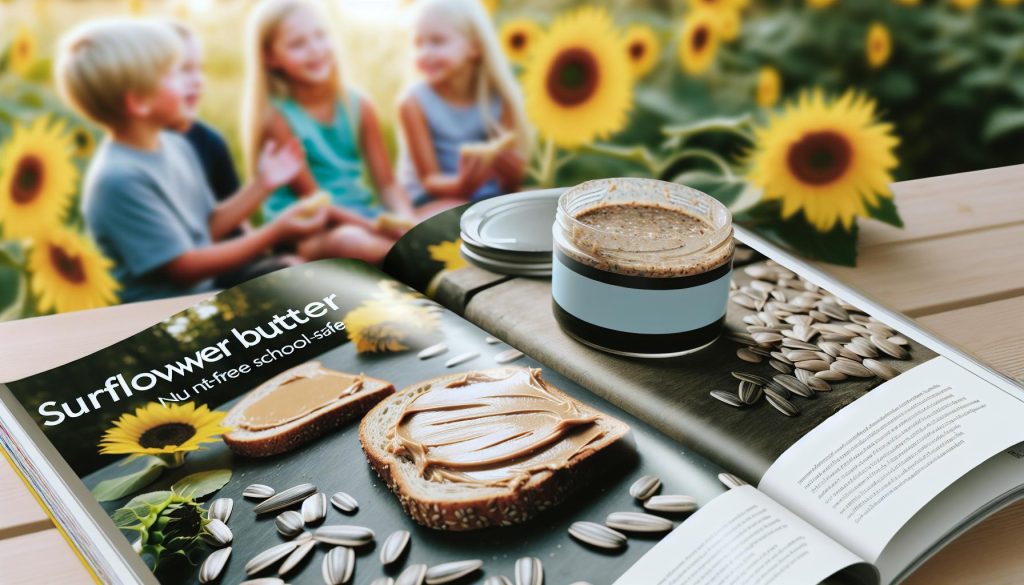
Did you know that sunflower seeds are not only a delicious snack but also a fantastic base for creating a nut-free spread? Whether you’re navigating school lunch restrictions or simply looking for an allergy-friendly alternative, sunflower butter is the answer. It’s creamy, versatile, and packed with nutrients, making it perfect for everything from spreading on toast to enhancing smoothies.
What’s more, making your own sunflower butter at home is incredibly simple and satisfying. With just a few ingredients and minimal kitchen tools, you can whip up a batch in no time. This homemade spread not only supports dietary needs but also encourages creativity in the kitchen. Let’s dive into this delightful recipe that promises to be a hit for kids and parents alike!
Understanding Sunflower Butter: Why It’s a Great Choice
When it comes to nut-free spreads, sunflower butter is a standout choice that everyone should consider adding to their pantry. Not only is it a safe alternative for those with nut allergies, but it also delivers a rich, creamy texture and a slightly sweet flavor that can enhance a variety of dishes. Whether you’re spreading it on toast, drizzling it over pancakes, or mixing it into smoothies, sunflower butter doesn’t disappoint. It’s an excellent substitute for classic nut butters like peanut or almond butter, making it a versatile ingredient for both kids and adults.
This spread is not just about taste; it’s packed with nutrition too. Sunflower butter provides a good source of healthy fats, protein, and several essential vitamins and minerals. For families seeking nutrient-dense options for lunchboxes or snacks, it offers a wholesome choice that supports growing bodies. Furthermore, its high vitamin E content contributes to immune health, making it a smart addition to your diet.
One of the best features of sunflower butter is its adaptability. You can easily customize it to suit your family’s preferences-add a drizzle of honey for sweetness, sprinkle in some cinnamon, or even blend in cocoa powder for a chocolatey treat. This makes sunflower butter a fun and engaging ingredient to experiment with, ensuring that even the pickiest eaters can find new ways to enjoy it. With its delicious flavor and wholesome benefits, sunflower butter is truly a great choice for anyone looking for a nutritious and delicious spread.
Essential Ingredients for Sunflower Butter

Sunflower butter captures the essence of simplicity and richness, making it a delightful spread that’s both nut-free and packed with flavor. To create your own sunflower butter, you only need a handful of essential ingredients that make the process quick and enjoyable. The star of the show, of course, is sunflower seeds. Whether you choose raw or roasted seeds depends on your flavor preference; roasted seeds offer a nuttier taste, while raw seeds provide a more subtle flavor.
In addition to sunflower seeds, having a high-quality oil on hand is important to achieve that creamy texture. Sunflower oil or coconut oil works wonderfully; both add richness and help blend the seeds smoothly. For those who appreciate a touch of sweetness, consider adding honey or maple syrup-either offers a delightful contrast to the seeds’ natural flavors. A pinch of salt can also enhance the taste, making it more savory and well-rounded.
When preparing sunflower butter, you might also want to explore flavor variations to suit your palate. Spices like cinnamon or vanilla extract can elevate the taste, making it not just a spread but a treat that brightens up lunches or snacks. Don’t forget to keep some add-ins handy, such as chocolate chips or dried fruit, for when you want to indulge a little while still enjoying a nut-free option.
Here’s a quick overview of the ingredients you’ll want to gather:
- Sunflower seeds: Raw or roasted
- Oil: Sunflower oil or coconut oil
- Sweetener: Honey or maple syrup (optional)
- Salt: To taste
- Add-ins (optional): Cinnamon, vanilla extract, chocolate chips
With these straightforward ingredients, you’re well on your way to crafting a delicious batch of sunflower butter that will be a hit with everyone, especially in nut-free environments! Simple yet satisfying, it’s an adventure in flavor that invites creativity in every jar.
Easy Step-by-Step Guide to Making Sunflower Butter

Making your own sunflower butter is not only simple but also incredibly rewarding. With just a handful of ingredients and a bit of time, you can create a delicious, nut-free spread that’s perfect for sandwiches, snacks, and school lunches. Let’s dive into the easy, step-by-step process to whip up your own batch!
Start by gathering your ingredients. You’ll need about 2 cups of sunflower seeds (choose raw for a milder flavor or roasted for a nuttier taste), a couple of tablespoons of oil (sunflower or coconut oil works great), a sweetener like honey or maple syrup, and a pinch of salt. Optional add-ins include cinnamon, vanilla extract, or even chocolate chips if you’re feeling adventurous.
Steps to Make Sunflower Butter
- Roasting the Seeds (Optional): If using raw seeds and you prefer a deeper flavor, spread them on a baking sheet and roast them in a preheated oven at 350°F (175°C) for about 10-15 minutes, or until they’re lightly golden. Keep an eye on them to prevent burning!
- Blending: Once your seeds are ready (whether raw or roasted), transfer them to a food processor. Pulse them for about 1-2 minutes, scraping down the sides as necessary. The seeds will start to break down into a crumbly mixture.
- Adding Oil & Sweetener: After the seeds have ground down, slowly drizzle in your chosen oil while continuing to process. This will help achieve that creamy texture. If you want your sunflower butter to be a bit sweeter, add in a tablespoon or two of honey or maple syrup. Don’t forget to sprinkle in a pinch of salt to enhance the flavor.
- Continue Blending: Keep processing the mixture for an additional 3-5 minutes. At first, it might seem dry, but don’t worry! Be patient, and keep blending until you reach a smooth and creamy consistency. If it’s too thick, you can add a little more oil to loosen it up.
- Taste and Adjust: Sample your sunflower butter-this is the fun part! If it needs more sweetness or salt, feel free to adjust to your taste preference.
- Storing: Once you’re happy with the flavor and consistency, transfer your sunflower butter to a clean jar or container with a lid. It can be stored in the refrigerator for up to two weeks.
Creating sunflower butter at home opens up avenues for creativity. Experiment with flavor variations by adding spices or mix-ins to personalize your spread. It’s a fun way to get the kiddos involved in the kitchen, and they’ll love spreading their own homemade sunflower butter on their favorite snacks!
Creative Variations: Flavored Sunflower Butter Recipes

Creating sunflower butter opens up a world of flavor possibilities! You can easily customize your homemade nut-free spread to suit your taste preferences, making it not only delicious but also fun to make. Using simple additions, you can transform basic sunflower butter into unique and exciting variations that kids and adults alike will love.
One delightful option is Cinnamon Raisin Sunflower Butter. Stir in a teaspoon of cinnamon and 1/4 cup of finely chopped raisins for a sweet and autumn-inspired spread. This buttery blend pairs perfectly on whole-grain toast or as a dip for apple slices, adding a touch of warmth to your snacks.
For those with a sweet tooth, consider making Chocolate Sunflower Butter. Just mix in a couple of tablespoons of cocoa powder and a bit of sugar or maple syrup to your unsweetened sunflower butter. This indulgent treat is fantastic with pretzels or spread on pancakes for a breakfast twist. You can even add mini chocolate chips for a fun texture!
If you’re in the mood for something tropical, try adding pureed dried mango or a drop of coconut extract to create Tropical Sunflower Butter. This bright and fruity variation can be a hit in lunchboxes, bringing a taste of summer to your midday meals. Simply blend until smooth, taste, and adjust the sweetness as desired.
Spiced Sunflower Butter is another option, which is perfect if you’re looking for a savory twist. Add a pinch of paprika, garlic powder, or even a little cayenne pepper to your butter for a flavorful kick. This spiced version makes a great addition to sandwiches or veggie wraps and can be a fun surprise for those who love bold flavors.
Experimenting with different flavor variations not only gets the kids involved in the kitchen, allowing them to create their own personalized spreads, but also turns an everyday snack into an exciting treat. With just a few extra ingredients, you can elevate your sunflower butter game and keep lunchtime fresh and enjoyable!
How to Store Sunflower Butter for Freshness

To keep your homemade sunflower butter fresh and delicious, proper storage is key. One of the best aspects of this nut-free spread is how easy it is to preserve without sacrificing flavor. After making your sunflower butter, transfer it to an airtight container to prevent exposure to air, which can lead to oxidation and spoilage. Glass jars or sturdy plastic containers work wonderfully for this purpose.
Optimal Storage Conditions
Store your sunflower butter in a cool, dark place, such as a pantry or cupboard, if you’ll use it within a week or two. For longer preservation, refrigeration is your best friend. Placing the container in the fridge can extend its shelf life up to three months. Just remember that refrigeration may cause the butter to thicken; a quick stir will restore its creamy consistency.
Freezing for Extended Freshness
If you want to keep your sunflower butter for an even longer duration, consider freezing it. Scoop the butter into ice cube trays for easy portioning or transfer it to a freezer-safe container. It can last for up to six months in the freezer. When you’re ready to enjoy it, simply thaw the amount you need in the refrigerator overnight. This method not only locks in freshness but also allows you to avoid waste.
Checking Freshness
Before using your sunflower butter, always check for signs of spoilage. If it smells rancid or has developed an off taste, it’s time to toss it out. Keep an eye out for any discoloration or mold as well. By following these simple steps, you’ll maintain the delightful flavor and nutritional benefits of your sunflower butter, ensuring it remains a staple in your kitchen and a favorite in your nut-free lunches!
Nut-Free Lunch Ideas Featuring Sunflower Butter
When it comes to packing lunches that are nut-free yet delicious, sunflower butter shines as a versatile, scrumptious option. Not only does it have a rich, creamy texture, but its slightly sweet and nutty flavor pairs beautifully with various accompaniments. Let’s explore some fun and nutritious ways to incorporate sunflower butter into your family’s lunchtime routine!
Sandwich Sensations
Start with the classic sunflower butter and jelly sandwich. Spread a generous layer of sunflower butter on whole grain or gluten-free bread, and add your favorite fruit spread or homemade jam. For a twist, try adding banana slices to the mix-it’s a delightful combination! You can also switch it up with a sunflower butter and apple sandwich. Simply spread sunflower butter on bread and layer on thin apple slices for a crunchy, satisfying bite.
Fruit Dippers
Cut your favorite fruits into sticks or wedges, creating a colorful assortment. Apples, pears, carrots, and celery all make excellent dippers. Pair these with a small container of sunflower butter for a quick and healthy lunch option. Kids love dipping, and it makes the fruit more fun to eat!
Energy Bites
Mix together sunflower butter, oats, honey, and your choice of seeds or dried fruit to create no-bake energy bites. Roll the mixture into small balls and refrigerate them. These bites are perfect for a midday pick-me-up and can be easily tossed into lunch boxes for a wholesome treat unlike typical cookies or candies.
Sunflower Butter Smoothies
Blend up a delicious smoothie by combining banana, spinach, a scoop of sunflower butter, and your choice of milk or yogurt. This nutrient-packed drink is not just a snack but makes a fantastic lunch addition, especially for those busy days. Your kids won’t even realize they’re getting a serving of green!
These simple yet inventive ideas can help maximize the use of sunflower butter in your child’s lunch, ensuring that their meals are not only nut-free but also flavorful and exciting. Feel free to mix and match ingredients based on your family’s preferences, embracing the joys of homemade creativity. With sunflower butter in your pantry, the possibilities are endless!
Nut-Free School Lunch Packing Tips
When packing lunchboxes for school, ensuring they are nut-free while still being deliciously satisfying may seem challenging, but it’s a breeze with sunflower butter! This versatile spread not only offers a creamy texture and delightful taste but also provides a safe alternative for children with nut allergies. Here are some practical tips to make lunchtime packing easier and more exciting.
Start by creating a balanced meal that includes various food groups. Combine sunflower butter with whole grains, fruits, and vegetables for a nutritious lunch. For example, whole grain wraps filled with sunflower butter and sliced banana make a filling option that kids love. Alternatively, pack a small container of sunflower butter alongside sliced apples, carrots, or celery sticks for dipping; this colorful array adds fun and nutrition to the meal.
Don’t underestimate the power of snacks! Pack a few energy bites made from sunflower butter, oats, honey, and seeds. These no-bake treats are easy to make and perfect for a mid-morning snack, keeping energy levels up throughout the day. Additionally, consider including yogurt with a side of sunflower butter for a tasty mix-in that can be enjoyed at lunchtime.
Lastly, presentation can make a huge difference. Use fun, bento-style boxes to keep compartments separated and visually appealing. Kids are often more excited to eat when their meals look vibrant and thoughtfully arranged. Adding a sweet note can also brighten their day-simple words of encouragement can make lunchtime feel special and personal.
By incorporating these tips, you’ll create enticing, nut-free lunches that cater to your child’s tastes and dietary needs, making school days filled with yummy adventures instead of worries!
Nutritional Benefits of Sunflower Butter for Kids
Filled with healthy fats and essential nutrients, sunflower butter is a fantastic addition to kids’ diets. It stands out as a kid-friendly spread, especially for those with nut allergies, providing a safe and nutritious alternative to traditional nut butters. Rich in vitamin E, magnesium, and healthy polyunsaturated fats, sunflower butter can play a significant role in supporting your child’s growth and development.
One of the significant benefits of sunflower butter is its high vitamin E content, a potent antioxidant that helps protect cells from oxidative damage while supporting immune function. This is particularly important for active kids who need a robust immune system to fend off colds and other common ailments. Additionally, magnesium is crucial for bone health and energy production, making sunflower butter a perfect choice for growing bodies.
Including sunflower butter in your child’s meals can also be a great way to add protein to their diet. Protein is essential for building and repairing tissues, and it helps keep kids feeling fuller for longer. Just two tablespoons of sunflower butter provide about 7 grams of protein, making it an excellent option for post-school snacks or after sports. Pairing it with fruits or whole grain bread creates a well-rounded meal that balances protein, fats, and carbohydrates.
Kids often love the creamy texture and mildly sweet flavor of sunflower butter, making it easy to incorporate into various meals. Whether it’s spread on toast, blended into smoothies, or used as a dip for fruits and veggies, sunflower butter can seamlessly fit into your child’s dietary routine. Not only does it pack a nutritional punch, but it also encourages kids to experiment with different flavors and pairings, fostering healthy eating habits that can last a lifetime.
Common Mistakes to Avoid When Making Sunflower Butter
Making sunflower butter at home can be a delightful and rewarding experience, but it’s easy to make a few common mistakes that can affect the flavor and texture. Here are some pitfalls to avoid to ensure you create a creamy, delicious spread every time.
One key mistake is not roasting the sunflower seeds before blending. Raw seeds can have a bitter taste, while roasting brings out their natural nuttiness and enhances the overall flavor of the butter. Aim for a light toast in the oven at 350°F for about 10-15 minutes, stirring halfway through, until they’re lightly golden.
Another common error is rushing the blending process. Sunflower butter needs time to achieve that smooth, creamy consistency. If you don’t blend long enough, you might end up with a gritty texture. Start with a food processor to break down the seeds, and be patient-stop occasionally to scrape down the sides. You might need to blend for 5 to 10 minutes, and adding a neutral oil can help reach that silky smoothness sooner.
Don’t neglect the seasoning either! While sunflower seeds are naturally flavorful, they can benefit from a touch of salt and sweetness. Experiment with a bit of maple syrup, honey, or even a pinch of cinnamon to elevate your sunflower butter. Just remember to start with small amounts; you can always add more, but it’s hard to fix an overly sweet or salty batch.
Lastly, be cautious about storage. Sunflower butter can separate over time, so ensure you stir it well before transferring it to an airtight container. Store it in the refrigerator to extend its shelf life, and make sure to keep it out of direct sunlight. With these simple adjustments, your homemade sunflower butter will be a hit with the whole family and a fantastic addition to school lunches!
How to Use Sunflower Butter in Baking and Cooking
Using sunflower butter in baking and cooking opens up a world of delicious possibilities, especially for those seeking nut-free alternatives. This creamy spread can add rich flavor and nutrition to a wide range of dishes, from baked goods to savory meals. Whether you’re baking cookies or whipping up a quick sauce, sunflower butter can easily slide into your recipes without missing a beat.
One of the simplest ways to incorporate sunflower butter is in baking. It can replace peanut butter or other nut butters in recipes like cookies, bars, and pancakes. Think about using it in your favorite cookie recipe to create Sunflower Chocolate Chip Cookies-just substitute sunflower butter for the nut butter, add chocolate chips, and bake as usual. Sunflower butter also adds moisture and depth to banana bread. For a deeper flavor, try mixing it with spices like cinnamon or nutmeg.
In savory dishes, sunflower butter shines as well! It can be blended into sauces or dressings for a creamy texture without dairy. Blend it with soy sauce, ginger, and garlic to create a delicious stir-fry sauce, or mix it with tahini and lemon juice for a unique salad dressing. If you’re making a soup, stirring in a spoonful of sunflower butter can enhance creaminess and provide a nutty flavor profile, perfect for a roasted butternut squash soup.
Don’t forget the simple joy of no-bake snacks! Mix sunflower butter with oats, honey, and your choice of mix-ins like dried fruit or chocolate chips. Form these into balls for a nutrient-packed snack or energy bite. They make great additions to school lunches or a convenient grab-and-go treat for busy days.
Each of these uses showcases the versatility and convenience of sunflower butter. It’s an excellent way to keep meals exciting while ensuring they remain nut-free, making it a reliable choice for school lunches and gatherings. So, roll up your sleeves, gather your ingredients, and get creative! With sunflower butter, you can whip up satisfying dishes that everyone will love.
Incorporating Sunflower Butter Into a Balanced Diet
Incorporating sunflower butter into your meals not only enhances flavor but also boosts nutrition, making it a fantastic addition to a balanced diet. This nut-free spread is rich in healthy fats, protein, and essential vitamins, which are great for both adults and children. For those looking to diversify their diets while avoiding common allergens like nuts, sunflower butter is an excellent choice.
One simple way to integrate sunflower butter is by using it as a replacement in your favorite recipes. For instance, try spreading it on whole-grain toast instead of traditional nut butters for breakfast. Add sliced bananas or berries on top, and you have a nutritious start to your day. Use it in smoothies for a creamy texture and added protein; just blend a tablespoon or two with your favorite fruits and a splash of milk or a dairy-free alternative.
Beyond breakfast, sunflower butter can shine in lunchtime solutions. Create delicious and hearty sandwiches by pairing sunflower butter with jam or honey on whole-grain bread. This classic combination is satisfying and packed with energy for the midday slump. For snacks, mix sunflower butter with yogurt or cottage cheese for a creamy dip, perfect for apples, carrots, or pretzels, making healthy munching easy and fun.
Finally, consider sunflower butter in your baking and cooking ventures. You can use it to make energy balls by mixing it with oats, honey, and a sprinkle of chocolate chips or dried fruits. Not only are these snacks easy to prepare, but they also provide a healthy source of energy for busy days. In savory dishes, substitute sunflower butter into sauces for a nutty creaminess that pairs beautifully with vegetables or meats.
By exploring the versatility of sunflower butter, you can easily weave it into your family’s meals, ensuring they enjoy both flavor and nutrition without compromising dietary needs. Let’s get creative in the kitchen and make the most of this nut-free, wholesome spread!
Homemade Sunflower Butter vs. Store-Bought: Pros and Cons
Choosing between homemade and store-bought sunflower butter can be an exciting journey into the world of flavors and nutrition. Homemade sunflower butter is not only simple to make but also allows you to control the ingredients, resulting in a spread that aligns perfectly with your family’s preferences and dietary needs. In contrast, store-bought options offer convenience and a variety of flavors, but may include added sugars or oils that you might want to avoid. Here’s a closer look at the pros and cons of each option.
Pros of Homemade Sunflower Butter
- Control Over Ingredients: When you make sunflower butter at home, you choose the seeds and any additional ingredients. This is perfect for tailoring the flavor to your liking-whether that’s adding a touch of honey for sweetness or avoiding added oils altogether.
- Freshness and Flavor: Nothing beats the taste of freshly made sunflower butter. It’s rich, creamy, and can be enjoyed immediately after blending. Plus, you can experiment with different textures, from smooth to chunky.
- Cost-Effective: Making your own sunflower butter can be more economical, especially if you buy sunflower seeds in bulk. You’ll save money while ensuring a healthier product.
Cons of Homemade Sunflower Butter
- Time and Effort: Making sunflower butter requires a bit of time and effort. It typically takes around 10-15 minutes to blend the seeds into butter, and you’ll need a good-quality blender or food processor.
- Shorter Shelf Life: Homemade spreads don’t contain preservatives, so they typically have a shorter shelf life. It’s best to store them in the refrigerator and use them within a few weeks.
Pros of Store-Bought Sunflower Butter
- Convenience: Store-bought sunflower butter is ready to eat right out of the jar. No blending or cleanup is necessary, which is a big plus for busy parents.
- Variety of Flavors: Many brands offer a range of flavors and types, from sweetened versions to those mixed with other ingredients like chocolate or spices. This can introduce fun new tastes that your kids might love.
- Consistency and Stability: Commercial sunflower butter is often more consistent in texture and flavor. It also tends to have a longer shelf life due to added preservatives.
Cons of Store-Bought Sunflower Butter
- Unknown Ingredients: Some brands might include unnecessary ingredients, like added sugars, unhealthy fats, or stabilizers. It’s crucial to read the labels and choose products with minimal additives.
- Higher Cost: Depending on the brand, store-bought options can be more expensive than making your own, especially for organic or premium varieties.
In the end, the choice between homemade and store-bought sunflower butter will depend on your family’s lifestyle and dietary preferences. Making it at home can be a fun, rewarding activity that involves the kids and opens up a world of flavors, while purchasing it can save time and introduce new tastes quickly. Whether you whip up a batch yourself or grab a jar from the store, sunflower butter is a delicious and nutritious addition to any diet!
Frequently Asked Questions
Q: What is sunflower butter made of?
A: Sunflower butter is primarily made from ground sunflower seeds, which are blended until smooth. Optional ingredients can include salt, sweeteners, or oils to enhance flavor and texture. This nut-free spread is a great alternative to peanut butter and is perfect for school lunches.
Q: How do you use sunflower butter in recipes?
A: Sunflower butter can be used in various recipes such as smoothies, baking, or as a spread on toast and crackers. It can also be a delicious addition to oatmeal or fruit dips. Explore creative uses in your meals to include this nutritious spread.
Q: Is sunflower butter safe for kids with nut allergies?
A: Yes, sunflower butter is a safe option for kids with nut allergies as it is made from seeds rather than nuts. Always check for cross-contamination in processed products and consider making homemade versions for complete safety.
Q: Can sunflower butter be substituted for peanut butter?
A: Absolutely, you can substitute sunflower butter for peanut butter in most recipes at a 1:1 ratio. It offers a similar creamy texture but with a unique flavor, making it a versatile ingredient in your pantry.
Q: How do you store homemade sunflower butter?
A: Store homemade sunflower butter in an airtight container in the refrigerator for up to 2 weeks. For longer storage, consider freezing it; it can last up to 3 months when stored in a freezer-safe container.
Q: What are the health benefits of sunflower butter?
A: Sunflower butter is rich in healthy fats, vitamins (E, B6), and minerals (magnesium, copper). It also provides protein and fiber, making it a nutritious choice that supports a balanced diet, especially for growing kids.
Q: How can I flavor my sunflower butter?
A: You can easily flavor your sunflower butter by adding ingredients like honey, vanilla extract, or cocoa powder. For a savory twist, consider mixing in spices such as cinnamon or nutmeg. Experiment with flavors to find your favorite!
Q: What can I eat with sunflower butter for a school-safe lunch?
A: Combine sunflower butter with options like banana slices, whole-grain bread, or carrot sticks for a balanced and nut-free school lunch. Pairing it with fruits or whole grains makes it both nutritious and delicious.
In Retrospect
Now that you have your delicious, nut-free sunflower butter spread ready, it’s time to enjoy it in countless ways! Whether you’re spreading it on toast, adding it to smoothies, or using it as a dip for fresh fruits and veggies, this versatile recipe is a game-changer for school lunches. Don’t wait-try it today and see how it fits perfectly into your family’s meals!
For more fun and healthy recipes, explore our collection of easy snacks and school-safe meal ideas. And if you’re looking to expand your culinary skills, check out our step-by-step guide on making homemade nut-free snacks or sign up for our newsletter for exclusive tips and recipes delivered straight to your inbox. We love hearing from you, so drop a comment below with your thoughts or any variations you’ve tried. Happy cooking!