Making your own blackberry wine is not just a delightful project; it’s a rewarding way to capture the essence of summer in a bottle. Did you know that blackberries are packed with antioxidants and natural sweetness? This means your homemade wine will not only be delicious but also a fun way to enjoy the health benefits of these juicy fruits. Whether you’re a seasoned winemaker or a curious beginner, this DIY guide will walk you through each step with straightforward instructions and tips to ensure success. You’ll learn about the simple ingredients needed, the fermentation process, and how to experiment with flavors to make the wine truly your own. Get ready to impress your friends and family with a unique, handcrafted beverage that showcases your creativity and passion for homemade delights! Let’s dive in and discover the art of blackberry winemaking together!
Choosing the Right Blackberries for Winemaking
When it comes to making delicious blackberry wine, the choice of blackberries can significantly influence both the flavor and overall quality of your final product. Fresh, ripe blackberries bursting with flavor are your best bet. Look for berries that are plump, firm, and deeply colored; these attributes indicate that they are at their peak ripeness. Overripe or mushy blackberries can introduce unwanted off-flavors and spoilage into your wine, so it’s essential to be selective.
To find the best fruit, consider local farmer’s markets or even your own backyard! Picking your own blackberries not only ensures freshness but also allows you to handpick the ripest ones. If you’re purchasing from a store, aim for organic berries when possible, as they tend to have better flavor and fewer pesticides. Remember to also check for any signs of mold or bruising, as these can spoil the batch before you even begin the winemaking process.
Storage Tips
Once you’ve gathered your blackberries, store them properly to maintain their quality. Here are a few tips:
- Keep them in a breathable container, like a basket or a box lined with a paper towel, to avoid moisture buildup.
- Refrigerate your berries if you’re not using them right away, but try to use them within a couple of days for the best flavor.
- Always wash your berries just before using them to remove any dirt or residue.
With the right blackberries in hand, you’re ready to embark on your winemaking adventure! They’ll be the stars of your homemade blackberry wine, infusing it with their natural sweetness and rich flavor that will shine through in every sip.
Essential Equipment for Homemade Wine
To embark on your winemaking journey, having the right tools can make all the difference. You don’t need fancy gadgets or a professional winery setup; the essentials help you create delicious blackberry wine right in your kitchen. First, start with a clean , like a five-gallon food-grade plastic bucket or glass carboy. This is where the magic happens – your blackberries will ferment here! Remember to have an airtight lid and a fermentation lock to prevent harmful bacteria while allowing gases to escape.
Next, a is essential for extracting the glorious juice from your blackberries. If you don’t have a dedicated juicer, a sturdy potato masher works wonders. Just remember that the goal is to break down the berries to release their juices effectively. You’ll also need a or cheesecloth to separate the liquid from the pulp after crushing, which is key to a clean and flavorful wine.
Don’t forget about . Keeping everything clean is crucial in winemaking. Using a simple solution of unscented bleach and water, or a commercial sanitizer, will ensure that your equipment is free from contaminants. You’ll thank yourself later when your wine comes out fresh and delicious.
Lastly, gather your for storing your finished product. Wine bottles are great, but any clean glass bottle with a cork will do. For ease, consider investing in a corking device if you plan to bottle often. With these essential items in your kitchen, you’re well on your way to creating a delightful batch of homemade blackberry wine!
Step-by-Step Guide to Crushing Blackberries
Crushing blackberries is not just about breaking them down; it’s the moment where the transformation into wine truly begins. These succulent berries are packed with flavor and sugars, the perfect foundation for a vibrant homemade wine. Start with fresh, ripe blackberries for the best results, as overripe or under ripe fruit can impact the taste. Aim for about 10-12 pounds of blackberries to yield roughly a gallon of juice, which will give you enough for a delightful batch of blackberry wine.
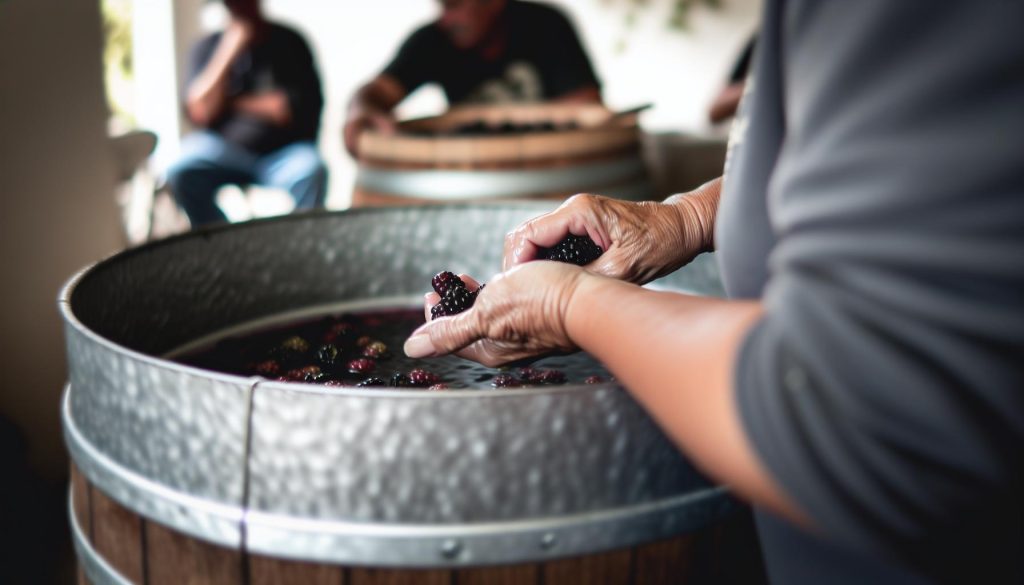
To begin, thoroughly wash your blackberries under cold water to remove any dirt or chemicals. Once cleaned, it’s time to break them down. You have a couple of options here. If you have a , this is your time to shine! A juicer will extract maximum juice with minimal effort. Just toss the berries in, and let the machine do the work. If you’re looking for a more hands-on approach, grab a or a large bowl and a sturdy fork. This method may take a bit more time but is equally effective. Start by mashing the fruit gently to release the juices, ensuring you crush the berries to a pulp but not to the point where it’s unmanageable.
Once the blackberries are crushed, you’ll need to separate the liquid from the pulp. For this, a or cheesecloth will be invaluable. Place your strainer over another clean bowl or bucket, pour in the crushed blackberries, and let the juice drip through. If you’re using cheesecloth, gather the ends together and twist to extract more juice, being careful not to introduce too much pulp back into the liquid. This step is crucial as it determines the clarity and final texture of your wine.
Lastly, for those who want to dive deeper into flavor, here’s a fun tip: consider adding a splash of lemon juice or zest during this process. It can elevate the taste by adding a fresh zing that complements the sweetness of the blackberries. Remember, the more care you put into this step, the better your blackberry wine will be. And just like that, you’ve successfully crushed your blackberries, paving the way for the next exciting stages of winemaking!
Crafting the Perfect Blackberry Wine Recipe
Creating a blackberry wine recipe that’s bursting with flavor is both fun and rewarding, allowing you to capture the essence of summer in every bottle. Using fresh, juicy blackberries is essential-opt for those that are ripe and plump, usually found in late summer. The base recipe is straightforward, making it accessible for beginners and seasoned winemakers alike. With just a few ingredients and some patience, you can craft a delightful homemade blackberry wine that rivals store-bought options.
Start with the essentials. Here’s a simple yet effective recipe to guide you:
- Ingredients:
- 10-12 pounds of fresh blackberries
- 3-4 cups of granulated sugar (adjust based on sweetness preference)
- 1 gallon of water
- 1 packet of wine yeast (like Lalvin 71B)
- 1 teaspoon of pectic enzyme (helps clear the wine)
- 1 teaspoon of yeast nutrient (to boost fermentation)
- Optional: juice of 1 lemon (for added acidity)
The key steps in crafting your wine involve extracting the juice, fermenting, and bottling. After you’ve crushed your blackberries (a crucial previous step), dissolve the sugar in water over low heat to create a simple syrup. Combine this with the blackberry juice, add the lemon juice if desired, and stir in the pectic enzyme. Once the mix cools to room temperature, sprinkle in the yeast and yeast nutrient. Transfer everything into a sanitized fermentation vessel, leaving enough space for bubbling.
During fermentation, which can take a week to several weeks, it’s important to monitor the temperature and ensure it’s consistent-aim for about 70°F (21°C). You’ll know fermentation is complete when the bubbling slows significantly. After fermentation, it’s time to siphon the wine into sterilized bottles, leaving sediment behind to ensure clarity.
Finally, while it might be tempting to drink it right away, allow your blackberry wine to age for at least a few months. This will enhance the flavors and complexity. Each batch you create can be a little different, so feel free to experiment with additional ingredients like herbs, spices, or even a splash of citrus to elevate your wine further. Remember, the ultimate goal is to enjoy the process and share your unique creations with friends and family!
The Fermentation Process: What to Expect
Once the initial excitement of preparing your blackberry wine settles in, the fermentation process begins to unfold into an intriguing and vital phase of winemaking. This is where the magic happens as yeast transforms sugars from the blackberries into alcohol, creating a delightful beverage over the course of days or weeks. Generally, fermentation can take anywhere from one week to several weeks, depending on factors like temperature, yeast activity, and your desired flavor profile.
Monitoring the process is crucial. Aim for a consistent temperature around 70°F (21°C). Too cool, and fermentation will slow down; too warm, and you risk off-flavors or incomplete fermentation. As you set up your fermentation vessel, remember to leave ample space-approximately a quarter of the vessel should remain empty. This allows for the bubbling and frothing that occurs as the yeast consumes the sugars and releases carbon dioxide.
You’ll know fermentation is in full swing when you observe bubbling and a frothy layer forming on top. This is a sign your yeast is hard at work, turning those sweet blackberries into alcohol. Keep an eye on the bubbles; a slowdown in this activity signals that fermentation is nearing completion. This usually occurs when the bubbling diminishes to a gentle fizz or stops entirely.
Once fermentation is complete, it’s important to separate the wine from the sediment that settles at the bottom of your fermentation vessel. Carefully siphon your newly crafted blackberry wine into clean, sterilized bottles, being cautious not to disturb the sediment. This step is vital for achieving clarity in your wine. A little patience here will reward you with a smoother, more enjoyable drink when it’s time to pop the cork! Remember, each batch is a personal experiment-don’t hesitate to adjust your methods and notes for next time. Happy fermenting!
Bottling Your Blackberry Wine: Techniques and Tips
After the delicious anticipation of fermentation, bottling your blackberry wine is the exhilarating step where your hard work truly shines. Picture this: you’ve nurtured those plump, flavorful berries and watched the transformation into fruity, bubbling magic. Now, it’s time to capture that essence in bottles, ready to delight your taste buds and impress your friends.
Begin by gathering your supplies; proper sanitation is key to bottling wine. You’ll need clean, sterilized bottles-typical wine bottles work wonderfully, but you can also use mason jars for a rustic touch. For tools, a siphon or racking tube will help you transfer the wine without disturbing the sediment. Don’t rush this step! Double-check that everything is squeaky clean to avoid any off-flavors or spoilage.
As you prepare to siphon, place your bottling vessel at the same height or lower than your fermentation container. This helps the flow and reduces the risk of oxidation. Start the siphoning process-if you’re unsure about the technique, it’s easier than it sounds! Submerge one end of the siphon into the wine, and the other should be in your clean bottle. Allow gravity to do its work, watching the wine flow smoothly, leaving behind the unwanted sediment at the bottom.
Once your bottles are filled, consider some finishing touches. Allow a small headspace (about an inch) at the top of each bottle to accommodate the wine’s expansion. For extra flair, think about adding a personalized label-this could be as simple as a sticky note with the date and type of wine or a beautifully crafted label you design yourself. This not only adds a personal touch but also makes your wine perfect for sharing or gifting.
If you’re feeling adventurous, experiment with bottle techniques such as corking or sealing with wax. Remember, every batch you make is an opportunity to learn and refine your process. So cheers to your homemade blackberry wine-a labor of love that captures the essence of your kitchen creativity!
Aging Blackberry Wine for Optimal Flavor
Aging your blackberry wine is the secret ingredient that transforms a good bottle into something truly exceptional. It allows the flavors to meld, mellow, and develop complexity over time. Think of it like a fine cheese or a good steak-while they can certainly be enjoyed fresh, they reach new heights of flavor when given time to rest.
When it comes to aging, the first decision you’ll make is how long you want to let your wine sit before indulging. Generally, a minimum of six months is recommended, but many enthusiasts choose to age their wine for a year or even longer. The additional time permits the tannins to soften and the fruity notes to shine through. Store your bottles horizontally in a cool, dark place with a consistent temperature-ideally around 55°F (13°C). This environment helps preserve the wine’s integrity and prevents oxidation.
It’s also important to consider the type of vessel used for aging. If you’ve corked your bottles, check the seal on occasion; a poor seal could lead to evaporation or spoilage. For a more traditional approach, consider using oak barrels or chips for aging. This method can impart flavors of vanilla, spice, and toast that further enhance the blackberry profile. Just remember, a little goes a long way; if you’re adding oak chips, start with less than you think you need and taste regularly.
Finally, trust your palate! After six months, open a bottle and taste it. If you feel it still needs some time, don’t hesitate to let it sit a while longer. Each batch of wine develops differently, influenced by factors like berry ripeness and fermentation conditions. Enjoy the journey of discovery as you learn what aging duration and methods yield your personal ideal flavor profile. Your homemade blackberry wine is a reflection of your creativity and care-so savor the process!
Troubleshooting Common Winemaking Issues
When embarking on the delightful journey of making blackberry wine, it’s only natural to encounter a few hiccups along the way. In winemaking, problems can arise from the fermentation process to the final bottling stage, but don’t worry! Most issues are solvable with a bit of knowledge and patience. Remember, the key is to troubleshoot early, so you can enjoy a delicious outcome.
One common issue is fermentation not starting or stalling. This can happen if your yeast is old or if the environment isn’t ideal. Ensure you’re using fresh, high-quality yeast and that the temperature is within the recommended range-between 70°F and 75°F (21°C and 24°C) is perfect for most strains. If fermentation stalls, you can try gently swirling the jug to resuspend the yeast, or you may need to pitch more yeast if the initial batch is inactive.
Sometimes, the wine can develop off-flavors which can be a sign of exposure to oxygen or contamination. If your wine tastes vinegar-like, it may have been infected by acetic acid bacteria. Keeping everything clean during the process is vital-sanitize your equipment thoroughly before use. If off-flavors develop, consider blending the troublesome batch with a newer batch or using it in cooking where the flavors can be masked.
Cloudiness is another common issue and often resolves itself with time as the wine settles. However, if you’re eager for clarity, fining agents like bentonite can help clear up the wine without complicating matters. Just remember to follow instructions carefully to avoid overshooting the desired effect.
Lastly, always trust your instincts and taste your creation! Regular tastings throughout the process can help you spot developing issues early. Every winemaker faces challenges, so consider these moments as opportunities to learn and refine your skills. The more you experiment, the more you’ll understand how to adjust and perfect your blackberry wine, turning potential problems into delightful discoveries.
Exploring Variations: Adding Herbs and Spices
When making blackberry wine, adding herbs and spices can elevate your creation from delightful to extraordinary. This is where your personal touch can shine, turning a classic recipe into something uniquely yours. Think of it as an opportunity to experiment and express your culinary creativity. Sweet, juicy blackberries blend beautifully with an array of flavors, making each batch a reflection of your taste.
Choosing the Right Additions
Start by considering the flavor profile you want to achieve. Here are some great options to explore:
- Mint: A handful of fresh mint leaves can impart a refreshing herbal note that complements the sweetness of the blackberries.
- Cinnamon: Adding a stick of cinnamon can introduce a warm, spicy element that deepens the overall flavor.
- Cloves: Just a couple of whole cloves can add a dramatic, aromatic spice to your wine.
- Thyme: Incorporating fresh thyme brings an earthy, herbaceous quality that balances the fruity notes.
Remember to keep the quantities small while experimenting. It’s much easier to add more later than to correct an overpowering flavor.
The Best Time to Add
Incorporate your chosen herbs and spices during the primary fermentation stage. This is when most of the flavor extraction happens. Here’s a simple method to ensure even distribution:
- Infuse the Ingredients: For spices like cinnamon or cloves, steep them in boiling water to release their flavors before adding.
- Direct Addition: If using fresh herbs, bruise them gently to help release their oils and flavors before tossing them directly into your fermentation vessel.
Taste your wine as it ferments, so you can adjust based on your preferences. This creative process is all about making the wine yours!
Pairing and Serving
Keep in mind how the herbs and spices will affect the overall pairing of your blackberry wine. Mint and thyme may pair beautifully with light dishes, while cinnamon and clove will complement richer, spiced foods. Whether you serve your finished wine chilled or at room temperature, the unique flavor profile you’ve cultivated will surely impress friends and family.
By adding herbs and spices to your blackberry wine, you maintain the foundational flavors while crafting an intriguing twist that reflects your personal palate. So roll up your sleeves and get adventurous-your next batch of blackberry wine is surely going to be a memorable one!
Serving and Pairing Suggestions for Blackberry Wine
When it comes to enjoying your homemade blackberry wine, the experience can be as delightful as crafting it. The vibrant hues and rich flavors of this wine invite you to share it in fun and unique ways. Whether you choose to sip it by itself or serve it alongside a thoughtfully prepared meal, blackberry wine holds its own and enhances the occasion.
Food Pairings
Blackberry wine’s deep, fruity notes make it incredibly versatile for pairing with food. Here are some delicious suggestions:
- Cheese Plates: Pair your wine with creamy cheeses like brie or goat cheese. The acidity of the wine cuts through the richness, creating a perfect balance.
- Grilled Meats: Try serving it with grilled chicken or pork. The smokiness complements the wine’s sweet and tart flavor, enhancing the meal.
- Duck or Game: Richer meats, such as duck or venison, pair beautifully, as the fruitiness of the wine complements the savory flavors.
- Salads: A fresh salad topped with berries and a light vinaigrette can bring out the wine’s fruity characteristics, making for a refreshing pairing.
Occasions for Serving
Your blackberry wine can shine on various occasions, from intimate dinners to festive gatherings. Consider these settings:
- Dinner Parties: Serve your homemade wine as a signature drink, giving your guests a taste of your culinary creativity.
- Picnics: Bring along a bottle for a sunny day outdoors. It pairs wonderfully with a range of picnic foods like sandwiches and fresh fruit.
- Holidays: Incorporate blackberry wine into your holiday celebrations. It can elevate traditional meals, adding a touch of creativity to your festive menu.
Serving Tips
To fully appreciate your blackberry wine, consider these serving tips:
- Temperature: Chill your wine before serving. A cooler temperature enhances the refreshing aspects of the blackberry flavor.
- Glassware: Use red wine glasses to allow the aromas to concentrate, enhancing the tasting experience.
- Garnishing: A fresh blackberry or a sprig of mint can make a beautiful garnish, adding visual appeal to your presentation.
By thoughtfully pairing and serving your homemade blackberry wine, you’ll create memorable moments and delicious combinations that showcase your culinary achievements. Enjoy the process of sharing your creation, and don’t hesitate to experiment with different pairings to find what delights your palate!
Storing Your Homemade Blackberry Wine
Properly is essential to preserving its vibrant flavors and aromatic qualities. Once you’ve invested time and effort into crafting your wine, you’ll want to ensure it remains in peak condition for as long as possible.
Begin by finding a cool, dark place to store your bottles. Ideal conditions are typically around 55°F (13°C) with minimal fluctuations to maintain stability. A wine cellar is perfect, but if that’s not available, a closet or cupboard away from sunlight works well too. Avoid places like the kitchen or garage, where temperature and humidity levels can fluctuate significantly.
When storing, keep the bottles upright for wine that will be consumed within a year. However, if you plan to let your blackberry wine age, store it on its side to keep the cork moist, preventing it from drying out and allowing air to seep in. For those using screw-top bottles, you don’t need to worry about orientation, but make sure to seal them tightly to prevent oxidation.
As time goes by, it’s essential to monitor your wine. Check for any unexpected changes in color or smell, which could indicate spoilage. Lastly, always remember to label your bottles with the date of bottling, and any notes you might have about the batch, so you can easily track how your homemade blackberry wine evolves over time. By following these simple steps, you’ll be able to enjoy the fruits of your labor at their best.
Sharing Your Creation: Labeling and Gifting Ideas
Crafting your own blackberry wine is a labor of love, and once you’ve perfected your blend, it’s time to share it with friends and family. Not only does this allow you to showcase your handiwork, but it also invites others to experience the fruits of your labor. When it comes to making your creations stand out-both in flavor and presentation-thoughtful labeling and creative gifting ideas can elevate your homemade wine into a cherished gift.
Begin with labels that capture the essence of your blackberry wine. Consider using simple materials like colorful cardstock or recycled paper. You can personalize your labels by including the name of your wine-perhaps something fun and descriptive like “Summer’s Delight” or “Bramble Bliss”-along with the date of bottling and a brief description of the wine’s flavor profile. This not only gives a personal touch but also provides recipients with context for tasting. For example, you might note hints of fruitiness or sweetness that they can expect, or how it pairs well with specific dishes.
Gifting Suggestions
When it comes to gifting your homemade blackberry wine, presentation is key. Here are some creative ideas to make your gift even more special:
- Wine Gift Baskets: Assemble a charming basket with your bottle of wine, paired with gourmet cheeses, crackers, and perhaps some dark chocolate or a jar of blackberry preserves for a delightful treat.
- Themed Gift Sets: Create a basket that features items related to the wine’s flavor profile, like herbs and spices used in its creation or even fresh blackberries if they’re in season.
- Customized Wine Glasses: Pair your wine with personalized wine glasses. You can engrave names, dates, or even a fun quotation about wine to make the gift memorable.
- Handwritten Notes: Include a handwritten note sharing your winemaking experience, tips for pairing, or a special memory associated with making the wine. This small personal touch can truly resonate with the recipient.
By incorporating these thoughtful elements into your presentation, you will not only share a delicious beverage, but also a piece of your journey in the winemaking process. Every sip of your blackberry wine will remind your friends and family of the care and creativity that went into crafting it. Whether it’s for a special occasion or just because, your homemade wine will surely be a hit!
Q&A
markdown
Q: What kind of blackberries are best for making wine?
A: The best blackberries for winemaking are ripe, fresh, and flavorful. Look for berries that are deep purple or black, firm, and free from blemishes. Avoid overripe or mushy berries, as they can lead to undesirable flavors in your wine.

Q: How long does it take to make blackberry wine?
A: Making blackberry wine typically takes about 4 to 6 weeks from fermentation to bottling, plus an additional 6 months to a year for aging to enhance flavors. Patience is key to achieving a rich and flavorful wine.

Q: Can I use frozen blackberries for winemaking?
A: Yes, frozen blackberries can be used for winemaking. They should be thawed before use, which helps release their juices. Just ensure they are without added sugar or preservatives to maintain the wine's purity.

Q: What is the ideal fermentation temperature for blackberry wine?
A: The ideal fermentation temperature for blackberry wine is between 65°F to 75°F (18°C to 24°C). Temperatures within this range promote healthy yeast activity while preventing undesirable flavors in your wine.

Q: How can I sweeten my blackberry wine after fermentation?
A: To sweeten your blackberry wine after fermentation, you can add sugar syrup or honey. Start with small amounts and taste as you go to achieve your desired sweetness. Make sure to stabilize the wine first to avoid renewed fermentation.

Q: What should I do if my blackberry wine has a vinegar smell?
A: If your blackberry wine has a vinegar smell, it could be a sign of spoilage. First, check for excess exposure to air and correct it. Adding a small amount of sulfites may help stabilize the wine; however, if the smell is strong, it may be best to discard it.

Q: Can I add other fruits to my blackberry wine recipe?
A: Absolutely! Adding other fruits like raspberries or strawberries can create complex flavors and enhance your blackberry wine. Just ensure that the total fruit content does not exceed the recommended amounts in your recipe.

Q: How do I know when my blackberry wine is ready to drink?
A: Your blackberry wine is typically ready to drink when it has cleared and has developed a balanced flavor profile. Conduct a taste test after about six months of aging; if the flavors are harmonious, it's time to enjoy your creation.
Insights and Conclusions
Congratulations on venturing into the delightful world of making your own blackberry wine! With just a few simple ingredients and steps, you’ve learned how to turn ripe blackberries into a juicy and flavorful drink perfect for sharing with friends or enjoying on a quiet evening. If you’re excited about trying more delicious homemade projects, consider checking out our guides on No-Bake Gourmet Treats or Creative Wine Pairings to complement your new masterpiece.
Don’t hesitate to leave a comment below with any questions or to share your own winemaking experience-we love hearing from fellow home cooks! And remember to subscribe to our newsletter for more tasty recipes and tips that can elevate your kitchen adventures. Your journey in winemaking has just begun; keep experimenting and embracing the creativity that comes with every bottle! Happy winemaking!