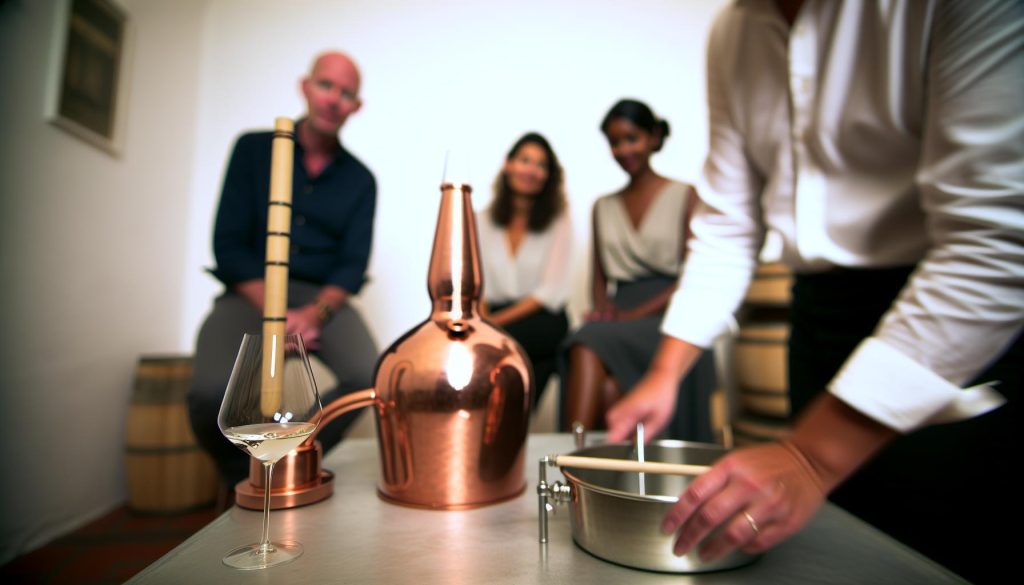
Have you ever thought about transforming leftover wine into something truly special? Making brandy from wine can be a delightful way to recycle those forgotten bottles while crafting a unique spirit that elevates your home sipping experience. This DIY guide will take you through the simple steps of distilling your very own brandy, demystifying the process and making it approachable even for beginners. With just a few tools and ingredients, you can enjoy the satisfaction of creating a homemade spirit that impresses family and friends. So, let’s dive into this creative and rewarding kitchen adventure and uncover the joys of DIY distilling!
Understanding the Basics of Brandy and Wine
Brandy, a beloved spirit that adds warmth and depth to many drinks, begins its journey from wine or fermented fruits. It embodies centuries of tradition and craftsmanship, inviting even the most novice enthusiasts to explore its nuances. Whether you’re new to distilling or looking to refine your skills, understanding the core principles of brandy-making will set the foundation for your creative endeavors.
At its essence, brandy is a distilled spirit, crafted by fermenting fruit juices-most often from grapes, but also cherries, apples, and pears. This fermentation transforms the natural sugars into alcohol, which is then distilled to elevate the spirit’s concentration. Interestingly, the name “brandy” derives from the Dutch word “brandewijn,” meaning “burnt wine,” highlighting its dual nature as both a wine and a spirit. The distillation process intensifies the flavors, leading to a diverse range of styles and characteristics, from fruity to oaky, sweet to dry.
When embarking on your brandy-making adventure, consider what ingredients resonate with your palate. This could mean starting with a robust red wine or trying a unique fruit blend. Each choice you make influences the flavor profile of the finished product. Remember, there’s no singular path to creating great brandy. It’s about experimentation and personal expression. With patience and a careful approach, you’ll soon be on your way to crafting a delightful homemade spirit that reflects your creativity.
As you dive into this world, don’t shy away from asking questions or seeking inspiration from other home distillers. Each batch offers a chance to learn something new, whether it’s mastering fermentation or discovering the perfect aging technique. Embrace the process, cherish each step, and most importantly-enjoy the fruits of your labor!
Essential Equipment for DIY Spirit Distilling
To successfully embark on your brandy-making journey, having the right equipment is essential. Think of your distillation setup as a blend of chemistry lab and kitchen-a place where creativity meets precision. The good news? You don’t need expensive gear to get started. With a few key tools, you can produce your own delightful brandy at home.
Essential Tools for Distillation
Here’s what you’ll need to set up your distilling station:
- Fermentation Vessel: A clean, food-grade container (like a glass carboy or a food-safe plastic bucket) is crucial. This is where your wine will ferment into mash, so ensure it has a tight-sealing lid to keep out unwanted air.
- Distillation Apparatus: You can opt for a simple pot still or a reflux still, depending on your comfort level. A pot still is easier to work with for beginners and captures a rich flavor from the mash.
- Heat Source: A stovetop or a propane burner works. Make sure it can maintain a steady, controlled heat to prevent scorching your ingredients.
- Hydrometer: This handy tool helps you measure the amount of alcohol in your distillate, guiding you to tweak the process for better results.
- Cooling System: A condenser unit, often integrated into your still, is necessary to cool the vapor back into liquid form. Some DIYers get creative with a coiled copper tube in a bucket of ice water.
- Bottles and Storage: Choose glass bottles for storing your finished brandy. Dark or amber bottles are best for protecting the spirit from light damage.
Additional Considerations
Beyond the basics, considering a few extras can enhance your distilling experience:
- pH Meter: Monitoring the acidity of your mash can help improve fermentation quality, making for a cleaner taste in the final brandy.
- Thermometer: Keeping an eye on temperature is essential during both fermentation and distillation, ensuring optimal conditions for yeast activity and vaporization.
- Measuring Cups and Spoons: Accurate measurements are vital when adding ingredients during fermentation.
Remember, the key to successful distillation is experimenting and having fun with the process. As you blend traditional methods with your flair, you’ll not only gather all the right tools but also hone your skills, leading to delicious homemade brandy. Embrace each step, learn from your experiences, and enjoy sharing your creations with friends and family!
Step-by-Step Guide to Distilling Brandy
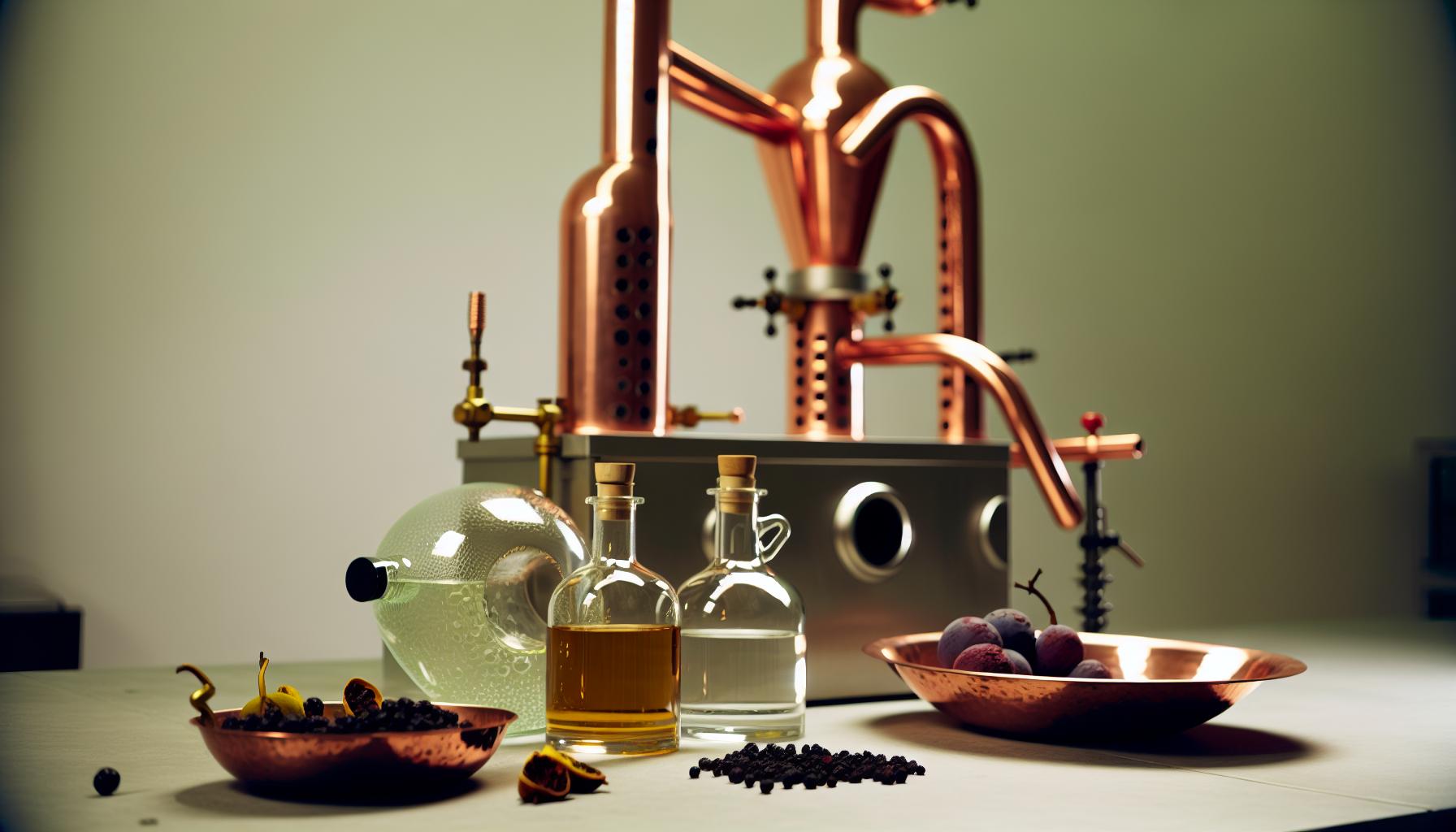
Starting your journey into brandy distillation is like uncovering a hidden treasure in your kitchen. Making brandy from wine taps into the magic of fermentation and distillation, and with the right approach, you can create a deliciously unique spirit at home. Here’s a simple, step-by-step guide to get you started on your brandy-making adventure.
Begin by choosing your wine. The beauty of brandy is that it can be made from a variety of wines, so select something that you enjoy drinking. Look for a wine that has a rich flavor profile; fruity, aromatic wines typically yield the best results. Once you’ve decided on your wine, let it breathe for a day or two. This step enhances its flavor by allowing the various notes to settle and mingle.
Next, transfer the wine into your fermentation vessel. If you’re using a 5-gallon batch, it’s easy to manage and experiment with. Seal the vessel tightly with an airlock to prevent air from entering while allowing gases to escape. Sit back and let the fermentation begin! This process can take anywhere from a few days to a couple of weeks, depending on the yeast activity and temperature. Use a hydrometer to monitor the specific gravity, which will let you know when fermentation is complete.
Once the fermentation is done, it’s time for distillation. Pour the fermented wine into your distillation apparatus, ensuring you don’t fill it too full-leave room for the liquid to expand. Heat the mixture slowly and steadily. Keep a close eye on the temperature, as different alcohols evaporate at different temperatures. The first distillate, known as the “foreshots,” contains undesirable and harsh flavors, so discard this portion. Collect the spirit as it runs out, changing jars when you notice a shift in aroma. This careful monitoring allows you to capture the heart of your brandy, where the luscious flavors live.
After distillation, the aging process is pivotal. Pour your newly distilled brandy into glass or oak barrels to impart deeper flavors. If you don’t have an oak barrel, use glass containers and add oak chips to mimic the aging process dynamically. Allow your brandy to age for several months or even years, depending on your desired flavor profile. Taste it periodically to decide when it has reached the right complexity for your palate.
With these straightforward steps, you’re well on your way to crafting your exquisite homemade brandy. Remember that distilling is as much about art as it is about science, so enjoy the process and feel free to experiment! Each batch will teach you something new, and before long, you’ll be proud to share your homemade creations with friends and family.
Selecting the Right Wine for Brandy-Making

Choosing the right wine is crucial in your journey to making exceptional brandy. While the thought of starting with any bottle of wine might seem tempting, the nuances of flavor, acidity, and aroma can dramatically influence the final product. Opt for a wine that you genuinely enjoy sipping, as its characteristics will be intensified in the distillation process. Fruity and aromatic wines-like Riesling, Chenin Blanc, or even a rich Cabernet Sauvignon-often produce some of the most delightful brandies. Remember, the better the wine, the better the brandy.
Considerations for Wine Selection
When selecting your wine, keep these factors in mind:
- Flavor Profile: Wines with bold fruit flavors or floral notes can create more vibrant brandies. Look for wines where apple, peach, or apricot notes stand out.
- Acidity: A balance of acidity is key. Wines with higher acidity will help cut through the sweetness and balance the final spirit, resulting in a smoother taste.
- Age: Older wines may have more complex flavors and aromas, which can translate beautifully during distillation. However, don’t shy away from using younger wines that are lively and fresh!
- Experimentation: Every batch can teach you something new. Don’t hesitate to try wines you wouldn’t normally drink. You might discover a hidden gem that makes your brandy sing.
Wine Recommendations
Here are a few types of wine that are particularly well-suited for brandy-making:
| Wine Type | Characteristics |
|---|---|
| Chardonnay | Rich and buttery with notes of apple and citrus |
| Merlot | Soft tannins with cherry and plum flavors |
| Zinfandel | Jammy fruit flavors with a hint of spice |
| Port | Sweet and rich, offering deep flavors ideal for dessert brandies |
After you’ve selected your wine, let it breathe for a day or two. This resting period allows the flavors to settle and meld, ensuring that your distillation process captures the wine’s essence more fully. With the right wine in hand, you’re one step closer to crafting a homemade brandy that reflects your personal taste and flair. Embrace the adventure, and remember that each attempt is a chance to refine your technique and elevate your spirit-making journey!
Key Ingredients Needed for Perfect Brandy
To create a delightful homemade brandy, understanding the key ingredients is essential. Although the primary component is undoubtedly wine, there’s more that goes into crafting this beloved spirit. Think of your wine as the foundation; selecting the right variety is just the beginning. The beauty of brandy-making lies in creativity, and the ingredients you choose can transform a simple batch into something truly spectacular.
A good starting point is the wine itself, which should be rich in flavor. The fermentation process will concentrate these flavors, so opt for wines that excite your palate. Beyond just wine, you may want to consider adding a bit of sugar. This isn’t mandatory, but a touch can enhance the sweetness, balancing out the acidity inherent in some wines. Use unrefined sugar or honey for a more complex flavor profile.
Key Supporting Ingredients
Aside from your chosen wine, here are some other ingredients that can make a big difference:
- Water: Depending on the alcohol content of your wine, you may need to dilute it slightly for the best results during fermentation.
- Yeast: While fermenting wine will typically introduce natural yeast, adding a little commercial yeast can help kickstart fermentation, especially if you’re working with low-sugar wines.
- Fruit Enhancements: For a unique twist, you can add fresh or dried fruits during fermentation. Apples, peaches, or even berries can complement the base wine beautifully.
Don’t forget about the equipment! While it’s not a direct ingredient, having the right tools will make your distilling process smoother. Basic items like a fermentation container, a hydrometer, and a distillation apparatus are crucial for tracking progress and achieving the desired alcohol levels.
As you embark on your brandy-making adventure, embrace the chance to experiment. Each batch can yield different flavors and nuances, making this a rewarding journey. Remember, the best part of creating something at home is the opportunity to make it uniquely yours, so have fun with your ingredients and let your creativity shine!
Fermentation: Transforming Wine into Mash
To achieve that delightful brandy flavor, fermentation is the magical process that turns your chosen wine into mash, which will later be distilled into the spirit you crave. It’s a bit like transforming a raw canvas into a beautiful painting. Just as artists blend colors to create depth, you’ll watch as the sugars in the wine transform into alcohol through the incredible work of yeast. It’s a fascinating and rewarding journey, so let’s dive into it!
Initially, ensure your wine is ready for fermentation. Ideally, it should be rich in flavor but not overly sweet. If you’re starting with a sweeter wine, consider thinning it out with a bit of water to help the yeast work its magic. After pouring your wine into a fermentation container, add any supporting ingredients, such as a sprinkle of sugar or additional fruit, to coax out new flavors. If the natural fermentation doesn’t seem robust enough, don’t hesitate to add a little commercial yeast. This extra boost can make all the difference, especially for wines with lower sugar content.
Once everything’s in your fermentation vessel, it’s crucial to create the right environment. Cover the container with a cloth or a fermentation lid that allows gases to escape while keeping pests out. Maintain a consistent temperature (ideally around 70-75°F or 21-24°C) to keep the yeast active. Over the next few days to weeks, keep an eye on bubbling and bubbling sounds, which indicates that fermentation is underway. This stage can take anywhere from a few days to several weeks, depending on factors like temperature and yeast health.
As fermentation progresses, you might notice sediment forming at the bottom of your container. This sediment is composed of dead yeast cells and other particles; it’s a sign that the yeast is busy doing its job. If you’re feeling adventurous, you can allow the fermentation to complete longer to develop more complex flavors. Once fermentation appears to have slowed significantly-typically when bubbling subsides-it’s time to move on to the next step: distilling your mash. Enjoy this part of the process, and trust that you’re crafting a wonderful homemade spirit!
The Art of Distillation: Tips and Techniques
The distillation process is where the magic truly happens in brandy-making. Once your mash is ready, it’s time to transform that fermented wine into a delightful spirit. Distillation is essentially about separating the alcohol from the mash through heat, focusing on capturing those beautiful flavors and aromas. If you’re eager to dive into this thrilling step, here are some essential tips and techniques to ensure your distillation journey is both successful and enjoyable.
Start by choosing the right distillation equipment. A simple pot still can work wonders for novice distillers, offering a straightforward way to concentrate your alcohol. If you’re feeling adventurous, consider a reflux still, which can create a purer spirit by allowing the vapors to condense and re-distill multiple times. Whichever you choose, make sure it’s fitted with a good thermometer. This handy tool helps you monitor the temperature accurately, ensuring you collect the heart of your distillation, where the best flavors reside.
Timing is everything. As you heat your mash, keep a close eye on the temperature. Aim for a gentle, slow distillation to prevent harsh flavors from coming through. The first part of the distillation, called the “heads,” can contain unwanted compounds, so it’s wise to discard the initial bit that comes out-usually about 10% of your total volume. The “heart” that follows is the prized section of your distillation, full of flavor and aroma. Capture this carefully! Lastly, you’ll reach the “tails,” which can be set aside for future distillations or mixed back into the next batch to reclaim some of that flavor.
Next, embrace the art of blending. After you’ve collected your distillate, take a moment to sample. You might find that combining different jars of the heart creates a more complex flavor profile. Think of this as your opportunity to craft something uniquely yours. Many distillers experiment by adding distilled water to adjust the alcohol level, enhancing flavor without overpowering it.
Finally, don’t rush the process; patience is key. Allow your freshly distilled brandy to express itself by resting for a few days before tasting. This can help the flavors meld beautifully, resulting in a smoother drink. After this, you might consider aging some of your brandy in oak barrels or even experimenting with different types of wood chips to impart unique flavors. Each choice you make, from equipment and timing to blending and aging, influences the final product-celebrate the creativity of homemade spirit distilling!
Aging Your Brandy: Why It Matters
Aging your brandy is an integral step that can dramatically elevate the final product, transforming a simple distilled spirit into something rich and complex. The aging process primarily takes place in wooden barrels, traditionally oak, which infuses the spirit with a plethora of flavors. Think of aging as the time when your brandy truly matures, allowing its flavors to develop, deepen, and harmonize. The interaction between the spirit and the wood results in an alluring array of aromas, from vanilla and caramel to spices and dried fruit, making your homemade creation even more delightful.
When it comes to aging, the duration can vary greatly. You might start with shorter aging periods-just a few months-if you’re eager to taste your handiwork. However, longer aging times, spanning several years, can yield a smoother, more sophisticated brandy. Without the need for professional equipment, you can use simple glass containers or small barrels if smaller quantities are desired. Remember, the environment plays a crucial role too; factors like temperature, humidity, and the previous contents of the barrel (like bourbon or sherry) can all impact the aging process and the flavor profile of your brandy.
As you consider aging options, explore experimenting with different wood types or even adding spices to the aging process. Oak is a traditional choice, but you might try cherry, maple, or even personal favorites like hickory to impart unique twists. Adding ingredients like dried fruits or spices during aging can create a custom flavor profile that reflects your tastes. Just be cautious with amounts, as you can always add more later, but it’s tricky to remove once it’s infused.
In summary, patience during aging is key to achieving that perfect sip. Allow your brandy time to breathe and adjust, and you’ll be rewarded with a spirit that not only celebrates your initial effort but also invites further experimentation and creativity. Cheers to making brandy that truly reflects your personal touch!
Flavoring Your Brandy: Creative Approaches
To enhance the flavor of your homemade brandy, the world of flavoring offers exciting possibilities. Think of flavoring as your chance to customize your spirit, tailoring it to your palate or the seasonal inspirations of your kitchen. The great thing is, you don’t need fancy equipment to create your own unique blends-just a bit of creativity and some basic ingredients.
One of the simplest ways to infuse flavor is by adding fruits, herbs, or spices directly to your brandy. Here are a few options to consider:
- Dried Fruits: Apples, apricots, or raisins can add a natural sweetness and depth. Simply chop your chosen fruit into smaller pieces and let them steep in your brandy for a few weeks.
- Spices: Cinnamon sticks, vanilla beans, or cloves can bring warmth to your spirit. A single stick of cinnamon or a couple of whole cloves can transform your brandy into something festive.
- Herbs: Fresh herbs like rosemary or thyme may seem unconventional, but they can impart a lovely earthiness. Use them sparingly to avoid overwhelming the flavor.
Once you’ve selected your flavorings, the process is straightforward. Place your brandy and the chosen infusions into a clean bottle or jar and seal it tightly. Make sure to store it in a cool, dark place. Depending on the ingredient, the infusion time can range from one week to a month. Start tasting it after a week to see how the flavors develop and strain out the solids when you’re satisfied with the taste.
Remember, the key is experimentation; each batch allows you to explore new combinations. For instance, creating a spiced brandy with orange peel and star anise can pair beautifully with holiday desserts. Or, if you’re feeling adventurous, a brandy infused with roasted coffee beans can add an unexpected twist to your evenings. Don’t shy away from combining different flavor profiles either-just jot down what you use so you can recreate the winners and learn from the less successful attempts.
Creating personalized flavors not only makes for a delightful drink but also a wonderful gift. Bottled in a decorative jar with a label, your custom brandies will surely impress family and friends. So roll up your sleeves, dive into your spice cabinet, and let your imagination run wild-making brandy is not just about the distillation, it’s about sharing your unique taste journey. Cheers!
Common Mistakes to Avoid When Distilling
It’s easy to get a little lost in the details when you embark on the exciting journey of distilling your own brandy. However, avoiding a few common pitfalls can make all the difference between a delicious batch and a disappointing one. Many enthusiasts find themselves caught up in the excitement, which can lead to mistakes that could easily be sidestepped with a bit of awareness.
One of the biggest mistakes is skipping fermentation. It might seem like a simple step, but fermentation is crucial for creating the desired flavors and alcohol content. Rushing this phase or cutting corners will lead to a lack of depth in your final product. Always allow adequate time for your base ingredients to ferment fully before moving on to distillation.
Another common error is inaccurate measurements or timing during the distillation process. This includes not monitoring the temperature closely, which can result in undesirable compounds in your brandy. Understanding the distillation stages-like the heads, hearts, and tails-will help you learn what to keep and what to discard. Aim for precision, and don’t forget to take notes on what works and what doesn’t!
Equipment Oversights
Using the wrong equipment can also lead to mishaps. Ensure your still is properly cleaned and sanitized; any leftover residues can taint your batch. Additionally, using materials not suited for alcohol distillation, such as plastic or non-food grade metal, can be hazardous. Invest in quality equipment that includes a reliable thermometer and hydrometer for best results.
Lastly, don’t overlook the importance of taste testing throughout the process. Many novice distillers wait until the very end to sample their creation, which can lead to overwhelming flavors or aromas. Taste at various stages, adjusting flavors and ingredients along the way. This keeps the process engaging and allows you to fine-tune your brandy to your preferences.
With just a bit of mindfulness around these common mistakes, you’ll have more success in crafting your own unique brandy. Cheers to experimenting and learning through each batch you create!
Safety Tips for Home Distillers
When diving into the world of home distilling, safety should always be at the forefront of your mind. Making brandy from wine is an exhilarating process, but it also involves handling alcohol, heat, and potentially hazardous equipment. By following some essential safety tips, you can ensure a fun and incident-free experience in your home distillery.
First and foremost, always work in a well-ventilated area. The distillation process releases alcohol vapors, which can be flammable and harmful if inhaled in large amounts. Open windows and use fans to promote air circulation. Additionally, consider wearing gloves and goggles to protect yourself from any splashes or spills, especially when working with hot equipment and liquids.
Proper equipment maintenance is key. Before you start, thoroughly clean and sanitize all your tools and distillation apparatus. Residues from previous batches can contaminate your brandy and even cause dangerous reactions. Ensure that all joints and seals on your still are airtight to prevent any vapors from escaping. Using food-grade materials is vital; avoid plastic and non-food grade metals, as they can leach harmful substances into your spirits.
Always keep a fire extinguisher on hand and familiarize yourself with its use. While the risk of fire is minimal if you follow safety protocols, it’s better to be prepared. Never leave the distillation process unattended. Alcohol vapor can ignite if exposed to a flame or heat source, so stay close and monitor the temperature and pressure throughout the process.
Lastly, take time to educate yourself about alcohol distillation laws in your area. In many places, distilling alcohol for personal use is regulated or even illegal without a permit. Ensure you understand the regulations to avoid legal complications while enjoying your experimental journey into brandy making.
By integrating these safety practices, you can focus on the creative and rewarding aspects of distilling your own brandy, making your culinary adventure both safe and successful!
Exploring Unique Brandy Variations and Recipes
Exploring the world of brandy invites exciting opportunities to experiment with flavors and techniques. While creating a classic brandy from wine is rewarding, don’t hesitate to delve into unique variations that can become your signature sips. By tweaking ingredients or aging processes, you can craft brandies that reflect your taste and creativity!
One delightful way to enhance your homemade brandy is through flavor infusions. You can incorporate fruits, herbs, or spices during the aging process. For a fruity twist, consider adding slices of peaches or apricots for a fabulous stone fruit brandy. Just place the fruit in a glass jar, cover it with your distilled spirit, and leave it to infuse for several weeks, shaking gently every few days to mix. You’ll be surprised at how the natural sugars and flavors meld into your brandy, creating a complex profile.
Another fun variation is creating herbal-infused brandy. Think about herbs like rosemary, thyme, or even lavender! Start by adding a small amount-about a tablespoon per liter of brandy-into a jar and let it steep for a week or two, tasting periodically until you reach the desired flavor. This adds a refreshing, aromatic element that pairs beautifully with cheese or dessert.
For those feeling adventurous, why not try making spiced brandy? You can mimic the characteristics of popular spiced spirits by adding a blend of cinnamon sticks, star anise, and vanilla beans to your brandy. Let it sit for a couple of months, and you’ll have a cozy, holiday-inspired drink perfect for warming up during chilly evenings. Just remember, patience is key-give these ingredients time to blend!
These creative approaches not only allow you to personalize your brandy recipes but also enable you to share unique gifts with friends and family. Homemade brandy variations can brighten up any gathering, making your culinary efforts a topic of joyful conversation. So gather your ingredients, roll up your sleeves, and let your brandy-making adventure begin!
Faq
Q: What type of wine works best for making brandy?
A: The best wines for making brandy are those with higher acidity and natural sweetness, such as sweet white wines like Muscat or Gewürztraminer. These flavorful wines promote better fermentation and enhance the final spirit’s complexity. Refer to the section on Selecting the Right Wine for Brandy-Making for more details.
Q: How long does it take to distill brandy from wine?
A: Distilling brandy from wine typically takes several hours to a couple of days, depending on the size of your setup and the methods used. Always ensure patience during fermentation and distillation for optimal flavors. Check the Step-by-Step Guide to Distilling Brandy for a more detailed timeline.
Q: Can I flavor my homemade brandy, and how?
A: Yes, you can flavor your homemade brandy. Adding fruits, spices, or herbs during the aging process creates unique profiles. Popular choices include vanilla, cinnamon, and dried fruits. Explore the Flavoring Your Brandy: Creative Approaches section for exciting ideas.
Q: What is the difference between brandy and other spirits made from wine?
A: Unlike other wine-based spirits like liqueurs, which are sweetened and often lower in alcohol, brandy is distilled and typically contains 40% alcohol or more. This essential difference gives brandy a stronger flavor and distinct character. Check out the Understanding the Basics of Brandy and Wine section for more insights.
Q: Is it legal to distill brandy at home?
A: In many places, it is illegal to distill alcohol without proper permits. Always check your local laws before attempting to distill brandy at home. The Safety Tips for Home Distillers section may provide additional context on legality and safety practices.
Q: What are common mistakes to avoid when distilling brandy?
A: Common mistakes include using low-quality wine, rushing the fermentation process, and incorrect temperature control during distillation. Taking the time to understand these factors can significantly improve your results. For more information, refer to Common Mistakes to Avoid When Distilling.
Q: How can I tell if my brandy is ready to age?
A: Your brandy is likely ready to age when it has been distilled correctly and has a balanced flavor profile. Generally, it should exhibit smoothness without harsh alcohol burn. Consult the Aging Your Brandy: Why It Matters section for detailed aging tips.
Q: What equipment do I need for home brandy distillation?
A: Essential equipment includes a pot still for distillation, fermentation vessels, and bottles for storing the final product. Ensure your equipment is clean and suitable for distilling spirits. For a comprehensive list, see the Essential Equipment for DIY Spirit Distilling section.
Final Thoughts
Congratulations on embarking on your journey to make brandy from wine! By following the steps outlined in our DIY Spirit Distilling Guide, you’re not just crafting a drink; you’re creating a unique blend of flavors that reflects your personal taste. Whether you’re using leftover wine or starting with something special, this process is both rewarding and achievable.
Don’t stop here! Explore our guides on Fruity Ferments for more insights into using different fruits or dive into how to age your brandy to perfection. Have questions or want to share your results? We’d love to hear from you in the comments! Remember, the more you explore and experiment, the more confident you’ll become in your home distilling skills.
Ready to take your newfound passion to the next level? Consider signing up for our newsletter for exclusive tips and recipes, or check out our top-rated distillation equipment in our product section. Your homemade brandy journey is just beginning, and we’re here to support you every step of the way! Cheers to your creativity!