Did you know that homemade wine boasts flavors that reflect your unique taste and creativity? If you’ve ever dreamed of crafting your own rich, vintage-style grape wine, you’re in the right place! This guide will take you step-by-step through the art of winemaking, making the process accessible and enjoyable. No fancy equipment needed-just a few simple ingredients and your enthusiasm. Whether you’re looking to impress guests at your next dinner party or simply want to enjoy a glass of wine crafted by your own hands, this journey into winemaking offers a rewarding experience that anyone can achieve. Get ready to unlock the secrets to producing delicious, homemade grape wine that captures the essence of your personal style. Let’s dive in!
Understanding Grape Varieties and Their Flavors
Understanding the complexity of grape varieties is essential for crafting the perfect wine. Each grape type brings its own unique flavors and qualities to the table, which can significantly impact the final product. For instance, Cabernet Sauvignon often yields bold wines with dark fruit flavors and a hint of spice, while Pinot Noir is celebrated for its delicate, fruity notes and elegant acidity. By choosing the right grape variety, you can elevate your homemade wine, ensuring it reflects your personal taste and preferences.
When selecting your grapes, consider the climate and soil conditions in which they thrive. Varieties like Zinfandel and Syrah flourish in warm, sunny regions, which enhances their rich and ripe flavors. On the other hand, cooler climates are more suitable for grapes like Riesling and Sauvignon Blanc, resulting in wines that are crisp, aromatic, and refreshing. Understanding these relationships helps you make informed choices about which grapes to use based on the flavor profile you desire.
Another factor to consider is the grape’s tannin and acidity levels, which influence the wine’s overall structure. Grapes high in tannins, such as Malbec or Nebbiolo, create fuller-bodied wines that can be aged for longer periods. In contrast, varieties like Chardonnay can offer a balance of both fruitiness and acidity, making them versatile for a range of palates. Exploring different grape varieties allows you to experiment with style-whether you want a fruity, light-bodied wine or a robust, complex vintage.
As you delve into winemaking, don’t hesitate to keep notes on how different grapes perform in your environment. Understanding these nuances will not only improve your winemaking skills but will also enhance your appreciation for the diverse world of wine. When you finally taste the fruits of your labor, you’ll savor every sip, knowing it reflects your unique choices and style. So grab your grapes and start experimenting-there’s a whole world of flavors waiting to be discovered!
Essential Equipment for Home Winemaking
Crafting wine at home can be an incredibly rewarding experience, not to mention a fun way to dive into the world of flavors and aromas. To get started, however, having the right equipment is essential-it’s your trusty toolkit that will help you transform grapes into a delightful vintage. You don’t need to break the bank or invest in elaborate machinery; in fact, many home winemakers use simple, everyday items that you might already have in your kitchen.
To kick off your winemaking journey, here’s a list of essential equipment you’ll need:
Wine Equipment Essentials
- Primary Fermenter: A food-grade plastic bucket or glass carboy works perfectly. This is where the magic begins as your grape juice ferments into wine.
- Hydrometer: This handy tool measures the sugar content of your juice and helps you track fermentation progress. Knowing your starting and final gravity is key to understanding your wine’s alcohol content.
- Airlock: This allows gases to escape during fermentation while keeping unwanted contaminants out. You can easily attach it to your fermenter.
- Crusher and Press: If you’re starting with whole grapes, a grape crusher will help break down the fruit. A press is useful for squeezing out the juice, but if you’re making a small batch, sometimes hands will do just fine!
- Siphon or Racking Cane: These tools are necessary for transferring your wine from one vessel to another. This helps prevent sediment from mixing back into your wine.
- Wine Bottles and Corks: Once your wine has aged, you’ll need bottles that are clean and sanitized. Corking is essential for sealing your bottles and allowing them to age gracefully.
- Sanitizing Solution: Sanitation cannot be stressed enough! Keeping everything clean ensures that your wine is safe and delicious. Use a good sanitizing solution like Star San for all your equipment.
- pH Meter or Strips: These will help measure the acidity of your wine, critical for balancing flavors.
Let’s talk about the beauty of keeping things simple. There’s a certain charm in using everyday materials-like a large kitchen pot for heating must, or a clean towel as a makeshift filter! For instance, using a regular plastic bucket to ferment grapes is perfectly acceptable; just ensure it’s food-grade. Many beginner winemakers start with small batches, allowing for experimentation without overwhelming complexity or cost. As you grow more confident in the process, consider exploring advanced equipment or techniques, but always remember that your creativity and passion are what truly shape your wine.
So gather your supplies and get ready to embark on this delicious adventure. Each piece of equipment plays a role, but it’s your own unique touch that will make your wine truly special!
Step-by-Step Guide to Crushing Grapes
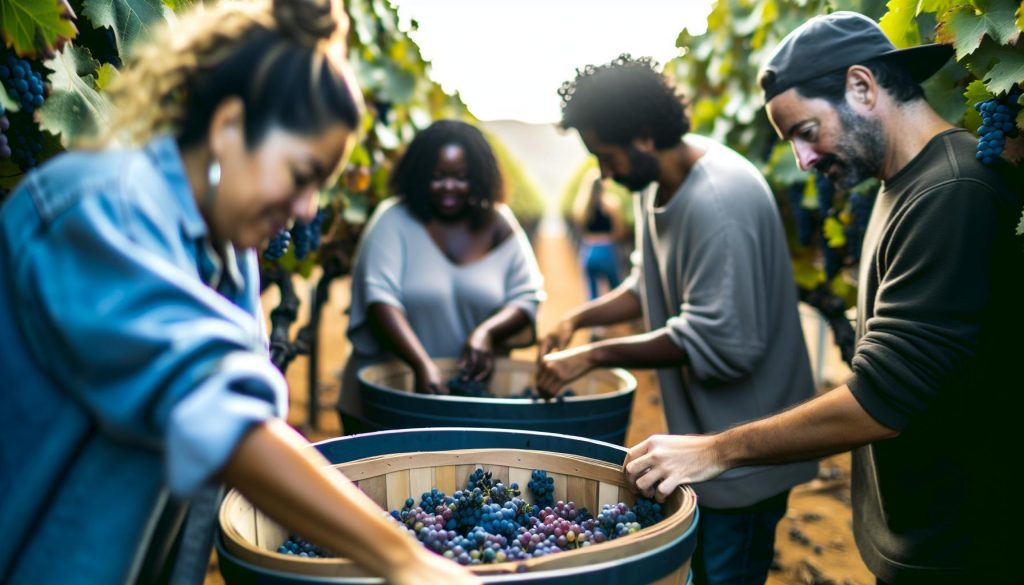
To get the most out of your winemaking experience, mastering the art of crushing grapes is key. Not only does this step release the juices that will become your wine, but it also allows the natural flavors and aromas to shine through. Whether you’re working with a handful of grapes or a larger batch, the process is both straightforward and satisfying.
First, start by selecting the grapes you want to use. Aim for fresh, ripe fruit, as the quality of the grapes significantly impacts the final product. Make sure to wash the grapes thoroughly to remove any dirt or pesticides. Remove any stems or leaves, as these can impart unwanted flavors into your wine.
Crushing Techniques
You have several methods at your disposal when it comes to crushing grapes. Here are a few options:
- By Hand: For small batches, simply use your hands to gently crush the grapes in a large bowl or pot. This method allows you to feel the texture and adjust the pressure to suit your preferences, making it a great option for beginners.
- Using a Potato Masher: If you want a bit more leverage but still prefer a hands-on approach, a potato masher works wonders. It allows for more even crushing without overly damaging the grapes.
- Grape Crusher: For larger quantities, consider investing in a grape crusher. These machines can handle big volumes and save you time. Make sure to sanitize it before use to prevent unwanted bacteria.
- Foot Crushing: Want to channel your inner winemaker? Jumping in with clean feet is a fun and traditional method! Just be sure to thoroughly wash your feet beforehand-this is wine-making, after all!
What to Expect
After you’ve crushed the grapes, you’ll notice that the juice begins to flow out, mixing with the skins and seeds. This mixture, known as “must,” is what you’ll ferment to create wine. At this stage, you might want to check the sugar levels with your hydrometer, which helps in understanding how much alcohol will be in your final product.
As you move forward, remember that every batch is a chance to experiment. Try varying the methods or combining grape varieties for unique flavors. Your creative touch will ultimately shape the style of wine you produce, making each bottle a personal reflection of your taste and journey as a winemaker. So, roll up your sleeves, embrace the process, and enjoy the delightful mess that comes with crushing grapes!
Fermentation Process: Timing and Techniques
Once you’ve successfully crushed your grapes into must, it’s time to dive into the magic of fermentation. This critical process transforms the sugars in the grape juice into alcohol and carbon dioxide, creating the delightful beverage we all enjoy. Timing is essential here, as well as understanding the conditions your wine needs to thrive.
During fermentation, it’s vital to monitor the temperature. Most red wines ferment best between 70°F to 85°F (21°C to 29°C), while whites prefer a cooler environment, around 60°F to 70°F (15°C to 21°C). Too high a temperature can produce off-flavors, while too low can stunt the fermentation process. To achieve the right temperature, consider using a temperature-controlled fermentation vessel or placing the fermenting juice in a cooler spot during hot weather.
The Fermentation Timeline
After crushing, you’ll want to add yeast to your must. Wild yeast from the grapes can also kickstart fermentation, but if you’re looking for consistent results, using cultivated yeast is the way to go. Typically, fermentation can take anywhere from a few days to several weeks, depending on various factors like yeast strain and temperature. During this time, actively stirring the must once a day can help integrate the flavors and promote healthy yeast activity.
As fermentation progresses, you’ll notice bubbles rising to the surface. This is a good sign! However, keep an eye on sugar levels using your hydrometer. You can track the specific gravity, which will help you assess when fermentation is complete. Generally, fermentation is done when the gravity reading stabilizes over a couple of days at around 1.0 or lower, indicating that the sugars have been converted to alcohol.
Post-Fermentation Steps
Once fermentation is complete, it’s time to separate the liquid from the solids. Carefully siphon the wine off the sediment, avoiding the robust, gritty parts of the must. This process, known as racking, helps clarify your wine and prevents any off-flavors from developing. Be prepared to repeat this step again after a few weeks as sediment continues to settle.
Lastly, don’t forget that fermentation doesn’t stop immediately once you’ve completed these steps. Allow your wine to sit and mature for a few months in a cool, dark place. This aging phase enhances the flavors, developing complexity that elevates your homemade wine to rich vintage taste. Embrace this time to sample and experiment, knowing each decision you make adds to the unique character of your wine. With love and patience, your homemade creation will soon be ready to pour and enjoy!
Mastering the Art of Racking and Stabilizing
To create a wine that dazzles your friends and family, is essential. Think of racking as your wine’s first step into clarity and refinement. This process involves transferring your wine from one container to another, leaving sediment behind. It’s a bit like lifting a cake from a cooling rack to a serving platter-it’s all about creating a beautiful final presentation. Racking not only enhances clarity but also helps in the development of flavors by giving your wine some air.
Racking Steps
- Prepare Your Equipment: Make sure you have a sanitized siphon or racking cane ready to go. Cleanliness is key here; any unwanted bacteria can spoil your hard work.
- Set Up: Position your carboy or fermentation vessel on an elevated surface. This gravity assist will make the siphoning process easier.
- Siphon Away: Insert the siphon into the liquid but not too close to the sediment at the bottom. Keep your gentle touch to minimize agitation-just like you would for a delicate soufflé.
- Monitor: As you siphon, watch the sediment carefully. Aim to leave about an inch of liquid above it, as introducing sediment back into the wine can impart undesirable flavors.
After racking, it’s time for stabilization. This phase ensures your wine remains sparkling clean and prevents any unwanted surprises later on, like an explosion of bubbles in your bottle. Use potassium sorbate or sulfites to stabilize your wine. Think of this step as applying a gentle preservative-like a sprinkle of sugar on fruit-to extend freshness while ensuring your wine remains flavorful, not fizzy.
Why Racking and Stabilizing Matters
Racking and stabilizing are crucial for developing a refined taste in your homemade wine. Not only do these steps help eliminate haze and unwanted particles, but they also encourage a more harmonious blend of flavors. When you allow for oxygen exposure during racking, you’re inviting complexity into the profiles of your wine, much like the development of flavors in a slow-cooked stew.
Timing is Key:
You’ll want to rack your wine multiple times throughout the aging process, typically every few weeks. This frequency allows for continuous clarification without drastic changes in flavor or aroma. Once you’re satisfied with the clarity and stability, let your wine rest for a few months-this patience will pay off in taste.
Making your wine is all about the journey, so take your time with racking and stabilizing. Embrace the learning curve, taste along the way, and don’t shy away from experimenting with different techniques. In no time, you’ll feel more than just a home winemaker-you’ll be a passionate creator of vintage wonders to share and enjoy.
How to Flavor Your Wine: Creative Additions
When it comes to creating wine that resonates with your personal taste, flavoring it with creative additions is one of the most exciting parts of the winemaking process. Experimenting with flavors allows you to transform a straightforward grape wine into something truly unique and delightful. With just a few simple ingredients and a bit of creativity, you can elevate your homemade wine to a whole new level.
One popular way to infuse flavor is by adding fruits, herbs, or spices during the fermentation process. For instance, adding fresh citrus zest like lemon or orange can brighten up your wine with a zesty aroma. If you’re feeling adventurous, consider incorporating berries such as strawberries or raspberries for a fruity burst. Simply chop the fruits and add them to your wine during fermentation; the natural sugars and flavors will meld seamlessly with your grape base.
Another effective approach is to utilize dried herbs and spices. Think about classic combinations: a sprig of rosemary or a dash of cinnamon can impart warmth and depth to your wine. For a hint of floral notes, consider adding dried lavender or chamomile. Make sure to use these sparingly at first, as their flavors can be quite potent. It’s always a good idea to taste your wine along the way, adjusting the additions according to your preferences.
Sweetening Your Creation
If you prefer a sweeter wine, consider using honey or fruit juices. Adding a small amount of honey during the fermentation phase can create a delightful sweetness, while fruit juices can add both sweetness and complexity. Apple juice, for example, can provide a refreshing twist to white or rosé wines. Just remember that sugar levels affect fermentation, so balance is key-add a bit, taste, and adjust as needed!
Experiment and Enjoy
Don’t hesitate to experiment with different combinations. Keeping a journal of what you add and the results will help you refine your technique over time. Each batch can become a personalized reflection of your tastes and preferences, making every sip a celebration of your creativity. Remember, winemaking is a journey, so have fun with it, and let your taste buds guide you to your perfect blend!
Aging Your Wine: Barrel vs. Bottle
Aging your wine is a magical process where patience truly pays off, transforming young, fresh wine into a rich, complex vintage. The method you choose, whether barrel aging or bottling, can significantly influence the final flavor and character of your wine. Each approach has its unique benefits and can cater to different preferences and styles, making it a delight to explore which suits your homemade creation best.
Barrel aging is often associated with premium wines and can impart remarkable flavors and aromas to your wine. Using oak barrels-either new or previously used-can lend notes of vanilla, spice, and even smokiness to the final product. The porous nature of wood allows for micro-oxygenation, a process that softens tannins and helps develop a rounded mouthfeel. When aging your wine in barrels, keep in mind the size and type of oak. Smaller barrels expose more wine to wood, resulting in a quicker infusion of flavor, while larger barrels offer a subtler impact.
On the other hand, bottling your wine offers its own advantages. Aging in bottles provides a stable environment that can enhance the wine’s characteristics over time without the strong influence of oak. This method is often preferred for whites and lighter reds that may not benefit much from the flavors added by barrel aging. Instead, flavors can evolve and harmonize, allowing the true essence of the grape to shine through. Make sure to store your bottles in a cool, dark place, laying them on their sides if they have corks, to keep the closures moist and prevent oxidation.
Ultimately, the choice between barrel and bottle aging comes down to your personal taste and the type of wine you want to create. If you’re aiming for a full-bodied red with deep complexity, barrel aging might be the way to go. If you prefer a fresher flavor that highlights the grape’s natural characteristics, consider bottling early or aging in bottles. Remember, winemaking is about exploration and enjoyment, so don’t hesitate to try both methods and record your results. This journey of discovery will not only improve your skills but also add layers of fun to your winemaking adventures!
Bottling Your Wine: Best Practices
Bottling your wine is a pivotal moment in the winemaking journey-it marks the transition from fermentation to your very own vintage ready to be savored. This process may seem daunting, but with the right approach, it can be both enjoyable and rewarding. Making sure to handle your wine carefully and follow best practices will help ensure that every bottle reflects your hard work and creativity.
Start by gathering all necessary supplies to make the process smooth and efficient. You’ll need clean wine bottles (preferably glass), corks or caps, a bottling wand or tube, and a siphoning device. Make sure everything is sanitized-this is crucial! Even a tiny amount of bacteria can spoil your wine, so take the time to clean and sanitize all equipment with a solution like sodium metabisulfite or a dedicated sanitizer.
Once everything is ready, it’s time to bottle. Begin by siphoning your wine from the fermentation vessel into the bottles. Aim for a gentle pour to avoid introducing oxygen, which can cause oxidation and spoilage. When filling, leave about an inch of space at the top. If you’re using corks, you’ll want to ensure the level is ideal for a proper seal. For a cleaner and more professional look, consider using a bottling wand, which allows you to control the flow and prevent spills.
After filling, insert the corks using a corker, which can be a simple hand-held model for small batches. Ensure your corks are also sanitized. If you’re using screw caps, just screw them on tightly, ensuring a good seal. Label your bottles with the date and type of wine, and perhaps even jot down notes for future reference or adjustments in your next batch. A little personalization adds a special touch!
Lastly, store your bottles in a cool, dark place to further protect them from light and temperature fluctuations. Horizontal storage is ideal for corked bottles, as it keeps the cork moist and prevents oxidation. If done correctly, your bottled wine will continue to evolve and refine, awaiting the perfect occasion to be enjoyed. Happy bottling!
Common Winemaking Mistakes to Avoid
Making your own wine is an exciting adventure, but it’s easy to make a few missteps along the way that can affect the final product. Here are some common mistakes to watch out for, along with tips to ensure your winemaking process yields a delicious vintage you’ll be proud to share.
One of the biggest errors is neglecting sanitation. It may seem tedious, but ensuring every piece of equipment is spotless and sanitized is crucial. Even a tiny amount of bacteria can spoil your batch before it even has a chance to ferment. Use a solution like sodium metabisulfite or a specialized sanitizer for a thorough clean-don’t skip this step!
Another pitfall is underestimating fermentation timing. While it’s tempting to rush the process, patience is key. Each type of wine has its own ideal fermentation period, and cutting it short can lead to off-flavors or incomplete fermentation. Keep an eye on the bubbles and use a hydrometer to track the specific gravity, ensuring that fermentation is complete before moving on to the next stage.
It’s also essential to avoid over-oxygenating your wine. This can happen during transfers and bottling if you’re not gentle enough. Minimize splashing and use siphoning methods to move your wine from one container to another. These techniques can help maintain the wine’s integrity and enhance its flavors.
Lastly, don’t overlook the importance of storage after bottling. Many home winemakers make the mistake of placing bottles in a bright or fluctuating temperature environment. Store your bottles in a cool, dark place to protect them from light and heat, which can spoil even the finest wine. A consistent temperature is ideal, so consider a dedicated wine cabinet or a dark, air-conditioned space in your home.
By avoiding these common mistakes, you can embrace the winemaking journey with confidence and creativity. Remember, each bottle is a reflection of your care and attention-allow your passion for wine to shine through your hard work!
Tasting and Enjoying Your Homemade Wine
As you uncork your homemade wine, you embark on a delightful journey where each sip tells the story of your hard work and creativity. Tasting your creation is not just about savoring flavors but also about appreciating the craftsmanship that went into the process. Whether you’re gathering with friends or enjoying a quiet evening, knowing how to truly taste and enjoy your wine can enhance the experience significantly.
Start by examining the wine’s appearance. Hold the glass against the light; observe its color and clarity. A vibrant red or a brilliant golden hue indicates a well-made wine. Swirl the glass gently and take a moment to watch the legs-those droplets that trickle down the inside-this can indicate alcohol content and viscosity.
Next, it’s time to engage your senses fully. Bring the glass close and inhale deeply. The aroma offers a glimpse into the wine’s personality. You might pick up fruity notes, earthy undertones, or even hints of spices. The olfactory experience is essential; many wine lovers argue that taste is significantly enhanced by aroma.
When you take a sip, let the wine linger on your palate for a few moments. This is where you truly explore the flavor profile. Notice the initial taste, the body (light, medium, or full), and how it evolves. Is it fruity, floral, or oaky? Consider the finish, too-does the flavor linger delightfully, or does it fade quickly?
To elevate your tasting experience, consider pairing your wine with complementary foods. A light white wine goes wonderfully with seafood, while a robust red can stand up to rich meats and cheeses. Here are a few pairing ideas to experiment with:
- Chardonnay: Pairs beautifully with creamy pasta dishes.
- Merlot: Enjoy alongside grilled steak or hearty casseroles.
- Sauvignon Blanc: Complements fresh salads and light fish.
Lastly, let your tasting experiences be personally tailored. Keep a journal of your findings: note the wines you’ve made, how they evolved over time, and what food pairings worked best. This not only enhances your enjoyment but also sharpens your winemaking instincts for future batches. Remember, the beauty of homemade wine lies in experimentation and personal flair-so pour a glass, and savor each moment of this remarkable reward!
Storage Tips for Long-Lasting Wine Quality
Storing your homemade wine correctly can significantly impact its flavor and quality, ensuring that each bottle is as delightful as when you first crafted it. The right storage conditions can help preserve those rich notes and complex aromas, allowing you to enjoy your creation for years to come. Here are some essential tips to help you maintain the integrity of your wine.
First and foremost, the ideal temperature for storing wine is between 45°F and 65°F (7°C to 18°C). Keeping your wine too warm can cause it to age prematurely, while colder temperatures may hinder its development. Aim for a consistent temperature, as fluctuations can lead to cork expansion and potential spoilage. If you don’t have a temperature-controlled wine fridge, a cool, dark closet or basement can serve as a suitable alternative.
Creating the Perfect Environment
Humidity also plays a vital role in wine storage. Ideally, you want humidity levels between 50% and 70%. Excessive dryness can dry out the cork, allowing oxygen to enter and spoil your wine, while too much humidity may encourage mold growth. If you’re just using a closet, consider placing a small bowl of water nearby to maintain better humidity levels.
Another key factor is light. Exposure to light, especially sunlight, can degrade your wine’s quality, altering its flavor over time. Store your bottles in a dark place or use opaque or colored bottles for protection. If you must store wine in a lit area, a wine cellar or a dedicated wine box can help shield it from direct light.
Positioning Your Bottles
When it comes to positioning your bottles, always store them on their sides. This keeps the cork moist, preventing it from drying out and letting air sneak in. If you’re using wine racks, ensure that your bottles lie horizontal rather than upright. This simple adjustment can make a world of difference in maintaining wine quality over time.
In summary, by controlling temperature, humidity, light exposure, and positioning, you can create a nurturing environment for your homemade wine. These mindful practices not only help preserve your labor of love but also enhance your tasting experiences, bringing a taste of your kitchen directly to your glass, no matter how much time has passed. So, make your storage space as special as the wine you’ve crafted!
Exploring Wine Pairings: Enhance Your Experience
Discovering the right food pairings can elevate your homemade wine experience to new heights. Just like crafting wine requires a balance of ingredients and techniques, so too does the art of pairing food with your creation! With a little understanding of flavors and textures, you can enhance both your wine and your meal, creating a delightful symphony for your palate.
To start, it’s helpful to consider the fundamental characteristics of your wine-its body, acidity, sweetness, and tannins. For example, a robust red wine like a Cabernet Sauvignon pairs beautifully with hearty dishes such as grilled steak or lamb stew, as the wine’s boldness complements the richness of the meat. On the other hand, a crisp, acidic white wine like a Sauvignon Blanc is a delightful match for lighter fare, such as grilled fish or a fresh green salad, allowing each element to shine without overpowering the other.
Here are some general pairing tips to keep in mind:
- Match Intensity: Light wines go well with lighter dishes; heavier wines need richer foods.
- Flavor Complementation: Pair wines with food that shares similar flavor profiles. For instance, a fruity Riesling can enhance the sweetness of spicy Asian dishes.
- Think About Acidity: High acid wines can cut through creaminess, making them excellent companions for pasta dishes with rich sauces.
- Sweetness Balance: Sweet wines, like dessert wines, can make a lovely contrast with savory dishes, or they can be paired with desserts they echo, such as a buttery tart with a sweet sparkling wine.
Besides these guidelines, allow your personal taste to lead your pairing choices! Don’t hesitate to experiment. For example, if you’ve crafted a fruit-forward Merlot, consider pairing it with a charcuterie board featuring a variety of cheeses and cured meats, where the flavors can play off one other wonderfully. Remember, the best pairings often come from trying new combinations and sharing your discoveries with friends and family. Your homemade wine, combined with thoughtful pairings, will create memorable meals that celebrate your culinary creativity!
Q&A
Q: What is the best time of year to make grape wine?
A: The best time to make grape wine is during harvest season, typically in late summer to early fall, depending on your region. This is when grapes are at their peak ripeness, ensuring maximum flavor and sugar content for a rich vintage taste. For detailed seasonal tips, check our section on Understanding Grape Varieties and Their Flavors.
Q: How long does the fermentation process take for grape wine?
A: The fermentation process for grape wine generally takes 1 to 3 weeks, depending on the temperature and the yeast used. Monitor your wine daily, and once fermentation slows, it’s time to rack your wine. For more fermentation tips, see our section on Fermentation Process: Timing and Techniques.
Q: What types of grapes are best for making red wine?
A: Some popular grape varieties for red wine include Cabernet Sauvignon, Merlot, and Pinot Noir. Each grape offers unique flavors and characteristics. Choose based on personal preference or the desired wine profile; explore more in our section on Understanding Grape Varieties and Their Flavors.
Q: How can I tell when my wine is ready to bottle?
A: Your wine is ready to bottle when fermentation has completely stopped, indicated by stable gravity readings over a few days, and the wine is clear without sediment. A taste test can also reveal if it has reached a desirable flavor profile. Learn more about this in our Bottling Your Wine: Best Practices section.
Q: Can I add flavors to my wine after fermentation?
A: Yes, you can add flavors to your wine after fermentation. Common additions include spices, herbs, or even fruit. Ensure additions enhance the wine without overpowering its natural taste. For creative ideas, check our How to Flavor Your Wine: Creative Additions section.
Q: What is the importance of aging wine in a barrel versus a bottle?
A: Aging wine in a barrel adds complexity and subtle flavors, like vanilla or toast, while bottle aging allows the wine’s character to evolve more gradually. Barrel aging is ideal for certain red wines, while bottle aging suits lighter varieties. For a deeper understanding, refer to our Aging Your Wine: Barrel vs. Bottle section.
Q: How should I store my homemade wine for the best quality?
A: Store your homemade wine in a cool, dark place with stable temperatures (around 55°F) and humidity (50-70%). Keeping bottles horizontal helps keep corks moist. For comprehensive storage tips, explore our Storage Tips for Long-Lasting Wine Quality section.
Q: Why is it important to taste wine during the fermentation process?
A: Tasting wine during fermentation allows you to monitor its flavor development and make adjustments as needed. It’s an opportunity to determine if it requires additional sugar, acid, or nutrients. Embrace the tasting process for a bespoke wine experience! More tasting insights can be found in our Tasting and Enjoying Your Homemade Wine section.
In Summary
Congratulations on embarking on your winemaking journey! You now have the essential skills to turn fresh grapes into your own rich vintage wine. Remember, winemaking is not just a method but a joyful exploration where each batch can reflect your unique taste. If you’re eager to experiment further, check out our guides on creating custom blends or pairing your wine with delicious food.
Don’t wait to uncork your creativity-start your first batch today! If you have any questions, feel free to drop them in the comments below; we’d love to hear about your experiences. Also, sign up for our newsletter to get exclusive tips and recipes sent straight to your inbox. Keep practicing, sharing, and enjoying every sip of your homemade wine!