
Imagine savoring the vibrant flavors of a sun-ripened mango, now transformed into a refreshing, homemade wine! Making mango wine is not only an exciting kitchen adventure but also a rewarding way to capture the essence of this tropical fruit in a unique beverage. With just a few simple ingredients and straightforward steps, you can create a delightful drink that impresses friends and family alike. Whether you’re a seasoned fermenter or just starting, this guide will walk you through crafting mango wine that bursts with sweetness and tropical flair. Let’s dive into the art of fermentation and unlock the delicious potential of mangoes in your own kitchen!
How Mango Wine: The Tropical Delight Works

Creating mango wine is not just a delightful endeavor; it’s a celebration of the tropics in a bottle. When you think of the vibrant, sweet, and slightly acidic flavors of ripe mangoes, you can imagine how these elements transform during fermentation into a unique tropical beverage that can brighten any occasion. The process harnesses the natural sugars found in mangoes, which ferment into alcohol, all while retaining the fruit’s lush essence.
To get started, the key lies in selecting ripe, flavorful mangoes as your base. This is crucial because the quality of your fruit directly influences the final product. The best mangoes for winemaking are those that are sweetest, such as Haden, Tommy Atkins, or Kent varieties, which provide a delightful balance between sweetness and acidity. Once you have your mangoes, the winemaking process is straightforward and accessible, requiring minimal specialized equipment-perfect for home winemakers at any skill level.
The appeal of mango wine also extends to its versatility. After fermentation, you can experiment with different flavor profiles. Consider infusing your wine with spices like cinnamon or ginger, or blending in other fruits such as pineapple or passion fruit to create a more complex taste. Keep in mind that the world of customs and variations in winemaking is your oyster. As your mango wine ferments, don’t hesitate to taste and adjust flavors to suit your palate, making every batch a unique creation.
In summary, the journey of making mango wine encapsulates simplicity and creativity. With just a few careful steps, you can craft a tropical delight that not only showcases your culinary skills but also provides a refreshing alternative to traditional wines. Embrace the process, enjoy the experimentation, and savor the magic of mangoes transformed into a delightful drink.
Key Ingredients for Your Mango Wine

When it comes to crafting delightful mango wine, the key ingredients are fundamental to achieving that perfect tropical flavor. Starting with the right mangoes is crucial, as they dictate the sweetness and acidity of your final product. The best varieties to use are typically those known for their rich taste. Opt for ripe Haden, Tommy Atkins, or Kent mangoes, which are celebrated for their balance of sweetness and refreshing tartness. Aim for around 2-3 pounds of fresh, juicy mangoes to produce approximately one gallon of wine.
Another essential ingredient is sugar. The natural sugars in mangoes can be insufficient to reach your desired alcohol content, so you’ll likely need to add more, especially if you’re aiming for a sweeter wine. An easy rule of thumb is to use about 1-2 cups of granulated sugar, but this can be adjusted based on the sweetness of your mangoes and personal preference.
Additional Ingredients to Consider
Beyond mangoes and sugar, you’ll want to consider the following:
- Water: Pure, non-chlorinated water is vital as it dissolves the sugar and allows the fermentation process to occur smoothly. About 1-2 gallons will typically suffice.
- Yeast: Choose a good quality wine yeast, such as Champagne or Sauvignon Blanc yeast, to kickstart fermentation. This will help convert those sugars into alcohol while bringing unique flavors to your wine.
- Citrus Juice: Adding a boost of acidity can enhance the overall taste of your wine. A cup of fresh lime or lemon juice can balance the sweetness and add a refreshing zing.
- Nutrients: Yeast nutrient or energizer can be beneficial, especially if you’re working with a high sugar content, ensuring a healthy fermentation process.
Collecting these ingredients is simple and friendly on your wallet, making this a perfect project for home winemakers at any skill level. Gather your supplies, embrace the vibrant flavors of your chosen mangoes, and let the fruity transformation begin! Happy winemaking!
Essential Equipment for Home Winemakers
To create your very own mango wine, it’s essential to have the right equipment on hand. Winemaking at home can be a rewarding endeavor, and you don’t need a vintage wine cellar or fancy gadgets to get started. In fact, most of the tools you need are likely already in your kitchen or can be easily sourced without breaking the bank.
First, let’s talk about fermentation vessels. A primary fermenter, such as a glass carboy or a food-grade plastic bucket with a lid, is crucial. These containers should have a capacity of at least 1 gallon to accommodate your ingredients. If you’re using a plastic bucket, make sure it’s specifically made for food and is properly sanitized to prevent contamination. For smaller batches or experimentation, even a clean, sanitized 1-gallon glass jar can work beautifully.
Next on the list is an airlock and stopper. This simple device allows carbon dioxide to escape during fermentation without letting in unwanted bacteria or wild yeasts. You can easily find airlocks at homebrew supply stores or online. If you’re feeling crafty, you can even use a balloon as a makeshift airlock by pin-pricking it and placing it over the top of your fermenter.
You’ll also need a hydrometer, which is a nifty tool to measure the specific gravity of your must (the mixture of mangoes and other ingredients before fermentation). This measurement will tell you the sugar content. Knowing the starting gravity allows you to estimate the final alcohol content and determine when fermentation is complete. Many winemakers find this tool invaluable, but it’s definitely not a deal-breaker for beginners.
Sanitation is Key
One of the most critical aspects of winemaking is sanitation. Have some food-grade sanitizer on hand, like Star San or iodophor, to clean your equipment. Even a simple bleach solution can work if used carefully and thoroughly rinsed.
Bottling Essentials
When your mango wine is ready to be enjoyed, you’ll need some bottles and caps or corks. Standard wine bottles will do, and they can often be repurposed from store-bought wine. Ensure they are cleaned and sterilized, too. A simple bottle filler makes transferring your wine into bottles much easier and reduces the risk of spillage.
Final Touches
You might also want a funnel, a good set of measuring cups and spoons, and a long spoon or paddle for stirring. A thermometer is handy to check the temperature of your must before adding yeast, as yeast thrives at certain temperatures for optimal fermentation.
In essence, gathering the right equipment for mango winemaking doesn’t have to be overwhelming. The goal is to have a small, clean, and efficient setup that allows you to let your creativity shine through and produce a delightful tropical concoction. Embrace the journey and enjoy every sip of the flavorful mango wine you’ve crafted!
Step-by-Step Mango Fermentation Process
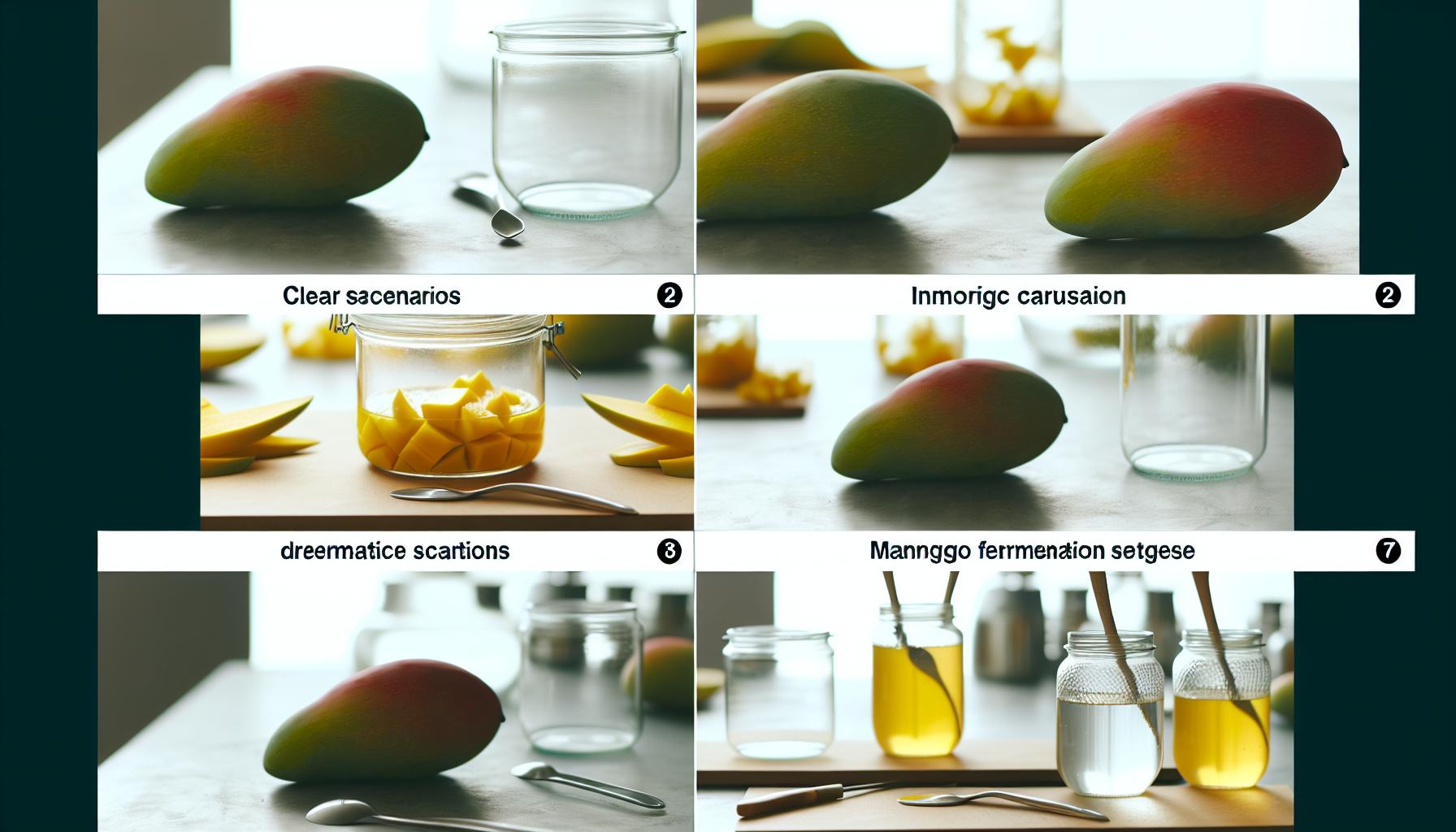
The process of fermenting mango wine is both straightforward and satisfying, allowing you to transform juicy, tropical fruit into a delightful drink right in your kitchen. Whether you’re a homebrewing novice or a seasoned enthusiast, this step-by-step guide will help you navigate the fermentation journey and create a luscious mango wine that you’ll be proud to share.
Start by preparing your mangoes. Select ripe, fragrant fruits for maximum flavor, as their sweetness will directly impact your wine. Wash, peel, and chop about 2-3 pounds of mangoes, making sure to remove any fibrous bits. The next pivotal step is to create your must, the fruit mixture that kickstarts fermentation. Combine the chopped mangoes with 1-2 cups of water in your primary fermenter. Use a potato masher or spoon to crush the mangoes, releasing their juices and flavors.
Once your must is ready, it’s time to add sugar to aid fermentation. A general rule of thumb is to add 1-2 cups of sugar, but feel free to adjust based on your taste preference. Stir thoroughly until the sugar dissolves completely. Now, you can add other ingredients like lemon juice or additional spices (like ginger or cardamom) for extra complexity. With everything mixed in, take a moment to measure the specific gravity using a hydrometer; this will help track fermentation progress.
Next, it’s time to introduce yeast. Choose a wine or fruit yeast variety for the best results, and follow the instructions on the packet for rehydration. Sprinkle the yeast over your must, gently stir, and seal your fermenter with an airlock to allow gases to escape while keeping unwanted bacteria at bay.
Leave your fermenter in a warm, dark place for about 1-2 weeks. Each day, check for bubbling in the airlock, which indicates that fermentation is actively taking place. After about a week, taste the must to gauge fermentation; it should begin to taste a bit less sweet and more tangy. If the bubbling slows down significantly, it’s time to rack your wine into a secondary fermenter.
For the racking process, carefully siphon the liquid from the sediment (lees) into a clean container, making sure not to disturb the sediment too much. This helps clarify your wine and prepares it for aging. Seal the new container with an airlock and let it age for an additional 2-4 weeks, checking periodically. Finally, when fermentation is complete and the wine tastes just right, it’s ready for bottling.
This entire journey can take anywhere from one to two months, depending on your temperature and yeast activity. By following these steps, you’ll create a beautiful mango wine that’s perfect for toasting with friends or enjoying on a sunny afternoon. Embrace the process and have fun with this culinary adventure; a tropical delight awaits you!
Tips for Choosing the Best Mango Varieties

Choosing the right mango varieties is crucial when crafting your own mango wine, as the quality and flavor of the fruit will significantly influence the final product. Not all mangoes are created equal; some varieties are sweeter and more aromatic, making them ideal for winemaking, while others might not provide the rich, complex flavors you’re after. As you embark on your winemaking journey, consider these tips to select the best mangoes for your brew.
First, look for ripe, sunny-colored, and slightly soft mangoes. Varieties like Haden, Kent, and Tommy Atkins are great choices, known for their sweetness and delightful aroma. The Haden mango, with its rich tropical notes, can give your wine a luscious mouthfeel. Kent mangoes, on the other hand, offer a unique combination of sweetness without the fibrous texture, ensuring a smoother wine. Tommy Atkins, while slightly less sweet, can balance the overall flavor profile beautifully when mixed with sweeter varieties.
Next, it’s essential to remain mindful of the season. Fresh, local mangoes in peak ripeness will yield the best results. When shopping, check if the mangoes are in season in your area-typically, mangoes peak between late spring and summer, depending on your location. Supporting local farmers can also lead to fresher fruit, often with better taste and quality than mass-produced options.
Another vital aspect to consider is the level of sweetness. Your recipe will generally call for adding sugar, but the natural sweetness of the mangoes can help reduce the amount needed. Test a mango or two before committing-they should taste sweet but with a hint of acidity, as this balance enhances the fermentation process and depth of flavor in the final wine.
Lastly, don’t be afraid to experiment! Mixing different mango varieties can create a unique flavor profile. Perhaps you start with a base of Haden mangoes and blend in a bit of Kent for complexity. Each batch can turn into a new adventure, and keeping track of your combinations will help you replicate or innovate in future batches.
By focusing on these selection tips, you’ll ensure that the mangoes you choose not only lead to a successful fermentation but also elevate your homemade wine to a tropical delight worth sharing!
Flavor Enhancements: Spices and Other Fruits
To elevate your homemade mango wine to a new level of deliciousness, experimenting with spices and other fruits can add that extra layer of complexity and character. Think of your wine not just as a drink, but as a palette on which you can paint a vibrant array of flavors and aromas. The sweetness of the mangoes provides a fantastic base, but incorporating complementary spices and fruits can take your creation from delightful to extraordinary.
One of the easiest and most effective ways to enhance the flavor profile of your mango wine is through spices. Consider adding a pinch of cinnamon or cardamom. These spices impart warm, aromatic notes that balance the tropical sweetness of mango and add depth. Just a small amount-about 1/4 teaspoon-can work wonders. If you’re looking to introduce a touch of heat, try adding ginger. Fresh ginger can add a zesty kick while also contributing to a more rounded flavor profile.
Feel adventurous? Incorporating other fruits can yield delightful results. For instance, pineapple is a fantastic addition, enhancing the tropical character and tartness of your wine. Simply blend chunks of fresh pineapple into your mango mixture before fermentation, or consider a mix of mango and passion fruit for a tangy twist that brightens every sip. Even fruits like peaches or nectarines can amplify the mellow sweetness of mango, making your wine rich and layered.
When it comes to experimentation, don’t hesitate to mix and match flavors. A classic combination would be mango with a hint of vanilla bean. Split a vanilla pod, scrape out the seeds, and add them to the fermenting mixture. This can imbue your wine with a smooth, creamy essence reminiscent of dessert wines. Keeping a careful record of what you try helps you replicate or refine your results in future batches.
Ultimately, crafting mango wine is an opportunity to unleash your creativity. So roll up your sleeves, gather those spices and fruits, and start experimenting. The joy of winemaking is in the process, and each unique blend tells a story that you can share with friends and family. Don’t be afraid to taste, adjust, and make it your own-the most memorable wines often come from a little bit of imagination!
Common Mistakes to Avoid in Mango Winemaking
When diving into the art of mango winemaking, it’s easy to get carried away with enthusiasm and creativity. However, a few common pitfalls can turn your tropical delight into a disappointing experience. Awareness of these mistakes can save you time, effort, and most importantly, the joy of sipping on your homemade concoction.
First and foremost, over-ripening your mangoes can lead to undesirable off-flavors. While ripe mangoes are sweet, too much ripeness can introduce an overly musky taste that might overpower the delicate fermentation notes you aim for. Aim for mangoes that are perfectly ripe-think sweet and fragrant, but not mushy. This balance is crucial for achieving that refreshing, tropical essence in your wine.
Another frequent mistake is neglecting sanitation practices. Since winemaking relies heavily on fermentation, compromising your equipment cleanliness can invite unwanted bacteria and spoilage. Always ensure that your fermentation vessels, tools, and bottles are sanitized before use. Simple practices like soaking them in a solution of water and bleach (or a no-rinse sanitizing solution) can make a world of difference.
It’s also vital to monitor your fermentation temperature. Too high a temperature can kill the yeast, while too low can stall the fermentation process altogether. Typically, a range of 70-75°F (21-24°C) is ideal for fermentation. Investing in a thermometer may sound like an unnecessary step, but it ensures you maintain optimal conditions, yielding a more robust final product.
Lastly, don’t underestimate the importance of patience during the aging process. Many home winemakers rush their creations, failing to give the wine enough time to develop its full flavor. Even if it’s tempting to bottle your wine early for a celebratory toast, aim for at least a month of aging post-fermentation. This step allows the flavors to meld beautifully, enhancing the overall taste profile and complexity.
By keeping these tips in mind, you’ll be well on your way to crafting a delightful mango wine that reflects your hard work and creativity. Remember, making wine is all about experimentation and enjoying the process-there’s no one right way to do it, and every bottle tells a unique story!
How to Bottling and Store Your Mango Wine
When it comes to bottling your homemade mango wine, the process is just as rewarding as the fermentation itself. Proper bottling and storage are crucial to preserving the delightful flavors you’ve cultivated and ensuring your wine ages gracefully.
To begin with, ensure that all your equipment is sanitized. This includes bottles, corks, and any utensils you’ll use during the bottling process. A simple soaking solution of warm water and unscented dish soap followed by thorough rinsing should do the trick. Alternatively, using a no-rinse sanitizing solution can streamline the process.
When you’re ready to bottle, gently siphon the wine from the fermentation vessel into your sanitized bottles, leaving about an inch of space at the top. This space allows for any potential expansion and helps minimize oxidation. If you’re using corks, make sure they are also sanitized and ready. Insert the corks firmly to ensure a tight seal-this keeps your wine safe from air exposure, which can spoil it over time.
Storage Tips
Once bottled, the right storage conditions play a significant role in how your wine develops. Store your bottles upright for the first few weeks to allow any sediment to settle at the bottom. After that, it’s best to lay them on their sides. This keeps the cork moist and prevents it from drying out, which could introduce air into the bottle.
Keep your mango wine in a cool, dark place with a consistent temperature. A temperature range of 50-60°F (10-15°C) is ideal. Avoid storing your wine near heat sources like ovens or direct sunlight, as fluctuations in temperature can lead to rapid aging and spoilage.
Lastly, remember to label your bottles with the date and details about the variety of mangoes used. This will not only help you keep track of your creations but also make delightful gifts when you share your tropical treasure with friends!
By following these straightforward bottling and storage techniques, you’ll be equipped to savor your homemade mango wine at its finest. Enjoy the fruits of your labor, celebrate your creative journey, and share the joy of your tropical delight with family and friends!
The Perfect Pairings: Enjoying Your Mango Wine
When it comes to enjoying your homemade mango wine, a world of flavor pairings awaits to elevate your tasting experience. This tropical delight not only sings on its own but also complements a variety of dishes and snacks, making every sip a delightful exploration of culinary bliss. Imagine the refreshing notes of mango dancing harmoniously with your favorite foods!
Delicious Food Pairings
Choosing the right dishes can really enhance the fruity notes of your mango wine. Here are some scrumptious options to consider:
- Savory Dishes: Try pairing your mango wine with grilled shrimp, chicken marinated in citrus, or even spicy fish tacos. The sweetness of the wine balances the savory and spicy flavors beautifully.
- Salads: A fresh mango salad with mixed greens, avocado, and a light citrus vinaigrette is a perfect match. The refreshing taste enhances the wine, creating a delightful burst of tropical flavors.
- Cheese Options: Soft cheeses like Brie or goat cheese turn into a heavenly match with mango wine. The creaminess combines wonderfully, enhancing both the cheese and the wine.
- Desserts: Mango wine also pairs beautifully with fruity desserts like tarts or sorbets. Its sweetness complements desserts made with coconut or tropical fruits, rounding out a meal perfectly.
Perfect Moments
Enjoy your mango wine while hosting a sunset gathering with friends or during a backyard barbecue. It’s the ideal refresher after a long day, especially enjoyed chilled. Whether you’re sharing stories or simply relaxing, mango wine brings a festive atmosphere.
Creative Twists
For those looking to add a unique twist to their mango wine experience, consider trying it in cocktails! Blend it with some sparkling water and a sprig of mint for a refreshing spritzer, or use it as a base for a tropical sangria with other fruits and a splash of citrus. The possibilities are endless, and these variations can spark a fun conversation at your next get-together.
As you explore the perfect pairings for your mango wine, remember that this delightful brew is about celebrating flavors and creating memorable experiences. Enjoy every sip, and don’t hesitate to experiment with different dishes to discover what delights your palate the most. Cheers to your homemade creation!
Exploring Variations: Experiment with Flavors
Experimenting with flavors can take your mango wine from delightful to extraordinary. The beauty of homemade winemaking is the freedom it offers to adapt and create uniquely tailored experiences! Dive into various enhancements that can amplify the tropical sweetness of your mango and introduce exciting new layers to your wine.
Start by considering spices that complement mango. A dash of ginger can add a warming zing, while a sprinkle of cinnamon introduces a hint of warmth perfect for cozy gatherings. Adding a few cardamom pods during fermentation can create a complex aromatic profile that pairs surprisingly well with the fruity essence of mango. Another fun option is to include vanilla beans; the buttery sweetness enhances the wine’s tropical notes, making each sip feel like a sunny vacation.
Fruits are another delightful avenue for experimentation. While mango is the star, try blending it with other fruits during fermentation. Pineapple or passion fruit can introduce zesty notes, while ripe bananas can add a creamy texture. When crafting fruit blends, aim for a balanced combination-keep the proportions similar to achieve harmony rather than one fruit overshadowing another. You’ll be amazed at how these additions can create a whole new character for your wine!
And don’t forget about herbs! Fresh mint or basil can lend an unexpected freshness, perfect for a summer sip. Simply bruise the leaves to release their oils before adding them to your fermentation mix. Experimentation doesn’t have to be intimidating. Start small-try infusing a single batch with a new flavor profile to see what resonates with your palate.
Ultimately, the joy of making mango wine lies in your personal touch. Keep a fermentation journal to note your ratio changes and flavor findings. Before long, you’ll have a collection of personalized recipes that reflect your kitchen adventures and celebrations. Each variation you make serves not just a taste but also a story-your story, with every bottle capturing a moment in your winemaking journey. So roll up your sleeves, get creative, and toast to discovering your next favorite flavor!
Understanding the Fermentation Timeline
Understanding the fermentation process is crucial in crafting your homemade mango wine, as it not only transforms your ingredients but also dictates the final flavor and character of your wine. The allure of fermentation lies in its magic – watching simple ingredients evolve into a complex, delicious beverage over the course of just a few weeks. Here’s a closer look at what to expect during the fermentation timeline.
Initially, once you combine ripe mangos, sugar, and water with yeast, the magic begins. The fermentation time can vary depending on various factors such as temperature, the specific yeast strain used, and your desired sweetness level. Typically, you can expect the primary fermentation to last around 1 to 3 weeks. During this time, yeast consumes the sugars and produces alcohol and carbon dioxide, which may be visible as bubbling in your fermentation vessel. To get the best results, keep your mix in a warm, dark place, ideally between 68°F to 75°F (20°C to 24°C), to promote active fermentation without overwhelming your brew.
Once bubbling slows down and you notice a change in the aroma, it’s a good sign that the primary fermentation is nearing completion. At this stage, it’s essential to taste your wine. This helps determine whether it’s reached a flavor you enjoy. If it’s too sweet, let it ferment a bit longer. If it’s tasting just right, it’s time to siphon off the wine from the sediment at the bottom, a process known as racking. Typically, the secondary fermentation can take an additional 2 to 4 weeks. This step helps clarify the wine and deepens its flavor profile.
Don’t forget to check on your fermentation regularly. Now is a great time to experiment with flavors if you’ve been thinking about adding spices or herbs. Just be mindful that these additional ingredients can affect your fermentation timeline. Once you’ve reached a flavor you love, and the sediment has settled, you can proceed to bottle your wine. Overall, allow your finished mango wine to age for at least a month before tasting to let the flavors further mature – patience is key here, but the reward is well worth it!
With each fermentation batch, you’ll gain more confidence and understanding of the process, enhancing not only your mango wine but your overall winemaking journey. So roll up your sleeves and embrace the bubbling adventure!
Troubleshooting Guide for Mango Wine Issues
When things don’t go as planned in your mango winemaking journey, don’t fret-most issues have simple fix! Here are some common problems you might encounter, along with practical solutions to help you get back on track.
One frequent issue is sluggish fermentation, where the yeast seems lethargic and bubbling is minimal or nonexistent. This can happen if the temperature is too low or there isn’t enough yeast nutrient. If your fermentation vessel is cooler than the ideal range (68°F to 75°F or 20°C to 24°C), try moving it to a warmer spot. You can also stir in a little yeast nutrient (like a teaspoon of diammonium phosphate) to perk up your yeast. Always check your specific yeast’s temperature tolerance, as different strains have different needs!
Another challenge is overly sweet wine, which can occur if fermentation stops prematurely, often due to yeast stress or high sugar levels. If this happens, you can give it a little boost by gently resuming fermentation. Add a small amount of activated yeast, and stir to mix. Check your specific gravity using a hydrometer; if it hasn’t changed since the start, it might need that extra kick to fully ferment the sugars. Remember, patience is key-you may need to wait several days to see improvement.
Haze or cloudiness in your finished product can also be concerning. This is often due to suspended yeast or particles that didn’t fully settle. If your wine is cloudy post-fermentation, give it time to clear naturally; sometimes, a few weeks is all it takes. If it remains cloudy, consider using a fining agent like bentonite or isinglass to help clarify your wine. Just follow the package instructions, and don’t forget to rack it off the sediment after fining!
Lastly, if you’re noticing off-flavors-like a vinegar taste-bacterial contamination could be the issue. To avoid this, ensure all your equipment is properly sanitized before use. If it’s too late and you’ve already detected off-flavors, your options may be limited; however, you could try blending your affected batch with a fresher, more balanced wine to mask the off-taste.
By addressing these common issues with practical solutions, you’ll find that winemaking can be a joyous journey of experimentation and creativity. Embrace these challenges-they’re part of what makes homemade mango wine so special!
FAQ
Q: What type of mango is best for making mango wine?
A: The best mangoes for wine-making are ripe, sweet varieties such as Haden, Alphonso, or Francis. They have high sugar content and rich flavors that enhance the wine’s taste. Choosing fresh, aromatic mangoes ensures a delightful fermentation experience.
Q: How long does it take to ferment mango wine?
A: Mango wine typically requires about 4 to 6 weeks to ferment. Initial fermentation takes about two weeks, followed by 2 to 4 weeks of secondary fermentation. Monitor the bubbles in your fermentation vessel to gauge activity for a more accurate timeline.
Q: Can I use frozen mangoes to make mango wine?
A: Yes, you can use frozen mangoes for wine-making. Thaw them before use to release juices, which are crucial for fermentation. However, fresh mangoes are preferred for optimal flavor and aroma in your wine.
Q: What yeast is best for fermenting mango wine?
A: For mango wine, using a wine yeast like Lalvin K1-V1116 or EC-1118 is ideal. These strains are known for their high tolerance to sugar and reliable fermentation performance, ensuring a clean and flavorful wine.
Q: How do I adjust sweetness in mango wine?
A: You can adjust sweetness by adding sugar at different stages-before fermentation for a higher alcohol content, or after fermentation if you desire a sweeter finish. Use a hydrometer to measure and achieve desired sweetness levels.
Q: Why is my mango wine cloudy?
A: Cloudiness in mango wine can result from yeast residue or suspended particles from the fruit. Racking your wine, which is transferring it to a new container, can help clarify it. Additionally, using fining agents can effectively clear the wine.
Q: Can I add spices to mango wine for flavor enhancement?
A: Absolutely! Spices like cinnamon, nutmeg, or ginger can be added during the fermentation process to enhance flavor. Start with small amounts and adjust according to your taste preference for a unique twist on your mango wine.
Q: How should I store my homemade mango wine?
A: Store your mango wine in a cool, dark place at a consistent temperature, ideally between 50°F to 60°F. Use dark glass bottles to protect it from light. Properly corked bottles can age for several months, enhancing flavors over time.
In Retrospect
You’ve mastered the art of making mango wine, a delightful venture that brings tropical sweetness right to your glass! With just a few simple ingredients and steps, you can create a homemade brew that’s perfect for any occasion. Don’t wait-gather your mangoes and start your fermentation journey today!
If you’re eager to explore more tropical recipes, check out our guides on how to make mango chutney and the best tropical fruit pairings for your wine. And remember, we love hearing about your experiences, so share your mango wine stories in the comments below!
For further inspiration and tips, subscribe to our newsletter to stay updated on all things tropical and fermentation. Keep experimenting, embrace your creativity, and let your kitchen be the canvas for delicious homemade delights!