
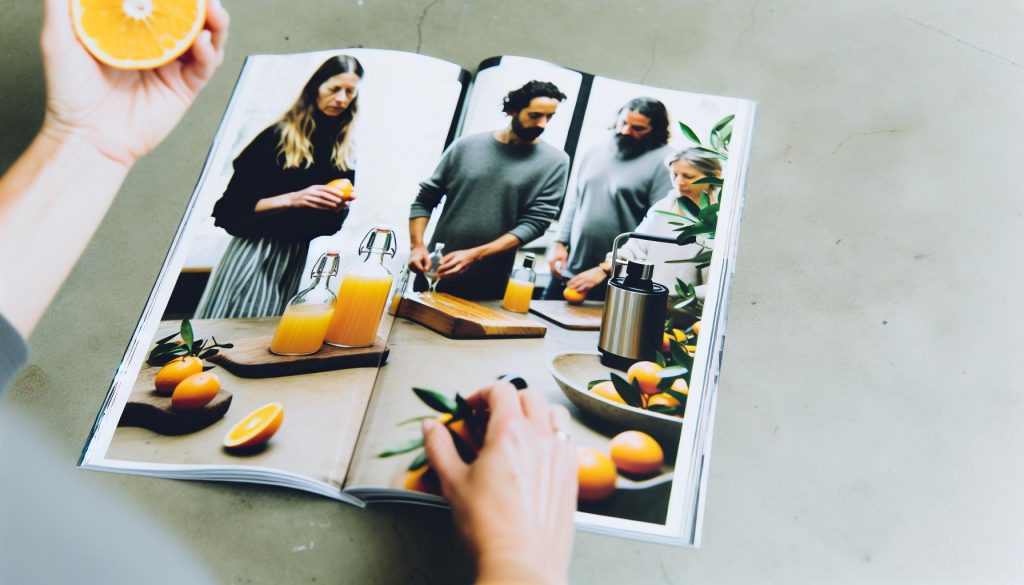
Imagine sipping a glass of wine infused with the bright, zestful flavors of orange-sounds delightful, doesn’t it? Making orange wine is not just for seasoned vintners; it’s a fun and creative process that anyone can embrace in their own kitchen. With just a few simple ingredients and a bit of patience, you can transform the fresh taste of citrus into a unique homemade wine that will impress your friends and family.
In this guide, we’ll walk you through the steps to create your own citrus-infused fermentation. You’ll discover how easy it is to experiment with flavors and personalize your wine-making process. Whether you’re a novice or a more experienced home chef, this approachable recipe will inspire you to try your hand at something new. So grab your oranges, roll up your sleeves, and let’s start crafting a refreshing orange wine that highlights the beautiful balance of sweetness and zest! Your new kitchen adventure awaits!
Choosing the Right Citrus for Orange Wine Flavor

When it comes to crafting a delightful batch of orange wine, the choice of citrus can tremendously impact the flavor profile of your final product. This isn’t just about tossing in some orange slices; it’s about choosing the right variety and understanding their unique characteristics. Oranges, lemons, limes, and even exotic options like yuzu can complement the natural flavors of your wine grapes, adding complexity and a refreshing zing.
Start by considering traditional oranges. Navel oranges are sweet and juicy, perfect for a pleasant, rounded flavor. If you want a bit of tartness, Valencia oranges pack a punch with their bright acidity and aromatic notes. Blood oranges bring an intriguing twist with their reddish hue and berry-like flavors, making your wine visually appealing and unique in taste.
Next, think about incorporating other citrus fruits. Lemons can brighten the overall blend with their sharp acidity, while limes can add a tropical twist. For an adventurous touch, consider using grapefruit, which offers a bitter-sweet character, or mandarin oranges, which are sweeter and less acidic-ideal for a softer profile. Mixing these fruits can yield an exciting depth of flavor, enhancing the complexity of your orange wine.
Experimentation is key, so don’t hesitate to play with proportions-try using juice, zest, or slices in your brew. Each method releases different oils and flavors, affecting how the citrus integrates with the wine during fermentation. Remember, making orange wine is about embracing creativity, so taste as you go and adjust based on your preferences. Happy winemaking!
Essential Ingredients for Homemade Orange Wine

To dive into the world of homemade orange wine, understanding the essential ingredients is paramount. At its heart, orange wine combines the goodness of grapes with the zesty brightness of citrus, making it a delightful fusion that can be tailored to your individual taste. Whether you are aiming for a subtle hint of orange or a bold citrus presence, selecting the right ingredients will set the stage for your winemaking adventure.
Start with your base: high-quality wine grapes. Varieties like Chardonnay or Sauvignon Blanc work beautifully due to their balanced acidity and fruity profiles, which complement the vibrant citrus flavors. Now, let’s talk citrus. While oranges are the star of the show, don’t hesitate to experiment with other fruits. Choose from sweet Navel oranges for a smooth finish, or the tart Valencia oranges to add a lively zing. Blood oranges can introduce intriguing berry notes, while lemons and limes offer a refreshing elevator of acidity. Each type of fruit will enhance your wine differently, so taste-testing as you mix is encouraged.
Next, enrich your brew with a few supporting players. Sugar plays a crucial role in fermentation, so a small amount of white or brown sugar can kickstart the yeast. Don’t forget the additives! Yeast is essential for fermentation-look for a good quality wine yeast, as it’ll help convert your fruits’ sugars into alcohol and contribute to the flavor profile. If you’re feeling adventurous, consider adding spices like cinnamon or cardamom for a unique twist.
Finally, equipment should be simple and accessible. A glass carboy, a fermentation lock, and basic kitchen tools will suffice; there’s no need for an elaborate setup. As you stand in your kitchen, embracing this creative process, remember: winemaking is a blend of science and art. So enjoy the journey, and don’t be afraid to make it your own! Happy winemaking!
Step-by-Step Guide to the Fermentation Process

The fermentation process is where the magic happens in winemaking, transforming simple ingredients into a complex, citrus-infused delight. With a little time and patience, you can create your own unique blend of orange wine that reflects your personal taste. Here’s how you can embark on this exciting fermentation adventure.
Begin by combining your prepared ingredients in a fermenter. You will need high-quality wine grapes, your chosen oranges, sugar, and the wine yeast. For a typical batch, aim for about 10 pounds of grapes and 2-3 oranges, adjusting the sugar based on your sweetness preference. After thoroughly washing the fruits, crush the grapes to release their juice and then zest and juice the oranges, mixing everything in your fermenter. Make sure the mixture is well combined to extract maximum flavor.
Next, it’s time to add the yeast. Sprinkle the chosen yeast over the surface of the mixture and gently stir it in, ensuring it’s evenly distributed. This yeast will kick off the fermentation process, converting sugars into alcohol and carbon dioxide over the coming weeks. Seal the fermenter with a fermentation lock to allow gases to escape while preventing outside air from entering, which could introduce unwanted contaminants.
You’ll want to keep your fermenter in a warm, dark place, ideally around 68-75°F (20-24°C). This environment encourages healthy yeast activity. Sit back and watch as bubbles begin to form-this signals that fermentation is in full swing! After about a week, check the specific gravity with a hydrometer to monitor the fermentation progress. Once you notice that bubbling has significantly decreased, usually after 2 to 4 weeks, it’s a sign that fermentation is nearing completion.
At this stage, you’ll need to transfer your wine from the primary fermenter to a secondary one to clarify the liquid. Carefully siphon the wine, avoiding the sediment at the bottom. Seal it again with a fermentation lock and let it age for another 4 to 6 weeks. This is a critical period for flavor development, where the wine will mellow and any harsh notes from the fermentation will dissipate.
Once the aging process is complete, it’s time for bottling. Make sure all your equipment is sanitized to prevent spoilage. Siphon the wine into clean bottles, leaving some space at the top. Seal them with corks or caps and label them with the date and any notes about the vintage. Now, you can showcase your beautiful orange wine to friends and family!
Exploring Different Fermentation Techniques
When it comes to fermenting orange wine, the techniques you choose can significantly influence the end flavor profile and overall quality of your wine. Let’s dive into some approachable methods that can elevate your home winemaking experience, making it both fun and rewarding.
One popular technique is the carbonic maceration method, often used in the production of certain styles of red wines. This technique involves fermenting whole bunches of grapes in a sealed container, allowing the carbon dioxide produced from the fermentation to saturate the must. For orange wine, this can add a unique layer of fruity notes and a lighter body. To try this at home, place your whole grapes in a fermentation vessel, seal it tightly, and allow natural fermentation to occur over several days. You’ll want to monitor closely, as this method can lead to rapid fermentation.
Another exciting method is skin contact fermentation, particularly beneficial for creating orange wines. Skin contact is where the magic happens, as it involves leaving the grape skins in contact with the juice during fermentation. This technique enhances the color and body of your wine while imparting complex aromas and flavors. To achieve this, after crushing your grapes, you can add your orange zest and juice before sealing the fermentation vessel. Allow the mixture to ferment for an extended period, anywhere from a few days to several weeks, depending on your desired intensity.
Lastly, consider experimenting with barrel aging if you’re looking to deepen your wine’s character. Using oak barrels not only adds subtle flavors from the wood-like vanilla, spice, and toast-but also allows for gradual oxygen exposure, which can soften tannins and develop complexity. If you don’t have access to a barrel, try using oak chips in a secondary fermenter as a more accessible alternative. Just be sure to taste regularly to avoid overpowering your wine with too much wood flavor.
Remember, the beauty of making orange wine lies in its flexibility and your creative freedom. Don’t hesitate to mix and match these techniques or adjust them to fit your personal style and taste preferences. Happy fermenting!
How to Enhance Flavor with Unique Additives

When crafting your orange wine, the journey doesn’t end with fermentation; it’s all about how you enhance and elevate those flavors to create something truly unique. One delightful way to add complexity is by incorporating various natural additives. These can transform your wine and add layers of depth that reflect your personal taste. Let’s explore some fun and approachable ideas that can truly amp up your orange wine!
One exciting option is adding herbs and spices. Think of herbs like rosemary, thyme, or even a pinch of lavender. Just imagine the fragrant notes mingling with the citrus! Start by infusing the herbs in the must for a few days before fermentation. Be cautious-use them sparingly at first; you can always add more, but it’s hard to take away if the flavor becomes overpowering.
Another popular choice is fruits beyond oranges. Berries, stone fruits, or even tropical fruits can introduce new dimensions. For instance, adding a handful of chopped peaches or a mix of berries can provide sweet and tart notes that beautifully complement the citrus elements. You can also try using dried fruits like apricots or figs, which can add richness and depth. Just remember to adjust your sugar levels accordingly, as these fruits will add their natural sugars to the mix.
Citrus zest is a fantastic additive as well. It can provide an extra punch of brightness and aromatic oils that enhance the overall flavor profile. While you’ll use orange zest primarily, don’t hesitate to explore others, like lemon or grapefruit, to add complexity. A little zest can go a long way-start with the zest of one fruit for a five-gallon batch and adjust to your taste.
Lastly, you might consider a touch of honey or floral elements to round out the flavors. A splash of honey can introduce a lovely sweetness and complexity, pairing wonderfully with the citrus notes. Opt for a local variety to enhance the local terroir in your wine. If you’re feeling adventurous, a few drops of elderflower cordial or a hint of chamomile can introduce lovely floral aromas that will have your guests asking for more.
By mixing and matching these additives, you’ll not only enhance the flavor of your orange wine but also express your creativity and personal tastes. Keep notes on what you use and how much, so you can replicate or adjust your methods for your next batch. Happy experimenting!
Balancing Acidity: Tips for Perfect Orange Wine
To craft the perfect orange wine, achieving the right balance of acidity is essential. Acidity lends freshness and vibrancy to your wine, making it more enjoyable and more complex. Too much acidity, however, can lead to an unpleasant sour flavor, while too little can produce a flat and dull wine. So, how can you strike that perfect balance? Here are some practical tips.
First, consider the citrus variety you choose. Different oranges have varying levels of acidity. For example, Navel oranges tend to be sweeter with lower acidity, whereas Seville oranges are much more tart and zesty. If you prefer a more balanced wine, think about blending orange varieties to achieve a harmonious flavor profile. Start with a base of sweeter oranges and add a smaller portion of a tart variety to enhance the acidity without overpowering the blend.
Next, keep an eye on your fermentation process. The yeast you choose can also impact acidity levels since different strains metabolize sugar at different rates, influencing the acidity perception in the finished wine. Experimenting with wild fermentation may add complexity but can also lead to unexpected results. Therefore, consider doing a small test batch to gauge how the yeast affects the acidity before committing to a larger volume.
Another key factor is the addition of tart ingredients. Incorporating other fruits with higher acidity, such as apples or cranberries, can elevate the overall tartness of your orange wine without the need for additional acidification. Adding citrus like lemons or limes can be a delightful way to brighten the flavor as well. Just be sure to adjust the sweetness accordingly to maintain that balance between acidic and sweet.
Lastly, regularly taste your wine throughout the fermentation process. Have a notebook handy to jot down your observations. If you notice it’s leaning a bit too acidic, you can always offset this by adding a touch of sugar or sweet fruit. This hands-on approach not only ensures you achieve the desired balance but also helps you refine your technique for future batches.
By mastering acidity, you’re setting the foundation for a truly delightful orange wine that speaks of your personality and creativity. Embrace the process, and don’t shy away from experimenting-after all, every batch is a step towards your perfect wine!
Troubleshooting Common Orange Wine Issues
Crafting orange wine at home can be a delightful journey, but it’s not without its challenges. Many home winemakers encounter a few common issues. Understanding these hiccups and how to troubleshoot them can make the difference between a mediocre batch and a showstopper.
One of the most frequent problems is excessively high acidity, which can render your wine sour and unappealing. If you find that your wine tastes too sharp, it might be worth considering your choice of citrus. For instance, using Seville oranges, known for their tartness, could lead to high acidity. To balance this, try blending in sweeter varieties like Navel oranges or even incorporating sweeter fruits like peaches or ripe bananas to mellow out the overall flavor. The right blend can create a more harmonious profile.
Another issue that arises is fermentation halting unexpectedly. This can happen for several reasons, including low temperatures or inadequate yeast health. If your fermentation seems sluggish, check the temperature; most yeasts thrive between 65°F and 78°F (18°C to 26°C). If it’s too cool, try moving your fermenter to a warmer spot or using a warming belt. Additionally, ensure your yeast is fresh and well-hydrated before adding it to your must, and consider checking for any signs of contamination, which can also stop fermentation in its tracks.
Turbidity or cloudiness may also bother some winemakers. If your wine appears murky post-fermentation, don’t worry! This could be due to suspended particles from the fruit or yeast. Letting your wine sit longer will often help, as gravity will naturally pull these particles to the bottom. Using a gentle fining agent like bentonite or egg whites can also clarify your wine, but make sure you choose an agent that suits your dietary preferences.
Lastly, remember that taste testing throughout the process is essential. If you’re finding that your wine is too sweet, too dry, or not flavorful enough, do not hesitate to adjust. This can involve adding a bit of sugar, more citrus zest, or additional flavoring agents like herbs or spices. Jot down your notes during each tasting so you can replicate the successes or learn from any missteps in future batches.
When it comes to orange wine making, patience and experimentation are key. Celebrate your progress, and don’t shy away from utilizing these troubleshooting tips to enhance your winemaking adventure. Each batch is a unique opportunity to refine your craft and delight in the creativity of homemade wine!
Creative Serving Suggestions for Your Orange Wine
Serving orange wine can be an exciting opportunity to showcase your homemade creation and impress your guests! With its vibrant color and unique flavor profile, orange wine pairs beautifully with a variety of foods and can be enjoyed in numerous creative ways. Here are some delightful serving suggestions to enhance your wine experience.
Start by serving your orange wine chilled, as this brings out its refreshing and zesty character. Consider using a lightweight, stemmed glass to highlight the wine’s rich hue. For added flair, you can rim the glasses with a mix of sugar and citrus zest. Just rub a slice of orange around the rim, then dip it into the sugar mixture for a sweet surprise with each sip.
Pairing with Food
The unique flavor of orange wine makes it incredibly versatile for pairing with food. Here are some tasty options:
- Cheeses: Soft cheeses like burrata or goat cheese complement the acidity and zest of orange wine beautifully. A cheese board featuring nuts, dried fruits, and a drizzle of honey can create a stunning visual and flavorful spread.
- Seafood: Dishes like grilled shrimp, smoked salmon, or even citrus-glazed fish enhance the wine’s fruity notes. The lightness of seafood mixed with the wine’s complexity makes for a delightful match.
- Spicy Dishes: The natural acidity of orange wine pairs well with spicy foods, such as Thai or Indian curries, where it can balance and enhance the heat.
- Desserts: Don’t shy away from serving your orange wine with desserts! Think citrus tarts, panna cotta, or even a light fruit salad featuring oranges, peaches, and berries.
Creative Cocktails
Explore mixing your orange wine into fun cocktails! A simple Orange Wine Spritzer can be made by combining your wine with sparkling water and fresh fruit slices. This refreshing drink is perfect for summer gatherings or to spice up a casual dinner party. For a seasonal twist, try an Orange Wine Mimosa using fresh-squeezed orange juice; it’s a wonderful addition to brunch.
Unique Serving Style
Consider serving orange wine with a twist: chill it in a large punch bowl with slices of citrus fruits and fresh herbs like mint or basil for a stunning centerpiece at parties. This not only looks beautifully rustic but also invites guests to serve themselves, adding an interactive element to your gathering.
By thinking creatively about how you serve your delicious homemade orange wine, you can give your guests a memorable experience that showcases your winemaking efforts and suits any occasion. Enjoy this vibrant beverage in innovative ways that celebrate the artistry of your craft!
Pairing Orange Wine with Food: Perfect Matches
Orange wine’s unique blend of flavors and vibrant color makes it a delightful companion for a wide range of foods. The structure and acidity of this beverage create exciting possibilities for pairing, elevating both the food and the wine. When considering what to serve alongside your homemade creation, focus on balancing complementary flavors and textures that enhance each other.
Cheese Pairings
Soft, creamy cheeses are a natural match for orange wine. The acidity and zest of this wine can beautifully cut through the richness of varieties like burrata or goat cheese. Try serving a cheese board with not just the cheese but also an array of accompaniments such as mixed nuts, dried fruits, and a drizzle of honey to add sweetness. This combination not only creates a stunning visual but also an inviting flavor profile that will impress your guests.
Seafood Selections
Seafood lovers will find that orange wine pairs exceptionally well with dishes like grilled shrimp, smoked salmon, or citrus-glazed fish. The lightness and freshness of these dishes complement the fruity notes in the wine, while the complexity of orange wine enhances the flavors of the seafood. Consider a simple grilled shrimp skewers recipe marinated in citrus and herbs to serve alongside your wine for a delightful seafood feast.
Spicy and Bold Flavors
For those who enjoy spiciness, orange wine can be a fantastic choice to accompany dishes like Thai or Indian curries. The natural acidity and fruity character help to balance the heat, creating a mouthwatering combination. Imagine a fragrant yellow curry paired with a chilled glass of orange wine; the vibrant tastes harmonize perfectly, making for an enjoyable dining experience.
Desserts and Sweet Treats
Don’t overlook the possibilities for dessert pairings! Orange wine’s light sweetness and citrus notes make it a great companion for fruity desserts. Think about serving it with a citrus tart, panna cotta laced with vanilla, or a refreshing fruit salad featuring seasonal fruits like oranges, peaches, and berries. These combinations not only highlight the wine’s flavor but also add a delightful end to your meal.
Embrace the creative opportunities for pairing your orange wine with various foods. It’s all about experimenting and finding what resonates with your taste buds. With a bit of confidence and a willingness to try different combos, you’re sure to create memorable moments around the dining table. Enjoy the process, and don’t be afraid to share your homemade wine with beloved recipes!
Storing and Aging Your Orange Wine at Home
Storing your homemade orange wine properly is crucial for preserving its vibrant flavors and ensuring it ages beautifully. While the thought of winemaking might seem daunting, with a little guidance, you can create an environment that allows your wine to thrive. Start by choosing the right storage conditions-think cool, dark, and consistent. Ideally, orange wine should be kept at a temperature between 50°F and 60°F (10°C to 15°C) to maintain its freshness and complexity. Avoid areas with significant temperature fluctuations, like near windows or heating vents, as warmth can spoil your hard work.
When it comes to containers, keep your wine in bottles that are well-sealed to prevent oxidation. If you’re using cork closures, ensure they’re in good condition. You can also consider using wine stoppers for bottles that aren’t fully filled. Store your bottles upright for short-term storage, but for long-term aging, place them on their sides. This positions the cork against the wine, keeping it moist and preventing it from drying out, which could allow air to seep in.
Aging your orange wine can take time, and it’s an exciting part of the process. Generally, orange wines can be enjoyed young, but many variations develop richer flavors after a year or two. As they age, you may notice interesting notes of nuttiness or enhanced fruit character. It’s essential to sample your wine periodically; this not only helps you gauge its development but also allows you to enjoy the fruits of your labor. When planning when to drink your wine, remember that patience often leads to rewarding experiences.
Lastly, labeling your bottles with dates and varieties can keep you organized. You’ll appreciate knowing how long each batch has been aging, which helps in making decisions about when to serve or gift your wine. Embrace this journey with enthusiasm; every bottle tells a story of your creativity, and sharing that with friends and family can be just as delightful as sipping the wine itself!
Experimenting with Orange Wine Variations
Experimenting with orange wine allows you to tap into a world of creativity, turning an already unique drink into something truly personal. Whether you’re an adventurous novice or a seasoned home winemaker, there’s no shortage of ways to infuse your orange wine with distinctive flavors that reflect your palate. By incorporating various fruits, herbs, or spices, you can transform a basic orange wine recipe into a delightful culinary experiment.
One fun approach is to explore different citrus fruits. Beyond traditional oranges, consider adding lemons or grapefruits for a refreshing twist. To incorporate these citrus variations, you can use the zest along with the juice at the start of fermentation. The zest will add a fragrant quality, while the juice contributes the necessary acidity and sweetness. Here’s a simple way to get started:
- Base Ingredients: Standard orange wine recipe (oranges, sugar, water, yeast)
- Additions: Zest and juice of 1 lemon or grapefruit
- Method: Mix the juices and zests into your fermentation vessel at the same time as the oranges. Adjust sugar to taste, as lemons might make the blend a little tart.
Herbs can also elevate your orange wine to sophisticated heights. Adding fresh rosemary or thyme during fermentation can result in fragrant and complex layers of flavor. These herbs can be added directly to the fermentation mixture; remember to taste as you go, as their intensity can vary. Here’s a basic method for herbal infusions:
- Base Ingredients: Same as above
- Herb Addition: A few sprigs of fresh rosemary or thyme
- Method: Bruise the herbs slightly to release their oils, then include them in your fermentation vessel along with the citrus. Strain them out before bottling to prevent overpowering flavors.
Further, if you’re feeling bold, consider using spices like cinnamon, clove, or ginger. A small stick of cinnamon added at the beginning can lend warm, spicy notes that complement the citrus beautifully. Be cautious with strong spices; start small to ensure they don’t overshadow the delicate flavors of the fruit.
Lastly, don’t shy away from the sweetness aspect of your wine. Adjusting sugar levels throughout the fermentation process can highlight or mellow the citrus and spice flavors depending on your preference. After bottling, you can also sweeten your wine slightly by back-sweetening with a non-fermentable sugar or honey for a rounder flavor profile.
Experimenting with orange wine can yield delightful surprises, and each bottle will tell your unique story. Whether you stick to classic recipes or venture into personal interpretations, embrace the joy of winemaking. Your orange wine journey promises creativity and satisfaction-cheers to homemade ingenuity!
The History and Art of Orange Wine Making
The vibrant world of orange wine reflects a fascinating tapestry of history, culture, and artistry that dates back thousands of years. Emerging from the ancient winemaking practices of Georgia, one of the oldest wine-producing regions, orange wine has captivated connoisseurs and novices alike with its unique flavor profile and intriguing craftsmanship. Unlike conventional white wines, which are often made from pressed juices, orange wine entices the palate with its distinctive character, derived from fermenting white grapes with their skins-a process similar to red winemaking.
In the traditional Georgian method, winemakers utilize large clay vessels called qvevri, which are buried underground to maintain a consistent temperature. This method not only allows for natural fermentation but also imparts earthy, complex notes to the wine. As you embark on creating your own orange wine, consider the influence of your fermentation vessel. While you may not have access to a qvevri, experimenting with different types of containers-like glass carboys or food-grade plastic fermenters-can yield exciting results. Each choice will impact the flavor and aroma, inviting you to explore how subtle changes in technique can transform your brew.
With orange wine gaining popularity in modern winemaking, many current enthusiasts are rediscovering this ancient craft, often adding their own twists. The wonderful thing about making orange wine today is the freedom to blend traditional and innovative practices. Whether you’re adding unique citrus combinations or infusing with herbs and spices, you’re participating in a tradition that champions creativity and personalization. The art of orange wine making is about more than fermentation; it’s about telling a story-your story-through every bottle.
As you embrace this journey, remember that the key to great orange wine lies in experimentation. Don’t shy away from trying various fruit additions or adjusting fermentation time to see how they influence your final product. Each batch will be a reflection of your choices, an embodiment of your taste, and an exploration into the age-old art of winemaking that continues to evolve, just like your skills in the kitchen. Cheers to your adventure in crafting your own delightful orange wine!
FAQ
Q: What is the best citrus to use for making orange wine?
A: The best citrus for orange wine is typically orange, but you can also use mandarins, grapefruits, or lemons for unique flavors. Each citrus type brings distinct acidity and sweetness, enhancing the overall profile. Experiment with different combinations to create a balanced and flavorful wine.
Q: How long does it take to ferment orange wine?
A: Orange wine generally takes about 2 to 4 weeks to ferment, depending on the temperature and yeast used. After primary fermentation, allow the wine to age for an additional month or longer for improved flavors. Monitor the process closely for optimal results.
Q: Can I use store-bought juice to make orange wine?
A: Yes, you can use store-bought citrus juice, but for the best flavor, choose fresh, organic juice without preservatives. This ensures a cleaner fermentation process and promotes better flavor development. Consider adding zest for added depth in taste.
Q: What equipment do I need to make orange wine at home?
A: Basic equipment for making orange wine includes a fermentation vessel, airlock, siphon, and bottles for storage. A hydrometer can also help you measure sugar levels and monitor fermentation. All these tools can be easily found online or in local brewing supply stores.
Q: How do I know when my orange wine is ready to bottle?
A: Your orange wine is ready to bottle when fermentation has completely stopped, which you can verify using a hydrometer. Additionally, check for a clear appearance and balanced flavor. It may take a few tastings to determine when it achieves the taste you desire.
Q: Are there any unique additives I can use in orange wine?
A: Consider using unique additives like vanilla beans, spices, or honey to enhance the flavor profile. Just be cautious with quantities; start small and adjust to taste. These can complement the citrus notes beautifully, making your orange wine truly distinctive.
Q: What food pairs well with orange wine?
A: Orange wine pairs excellently with spicy dishes, grilled seafood, and salads with citrus dressings. Its acidity and fruity notes complement a variety of flavors, enhancing your dining experience. Don’t hesitate to explore different pairings to find your favorites!
Q: How should I store my homemade orange wine?
A: Store your homemade orange wine in a cool, dark place, ideally at a stable temperature around 55°F. Use airtight bottles to preserve flavor and prevent oxidation. For optimal aging, lay bottles on their side to keep corks moist, preventing air exposure.
Key Takeaways
Congratulations on diving into the world of orange wine! By using fresh citrus and a unique fermentation process, you’ve embraced a delightful journey that yields a bright, refreshing drink perfect for any occasion. If you’re excited to explore more creative fermentation techniques, be sure to check out our guide on infusing flavors in homemade wines and the basics of winemaking-your next culinary adventures await!
Don’t hesitate to share your experiences or questions in the comments below-your feedback enriches our community! Ready to take your winemaking skills to the next level? Sign up for our newsletter for exclusive tips and delicious recipes delivered straight to your inbox. Remember, whether you’re a beginner or an experienced cook, creating your own orange wine not only supports your culinary creativity but also gives you a chance to impress your friends and family with homemade goodness. Cheers to your new masterpiece!