
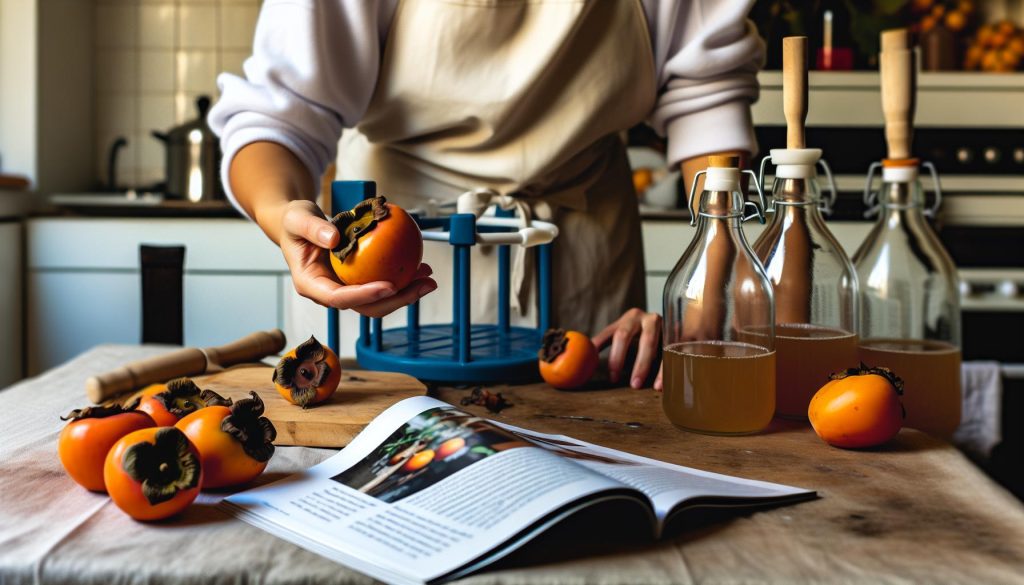
Have you ever thought about making your own wine at home? Persimmons, with their unique flavor profile reminiscent of plums and peaches with a hint of pumpkin, offer a fantastic opportunity for seasonal fermentation. Crafting persimmon wine isn’t just an engaging project; it’s a chance to savor the fruits of your labor, impress friends and family, and tap into a tradition that connects cultures through the ages.
In this guide, we’ll walk you through the process of creating your own persimmon wine, focusing on elements that make this hobby enjoyable for everyone-regardless of your skill level. You’ll learn about the ingredients needed, the time involved, and some helpful tips to simplify the fermentation process. So, grab your fruits and let’s embark on a flavorful adventure that will elevate your culinary repertoire and bring a bit of homemade magic to your gatherings!
Choosing the Right Persimmons for Wine Making
When it comes to making delightful persimmon wine, the first step is selecting the right type of persimmons. Not all persimmons are created equal, and the flavor and sweetness of your wine will heavily depend on the variety you choose. The most commonly used varieties for winemaking are the Fuyu and Hachiya persimmons. Fuyu persimmons are crisp and sweet, making them excellent for a more refreshing wine, while Hachiya persimmons, which must be very ripe and soft, provide a rich and complex flavor, perfect for a fuller-bodied wine.
For winemaking, it’s essential to ensure your persimmons are at peak ripeness. Look for fruits that are plump, slightly soft to the touch, and have a vibrant orange color. Avoid any with bruises or blemishes. As a rule of thumb, the riper the fruit, the sweeter and more aromatic your wine will be. If you can, let them ripen for a few days at room temperature before starting your winemaking process; this can intensify their natural sugars and flavors, leading to a more robust end product.
Once you’ve selected your persimmons, consider how many you need for your batch. Generally, you’ll want about 10 to 12 ripe persimmons for a gallon of wine. This should yield a lively brew that showcases that unique fruit flavor beautifully. Don’t hesitate to experiment with different types of persimmons or blend varieties to craft a wine that’s uniquely yours. Embrace the creativity of the process and have fun-after all, winemaking is about personal expression and exploration!
In addition to choosing the right persimmons, remember that your cleaning process is crucial. Wash the fruits thoroughly to remove any pesticides or dirt, even if they are organic. Cut the stems off and slice the persimmons, removing any seeds you encounter. This careful preparation will help ensure that your wine is not only delicious but also safe and enjoyable to drink. Happy winemaking!
Essential Tools and Equipment for Fermentation
When embarking on the journey of making persimmon wine, having the right tools and equipment can make all the difference. Winemaking doesn’t require a fancy setup; with a few essential items, you can create delicious fruit-infused wines right in your kitchen. Let’s dive into what you need to start your fermentation adventure.
Fermentation Vessel
One of the most crucial components is your fermentation vessel. A glass carboy is ideal as it allows you to see the fermentation process and keeps the wine protected from light. If you don’t have a carboy handy, a food-grade plastic bucket with a lid will work too. Just make sure it’s clean and sanitized before use to avoid contamination.
Airlock
An airlock is another must-have. This small device lets carbon dioxide escape during fermentation while preventing air from entering, which can lead to spoilage. They are inexpensive and readily available at homebrew shops or online. If you don’t have one, you can create a makeshift airlock using a balloon over the top of your fermentation vessel-just make sure to poke a small hole for gas to escape!
Siphoning Equipment
To transfer your wine between containers without disturbing the sediment (the solids that settle at the bottom), a siphon or racking cane is invaluable. You can use a tube attached to a siphon pump or a simple gravity siphon setup. This step is key for keeping your wine clear as it ages, so investing in a good siphoning tool will help maintain the quality of your final product.
Hydrometer
Understanding the fermentation process also involves measuring the sugar content of your wine. A hydrometer is a handy tool for this, as it helps you determine potential alcohol content and monitor fermentation progress. It’s not mandatory for beginners but provides valuable insights once you get the hang of winemaking.
Bottling Supplies
As your wine matures, you’ll need bottling supplies, including clean bottles and corks. Choose glass bottles, as they are non-reactive and won’t affect the wine’s flavor. A corker makes sealing your bottles effortless and ensures they are airtight, which is vital for aging. Alternatively, if you prefer, you can use screw-top bottles or swing-top bottles for easy access.
By gathering these simple yet essential tools, you can embark on your persimmon winemaking journey with confidence. Remember, the focus is on enjoying the process and experimenting with your creations, so don’t stress about having a perfect setup. Happy fermenting!
Step-by-Step Guide to Making Persimmon Wine
When it comes to crafting your own persimmon wine, the process is not only rewarding but also a delightful way to celebrate the rich, sweet flavors of this unique fruit. Making persimmon wine at home can seem daunting, but it’s all about enjoying the journey, experimenting, and finding flavors that resonate with you. Here’s a simple step-by-step guide that walks you through each phase of making your own delectable batch of persimmon wine.
Start by gathering the following ingredients and equipment:
- 10-12 ripe persimmons (ideally Fuyu or Hachiya varieties)
- 2-3 cups of granulated sugar (adjust to taste)
- 1 gallon of water
- 1 packet of wine yeast
- Equipment: Fermentation vessel (glass carboy or food-grade bucket), airlock, siphon, hydrometer, and clean bottles for bottling.
Step 1: Prepare the Persimmons
Begin by washing the persimmons thoroughly. If you’re using Hachiya persimmons, they should be super ripe and soft. For Fuyu, you can use them when they are still firm. Remove the stems, and then mash the fruit in a large bowl or pot to extract the juice. A simple potato masher or your hands will do the trick. The goal is to break them down as much as possible to release all those delicious flavors.
Step 2: Combine Ingredients
In your fermentation vessel, combine the mashed persimmons with the water and sugar. Stir well until the sugar dissolves completely. This is also the stage to add any additional herbs or spices if you want to experiment with flavors-think cinnamon for warmth or ginger for a little zing!
Step 3: Yeast Time
After dissolving the sugar, it’s time to add the wine yeast. Sprinkle the yeast over the mixture and give it a gentle stir. Make sure the mixture is at room temperature, as hot or cold temperatures can affect yeast activity. Seal your fermentation vessel with an airlock to allow gases to escape while keeping your mixture protected.
Step 4: Let It Ferment
Place your fermentation vessel in a cool, dark area. In about one to two weeks, you should notice bubbling as the fermentation process kicks off. Resist the temptation to open the lid too often-let those natural processes work their magic!
Step 5: Siphon and Bottle
Once bubbling slows down, it’s time to siphon the liquid into clean bottles, leaving the sediment behind. This step is essential for achieving a clear wine. Use a siphon or racking cane to carefully transfer the wine, keeping it off the bottom of your fermentation vessel. Seal your bottles with corks or caps, and date them so you remember when you made your batch.
With these steps, you’re on your way to crafting your very own persimmon wine! The final product is best enjoyed after aging for at least a few months, allowing the flavors to develop fully. Happy fermenting!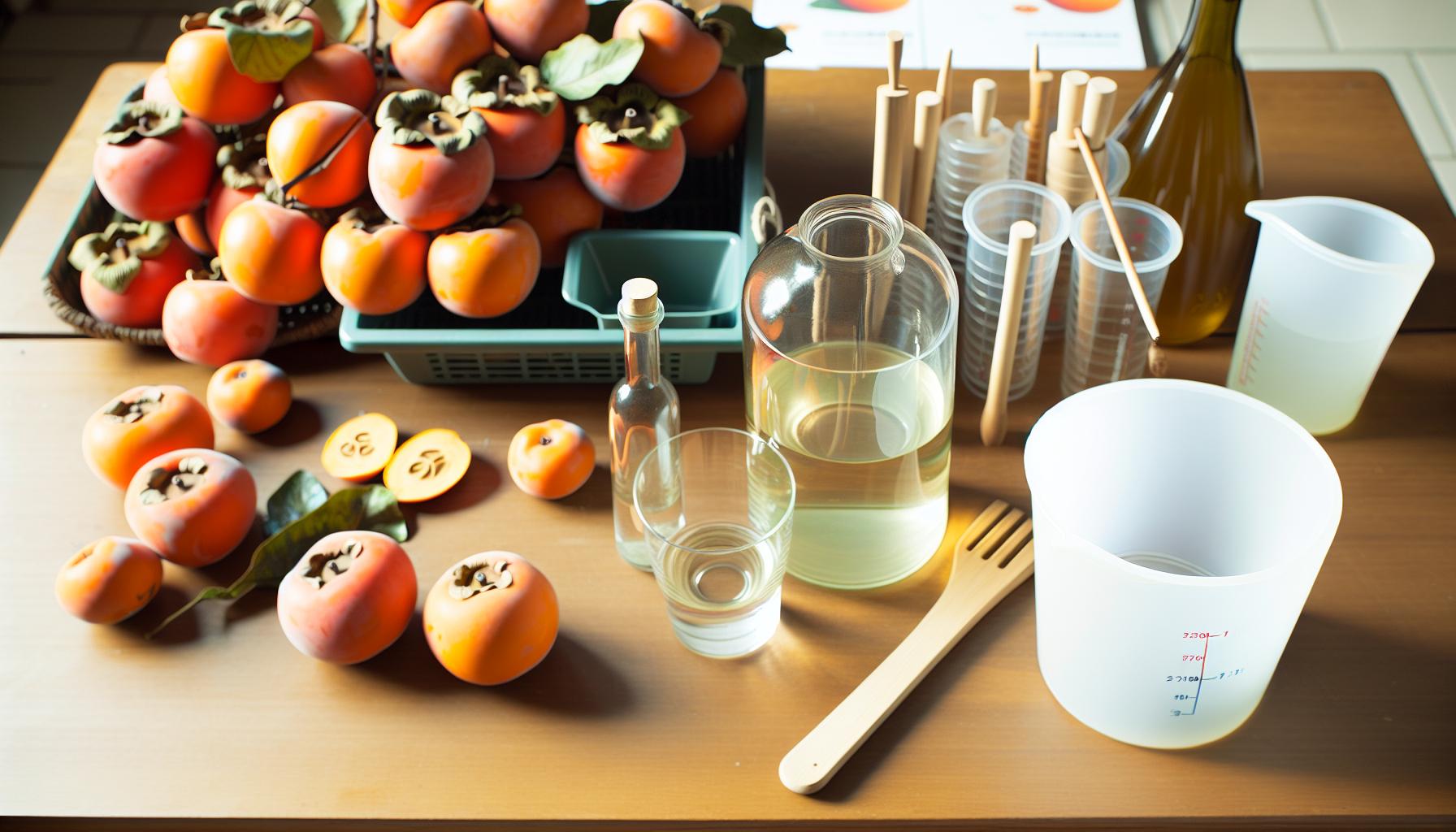
Understanding Fermentation: The Science Behind It
Fermentation is a magical process that transforms simple ingredients into something extraordinary-like your homemade persimmon wine. At its core, fermentation is the biochemical conversion of sugars into alcohol and carbon dioxide by yeast. This natural process not only preserves the fruit but also develops complex flavors that can’t be replicated by any other means. As you embark on making your own persimmon wine, understanding this science will demystify the journey and enhance your brewing adventure.
The heart of fermentation lies in the yeast you introduced to your mixture. When you add the wine yeast, these microscopic organisms get to work consuming the sugar in your persimmon mash. Depending on the yeast strain, fermentation can produce different flavor profiles, which is why it’s delightful to experiment with various types. Typically, the fermentation phase will last from one to three weeks, during which the bubbling you observe is a sign that CO2 is escaping, a natural byproduct of this fermentation process.
To ensure that fermentation goes smoothly, several factors come into play. Temperature is critical; most wine yeasts thrive between 60°F to 75°F (15°C to 24°C). Too hot, and you risk killing the yeast; too cold, and fermentation may stall. Additionally, maintaining proper pH levels can also influence the quality of your wine. Feel free to invest in a simple pH test kit to keep an eye on this aspect. A slightly acidic environment (around 3.0 to 3.5 pH) is conducive to yeast health and can help inhibit unwanted bacteria.
Once fermentation slows down, it’s critical to siphon the wine into clean bottles, leaving behind the sediment. This sediment is made up of dead yeast cells and other particulates. Filtering your wine will not only clarify it but also enhance its taste and mouthfeel. As your persimmon wine ages, it will develop an even richer flavor, blending the initial fruity sweetness with the depth brought about by fermentation. The science of fermentation transforms those ripe persimmons into a homemade treat that sings with seasonal flavors, ready to be enjoyed and shared!
Flavor Variations: Experimenting with Other Ingredients
Experimenting with different ingredients can take your persimmon wine to exciting new flavor dimensions! While the natural sweetness and unique flavor profile of persimmons form a delicious base, adding complimentary ingredients can elevate your creation to a new level. Think of this as your canvas to paint with various flavors that resonate with your taste and preferences.
One popular option is to incorporate spices. For instance, adding a pinch of cinnamon or cardamom during fermentation can introduce warm, aromatic notes that pair beautifully with the fruity undertones of persimmons. A small amount-about 1/4 teaspoon-per gallon should be sufficient to make a noticeable difference without overpowering the wine’s natural flavors.
Fruits are another wonderful avenue for exploration. Mixing in a handful of apple or pear slices can enhance the wine’s complexity, introducing a crispness that complements the mellow persimmon notes. You could also experiment with dried fruits like apricots or cherries, which will rehydrate and infuse their flavors into the wine as it ferments. Just ensure that any additional fruits are processed in a similar way to the persimmons to maintain a balanced consistency.
For those looking to add a twist of acidity or tartness, consider incorporating citrus zest-lemon or orange works well-during the fermentation phase. This will brighten the wine, making it refreshing and crisp. Alongside, adding a bit of honey or maple syrup can enhance sweetness naturally, but use it sparingly to avoid overwhelming the primary flavors. Start with a tablespoon per gallon and adjust to taste.
Lastly, don’t hesitate to experiment with herbaceous notes! Fresh herbs like mint or basil can lend intriguing nuances to your wine. Just remember that herbs can be potent, so start with a few leaves, taste as you go, and adjust according to your preference.
Ultimately, the key to creating your unique persimmon wine lies in tasting and adjusting throughout the fermentation process. Don’t shy away from creativity-your kitchen is a laboratory of flavor waiting to be discovered!
Troubleshooting Common Issues in Persimmon Wine
Fermenting persimmon wine can be a delightful adventure, but like any home brewing experience, it may come with a few hiccups along the way. Knowing how to troubleshoot common issues can save your batch and ensure that your wine turns out deliciously. Here are some common challenges you might face and tips to address them.
One of the most common problems is stuck fermentation. If your fermentation seems to have halted before expected, it could be due to insufficient sugar levels or temperature variations. Check your specific gravity using a hydrometer; if it’s higher than what you anticipated after a few days, consider adding a small amount of sugar-about 0.5 ounces per gallon should help spark the yeast back to action. Also, ensure the fermentation area is warm enough; ideally, it should be between 70°F to 75°F (21°C to 24°C). If it drops below this range, gently warm it up.
Another issue that might arise is off-flavors. Sometimes, your wine might develop undesired tastes, such as sourness or bitterness. This could result from the presence of wild yeast or bacteria. To minimize this risk, always sanitize your equipment thoroughly before starting. If you notice unpleasant flavors after fermentation, you might consider adding a small quantity of potassium metabisulfite to stabilize the wine. This can help prevent oxidative changes and reduce off-flavors.
Cloudiness can also be a concern. If your persimmon wine is cloudy after fermentation, don’t fret! This is often caused by pectin from the fruit. You can clarify your wine by adding a fining agent like bentonite, which binds to the particles causing turbidity, allowing them to settle out. Stir gently before letting it rest, and you’ll see your wine clear up beautifully.
Lastly, bottle conditioning issues can arise if your bottles carbonate too much. If you notice excessive fizz upon opening, it could mean you added too much priming sugar before bottling. In this case, consider refrigerating the bottles to slow down the yeast metabolism, which will mitigate the continuation of fermentation. If you’re cautious about this step, always err on the side of using a lower amount of sugar for a gentle carbonation.
By being vigilant and addressing these common issues with care and creativity, you can turn your persimmon winemaking experience into a rewarding and enjoyable endeavor. Happy fermenting!
Bottle and Store: Best Practices for Aging Wine
The way you bottle and store your persimmon wine can significantly affect its aging process and overall flavor. Did you know that the right conditions can enhance the taste and complexity of your homemade wine, allowing flavors to meld and mature beautifully? Here are some best practices to ensure your persimmon wine ages gracefully.
Start with clean, sanitized bottles to prevent any unwanted bacteria from ruining your hard work. Glass wine bottles with corks are ideal, but you can also use flip-top bottles for easier access. After bottling, be sure to leave about an inch of space at the top, known as headspace. This allows for any natural gas that might build up during aging without risking an overflow.
Once bottled, store your persimmon wine in a cool, dark place, ideally at a consistent temperature between 55°F and 65°F (13°C to 18°C). Light and heat can degrade the wine over time, so a dark cellar or a wine fridge works wonders. If you don’t have a wine fridge, a closet or space under the stairs can serve well, just ensure it’s away from external heat sources.
It’s also essential to store your bottles horizontally, especially if you’re using corks. This keeps the cork moist and prevents it from drying out, which could allow air to seep in and spoil your wine. If you’re using screw caps, this isn’t a concern, but horizontal storage is still recommended for uniform temperature.
Regarding aging duration, persimmon wine can benefit from a few months in the bottle, with many homebrewers finding that waiting six months or even a year reveals richer flavors and a smoother profile. However, it’s fun to do a tasting after a few months and then again at different intervals to discover how the wine evolves.
Finally, when you’re ready to enjoy your persimmon wine, consider aerating it a bit before serving. Pouring it into decanters or simply letting it sit in the glass allows the aromas to blossom, enhancing the overall tasting experience. So, embrace the process of aging your homemade persimmon wine; it’s a journey of flavor waiting to unfold!
Creative Serving Ideas for Your Persimmon Wine
There’s something truly magical about sharing a glass of homemade persimmon wine with friends and family, especially when you’re ready to show off your culinary creation. Creative serving ideas can elevate your wine experience from delightful to unforgettable. Let’s delve into some fun and innovative ways to serve your persimmon wine that will impress your guests and enhance the flavors of your homemade brew.
One fantastic idea is to serve your persimmon wine chilled, but don’t stop there-consider infused ice cubes! You can freeze small chunks of fresh persimmons, cranberries, or even aromatic herbs like mint or rosemary in your ice cubes. When added to glasses of persimmon wine, these cubes will not only keep your drink cool but will also infuse it with extra flavors as they melt. This visually appealing twist adds a festive touch that showcases your creativity and enthusiasm.
Another great serving option is to create a stunning wine spritzer. Mix equal parts of your chilled persimmon wine with sparkling water or club soda, and add a splash of citrus juice-think lemon, lime, or even a splash of orange. Serve it over ice in tall glasses, garnished with a slice of fresh fruit and a sprig of mint. This refreshing take provides a delightful balance to the sweetness of the wine and allows for easy sipping during warm gatherings.
For more culinary imagination, explore pairing your persimmon wine with food. Consider a cheese and charcuterie board that features rich, creamy cheeses like brie or camembert, which contrast beautifully with the fruity notes of the wine. Add some thinly sliced prosciutto, savory crackers, and a few slices of fresh persimmon to complete the experience. You can even encourage guests to experiment with different pairings at the table, making it interactive and fun.
Lastly, don’t shy away from using persimmon wine as a base for signature cocktails. Mixing it with spirits like vodka or gin can lead to exciting new concoctions. Try a simple cocktail with persimmon wine, a splash of tonic, and a hint of elderflower liqueur. Shake it up with ice, then strain it into a chilled glass for a refreshing treat that highlights your winemaking skills in an entirely new light.
Embrace these creative serving ideas to turn your homemade persimmon wine into a standout feature at any gathering. Whether you’re celebrating a special occasion or simply enjoying a lovely evening at home, these suggestions will help you highlight the uniqueness of your wine while making every sip a delightful experience.
Persimmon Wine Pairings: What to Enjoy With
There’s something incredibly delightful about finding the perfect food pairings for your homemade persimmon wine. The unique flavor profile of persimmon wine-sweet, fruity, and beautifully aromatic-offers a wonderful starting point for culinary exploration. Whether you’re hosting a gathering or enjoying a cozy evening at home, considering how to complement your wine with a thoughtfully curated menu can elevate the entire experience.
Cheese and Charcuterie
One of the classic pairings is a cheese and charcuterie board. The rich and creamy textures of cheeses like brie or camembert beautifully offset the sweetness of persimmon wine. Add thinly sliced cured meats like prosciutto or soppressata for a savory contrast. Incorporating some crunchy, savory crackers and fresh persimmon slices can also enhance the presentation and flavor profile. Don’t forget some nuts-like walnuts or almonds-to add an extra layer of texture.
Salads with a Twist
Pairing your persimmon wine with salads can also be delightful! Try a fall salad featuring roasted butternut squash, goat cheese, and a handful of arugula, dressed with a light vinaigrette. The sweetness of the squash and the tanginess of the cheese resonate wonderfully with the wine’s flavor. Adding toasted pumpkin seeds for crunch provides an exciting contrast. You could even experiment with a persimmon salad using sliced fresh persimmons, mixed greens, and a honey-balsamic dressing to tie in the flavors with your wine.
Desserts to Savor
Don’t overlook desserts! Persimmon wine pairs beautifully with light desserts. Consider a fruit tart topped with seasonal fruits or even a simple cheesecake drizzled with honey. The sweet and creamy notes in these desserts match well, making each bite and sip a soothing experience. A fruit salad with seasonal fruits and a splash of citrus creates a refreshing finish that balances the richness of heavy desserts.
Creative Cocktails
And if you’re in the mood to mix things up, don’t hesitate to transform your persimmon wine into a unique cocktail. For instance, a persimmon wine spritzer-mixing wine with club soda and a squeeze of lemon-creates a light, effervescent drink perfect for brunch or casual gatherings. Garnish it with fresh herbs or a citrus slice for an added touch.
As you explore these pairings, remember that the goal is to celebrate the flavors of your homemade persimmon wine while creating a joyful atmosphere for sharing and enjoying good food. Enjoy the process, and don’t hesitate to be adventurous in your pairings!
Benefits of Home Fermentation: Why Try This?
There’s magic in creating your own fermented beverages right in your kitchen, and making persimmon wine is a fantastic way to dive into this art. Home fermentation isn’t just a trend; it’s an enjoyable and rewarding experience that embodies creativity and self-sufficiency. Just imagine the pride of sharing a glass of wine you crafted yourself, crafted from fresh, seasonal ingredients like ripe persimmons.
One of the biggest benefits of home fermentation is the control it gives you over the ingredients. You can choose high-quality, organic persimmons, adjust the sweetness, and even experiment with additional flavors to create something uniquely yours. This level of customization means you can tailor your wine to suit your taste preferences. Want a bolder flavor? Try adding spices like cinnamon or vanilla. Prefer it sweeter? A little honey can do wonders.
Moreover, the process of fermenting isn’t as complicated as it might sound. With just a few essential tools-like a fermentation vessel, airlock, and bottles-you can embark on this rewarding journey. Home winemaking is a fun and educational endeavor that demystifies the fermentation process, making it accessible for all skill levels. Allow yourself to make mistakes; that’s how you’ll learn and improve for the next batch.
On top of the satisfaction of creating your own wine, the benefits extend to health as well. Fermented drinks can support gut health due to the presence of probiotics, and the natural sugars from the fruit make for a deliciously refreshing alternative to commercial wines that may contain additives and preservatives. Plus, it fosters a sense of community; sharing your homemade wine with friends and family creates a shared experience that often leads to joyful gatherings and celebrations.
In essence, venturing into home fermentation offers not just a beverage, but a hobby filled with exploration and enjoyment. Whether you’re looking to impress guests or simply experiment with flavors, persimmon wine is a delightful project that promises both fun and flavorful results. So roll up your sleeves, and let the fermentation begin!
The History and Culture of Persimmon Wine
The tradition of persimmon wine has deep roots, especially in East Asia, where the fruit hails from. Cultures in countries like Korea and Japan have been fermenting persimmons for centuries, not only for their sweet flavor but also for their nutritional benefits. It’s fascinating to note that persimmons were among the first fruits fermented into alcoholic beverages long before grapes gained popularity in the winemaking world. This colorful fruit can transform into a delightful and unique wine that reflects its rich cultural heritage.
In Korea, for example, persimmon wine, known as “danjeongju,” has been a part of special celebrations and feasts, often made from the beautiful, sweet Fuyu variety, which is non-astringent and perfect for fermentation. The process is steeped in local customs, where families would come together to create this seasonal delight, celebrating harvest time and sharing stories as they prepared their ingredients. Similarly, in Japan, persimmons are not only valued for their taste but are also considered a symbol of good luck. This reverence is reflected in their approach to crafting persimmon wine, where care and respect for the fruit and the fermentation process play crucial roles.
Making your own persimmon wine connects you with this cultural history and allows you to add your personal touch to a time-honored practice. Whether you’re sourcing your persimmons from a local farmer’s market or a backyard tree, you’re participating in a global tradition that highlights the fruit’s versatility. The joy of crafting this wine at home means you can infuse your experience with creativity-perhaps by adding spices commonly used in your family, evoking memories and flavors that are uniquely your own.
As you dive into the winemaking process, remember that the spirit of persimmon wine is about exploration and sharing. Many enthusiasts enjoy experimenting with variations, combining persimmons with other seasonal fruits or even herbs to create something entirely new. Each batch tells a story, connecting you to both the past and the present, and offering a reason to gather friends and family for tastings and celebrations of your homemade craftsmanship. This cultural heritage goes beyond just creating a beverage; it embodies community, tradition, and the joy of homemade creativity.
Sharing Your Persimmon Wine Journey: Community Tips
There’s a special joy in sharing the journey of persimmon wine making with others, blending traditions and personal stories into each batch. Engaging with a community of fellow fermenters can enrich your winemaking experience, offering insight, inspiration, and a sense of camaraderie. Don’t hesitate to reach out to local homebrew clubs, online forums, or social media groups dedicated to home fermentation. These platforms are treasure troves for tips and tricks from seasoned winemakers, helping you troubleshoot and fine-tune your process.
When you embark on this delicious adventure, consider hosting a tasting party. Invite friends to sample different variations of your persimmon wine, and encourage them to bring their own creations or favorite pairings. To make it interactive, set up a “Flavor Fusion” station where guests can add herbs, spices, or even other fruits to your wine. This kind of experimentation can lead to delightful surprises and new favorite flavors.
Documenting your process and results can be immensely rewarding. Keep a fermentation journal where you note the ingredients, techniques, and outcomes of each batch. Include tasting notes, what worked, what didn’t, and any adjustments you plan for next time. This not only enhances your understanding of the fermentation process but can also serve as a valuable resource for fellow winemakers looking to learn from your journey.
Lastly, don’t forget to celebrate the community aspect of this craft! Collaborate with others to share resources, swap fruit, or even co-host a wine-making workshop. The stories and experiences you gather along the way will not only deepen your connection to the art of fermentation but also cultivate lasting friendships centered around the joy of homemade wine. Go forth and let your persimmon wine tell a story-your story!
Faq
Q: What types of persimmons are best for wine making?
A: Fuyu and Hachiya persimmons are the most popular varieties for wine making. Fuyu are non-astringent and can be used when still firm, while Hachiya are astringent and need to be fully ripe and soft for optimal flavor. Choosing ripe fruits enhances your wine’s taste significantly.
Q: How long does it take to ferment persimmon wine?
A: Fermentation for persimmon wine typically takes about 4 to 6 weeks. This includes primary fermentation (around 3 weeks) and secondary fermentation (1 to 3 weeks). Monitoring specific gravity can help you determine when fermentation is complete, ensuring the best flavor.
Q: Can I add spices or other fruits when making persimmon wine?
A: Yes, adding spices like cinnamon or other fruits can enhance the flavor. Experimenting with ingredients during the fermentation process allows for unique taste profiles. Consider adding ingredients after primary fermentation for the best results.
Q: What should I do if my persimmon wine tastes too sweet?
A: If your persimmon wine is too sweet, try adjusting the balance with acidity. You can add a little citric acid or lemon juice to counteract the sweetness. Also, ensure fermentation is complete, as stalled fermentation can lead to excess sugar.
Q: How should I store persimmon wine after bottling?
A: Store persimmon wine in a cool, dark place. Ideally, keep it in a wine cellar or a wine fridge at a stable temperature of around 55°F (13°C). Avoid light exposure to maintain flavor integrity and allow it to age gracefully.
Q: Is persimmon wine gluten-free?
A: Yes, persimmon wine is gluten-free. Since it is made purely from fruit, sugar, and yeast, it does not contain any gluten-containing ingredients. This makes it a safe choice for those with gluten sensitivities.
Q: Can I use overripe persimmons for wine making?
A: Overripe persimmons can still be used for wine making, but their flavor may differ. They are often very sweet and soft, so adjust your sugar levels accordingly during the fermentation process for a balanced wine.
Q: What is the best way to taste my persimmon wine?
A: Taste your persimmon wine periodically during the aging process to monitor its development. Use a clean glass to sample. This helps gauge its flavor profile and decide when it’s at its best for bottling or serving.
Key Takeaways
Now that you know how to make persimmon wine, it’s time to celebrate your homemade creativity! This unique fermentation project not only highlights the vibrant flavors of seasonal persimmons but also allows you to experiment with different variations to find your perfect blend. Whether you’re a seasoned winemaker or just starting out, remember that the journey is just as delightful as the final product.
Feeling inspired? Don’t stop here! Check out our other articles on how to pair your homemade wine with food, and discover tasty persimmon recipes to enjoy with friends and family. Join our community for regular updates, tips, and ideas by signing up for our newsletter. Your next delicious adventure awaits-the kitchen is calling, so dive in and make some fabulous food today!