
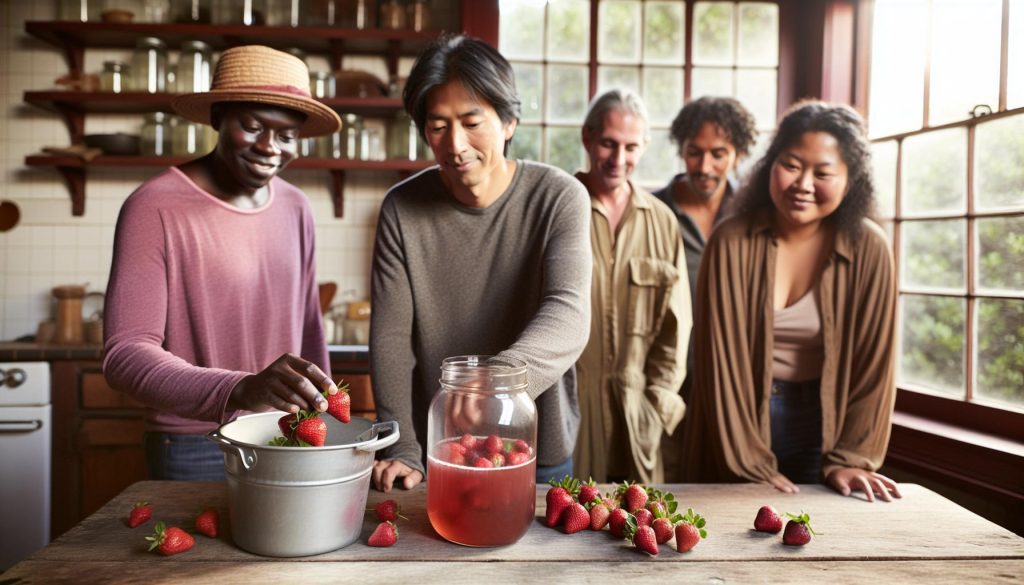
Imagine sipping a refreshing glass of homemade strawberry wine while basking in the sun, the sweet aroma of ripe strawberries tantalizing your senses. Making your own strawberry wine is not only easier than you might think, but it also allows you to celebrate the delightful essence of summer in every sip. In this guide, we’ll walk you through a simple, step-by-step recipe that even beginners can master. No fancy equipment is required-just fresh strawberries, a few basic ingredients, and a little patience. Whether you’re looking to impress guests at your next gathering or simply trying to enjoy a unique homemade beverage, this strawberry wine recipe is sure to become a favorite. So, let’s dive into the fun and rewarding world of winemaking, where creativity meets deliciousness!
Choosing the Perfect Strawberries for Wine Making
The secret to crafting a delightful strawberry wine starts with selecting the best strawberries. Choosing the right berries can significantly influence the flavor and quality of your wine. Look for strawberries that are vibrant red and fully ripe, as color is an excellent indicator of sweetness and flavor. Freshness is key; ideally, pick berries early in the morning when they’re cool and full of juice. Avoid any strawberries that show signs of mold or bruising, as these defects can compromise your wine’s taste.
When it comes to variety, consider using June-bearing strawberries for their rich, concentrated flavors. These are typically in season from late spring to early summer. However, if they’re not available, everbearing strawberries can also work well, offering a different flavor profile that might add a unique twist to your wine. Regardless of the type, ensure your strawberries are organic if possible, as they’ll have fewer chemical residues and a more authentic taste.
Once you’ve selected your strawberries, washing them gently under cool water is essential to remove any dirt or debris. After rinsing, remove the green tops and hulls. It’s crucial to handle the strawberries with care, as bruising them can cause them to oxidize and introduce off-flavors during fermentation. If you’re looking for an extra boost of flavor, consider using a mixture of fresh and frozen strawberries; the latter can enhance the overall taste while also providing a consistent texture. Your attention to detail in selecting and preparing strawberries will lay the groundwork for a refreshing and delicious homemade strawberry wine.
Essential Tools for Making Strawberry Wine

Crafting homemade strawberry wine is an exciting journey that starts with gathering the right tools. Fortunately, you don’t need an expensive winemaking setup to get started-just a few common household items and some easy-to-find equipment. This approach keeps the process accessible and enjoyable for everyone, whether you’re a first-time winemaker or a seasoned enthusiast.
To begin with, you’ll need a large container for fermentation. A food-grade plastic bucket or glass carboy works wonderfully. The container should be at least 2 to 5 gallons to accommodate the mixture. You’ll also want an airlock, which is crucial for allowing gases to escape during fermentation while keeping out contaminants. If you don’t have an airlock, a simple balloon can work in a pinch; just poke a few small holes in it before stretching it over the top of your container.
Next, invest in a good quality hydrometer. This handy tool measures the sugar content of your mixture and helps you determine the potential alcohol content of your wine. It’s also a great way to track fermentation progress. Combine this with a long stirring spoon for mixing your ingredients, and you’re set!
Additionally, a fine mesh strainer or cheesecloth will be essential when it’s time to separate the liquid from the solids after the fermentation phase. This helps capture all those juicy flavors while leaving behind the berry pulp. Finally, don’t forget about bottles! Clean, sterilized wine bottles are essential for storing your finished product. Depending on your preference, you can use corked or capped bottles, which keeps the wine fresh and ready to enjoy.
In summary, creating strawberry wine is an easy and rewarding process when you have the right tools at your disposal. Here’s a quick checklist to streamline your winemaking adventure:
- Food-grade fermentation container (2-5 gallons)
- Airlock (or balloon)
- Hydrometer
- Long stirring spoon
- Fine mesh strainer or cheesecloth
- Sterilized wine bottles
With these essentials, you’re ready to embark on your homemade strawberry wine journey, celebrating the joy of winemaking in your very own kitchen!
Step-by-Step Guide to Homemade Strawberry Wine

Crafting your own strawberry wine can be a delightful adventure that fills your home with gorgeous aromas and a sense of accomplishment. This process is rewarding and surprisingly straightforward, combining fresh strawberries, sugar, water, and a bit of patience. Whether you’re a winemaking novice or a seasoned dabble, here’s how you can transform ripe, juicy strawberries into a refreshing homemade wine.
To get started, you’ll first want to gather your key ingredients. For about one gallon of strawberry wine, you’ll need 2 to 3 pounds of fresh strawberries, 2 to 3 cups of sugar, and about a gallon of water. You may also want to add a pinch of yeast-specifically champagne yeast, which is ideal for fruit wines, enhancing both flavor and fermentation efficiency.
Begin by washing your strawberries thoroughly to remove any dirt or pesticides. Remove the stems and slice the berries in half to allow for maximum extraction of flavor. Place the strawberries in a large fermentation container, mashing them gently to release their juices. This step is crucial, as it helps to kickstart the flavor release process.
Once your strawberries are prepared, it’s time to mix in the sugar. Start by dissolving the sugar in a small amount of warm water. Combine this sugary mixture with your mashed strawberries, stirring well. After that, pour in the rest of the water to fill your fermentation vessel-make sure to leave some space at the top to allow for foaming during fermentation.
Now, it’s time to introduce the yeast. If you haven’t yet, rehydrate the yeast according to package instructions, then sprinkle it over the surface of your mixture. Some people like to stir it in, while others prefer to let it sit on top and do its magic. Cover your fermentation container with a clean cloth to keep out contaminants while allowing gas to escape.
As the days pass, wiggle your way into checking on your creation. Fermentation usually kicks off within a day or two. You’ll notice bubbling and a frothy layer on top, signifying that your strawberries are working their magic. After about one week, use a fine mesh strainer or cheesecloth to separate the liquid from the solids, discarding the pulp. Pour the liquid into a clean fermentation container, and attach your airlock or balloon (with holes) to allow it to continue fermenting.
Patience is your best friend now; let your strawberry wine mature in a cool, dark place for about four to six weeks. You can taste your wine at intervals to gauge its sweetness and overall flavor, adjusting sugar levels if necessary using a simple syrup. Once it reaches your desired taste, transfer your wine into clean, sterilized bottles. Seal them up, and voilà! You’ve made strawberry wine that’s ripe for savoring or sharing.
Remember, winemaking is as much an art as it is a science. Feel free to experiment with flavors, such as adding spices or other fruits. Enjoy the process, trust your instincts, and salute to your example of homemade creativity!
Fermentation Process Explained: What to Expect
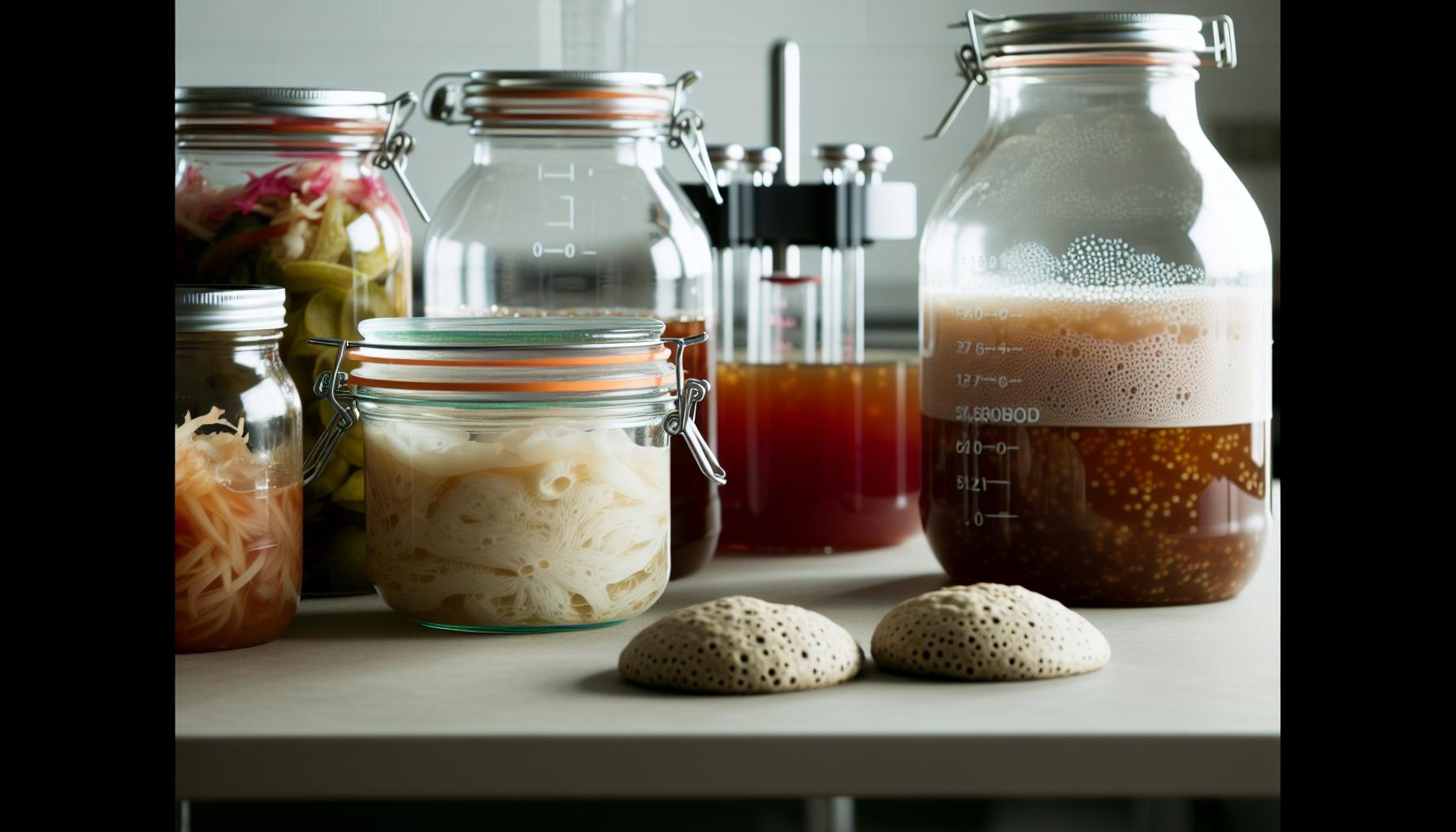
The magical transformation of your strawberry mixture begins with fermentation, a crucial step in creating that delightful homebrew. Understanding what to expect during this process can help you take control and make necessary adjustments along the way. Typically, fermentation kicks off within 24 to 48 hours after introducing your yeast to the strawberry mixture. You’ll know it’s working because you’ll see bubbles rising to the surface, accompanied by a frothy layer that forms on top. This bubbling is a sign that the yeast is consuming the sugars from the fruit and producing carbon dioxide and alcohol.
As fermentation progresses, it’s essential to monitor the aromas and the bubbling activity. This stage usually lasts about one week, during which the most vigorous activity happens. If all goes well, you’ll notice a soothing, fruity scent filling your kitchen. However, take care not to introduce contaminants by ensuring your fermentation container is covered with a clean cloth. This setup lets gases escape while keeping pesky bugs and debris at bay. If you observe a slow down in bubbles toward the end of the week, it’s likely time to strain and transfer your liquid to another container, leaving the solids behind.
After separating the liquid from the solids, you’ll want to introduce an airlock or balloon with holes to allow any remaining gases to escape without letting outside air in. This is your wine’s opportunity to continue developing its flavors and alcohol content in a controlled manner. During this time, patience is key! Allow your wine to sit undisturbed for about four to six weeks in a cool, dark spot. This resting phase not only enriches the flavor but also enhances the clarity of your wine.
Don’t forget to check in periodically! You can taste the wine as it matures to see how it’s developing. If it’s too sweet for your liking, consider adding a little more sugar syrup. Remember, fermentation is as much about sensory exploration as it is about technique. Embrace the unexpected notes that may arise, and don’t hesitate to embrace your creativity by experimenting with different fruit or spice additions-all of which can add a unique twist to your delightful strawberry concoction. Enjoy this wonderful journey, and soon you’ll have a rewarding and delicious homemade strawberry wine that’s ready to share!
Flavor Variations: Creative Twists on Strawberry Wine
The beauty of homemade strawberry wine lies not only in the joy of crafting it but also in the myriad of flavor variations you can explore. By venturing beyond the traditional ingredients, you can create truly unique and delightful concoctions that reflect your personal taste and style. Even if you’re starting with classic strawberry, adding a twist can elevate your creation from everyday to extraordinary.
One simple but effective way to enhance your strawberry wine is to incorporate complementary fruits. Think about adding:
- Raspberries: Their tartness pairs beautifully with the sweetness of strawberries.
- Limes or Lemons: A splash of citrus can add brightness and balance, cutting through the sweetness.
- Peaches: Their juicy, sweet flavor deepens the profile of your wine, creating a summer sensation.
Simply blend these fruits in with your strawberries during the initial mashing phase, adjusting the quantities to suit your taste.
Spices and herbs can also create captivating layers in your wine. Consider experimenting with:
- Basil: Adds a refreshing herbal note, making your wine perfect for summer sipping.
- Cinnamon: Just a pinch can evoke warmth, great for cozy evenings.
- Vanilla: A few drops can impart a rich and creamy flavor.
When adding spices, start small. You can always add more, but it’s hard to take away if you’ve overdone it!
Finally, don’t underestimate the power of adding a bit of sweetness or complexity through other liquids. For instance, a touch of local honey or agave can soften the acidity and heighten the fruity notes. If you’re feeling adventurous, try a splash of sparkling wine or a little bit of rum or vodka during the fermentation stage to create delightful depth.
The key here is to taste and adjust as you go. Remember, winemaking is as much about personal expression as it is about technique. So, gather your ingredients, embrace your creativity, and have fun crafting a strawberry wine that’s uniquely yours!
Common Mistakes to Avoid When Making Wine
Making strawberry wine can be an incredibly rewarding experience, but even the most enthusiastic home winemakers make mistakes along the way. Being aware of common pitfalls can elevate your winemaking skills and ensure a delicious final product that you can be proud of.
Firstly, don’t rush the fermentation process. Fermentation can take anywhere from one week to several weeks, depending on various factors such as temperature and the yeast being used. One common mistake is bottling prematurely; this can lead to underdeveloped flavors and, in some cases, unintentional carbonation. Always check that fermentation has fully completed, which you can confirm with a consistent specific gravity reading over a few days.
Another frequent misstep is neglecting sanitation. Cleanliness is crucial in winemaking. Ensure that all your equipment, from fermenters to bottles, is thoroughly sanitized to prevent any unwanted bacteria or wild yeast from spoiling your hard work. A simple solution of water and unscented bleach or a dedicated sanitizer will do wonders to keep your equipment safe.
Additionally, be cautious with sugar balance. Many new winemakers aim for a sweeter wine without considering the overall balance. Too much sugar can lead to a cloying taste, while too little can make your wine too tart. Start with the recommended amounts in your recipe, and adjust gradually, tasting along the way. Remember, you can always add more, but removing excess sugar is much more complicated.
Lastly, keep an eye on the temperature throughout the winemaking process. Both fermentation and aging conditions matter. Too high a temperature can lead to off-flavors, while too low can slow fermentation significantly. Ideally, aim for a controlled environment where temperatures remain steady and within the optimal range for the yeast you are using.
By being mindful of these common mistakes, you’ll not only craft a memorable strawberry wine but also enhance your confidence and enjoyment in the winemaking process. Embrace the creative journey, and don’t be afraid to experiment-just keep these pitfalls in mind, and you’ll be on your way to delicious homemade strawberry wine!
Storage Tips for Your Strawberry Wine
Storing your homemade strawberry wine properly is crucial for maintaining its delightful flavors and aromas. Just like fine wines, your creation deserves the right conditions to thrive, whether you’re enjoying it right away or saving it for a special occasion. Remember, wine can be sensitive to temperature, light, and vibration, so taking a few simple steps can ensure your wine ages gracefully.
Firstly, find a cool, dark location to store your bottles. Ideal temperatures are between 50°F to 60°F (10°C to 15°C), away from sunlight and heat sources. A closet or cellar works wonderfully, but if you don’t have that luxury, a pantry or cupboard can suffice. Just be sure to avoid the kitchen counter, where fluctuations can be more pronounced.
Next, position your bottles horizontally if they have corks. This keeps the cork moist and prevents it from drying out, which could allow air into the bottle and spoil your wine. For screw caps, store them upright, as this isn’t a concern. Also, remember that vibration can disturb the sediment and disrupt the aging process, so choose a stable shelf or cabinet for your precious bottles.
When it comes to long-term storage, you might want to consider using a wine fridge, especially if you’re planning to stockpile your strawberry wine. These specialized units maintain ideal temperatures and humidity levels, making them perfect for preserving your wine’s integrity. If investing in a wine fridge isn’t in the cards, simply ensure that your chosen storage area has mild humidity-excess dryness can lead to cork deterioration.
Lastly, keep a journal of your wines’ creation dates and any flavor notes you discover. This can not only enrich your own wine-making journey but also help you track how your strawberry wine evolves over time. Just picture it: uncorking a bottle a year later and relishing the changes that have taken place. Cheers to your home winemaking adventure!
Serving and Pairing Suggestions for Strawberry Wine
There’s something undeniably special about enjoying a glass of homemade strawberry wine. Its vibrant color and fruity aroma beckon, promising a delightful treat. But the experience doesn’t stop at sipping-pairing your strawberry wine with the right foods can elevate flavors and create memorable moments.
When it comes to serving, consider chilling your strawberry wine slightly. A temperature of around 50°F (10°C) brings out its refreshing qualities. Serve it in wide-bowled glasses to allow those lovely aromas to breathe and mingle. Whether you’re hosting a gathering or enjoying a quiet evening, this little touch makes a difference.
### Perfect Food Pairings
Strawberry wine shines beautifully when paired with both savory and sweet dishes. Here are some scrumptious ideas:
- Cheese Platter: Fresh goat cheese or creamy brie complements the natural sweetness of the wine. Add some honey and crackers for texture and harmony.
- Salads: A mixed green salad with strawberries, feta cheese, and a light vinaigrette creates a refreshing contrast.
- Desserts: Serve alongside a slice of cheesecake, strawberry shortcake, or chocolate mousse for a truly indulgent treat.
- Grilled Meats: Try it with glazed chicken or pork to enhance the flavors, especially when you use a strawberry-based marinade.
### Serving Occasions
Strawberry wine is versatile enough for any occasion. Picture a summer picnic where the wine is the star alongside fresh fruits and pastries. Or imagine cozying up by the fire on a chilly evening, letting its warmth envelop you. It also makes a fantastic addition to brunches, where its fruitiness can dance wonderfully with pancakes or waffles.
Embrace the spirit of creativity! Don’t shy away from experimenting-try mixing your strawberry wine in cocktails or even using it in culinary dishes like sauces or dressings. With homemade strawberry wine in hand, the possibilities are as endless as your imagination. Cheers to the delightful pairing of flavor and fun!
Health Benefits of Strawberry Wine: A Delicious Delight
Did you know that strawberry wine isn’t just a delicious treat; it also comes packed with health benefits? Strawberries themselves are a powerhouse of vitamins, particularly vitamin C, which is known for its immune-boosting properties. When you turn these vibrant berries into wine, they maintain many of these beneficial compounds, offering a refreshing sip that supports your well-being.
One notable aspect of strawberry wine is its rich antioxidant content. Strawberries are loaded with antioxidants like ellagic acid and flavonoids, which help combat oxidative stress in the body. This is significant because oxidative stress has been linked to various chronic diseases. By enjoying a glass of strawberry wine, you can potentially enhance your body’s defenses against these harmful effects while savoring the unique flavors it offers.
Moreover, the fermentation process can further enrich the wine with beneficial compounds. Many of the sugars in strawberries are converted into alcohol, but this process also produces additional nutrients that can be beneficial. Moderate consumption of strawberry wine has been associated with improved cardiovascular health, thanks to its ability to enhance blood circulation and lower cholesterol levels, thanks to the presence of polyphenols.
However, it’s important to enjoy strawberry wine in moderation. While it has health perks, it still contains alcohol, which should be consumed mindfully. Incorporating strawberry wine into a balanced diet-paired with nutritious foods like salads or lean proteins-can lead to a delightful culinary experience that’s good for your taste buds and your health. So the next time you pour yourself a glass, remember that you’re not just indulging in a sweet sip; you’re also embracing a deliciously healthy choice!
Understanding Alcohol Content in Homemade Wine
Homemade strawberry wine isn’t just a delightful indulgence-it’s an exploration of flavors and a fun science experiment in your kitchen! Understanding the alcohol content in your strawberry wine is crucial for both crafting the perfect batch and savoring it responsibly. Alcohol content is primarily determined by the amount of sugar present in your strawberries and how effectively the fermentation process converts that sugar into alcohol.
To break it down simply, the fermentation process involves yeast consuming the sugars from the strawberries and converting them into alcohol and carbon dioxide. The more sugar your strawberries contain, the higher the potential alcohol content. Generally, strawberry wine tends to hover around 8-12% alcohol by volume (ABV), which is similar to many commercial fruit wines. However, achieving your desired alcohol level depends significantly on the following factors:
- Initial Sugar Levels: The natural sugar in ripe strawberries varies, so using fully ripe fruit will yield a sweeter, higher-alcohol wine.
- Yeast Strain: Different yeast strains have varying alcohol tolerances. Some yeast can convert sugar into alcohol more efficiently than others, affecting your ABV.
- Fermentation Time: Allowing more time for fermentation can increase the alcohol content, as the yeast continues breaking down sugar into alcohol.
If you’re keen on controlling the alcohol content, consider measuring the specific gravity of your must (the mixture of crushed strawberries and other ingredients before fermentation) with a hydrometer. Taking readings before and after fermentation will give you a clear picture of the sugar conversion. For example, a reading that drops significantly indicates that the yeast has worked hard to produce alcohol.
After fermentation, tasting your wine can also offer insights into the balance. If the wine tastes sweet, it may have lower alcohol content and residual sugar, while a drier taste usually indicates higher alcohol levels. Adjustments, such as blending with lower-sugar fruits or diluting with water or a neutral alcohol, can help tailor your strawberry wine to your preference.
Remember, wine is about enjoyment and experimentation. With each batch you create, you’ll gain more confidence and insights into the process of winemaking. So, roll up your sleeves, have fun, and let your creative juices flow! Cheers to your adventures in crafting refreshing strawberry wine!
Exploring Strawberry Wine Cocktails: Refreshing Ideas
Are you ready to elevate your homemade strawberry wine into something truly special? Transforming your beloved strawberry wine into a refreshing cocktail is a delightful way to impress guests or enjoy a cozy evening at home. With just a few simple ingredients, you can create a range of cocktails that celebrate the unique flavors of your homemade brew. Let’s dive into some exciting ideas!
Classic Strawberry Wine Spritzer
This light and bubbly drink is perfect for warm days or casual gatherings. Mix equal parts of your strawberry wine and club soda over ice. Add a squeeze of fresh lime for an extra zing and garnish with fresh mint leaves or a few strawberry slices. It’s refreshing and incredibly easy!
Strawberry Wine Sangria
Combine your strawberry wine with a splash of orange juice and soda water in a pitcher for a fruity sangria. Throw in some diced seasonal fruits like peaches, oranges, and even a handful of blueberries for color and flavor. Let it chill for a couple of hours to meld those sweet, fruity tastes, then serve it over ice. This is a fantastic option for summer parties!
Strawberry Mule
Give a twist to the classic Moscow Mule by using your strawberry wine instead of vodka. Mix 2 ounces of strawberry wine with 1 ounce of fresh lime juice in a copper mug filled with ice, then top it off with ginger beer. The combination of sweet strawberries and spicy ginger is irresistible!
Frozen Strawberry Wine Slushies
Blend 1 cup of strawberry wine with 1 cup of frozen strawberries and a tablespoon of honey until smooth. Pour it into glasses and enjoy this frozen treat on a hot day; it’s like a slushy summer dream!
Pairing Ideas
The beauty of these cocktails is that they pair well with many dishes. Consider serving them with light salads, grilled chicken, or desserts like cheesecake or fruit tarts. Don’t forget your friends who prefer non-alcoholic options-just replace the wine with a non-alcoholic strawberry drink for them!
Experimentation is part of the fun! Mix and match flavors, try new garnishes, and don’t hesitate to adjust the sweetness levels. Remember, cooking and cocktail-making is about enjoying the process and having fun with flavors. Cheers to your creative concoctions!
Troubleshooting Your Strawberry Wine Recipe
Even the most passionate home winemakers encounter hiccups in their strawberry wine journey. Understanding how to troubleshoot potential issues not only saves batches but also ensures your wine turns out delicious every time. Here are some common problems you might face and practical solutions to enhance your winemaking experience.
Hazy Wine
If your wine appears cloudy, it might be due to leftover yeast or pulp. To clear it up, allow the wine to sit undisturbed for several weeks, which often helps sediments settle at the bottom. You can also use a clarifying agent, like bentonite, following the product instructions. If you find your wine is still hazy after bottling, don’t fret; many homemade wines have a rustic charm, and this can even be a talking point when sharing with friends!
Too Much Sweetness
If your wine turned out too sweet, it may not have fermented completely. You can address this by opening the bottle and adding a little more yeast or even a bit of acid to balance the sweetness. Let it ferment for a short period longer, tasting occasionally to check for adjustments. Remember that a little sweetness can be delightful, but finding the right balance is key.
Flat Flavor
A flat-tasting wine can be disappointing, especially if you were expecting vibrant strawberry notes. If you find your wine lacks flavor, try re-blending it with fresh strawberry juice or adding some lemon zest to brighten it up. Infusing with herbs such as basil or mint can also provide a refreshing twist. Adjust the flavors gradually, as you can always add more, but removing them can be tricky!
Unpleasant Smells
Sometimes, homemade wines can develop off odors, often due to incomplete fermentation or unwanted bacteria. If you notice a vinegar smell, it’s usually a sign of too much exposure to air. Ensure that your fermentation vessels are properly sealed and consider using an airlock next time to prevent this. If your wine smells musty, it might have been exposed to mold. In this case, you may need to discard the batch. Always keep your workspace clean to prevent contamination.
Too Low Alcohol Content
If your strawberry wine didn’t reach the desired alcohol level, it could be due to insufficient fermentation time or low sugar content in your fruit. Ensure that you’re using ripe strawberries with plenty of sugars, and monitor the fermentation closely for proper activity. Adding a bit of sugar at the initial stages can also help boost alcohol content, just be cautious not to overdo it!
With these troubleshooting tips in hand, you’ll be better equipped to tackle any challenges that arise in your winemaking adventure. Remember, each mistake offers a valuable lesson, and every bottle is a chance to create something uniquely yours. So keep experimenting, tasting, and enjoying the creative process; with perseverance, you’ll craft the strawberry wine of your dreams!
Frequently asked questions
Q: What type of strawberries are best for making wine?
A: The best strawberries for wine-making are fresh, ripe, and sweet. Look for varieties like Chandler or Nikita, as they have high sugar content, which enhances fermentation. Avoid overripe or moldy fruits to ensure a good flavor profile. Check the section on Choosing the Perfect Strawberries for Wine Making for more tips.
Q: How long does it take to ferment strawberry wine?
A: Strawberry wine typically takes about 4 to 6 weeks to ferment fully. This varies depending on factors like temperature and yeast type. Keep an eye on the bubbles in your fermentation vessel; once activity stops, it’s ready for bottling.
Q: Do I need special equipment to make strawberry wine?
A: You don’t need expensive equipment! Basic items such as a fermenter, airlock, and bottles suffice. Ensure you have supplies like sanitizers and a hydrometer to measure specific gravity. For a detailed list, check the Essential Tools for Making Strawberry Wine section.
Q: Can I make alcohol-free strawberry wine?
A: Yes, you can create non-alcoholic strawberry wine by halting fermentation before alcohol develops. Use pasteurized juice or halt fermentation with potassium sorbate. Explore more in the Troubleshooting Your Strawberry Wine Recipe section for guidance.
Q: What common mistakes should I avoid when making strawberry wine?
A: Common mistakes include not utilizing clean equipment, overlooking sanitation, or using under ripe fruit. These issues can lead to off-flavors or spoilage. Be sure to read the Common Mistakes to Avoid When Making Wine section for more insights.
Q: How should I store homemade strawberry wine?
A: Store homemade strawberry wine in a cool, dark place at consistent temperatures to maintain quality. Use bottles with corks or screw caps, and age for at least a few months for improved flavor. For longer preservation, refer to the Storage Tips for Your Strawberry Wine section.
Q: What foods pair well with strawberry wine?
A: Strawberry wine pairs beautifully with cheese, desserts, and light salads. It complements strawberries in dishes and cuts through creamy textures. Check the Serving and Pairing Suggestions for Strawberry Wine for more pairing ideas.
Q: What are the health benefits of strawberry wine?
A: Strawberry wine may offer benefits like antioxidants from strawberries, which can improve heart health. However, moderation is key to enjoying these benefits without the downsides of alcohol. Learn more in the Health Benefits of Strawberry Wine: A Delicious Delight section.
Explore our full guide on How to Make Strawberry Wine for deeper insights and tips to enhance your winemaking journey!
Future Outlook
Congratulations on learning how to make your own refreshing strawberry wine! Remember, the key to success lies in choosing the ripest strawberries and following the steps carefully. If you enjoyed this recipe, don’t miss our guide on “10 Tips for Perfect Home Winemaking” and “How to Pair Your Strawberry Wine with Food” to enhance your winemaking journey.
Ready to get started? Don’t wait! Gather your ingredients and begin your winemaking adventure today. We’d love to hear about your experiences-share your thoughts or any variations you try in the comments below! For more delicious recipes and tips, be sure to sign up for our newsletter and explore our site for even more culinary inspiration. Homemade wine is just the beginning; let your creativity soar! Cheers to your next bottle!