
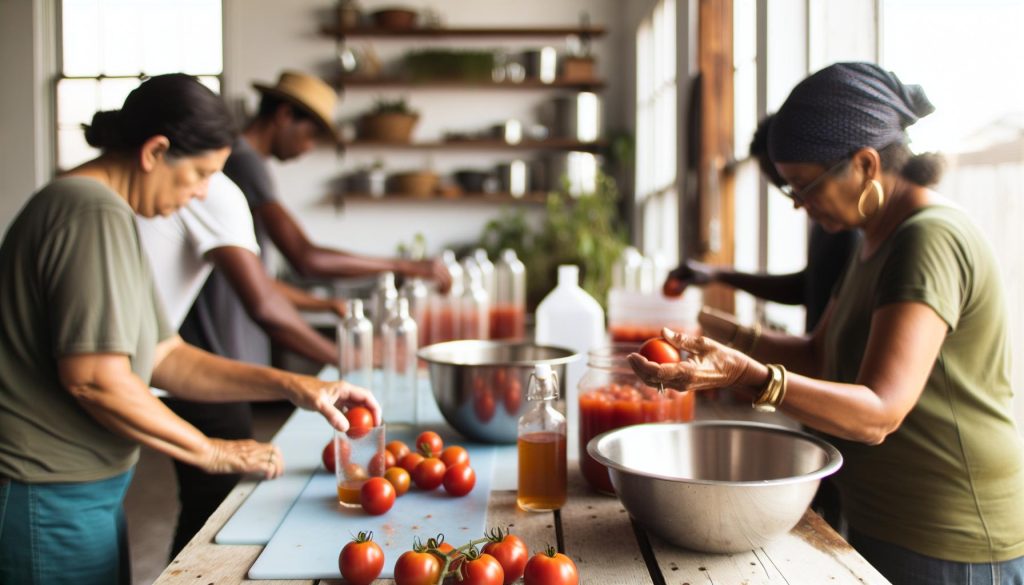
Imagine transforming ripe, juicy tomatoes into a unique, flavorful wine that delights your palate and impresses your friends! While most of us think of grapes when it comes to winemaking, tomatoes can offer a surprisingly delicious alternative. This unusual yet delightful homemade recipe not only showcases your creativity in the kitchen but also makes use of that abundant summer harvest.
If you’ve ever wondered how to elevate tomatoes beyond salads and sauces, this is your chance! Making tomato wine is surprisingly simple and can be a fun project for both seasoned cooks and beginners alike. You don’t need any fancy equipment-just some ripe tomatoes, a few basic ingredients, and a bit of patience. So, roll up your sleeves and get ready to embark on an exciting culinary adventure that results in a unique beverage, perfect for sipping or gifting. Curious about how to start? Let’s dive into the steps of making your very own tomato wine!
How Tomato Wine Works: The Science Behind It
The art of tomato wine production draws on basic principles of fermentation, using the natural sugars found in ripe tomatoes to create a unique and flavorful beverage. When tomatoes are crushed and combined with water and sugar, the fermentation process begins. This process involves yeast converting the sugars into alcohol and carbon dioxide. Understanding this science not only helps in crafting a delightful drink but also empowers you to experiment with flavor profiles and techniques.
Tomatoes, particularly their sugars and acids, play a pivotal role in the wine’s final taste. While many might assume that only grapes can produce wine, tomatoes offer a surprising alternative, bringing a robust elegance to the table. The acidity in tomatoes can enhance the flavor profile of the wine, making it crisp and refreshing. This interaction between sugar content, acidity, and fermentation can lead to a balance that is inherently satisfying and versatile.
To ensure a successful fermentation, it’s essential to create an environment conducive to yeast activity, keenly monitoring temperature and cleanliness throughout the process. Minimal equipment is required-just a clean fermentation vessel and a few basic ingredients like sugar, water, and, of course, ripe tomatoes. The transformation from simple ingredients to a full-bodied beverage is indeed magic, as the volatile compounds and esters develop distinct and intriguing aromas during fermentation. The final product can surprise dedicated wine aficionados and novice enthusiasts alike, making home winemaking an exciting adventure in flavors.
Essential Ingredients for Tomato Wine

To create a delightful tomato wine, starting with the right ingredients is key. The process may sound unusual, but it’s surprisingly simple and allows for a lot of creativity! You’ll need just a few essential components to transform those garden-fresh tomatoes into a unique beverage that can impress your friends and family.
Begin with your primary ingredient: ripe tomatoes. Look for varieties that are juicy and flavorful, as the quality of the tomatoes directly influences your wine’s taste. You can use any type you enjoy, but sweeter types like cherry or grape tomatoes can yield a more nuanced flavor. Aim for about 5 to 6 pounds of tomatoes, which will provide a good base for your wine.
Next up is sugar, a crucial player in fermentation. The sugar helps to kickstart the fermentation process, allowing the natural yeast to convert it into alcohol. You’ll typically want to add around 2 to 3 cups of sugar, but feel free to adjust according to your personal taste preferences. If you’re aiming for a slightly less sweet wine, one cup can be omitted, or you can explore alternatives like honey for a different flavor profile.
Water is the next ingredient on the list. It helps dilute the tomato juice and ensures an even fermentation process. About a gallon of water would work best to balance the concentration of tomato juice and sugars.
Additionally, yeast is essential for fermentation. While you could use wild yeast available on the tomatoes’ skin, using a commercial wine or champagne yeast will give you more predictable results and a cleaner taste. Look for options like Montrachet or Lalvin EC-1118, which are user-friendly for beginners. Just a single packet-usually around 5 grams-will suffice.
Lastly, don’t forget about acidity! If your tomatoes are not acidic enough, you may want to add a bit of lemon juice or citric acid to enhance the overall flavor and stability of the wine. About 2 tablespoons of lemon juice per gallon of water can brighten your wine and help balance the sweetness.
With these ingredients at your fingertips, you’ll be well on your way to crafting a smooth, aromatic tomato wine that showcases your creativity and love for homemade beverages. Enjoy the process, and don’t hesitate to experiment with different types of tomatoes or sugars to discover your perfect blend!
Step-by-Step Guide to Making Tomato Wine
To transform those vibrant tomatoes into a delightful homemade wine, you’ll embark on a creative and rewarding journey. This process is not only about fermentation; it’s an exploration of flavors and personal touches. Let’s dive into the straightforward steps to crafting your very own tomato wine.
Start by gathering your ingredients. You’ll need about 5 to 6 pounds of ripe tomatoes, as well as 2 to 3 cups of sugar, a gallon of water, a packet of yeast (like Montrachet or Lalvin EC-1118), and optional acidity boosters like lemon juice or citric acid. Once you’ve got everything ready, follow these steps:
1. Prepare the Tomatoes
Begin by washing your tomatoes thoroughly. Core and chop them into quarters to release the juices better. You don’t have to remove the skins or seeds, as they’ll be strained out later. Place the chopped tomatoes into a large fermentation vessel.
2. Extract the Juice
Next, it’s time for juicing! You can do this using a blender or food processor. Blend the tomatoes until smooth, then pour the mixture through a fine sieve or cheesecloth into a clean pot, squeezing to extract as much liquid as possible. This step is crucial because the juice will form the backbone of your wine.
3. Mix Ingredients
In your pot of fresh tomato juice, slowly stir in the sugar until fully dissolved. After that, add the gallon of water. This dilutes the juice to ensure balanced fermentation. If you’re adding lemon juice for acidity, mix in about 2 tablespoons now to brighten the flavor.
4. Introduce the Yeast
When your mixture is at a comfortable temperature (below 80°F), sprinkle the yeast over the surface and let it hydrate for about 15 minutes before stirring it in. Yeast is the magic ingredient that will transform your sweet tomato mixture into wine, producing alcohol and unique flavors during fermentation.
5. Fermentation Phase
Cover the vessel with a clean cloth and secure it with a rubber band, allowing the mixture to breathe while keeping out unwanted pests. Place your vessel in a warm, dark spot with a stable temperature, ideally between 70°F and 75°F. After a few days, you should notice bubbling, which indicates fermentation.
This fermentation phase can take about one to two weeks. You’ll want to monitor it closely; once the bubbling diminishes significantly and the wine clears, it’s time for the next step.
6. Bottling Your Wine
When fermentation finishes, it’s time to siphon the wine into clean bottles, leaving sediment behind. Ensure each bottle is sealed tightly. Depending on your preference, consider using corks or caps for a secure seal.
7. Aging the Wine
Once bottled, store your tomato wine in a cool, dark place for at least a month to let the flavors mature. The aging process can greatly enhance the taste and aroma, providing a smooth final product.
By the end of these steps, you’ll have crafted a unique homemade tomato wine that showcases your creativity in the kitchen. Don’t hesitate to taste and experiment with different tomato varieties and sweetness levels to make a wine that’s truly your own. Cheers to your culinary adventure!
Tips for Choosing the Right Tomatoes
Choosing the right tomatoes for your homemade wine can significantly influence the final flavor and character of your brew. Not all tomatoes are created equal; each variety has its unique profile that can enhance or detract from your wine experience. When selecting tomatoes, opt for varieties that are known for their sweet and vibrant flavors since these qualities will contribute positively to the fermentation process.
Consider these tips when selecting your tomatoes:
- Fresh and Ripe: Always use fresh, ripe tomatoes. Look for tomatoes that are firm yet slightly soft to the touch, indicating peak ripeness. Avoid any that show signs of decay or bruising.
- Variety Matters: While any ripe tomato can work, certain types stand out. For example, heirloom varieties like Brandywine or Cherokee Purple are packed with flavor, making them excellent choices for wine. Cherry tomatoes can also be delightful due to their intense sweetness.
- Balance Acidity: A good tomato wine has a balance of sweetness and acidity. Varieties like Roma tomatoes are less sweet but have a thick flesh and lower water content, which can aid in a richer wine. Consider mixing varieties to achieve the perfect balance.
- Organic Ingredients: If possible, opt for organic tomatoes. They tend to have more complex flavors because they are grown without synthetic fertilizers or pesticides. This can make a noticeable difference in your wine’s taste.
Don’t shy away from experimenting! Mixing different types of tomatoes can lead to a unique blend that reflects your personal taste. Just be sure to keep track of which varieties you use so you can refine your recipe for your next batch. Remember, winemaking is all about creativity, and choosing the right tomatoes is the first step in crafting a delicious homemade treat!
Flavor Enhancements: Additives for Unique Taste
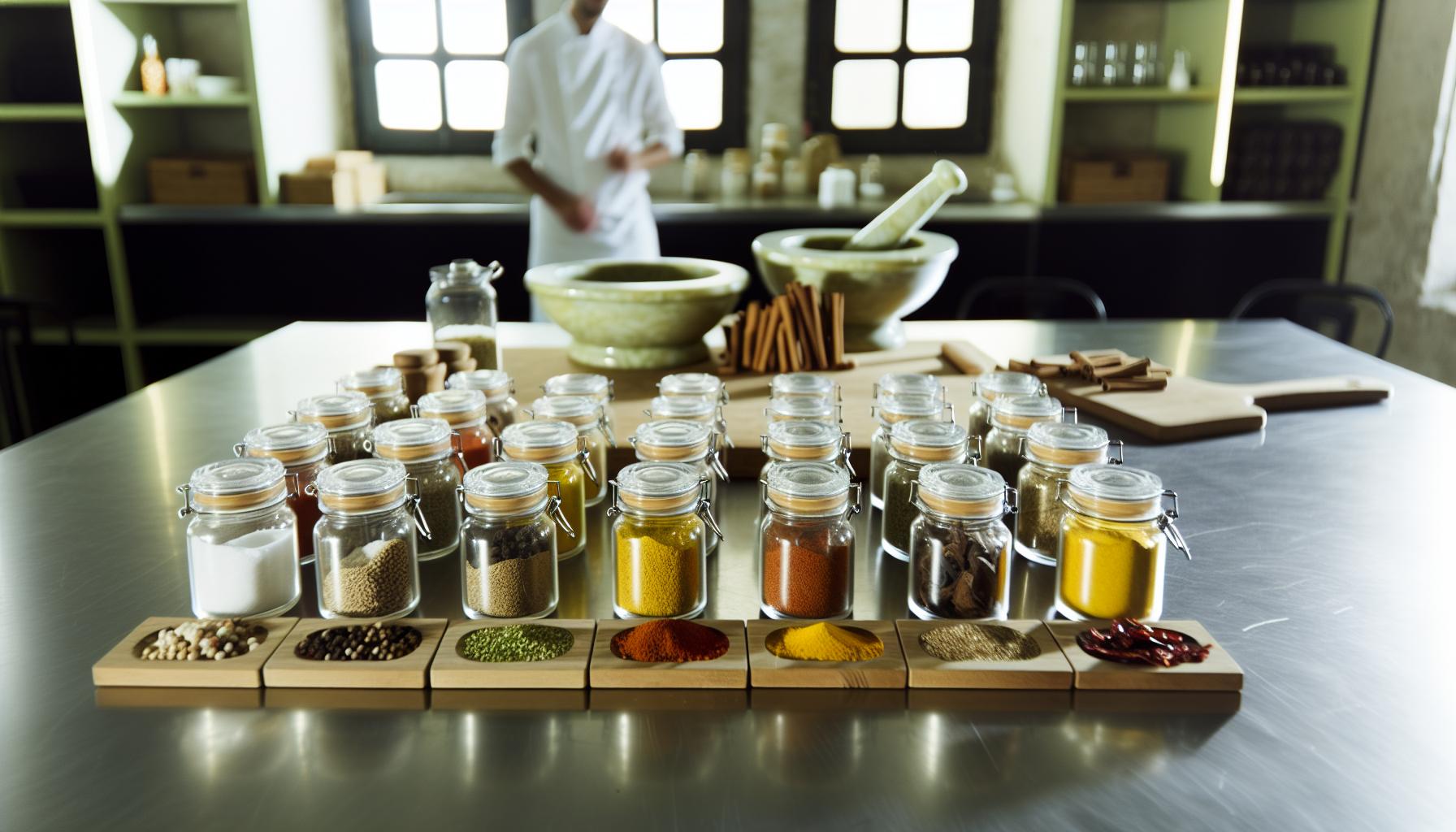
There’s something wonderfully adventurous about crafting your own tomato wine. One of the best parts of this process is the chance to personalize flavors, making your wine truly unique. To elevate your homemade brew, consider incorporating a variety of additives that can transform the taste and complexity of your final product.
Adding dried herbs like basil or oregano can offer an aromatic twist to your tomato wine. These herbs complement the natural acidity of tomatoes, creating a harmonious flavor profile that evokes the essence of a fresh garden. If you’re feeling experimental, infuse your wine with spices such as cinnamon or nutmeg for a warm undertone. Just a pinch can make a substantial difference, so start with small amounts and adjust according to your palate.
Another flavor enhancer that many successful winemakers swear by is citrus. Fresh lemon or orange zest adds a delightful brightness that balances the hominess of tomatoes. This citrusy zing can invigorate the drink, making it perfect for warm weather sipping. In contrast, a hint of vanilla extract can provide warmth and depth, making your tomato wine feel luxurious and different from traditional varieties.
Experimenting with sweetness can also yield fascinating results. Adding a small quantity of honey or agave syrup during fermentation introduces subtle sweetness while enhancing the overall mouthfeel. Remember, it’s essential to keep tasting as you go. Winemaking is an art, and your palette is the best guide to achieving the perfect blend.
Don’t shy away from trying out combinations of these additives! Each batch could tell a different story, reflecting the seasons, your surroundings, or simply your mood. By using these creative twists while crafting your tomato wine, you embark on a flavorful journey that’s not only about the end product but also the joy and fun of the process itself. Enjoy your winemaking adventure!
Common Mistakes to Avoid When Making Tomato Wine
Crafting your own tomato wine can feel like a delightful adventure, but even the most seasoned home winemaker can stumble into a few pitfalls along the way. To ensure your tomato wine turns out as wonderfully tasty as you envision, let’s dive into some common mistakes and how to avoid them.
One key area where home brewers often falter is in sanitation. Skipping proper cleaning of all equipment can lead to unwanted bacteria spoiling your wine. Always use sanitized tools and ensure that the tomatoes are clean. A thorough rinse under running water followed by a soak in a diluted sanitizer will keep your wine free from contaminants that can affect both taste and safety.
Another common misstep is being overly ambitious with the fermentation process. It’s tempting to add more sugar or ingredients for a richer flavor, but this can backfire. Too much sugar can lead to an overwhelming sweetness and might even inhibit proper fermentation, resulting in a flat taste. Instead, start with the recommended amounts and adjust gradually as you taste. Remember, you can always add, but it’s challenging to take away!
Temperature control is crucial during fermentation. Many amateur winemakers underestimate the importance of a consistent, suitable temperature for yeast activity. If your space is too hot or too cold, you could either rush the fermentation or slow it down to a crawl. For the best results, aim for a stable temperature between 65°F and 75°F (18°C to 24°C). A simple thermometer can help you monitor this.
Lastly, patience is a virtue in wine making. Rushing the aging process can compromise the depth of flavor. Allow your tomato wine to ferment fully and age properly; typically, this can take several weeks to months. The longer wait will reward you with complex flavors that a quick pour simply can’t deliver. As they say, good things come to those who wait!
By keeping these tips in mind, you can sidestep common pitfalls and create a delicious tomato wine that showcases your creativity and effort. Embrace the process, enjoy the learning curve, and relish the flavorful rewards of your homemade masterpiece!
Fermentation Process Explained: What to Expect
The fermentation process is the magical phase where your tomatoes transform into a unique wine. This stage can take time, but the results are well worth the wait. You’ll witness a fascinating transformation as the natural sugars in the tomatoes are converted into alcohol, producing a delightful beverage with distinctive flavors that reflect the essence of your chosen tomatoes.
During fermentation, you’ll need to keep a few key factors in mind to ensure success. Firstly, the addition of yeast is crucial; it’s the agent that does all the hard work. When you introduce yeast to your tomato mixture, it will start munching on the sugars, releasing carbon dioxide and alcohol as byproducts. You can either use store-bought wine or champagne yeasts for more consistent results or wild yeast with a more rustic character. The choice of yeast can dramatically influence the final taste, so experiment with different types if you’re feeling adventurous!
Temperature control is another essential aspect of fermentation. Aim for a stable environment between 65°F and 75°F (18°C to 24°C). Too hot, and the yeast may get too excited and produce unpleasant flavors; too cold, and the fermentation could stall. A simple way to monitor temperature is by using a thermometer. Make a cozy spot for your mixture, perhaps in a slightly warmer area of your kitchen, to maintain that ideal range.
As your tomato wine ferments, keep an eye out for bubbling or foaming, indicating that the yeast is doing its thing. This process can take anywhere from a week to several weeks, depending on various factors such as the sugar content in your tomatoes and the yeast used. After active fermentation subsides, you can taste your wine and decide whether it’s ready for the next steps-bottling or adding any additional flavors for that unique twist! Remember, patience is key here, as good things do take time, and you’ll be rewarded with a product that reflects your creative efforts. Enjoy the journey and the delightful outcome of your homemade tomato wine!
Bottling Your Tomato Wine Safely and Effectively
Bottling your homemade tomato wine is a thrilling culmination of your winemaking journey. After weeks of fermentation, it’s time to preserve and enjoy your creation! This process not only shapes the wine’s future but also ensures that it remains safe and delicious when served. Here’s how to do it effectively and with confidence.
Start by gathering your materials. You’ll need clean, sterilized glass bottles that can hold the wine-typically 750 ml bottles work well. Using a siphon or racking cane makes transferring the wine much easier, helping you avoid disturbing the sediment at the bottom of your fermentation vessel. Before you begin, sanitize all your equipment with a solution of water and unscented bleach or a specialized no-rinse sanitizer. This step is crucial to prevent unwanted bacteria from ruining your wine.
When you’re ready to bottle, carefully siphon the wine into the bottles, filling them to about an inch below the neck. This space is important; it allows for a bit of expansion during the wine’s maturation. If you’re adding any flavorings or adjustments at this stage, now’s the time to incorporate them, stirring gently to mix without introducing air bubbles that could lead to oxidation.
Once filled, securely cap or cork the bottles. If using corks, make sure they are specifically designed for wine to avoid spoilage. Here’s a tip: for an added layer of protection, consider applying a wax seal to the top of your bottles before storage. This extra step helps preserve the wine by minimizing exposure to air.
Finally, label your bottles with the date and any details about the wine, like the type of tomatoes used or any added ingredients. This information will be invaluable as you age your wine, allowing you to track its flavor development over time. With your tomato wine safely bottled, store it in a cool, dark place and prepare to enjoy the fruits of your labor when the moment is just right! Making tomato wine is not just a task; it’s an adventure that celebrates creativity in the kitchen, making every sip thoroughly rewarding.
Aging Tomato Wine: How It Affects Flavor
As your tomato wine matures, it undergoes a fascinating transformation that enhances its flavor, aroma, and overall character. Each bottle tells a different story, influenced by the ingredients you used and the time it spends aging. The aging process allows the flavors to meld and develop complexity, much like how a fine grape wine evolves over time. Initially, your tomato wine may have a vibrant, fresh taste, but with patience, it can deepen into something nuanced and delightful.
During aging, several key changes occur. First, the acidity in your tomato wine balances out, softening any sharpness and creating a smoother mouthfeel. This process is crucial, especially for tomato wine, which can sometimes carry a tart edge when fresh. As the days turn into weeks, the wine’s flavor profile expands. You may notice notes that weren’t apparent before-perhaps a hint of sweetness or umami that enriches the taste experience.
It’s essential to store your aging wine in a cool, dark place-the conditions that wine aficionados swear by. Consider checking your bottles every few weeks to gauge the flavor development. You’ll find that some batches may peak after a couple of months, while others could benefit from a more extended aging period. Don’t be afraid to experiment! You can also try blending different batches or even adding spices like cinnamon or herbs for a unique twist.
The beauty of homemade tomato wine lies in its versatility and the personal touch you bring to it. As you age your wine, allow your palate to guide you. Use tastings as an opportunity to learn what you enjoy. This approach not only cultivates your winemaking skills but also builds confidence in your abilities as a creative cook. Celebrate each sip as a reflection of your effort and creativity in the kitchen! Whether enjoyed on its own or paired with a lovely meal, aged tomato wine can truly elevate your culinary experience.
Creative Uses for Tomato Wine in Recipes
Imagine a rich, savory sauce that brings a burst of freshness to your pasta, or a unique marinade that elevates grilled vegetables to new heights. Homemade tomato wine is not just a delightful drink; it’s a versatile ingredient that can add depth and complexity to a variety of dishes. By incorporating this unconventional wine into your cooking repertoire, you’re inviting creativity and a personal touch to your meals.
Cooking with Tomato Wine
Homemade tomato wine can be used in a variety of ways in the kitchen. Here are some inspiring applications:
- Soups and Sauces: Use tomato wine as a base for sauces. It enhances the flavor of marinara or a hearty tomato bisque, adding a subtle sweetness and acidity that balances rich ingredients like cream or cheese. For a simple sauce, sauté garlic and onions, then deglaze the pan with tomato wine before adding crushed tomatoes.
- Glazes and Marinades: Combine tomato wine with olive oil, garlic, herbs, and spices to create a flavorful marinade for meats and vegetables. Let them sit for at least an hour before grilling or roasting to infuse them with rich flavors.
- Risotto and Grain Dishes: Substitute part of the liquid in your risotto or grain dishes with tomato wine. This adds a wonderfully unique flavor profile that pairs well with ingredients like basil, Parmesan, or roasted vegetables.
- Dressings and Dips: Whisk together tomato wine with olive oil, vinegar, and spices for a vibrant salad dressing. It can also serve as a base for a creative dip, mixing it with yogurt or cream cheese and fresh herbs.
Creative Pairings with Tomato Wine
When it comes to pairing food with tomato wine, think outside the box. The wine’s acidity and umami notes make it a fantastic companion for:
- Cheese: Pair it with creamy cheeses like mozzarella or tangy goat cheese. A charcuterie board with tomato wine can impress your guests and spark conversations.
- Grilled Meats: Use tomato wine in marinades for chicken or pork, and then serve a glass alongside the meal to highlight the flavors.
- Vegetable Dishes: It complements roasted vegetables beautifully. Try drizzling a bit over roasted asparagus or zucchini for an extra layer of flavor.
Experimenting with homemade tomato wine not only enhances your cooking but also allows you to put a personal stamp on your culinary creations. Each meal can reflect your taste and creativity, making mealtime an adventure. So, pour yourself a glass and let your imagination guide you in the kitchen!
Pairing Tomato Wine with Food: Best Combinations
Imagine elevating your next meal with a unique homemade ingredient that adds both flavor and conversation. Tomato wine, with its tangy acidity and rich umami notes, can be a delightful surprise alongside foods you already love. Let’s explore some of the best ways to combine this unconventional wine with food for unforgettable culinary experiences.
When it comes to cheese, think creamy and rich. Tomato wine pairs beautifully with mozzarella and tangy goat cheese. Serve a glass alongside a charcuterie board featuring these cheeses to create a well-rounded tasting experience. The wine’s acidity cuts through the creaminess, balancing flavors and enhancing each bite. You could also drizzle tomato wine over burrata for an elegant appetizer that’s sure to impress guests.
Meat lovers will find that tomato wine works wonders as a marinade. For grilled meats like chicken or pork, use tomato wine blended with olive oil, garlic, and your favorite herbs. Not only does it infuse the meat with flavor, but serving a chilled glass alongside reinforces the dish’s profile. Picture a grilled chicken breast with a tomato wine reduction right on the plate-delicious!
Vegetables also shine when accompanied by tomato wine. Roasted vegetables, such as asparagus and zucchini, become even more vibrant when drizzled with a bit of this wine before serving. The natural sweetness of the tomatoes complements the roasted flavors, bringing out their best. You can even use tomato wine in a light vinaigrette for salads, adding a unique twist that makes a simple dish feel gourmet.
Don’t hesitate to experiment! Each pairing can be a personal expression of your taste. With tomato wine, you’re not just serving a drink; you’re enhancing a meal and making everything from cheese to roast chicken feel special and inviting. So pour yourself a glass and get creative in the kitchen!
Frequently Asked Questions About Tomato Wine
When delving into the world of tomato wine, it’s natural to have questions as you embark on your winemaking journey. This unique beverage not only offers a delightful flavor but also invites creativity in the kitchen. Let’s address some of the most common inquiries you might have.
One of the first questions you may ponder is about the type of tomatoes to use. While you can technically use any variety, ripe, sweet tomatoes like heirlooms or Roma work best for producing a balanced wine. Their natural sugars and acidity contribute to a more flavorful final product. If you’re unsure, consider experimenting with a small batch to see which varieties you enjoy most.
Another frequent concern relates to the fermentation process. How long should you let it ferment? Typically, you can expect your tomato wine to spend around 4 to 6 weeks fermenting. Keep an eye on it-bubbling is a sign of active fermentation, and you’ll want to ensure it transitions from primary to secondary fermentation smoothly. Remember, patience is key; rushing this process can lead to undesirable flavors.
For those wondering about storage and shelf life, it’s encouraging to note that tomato wine can improve with age. Once bottled, try to let it sit for at least a few months. This aging allows the flavors to meld and mature. Just be sure to store your bottles upright in a cool, dark place to avoid spoilage.
Lastly, many home winemakers ask about using additives and flavor enhancers. You might want to consider adding herbs like basil or spices such as black pepper during the fermentation process. These can impart additional layers of flavor that complement the natural richness of the tomatoes. Just start with small amounts, as you can always add more, but you can’t take it out once it’s in!
Embrace the process with confidence, and remember that your personal touches will make your tomato wine unique. With each batch, you’ll learn more about your preferences and enhance your skills as a winemaker!
Faq
Q: What type of tomatoes are best for making wine?
A: Roma tomatoes are ideal for making tomato wine due to their high sugar content and low moisture. Look for ripe, firm tomatoes for the best flavor. You can also experiment with other varieties like San Marzano or Heirloom for unique tastes.
Q: How long does it take to make tomato wine?
A: The entire process of making tomato wine can take 4 to 6 weeks, including fermentation and bottling. Allow additional time for aging, where flavors deepen. Patience is key to creating a delicious homemade wine!
Q: Can I use store-bought tomatoes for tomato wine?
A: Yes, store-bought tomatoes can be used, but choose fresh, ripe ones without blemishes. Local or garden-grown tomatoes often yield better flavor and quality, enhancing your wine’s overall taste.
Q: What tools do I need to make tomato wine at home?
A: To make tomato wine, you’ll need basic equipment: a fermentation vessel, airlock, siphoning tube, bottles, and a funnel. These tools help with the fermentation and bottling process, ensuring a smoother experience.
Q: How do I know when the fermentation of my tomato wine is complete?
A: Fermentation is complete when bubbles in the airlock slow down significantly, and the specific gravity remains stable for a few days. A clear, settled liquid without bubbles indicates it’s time to bottle your tomato wine.
Q: What can I do if my tomato wine is too acidic?
A: If your tomato wine tastes too acidic, you can dilute it with a little water or add a bit of sugar to balance the flavors. Experiment with small amounts, tasting as you go, to achieve the desired flavor profile.
Q: Is it possible to add other flavors to tomato wine?
A: Absolutely! You can enhance your tomato wine by adding ingredients like herbs, spices, or even fruits during fermentation. Options like basil or chili peppers can create a unique, flavorful wine.
Q: How should I store my bottled tomato wine?
A: Store your bottled tomato wine in a cool, dark place like a wine cellar or cabinet, ideally upright to prevent sediment disturbance. Proper storage will help maintain its flavor and quality for longer periods.
The Conclusion
Thank you for watching our guide on how to make delicious homemade tomato wine! You’ve learned that with just a few simple ingredients and some creativity, you can turn a common garden staple into a unique and tasty beverage that’s perfect for sharing with friends or enjoying on a quiet evening. We encourage you to get started right away-there’s no better time to experiment with your winemaking!
Looking for more tips on wine or unique homemade recipes? Check out our articles on crafting your own gourmet butter and exploring other unusual wines that will spark your culinary creativity. Don’t forget to leave a comment below with your thoughts and any questions you might have. Your experience matters, and we love hearing about your wins in the kitchen!
If you found this video helpful, please subscribe for more exciting recipes, and consider signing up for our newsletter for exclusive content and updates. Join our community of passionate home cooks and start your journey into the world of gourmet DIY projects today! Happy winemaking!