Did you know that making your own white wine at home can be both a fulfilling hobby and a delightful way to impress friends and family? Whether you’re dreaming of pouring a crisp Sauvignon Blanc to complement a summer meal or crafting a charming Chardonnay for cozy dinners, this beginner’s guide will walk you through the simple steps to create your own refreshing wines. Don’t worry if you’ve never made wine before-this process is approachable and fun! You don’t need fancy equipment or years of experience. With just a few ingredients, a little time, and a splash of creativity, you’ll be on your way to producing distinctive white wines that reflect your personal taste. As we embark on this winemaking adventure together, you’ll discover tips, techniques, and plenty of encouragement to bring out your inner winemaker. So, let’s uncork the possibilities and get started on crafting your very own bottles of joy!
Choosing the Right Grapes for White Wine
Selecting the right grapes is crucial to crafting a delicious white wine that embodies your personal taste preferences. The foundation of any great wine begins with quality fruit, and when it comes to white wines, certain grape varieties shine thanks to their unique characteristics and flavor profiles. Whether you’re aiming for a zesty Sauvignon Blanc or a smoother Chardonnay, knowing what to look for can make all the difference.
When choosing grapes for white wine, consider the following popular varieties:
- Sauvignon Blanc: Known for its bright acidity and crisp flavors, this grape often showcases notes of green apple, citrus, and sometimes herbaceous undertones. It thrives in cooler climates, providing the freshness typical of a good white wine.
- Chardonnay: A versatile grape, Chardonnay can range from lean and mineral to rich and oaky, depending on the winemaking style. Many home winemakers prefer this grape for its adaptability and the depth it can add to a wine.
- Riesling: If you’re looking for a sweeter finished product, Riesling is an excellent choice. It’s aromatic with luscious fruit flavors like peach and apricot, and it can balance sweetness with acidity beautifully.
- Pinot Grigio: This grape typically produces light and refreshing wines, making it perfect for those who enjoy a crisp finish. Its light body and subtle fruit notes appeal to many palates.
Consider your local climate, as well, since grape varieties have specific growing conditions where they flourish. Look for grapes that are fully ripened, as they will have the best sugar content and flavor. Local farmer’s markets, vineyards, and specialty stores can be great sources for fresh, high-quality grapes. If you’re sourcing grapes from a winery or vineyard, don’t hesitate to ask about the harvest and processing methods; this insight can ensure you’re starting with the best raw materials available.
Ultimately, selecting the perfect grapes for your white wine comes down to your personal preference and the style of wine you wish to create. Don’t hesitate to experiment with different varieties or blends-this journey is all about discovering what flavors and aromas resonate with you!
Essential Equipment for Home Winemaking
When stepping into the world of home winemaking, it’s empowering to know that crafting your favorite white wine doesn’t require a winery’s worth of equipment. With just a few essential tools, you can transform fresh grapes into a delightful bottle of wine right in your kitchen!
To kick off your winemaking adventure, here’s a list of must-have equipment:
Essential Winemaking Equipment
- Primary Fermenter: A clean food-grade bucket or glass carboy is essential for the fermentation process. This is where the magic happens, and yeast turns the grape sugars into alcohol.
- Hydrometer: This nifty tool measures the specific gravity of your must (the mixture of crushed grapes and juice). It helps you determine sugar levels and estimate the potential alcohol content of your finished wine.
- Siphon or Racking Cane: To transfer your wine from one container to another without disturbing the sediment at the bottom, a siphon is a must. This keeps your wine clear and enjoyable.
- Bottles and Corks: Once fermentation is complete, you’ll need clean wine bottles and corks (or screw caps) to store your finished product. Don’t forget to sanitize these before use!
- Airlock: An airlock attaches to your fermenter and allows gases to escape while preventing contaminants from entering. This keeps your wine safe during fermentation.
- Stirring Spoon: A long, clean spoon is crucial for mixing the must at various stages, ensuring even distribution of yeast and other ingredients.
Sanitation and Storage
One of the most important aspects of winemaking is sanitation. Ensure all your equipment is thoroughly cleaned and sanitized before use. This helps prevent unwanted bacteria from ruining your batch. You can use a specialized winemaking sanitizer or a mixture of water and unscented bleach, rinsing well afterward.
Don’t let the process intimidate you; many home winemakers start with minimal gear and build as they gain experience. As you explore your passion for winemaking, consider adding more specialized tools like a corker or label maker down the road. The key is to get started and enjoy the satisfying journey of turning delicious grapes into your very own crisp white wine!
Step-by-Step Process to Make Crisp White Wine
Making crisp white wine at home is a thrilling adventure that transforms simple grapes into an exquisite drink. With a little patience and creativity, you can create a delightful bottle worth sharing. Ready to embark on this journey? Here’s a straightforward process to guide you from start to finish.
Start by selecting your grapes. Opt for fresh, high-quality white grapes like Chardonnay, Sauvignon Blanc, or Riesling for that crisp flavor. Once you have your grapes, it’s time to get crushing! Remove any stems or damaged grapes and crush them to release the juice. You can do this manually in a clean bowl or with a fruit crusher. The goal is to create what’s called “must,” which is the mixture of juice, skins, and pulp that will ferment into wine.
Next, transfer the must into your primary fermenter. Add a prepared yeast starter to kick off the fermentation process. This is where the magic happens! Secure your airlock on the fermenter to allow gases to escape while preventing contaminants from getting in. Over the next few days, check for bubbling activity in the airlock – this means fermentation is underway.
After about a week, once the bubbling has slowed down significantly, it’s time to separate the wine from the solids. Siphon your wine into a secondary fermenter, leaving behind the sediment. This step is crucial for clarity and taste. Allow it to ferment for an additional 4 to 6 weeks, checking periodically to see how it develops. You’ll want to make sure your wine stays cool and dark during this time, which helps enhance its flavors.
When the fermentation is complete, it’s bottling time! Use your siphon to fill clean, sanitized bottles, leaving a little space at the top for expansion. Cork or cap the bottles and store them in a cool, dark place for aging. While it can be tempting to taste immediately, giving your wine a few months to mature will help smooth out the flavors and enhance its crispness.
With this simple guide, you’ll soon enjoy sipping on your homemade white wine! Remember, each batch gives you the chance to experiment and refine your skills, so don’t be afraid to make it your own. Cheers to your winemaking journey!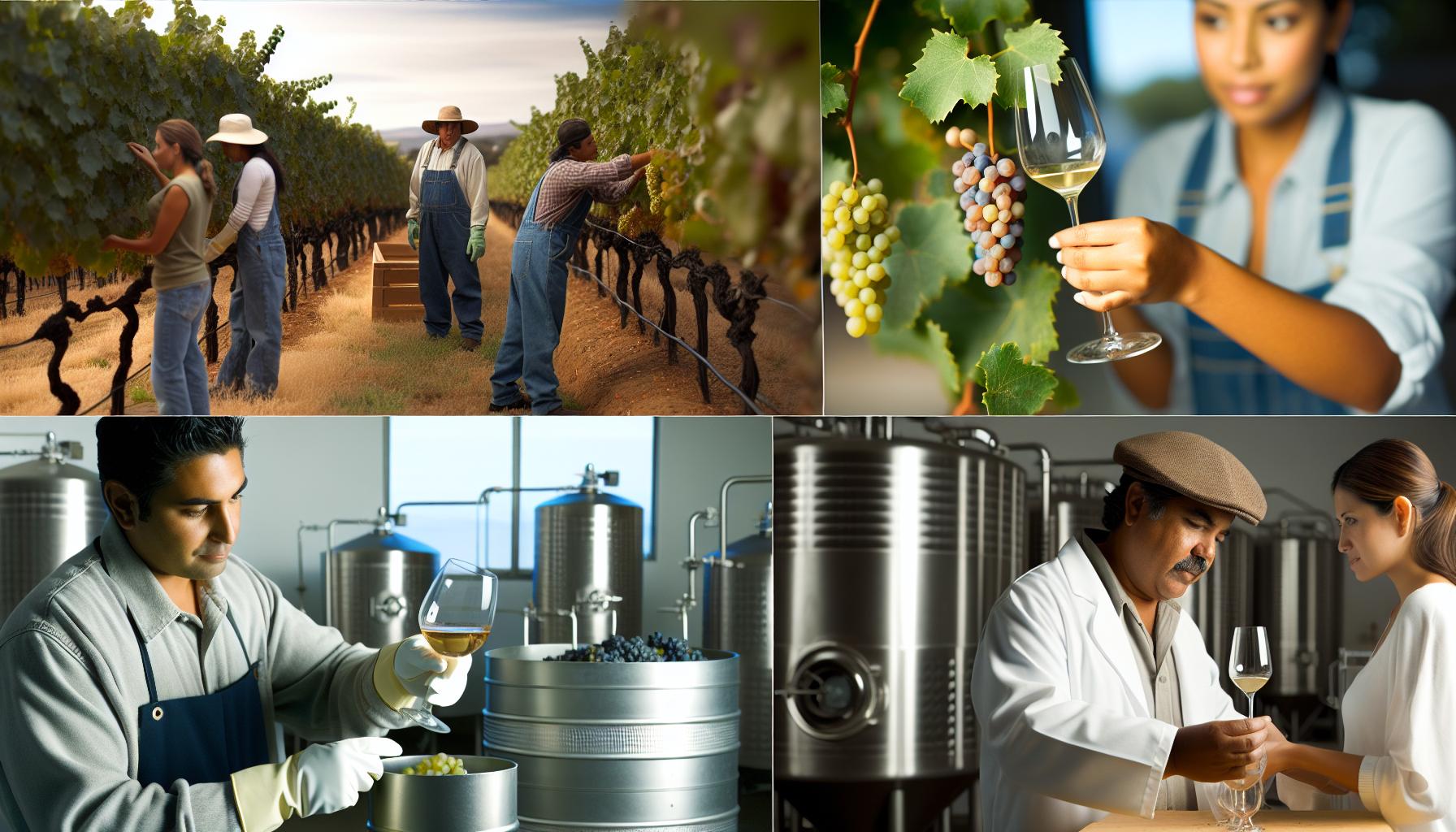
Fermentation Techniques for Flavorful Results
During fermentation, the real transformation occurs, turning grape juice into the delightful wine you can’t wait to sip. This stage not only develops the wine’s flavor profile but also sets the foundation for its future character. Here’s how to navigate the fermentation process with techniques designed to enhance the crispness and complexity of your white wine.
Start by ensuring that your fermentation space is cool, ideally between 55°F to 65°F (13°C to 18°C). Cooler temperatures help preserve delicate flavors and aromas, which are crucial for white wines. If you don’t have a temperature-controlled area, a simple trick is to use a cool basement or a wine fridge.
Yeast Selection is another key player in this process. While you may have used a general-purpose wine yeast to kick things off, considering specific strains can add unique characteristics. For instance, using Sauvignon Blanc yeast can introduce tropical fruit notes, while Chardonnay yeast might contribute creaminess. Don’t hesitate to experiment; keeping a detailed record of what yeast you use and the results will help you refine your technique over time.
During fermentation, watch for bubbling activity. This is a sign that your yeast is actively converting sugar into alcohol and carbon dioxide. It’s essential to maintain a clean environment to avoid contamination. Always use sanitized equipment, and if there are any signs of unwanted bacteria, act quickly to remedy the situation.
After about a week of fermentation, it’s time to consider racking. This involves siphoning your wine off the sediment, known as lees, which can add off-flavors if left too long. Racking typically occurs when bubbling has significantly slowed down. This new vessel allows the wine to clarify and helps develop its crisp character.
At this stage, feel free to experiment with fermentation aids. Common additions such as nutrients can help the yeast finish strong, particularly if the initial sugar content was high. Adding a touch of oak through chips or staves can introduce complexity and depth, enhancing the overall flavor profile without the commitment of barrel aging.
With thoughtful attention to these fermentation techniques, you’re not just making wine; you’re creating a masterpiece. The joy of winemaking lies not only in the finished product but also in the creativity and experimentation throughout the process. So roll up your sleeves, trust your instincts, and most importantly-enjoy the journey!
The Importance of Temperature in Winemaking
Maintaining the right temperature during winemaking is crucial for developing the crisp, refreshing flavors characteristic of white wine. Just as a well-baked cake relies on the proper oven temperature, your wine’s success hinges on the fermentation environment. If the temperature is too high, you risk losing delicate aromas and crisp acidity; too low, and the yeast may struggle to keep working. Ideally, aim for a fermentation temperature between 55°F to 65°F (13°C to 18°C). This range promotes a slow and steady fermentation process that allows the complex flavors in your grapes to shine through.
Why Temperature Matters
The temperature affects yeast activity, which is essential for fermentation. Yeast works best at ideal temperatures, akin to how a cook may adjust the stove for a perfect simmer. Cooler temperatures help preserve the fruity and floral notes typical in many white wines, while warmer temps can lead to more rapid fermentation and potentially an overly alcoholic or flat wine. As you ferment, you might notice bubbles forming-this is your yeast in action, converting sugars into alcohol and carbon dioxide. If you find your bubbling activity slowing considerably, it might be worth checking if your fermentation temperature has drifted from the sweet spot.
Creating a Controlled Environment
If you don’t have a wine fridge or temperature-controlled cellar, don’t worry! You can take simple steps to create a stable environment. For instance, consider using:
- A cold basement or a closed closet with a consistent temperature.
- Insulating your fermentation vessel with blankets or materials that maintain stable temperatures.
- A thermometer to keep track of fluctuations during fermentation.
Another tip is to place your fermentation container in a water bath; this method can help moderate temperature changes.
In summary, taking the time to monitor and control the fermentation temperature can significantly enhance your white wine’s profile. The rewards of your careful attention will be evident in every crisp sip of your homemade creation, revealing the artistry and science behind your efforts. So roll with those temperatures, and let the magic of fermentation unfold in your kitchen!
Aging Your White Wine: Best Practices
Aging your white wine can transform a good batch into a truly memorable experience, bringing out richer flavors and more complex aromas. While it may seem like a daunting task, understanding a few best practices can make the process both enjoyable and rewarding. Whether you’re hoping for the refreshing crispness of a young white or the intriguing depth of an aged wine, the aging process plays a key role.
One of the first considerations in aging your white wine is the type of container you use. Glass carboys or stainless steel vessels are great for aging because they provide a neutral environment that won’t impart additional flavors. If you’re feeling adventurous, consider using oak barrels; these can contribute lovely vanilla, spice, and toasted notes to your wine. However, if a full barrel isn’t feasible, you can always add oak chips during the aging process to achieve a similar effect without the commitment of a barrel.
Temperature control remains crucial here, too. Aim for a cool and stable environment, ideally around 50°F to 55°F (10°C to 13°C). This cooler temperature promotes slow aging, allowing the wine’s flavors to meld and mature without risking spoilage. Keep your wine out of direct sunlight, which can degrade delicate compounds and negatively affect taste. A basement or a dedicated wine fridge works well for this purpose.
The length of time you age your wine can vary significantly depending on the grape variety and personal preference. Generally, white wines benefit from aging anywhere between 6 months to 2 years, but always taste periodically. A little taste test can provide insight into how your wine is developing and help you determine the right moment to bottle or drink it. Remember, aging is subjective-listen to your palate and trust your instincts!
Lastly, don’t be afraid to document your process. Take notes on how your wine evolves over time. This will not only enhance your future winemaking efforts but also give you a deeper appreciation for the unique journey of each batch. Let your experimentation shine, and enjoy the delightful process of crafting your own homemade white wine!
Common Mistakes to Avoid as a Beginner
Creating your own white wine can be a thrilling journey filled with creativity and exploration, but even seasoned home winemakers encounter pitfalls along the way. By staying aware of common missteps, you can save yourself from frustration and ensure a more enjoyable winemaking experience.
One frequent mistake is skimping on sanitation. It’s easy to overlook this step in the excitement of winemaking, but using unclean equipment can lead to unwanted bacteria and off-flavors in your wine. Always ensure that everything from your bottles to fermentation vessels is thoroughly cleaned and sanitized. A clean workspace helps in achieving that crisp and fresh taste you’re aiming for.
Another area where novices stumble is fermentation timing. Patience is a key virtue in winemaking, as rushing this crucial stage can result in incomplete fermentation, leading to residual sugars that make your wine overly sweet or unbalanced. Regularly check your fermentation progress with a hydrometer, and remember that allowing it to finish properly will ultimately enhance the wine’s character.
Additionally, many beginners make the error of neglecting temperature control during fermentation and aging. White wines typically thrive in cooler conditions. Ensure your fermentation area stays between 65°F to 75°F (18°C to 24°C) and find a stable, cool place for aging. Fluctuating temperatures can stress the yeast and spoil your wine’s delicate flavors.
Lastly, don’t forget the importance of record-keeping. Keeping notes on your ingredients, timings, and any adjustments you make during the process can be immensely helpful for future batches. This habit not only allows you to replicate successful wines but also helps you understand what flavors develop under various conditions. Keep a dedicated winemaking journal and celebrate the journey, embracing both the successes and the learning experiences along the way!
With these tips in mind, you’ll be better equipped to navigate your winemaking adventure, avoiding common pitfalls while ensuring your homemade white wine is a delightful creation to share with friends and family. Enjoy the process and let your unique palate guide you!
Experimenting with Flavor Profiles and Additions
Experimenting with flavor profiles while crafting white wine is where the magic truly happens! Every winemaker has the opportunity to infuse their personality and creativity into their creations. From the variety of grapes you choose to the ingredients you add during fermentation, each decision impacts the final taste and aroma of your wine. This could mean the difference between a standard pour and a delightful conversation starter.
Choosing Additions Wisely
One of the most exciting aspects of winemaking is the potential to customize your wine with various additions. You might consider adding:
- Fruits: Fresh fruits like peaches, apricots, or even berries can bring a new dimension to your wine. Simply crush them and add to the must for an infusion of flavor.
- Herbs and Spices: Think outside the box! Adding herbs like basil or rosemary, or spices like vanilla beans or cinnamon, can create unique flavor profiles that transform your white wine.
- Oak Chips: If you desire that rich, buttery flavor that often comes from barrels, consider adding oak chips during fermentation or aging. These can impart toasty, vanilla notes that enhance the wine’s complexity.
Taste and Adjust
As you experiment, it’s crucial to taste along the way. After starting your fermentation, sample the must periodically. This not only helps you understand how your wine is developing, but it also allows you to adjust the balance of flavors. Perhaps it needs a little more acidity from lemon juice or a touch of sweetness through additional sugar. Don’t be afraid to make small adjustments based on your taste preferences.
It’s often helpful to keep a detailed winemaking journal. Document each ingredient, the quantity used, and your tasting notes. This practice allows you to trace back your steps, helping you replicate successful batches or learn from less successful tries.
By embracing experimentation, you not only create a wine that’s uniquely yours but also deepen your understanding of the art and science of winemaking. So, gather those ingredients, unleash your creativity, and let each batch reflect your personal flavor journey!
Bottling Your Wine: Tips for Success
Once your white wine has completed the fermentation process, it is time for the exciting phase of bottling. This step is crucial as it preserves your hard work and enhances your wine’s longevity. You might not think much about it, but how you bottle your wine can significantly affect its flavor and clarity.
Start by gathering your equipment. You’ll need clean bottles-glass is best-cork or cap closures, and a siphoning device or racking cane to transfer the wine without introducing too much oxygen. Sanitation is your friend here! Clean all your tools and bottles with a sanitizer to prevent any unwanted bacteria from spoiling your batch. Make sure the bottles are dry before use.
When you’re ready to bottle, position your siphoning equipment just above the sediment at the bottom of your fermentation vessel. This helps ensure a clean pour, minimizing the risk of pouring in any sediment that could cloud your wine. Carefully fill each bottle, leaving about an inch of space (known as the “headspace”) at the top. This air gap is important as it reduces the chance of oxidizing your wine after sealing.
Before capping or corking the bottles, you might want to take a taste test. This is a great opportunity to see how your wine has developed and to note any adjustments that might be needed. If you find the flavor needs a little more acidity or sweetness, consider making slight adjustments before bottling.
Once bottled, ensure your closures are secure but not overly tight, as the wine may continue to evolve, and too much pressure can lead to exploded bottles. Store your bottles upright for a day to allow the sediment to settle, then lay them on their side to keep the cork moist if you’re using cork closures. If you’ve opted for screw caps, you can store them upright without worry.
With these steps, you can confidently bottle your homemade white wine, ready to enjoy or share with friends. Nothing beats the satisfaction of savoring a glass of wine you’ve crafted from scratch! Remember to label your bottles with the date and any notes about the ingredients or methods-this way, you can track your progress and refine your technique in future batches. Happy winemaking!
Enjoying Your Homemade White Wine: Pairing and Serving
There’s something incredibly rewarding about sitting back with a glass of homemade white wine after all the hard work that went into crafting it. Your creation is not just a beverage; it’s a story of your kitchen adventures, and it deserves to be celebrated! Pairing your crisp white with the right foods can elevate the experience, allowing you to savor not just the flavor of the wine but also the journey of making it.
Perfect Pairings
Crisp white wines, often characterized by their refreshing acidity and fruity notes, complement a wide array of dishes. Think about serving your creation with light fare that enhances its qualities. Here are some delightful pairings to consider:
- Seafood: Grilled fish, shrimp tacos, or even a classic lobster roll are wonderful companions. The acidity in white wine cuts through the richness of the seafood.
- Poultry: Roast chicken or a zesty lemon-herb chicken can highlight the fruity aspects of your wine.
- Pasta: Creamy or pesto-based pasta dishes work beautifully with a glass of white, aligning their luscious textures with the wine’s crispness.
- Salads: Light salads, especially those with citrus or vinaigrette dressings, provide a refreshing contrast and can accentuate the wine’s freshness.
Serving Tips
Serving your wine correctly helps enhance the flavors and aromas. Here’s what you should keep in mind:
- Chill Properly: White wine is best enjoyed chilled. Aim for a temperature around 45°F to 50°F (7°C to 10°C). A quick chill in an ice bath can work wonders.
- Use the Right Glassware: Opt for a white wine glass that narrows at the top to concentrate the aromas. This also helps keep your wine cooler longer.
- Pour Wisely: Fill your glass about a third full to allow the aromas to develop. This also makes swirling easier, helping to aerate the wine and release more of its character.
Creative Serving Ideas
Embrace your culinary creativity by mixing up the experience. Consider crafting wine-based cocktails or spritzers. Take a drink of your crisp white and combine it with soda and a splash of fruit juice for a refreshing twist. This can be especially delightful at summer gatherings or casual get-togethers.
And don’t forget-don’t hesitate to share your wine! Inviting friends over for a tasting can be both fun and rewarding. Share stories about the winemaking process and invite others to appreciate the fruits of your labor. You might inspire someone else to try their hand at winemaking too!
In the end, enjoying your homemade white wine is a personal journey that can enhance both your meals and your gatherings. So, raise your glass and celebrate your achievement-the vibrant flavor of your crafted white is ready to shine!
Troubleshooting Your First Batch of Wine
The journey of crafting your first batch of white wine can be thrilling, but it might not be without its bumps along the way. You might find that your dream wine isn’t turning out as expected. Don’t fret! Many budding winemakers encounter issues, and troubleshooting is part of the creative process. Here’s how to navigate some common challenges with confidence.
Unwanted Flavors
One of the most frequent issues is the emergence of off-flavors. If your homemade wine tastes reminiscent of vinegar or has a strong, unpleasant odor, it could be a result of inadequate sanitation or exposure to oxygen. Make sure to clean all your equipment thoroughly before use. A good practice is to soak everything in a sanitizing solution. If your wine has indeed turned to vinegar, there’s little that can be done; however, using higher acidity wines immediately reduces the risk of spoilage in future batches.
Fermentation Issues
If your fermentation seems sluggish or has completely stalled, remember that temperature and yeast health are critical. Yeast thrives within specific temperature ranges, typically between 65°F to 75°F (18°C to 24°C) for white wines. If it’s too cold, the fermentation will slow; too warm, and you may risk off-flavors. Make adjustments as needed. If you suspect the yeast is unhealthy, consider re-adding fresh yeast to restart the fermentation process, but do so with caution to maintain balance.
Cloudy Wine
A cloudy appearance may be frustrating, especially when you envision a crystal-clear final product. This cloudiness can result from proteins or yeast still suspended in the wine. To clear it up, try a gentle fining agent like bentonite clay, which can help to bind these particles, allowing them to settle out of the wine. Always give your wine some time to clarify, as patience is key in the winemaking process.
Low Acidity
Balanced acidity is essential for the crisp character of white wine. If you discover that your wine tastes flat or lacks vibrancy, you can adjust the acidity by adding a small amount of acid blend (a mixture of tartaric, citric, and malic acids). Before doing this, check the acidity using a pH meter or testing strips. Aim for a pH level of around 3.0 to 3.5 for optimal fresh-tasting white wine.
Just remember, every winemaking experience is a chance to learn. Don’t be discouraged by mistakes; instead, see them as stepping stones in your winemaking journey. Engage your creativity and let each batch teach you something new. Keep notes on what worked and what didn’t, and before you know it, you’ll have more than just a bottle of wine; you’ll have a wealth of experience to guide your future batches. Cheers to your winemaking adventure!
Exploring Different Styles of White Wine
When venturing into the world of homemade white wine, one of the most exciting aspects is exploring the diverse styles available. Each style offers unique flavor profiles and characteristics, shaped by the grape varieties used and the winemaking techniques applied. Here, you’ll find a delicious snapshot of the most popular white wine styles, perfect for guiding your budding winemaking journey.
Classic Styles of White Wine
- Sauvignon Blanc: Known for its crisp acidity and vibrant citrus and green apple notes, this varietal often features herbaceous undertones that can add a refreshing complexity. Ideal for beginners, Sauvignon Blanc is relatively forgiving during fermentation.
- Chardonnay: This versatile grape can produce a wide range of styles, from creamy and oaky to clean and mineral-driven. Experimenting with oak aging can create richer textures and flavors, allowing for creativity in your home winemaking.
- Riesling: Renowned for its floral aromas and balanced sweetness, Riesling can range from bone-dry to lusciously sweet. Its high acidity makes it an excellent choice for warmer climates, turning it into a vibrant, thirst-quenching wine.
- Pinot Grigio: This light and easy-drinking style features crisp flavors of pear and green melon. Its straightforward production process makes Pinot Grigio an attractive option for novice winemakers looking to try their hand at white wine.
Unique Approaches to Winemaking
While these classic styles offer a great starting point, don’t hesitate to explore experimental techniques that can elevate your white wine. Consider techniques such as fermentation in clay amphorae or using wild yeast, which can impart unique terroir-driven characteristics. You can even blend varietals to create bespoke flavors-a common practice among seasoned winemakers.
Regional Influences
Understanding how different regions influence the flavors of white wine can further enrich your winemaking experience. For example, grapes grown in cooler climates, like a crisp Sauvignon Blanc from New Zealand, will differ significantly from those in warmer regions, producing more peach and tropical notes. Embrace these regional nuances when selecting grapes for your next batch, as they can dramatically shape the final product.
Ultimately, the beauty of crafting white wine at home is the ability to play, experiment, and create unique flavors that reflect your personal taste. Whether you choose a tried-and-true variety or venture into something entirely unique, each bottle tells a delicious story of your winemaking journey. So, gather your supplies, trust your instincts, and enjoy the adventure of making white wine your way!
FAQ
Q: What type of grapes are best for making white wine?
A: Choosing the right grapes is crucial. Varieties like Chardonnay, Sauvignon Blanc, and Pinot Grigio are excellent for crisp white wines. Each offers unique flavor profiles, so experiment with a couple to find your favorite! Check the section on Choosing the Right Grapes for White Wine for more insight.
Q: How long does it take to make white wine at home?
A: Making white wine can take several weeks to months, depending on the process and equipment used. Generally, fermentation lasts about 2-3 weeks, followed by aging, which can take an additional few weeks to several months. For detailed timing, refer to Aging Your White Wine: Best Practices.
Q: What should I avoid when making white wine at home?
A: Common mistakes include using contaminated equipment and incorrect fermentation temperatures. Ensuring cleanliness and maintaining proper conditions are essential for quality wine. For a deeper dive, see Common Mistakes to Avoid as a Beginner.
Q: Can you make white wine without fermentation?
A: No, fermentation is essential for winemaking. It converts sugars from grapes into alcohol and flavors. Without this process, you’d only have grape juice. For tips on fermentation, check Fermentation Techniques for Flavorful Results.
Q: How do I know when my white wine is ready to bottle?
A: Your wine is ready to bottle when fermentation has stopped. Signs include a stable specific gravity reading over several days. Tasting is also a good indicator; it should taste balanced. More on this can be found in Bottling Your Wine: Tips for Success.
Q: What temperature should I store homemade white wine?
A: Store your homemade white wine between 45-65°F (7-18°C) for optimal flavor retention. Cooler temperatures preserve crispness, while slightly warmer can enhance aromas. For more on this topic, see The Importance of Temperature in Winemaking.
Q: Is it necessary to age white wine before drinking?
A: While not necessary, aging can enhance flavors and complexity. Most crisp white wines are best enjoyed young, but some varieties improve with age. Refer to Aging Your White Wine: Best Practices for specifics.
Q: How can I experiment with flavors in my white wine?
A: To experiment with flavors, try adding fruits, herbs, or spices during fermentation. This approach can create unique blends that reflect your taste preferences. For ideas on flavor experimentation, check Experimenting with Flavor Profiles and Additions.
Insights and Conclusions
Congratulations on taking the first step to craft your very own crisp white wine! Remember, winemaking is about exploration, so feel free to experiment with the techniques we’ve covered. As you embark on this delicious journey, consider checking out our articles on how to select the right grapes and tips on aging your wine for enhanced flavor. If you have any lingering questions or need a little more guidance, don’t hesitate to drop a comment below – we love hearing from fellow wine enthusiasts!
Ready to take your culinary creativity further? Join our newsletter for exclusive recipes and wine pairing tips that will elevate your home dining experience. Let’s make winemaking accessible and enjoyable for everyone! Keep practicing, and soon you’ll be savoring the fruits of your labor while impressing friends at your next gathering. Cheers to your winemaking adventure!