
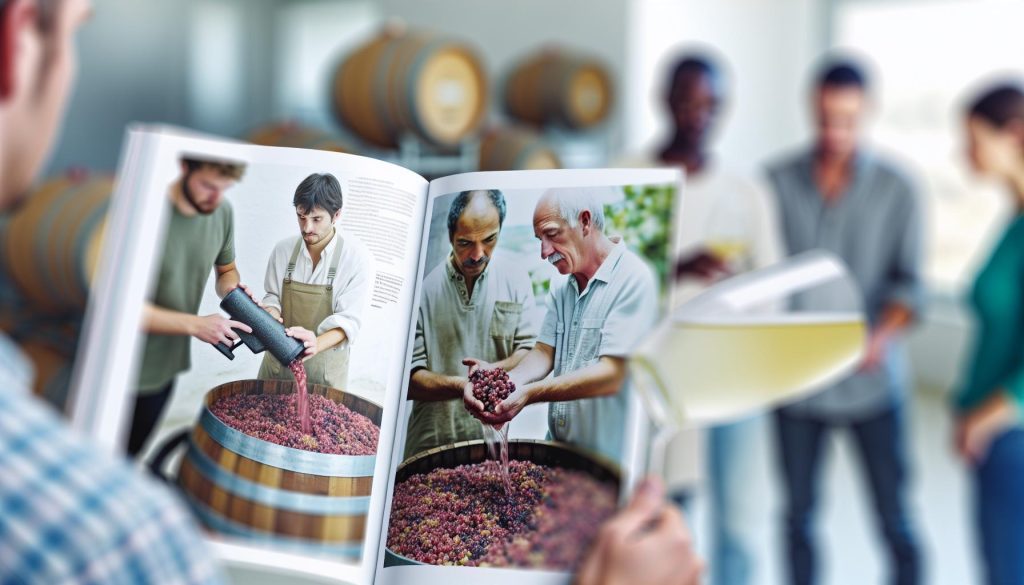
Have you ever tasted a perfectly ripe fruit and thought, “This would make a delicious wine”? Making wine from fruit not only transforms your favorite flavors into something special but also satisfies your creative side in the kitchen! Whether it’s grapes, apples, or berries, crafting your own fruit wine is a wonderfully rewarding experience that anyone can try at home.
You don’t need to be a professional winemaker or have fancy equipment-just some fresh fruit, a few simple supplies, and a dash of patience. Embracing this fun project means you can experiment with flavors, customize sweetness, and even create unique gifts for friends and family. With a little guidance, you’ll discover how easy and satisfying it is to create a tasty and personalized beverage that captures the essence of your seasonal bounty. So, roll up your sleeves and let’s dive into the world of homemade fruit wines!
How to Choose the Right Fruit for Wine Making
Choosing the right fruit for making wine is like picking the perfect ingredients for your favorite dish-it can make all the difference! Whether you’re in a lush orchard or your own backyard, the fruit you select will determine the flavor, aroma, and overall experience of your homemade wine. The world of fruit winemaking is as diverse as the fruits themselves, offering sweet, tangy, and sometimes even exotic notes. So how do you narrow down your options and choose the perfect fruit for your winemaking adventure?
First, consider the level of sweetness in your fruit. Ripe fruits often contain higher sugar levels, which is crucial for fermentation. Fruits like grapes, pears, and apples are traditional favorites because their natural sugars easily convert into alcohol during fermentation. However, don’t shy away from other options! Berries, such as blackberries and blueberries, can produce vibrant, fruity wines, while stone fruits like peaches and plums add a unique twist. Remember, balancing sweetness with acidity will lead to a well-rounded flavor, so mix and match!
Next, think about the fruit’s seasonality and availability. Using local produce not only supports community farmers but also ensures you’re working with the freshest ingredients. Plan your winemaking around peak seasons for your chosen fruit. For instance, late summer and early fall are prime times for harvesting grapes, while strawberries and cherries shine in early summer. If you have access to a farmer’s market, take a stroll and let the seasonal offerings inspire your next vintage!
Lastly, don’t forget to experiment with unique varieties. The map of fruit wine is vast, with every region boasting its specific fruits. Why not dabble in lesser-known options like elderberries or hibiscus? These can not only jazz up your wine but also deliver interesting flavors that might surprise your taste buds. With a bit of trial and error, your kitchen can transform into a mini winemaking studio, allowing you to express your creativity and discover your favorite flavor profiles!
So, roll up your sleeves and get ready to craft some incredible fruit wine-you don’t need to be a pro to create something wonderfully tasty! Happy winemaking!
Essential Equipment for Home Winemaking

Creating homemade fruit wine can be a delightful and rewarding adventure, and the right equipment is key to your success. You don’t need to invest in fancy gadgets or professional-grade tools; a few basic items will set you on the path to crafting your unique wines. Here’s a handy list to get you started on your winemaking journey.
First, you’ll want a fermentation vessel. This is where the magic happens! Glass carboys or food-grade plastic buckets work wonderfully. The size can vary depending on how much wine you plan to make, but a 5-gallon capacity is a good starting point for beginners. Make sure it’s clean and sanitized before use.
Next up is a wine press. While it sounds fancy, you can make do with a simple manual press or even a clean potato masher for small batches. This is essential for extracting juice from your chosen fruits, ensuring you get every drop of that delicious nectar. A fine mesh strainer or cheesecloth will also help you separate the pulp from the liquid afterward.
You’ll also need some bottles for storage. Clean, used wine bottles can work just fine, but ensure they’re sanitized to prevent unwanted bacteria from spoiling your wine. Corks or screw caps will seal them; if using corks, a corker tool can be a handy addition for ease of use.
For monitoring the fermentation process, consider a hydrometer. This tool measures the specific gravity of your must (unfermented juice) and helps you track the fermentation progress. While it’s not essential for your first batch, it can provide valuable insights for future attempts.
Lastly, don’t forget to grab a few basic brewing tools: a funnel for easy pouring, clean spoons for stirring, and a thermometer to monitor the temperature. These little helpers will make your winemaking process smoother and more enjoyable.
With these essentials in hand, you’ll be well-equipped to experiment with your fruit wine creations. Each tool serves a purpose, helping you engage in the delightful art of fermentation without the complexities often found in professional winemaking. So gather your supplies, get creative with your fruit selection, and enjoy the rewarding journey of crafting your very own homemade wine!
Step-by-Step Guide to Fermenting Fruit Wine
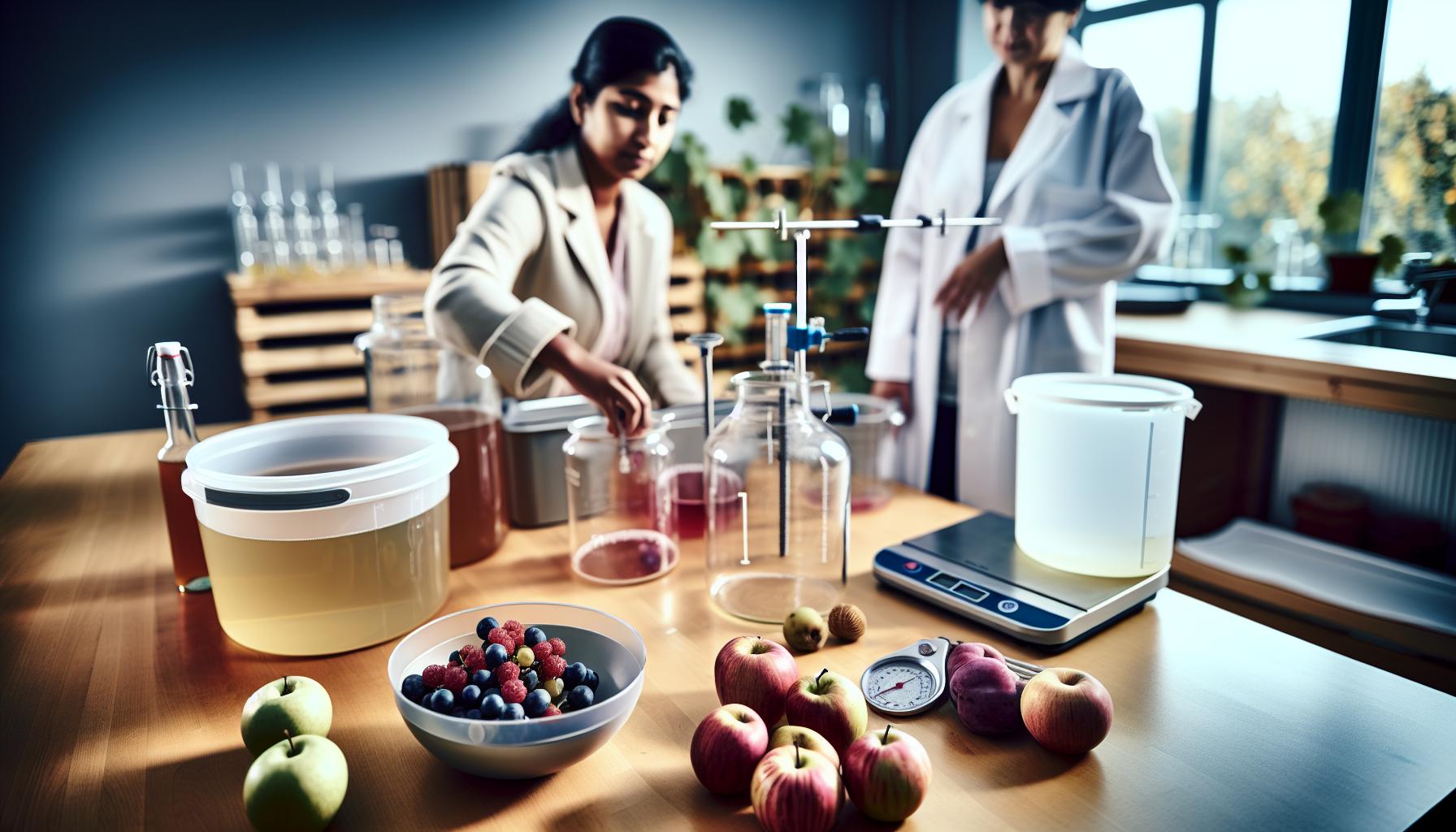
To embark on the delightful journey of fermenting fruit wine, you’ll discover this process is not only a fun kitchen project but also a rewarding adventure that transforms fresh ingredients into something truly special. Whether you’re blending savory blackberries, crisp apples, or sweet peaches, the key is to embrace the process and allow your creativity to flow! Here’s a straightforward guide to help you through the fermenting stage, ensuring your fruit wine is as delicious as you envision.
Start by preparing your fruit. Wash it thoroughly to remove any dirt or residues, then chop or crush it to release the juices. If you’re using grapes, a quick mash with your hands or a potato masher works wonders. Aim for about 3-4 pounds of fruit per gallon of wine. Once your fruit is ready, transfer it into your sanitized fermentation vessel.
Next, it’s time to mix in the essentials. Add sugar (typically around 2-3 cups per gallon, depending on the sweetness of your fruit), and pour in enough water to cover the fruit. You can adjust the sugar content based on your taste – more sugar will result in a sweeter wine. Now, sprinkle in your yeast, which is the magic ingredient that will turn your sugary juice into wine. Use a wine-specific yeast for the best results, and make sure it’s well-distributed in the liquid.
Cover your fermentation vessel with a clean cloth or airlock to allow gas to escape while keeping contaminants out. Place your vessel in a warm, dark spot (around 70-75°F is optimal). During this magical waiting period, which usually lasts about one to two weeks, you’ll witness bubbling activity as the yeast consumes the sugars. Check on your brew regularly and give it a gentle stir every few days to mix in the yeast and help prevent the formation of a thick fruit cap, which can spoil.
Once the bubbling slows down, it’s time to strain! Using your fine mesh strainer or cheesecloth, separate the liquid from the pulp into another sanitized container. At this stage, you can taste your new wine. If it needs more sweetness, you can mix in some more sugar, keeping in mind it will ferment again. Seal it up, and allow it to ferment a second time for another few weeks to months. Patience is key! As the wine continues to develop, you’ll begin to notice some delightful flavors emerging.
With this step-by-step guide, you’re all set to unleash your inner winemaker! Remember, each batch is an opportunity to experiment with flavors, adjusting sugars and adding spices or other fruits to craft a truly unique creation. Enjoy the process, and soon enough, you’ll be savoring your own homemade fruit wine, crafted right in your kitchen!
Creative Flavor Enhancements: Spices and Herbs

You might be amazed at how transforming your fruit wine with spices and herbs can elevate its flavor profile to new heights! Adding these delightful ingredients not only introduces exciting new nuances but also allows you to personalize your wine based on your tastes or the season. It’s an accessible way to experiment, turning each batch into something uniquely yours.
When considering what spices and herbs to incorporate, think about the base fruit you’ve chosen. For instance, if you’re making a cherry wine, try adding a touch of cinnamon and nutmeg for warmth and depth. A citrus wine could beautifully benefit from fresh mint or basil, which brings a refreshing herbal note that pairs wonderfully with the vibrant acidity of the fruit. Here are some popular choices that can augment your fruit wine:
- Cinnamon: Great for adding warmth, especially in cooler months.
- Cloves: Provides a spicy kick, perfect in darker wines.
- Vanilla: Adds a sweet and creamy flavor that softens sharp notes.
- Ginger: A wonderful choice for a zesty kick-ideal for apple or pear wines.
- Rosemary: Adds a fragrant and earthy quality, excellent in berry wines.
- Thyme: Imparts a subtle herbal note that can round out sweeter wines.
Start by adding just a small amount-1 to 2 teaspoons of dried herbs or spices can significantly impact flavor during fermentation. You’ll want to add these during the primary fermentation phase, as they’ll have time to infuse their flavors into the wine. If you’re using fresh herbs, consider creating a herb bundle that you can remove easily once the wine has reached your desired flavor. This method keeps the infusion clean and allows for easy adjustments.
As you create your flavored wine, don’t shy away from tasting along the way! This is one of the joys of homemade winemaking. Take a small sample every week after you add your spices or herbs; this will help you gauge how much longer you want to let them steep. With practice, you’ll develop your palate and feel confident adjusting flavors to craft the perfect wine for any occasion. Remember, the only limit is your imagination, so dive in and enjoy the creative process!
Common Mistakes to Avoid When Making Wine
Starting your journey into homemade fruit winemaking can be as thrilling as it is daunting. While the process allows for a wonderful exploration of flavors and creativity, certain slip-ups can quickly turn your dream vintage into a regrettable concoction. Here are some common pitfalls to avoid that can make your winemaking adventure much smoother and more enjoyable.
Not Sanitizing Equipment
One of the most crucial steps-and often the most overlooked-is ensuring all your equipment is properly sanitized. Bacteria and wild yeast can wreak havoc on your fermentation process, leading to off-flavors or spoilage. Always give your fermentation vessels, tools, and bottles a thorough cleaning with a sanitizer before you begin. This simple step can save you hours of frustration in the long run!
Ignoring Fruit Quality
The foundation of a great fruit wine lies in the fruit itself. Using overripe, underripe, or damaged fruit can result in inconsistent flavors and undesirable aromas. Aim for fresh, high-quality fruit that’s at its peak ripeness. For example, if you’re making blueberry wine, choose plump, sweet blueberries rather than those that might be mushy or sour. Your taste buds will thank you!
Forgetting to Monitor Fermentation
Patience is a virtue in winemaking, but that doesn’t mean you should leave your fermenting wine unattended. Regular monitoring is key to achieving the right flavors and ensuring fermentation is progressing. Check the specific gravity with a hydrometer and taste periodically. If the fermentation slows down prematurely or stops, you might need to adjust the temperature or add more yeast.
Skipping the Tasting Stage
Let’s face it; one of the joys of home winemaking is tasting your creation-don’t skip this vital step! As your wine ferments, take samples to gauge the development of flavors. This is your opportunity to personalize your wine, whether by adding more sugar if it’s too tart, or spices and herbs for that extra twist. Plus, tasting helps you understand how different fruits and enhancements interact over time, building your confidence for future batches.
Rushing the Aging Process
It can be tempting to bottle your wine as soon as fermentation is complete and taste it right away, but aging is where the magic really happens! Wine often improves with a little time; flavors meld and become more complex. Patience pays off-allow your fruit wine to age for at least a few months, or longer for bolder flavors. A little time can transform your brew into a truly delightful vintage.
By keeping these common missteps in mind, you’ll be well on your way to producing delightful fruit wines that you can take pride in. Embrace the journey, allow yourself to make mistakes, and remember-you’re crafting something special with each batch!
Troubleshooting Your Fruit Wine: Tips for Success
Navigating the world of homemade fruit winemaking can feel like uncharted waters, especially when you hit a snag. But don’t worry! Each challenge is just an opportunity to learn and refine your craft. Let’s delve into some common issues you may encounter and how to overcome them, ensuring that your fruit wine journey remains rewarding and enjoyable.
Stuck Fermentation
Sometimes, yeast can be uncooperative, leading to stuck fermentation. This often happens if the temperature is too low, the sugar levels are imbalanced, or the yeast is exhausted. To troubleshoot, try gently stirring the must to reintroduce oxygen, which may revive your yeast. If that doesn’t help, you might consider adding a fresh yeast starter to kick things back into gear. Remember, it’s all about keeping an eye on those levels. A simple hydrometer check can save you a lot of stress and disappointment!
Off-Flavors
Tasting your wine and noticing an off-flavor can be disheartening. Whether it’s vinegar-like, sour, or tastes overly yeasty, there are ways to handle it. First, assess whether your fermentation stalled due to temperature fluctuations or if wild yeasts invaded your must. If you detect a vinegar flavor, it might indicate oxidation or the presence of acetic acid bacteria. Blending the questionable batches with fresher, well-fermented wine can sometimes minimize undesirable flavors. On the flip side, if your wine tastes too sour, sweetening it with a bit of honey or natural sugar can help balance things out.
Clarity Concerns
A clear wine is often a mark of quality, but cloudiness can make home winemakers anxious. If your fruit wine appears hazy, there are a few steps you can take. One option is to use fining agents like bentonite, which help settle particles and clarify the wine without harsh chemicals. Alternatively, be patient! Sometimes, as the wine ages, it may clear up on its own. If you prefer instant gratification, filtering your wine can also do the trick.
Overly Sweet or Dry Wine
Striking the right balance of sweetness can be tricky. If your wine turns out too sweet, try to assess the sugar content during fermentation to ensure that the yeast has fully consumed the sugars before bottling. If you’ve already bottled and find your wine overly sweet, consider blending it with a dryer batch of wine to create a more balanced profile. Conversely, if your wine tastes too dry, you have the option to back-sweeten with a simple syrup or fruit juice. Start with small adjustments to dial in the flavor without overwhelming your wine.
In winemaking, the key is to embrace the process and accept that not every batch will be perfect. Each hiccup is a learning experience, a chapter in your winemaking story. Stay curious, keep experimenting, and remember, every bottle has the potential to tell a delicious tale!
Exploring Unique Fruit Varieties for Wine
When you think of fruit for winemaking, grapes might be the first that come to mind, but there’s a vibrant world of other fruits ripe for exploration! If you’re ready to expand your horizons and try crafting wines from different fruits, you’re in for a delightful adventure. From juicy berries to exotic tropical options, the possibilities are endless. Each fruit lends its unique flavor profile and character to your wine, making it a chance for creativity to shine.
Harvesting Flavor with Berries
Berries are an excellent starting point for the adventurous home winemaker, as they’re not only sweeter than many other fruits but also have high acidity, which is perfect for balancing your wine. Here are some popular choices:
- Raspberries: They impart a tantalizing tartness and can add a beautiful crimson hue to your wine.
- Blackberries: These provide deep flavors and can complement spices well, making them suitable for blending.
- Blueberries: Known for their health benefits, they create a lovely, aromatic wine that’s also low in acidity.
When using berries, you may want to consider combining them with apples or pears for added structure and balance. A classic recommendation is to mix blackberries and blueberries for a burst of flavor and a rich color!
Stone Fruits for a Juicy Twist
Stone fruits like peaches, cherries, and plums bring a luscious sweetness and complexity to your winemaking journey. They’re a summer favorite and can be an exhilarating twist on traditional grape wines:
- Peaches: Their floral aromas and juicy flavors result in a soft, smooth wine, perfect for sipping in warmer weather.
- Cherries: With notes ranging from sweet to tangy, cherry wine can easily be enjoyed on its own or paired with desserts.
- Plums: These create a fuller-bodied wine with a hint of spice, making them ideal for crafting rich blends.
For an exciting experiment, consider combining peaches and apricots for a fragrant, aromatic white fruit wine that will surprise your palate!
Tropical Inspirations
Don’t shy away from tropical fruits; they can yield uniquely refreshing wines perfect for summer parties! Fruits like pineapple, mango, and passionfruit are not just for cocktails-they can create delightful wines that brighten any occasion:
- Pineapple: This fruit brings a vibrant sweetness and acidity that can enhance many wine profiles.
- Mango: Known for its rich, luscious flesh, mango wine offers complex flavors with hints of citrus.
- Passionfruit: Its bold, tangy flavor can add an exotic twist to any fruit wine.
Combining tropical fruits with citrus can help achieve a well-balanced flavor and aroma, offering an escape to an island paradise with every sip!
Each fruit presents an inviting opportunity to craft something uniquely yours, so don’t hesitate to mix and match! As you dive into the world of alternative fruit wines, keep tasting and adjusting to find the blend that best satisfies your palate. Remember, home winemaking is all about exploration and creativity-embrace the process and enjoy the fruits of your labor!
Sweetening Your Wine: Natural and Alternative Sugars
Sweetening your homemade fruit wine can turn an already enjoyable experience into a more delightful one. Adding the right sweetener not only enhances the flavors but also balances acidity, creating a harmonious sip. While traditional recipes often call for granulated sugar or corn syrup, there are multiple natural and alternative sweetening options that you can easily experiment with to achieve different taste profiles.
Natural Sugars for Wine Sweetening
When you think about sugar, don’t just limit yourself to the usual white stuff! Nature provides an array of options that complement fruit wines beautifully:
- Honey: Adding honey brings a rich, floral note that can elevate your wine. Its sweetness varies depending on the type you choose, so pick a variety that complements your base fruit. For example, orange blossom honey pairs wonderfully with citrusy wines.
- Maple Syrup: This option adds a fascinating depth with its unique caramel notes. A little goes a long way, so start with a tablespoon and adjust to your taste.
- Agave Syrup: A popular choice for sweetening beverages, agave syrup has a mild flavor that won’t overpower your wine. Its low glycemic index makes it a favorite among health-conscious winemakers.
Try conducting a small tasting session to compare these sweeteners. Prepare three small wine samples and sweeten each with a different natural sugar, allowing your palate to discover which works best with your specific fruit wine.
Alternative Sugars for Unique Twists
In addition to the traditional and natural sweeteners, alternative sugars can offer exciting flavors and health benefits. Here are a few to consider:
- Coconut Sugar: Rich in minerals, coconut sugar adds a caramel-like flavor, making it an intriguing addition to darker fruit wines like black cherry or plum.
- Stevia: If you want a calorie-free option, stevia is a great choice. It’s super sweet, so use it sparingly-start with just a pinch and taste as you go.
- Date Sugar: This whole-food option offers a natural sweetness derived from dehydrated dates, adding a hint of richness reminiscent of raisin wine.
Once you’ve selected your sweetener, it’s essential to dissolve it properly. Stirring or shaking the wine gently after adding your chosen sweetener ensures even distribution, preventing unexpected flavor pockets. Always remember to take small tastes during the process; the beauty of homemade winemaking lies in finding your own balanced flavor!
Feel free to explore and combine different sweeteners until you discover a blend that tantalizes your taste buds. The world of wine is truly about your personal style and creativity, so have fun with it! Happy winemaking!
Aging and Bottling Homemade Fruit Wine
Aging is a crucial step that can transform your homemade fruit wine into something exceptional. Just like many traditional wines, giving your fruit wine time to mature allows the flavors to meld and develop complexity. This process can enhance your wine’s aroma and taste, resulting in a more enjoyable sipping experience. So, grab your bottles and let’s delve into the art of aging and bottling your delicious concoctions!
Understanding Aging
Aging allows your wine to evolve and reach a harmonious balance between acidity, sweetness, and flavor. While different fruits have varying aging potentials, many fruit wines can benefit from resting for anywhere from a few weeks to several months. Here are some tips to get you started:
- Optimal Conditions: Store your wine in a dark place with a stable temperature. Aim for around 55°F (13°C), which mimics professional wine cellars. Avoid high humidity and keep away from vibrations, as these can disturb the sediment in your wine.
- Know Your Fruit: Some fruit wines, such as those made from berries or stone fruits, can age well and develop rich flavors. However, lighter wines like apple or pear should typically be enjoyed when fresh, so taste as you go!
Bottling Your Wine
Once you’ve decided on the aging length, it’s time to bottle your masterpiece. Here’s how to make this process smooth and successful:
- Gather Your Supplies: You’ll need clean bottles (glass is ideal), corks or caps, a siphoning tool or racking cane, and a funnel. Having everything ready will streamline your efforts, making bottling a breeze.
- Sanitize Everything: Cleanliness is vital in winemaking. Sanitize your bottles and corks to prevent spoilage. A simple solution of water and a non-toxic sanitizer will do the trick. Rinse thoroughly afterwards!
- Fill and Seal: Use your siphoning tool to transfer the wine into the bottles, leaving about an inch of space at the top. Insert the corks or caps snugly, ensuring no air can enter.
- Label Your Bottles: Don’t forget to label! Include the type of fruit, the date bottled, and any notes about the aging process. This will help when revisiting your creations later.
Patience is Key
After bottling, resist the temptation to open a bottle right away. Allow a few additional weeks of aging in the bottles for the flavors to settle. Then, when you finally pop the cork and pour a glass, you’ll be ready to impress family and friends with your culinary accomplishment. Making fruit wine is not just a craft; it’s a journey. Embrace the process, savor the flavors, and enjoy every sip of your homemade delight! Happy winemaking!
Serving and Pairing Your Fruit Wine Creatively
When it comes to enjoying your homemade fruit wine, the excitement is all about experimenting with serving and pairing. A well-chosen pairing can elevate your wine experience, enhancing flavors and bringing out the best in both the beverage and the food. You might discover that your raspberry wine perfectly complements a rich chocolate dessert, or that a crisp apple cider balances beautifully with a sharp cheese.
Harmonizing flavors is essential. Here are a few ideas to inspire your next gathering:
- Tropical fruit wines: Serve with light seafood dishes, citrus salads, or spiced curries. The freshness of these pairings can enhance the natural sweetness of your wine.
- Berry wines: These fruity delights are fantastic with desserts, particularly anything chocolatey. Think brownies or chocolate mousse! Fresh berries and whipped cream also make a lovely companion.
- Stone fruit wines: A peach or apricot wine can be sublime with grilled meats and barbecue sauces. Their sweetness complements the savory char of grilled fare.
- Herbal-infused fruit wines: If you’ve added herbs to your winemaking process, serve them with dishes that feature similar herbs. For instance, a mint-infused watermelon wine pairs wonderfully with lamb or grilled vegetables.
The serving temperature can also make a big difference. Most fruit wines taste best slightly chilled, so keep them in the refrigerator for about an hour before your guests arrive. For a more creative touch, consider crafting unique cocktails using your fruit wine. A splash of flavored sparkling water or a few fresh herbs can transform your wine into a refreshing spritzer that’s perfect for warm days.
Lastly, don’t forget about presentation! Use elegant glassware or even fun mason jars for a casual gathering. Garnishing glasses with fresh fruit slices not only looks appealing but also ties your drink back to its fruity origins. Enjoy the process of sharing your creation, and remember, the perfect pairing is all about what makes you happy! Cheers to creativity in every sip!
Health Benefits of Fruit Wine You Didn’t Know About
Did you know that enjoying a glass of fruit wine not only delights your palate but may also confer surprising health benefits? Homemade fruit wines are not just a tasty treat; they can be a source of antioxidants, vitamins, and other nutrients, depending on the fruits used in your winemaking. It’s like sipping on a colorful blend of health and happiness!
One of the standout features of fruit wines is their rich antioxidant content. Many fruits, such as grapes, berries, and apples, are packed with polyphenols, which have been shown to help reduce inflammation and combat oxidative stress. This means that indulging in your homemade berry wine or a tropical fruit medley might contribute to better heart health and improved overall wellness. You can think of your fruity concoctions as a treat that also supports your body.
Caloric Considerations and Nutritional Value
Another perk is the nutritional profile. When you make wine at home, you can control the ingredients and sweetness. For instance, you might use fresh, organic fruits with little added sugar, resulting in a drink that has fewer calories than many commercially produced wines. Additionally, some fruits offer specific health benefits:
| Fruit | Nutritional Benefit |
|---|---|
| Blueberries | Rich in antioxidants that may protect your heart. |
| Peaches | High in vitamins A and C, supporting skin health. |
| Pineapples | Contains bromelain, an enzyme that aids digestion. |
| Cherries | May help reduce inflammation and improve sleep quality. |
Mindful Enjoyment
Moderation, of course, is key. While fruit wine can offer beneficial properties, it still contains alcohol, which should be consumed responsibly. The ideal way to enjoy these drinks is with a meal, where the flavors can complement one another, enhancing not just the taste but also your culinary experience.
Additionally, many fruits used in winemaking are hydrating, and since your homemade fruit wine is often lighter than traditional varieties, it can be a refreshing alternative during summer gatherings. So go ahead, raise your glass full of fruity goodness and celebrate the delightful combination of taste and health! Savor each sip, knowing that your homemade creations might do more for your body than you ever imagined. Cheers to a fruitful journey of health and flavor!
Exploring Regional Fruit Wine Varieties and Styles
When it comes to crafting delicious fruit wines, the exciting variety of fruits available can transform your winemaking experience into a flavorful journey across different regions. Each area has its own unique fruit offerings, which can lead to some truly remarkable wines. Imagine savoring a wine that captures the essence of a sunny orchard or the lushness of a tropical paradise-all from the comfort of your kitchen!
Let’s explore some fascinating regional variations that may inspire your next batch of homemade wine.
North America: Berry Bliss
In the United States and Canada, berries reign supreme. Grapes are the classic choice, but why not venture into the sweet and tart world of fruit like blackberries, blueberries, or raspberries? These fruits thrive in local climates and can yield vibrant, fruity wines that range from sweet to dry. A blackberry wine, infused with hints of vanilla or spice, makes for a delightful summer sip. When choosing fruits, look for fresh, locally sourced options, as they often have the best flavor and aroma.
Europe: Orchard Elegance
European countries offer a delightful selection of fruits that can elevate your winemaking game. From the romantic vineyards of France to the orchards of Germany, consider using apples or pears, especially if you’re near cider-producing regions. A semi-sweet pear wine can be incredibly refreshing, especially when paired with salads or grilled meats. Additionally, incorporating herbs like rosemary or thyme can add a unique regional flair to your creation, celebrating the rich culinary traditions inherent in these flavors.
Tropical Inspirations: Exotic Fruits
If you’re feeling adventurous, explore the exotic fruits from tropical regions. Pineapples, mangoes, and guavas add a fresh, vibrant character to your wines. After all, a tropical fruit wine can transport you to a sunny beach with each sip! These fruits may require a bit more sugar, as they can be quite tart, but don’t shy away from experimenting. A mango and chili wine could bring a spicy twist to your next gathering.
Asian Delights: The Unique Touch
Asian fruits like lychee and pomelo can lend an interesting touch to your wines as well. Lychee, with its aromatic sweetness, can create a beautiful dessert wine that pairs wonderfully with light cheeses or fruit-focused desserts. Think outside traditional boundaries and consider blending fruits for a more complex flavor profile-like lychee with a hint of lemongrass or pomelo with ginger.
Each region speaks to the soul of its fruits, allowing you to infuse their stories into your winemaking. By embracing local produce and experimenting with unique flavor combinations, you can craft wines that are not just beverages but delightful expressions of culture and creativity. So grab those fruits, gather your supplies, and embark on your next wine-making adventure with confidence! Cheers to exploring the fruity diversity of our world!
Frequently Asked Questions
Q: What fruits are best for making wine at home?
A: The best fruits for homemade wine include grapes, apples, peaches, and berries. Each fruit offers unique flavors and characteristics. For a creative twist, consider using tropical fruits like mango or exotic varieties like elderberry. Experimenting with different fruits can enhance the depth of your wine!
Q: How long does it take to make fruit wine?
A: The time to make fruit wine varies, but typically, the fermentation process lasts one to three weeks, followed by aging, which can take several months. For faster results, opt for lighter fruits and monitor fermentation closely. Remember, patience rewards you with improved flavor!
Q: Can I mix different fruits when making wine?
A: Yes, mixing fruits is encouraged! Combining fruits like strawberries and rhubarb or cherries and raspberries can lead to a complex flavor profile. Just ensure the fruits complement each other. Refer to the “Exploring Unique Fruit Varieties for Wine” section for more creative combinations.
Q: What is the alcohol content of homemade fruit wine?
A: The alcohol content of homemade fruit wine typically ranges from 8% to 14%. This depends on the sugar level in your fruit and the fermentation process. Using a hydrometer can help you measure sugar levels and estimate alcohol content accurately.
Q: How can I improve the flavor of my fruit wine?
A: To improve the flavor, consider adding spices or herbs during fermentation. Common additions include cinnamon, ginger, or mint. Refer to the “Creative Flavor Enhancements: Spices and Herbs” section in the article for specific ideas to elevate your wine’s taste.
Q: Is it necessary to use a wine kit for making fruit wine?
A: No, wine kits are not necessary for making fruit wine! Many home winemakers achieve great results using basic ingredients and equipment. For guidance, see the “Essential Equipment for Home Winemaking” section that details tools to get you started effectively.
Q: How can I tell if my fruit wine is bad?
A: Signs that your fruit wine is spoiled include off smells, unusual colors, or bubbles that indicate unwanted fermentation. If it tastes sour or vinegar-like, it’s best to discard it. Consult the “Troubleshooting Your Fruit Wine: Tips for Success” section for identifying specific issues.
Q: When is the best time to bottle my homemade fruit wine?
A: The best time to bottle your homemade fruit wine is after fermentation has completely finished and sediment has settled. Typically, this occurs 4-6 weeks after you start fermentation. Patience is key-bottling too early can result in a fizzy mess! For detailed bottling advice, check the “Aging and Bottling Homemade Fruit Wine” section.
Future Outlook
Congratulations on embarking on your fruity winemaking journey! Remember, making wine from fruit is not just about the final product; it’s about enjoying the process and experimenting with flavors. Whether you stick to traditional recipes or try out unique combinations, the magic lies in your creativity and willingness to learn. Don’t hesitate to reach out with your thoughts or share your own fruity variations in the comments below; we love to hear from fellow home winemakers!
For more delightful culinary adventures, check out our guide on “Gourmet Butters” to elevate your cooking game or explore “No-Cook Desserts” for fresh summer treats. And if you want to stay updated on our latest recipes and tips, consider signing up for our newsletter. Let’s keep the conversation going-transforming everyday ingredients into extraordinary experiences starts with you! Cheers to your homemade masterpieces!