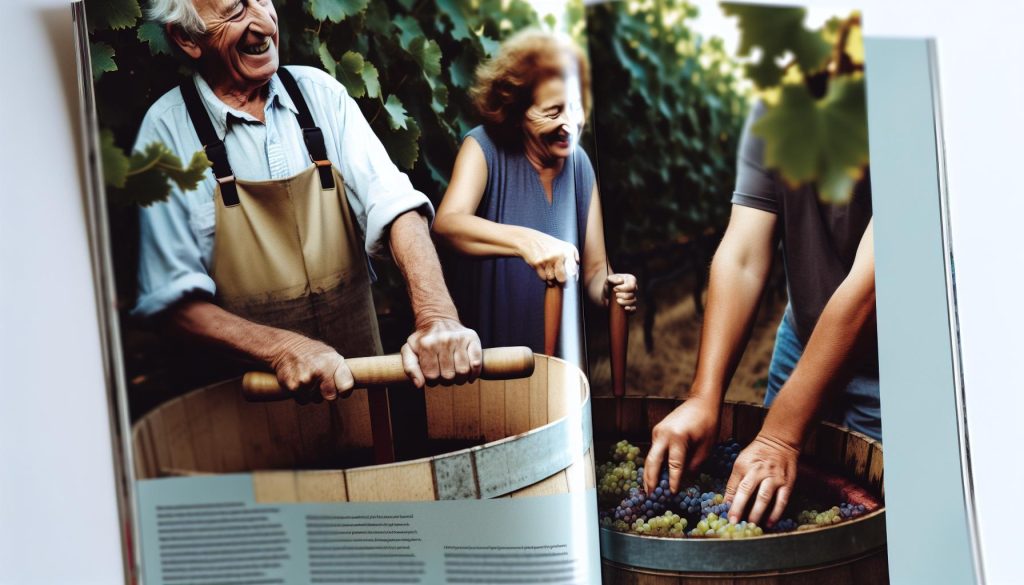
Did you know that wine can be made without using any commercial yeast? Instead, you can harness the power of wild fermentation, where natural yeast found on fruits and in the environment does all the work. This method not only makes winemaking more accessible but also adds unique flavors and character to your creations. In this guide, we’ll explore how anyone can craft their own wine using simple ingredients and natural processes. Whether you’re a seasoned cook or a curious beginner, you’ll find that making wine at home can be a rewarding and fun adventure. So grab your grapes and let’s dive into the delicious world of natural fermentation! You’ll discover how easy it is to create something special right in your kitchen, celebrating the art of fermentation and transforming your culinary skills.
Natural Fermentation: The Basics Uncovered
When you think of making wine, the common image is of intricate yeast cultures and controlled fermentation processes. However, natural fermentation opens the door to a wonderfully organic method that celebrates the wild yeasts already present in your environment. This ancient technique not only allows you to create unique flavors but also simplifies the process, making it accessible to anyone ready to step into the world of winemaking. Imagine walking into your kitchen, using the fresh fruits you have on hand, and crafting your own wine that is a true reflection of your personal touch and the local terroir.
To start with natural fermentation, select ripe fruits as your base. Grapes are the traditional choice, but apples, pears, or even berries can produce remarkable results. The key here is to utilize fruits that have been grown without pesticides, as these will likely have a natural coating of wild yeast on their skins. This yeast is crucial for the fermentation process, as it will convert the sugars present in the fruit into alcohol. Simply wash your chosen fruits, mash them slightly to release their juices, and allow them to sit at room temperature; this will kick-start the fermentation process as the wild yeast becomes active.
While you don’t need any fancy equipment, proper sanitation remains essential. Make sure all your materials, including containers and utensils, are thoroughly cleaned to prevent unwanted microbes from spoiling your batch. Glass jars, ceramic crocks, or even food-grade plastic containers can work well for fermentation vessels. Cover your vessel with a breathable cloth or a loose lid to allow gas to escape while keeping dust and insects out.
Patience is a virtue with natural fermentation. Depending on the fruit and environmental conditions, it can take anywhere from a few days to several weeks for the fermentation process to complete. Inner bubbling sounds or a frothy top are good signs that things are moving along nicely. As your wine ferments, taste it periodically to gauge its progress; this is where the fun really begins! You might discover flavors that fluctuate and evolve, offering a delightful uniqueness to each batch.
Natural fermentation isn’t just a practice; it’s an adventure into the unexpected world of homemade wine. With a little creativity and a willingness to experiment, you can transform simple ingredients into something extraordinary-your very own natural wine, infused with character and story. So why not roll up your sleeves and dive into this flavorful journey? Who knows what delightful concoction you might create!
Understanding the Role of Wild Yeasts

The magic of natural wine lies in the wild yeasts that reside all around us, often unseen but ever-present. These yeasts, particularly Saccharomyces cerevisiae, thrive on the surfaces of grape skins and other fruits, and they play a vital role in the fermentation process. Unlike commercial yeasts, which are carefully cultivated for consistency and reliability, wild yeasts bring an element of unpredictability and diversity, resulting in wines that reflect the unique characteristics of their environment-the terroir. This means every batch of wine you create could taste delightfully different, depending on the local flora and the specific fruits you use.
When you use wild yeasts for fermentation, you’re tapping into a natural ecology that has existed for millennia. To get started, consider using fresh, organic fruits that haven’t been treated with pesticides. These fruits carry a natural coating of yeast on their skins, which is essential for initiating fermentation. Just wash the fruit gently, mash it to release the juices, and leave it at room temperature. This approach not only simplifies the process but aligns it with the ancient practices of winemakers who relied on the fermentation agents available in their environment.
In the fermentation process, wild yeasts convert sugars in the fruit into alcohol and carbon dioxide through their natural metabolic activities. This transformation can take anywhere from a few days to a few weeks, and during this time, you’ll notice changes in aroma, flavor, and texture. It’s a delightful journey that rewards patience; as you taste your wine over days or weeks, you’ll find new nuances developing. This variability can lead to complex flavors and can make each batch a unique expression of the ingredients and environment you’ve worked with.
To embrace the charm of wild yeast fermentation fully, it’s important to create an inviting environment for these microorganisms. While they do their thing, give them the best chance to shine by keeping your fermentation area clean and by using vessels that protect the wine from unwanted contaminants. Glass jars or ceramic crocks are excellent choices, allowing you to monitor the fermentation process while keeping your delicate creation safe from the outside world. Cover the containers with breathable cloths to let the gases escape and keep pesky insects at bay.
In essence, working with wild yeasts isn’t just about making wine; it’s about engaging with nature and celebrating the diversity of flavors it can produce. Each batch becomes a story of its own, influenced by the fruits you choose and the unique microbial world in your kitchen. So, gather some ripe fruits, let nature do its work, and revel in the joy of creating something truly personal. Who knows? You might just find your next favorite wine waiting in your very own kitchen!
Selecting the Right Fruits for Wine Making

Choosing the right fruits for winemaking is like selecting the perfect ingredients for any dish; it lays the foundation for the flavor profiles of your wine. Not all fruits possess the same sugar content or acidity levels, both of which are crucial for fermentation and the final taste of your homemade wine. For beginners and seasoned fermenters alike, understanding these elements can transform your winemaking experience into a delightful adventure.
Key Characteristics to Consider
When picking fruits, consider the following aspects:
- Freshness: Always use ripe, fresh fruits as they contain the natural sugars and yeasts needed for fermentation. Overripe or damaged fruits can introduce undesirable flavors and even spoilage.
- Sugar Content: Fruits like grapes, apples, and peaches are high in sugar, making them excellent choices for fermentation. Stronger sugar levels contribute to higher alcohol content.
- Acidity: A balance of sugar and acidity is vital. Fruits such as cranberries and citrus help create a crisp, refreshing wine.
- Yeast Presence: Organic fruits are best since they often retain wild yeasts on their skins, essential for initiating the fermentation process. Fruits like elderberries and blackberries are particularly potent in this regard.
Best Fruits for Natural Wine
Some fruits not only taste great but also have a rich history in wine production. Here are a few excellent options to inspire your next batch:
| Fruit | Sugar Content | Flavor Profile |
|---|---|---|
| Grapes | High | Varies by type (sweet to dry) |
| Apples | Medium | Crisp, fruity |
| Pears | Medium | Sweet, floral |
| Blackberries | Medium | Jammy, tart |
| Cranberries | Low | Tart, refreshing |
Experiment and Enjoy!
Don’t be afraid to get creative! Mixing different fruits can yield exciting combinations and unique flavors. For instance, blending apples with a handful of tart cranberries can result in a beautifully balanced wine, making experimentation a core part of your process. Whether you’re inspired by seasonal fruits from your local market or those overflowing from your backyard garden, the joy of winemaking lies in the journey. Embrace imperfections, celebrate the diversity of flavors, and enjoy sipping on your handcrafted creations with friends and family. Happy fermenting!
Simple Steps for Creating Natural Wine

Creating your own wine at home can be a rewarding and delicious endeavor, especially when you take the natural fermentation route. By using the wild yeasts that are naturally present on fruit skins and in the environment, you can produce a unique wine without needing commercial yeast. Here’s how to get started with this delightful process using simple ingredients and straightforward steps.
First, gather your ingredients. You’ll need fresh, ripe fruits, which we’ve talked about in the previous section. Grapes, apples, and pears are excellent choices due to their sugar content and natural flavors. You’ll also want to equip yourself with a fermentation vessel-this could be a glass jar or a food-grade plastic bucket. Just make sure it’s clean!
Next, the magic begins with the crushing of your fruit. Place your cleaned and chopped fruit into the fermentation vessel. Use a potato masher or your hands to crush the fruit, releasing its juices. This is where the excitement builds, as you create a flavorful base for your wine. It’s a bit like making a jam but with an eye toward fermentation.
Now, cover the crushed fruit with a breathable cloth or a loose lid to protect it from insects while allowing natural air exposure. This is essential as wild yeast from the air will begin to inoculate your mixture. Place the vessel in a warm, dark spot in your home, ideally around 60-75°F (15-24°C). It’s all about the patience game now-let it sit for about a week, stirring daily to ensure even fermentation.
You’ll know fermentation is happening when you see bubbling or froth on the surface. After about a week, strain out the solids using a fine mesh strainer or cheesecloth into a clean bottle or another fermentation vessel, leaving behind any sediment. It’s important to siphon the liquid to minimize exposure to unwanted bacteria. If any fruit remains, it can lead to off-flavors, so be diligent here.
Once strained, seal your new wine tightly and continue to let it ferment for another 3 to 4 weeks. Check periodically; if you notice sediment building at the bottom, it’s a good sign it’s fermenting just fine. After this secondary fermentation, it’s time to make it your own! You can bottle and age your new wine or add natural spices or herbs for more complexity.
Remember, each batch you create will differ, shaped by the fruit used, your environment, and your unique process. Embrace the variations and don’t hesitate to experiment. The beauty of home winemaking is in its creativity-chase that perfect blend that sings to you, and savor the journey of making something truly your own. Happy fermenting!
Fermentation Vessels: Choosing the Best Options
Choosing the right fermentation vessel is a vital step in your natural wine-making adventure. The vessel you select not only affects the fermentation process but also influences the flavors and overall quality of your finished wine. As you embark on this exciting journey, keep in mind that you don’t need fancy equipment to succeed! Many everyday items can do the job beautifully, letting you focus on the joy of creating.
First and foremost, consider the material of your fermentation vessel. Glass containers, such as mason jars or food-grade glass carboys, are popular choices due to their non-reactive nature. They allow you to see the fermentation process, which can be quite fascinating as bubbles form and the mixture changes. If you prefer plastic, make sure it’s food-grade and has a smooth interior to prevent any off-flavors from lingering. Plastic buckets often come with lids and can hold larger quantities of fruit, making them suitable for bigger batches.
Size Matters
When it comes to size, think about how much wine you’d like to produce. Smaller vessels are great for experimentation with flavors or ingredients, while a larger container allows you to ferment enough to share with friends! For beginners, starting with a gallon or two should suffice, especially if you want to test out different fruits or blends. Just remember to fill the vessel to about 80% capacity to allow for bubbling and expansion during fermentation.
Ventilation is Key
Proper ventilation should also be on your radar. While wild yeasts do their magic, your mixture needs access to air. Look for fermentation vessels that can be covered with breathable materials, like cheesecloth or loose lids, which discourage pests while allowing essential airflow. This step is crucial for preventing unwanted bacteria and ensuring the yeast has the oxygen it needs to thrive initially.
In summary, whether you opt for glass or plastic, small or large, the best fermentation vessel is the one that suits your style, volume, and comfort level. Embrace the creative process of wine-making and explore different setups. The more you experiment, the more you’ll discover what works best for you and your palate. Happy fermenting!
Essential Ingredients Beyond Just Fruit
Creating delicious natural wine is not just about the fruit; it’s also about adding a touch of creativity and understanding the essential ingredients that can enhance your home-brewed masterpiece. While grapes are the most popular choice, you can experiment with a variety of other fruits like apples, pears, or even plums, which bring unique flavors and aromas to your wine. But fruit alone may not be sufficient to achieve the desired profile. Here’s where understanding and incorporating some additional ingredients can elevate your natural fermentation experience.
Sweeten the Deal
Most wines benefit from a bit of sweetness to balance acidity and enhance flavor. Consider adding natural sweeteners such as honey, agave syrup, or even sugar. If you opt for honey, it not only adds sweetness but also brings distinct floral notes that can complement the fruit’s character. Start by adding about 1 to 2 cups per gallon of fruit juice, and always taste as you go. This helps you find the perfect sweetness level without overpowering your wine.
Acid: The Elixir of Life
Acidity is crucial for a balanced wine, and sometimes the fruits you choose may not provide enough on their own. You can supplement with citric acid, tartaric acid, or even the juice of fresh lemons or limes. A good rule of thumb is to start with about a quarter teaspoon of acid per gallon and adjust based on taste. This addition not only boosts brightness but also promotes a more vibrant flavor profile, enhancing the overall drinking experience.
Herbs and Spices: A Dash of Complexity
Don’t shy away from adding herbs and spices to your mixture for a truly unique flavor. Ingredients like rosemary, thyme, or even a hint of cinnamon can introduce captivating aromatic notes. Consider infusing your wine by placing a small sachet of dried herbs or spices in your fermentation vessel. Aromatics add complexity and create a one-of-a-kind wine that reflects your personal taste. Start with small amounts-perhaps a teaspoon of dried herbs-and adjust according to your preference as fermentation progresses.
Water: A Necessary Ingredient
If the fruit’s juice is too strong or concentrated, don’t hesitate to dilute it with water. This can help achieve a more balanced flavor, especially when working with intensely flavored fruits. Aim for a mixture that’s around 70 to 80% fruit juice to 20 to 30% water. This method ensures the fermentation process is uniform and helps maintain manageable sugar levels.
By thinking beyond just fruit and incorporating these essential ingredients, you’ll be well on your way to crafting a delightful batch of natural wine. The beauty of home winemaking lies in experimentation and personalization, so feel free to adjust ratios and ingredients to suit your taste. Cheers to your creative journey in natural winemaking!
Temperature’s Impact on Natural Fermentation
The temperature at which you ferment your wine can significantly shape the final taste, aroma, and overall quality. Like Goldilocks experimenting with porridge, finding the right temperature is all about balance-too hot, and you risk cooking off the delicate flavors; too cold, and fermentation can slow or even stall. Ideally, a range of 60°F to 75°F (15°C to 24°C) is considered optimal for natural fermentation, but the specific temperature you choose can depend on the types of fruit and the characteristics you want to emphasize.
Warm temperatures encourage faster fermentation, which can be beneficial for lighter, fruit-forward wines like a crisp apple or a citrus-infused blend. When you’re working with warmer temps, keep an eye on your fermentation vessel. A simple tip is to monitor the bubbles in your airlock; at warmer temperatures, you’ll see more active bubbling. However, be cautious; consistently high temperatures above 80°F (27°C) can lead to unwanted flavors, such as excessive acidity or even spoilage from unwanted bacteria.
Conversely, cooler temperatures slow down fermentation, which can foster more complex flavors and aromas. This is particularly desirable in varieties where you want to highlight nuances, such as a rich plum or a floral pear wine. If you find your space a bit too chilly, you can gently warm it by placing your fermentation vessel in a bath of warm water or wrapping it in a blanket. Just remember, some of the wild yeasts that aid in natural fermentation prefer the cool to moderate climate; thus, a consistent environment is key for allowing them to work their magic at their own pace.
To help maintain the right temperature, consider these practical steps:
- Choose the Right Spot: Find a location in your home that stays cool in the summer and warm in the winter, away from drafts and direct sunlight.
- Use a Thermometer: Invest in an affordable stick-on thermometer that can easily be placed on your fermentation vessel to keep tabs on the temperature.
- Adjust as Needed: Be prepared to shift your fermentation setup if temperatures fluctuate-this might mean moving it to a cooler room or wrapping it in layers to keep the heat in.
Every batch of wine is a learning opportunity, and experimenting with different temperatures can lead to delightful discoveries. Whether you prefer a bright, lively flavor or a deep, complex bouquet, understanding the influence of temperature on natural fermentation will empower you to craft your wine with intention and creativity. So, embrace the process-each bottle will tell a story unique to its conditions!
Troubleshooting Common Fermentation Issues
When diving into the world of natural fermentation, encountering problems can feel like a daunting cloud hovering over your winemaking adventure. But fear not! Many issues are quite common and easily resolved with a little knowledge and creativity. Let’s explore some frequent hiccups and their fixes, so you can keep your winemaking journey as smooth as possible.
One of the primary concerns during fermentation is a slow or stalled fermentation. If you’re peeking at your vessel and noticing minimal bubbling days after starting, there are a few likely reasons. Firstly, double-check your temperature-ideally, it should be between 60°F to 75°F (15°C to 24°C) for optimal yeasting activity. If it’s too cold, consider gently warming your fermentation vessel with a warm water bath. Additionally, ensure your fruit is ripe; under- or overripe fruit can impact yeast activity. If your fermentation is still sluggish, a little agitation-giving your mixture a gentle stir-can help reinvigorate those wild yeasts.
Another issue you might run into is off-flavors or unwanted aromas. This can happen if fermentation temperatures rise too high or if your fruit has been compromised. If fermentation goes above 80°F (27°C), you might run into unexpected flavors. To maintain a balanced environment, monitor your fermentation closely, perhaps using a thermometer placed on your vessel. If you detect any strange smells or tastes, consider blending your batch with another fresh juice or fruit that hasn’t started to ferment yet. Often, the right combination can mask undesirable flavors and create something new and exciting.
Sometimes, you might see a layer of sediment or film developing on the top of your fermentation vessel. This can be perfectly natural; it’s just a collection of yeast and other particles. However, if the film appears overly thick or has an unusual color, this could be an indication of spoilage. In such cases, carefully siphon out the liquid below the film into another clean vessel, leaving the film behind. Adding a splash of fresh juice or water may also help revitalize your mixture.
Lastly, don’t forget about the importance of cleanliness. Always sterilize your equipment before starting a new batch. This simple step can prevent many of the problems associated with wild fermentation, like unwanted bacterial growth or strange flavors. If you do find your batch has gone awry, remember, winemaking is a creative journey filled with learning experiences. Embrace the process, and you may find an inspiring solution along the way!
Enhancing Flavor: Techniques for Natural Wine
Creating delightful natural wine involves more than just letting the wild yeasts do their thing; it’s about infusing unique flavors into your brew. Enhancing flavor during the fermentation process can transform your homemade wine from basic to extraordinary, and the best part is that you don’t need fancy equipment or a degree in winemaking. Let’s explore some simple techniques that will elevate your natural wine experience.
First, consider the fruits you are using. The variety and ripeness play a crucial role in the wine’s final taste. Grapes are the traditional choice, but why not experiment with berries, apples, or even stone fruits? Each type of fruit brings its own characteristics. For instance, ripe peaches can add a luscious sweetness, while tart berries might provide a refreshing acidity. Always choose fruits that are in season and bursting with flavor. For a twist, try blending different fruits together-like strawberries and cherries-to create a layered taste profile.
Another effective method for enhancing flavor is through spice and herb infusion. As your mixture ferments, think about adding a handful of herbs like rosemary, thyme, or even basil. These herbs can lend intriguing aromatic notes to your wine. Similarly, spices such as cinnamon, cloves, or star anise can add warmth and complexity. Just a small pinch can go a long way, so start with a tiny amount, taste frequently, and adjust according to your preference.
Creating Flavor Depth with Techniques
- Use of Oak: If you want that classic oaky flavor that gives wine its depth, consider introducing oak chips or cubes during fermentation or aging. Soak the oak in wine or water first to take the edge off its intensity.
- Cold Soaking: Before fermentation begins, try a cold soak with your fruit. This technique involves letting your crushed fruit sit in its juices at low temperatures for a few days to extract more flavor before the yeast kicks in.
- Partial Fermentation: This method involves stopping the fermentation process before it completes. By leaving some residual sugar in your wine, you can create a sweeter, more fruit-forward profile, perfect for pairing with desserts or spicy foods.
- Blending: Once fermentation is complete, don’t shy away from mixing your batch with another wine you’ve made. This could enhance complexity and introduce new dimensions of flavor. If one batch turns out too acidic, blending with a softer batch can balance it out.
Lastly, don’t forget about tasting along the way! Engage all your senses as you monitor the progress of your fermentation. Note the changes in aroma and flavor. Remember, winemaking is both an art and a science, so feel free to adjust based on what pleases your palate.
These techniques offer a playful way to engage with the winemaking process, encouraging you to get creative. Enjoy the journey, and celebrate the flavors that emerge, making each bottle uniquely yours!
Safety Tips for Homemade Wine Production
Homemade wine can be a delightful adventure, but alongside your passion for natural fermentation, safety must be a priority. Preparing wine without commercial yeast involves a bit of science, and understanding how to promote a healthy fermentation environment while avoiding potential issues is key.
Start with the cleanliness of your equipment. This isn’t just about washing your tools; it’s about ensuring everything is sanitized. Use a solution specifically designed for winemaking or a mixture of water and unscented bleach (rinse thoroughly afterward). Any residual contaminants can introduce unwanted bacteria that spoil your wine.
Pay close attention to the sugar content in your chosen fruits, as well as the fermentation conditions. Wine should ferment between 60°F and 75°F (15°C – 24°C). Too high a temperature can lead to unwanted flavors and spoilage, while too low could hinder fermentation altogether. Use a thermometer to monitor your environment; a simple wine thermos can work wonders. If you’re in a particularly warm area, consider a basement or another cooler spot to let your wine develop properly.
When letting nature take its course, it’s also crucial to be mindful of oxidation. Use airlocks that allow gases to escape while preventing air from entering your fermentation vessel. This will not only protect your wine but also help to control the unwanted growth of harmful microbes. If you’re using a container without an airlock, cover it with a clean cloth to allow for air exchange while keeping contaminants out.
Lastly, always remember to sample with caution. While natural fermentation can be safe and delicious, always trust your senses. If a batch smells off, has a strange taste, or shows unexpected signs (like excessive bubbles or strange sediment), it’s best to err on the side of caution. If it doesn’t feel right, it might be best to discard the batch rather than risk consuming something potentially harmful. Your homemade wine journey should be enjoyable and safe, so take these steps and cheers to your creativity!
Exploring Different Types of Natural Fermentation
Natural fermentation is a fascinating and rewarding process that opens the door to a variety of home-winemaking experiences. Unlike conventional methods that rely on commercial yeasts, natural fermentation uses the wild yeasts and bacteria naturally found on fruit skins and in the environment. This method is not only simpler but also allows each bottle of wine to carry its own unique flavor profile, reflective of its natural surroundings. It’s like a journey through your local terroir, celebrating the ingredients and the environment you work with.
Types of Natural Fermentation
One of the most exciting aspects of natural fermentation is the diversity of techniques you can explore. Here are a few notable methods:
- Skin-Fermentation: Often used with red wines, this method involves fermenting grape juice on the skins, which contributes color, tannins, and richer flavors. It’s a bit hands-on but results in full-bodied wines.
- Carbonic Maceration: Primarily used in Beaujolais, this technique ferments whole grape clusters in a carbon dioxide-rich environment. The grapes begin to ferment from the inside, leading to fruity, low-tannin wines that are perfect for early consumption.
- Open Fermentation: By exposing grape must to the air, this method allows wild yeast and bacteria to inoculate the juice. This technique can impart unique flavors but requires careful monitoring to avoid spoilage.
- Temperature-controlled Fermentation: While it seems more scientific, it simply means monitoring the fermentation temperature to achieve the desired flavor. Cooler temperatures can prolong fermentation, enhancing complexity.
Each method brings its own character and complexity to the wine, depending on the microorganisms present and the specific conditions during fermentation.
Experimenting with Your Ingredients
The fruits you choose play a significant role in the type of natural fermentation you pursue. Different varieties of grapes and fruits like apples, pears, or berries will yield diverse flavors and aromas, influenced heavily by their skin and the balance of sugars and acids. For instance, using a mix of ripe and slightly under-ripe fruits can create a delightful complexity in your wine.
Moreover, consider the impact of different terroirs; even the same grape variety can taste vastly different depending on where it’s grown. Be adventurous! Try grapes from your local farmer’s market or even forage wild fruits in your area. The beauty of natural fermentation lies in its unpredictability and personal touch.
Whether you are a seasoned winemaker or new to the scene, don’t shy away from experimenting. Let your creativity guide you as you explore the different types of fermentation processes; each batch can teach you something new. Celebrate your triumphs (and even the occasional failures) with friends and family, enjoying the fruits of your labor together.
Celebrating Your Homemade Wine: Sharing and Pairing
Celebrating the fruits of your labor after crafting a homemade wine is a delightful experience that brings together friends and family. Whether you’ve produced a bold red or a crisp white, sharing your creation fosters a sense of community and accomplishment. As you pour a glass, think of all the unique touches your natural fermentation process infused into the wine-from the choice of fruits to the wild yeasts on the skins. Each sip tells a story of your personal journey through winemaking.
When it comes to pairing your homemade wine with food, consider the flavor profiles you’ve cultivated. A fruit-forward wine made from apples or pears harmonizes beautifully with light cheeses and charcuterie boards. To enhance the tasting experience, create a simple spread featuring a variety of cheeses-think brie, aged cheddar, and goat cheese-along with fruits and nuts that complement the wine’s notes. If you’ve crafted a robust red, it may pair wonderfully with hearty dishes like roasted meats or a rich pasta.
The joy of sharing doesn’t stop at just food pairings. Consider hosting a small wine tasting with friends, where everyone brings their own homemade creations. Encourage them to share their winemaking stories, the ingredients they used, and any special techniques they adopted. This not only elevates the experience into a mini-celebration but also helps create a community around the craft of winemaking.
Lastly, remember that sharing your homemade wine is as much about the experience as it is about the product. Pass around your bottles, toast to creativity, and enjoy the laughter and conversation that naturally follows. Even if things don’t turn out as expected, the spirit of camaraderie will make the event memorable. So gather your favorite people, lay out some food, and raise a glass to your hard work and delicious achievements!
Frequently Asked Questions
Q: What fruits can I use for natural wine fermentation?
A: You can use a variety of fruits like grapes, apples, pears, and berries for natural wine fermentation. Each fruit contributes its own unique flavors and characteristics. Make sure they are ripe and free from pesticides for the best results.
Q: How long does natural fermentation take to make wine?
A: Natural fermentation typically takes between 1 to 4 weeks depending on factors like temperature, fruit type, and wild yeast activity. Monitor the fermentation process closely, as it can vary significantly.
Q: Can I make wine without any equipment?
A: Yes, you can make wine without any specialized equipment. Just use a clean jar or container to ferment your fruit mixture. Ensure it is covered to prevent contamination while allowing gases to escape.
Q: How can I enhance the flavors of my homemade wine?
A: To enhance flavors in your natural wine, consider adding herbs, spices, or even oak chips during the fermentation process. Experimenting with different combinations can yield exciting results. Refer to the “Enhancing Flavor: Techniques for Natural Wine” section for more ideas.
Q: What are common problems in natural wine fermentation?
A: Common problems include stuck fermentation, off-flavors, or unwanted contaminants. If fermentation stops prematurely, ensure that the temperature is stable and the environment is clean. Always troubleshoot using the guidelines outlined in the “Troubleshooting Common Fermentation Issues” section.
Q: Is it safe to make wine at home without yeast?
A: Yes, it is safe to make wine at home without added yeast, as long as you follow proper sanitation practices and use ripe, uncontaminated fruit. Always consult safety tips in the “Safety Tips for Homemade Wine Production” section for a successful and secure winemaking process.
Q: What is wild fermentation, and how does it differ from using commercial yeast?
A: Wild fermentation relies on naturally occurring yeasts present on fruit skins, while commercial yeast is cultivated for specific fermentation traits. This can lead to more complex flavors and unique profiles in wild fermentation.
Q: When is the best time to harvest fruit for natural wine?
A: The best time to harvest for natural wine is when the fruit is at its peak ripeness, typically late summer to early fall. This ensures higher sugar content, which is crucial for fermentation success.
Key Takeaways
Congratulations on exploring the fascinating journey of winemaking without yeast through natural fermentation methods! You’ve learned how to harness the power of fruits and wild yeasts to create unique, flavorful wines at home. We encourage you to dive right in-pick your fruit, gather your supplies, and start your own experiment today! Don’t forget to share your results or any questions you may have in the comments below. Your feedback fuels our community!
To expand your culinary knowledge, check out our guides on Gourmet Butter Making or Fermentation Basics, where you can master more delicious recipes. If you’re eager to receive updates on our latest content, consider signing up for our newsletter. Discover the joys of homemade creations and embrace your inner kitchen creativity. Remember, the world of natural fermentation is an exciting adventure waiting for you-so let’s toast to your new winemaking skills!