
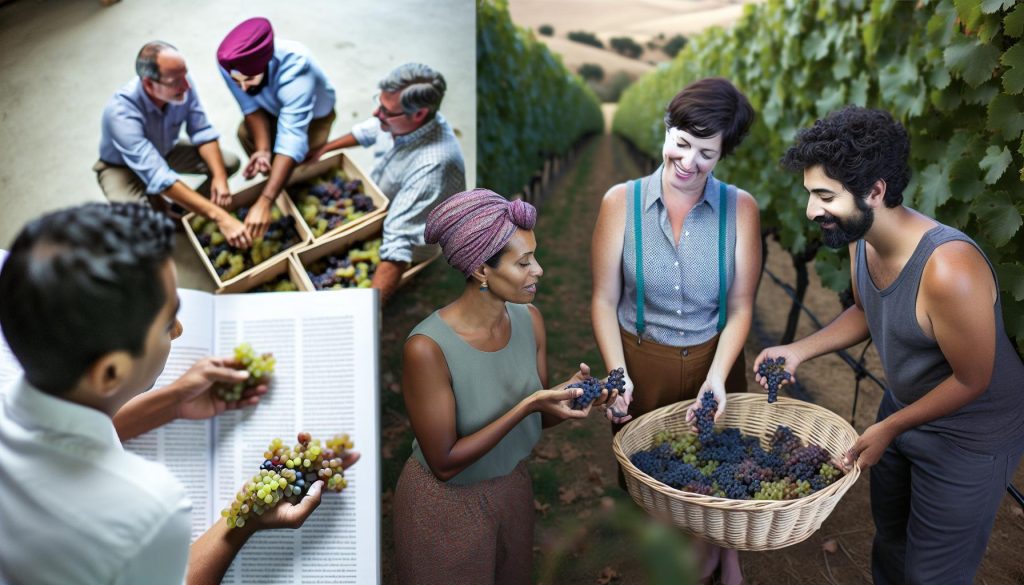
Did you know that it takes about 2.5 to 3 kilograms of grapes to produce just one bottle of wine? This simple yet captivating fact is the starting point for understanding the art of winemaking right at home. For those embarking on this journey, knowing how many grapes are needed can not only save time and effort but also enhance the quality of the wine you create. The beauty of making wine is that it invites experimentation while celebrating the flavors from your own garden or local market. Whether you’re a seasoned home enthusiast or just starting out, this guide will demystify the winemaking process, offering you practical insights and tips for creating your own delightful vintages. Let’s dive in and explore how you can transform those luscious grapes into a bottle of your handcrafted wine!
Types of Grapes Used in Winemaking
In the world of winemaking, the type of grapes you choose can dramatically impact the quality and flavor of your homemade wine. There are countless grape varieties, each with unique characteristics suited for different wine styles. For instance, varieties like Cabernet Sauvignon, Merlot, and Pinot Noir are popular among red wines, while Chardonnay, Sauvignon Blanc, and Riesling are favorites for white wines. Understanding these grape types can not only enhance your winemaking efforts but also lead to a satisfying tasting experience.
Grapes can be broadly categorized into two groups: red and white, and each type influences the winemaking process differently. Red grapes are typically fermented with their skins, which contributes to the wine’s color and tannins-the compounds that impact flavor and mouthfeel. For example, Chardonnay is often known for its versatility, producing both oaked and unoaked varietals depending on winemaking techniques. Meanwhile, Riesling grapes are celebrated for their aromatic qualities and ability to produce wine that ranges from dry to sweet, offering a delightful range for both novices and seasoned wine enthusiasts alike.
When considering how many grapes you will need to produce a bottle of wine, the type of grape plays a key role. Generally, it takes about 2.5 pounds (approximately 1.1 kg) of grapes to produce one bottle (750 ml) of wine. Keep in mind that grape varieties differ in size and sugar content, which ultimately affects the yield. If you are using high-sugar varieties, like Frontenac, you might find you produce a richer and more flavorful wine, showcasing the importance of selecting the right grapes for your winemaking adventure.
As you embark on your winemaking journey, remember to experiment with different grape varieties and blends. Each harvest offers a chance to create something unique-from a bold, full-bodied red to a light, refreshing white. Your personal preferences will guide you, so keep your taste buds open to the possibilities!
How Many Grapes Are Required for a Bottle?
To create a delightful bottle of wine, understanding the amount of grapes you’ll need is essential. Typically, you’ll require about 2.5 pounds (approximately 1.1 kg) of grapes to yield one standard bottle (750 ml) of wine. However, this figure can vary based on factors like grape size, variety, and sugar content. For instance, larger grapes or those with higher sugar concentrations, such as Frontenac or Cabernet Sauvignon, can produce a more robust and flavorful wine, reflecting the complexity of the grape’s characteristics.
When selecting grapes for your winemaking adventure, consider the wine style you’re aiming for. For example, red wines usually require fermentation with the skins, which enhances the color and texture. On the other hand, white wines often see the juice extracted and fermented separately, requiring careful attention to avoid oxidation. This variance means that not only the grape quantity but also the treatment during fermentation can impact your final product.
For the aspiring home winemaker eager to experiment, it’s perfectly fine to adjust the quantity based on personal taste preferences. If you’re aiming for a lighter wine, you might find success with slightly fewer grapes, whereas richer blends may call for a little extra. Don’t hesitate to try out different grape varieties, mixes, and techniques to discover your signature flavor. Each batch offers a fresh canvas for creativity, turning your kitchen into a lively winemaking studio where the goal is simply to enjoy the process and savor the results!
The Winemaking Process: From Grape to Glass
When you embark on the delightful journey of winemaking at home, it’s fascinating to discover how every grape contributes to the magic in your glass. The winemaking process transforms fresh, juicy grapes into a bottle of wine, capturing the essence of the vineyard and your personal touch. With about 2.5 pounds of grapes needed for a standard bottle (750 ml), understanding how to navigate through the winemaking stages will enhance your experience and final product.
First, after harvesting or purchasing your grapes, the next step is crushing them. This can be as simple as using your hands or a clean kitchen tool to release the juice. For red wines, you keep the skins during fermentation to extract profound flavors and colors. Meanwhile, for white wines, you’ll primarily want to separate the juice from the skins right away. Remember, the type of grape you start with will significantly affect the character of your wine.
Next comes fermentation, where yeast converts the sugars in the grape juice into alcohol, creating that delightful beverage. You can choose commercial yeast or let the grapes’ natural yeasts work their magic-a method that adds unique flavors. This stage can take anywhere from a week to several months, depending on the wine type. Once fermentation is complete, you’ll want to rack the wine, siphoning it off the sediment into another container for clarity.
Finally, the aging process gives your wine its soul. This can happen in stainless steel tanks or oak barrels, depending on the flavor profile you’re after. The aging time can vary, but learning to taste during this phase will help you determine the right moment to bottle your creation. Most importantly, remember to enjoy the journey. Every small adjustment-from grape variety to fermentation technique-can lead to unique and delightful results. With practice and patience, you’ll find joy in your homemade wine adventures!
Factors Influencing Grape Yield per Bottle
When it comes to producing that beloved bottle of wine, several factors play a crucial role in determining how many grapes you’ll need. While on average you might think about 2.5 pounds of grapes get you a standard 750 ml bottle, the reality is much more nuanced. Here’s a closer look at what influences grape yield and how it translates into your winemaking efforts.
One of the main influences on grape yield is the type of grape you choose to work with. Some varieties naturally produce more juice than others, which directly affects how much wine you can create. For example, robust varieties like Cabernet Sauvignon might yield more juice compared to lighter varieties like Pinot Noir, given the same growing conditions. Additionally, vineyard management techniques-like how you prune your vines-also have a significant impact on yields. Pruning affects the number of grapes each vine produces; more severe pruning can lead to lower yields but often improves the quality of the grapes that are produced.
Another critical factor is the vineyard’s climate and soil conditions. Grapes thrive in specific climates that affect their growth and production. In regions like Napa Valley, for instance, grape growers intentionally limit grape yields to enhance the concentration of flavors. This practice can mean one acre produces significantly fewer grapes, but the quality of the final product can be remarkable. Similarly, soil composition can influence grape development, with well-drained, nutrient-rich soils often yielding healthier grapes that contribute to better wine quality.
Lastly, the timing of your harvest can dramatically affect yield quality. Grapes harvested at their peak ripeness often yield better wine, but waiting too long can lead to overripe grapes, thus altering the flavor profile and eventually the alcohol content of the wine. Therefore, monitoring growth and tasting grapes for sugar content before harvest will help ensure you’re making the best choices for your bottling efforts.
By keeping these factors in mind, you can make informed decisions that not only affect how many grapes you need for that perfect bottle but also enhance the overall quality of your homemade wine. Remember, winemaking is as much about science as it is about art; each choice you make contributes to the final flavor and character of your creation. Happy winemaking!
The Impact of Grape Variety on Wine Flavor
Choosing the right grape variety is like picking the perfect ingredient for your favorite dish-it can make all the difference! Each type of grape holds its own unique flavor profile, aroma, and texture, which influences the resulting wine’s character. For instance, bold reds like Cabernet Sauvignon are known for their rich, tannic structures and deep fruit flavors, while lighter varieties like Pinot Noir offer delicate floral notes and a subtle earthiness. This diversity not only impacts the taste but also the complexity of your wine, making grape selection a vital step in the winemaking process.
Key Influences of Grape Variety on Flavor
Different grape varieties thrive in varying climates and soils, which in turn shapes their flavor. Here are some key points to consider:
- Aroma and Taste: Aromatic whites like Sauvignon Blanc tend to have zesty citrus flavors and herbaceous notes, while Chardonnay can range from buttery and oaky to crisp and fruity, depending on how it’s aged.
- Tannin Levels: Reds such as Cabernet Sauvignon naturally have higher tannin levels, contributing to a fuller body and aging potential. In contrast, softer tannins in Gamay can create a lighter, more approachable red wine.
- Acidity: High acid varieties like Riesling result in fresh and vibrant wines, perfect for pairing with food. Lower acidity wines can feel heavier and richer, like those made from Merlot.
For home winemakers, experimenting with different grape varieties can lead to delightful discoveries. Depending on your favorite styles, you might choose to craft a fruity Rosé from Grenache or a robust red blend featuring Syrah and Zinfandel. Remember, there’s no one-size-fits-all approach-what matters most is finding grapes that resonate with your personal taste. As you start your winemaking journey, consider visiting local vineyards or tasting events to become familiar with the spectrum of flavors that each grape variety can offer. This knowledge will enhance your creativity and experimentation in the kitchen, leading to an exciting homemade wine you can proudly share with friends and family!
Understanding Vineyard Management Techniques
Understanding the ins and outs of vineyard management can significantly impact the quantity and quality of grapes harvested for winemaking. A well-managed vineyard not only maximizes grape yield but also enhances the flavor profile of the wine produced. Effective techniques in vineyard management involve a balance between environmental conditions, soil health, and grapevine care.
One of the foundational practices in managing a vineyard is soil management. Healthy soil is critical for nutrient absorption, which directly affects vine health and grape quality. Techniques such as cover cropping can improve soil structure and fertility by adding organic matter. Regular soil testing helps winemakers understand nutrient levels and amend them accordingly, ensuring that vines receive the necessary nutrients throughout their growth cycle.
Water management is also key. Grapes need the right amount of water to thrive-too much can lead to diluted flavors, while too little can stress the vines and result in smaller, more intensely flavored grapes. Practices like drip irrigation allow for precise watering, minimizing waste and adapting to the needs of the vines at different growth stages. Some winemakers even rely on rainwater collection systems or strategic planting to take advantage of natural rainfall, enhancing sustainability in their vineyard management.
As grapes grow, canopy management becomes essential. This involves pruning and training the vines to ensure appropriate sunlight exposure and air circulation. A well-managed canopy prevents diseases that thrive in humid, closed environments while also ensuring that the grapes develop optimal sugar levels and flavor characteristics. For home winemakers, learning about basic vine training techniques can be both an enlightening and beneficial aspect of cultivating your own grapes.
Lastly, pest and disease management must not be overlooked. Implementing integrated pest management (IPM) practices helps control pests using environmentally friendly methods, thereby reducing the need for chemical interventions. Regular monitoring and the introduction of beneficial insects can create a balanced ecosystem, fostering grape health.
In conclusion, understanding these vineyard management techniques empowers aspiring winemakers to cultivate high-quality grapes that yield delicious wines. By focusing on soil health, water conservation, canopy management, and pest control, you’re setting the stage for a bountiful harvest that reflects your personal touch and dedication to the craft. Whether you’re a backyard hobbyist or looking to start your own small-scale vineyard, these fundamental practices can help guide your winemaking journey.
Harvesting Grapes: Timing and Techniques
Timing is everything when it comes to harvesting grapes. Incorrect timing can lead to a poor quality of wine, so understanding the balance between sugar, acidity, and flavor compounds in the grapes is crucial. Grapes should be harvested when they have reached optimal ripeness, typically indicated by the perfect combination of sweetness and acidity. In general, for winemaking, grapes should be ideally harvested when their sugar levels are high enough to produce alcohol but not so high that they lack acidity and balance.
To determine the right time for harvesting, consider the following practical techniques:
Monitoring Sugar Levels
Using a refractometer can provide you with an immediate measurement of grape sugar (known as Brix) and help you gauge whether the grapes are ripe enough for harvest. For most table wines, a Brix level of 22-26 is ideal. Testing should begin a few weeks before you plan to harvest, allowing you time to assess the grapes’ progression.
Sampling and Tasting
Don’t underestimate the importance of tasting! Sampling the grapes at various points in the vineyard can help you evaluate sweetness and acidity firsthand. Chew a grape or two from different clusters, as ripeness can vary based on location and vine health. Look for grapes that are sweet but still have a bit of acidity for a well-balanced wine.
Visual Cues
Examine the color and the firmness of the grapes. When they reach a desirable hue and feel plump and juicy yet not overly soft, it’s a good signal that they may be ready for harvest.
Additionally, think about the weather. Ideally, harvest on a dry day. Wet grapes can dilute flavors and lead to a higher risk of spoilage during fermentation.
Harvesting Techniques
Once you’ve determined that your grapes are ready, consider your harvesting method. For smaller vineyards or home winemakers, hand harvesting is not only traditional but also allows you to select the best clusters. Use clean shears or scissors to cut the bunches carefully, preserving the integrity of the good grapes and avoiding any unnecessary bruising.
For larger operations, mechanical harvesters can expedite the process, but they should be used with caution to limit damage. No matter the method, the goal is to get the grapes to your winemaking area as quickly and gently as possible to preserve their quality.
In summary, the right timing and techniques for harvesting grapes can significantly influence the quality of your homemade wine. By carefully monitoring sugar levels, sampling, and visually assessing grape readiness, as well as using suitable harvesting practices, you’ll set the stage for a delicious vintage that reflects your dedication and care. So roll up those sleeves, and enjoy this exciting step in your winemaking journey!
Common Myths About Grapes Required for Wine
When it comes to making wine, there are many misconceptions about grape requirements that can leave aspiring winemakers feeling confused. One common myth is that you must use a specific type of grape to create a quality wine. In reality, while certain varieties yield distinct flavors and aromas, nearly any grape that has reached sufficient sweetness can ferment into wine. This opens up a world of possibilities-from using standard wine grapes like Cabernet Sauvignon and Chardonnay to experimenting with table grapes if you find yourself on a budget or in a pinch.
Another prevalent misunderstanding is the belief that you need an excessive amount of grapes to produce a bottle of wine. The truth is, you typically need about 2.5 to 3 pounds of grapes to make a standard 750ml bottle. This figure can vary based on grape type and juice extraction efficiency, but it’s a manageable amount for both novice and seasoned home vintners. Many people are surprised to learn that small batches of wine can be made without large equipment or complex setups, making it more accessible than they think.
Additionally, the idea that only vineyard-grown grapes can be used for winemaking is misleading. While professional vineyards offer the best conditions for grape cultivation, home gardeners can grow their own grapes successfully. As long as the grapes are appropriately ripened and cared for, homegrown varieties can yield delightful wines. It’s all about focusing on ripeness and the overall growing conditions.
Finally, some believe that white wine can only be made from white grapes and red from red, but this isn’t entirely accurate. White wine can be produced from red grapes if the skins are removed before fermentation-this process is known as “pressing.” This flexibility allows home winemakers to explore different techniques and create unique blends, encouraging a spirit of experimentation and creativity in the winemaking process.
By debunking these common myths, you can feel more empowered to create your own homemade wines. Remember, the best part of winemaking lies in the journey-so embrace the adventure of experimenting with different grapes and techniques to discover your perfect vintage!
How Soil and Climate Affect Grape Quality
The quality of grapes used in winemaking is profoundly influenced by the soil and climate in which they are grown. Think of soil as the bedrock of grape flavor-it provides essential nutrients and influences drainage, pH, and heat retention, all of which directly affect vine health and grape development. Different grape varieties thrive in different soil types; for instance, Cabernet Sauvignon often prefers well-draining, rocky soils that stress the vines just enough to enhance flavor concentration.
Similarly, climate plays a critical role in grape growing. It determines the ripening period, influencing sugar and acid levels in the fruit. Warm Mediterranean climates are ideal for varieties like Chardonnay and Grenache, while cooler climates suit Pinot Noir. In essence, regions with long, sunny days and cool nights help grapes retain acidity while developing sugars, which is crucial for crafting a balanced wine. For home winemakers, understanding your local soil and climate can help in selecting the right grape varieties for your backyard vineyard.
H3: Soil Types and Their Impact
The influence of soil types on grape quality cannot be overstated. Here are a few key examples:
- Limestone: Excellent drainage; enhances acidity and minerality in wines.
- Clay: Holds moisture well; can produce rich, full-bodied wines.
- Sandy soils: Drains quickly; often leads to lighter, fruitier wines.
- Volcanic soils: Rich in minerals; can give wines a unique character and complexity.
H3: Climate Considerations
The climate affects the entire growing season, from bud break to harvest. Here are some elements of climate that impact grape quality:
- Temperature: Determines the ripening speed and sugar development.
- Sunlight: Essential for photosynthesis; more sunlight leads to better flavor compounds.
- Rainfall: Excess can lead to rot; balanced rainfall supports healthy growth.
Understanding these factors can empower you as a home winemaker, allowing you to make informed choices for growing grapes or selecting sources for your wine-making endeavors. Remember, great wine begins in the vineyard, and paying attention to the soil and climate can enhance your homemade creations significantly!
Tips for Home Winemakers: Starting Your Journey
Starting your adventure in winemaking can be an incredibly rewarding experience. Did you know that it typically takes about 600 to 800 grapes to create just one bottle of wine? Understanding the quantity needed will help you plan your grape growing or sourcing strategy effectively. Whether you’re aiming to cultivate your own vineyard or simply crush some homegrown grapes, let’s explore how to get started with confidence and creativity.
Know Your Grape Yield
When you’re ready to make wine, one of the first things to consider is how many grapes you’ll need. For an average bottle, you’ll likely require around 2.5 to 3 pounds of grapes, depending on the juice yield and the grape variety. This means that if you’re growing your own, a small handful of vines can yield enough for a few bottles! Start by choosing grape varieties suited to your climate and soil, like Chardonnay for warmer areas and Pinot Noir for cooler climates.
Gather the Right Tools
You don’t need fancy equipment to begin winemaking. A basic setup can be as simple as a sanitized bucket, a press or even your clean hands for crushing, and some storage containers for fermentation. All you really need is a bit of space to work in and a commitment to experimenting. As you learn, you’ll discover tips and techniques that resonate with your personal style. Don’t forget to prioritize cleanliness; sanitized equipment is crucial for good fermentation!
Embrace the Process
Winemaking should be fun! Start small by making a single batch and documenting your process. You could use a simple recipe to crush, ferment, and bottle at home. Engage with your senses-notice the aromas, flavors, and how they evolve during fermentation. Don’t be afraid to make adjustments to suit your taste. The outcome will be your unique creation, a chance to celebrate your skill and creativity.
No matter your experience level, remember that each batch is a step towards honing your craft. Share your journey with friends and family; tasting your homemade wine can be a delightful way to connect. So, roll up your sleeves, gather those grapes, and let the winemaking begin!
Pairing Your Homemade Wine with Food
can elevate your dining experience and showcase the effort you’ve put into creating your wine. Whether you’re enjoying a crisp white or a robust red, thoughtful pairing can complement the flavors and enhance the meal. Let’s dive into some practical tips to help you discover delightful combinations that will impress your friends and family.
One essential tip is to consider the body of the wine when pairing. Light-bodied wines, like a Sauvignon Blanc or a young Pinot Noir, work beautifully with lighter dishes. Think salads, seafood, or grilled chicken seasoned simply. On the other hand, full-bodied wines, such as Cabernet Sauvignon or a rich Chardonnay, stand up to heartier fare. Try these with beef dishes, creamy pastas, or aged cheeses for a match that truly sings.
Next, take a moment to reflect on the intensity of flavors. If your wine showcases bright fruit flavors, you might want to match it with similarly vibrant foods. For instance, a fruit-forward Zinfandel pairs wonderfully with barbecue dishes, where the smoky notes can harmonize with the wine’s fruitiness. Conversely, if your wine has earthy tones, like many Pinot Noirs, opt for dishes that introduce mushrooms or root vegetables to your table for a complementary experience.
Don’t shy away from experimenting! Try hosting a tasting night where you serve small plates with different wines. This can be a great way to explore various pairings and find out what works best for your palate. Remember, the goal is to enhance your enjoyment, so keep it fun! Here are some easy pairings to get you started:
Enjoy with mushroom risotto or roasted duck.
Ultimately, don’t be afraid to trust your taste buds. Wine and food pairing is less about strict rules and more about what you enjoy together. Celebrate your creations in the kitchen and the bottles you’ve crafted; they’ll taste even better when paired thoughtfully with your favorite dishes!
Exploring Different Wine Styles and Their Grapes
When it comes to winemaking, the type of grapes you choose can dramatically influence the final product, from flavor profiles to aromas. Different wine styles are intrinsically linked to specific grape varieties, each imbued with unique characteristics that offer a diverse tasting experience. For instance, if you’re crafting a light, refreshing white wine, you might reach for Sauvignon Blanc, known for its crisp acidity and notes of green apple and citrus. In contrast, for a robust red, Cabernet Sauvignon is a popular choice, celebrated for its bold structure and rich, dark fruit flavors.
Understanding how many grapes you need to make wine can help demystify the process. On average, it takes about 600 to 800 grapes to produce just one bottle of wine-around 750 mL. This translates to approximately 2.5 to 3 pounds of grapes for every bottle. However, the exact amount can vary depending on the grape variety and the winemaking techniques used. For example, more fruit-forward varieties, such as Zinfandel, might yield greater juice content per pound than drier varietals.
Key Wine Styles and Their Grapes
Each primary style of wine has signature grapes that best express its characteristics. Here are some of the most common wine styles and their corresponding grape varieties:
- Red Wines:
- Cabernet Sauvignon: Full-bodied with high tannins and flavors of dark fruits.
- Merlot: Softer and rounder than Cabernet, with plum and cherry notes.
- Pinot Noir: Lighter red, often with aromas of red berries and earthy undertones.
- White Wines:
- Chardonnay: Can be oaked or unoaked, with flavors ranging from buttery to crisp apple.
- Sauvignon Blanc: Known for its zesty acidity and herbal notes.
- Riesling: Typically sweet, with floral and fruity aromas.
- Sparkling Wines:
- Chardonnay and Pinot Noir: The classic duo for many Champagne styles.
- Prosecco: Primarily made from the Glera grape, offering light, fruity flavors.
Final Thoughts
Choosing the right grape is only the first step in the winemaking journey. Factors like soil composition, climate, and even your personal methods will influence the end result. Embrace experimentation as you craft your own wines-from selecting your favorite grape variety to adjusting fermentation techniques to taste. Whether you’re a seasoned home winemaker or just starting, each bottle you create tells a story, and the adventure begins with the grapes you select. Happy winemaking!
Frequently asked questions
Q: How many grapes does it take to make 1 liter of wine?
A: It takes approximately 1.2 to 1.5 kilograms of grapes to make 1 liter of wine. Depending on the grape variety and the winemaking process, the yield may vary slightly. For instance, denser grape varieties might require more grapes for the same volume of wine.
Q: What type of grapes are typically used in winemaking?
A: The most common grape varieties used in winemaking include Chardonnay, Cabernet Sauvignon, Merlot, and Pinot Noir. These varietals are favored due to their unique flavor profiles and adaptability to different wine styles. For more information on grape types, refer to our section on Types of Grapes Used in Winemaking.
Q: How does grape variety affect the amount of grapes needed for wine?
A: Grape variety significantly influences the quantity of grapes needed. Heavier, juicier grapes like Cabernet Sauvignon may yield more juice and require fewer grapes, while lighter varieties like Pinot Noir might need more. The resulting flavor and quality also differ with grape choice.
Q: What factors affect grape yield when making wine?
A: Grape yield is impacted by several factors, including vine health, soil quality, climate conditions, and vineyard management techniques. For deeper insights, check our section on Factors Influencing Grape Yield per Bottle.
Q: Is there a difference in grape yield between red and white wines?
A: Yes, in general, red wine grapes often have a higher skin-to-juice ratio, leading to potentially lower yield compared to white wines. This difference can affect how much juice is extracted per kilogram of grapes.
Q: How can home winemakers calculate the amount of grapes needed?
A: Home winemakers can estimate the required grapes by knowing they need around 800 grams to 1.2 kilograms of grapes per bottle (750 ml). Adjust this amount based on grape variety and desired yield. Experimentation is key to perfecting your process.
Q: What is the average number of grapes per bunch?
A: The average bunch of grapes can contain 15 to 300 grapes, depending on the grape variety and growing conditions. Generally, grape bunches yield between 150 to 250 grams of usable fruit for winemaking.
Q: Can you make wine from other fruits besides grapes?
A: Yes, wine can be made from various fruits, including apples (cider), pears, and berries. However, truly traditional wine specifically refers to those made from grapes. Explore more in our section about Exploring Different Wine Styles and Their Grapes for insight into fruit wines.
Insights and Conclusions
Thanks for joining me on this grape journey! Now that you know how many grapes it takes to make a bottle of wine, why not dive deeper into the world of winemaking? Check out our detailed guide on the essential steps for homemade wine or explore our recipe for no-fail wine-infused dishes. If you have any questions or are eager to share your winemaking experiences, drop a comment below-I’d love to hear from you!
Don’t forget to subscribe to our newsletter for more tips and tricks, and be sure to explore our other articles on gourmet butter and creative cooking techniques. Remember, making wine at home is not just a skill; it’s a creative adventure waiting for you to start! Cheers to your next bottle of homemade wine!