✨ This article was AI edited. Editorial responsibility: RecipesFromTheHomestead.com.
Whether you follow a plant-based lifestyle, manage a lactose intolerance, or seek to reduce dietary cholesterol, vegan butter has evolved from a niche specialty into an indispensable culinary staple. Today’s artisan plant butters can be found in Michelin-starred bakeries, homestead kitchens, and everyday home dinner tables. Understanding what goes into modern plant butter allows you to navigate grocery aisles confidently or churn your own batch at home.
Nutritional Breakdown: Vegan Butter vs. Cow’s Milk Butter
To evaluate whether vegan butter aligns with your dietary objectives, examining its lipid composition, micronutrient profile, and cardiovascular markers is essential:
| Nutritional Metric (per 1 tbsp / 14g) | Commercial Dairy Butter | Artisan Cultured Vegan Butter | Standard Margarine Tub |
|---|---|---|---|
| Calories | 102 kcal | 90 – 100 kcal | 70 – 80 kcal |
| Total Fat | 11.5g | 10.0g – 11.0g | 8.0g |
| Saturated Fatty Acids | 7.3g (Dairy triglycerides) | 4.5g – 6.0g (Plant medium-chain fats) | 2.0g – 3.0g |
| Dietary Cholesterol | 31 mg | 0 mg (100% Cholesterol-Free) | 0 mg |
| Trans Fats | 0.5g (Naturally occurring vaccenic acid) | 0g (Certified Non-Hydrogenated) | 0g (Modern non-hydrogenated blends) |
| Common Allergens | Milk proteins (Casein, Whey), Lactose | Cashew or Soy (depends on brand; nut-free options available) | Soy lecithin (in select brands) |
Types of Vegan Butter: From Spreads to Baking Blocks
Navigating the grocery dairy aisle requires recognizing the three primary categories of plant butter:
- Cultured Artisan Blocks: Made with fermented nut milks (cashews, macadamias) or oat milk combined with cold-pressed coconut oil. Cultured with active bacterial strains, these blocks provide authentic lactic acidity, complex aroma, and genuine browning capability. Ideal for laminated pastries, table bread, and pan sauces.
- Refined Vegetable Oil Baking Sticks: Formulated from non-hydrogenated blends of avocado, olive, and palm fruit oils wrapped in standard quarter-pound sticks. These replicate the melting point and 1:1 cup-for-cup baking ratios of dairy butter for cookies, cakes, and pie doughs.
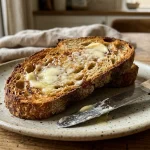
- Whipped Spreads (Tubs): Emulsions containing higher water ratios and air for easy spreading directly from the refrigerator. While fantastic on morning toast, English muffins, or steamed corn, they should not be used in precision baking due to excess water content.
The Palm Oil Question: Sustainability and Performance
Many commercial plant butters utilize palm fruit oil because it is naturally semi-solid at room temperature without requiring chemical hydrogenation. However, environmental concerns surrounding deforestation and habitat loss have led many conscious homesteaders to seek alternatives.
When shopping for plant butter, look for either RSPO-Certified Sustainable Palm Oil (Roundtable on Sustainable Palm Oil) or completely palm-free formulations (such as Flora Plant Butter, Miyoko’s, or homemade cashew-coconut butter). Palm-free butters rely instead on refined coconut oil, shea butter, or cocoa butter to achieve structural solidity.
Environmental Lifecycle: Carbon & Water Footprint
According to comprehensive agricultural lifecycle assessments, dairy butter is among the most resource-intensive foods in the global food supply chain, requiring substantial water and emitting significant greenhouse gases during livestock rumination and feed production:
| Environmental Metric | Dairy Butter (per 1kg) | Plant-Based Butter (per 1kg) | Reduction Benefit |
|---|---|---|---|
| Carbon Emissions (CO₂ Equivalent) | 12.1 kg CO₂e | 3.2 kg CO₂e | 73.5% Lower Carbon Footprint |
| Freshwater Usage | 5,553 Liters | 1,120 Liters | 79.8% Less Water Consumed |
| Land Use Footprint | 16.8 m² per year | 3.4 m² per year | 79.7% Less Agricultural Land |
Culinary Performance: Where Plant Butter Excels
1. High-Heat Sautéing & Pan Searing
Because dairy butter contains milk solids that burn quickly at 350°F (175°C), clarified butter (ghee) is often required for high-heat cooking. High-quality plant butters made with filtered vegetable oils have smoke points between 375°F and 410°F (190°C–210°C), allowing you to sear steaks, sauté wild mushrooms, or fry eggs without scorch marks.
2. Pastry Lamination & Pie Crusts
Flaky pastry requires cold fat pockets that melt inside the oven to create steam voids. Block plant butters with over 80% fat deliver identical lamination to European dairy butter when grated frozen and handled with minimal kitchen heat.
3. Emulsified Sauces (Hollandaise & Beurre Blanc)
Classic French sauces depend on creating a warm emulsion of butterfat with egg yolks or reduced wine. Cultured plant butter whisks seamlessly into plant-based hollandaise or silky garlic herb beurre blanc without separating.
Homestead Flavor Innovations: 3 Signature Compound Butters
Elevate your plant butter into gourmet accompaniments for vegetables, breads, and roasted dishes:
- Roasted Garlic & Rosemary Herb Butter: Mash 1 stick of softened plant butter with 6 heads of slow-roasted caramelized garlic cloves, 1 tablespoon of minced fresh rosemary, and coarse sea salt. Exceptional on roasted baby potatoes or warm dinner rolls.
- Black Truffle & Cracked Peppercorn Butter: Whip 1 stick of plant butter with 1 teaspoon of pure black truffle oil, 1 teaspoon of cracked Tellicherry black peppercorns, and Maldon sea salt flakes. Melt over grilled portobello steaks or pan-seared asparagus.
- Whipped Honeycomb Maple Cinnamon Butter: Beat 1 stick of unsalted plant butter with 3 tablespoons of pure dark Grade A maple syrup, 1/4 teaspoon ground Ceylon cinnamon, and a pinch of salt until cloud-like. Perfect for cornbread and morning pancakes.
Frequently Asked Questions About Vegan Butter
Is vegan butter just margarine under a new name?
No. Historic margarine was created from cheap hydrogenated industrial seed oils packed with harmful trans-fats and chemical flavorings. Modern vegan butter utilizes cold-pressed, non-hydrogenated plant oils, natural fermentation, and whole-food ingredients (like cultured cashews) with zero trans fats.
Can you brown vegan butter like dairy butter?
Only brands containing plant proteins (such as cashew milk or legume protein) will brown. Pure oil-based plant butters lack proteins and will merely liquefy and burn without developing the nutty caramelized flecks characteristic of dairy brown butter.
Does vegan butter need to be refrigerated?
Yes. Because plant butters contain water emulsions and natural botanical oils, they must be stored in the refrigerator between 35°F and 40°F (2°C–4°C) to prevent softening, oxidation, and mold development.
Can people with lactose intolerance eat vegan butter?
Yes. Vegan butter is 100% dairy-free, lactose-free, and casein-free, making it completely safe for individuals with lactose intolerance or severe cow’s milk protein allergies.
Get our latest guides, news, and insights highlighted in your Google Search & AI Overviews.