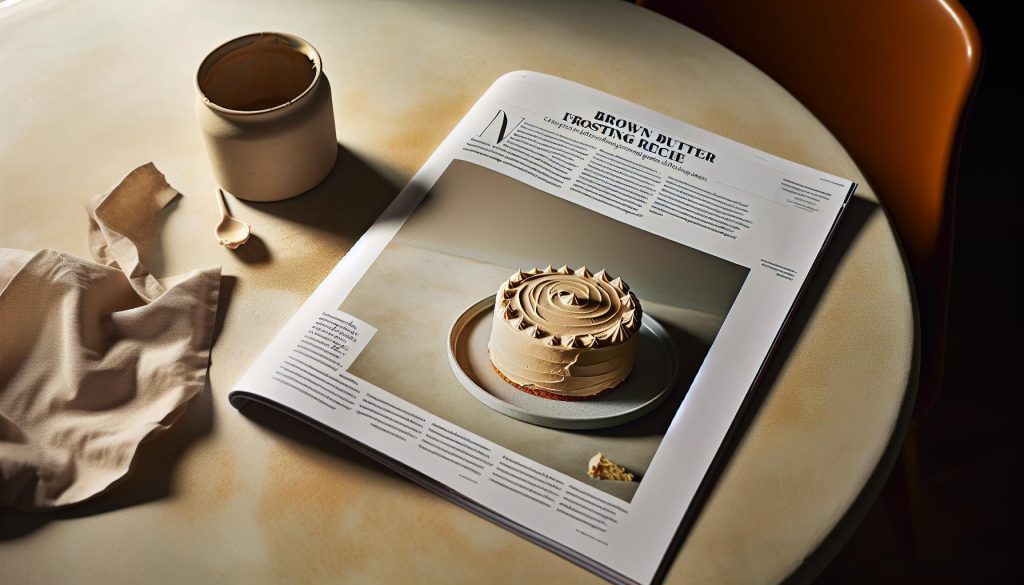
There’s something truly magical about brown butter frosting-it transforms any ordinary cake into an extraordinary dessert. This luscious frosting, with its nutty aroma and rich, caramel-like flavor, is a simple way to elevate your baking game without any fancy ingredients or pro techniques. Whether you’re a novice baker or a seasoned pro, making brown butter frosting is both rewarding and accessible, bringing a touch of gourmet to your kitchen.
Imagine the delight on your loved ones’ faces as they savor each bite of cake topped with this creamy, velvety frosting. It’s perfect for special occasions or just to sweeten a regular day at home. Not only does it pair well with a variety of cakes, but it also opens the door to countless flavor adaptations. So grab your butter, and let’s dive into this delicious recipe that promises to make your desserts shine!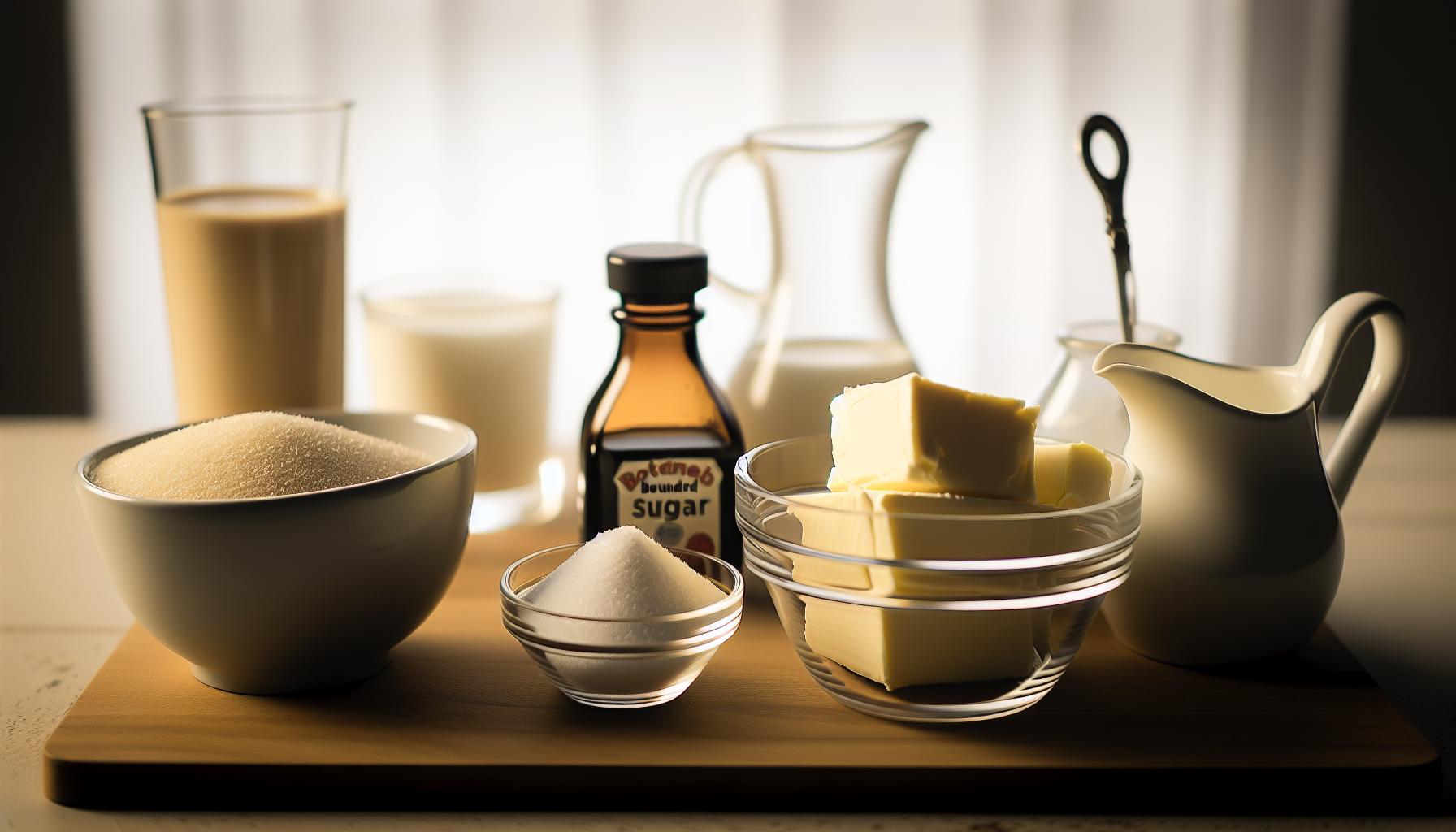
Essential Ingredients for Brown Butter Frosting
To create a delightful brown butter frosting, you’ll need a handful of simple yet essential ingredients that work together to elevate your baked goods with deep, nutty flavors. The magic starts with brown butter, which is the star of the show. To make this, you’ll need unsalted butter, which allows you to control the saltiness of your frosting. It’s crucial to brown the butter until it develops a rich amber color and a delightful aroma; this is what brings that distinctive depth of flavor.
In addition to the brown butter, you’ll require powdered sugar to give the frosting its signature sweetness and smooth texture. Powdered sugar dissolves easily, blending perfectly with the brown butter without any graininess. For a creamy consistency, heavy cream or milk is also essential; this not only helps achieve the right texture but can also adjust the sweetness and richness of the frosting.
Lastly, a hint of vanilla extract adds warmth and enhances the overall flavor profile. While these four ingredients form the base of your frosting, you have the freedom to customize with additional items like a pinch of salt to enhance flavors or even spices like cinnamon for an autumn twist.
When you gather these ingredients, think about the possibilities they offer. Each component plays a role in creating a frosting that’s not just a topping but an integral part of your cake’s flavor journey. Whether you choose to pipe it on cupcakes or slather it on layers of cake, brown butter frosting promises to make your creations unforgettable.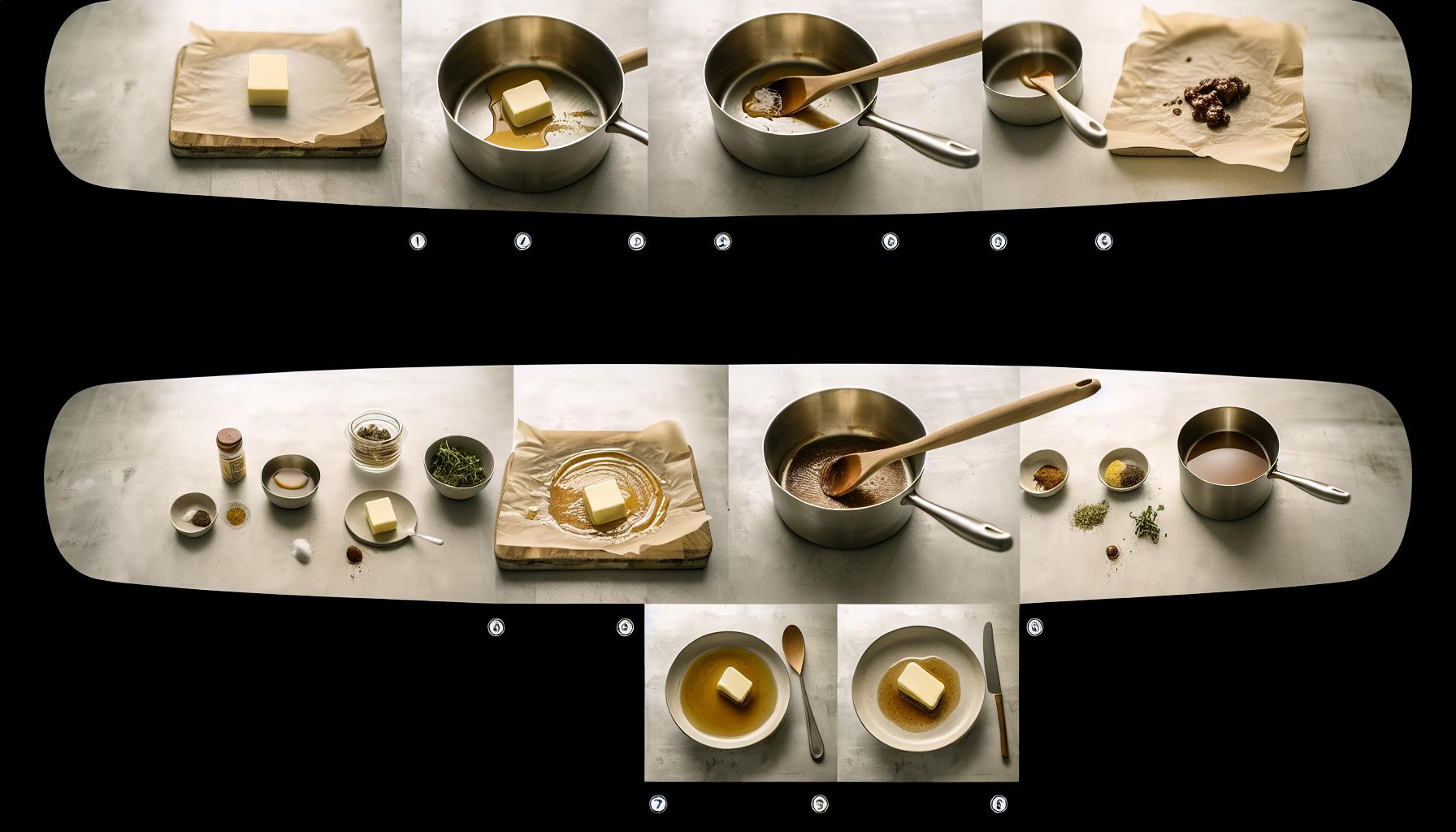
Step-by-Step Guide to Making Brown Butter
To achieve that exquisite brown butter that forms the foundation of your frosting, you don’t need fancy equipment-just a good saucepan and your attention. Brown butter adds a complex, nutty flavor with caramel undertones that elevates your frosting beyond the ordinary. Here’s how to make it!
Start with unsalted butter; you want to be in control of the saltiness, especially because your frosting will often include powdered sugar, which already contributes sweetness. For a typical batch, about 1 cup (or 2 sticks) of butter should suffice.
Step-by-Step Instructions
- Melt the Butter: Place the butter in a medium saucepan over medium heat. Stir occasionally to keep it from sticking and burning. As it melts, you’ll notice it foaming slightly.
- Watch for Color Changes: Continue cooking the butter for about 5 to 7 minutes. It will transition from bubbly to clear to a golden hue, and finally, you’ll see it turn a deep amber color. This is when you should start to smell a rich, nutty aroma. Keep an eye on it, as butter can quickly go from perfect to burnt.
- Remove from Heat: Once the butter reaches that beautiful amber color and gives off a nutty fragrance, immediately remove the pan from heat. This pause is crucial to prevent it from cooking further-burned butter can spoil the lovely flavor you’ve worked for.
- Cool It Down: For frosting, you’ll want the brown butter to cool slightly before using it. Transfer it to a bowl and let it sit for about 10-15 minutes until it’s barely warm but still liquid.
Tips for Success
- Keep Stirring: Stirring helps keep the butter from browning unevenly and allows you to catch it at just the right moment before it starts burning.
- Check the Bottom: If you’re unsure about the butter’s readiness, look at the bottom of the pan; bits of milk solids will begin to turn golden brown and settle there.
With your brown butter ready, you’re equipped to dive into making that mouthwatering frosting. Just imagine slathering it over your favorite cake-the nutty depth will not only enhance the flavor but also add an appealing richness that plain butter frosting lacks. Enjoy the process and celebrate the magical results of homemade creations in your kitchen!
Tips for Perfecting the Frosting Texture
To achieve the perfect texture for your brown butter frosting, you’ll want to prioritize the balance between creamy smoothness and just the right amount of density. Starting with well-made brown butter is essential, as it sets the foundation not only for flavor but also for the overall consistency. After preparing your brown butter, allow it to cool slightly-this ensures it’s warm but not hot when you incorporate it with other ingredients. If it’s too warm, it can cause the powdered sugar to dissolve too quickly, leading to a gritty texture instead of the silky finish you’re after.
When mixing your frosting, begin by blending the slightly cooled brown butter with powdered sugar in a large bowl. Aim for a ratio of about 2-3 cups of powdered sugar for every cup of brown butter. This will yield a thick and spreadable frosting. If you find that it’s too stiff, add a tablespoon of milk at a time until you reach your desired consistency. Conversely, if the frosting is too runny, simply sift in more powdered sugar until it thickens up.
Incorporating air into your frosting can also enhance its texture, giving it that light and fluffy quality that pairs beautifully with cakes and cupcakes. Use an electric mixer on medium speed for about 2-3 minutes, allowing it to whip air into the mixture. Scraping the sides of the bowl during mixing ensures even blending, which is key to achieving a uniform texture.
Remember that the environment can affect your frosting’s texture as well. On hot and humid days, your frosting might soften more quickly, so consider chilling it briefly if it starts to lose structure. Lastly, always taste as you mix! Adjusting sweetness or adding a touch of salt can elevate the flavors while ensuring the texture remains inviting and luscious. Celebrating these small adjustments can make a big difference in crafting the ultimate brown butter frosting experience.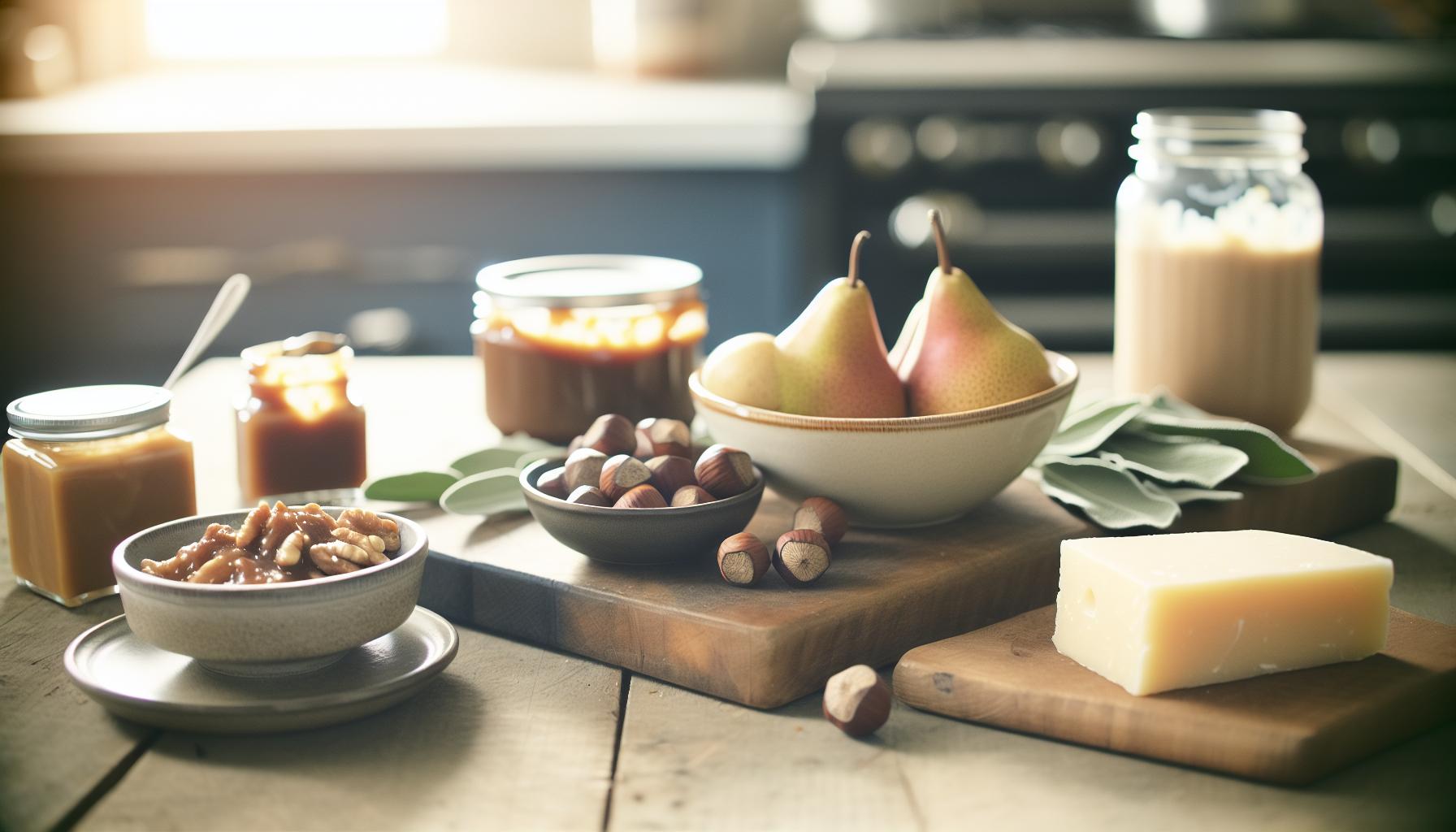
Flavors That Pair Well with Brown Butter
Brown butter brings a warm, nutty flavor to frosting that can transform any cake into a gourmet treat. When thinking about what flavors pair well with this decadent frosting, consider the natural companions that enhance its richness rather than mask it. The sweet, caramel notes of brown butter play beautifully with a variety of flavors, creating a delightful balance that elevates your desserts.
Chocolate
There’s nothing quite like the combination of brown butter frosting with chocolate. Whether you’re working with a classic chocolate cake or rich brownies, the nuttiness of the brown butter adds a depth that complements the sweetness of chocolate. For an added twist, try a dark chocolate base, which will underline the complexity of the brown butter.
Spices
Spices can also elevate brown butter frosting. Think about incorporating cinnamon, nutmeg, or even cardamom. These spices infuse warmth and a hint of Christmas nostalgia, perfect for seasonal baking. For example, a spice cake topped with brown butter frosting is a match made in heaven, where each bite is cozy and inviting.
Fruits
Fruits provide a refreshing contrast, cutting through the richness of the frosting. Citrus, like orange or lemon, offers a bright note that pairs well with brown butter. Consider a lemon cake with a brown butter frosting for a delightful zing. Additionally, fruits like apple, pear, or even berries can add a lovely sweetness and enhance the overall flavor profile.
Nuts
To add texture and an extra layer of flavor, consider mixing in crushed nuts. Walnuts or pecans can complement the nuttiness of brown butter, creating an appealing crunch and an added dimension to your frosting. This works great for both cakes and cupcakes, providing a delightful contrast in each bite.
By experimenting with these flavors, you can create a brown butter frosting that not only tastes amazing but also pairs perfectly with your favorite cakes, making any baking adventure a delicious success. Happy baking!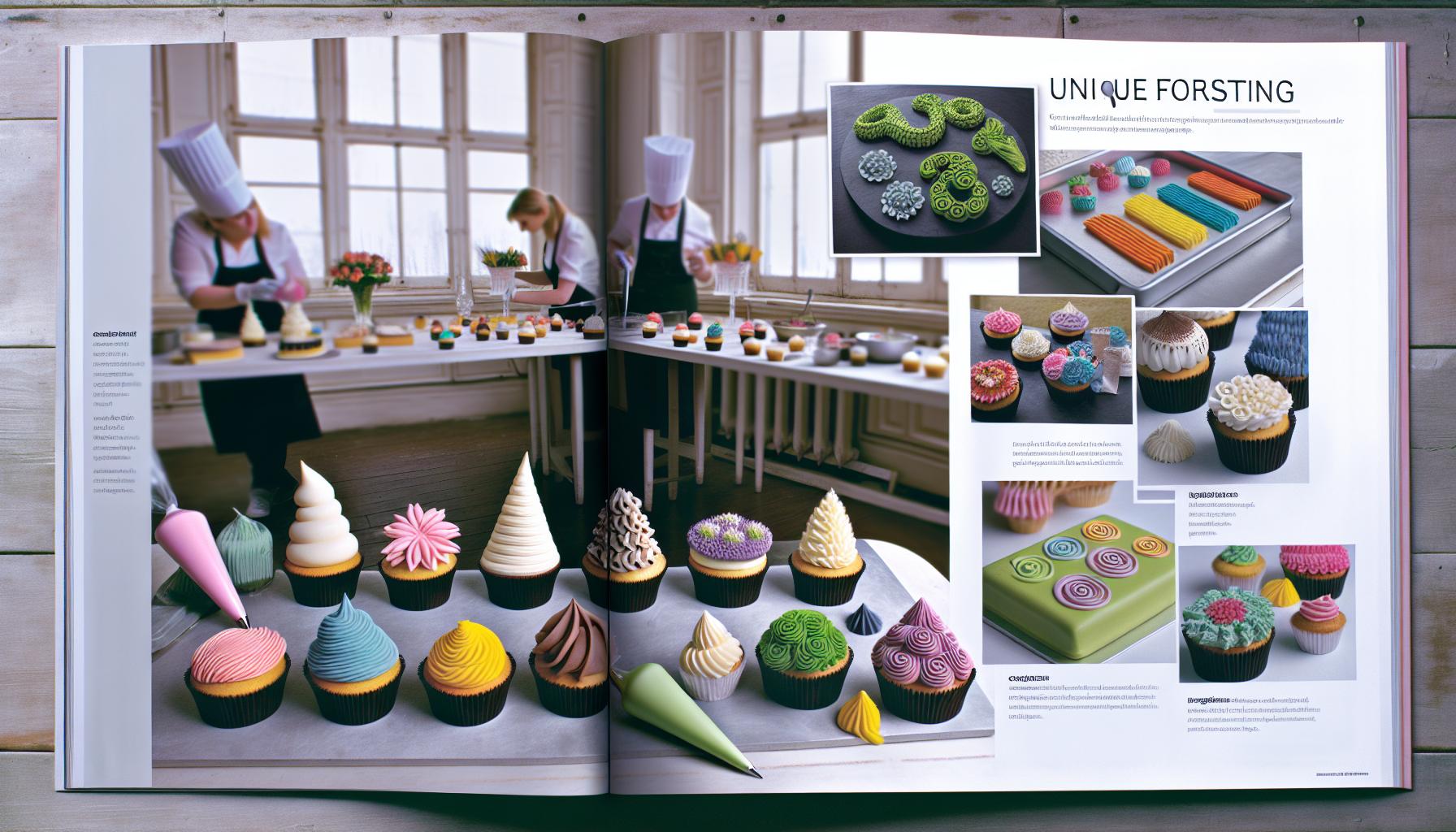
Creative Variations for Unique Frosting
There’s something truly magical about transforming a classic brown butter frosting into something entirely unique. The warm, nutty, and caramelized flavors of brown butter serve as a fantastic canvas for your creativity in the kitchen. With just a little bit of experimentation, you can create frostings that not only taste incredible but also add flair to your baked goods.
One easy way to elevate your brown butter frosting is by infusing it with different flavors. Adding extracts is a simple yet effective way to achieve this. Try incorporating a teaspoon of vanilla extract for warmth or almond extract for a more distinct taste. If you’re feeling adventurous, a few drops of maple or hazelnut extract can take your frosting to a whole new level of deliciousness.
Incorporating Mix-ins
Consider mixing in some finely chopped ingredients to give your frosting a surprising twist. Chopped chocolate chunks or toffee bits add texture and flavor bursts, while a handful of crushed cookies can create a delightful crunch. How about some crushed pretzels to lend a salty contrast? The playful combination of sweet and salty will keep your guests guessing and delighted.
Color and Texture
Don’t forget about the visual appeal! You can easily transform regular brown butter frosting into a vibrant masterpiece by adding natural food colors or purees. For example, a spoonful of beet puree can yield a stunning pink hue, while spinach puree can give a lovely green tone. These additions not only make your frosting more visually appealing but can also impart subtle, complementary flavors.
Seasonal Spins
Seasonal ingredients can also inspire unique variations. For autumn, consider a brown butter frosting infused with pumpkin spice or apple cider. Just whisk in the spices or apple reduction into your frosting base, and you’ll have a fall-inspired treat perfect for Thanksgiving gatherings. In summer, refreshing citrus zest-like lemon or orange-can bring a bright burst, balancing the richness of the brown butter beautifully.
By playing around with these ideas, you can make brown butter frosting that truly stands out. The key is to trust your taste buds and have fun experimenting. Whether you stick to classic flavors or venture into the unknown, there’s no wrong way to enjoy this decadent frosting. Happy baking!
Best Cakes to Complement Brown Butter Frosting
The rich, nutty flavor of brown butter frosting makes it a versatile match for a variety of cakes. Whether you’re baking for a special occasion or just treating yourself, pairing your brown butter frosting with the right cake can truly elevate your dessert game. Here are some delightful combinations that are sure to impress.
First up is spice cake. The warm spices-think cinnamon, nutmeg, and clove-harmonize brilliantly with the decadent flavor of brown butter. The cake’s subtle sweetness and spice nuances allow the frosting to shine through, creating a cozy, seasonal treat that’s perfect for fall gatherings.
For a classic twist, consider vanilla or chocolate cake. Both choices are fantastic canvas options that let the brown butter frosting take center stage. The light, fluffy texture of vanilla cake complements the rich frosting, while a chocolate cake deepens the overall flavor profile, creating a wonderfully indulgent dessert.
Another excellent choice is a hummingbird cake, which incorporates banana, pineapple, and pecans. The tropical sweetness and nuttiness of this cake pair perfectly with the caramel notes of brown butter frosting, resulting in a uniquely satisfying bite.
If you’re looking for something a bit different, a pumpkin cake is a crowd-pleaser. The moist cake infused with pumpkin puree and spices becomes even more delightful with a layer of warm, smooth brown butter frosting. It’s a seasonal favorite that evokes all the flavors of autumn.
Don’t forget about carrot cake! The natural sweetness and added texture from carrots and nuts will complement the richness of the brown butter frosting beautifully. A touch of cinnamon in the cake can really tie the whole dessert together, providing a comforting, homestyle feel.
Each of these cakes brings its own special elements that allow brown butter frosting to shine, resulting in treats that are deliciously decadent and refreshingly unique. So, roll up those sleeves, and let the baking adventure begin-your taste buds will thank you!
Common Mistakes to Avoid When Making Frosting
Making brown butter frosting is a delightful journey, but like any baking endeavor, it comes with its share of potential pitfalls. Avoiding common mistakes can make the difference between a heavenly frosting and one that leaves you feeling frustrated. Here are some key missteps to watch out for as you whip up this delicious topping.
One of the most critical elements is ensuring your brown butter has cooled and solidified properly. If you add it too warm or liquid, your frosting will likely morph into a runny mess instead of achieving that fluffy, luscious consistency you’re aiming for. To prevent this, allow your browned butter to sit at room temperature until it’s completely cool and firm again, which may take about 30 minutes. Use this time to gather your other ingredients!
Another frequent mistake is the temperature of your cream cheese or butter. Both should be at room temperature for the best mixing results. If they’re too cold, you’ll end up with lumps that just won’t blend properly into the frosting. On the other hand, if they’re overheated, they can create a greasy texture. Ideally, they should be soft and pliable-consider setting them out for about 30-60 minutes before you start.
Additionally, don’t skimp on the sifting! It can be tempting to skip this step, especially when you’re eager to get to the frosting. But failing to sift the powdered sugar can lead to a clumpy frosting that’s less than appetizing. Always sift before measuring to ensure a smooth final product.
Lastly, it’s easy to go overboard with flavors. While brown butter offers a rich, nutty base, adding too much extract or flavoring can overpower its unique taste. Start with a teaspoon of vanilla or whatever flavor you choose, and taste as you go to make sure you don’t mask the beloved brown butter essence.
By sidestepping these common mistakes, you’ll achieve a beautifully textured and flavorful brown butter frosting that will bring joy to any cake you choose. Now, let your creativity flow and enjoy the sweet, nutty goodness!
How to Store and Reheat Brown Butter Frosting
To keep your brown butter frosting fresh and ready for use, proper storage is key. As a versatile frosting that enhances a variety of treats, it’s important to know how to maintain its delicious flavor and creamy texture for future use. Once you’ve whipped up a batch, you can store it in an airtight container in the refrigerator. Just make sure it is completely cooled before sealing it up. Generally, brown butter frosting can last about a week in the fridge.
When it’s time to use your stored frosting, gently reheat it to restore its smooth consistency. The best way to do this is to microwave it in short bursts-around 10-15 seconds at a time-stirring in between. This helps prevent overheating, which could cause the frosting to become too liquid or greasy. If you find it has thickened too much after chilling, you can add a small splash of milk or cream to loosen it up and whip it again until it’s fluffy.
For longer storage, consider freezing your brown butter frosting. Transfer it into a freezer-safe container or zip-top bag, making sure to leave some space for expansion, and pop it in the freezer. It can last up to three months! When you’re ready to use it, simply thaw it overnight in the refrigerator and then follow the reheating steps mentioned above to bring it back to that luscious texture.
Whether you’re preparing for a special occasion or just a cozy baking day, knowing how to store and reheat your brown butter frosting ensures you’ll always have this delectable treat on hand, ready to elevate your cakes and cupcakes whenever inspiration strikes.
Decorating Techniques for Frosted Cakes
When it comes to frosting cakes with brown butter frosting, you’ll discover that the rich, nutty flavor adds an extraordinary touch that delights taste buds and elevates your dessert game. Decorating your cakes with this luscious frosting can be simple yet wonderfully creative. Here are some engaging techniques to make your cakes not only taste incredible but also look stunning.
One of the most popular techniques is the classic swirl, which is perfect for those just starting with cake decorating. Using a spatula or a pastry knife, simply dollop a generous amount of brown butter frosting on top of your cake and spread it outward. To create a beautiful swirl pattern, start from the center and draw the spatula outward in a circular motion, returning to the center for that lovely, rustic look. If you want to add a fun flair, try using a piping bag with a star tip to pipe decorative rosettes or borders along the edges. This adds dimension and showcases the smooth, creamy texture of your frosting.
For a more sophisticated presentation, consider adding crushed nuts or chocolate shavings. The earthy tones of chopped pecans or walnuts beautifully complement the brown butter flavor, enhancing both visual appeal and taste. Simply sprinkle these toppings over the frosted surface or around the base of the cake for added texture. If you’re feeling adventurous, drizzle some caramel sauce or chocolate ganache on top to create a decadent, layered effect that’s sure to impress.
Don’t forget about the power of fresh fruits! Slices of pears, figs, or seasonal berries can be delightful companions to your brown butter frosting. Not only do they break up the sweetness with their natural tartness, but they also create stunning visual contrasts. Arrange the fruits on top of your frosted cake gently for a fresh and vibrant look. For an extra touch, consider a dusting of powdered sugar or a sprig of mint, which adds a refreshing pop of color and flavor.
Lastly, if you want to take your presentation to the next level, embrace the naked cake trend. Lightly frost the sides of the cake while leaving sections of the cake exposed. This technique emphasizes the layering and can be beautifully adorned with minimal toppings such as a few berries or a delicate dusting of confectioners’ sugar. The result is a rustic charm that perfectly showcases your baking skills and the unique flavor profile of brown butter frosting.
Experimenting with these decorating techniques will turn your cakes into a feast for both the eyes and the palate, making any occasion feel special. Enjoy the process, and remember, the joy in baking comes from your creativity and the love you put into it!
Using Brown Butter Frosting in Layered Cakes
Layering a cake with brown butter frosting is a delightful experience that elevates both the flavor and presentation of your dessert. The nutty, caramel notes of brown butter create a rich contrast to sweet cake layers, making each slice memorable. Whether you’re baking for a special occasion or simply indulging in a sweet treat, using brown butter frosting in your layered cakes will impress anyone who takes a bite.
To get started, plan your cake layers carefully. A classic combination is to pair brown butter frosting with a vanilla or caramel cake. The smoothness of the frosting, combined with the moist layers, ensures a harmonious balance of flavors. When assembling your cake, spread an even layer of frosting between each cake layer. A simple trick is to use a piping bag to ensure you create a nice border of frosting around the edge of the layer before filling it with more frosting. This helps keep the filling contained and prevents any cake crumbs from mixing into the frosting.
Once your layers are stacked and filled, it’s time to frost the outside of the cake. For a charming rustic look, you can go for a simple “naked” cake style where some of the cake layers remain exposed. This not only looks beautiful but also highlights the moistness of your cake. If you prefer a more polished finish, apply a crumb coat first-a thin layer of frosting that locks in crumbs-then chill the cake before adding a thicker layer of brown butter frosting on top. To achieve a smooth finish, use a bench scraper or an offset spatula.
Finally, consider garnishing your cake with complementary flavors. Chopped nuts, like pecans or walnuts, make a lovely topping and enhance the brown butter’s nutty flavor. A drizzle of caramel sauce or a sprinkle of sea salt can add an exciting contrast. For an extra layer of freshness, add slices of seasonal fruit, like figs or berries, which not only enhance the visual appeal but also provide a delightful balance to the richness of the cake.
Incorporating brown butter frosting into your layered cakes opens up a world of flavor possibilities, and experimenting with it can be as rewarding as it is delicious. Embrace your creativity, and have fun with the process! Happy baking!
The Science Behind Brown Butter Flavor
The transformation of regular butter into brown butter is a culinary magic show that not only enhances flavor but also creates a whole new dimension in your baking. When butter is heated, the moisture evaporates, and the milk solids begin to toast and caramelize. This process develops a rich, nutty aroma and adds depth to your frosting that plain butter simply can’t achieve. So, what exactly happens in this process to create such a delightful treat?
As you heat the butter, the milk solids turn golden brown, unleashing a complex array of flavors that can be likened to toasty, caramelized nuts. This Maillard reaction is key-it’s the same chemical process that gives grilled meats their savory flavor and the browning on baked goods their appealing crispness. The result is a beautifully dark, rich butter that brings notes of hazelnut and caramel to your brown butter frosting, captivating your taste buds and elevating the overall dessert experience.
To achieve that perfect brown butter, it’s important to keep a close eye on your cooking. Here are some steps to guide you:
- Use a light-colored saucepan: This allows you to see the color change clearly, so you can prevent burning.
- Monitor closely: Once the butter starts melting, stay attentive. Swirling the pan will help promote even cooking.
- Smell for nuttiness: The aroma will transform from creamy to nutty as it browns, signaling that it’s nearly done.
Understanding this science opens the door to experimentation. While brown butter frosting is undeniably delicious, you can channel this technique into other recipes, like cookies or frostings, beckoning forth the harmonized notes of rich, deeper flavors. The addition of brown butter can transform the ordinary into extraordinary, making every bite a heartwarming tribute to the magic of homemade baking. So, next time you’re whipping up a batch of frosting, remember that taking the time to brown your butter can elevate your creations to the next level of deliciousness!
Why Brown Butter Elevates Your Baking Game
The rich, nutty flavor of brown butter has an incredible knack for elevating your baked goods-from cookies to cakes. When you take the time to brown your butter, you’re not just melting it; you’re unlocking a treasure trove of flavor that’s simply unmatched. This transformation occurs as the milk solids in the butter begin to caramelize, creating those delightful toasty notes reminiscent of freshly roasted nuts. The complexity of this flavor is what sets brown butter apart, making it a secret weapon in your baking arsenal.
In the realm of frosting, brown butter shines brightly. It adds depth and character that traditional butter can’t rival. Imagine a fluffy frosting that carries hints of caramel and toffee, interacting beautifully with your cake. When whisked into cakes or cupcakes, brown butter frosting not only enhances the flavor but also provides a touch of sophistication that delights the palate. You might find it pairs remarkably well with flavors like vanilla, chocolate, or even earthy spices such as cinnamon or nutmeg, expanding your baking repertoire dramatically.
To create a perfectly balanced frosting, remember that the whipped texture is equally important. Allow your brown butter to cool slightly before incorporating it with your sugar, as this helps prevent the sugar from melting and maintains the ideal frosting consistency. With just a few tweaks, you can achieve a luxuriously creamy and smooth frosting that stands up beautifully for decorating.
Incorporating brown butter into your baking is all about experimentation. Don’t be afraid to play with different cake flavors or add in textures, like crunchy nuts or an unexpected sprinkle of sea salt. Each time you welcome brown butter into your kitchen, you’re not only enhancing the flavors but also embracing the joy of baking that’s meant to be approachable yet exciting. So, next time you’re preparing a cake, let brown butter lead the way to a truly elevated baking experience.
Q&A
Q: What makes brown butter frosting different from regular buttercream?
A: Brown butter frosting has a rich, nutty flavor due to the browning process of the butter, which develops deeper caramel notes. This adds complexity compared to traditional buttercream, which primarily relies on whisking butter and powdered sugar. For a detailed guide, check the section on Flavor Variations.
Q: How can I adjust the sweetness of brown butter frosting?
A: To adjust the sweetness of your brown butter frosting, simply add more powdered sugar to increase sweetness or mix in a pinch of salt to balance flavors. Start by incorporating ingredients gradually to achieve your desired taste without overpowering the brown butter’s nutty essence.
Q: Can I make brown butter frosting ahead of time?
A: Yes, you can make brown butter frosting ahead of time. Store it in an airtight container in the refrigerator for up to a week. When ready to use, allow it to come to room temperature and re-whip briefly for the best texture. Refer to the Storage Tips section for more details.
Q: What can I do if my brown butter frosting is too thin?
A: If your brown butter frosting is too thin, gradually add more powdered sugar, mixing well until the desired consistency is reached. Alternatively, you can chill it in the refrigerator for about 15 minutes to help thicken it up. Check out the section on Frosting Texture for more tips.
Q: What cakes pair well with brown butter frosting?
A: Brown butter frosting pairs wonderfully with cakes like chocolate, vanilla, and spice cakes. Its rich flavor complements these options beautifully, enhancing the overall dessert experience. Explore the Best Cakes section in your article for more pairing suggestions.
Q: Can I use brown butter frosting for layered cakes?
A: Absolutely! Brown butter frosting works perfectly for layered cakes. Its robust flavor and creamy texture make it an excellent choice for filling and frosting. Check out the section on Using Brown Butter Frosting in Layered Cakes for tips on application and decorating ideas.
Q: How do I prevent my brown butter frosting from becoming grainy?
A: To prevent brown butter frosting from becoming grainy, ensure that your butter is fully melted and begins to brown without burning. Whisk the frosting well until it’s smooth and well combined. Review the Common Mistakes to Avoid section for more insights on achieving the perfect texture.
Q: Is it necessary to cool brown butter before using it in frosting?
A: Yes, it’s important to cool brown butter to room temperature before incorporating it into frosting. If the butter is too hot, it can melt the sugar and create a soupy consistency. For best results, refer to the Step-by-Step Guide for making brown butter in your article.
The Way Forward
With your delicious brown butter frosting ready to elevate any cake, it’s time to get baking! This easy-to-make frosting not only adds a rich, nutty flavor but also takes your desserts to the next level. Whether you’re topping a simple vanilla cake or indulging in cupcakes, this frosting is sure to impress your family and friends. Don’t forget to share your baking successes or any unique twists you’ve tried in the comments below!
If you loved this brown butter frosting recipe, explore our other delightful frostings like creamy Brown Butter Cream Cheese Frosting for a tangy twist, or check out unique cake recipes that pair perfectly with your new favorite frosting. Ready to dive deeper? Sign up for our newsletter for more sweet inspiration and tips straight to your inbox. Remember, each baking adventure enhances your skills, so keep experimenting and enjoy the process-you’ve got this!
Get our latest guides, news, and insights highlighted in your Google Search & AI Overviews.