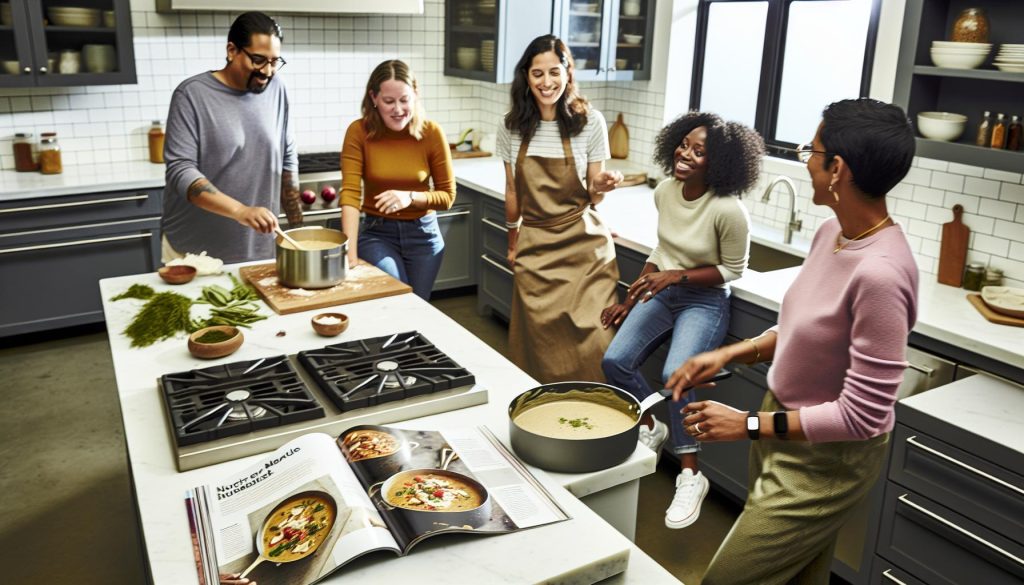
Butter Masala is a beloved Indian dish that brings the warmth of restaurant-style flavors right into your home kitchen. With its creamy texture and rich spices, this dish can elevate any meal, making it perfect for family dinners or special occasions. Did you know that making this delightful curry is easier than you think? With just a handful of ingredients, including butter, cream, and your favorite spices, you can recreate the magic of your favorite curry house. Whether you’re a seasoned cook or just starting your culinary journey, this Butter Masala recipe invites creativity and experimentation. As we dive into this satisfying cooking experience together, you’ll discover not only the steps to achieve the perfect balance of flavors but also tips to add your own unique twist. So, roll up your sleeves and get ready to impress your loved ones with a dish that’s both comforting and exciting!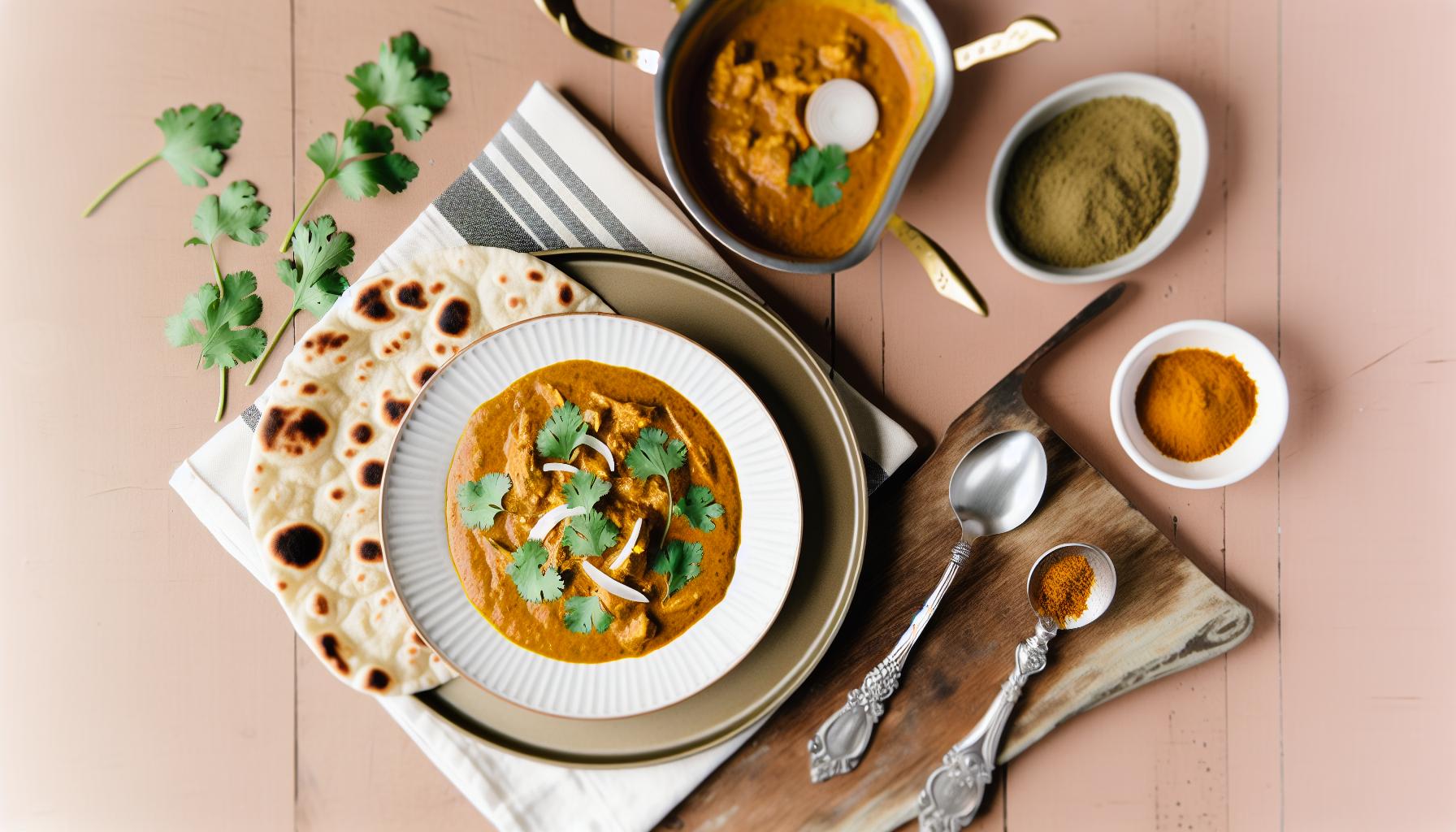
Ingredients for the Perfect Butter Masala
To create the ultimate butter masala that rivals your favorite restaurant dish, selecting the right ingredients is essential. This creamy curry is all about balance and flavor, so let’s break down what you need to make this dish a success.
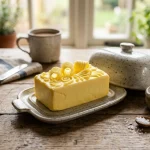
Start with butter, of course! You’ll want to use unsalted butter as it allows you to control the saltiness of your dish better. Alongside butter, the use of ghee can elevate the richness and flavor; ghee provides a deep, nutty taste that complements the spices beautifully.
Moving on to tomatoes, ripe and flavorful ones are crucial-fresh, canned, or puréed work well. Tomatoes form the base of your sauce, so opt for quality ones. You’ll also need onions, finely chopped, as they provide sweetness when sautéed well. Garlic and ginger are also key players, lending aromatic depth to the dish. Use fresh garlic and ginger for the best flavor.
Next up are the spices. A blend of garam masala, cumin, and coriander powder infuses warm, earthy flavors. Don’t forget a pinch of red chili powder for heat and turmeric for its lovely color and subtle bitterness. Adding a hint of cardamom can also bring a lovely fragrance.
For the creamy texture that butter masala is known for, incorporate heavy cream or yogurt towards the end of cooking. This will round out the flavors and add a luxurious mouthfeel.
To finish off your dish, adjust the seasoning with salt and sugar. The sugar balances the acidity of the tomatoes and brings out the dish’s flavors. Fresh cilantro can be used as a garnish to add a bright, herbal touch.
In summary, to achieve the perfect butter masala, gather:
- Unsalted butter and ghee
- Ripe tomatoes (fresh or canned)
- Onions, garlic, and ginger
- Spices: garam masala, cumin, coriander, red chili powder, turmeric, cardamom
- Heavy cream or yogurt
- Salt and sugar
- Fresh cilantro for garnish
With these ingredients on hand, you’re well on your way to making a butter masala that’s creamy, flavorful, and utterly delicious!
Essential Cooking Equipment for Beginners
When embarking on your culinary adventure with butter masala, having the right equipment at your fingertips can make all the difference. You don’t need a professional kitchen to create restaurant-style dishes; a few essential tools will set you up for success and enhance your cooking experience. Let’s break down the must-haves that will help you whip up a creamy, flavorful butter masala with ease.
Essential Tools for Butter Masala
- Heavy-bottomed Pan or Dutch Oven: A sturdy pot ensures even heat distribution, preventing your butter and spices from burning. Think of this as your culinary workstation where all the magic happens!
- Wooden Spoon or Silicone Spatula: These are perfect for stirring and scraping the bottom of the pan. They won’t scratch your cookware and are great for combining those rich flavors.
- Chef’s Knife: A sharp knife is invaluable for chopping onions, garlic, and ginger quickly and safely. Invest in a good one to make your prep work effortless.
- Cutting Board: Choose a sturdy board to provide a solid surface for cutting and chopping your ingredients. It makes cleanup easier too!
- Measuring Cups and Spoons: Precision is key in cooking techniques, especially when balancing spices. Having these tools handy helps ensure your flavors are spot on.
- Whisk: Useful for blending in heavy cream or yogurt smoothly, so you achieve that lush, creamy texture without lumps.
- Grater: For those times you want to add a little fresh ginger or garlic without the fuss of chopping, a grater can be a handy tool.
- Serving Bowl: Once cooked, serving your butter masala in a beautiful bowl makes all the difference, showcasing your homemade creation.
With these basic items in your kitchen, preparing butter masala becomes a fun and rewarding process. Remember, you don’t need to invest in fancy equipment-just reliable tools that support your cooking journey. This setup allows for creativity and experimentation, letting your culinary passion shine through while you serve up dishes that will impress family and friends alike! Enjoy the process, embrace each step, and savor the delicious results.
Step-by-Step Guide to Make Butter Masala
To create a rich and flavorful butter masala at home, you don’t need to be a professional chef-just a few essential steps and fresh ingredients will bring this restaurant favorite right to your kitchen. This creamy curry is all about balancing spices and achieving that luscious texture that makes it so special. Let’s dive in!
Start by gathering your ingredients. You’ll need around 500g of your choice protein (like chicken, paneer, or vegetables), 2-3 tablespoons of butter, and an array of aromatics including onions, garlic, ginger, and tomatoes. Don’t forget the spices! A mix of cumin, coriander, garam masala, turmeric, and red chili powder will create the base of your flavor profile. Lastly, have some cream or yogurt on hand for that silky finish.
Once everything is prepped, begin by heating the butter (2-3 tablespoons) in your heavy-bottomed pan over medium heat. When it’s melted and bubbling, add finely chopped onions (1-2 medium) and sauté until they turn golden brown. This step is crucial as it develops the depth of flavor right from the start. Next, stir in minced garlic and ginger, cooking for about a minute until fragrant-be careful not to let them burn.
Now it’s time to add your spices! Sprinkle in the cumin (1 teaspoon), coriander (1 teaspoon), turmeric (1/2 teaspoon), and red chili powder (1 teaspoon), stirring quickly to toast them for a few seconds. This releases their essential oils and enhances the fragrance. Follow this with diced tomatoes (1-2 medium) and cook until they break down into a sauce-like consistency. Once the mixture is well combined, add your protein of choice and coat it with the sauce, allowing it to cook through.
For the creamy touch, lower the heat and stir in the cream (1/2 to 1 cup) along with garam masala (1 teaspoon) for that final layer of flavor. Simmer gently for about 10 minutes, letting the sauce thicken and the spices meld beautifully. Always taste and adjust seasoning, perhaps adding salt or more spices to suit your preference. Serve your butter masala hot, garnished with fresh coriander.
With just these steps, you can whip up a delicious butter masala that rivals your favorite restaurant dish. Embrace your creativity by experimenting with different proteins or spices as you become more familiar with the process!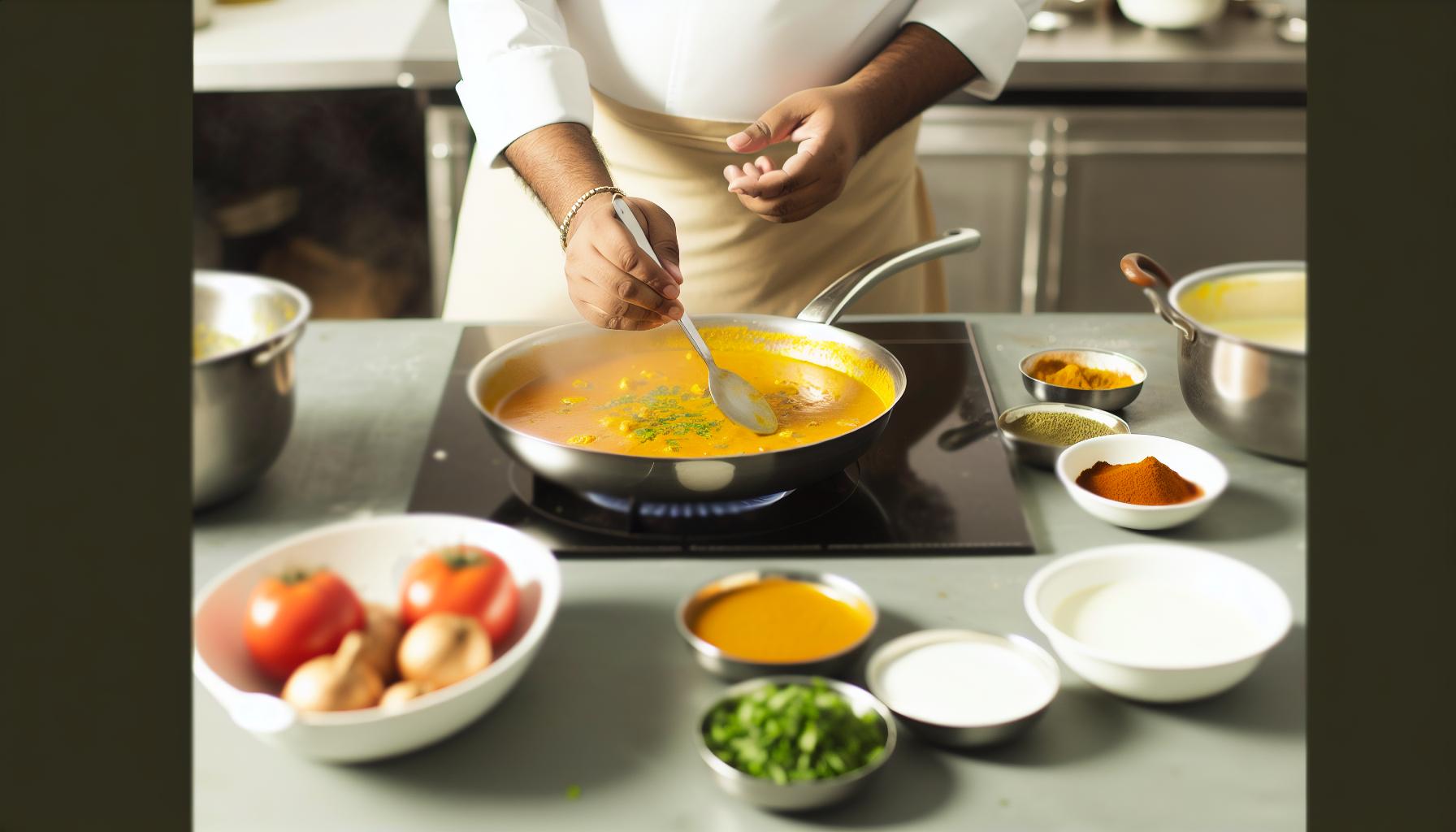
Tips for Achieving Creamy Texture at Home
To achieve that rich, creamy texture that makes butter masala so irresistible, focus on the ingredients and techniques that will elevate your dish. One crucial tip is to use good quality cream. Heavy cream works beautifully here, as its higher fat content will lend a luxurious mouthfeel. For a slightly different twist, you might consider incorporating coconut milk for a hint of sweetness and a vegan option.
When you add the cream to your masala, it’s best to do this over low heat. This allows the cream to meld smoothly without curdling. Stirring continuously not only combines the ingredients well but also brings out the flavors, helping everything blend into that velvety sauce you’re aiming for.
Another key to creaminess lies in how you cook your tomatoes. Make sure to cook them down sufficiently until they become a thick, smooth paste before adding the cream. This not only enhances the flavor but also ensures a cohesive texture in the final dish. If you find your sauce isn’t as creamy as you’d like, you can always add a splash more cream or blend a portion of the sauce before returning it to the pan, which will give you that silky finish.
Lastly, a small amount of butter (2-3 tablespoons) should be added near the end of cooking. This technique not only enriches the flavor but also provides that final touch of creaminess, giving your dish a restaurant-quality finish. Always remember to taste and adjust the seasonings at the end; sometimes, just a pinch of salt or a dash of lemon juice can brighten the flavors and enhance that creamy texture even more. Happy cooking!
Popular Variations of Butter Masala to Try
When it comes to butter masala, there’s a world of flavors waiting to be explored beyond the classic version. Each variation brings its own unique spin while delivering that rich, creamy texture we all love. Embrace the spirit of experimentation in your kitchen by trying out these popular twists on traditional butter masala that can easily become family favorites.
Chicken Butter Masala
One of the most beloved adaptations is Chicken Butter Masala. Tender chicken pieces are marinated in yogurt and spices before being sautéed and simmered in the luscious butter masala sauce. The marinade enhances the chicken’s juiciness, while the butter and cream create a velvety finish that clings to every bite. Serve it with naan or rice for a satisfying meal.
Paneer Butter Masala
Vegetarians will adore Paneer Butter Masala, where succulent cubes of paneer (Indian cottage cheese) soak up the flavorful sauce. This dish is a perfect introduction to Indian cuisine for anyone new to it, as its creaminess and mild spice level appeal to all palates. You can even add a handful of peas or bell peppers for a pop of color and texture.
Veggie Butter Masala
For a hearty vegan option that satisfies without compromising on flavor, try a Veggie Butter Masala. Use a colorful medley of vegetables such as bell peppers, zucchini, and carrots. When sautéed and simmered in the same rich, tomato-based sauce, these veggies create a comforting dish that’s both nutritious and delicious. Don’t forget to substitute cream with coconut milk or cashew cream to maintain that creamy texture without dairy.
Seafood Butter Masala
If you’re feeling adventurous, Seafood Butter Masala is a delightful choice. Incorporate shrimp or fish, such as salmon, into your butter masala for a seafood twist. Make sure to add the seafood in the last few minutes of cooking to keep it tender and juicy. This variation not only looks beautiful on the plate but also offers a delightful blend of flavors.
Regardless of the variation you choose to whip up, feel free to personalize the spice levels and ingredients to your taste. Cooking is about creating joy and comfort, and each of these iterations will bring warmth to your table. So roll up your sleeves, have some fun, and who knows-you might just stumble upon your new favorite butter masala!
How to Spice It Up: Flavor Enhancements
When it comes to elevating your butter masala, the key lies in how you choose to spice it up! Going beyond the usual ingredients can introduce delightful flavor nuances that make your dish truly stand out. Simple adjustments and additions can transform your butter masala into a restaurant-style masterpiece right from your home kitchen!
To begin with, consider the spices. While traditional recipes often rely on a basic blend, you can amp up the flavor profile by incorporating spices such as fennel seeds, cumin, and fenugreek leaves. These ingredients lend a warm, earthy depth that complements the rich buttery sauce. Add them early on, allowing the spices to bloom in the hot oil, which will release their essential oils and infuse the base of your sauce.
Another fantastic enhancement is the use of fresh herbs. Chopped cilantro not only adds a burst of color but also a fresh, herbaceous note that balances the richness of the dish. For an exciting twist, try adding fresh mint or basil at the end of cooking for a surprising layer of flavor.
Texture is just as important as taste. Consider stirring in a spoonful of cashew or almond butter to create an even creamier and nutty dimension. End your cooking with a swirl of yogurt or cream to enhance the dish’s velvety texture and add a slight tang. You might find that a dash of lemon juice or a pinch of brown sugar can enhance the flavors by adding brightness or balancing out the spice, respectively.
Finally, don’t underestimate the power of umami. Introduce a splash of soy sauce or tamarind paste for a rich, savory punch that turns your dish into an all-around superstar. Experimenting with these enhancements can take your butter masala from good to unforgettable, making it a dish that family and friends will be eager to request again and again!
Serving Suggestions for an Authentic Experience
To create a truly authentic experience when serving butter masala, consider the sensory elements that make this dish charmingly rich and vibrant. The warmth of spices, the luxurious creaminess of the sauce, and the perfect pairing with accompaniments can elevate your dining experience into something truly memorable.
Start by serving your butter masala hot, as the flavors are at their peak. A traditional approach is to present it in a shallow bowl, garnished with a drizzle of cream or yogurt and a sprinkle of fresh cilantro. This simple garnish not only enhances the visual appeal but also introduces a fresh contrast to the rich sauce. For a lovely touch, you might also include a few fenugreek leaves sprinkled on top for added flavor and aromatic depth.
Next, think about the star players on the plate. Butter masala pairs beautifully with a variety of sides. Classic accompaniments include warm naan, which is perfect for scooping up the creamy sauce, or basmati rice that balances the richness with its light and fluffy texture. You can also consider adding a side of sautéed seasonal vegetables or a crisp salad dressed lightly with lemon to provide a refreshing contrast to the buttery dish.
Setting the Mood
Don’t underestimate the power of atmosphere when serving your butter masala. Consider setting your table with warm colors and elegant dinnerware to create a cozy, inviting space. Soft Indian music in the background can enhance the overall dining experience, making it feel festive and special.
For a fun twist, why not turn your butter masala night into a themed dinner event? Encourage your guests to bring their favorite side dishes or beverages that pair well with Indian cuisine. This not only showcases your butter masala but allows everyone to share in the experience of exploring flavors together.
In the end, serving butter masala is about creating a delightful experience that tantalizes the taste buds, stirs the heart, and evokes the comfort of home-cooked meals. Enjoy the process and let your creativity shine!
Storing and Reheating Your Butter Masala
To keep your butter masala tasting fresh and delicious, proper storage and reheating methods are essential. Once your luscious curry cools down, transfer it into an airtight container. Not only does this help preserve the flavors, but it also prevents any absorption of odors from your fridge. It’s best to store your butter masala in the refrigerator if you plan to eat it within a few days. However, if you want to keep it longer, consider freezing it. Just ensure to use a freezer-safe container, and try to squeeze out as much air as possible before sealing. In the fridge, butter masala can last up to 4-5 days, while in the freezer, it can be good for up to three months.
When it comes to reheating, the goal is to maintain that creamy texture and rich flavor. If you stored your butter masala in the fridge, take it out and let it sit at room temperature for about 15-20 minutes before reheating. This helps ensure even warming. For the best results, use a stovetop method: gently heat the curry in a pan over low to medium heat. Stir occasionally to avoid sticking and to promote even heating. If you notice the sauce thickening too much, simply add a splash of water or a bit more cream to restore its silky consistency.
If you’re in a hurry, you can also use the microwave. Transfer your butter masala into a microwave-safe container and cover it with a microwave-safe lid or wrap, leaving a small gap for steam to escape. Heat in 30-second intervals, stirring in between, to ensure even warmth. Remember that reheating in the microwave can sometimes alter the texture, so adding a little cream can help rejuvenate that rich mouthfeel.
By following these simple techniques, you can enjoy your homemade butter masala as if it were freshly made, making it a great dish for meal prep or leftovers. Whether for a quick weeknight dinner or a comforting meal at any time, storing and reheating properly makes all the difference!
Pairing Butter Masala with Complementary Dishes
Pairing butter masala with the right accompaniments can elevate your meal from delicious to unforgettable. This rich and creamy dish deserves a supporting cast that complements its flavors and textures. Whether you’re hosting a gathering or enjoying a cozy dinner at home, here are some fantastic ideas to enhance your butter masala experience.
One of the classics that pair beautifully with butter masala is naan bread. This soft, pillowy bread is perfect for scooping up the curry. You can choose from a variety of naans, such as garlic naan for an aromatic twist or stuffed naan filled with cheese or potatoes for a heartier option. Another excellent accompaniment is basmati rice. The subtle fragrance and fluffy texture of the rice create a wonderful balance to the creamy sauce. For added flavor, try serving it with jeera rice (cumin rice) or pulao, which incorporates spices and vegetables for a bit of extra flair.
For those looking to add some crunch and contrast, consider serving papadoms or raita alongside your butter masala. Papadoms, light and crispy, provide a delightful texture that complements the creamy dish. Raita, a chilled yogurt-based side, not only cools the palate but also enhances the overall meal with its fresh flavors and can include cucumber, mint, or diced tomatoes.
To create a well-rounded meal, don’t forget about side dishes. Simple options like cucumber salad drizzled with lemon juice and chaat masala can provide a refreshing counterpoint to the richness of the butter masala. If you’re feeling adventurous, a side of mixed vegetable curry or dal can introduce additional flavors and nutrients, making your meal not only satisfying but also varied.
Lastly, pairing your butter masala with a nice beverage can complete the dining experience. A mango lassi or a light, non-alcoholic drink is a fantastic choice. If you prefer something warm, masala chai (spiced tea) complements the spices in the curry beautifully.
By thoughtfully choosing these pairings, you’ll create a comforting and delicious meal that truly celebrates the richness of butter masala. So get creative, mix and match, and enjoy your culinary adventure!
Common Mistakes to Avoid When Cooking
When creating a restaurant-style butter masala at home, it’s easy to overlook a few essential steps that can transform your dish from good to exceptional. One of the most common mistakes is skipping the marination of the protein, whether it’s chicken or paneer. Marinating not only infuses flavor but also tenderizes the meat, making each bite mouth-watering. Aim for at least 30 minutes, or even longer if you have time-the flavors will be worth the wait!
Another frequent pitfall is using low-quality ingredients, especially spices. Fresh, high-quality spices can make a significant difference in the final flavor. If your spices are stale, consider replacing them; the aroma and taste will enhance your butter masala tremendously. Additionally, don’t rush the cooking process. Allowing the tomatoes to cook down properly before adding cream is crucial. This step builds depth of flavor and ensures the sauce doesn’t taste raw. Remember, patience is a virtue in cooking!
Texture is also vital in achieving that creamy consistency typical of restaurant butter masala. Some cooks skip blending the sauce, resulting in a chunky texture. A smooth sauce is key for that luxurious, velvety feel. After cooking the tomatoes and spices, give the mixture a good blend before adding cream. If you like a little more body, try adding a handful of cashews while blending.
Finally, seasoning should be adjusted throughout the cooking process, not just at the end. Tasting your dish as you go allows you to make real-time adjustments, making sure the flavors build harmoniously. It’s also essential to balance the richness of the cream with acidity; a squeeze of lemon or a splash of vinegar can elevate your dish to the next level, cutting through the richness and brightening the overall flavor profile. By avoiding these common mistakes, you’ll be well on your way to mastering a delicious butter masala that rivals your favorite restaurant’s!
How to Make It Vegan-Friendly
To transform traditional butter masala into a vegan-friendly delight, you can effortlessly swap out animal-based ingredients while still achieving that rich, creamy texture and flavor profile we all love. The key lies in understanding how to replace dairy and meat without losing the essence of this popular dish. For a satisfying and delicious meal, you’ll need about 40 minutes and some common pantry staples.
Start by replacing the butter and cream with plant-based alternatives. Instead of butter, opt for vegan margarine or coconut oil. Both options will provide a buttery base that complements the spices beautifully. For the cream, coconut cream or cashew cream works wonders-each adds a rich, creamy texture. To make cashew cream, simply soak raw cashews for a few hours, then blend them with a bit of water until smooth. This gives you a luscious addition that won’t compromise on taste.
Next, for the protein component, substitute chicken or paneer with tofu or chickpeas. Tofu, which holds flavors well, can be marinated in the same spices you would use for meat, making it super delicious when cooked in the sauce. If you’re using chickpeas, they’re already packed with protein and add a nice heartiness to the dish. Don’t forget to marinate your tofu or chickpeas for at least 30 minutes in spices like garam masala, turmeric, and salt for full flavor absorption, similar to marinating meat.
Finally, when it comes to your spice mix, the traditional flavors of butter masala rely on tomatoes, garlic, and ginger. Make sure your spices are fresh, and don’t shy away from adding a touch of smoked paprika or coriander to enhance the depth of flavor. The freshness of herbs like cilantro can brighten the dish just before serving. The result is a vegan butter masala that’s not only rich and creamy but also indulgent and comforting, just like the classic version. Enjoy it with rice or vegan naan for a truly satisfying meal!
Exploring Regional Differences in Butter Masala
Butter masala, while beloved in its traditional form, varies greatly across different regions of India, reflecting local tastes, ingredients, and culinary practices. Understanding these regional differences not only enriches your cooking experience but also allows you to experiment with flavors and create your own signature version of this classic dish.
In North India, particularly in Punjab, butter masala is often made creamy and rich, thanks to the generous use of dairy products like ghee and cream. Here, you might find the dish prepared with chicken, paneer, or even lentils, infused with robust spices like garam masala and served alongside naan or rice. This version typically features a tomato-based gravy that’s slow-cooked to achieve deep flavors-a favorite in restaurants where the tandoor cooking approach adds a smoky dimension to the proteins used.
Travel to the western regions, like Gujarat and Maharashtra, and you’ll discover a sweeter twist on butter masala, incorporating a hint of jaggery or coconut milk. In these areas, the dish may also feature vegetables such as capsicum and peas, making it more vegetarian-friendly. The use of coconut enhances the creaminess, bringing a different texture and flavor profile that pairs beautifully with steamed rice or dosa.
In the southern states, like Kerala and Tamil Nadu, butter masala can take on a more spicy character, often utilizing fresh coconut paste and curry leaves for flavor. Here, the dish is sometimes served with appam or idiappam, showcasing the interplay between rich, creamy sauces and mildly spiced bread. The inclusion of local spices like black mustard seeds or curry leaves introduces a distinctly aromatic quality that sets it apart from its North Indian counterpart.
Finally, consider the unique interpretations found in Eastern India, where mustard oil plays a starring role. Here, butter masala might be accompanied by fish or egg, infused with mustard and poppy seeds for a bold, complex flavor. This version often highlights the region’s seafood, offering a delicious, creamy sauce that complements the lightness of fish, served alongside rice.
No matter the regional variation, exploring these differences allows you to choose ingredients and techniques that resonate with your personal taste. With each adaptation, whether you lean into the creamy richness of the North or the fragrant spices of the South, you can create a butter masala that’s not only comforting but also reflective of your own culinary journey. Embrace the creativity in your kitchen, and enjoy the delightful process of crafting your own version of this beloved dish!
FAQ
Q: What is the best way to achieve a creamy texture in Butter Masala?
A: To achieve a creamy texture in Butter Masala, use high-quality cream and incorporate it gradually while stirring continuously. Blending the cooked tomato-onion base before adding cream can also enhance smoothness. For extra richness, consider adding cashew paste. Refer to the “Tips for Achieving Creamy Texture at Home” section for more ideas.
Q: Can I make Butter Masala spicy? If so, how?
A: Yes, you can make Butter Masala spicy by increasing the amount of green chilies or by adding red chili powder. Including spices like garam masala towards the end can also enhance the heat. For a detailed guide, check the “How to Spice It Up: Flavor Enhancements” section.
Q: What is the cooking time for Butter Masala?
A: The total cooking time for Butter Masala is approximately 30 to 45 minutes. This includes prep time, sautéing ingredients, and simmering for flavors to meld. Refer to the “Step-by-Step Guide to Make Butter Masala” section for a detailed timeline.
Q: What side dishes pair well with Butter Masala?
A: Butter Masala pairs beautifully with naan, roti, or rice. For a complete meal, serve it alongside raita or a fresh salad. Explore more pairing options in the “Pairing Butter Masala with Complementary Dishes” section.
Q: How do I store leftover Butter Masala?
A: Store leftover Butter Masala in an airtight container in the refrigerator for up to 3-4 days. Reheat gently on the stove, adding a splash of water or cream to restore its creamy consistency. Check the “Storing and Reheating Your Butter Masala” section for more tips.
Q: Can I make Butter Masala vegan-friendly?
A: Yes, you can easily make Butter Masala vegan by replacing cream with coconut milk or cashew cream. Use vegan butter instead of traditional butter. For more variations, see the “How to Make It Vegan-Friendly” section.
Q: What ingredients can I use to enhance the flavor of Butter Masala?
A: To enhance the flavor of Butter Masala, add ingredients like fresh herbs (cilantro), a squeeze of lemon juice, or dried fenugreek leaves (kasuri methi). These additions can elevate the dish significantly. See “How to Spice It Up: Flavor Enhancements” for detailed options.
Q: Is Butter Masala healthy?
A: Butter Masala can be included in a healthy diet when consumed in moderation. The dish contains essential nutrients but is also high in fat due to butter and cream. Consider using less cream or opting for healthier substitutes for a lighter version. For more details, refer to sections discussing health aspects of ingredients.
Key Takeaways
Now that you’ve mastered this creamy restaurant-style Butter Masala, it’s time to bring this delightful dish to your kitchen table! Remember, this recipe is all about balancing flavors and textures, and even a few adjustments to spices can create a unique twist just for you. Don’t forget to try pairing it with fluffy naan or steamed rice for the perfect meal!
If you’re eager to explore more delicious Indian recipes, check out our other favorites like Chicken Tikka Masala or Paneer Butter Masala. Have questions or want to share your experience? We’d love to hear from you in the comments! And for more cooking tips, make sure to subscribe to our newsletter so you never miss an update. Dive into the rich world of homemade curries today-your taste buds will thank you!
Get our latest guides, news, and insights highlighted in your Google Search & AI Overviews.