
Butter pie, with its creamy texture and rich flavor, is a comforting nod to old-school desserts that warms the heart and brings back cherished memories. This delightful dish strikes a perfect balance between simplicity and indulgence, making it a wonderful project for both novice and experienced bakers alike. Did you know that butter pie has roots in traditional British cuisine, where it was often made to celebrate seasonal ingredients and family gatherings? By making this recipe, you not only treat your taste buds but also create a connection to a comforting culinary history. Whether you’re looking to impress guests or simply enjoy a slice of nostalgia with your loved ones, this butter pie recipe is sure to become a cherished staple in your kitchen. Get ready to roll up your sleeves and discover a delightful blend of flavors that invite creativity in every bite!
Understanding Butter Pie: Its Origins and History
The butter pie, a comforting staple in English cuisine, particularly owes its roots to the rich culinary traditions of Lancashire. Originally a humble dish, it combines simple ingredients-mainly onions, potatoes, and butter-to create a savory pie that has warmed the hearts of many. This dish is especially iconic in towns like Wigan, where it has been affectionately embraced by locals. In fact, residents are often humorously referred to as “pie-eaters,” a nod to their fondness for this delightful comfort food. The butter pie was traditionally served on match days, making it a beloved part of local culture and community gatherings.
The history of butter pie is steeped in the working-class culture of the North of England, where such recipes were born from necessity and resourcefulness. During times of hardship, families would use what they had on hand-leftover vegetables and a bit of butter-to create a filling and nourishing meal. Over the years, this simple pie has evolved, but its essence remains the same: a celebration of humble ingredients put to good use. It’s not just food; it’s a part of the region’s identity, reflecting the values of frugality and home-cooked comfort that resonate deeply with many.
The resurgence of interest in traditional foods has brought the butter pie back into kitchens across the UK and beyond. Its straightforward recipe makes it accessible for cooks of all skill levels. Whether enjoyed as a main course or a side dish, the butter pie continues to evoke nostalgia, warm memories of shared meals, and a sense of community. Today, you don’t need to be from Lancashire to appreciate its creamy, savory goodness-just a love for homemade comfort food is enough!
The Essential Ingredients for a Perfect Butter Pie

To create a perfect butter pie, selecting the right ingredients is essential. The dish’s heart lies in its simplicity, and using high-quality, fresh components can elevate your pie to new heights. Here’s what you need to make this classic comfort food truly shine.
The foundation of any butter pie starts with a buttery, flaky crust. You can use a store-bought crust for convenience, but making your own with a rich all-butter pastry adds a personal touch. Key ingredients for the crust include:
- All-purpose flour: The base that gives structure.
- Unsalted butter: Choose a high-fat butter for a richer taste and flakier texture.
- Salt: Just a pinch enhances the flavor.
- Ice water: Helps bring the dough together without warming it up.
For the filling, onions and potatoes are traditional staples. They work beautifully together, giving the pie a comforting texture and depth of flavor. Here’s what you’ll need:
- Onions: Sweet or yellow onions caramelized to bring out their natural sweetness.
- Potatoes: Starchy varieties like Maris Piper or Russets are great for achieving a creamy filling.
- Butter: A generous amount to ensure creaminess and flavor.
- Salt and pepper: Essential for seasoning, enhance the dish’s warmth.
- Optional herbs: Fresh parsley or thyme can add a lovely aromatic touch.
Don’t forget the egg! A beaten egg can be brushed on the crust before baking to give it that gorgeous golden finish. Additionally, it can also help bind the filling ingredients together, ensuring every slice holds its shape beautifully.
With these ingredients, you’re on your way to creating a scrumptious butter pie that will bring the comforting memories of Lancashire kitchens to your table. Enjoy the process as you mix and match flavors or experiment with add-ins, since the classic recipe is always open to your personal touch!
Step-by-Step Guide: How to Make an Old-School Butter Pie
Creating a classic butter pie is a delightful journey back to simple comforts, and with just a few steps, you can whip up a delicious dish that feels like a warm hug from your kitchen. This recipe is approachable, perfect for both novice bakers and seasoned chefs looking to reconnect with a traditional favorite.
To begin, gather your essential ingredients, ensuring you have everything at hand. You’ll need a buttery, flaky crust and a filling of caramelized onions and tender potatoes. Start by making the crust: mix together 2 cups of all-purpose flour with 1 cup of cold, unsalted butter, diced into small pieces. Use your fingertips or a pastry cutter to blend until the mixture resembles coarse crumbs. Add a pinch of salt and enough ice water to bind the dough together, then shape it into a disk and chill for about 30 minutes.
While the dough is chilling, prepare the filling. Dice 2 medium onions and peel 2 large potatoes. In a skillet, melt 3 tablespoons of butter over medium heat. Add the onions and cook until they turn golden and caramelized, about 10-15 minutes. Stir in the diced potatoes, seasoning with salt and pepper, and cook until just tender, roughly another 10 minutes. Allow the mixture to cool slightly before assembling your pie.
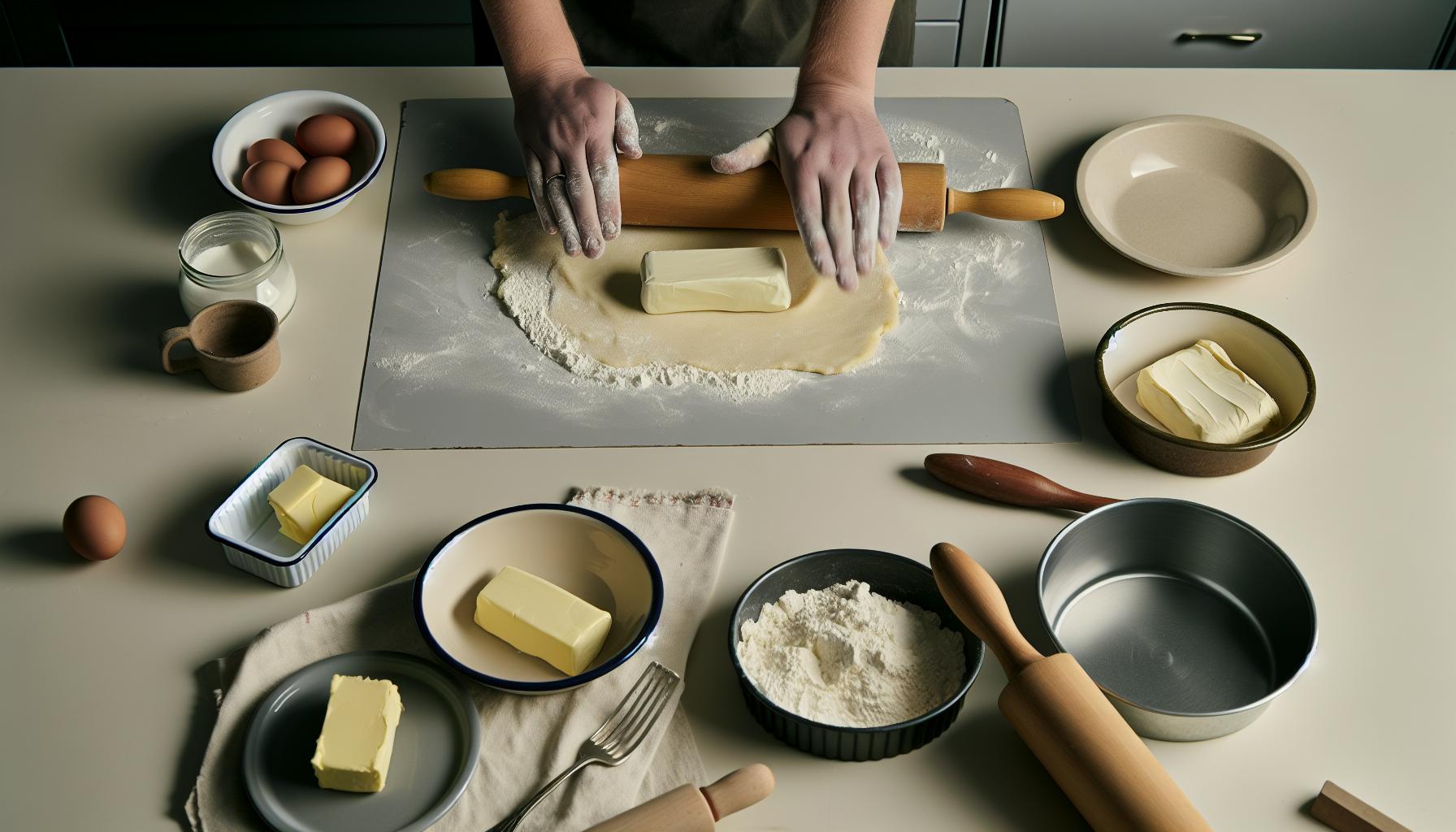
Preheat your oven to 375°F (190°C). Roll out the chilled dough on a floured surface into a round shape, about ¼-inch thick. Carefully place it into a greased pie dish, allowing the edges to hang over. Fill the crust with the onion and potato mixture, then roll out the top crust and place it over the filling. Crimp the edges with a fork to seal and cut a few vent holes on top to let steam escape. For a lovely finish, brush the crust with a beaten egg wash for that golden, shiny look.
Bake for 35-40 minutes, or until the crust is a beautiful golden brown and the filling is bubbling. Let it cool for a bit before slicing to allow the flavors to meld. Serve warm, and enjoy the rich, creamy comfort of your homemade butter pie. Whether it’s alongside a fresh salad, a dollop of sour cream, or simply on its own, this dish invokes feelings of nostalgia and warmth, reminding us that the simplest recipes often bring the greatest joy.
Creative Variations on the Classic Butter Pie Recipe

Exploring variations of butter pie allows you to infuse your own creativity into this comforting classic, transforming a beloved dish into something uniquely yours. Each twist can enhance the flavor profile and keep things fresh, so don’t hesitate to experiment! Here are some delightful ideas to inspire your next baking adventure.
Herbed Butter Pie
Add a burst of freshness by incorporating herbs into the filling. Chopped thyme, rosemary, or even a sprinkle of fresh dill can elevate the flavor of your onions and potatoes. A bit of finely grated cheese, such as cheddar or Gruyère, mixed in with the filling can also provide a rich, savory depth that complements the butter beautifully.
Sweet Potato or Butternut Squash Variants
For a seasonal twist, consider using sweet potatoes or roasted butternut squash instead of traditional potatoes. Their natural sweetness pairs well with the caramelized onions, creating a wonderfully balanced dish. You can mash the sweet potatoes prior to mixing to achieve a creamy texture that contrasts delightfully with the flaky crust.
Cheesy Butter Pie
Feeling indulgent? Try adding layers of cheese within the filling. A combination of creamy ricotta and sharp cheddar not only enhances the creaminess of the pie but also introduces an exciting gooey texture. For an added kick, consider a sprinkle of spicy jalapeños or a dash of hot sauce for those who love a little heat in their comfort food.
Seasonal Vegetable Medley
Don’t shy away from loading your pie with a medley of seasonal vegetables. Bell peppers, mushrooms, or leeks sautéed along with the onions can add color and diverse flavors. You can even include some spinach or kale for an extra nutritional boost, pairing it perfectly with the richness of butter.
Feel free to mix and match these ideas according to your taste and the ingredients available in your kitchen. Each variation invites you to connect with the process, nurturing a comforting meal that not only warms the belly but also delights the senses. So roll up those sleeves, have fun with it, and let your butter pie become a canvas for culinary creativity!
Tips for Achieving the Creamiest Texture in Your Pie
To create a truly creamy butter pie that melts in your mouth, a few key techniques can make all the difference. The goal is to achieve a smooth, luscious filling that complements the flaky crust without being overly dense. Let’s dive into some practical tips that will elevate your pie to the next level of creaminess.
Start with high-quality, room-temperature butter. This ensures that it blends smoothly into the mixture without clumping. As you prepare your filling, gently incorporate the butter with sugar until the mixture turns light and fluffy. This step adds air into the filling, promoting a lighter texture. If using dairy, make sure your milk or cream is also at room temperature to prevent any chilling effects on the butter, which could cause separation or an uneven texture.
Incorporate Ingredients Gradually
One key to maintaining creaminess is the order and manner in which you combine your ingredients. Mix your eggs into the butter and sugar mixture one at a time, ensuring each egg is fully incorporated before adding the next. This will help emulsify the mixture, creating a base that is both rich and velvety.
Additionally, consider straining your filling if you include any solid ingredients, like cheese or vegetables. A fine mesh strainer can eliminate lumps, leaving you with a smooth, velvety filling. You can even blend your filling in a food processor for that extra creaminess if you choose to add ingredients that might not typically be smooth.
Opt for Heavy Cream
When selecting dairy products, opting for heavy cream instead of regular milk can dramatically enhance the creaminess of your pie. Heavy cream has a higher fat content, which adds richness and stability to the filling. If you desire a lighter version, blending heavy cream with a bit of low-fat milk can provide balance while still preserving that luxurious texture.
Lastly, remember that baking time and temperature also play crucial roles. Baking your pie at a slightly lower temperature can help prevent overcooking, keeping the filling tender and creamy. A gentle bake also allows the flavors to meld beautifully without drying out the pie.
By following these tips, you’ll create a butter pie that not only looks stunning but also delivers an incredibly creamy texture that will have everyone coming back for seconds. Enjoy the process and let your creativity shine in the kitchen!
Common Mistakes to Avoid When Making Butter Pie

Making butter pie can be an utterly delightful experience, but even the most enthusiastic bakers can slip up at crucial moments. The journey to a perfect old-school butter pie is often fraught with common pitfalls that can turn creamy aspirations into dense disappointments. Here are some mistakes to watch out for as you embrace the art of butter pie making.
One of the biggest missteps is using cold butter. Room-temperature butter is essential for achieving that light, fluffy filling. Cold butter can lead to clumping and uneven mixing, making it difficult to achieve a creamy consistency. To avoid this, take your butter out of the fridge at least 30 minutes before you start baking. If you forget, you can microwave it for about 10-15 seconds-just be careful not to melt it!
Another common issue arises during the mixing process. Many bakers tend to rush and add ingredients all at once. Incorporating ingredients gradually is vital, especially when mixing in eggs. Add them one at a time, ensuring each is fully combined before introducing the next. This helps create an even, rich filling that distinguishes a good pie from a great one. If you mix too quickly or lazily, you risk a lumpy filling that doesn’t rise properly in the oven.
Baking time and temperature are also critical. Setting the oven too high or leaving the pie in for too long can lead to overcooking, which is a surefire way to ruin that desired creamy texture. Consider using a lower temperature and checking for doneness a few minutes prior to recommended baking time. A gentle bake allows the flavors to meld beautifully without risking a dry filling.
Lastly, don’t overlook the importance of the pie crust. A soggy or burnt crust can compromise the entire pie experience. Be sure to pre-bake your crust if needed and keep an eye on it to ensure it doesn’t over-brown. A well-prepared crust supports that luscious filling and elevates the whole dish.
By being mindful of these common mistakes, you’re setting yourself up for delicious success. Remember, every baking adventure comes with its own learning curve, so embrace any missteps as part of the creative process. Happy baking!
Serving Suggestions: Pairing Butter Pie with Other Treats
Enjoying butter pie is not just about the pie itself; it’s about creating a delightful dining experience. This creamy comfort food pairs beautifully with a variety of accompaniments that enhance its rich flavors and celebrate its comforting essence. Whether you’re hosting a cozy dinner or enjoying a hearty meal with family, here are some serving suggestions to elevate your butter pie experience.
Start by considering a refreshing salad on the side. A simple mixed greens salad with a zesty vinaigrette can provide a crisp contrast to the creamy richness of the butter pie. The acidity from the dressing will help cut through the pie’s richness, making each bite more balanced. Try adding ingredients like cherry tomatoes, cucumbers, and red onions for a pop of color and flavor.
Another excellent pairing is roasted or steamed vegetables. Seasonal veggies like asparagus, green beans, or Brussels sprouts not only add a beautiful touch of color to your plate, but they also bring in a fresh, slightly earthy flavor that complements the buttery filling. Drizzle them with a touch of olive oil and sprinkle with sea salt for added deliciousness.
If you’re looking to add a touch of indulgence, consider serving your butter pie with a side of gravy-yep, gravy! A light onion or mushroom gravy can complement the pie’s flavors without overwhelming them. Simply pour a bit over the pie slice just before serving for an extra layer of comfort.
For those who want to offer an even heartier meal, pair your butter pie with a side of mashed potatoes or creamy polenta. These side dishes add a wonderful creamy texture that echoes the pie’s filling. Plus, they’re perfect for sopping up any extra gravy or sauce!
Lastly, don’t forget about your beverage choices. A chilled white wine or a light ale can enhance the dining experience visually and add another layer of flavor as you enjoy the buttery richness of your pie. If you’re serving kids or prefer non-alcoholic options, a fresh lemonade or sparkling apple cider pairs wonderfully, providing a bright counterpoint to the rich flavors of the meal.
Creating a memorable meal around your butter pie is all about balance and contrast. Explore these pairing suggestions and let your culinary creativity take flight!
Storing and Reheating Your Leftover Butter Pie
Leftover butter pie shouldn’t be an afterthought; it’s a treasure waiting to be enjoyed again! Proper storage and reheating can maintain its creamy texture and delightful flavor, making each subsequent slice just as comforting as the first. Here’s a simple guide to ensure your butter pie remains as delicious as it was when freshly baked.
To store your leftovers, wrap the cooled butter pie tightly in plastic wrap or aluminum foil, or place it in an airtight container. This keeps it from absorbing odors from your refrigerator, which can happen to even the most well-deserving pies! If you anticipate not finishing the pie within a few days, consider freezing it. Just slice it into individual portions and wrap each slice, ensuring your beloved creation is safely sealed. Butter pie can typically be stored in the fridge for up to 4 days or frozen for up to 3 months.
When it’s time to enjoy your leftover pie, reheating effectively is key. For the best results, preheat your oven to 350°F (175°C). Place the pie on a baking sheet (this catches any drips) and cover it loosely with aluminum foil to prevent the top from browning too much. Heat it for about 15-20 minutes if refrigerated, or 30-40 minutes if frozen, until warmed through. If you love a crispy edge, remove the foil for the last 5-10 minutes of baking to allow the top to regain some of its original texture.
For a quick reheat, a microwave can work in a pinch, but be cautious! Heat individual slices on a microwave-safe plate at medium power in 30-second intervals until warmed through, checking frequently to avoid overheating, which can lead to an unappetizing texture. Serving your reheated pie with a dollop of whipped cream or a scoop of ice cream can elevate the experience even further.
Remember, your homemade butter pie is meant to be savored, even in its leftover form! With these simple steps, you’ll keep the flavors fresh and the memories of your cozy baking session alive.
Nutritional Information: What You Need to Know
Butter pie may be the epitome of comfort food, but understanding its nutritional profile can help you enjoy this delightful dessert while also keeping your dietary goals in check. Typically made with simple ingredients like butter, flour, sugar, and cream, each slice offers a rich flavor, but it also brings a notable caloric load. For those who want to indulge but also keep an eye on their nutrition, being informed is key.
When preparing butter pie, common ingredients include:
- Butter: Rich in saturated fats, which some studies have linked to heart health when consumed in moderation.
- Sugar: Provides sweetness, but also contributes to calorie count and can spike blood sugar levels.
- Flour: A source of carbohydrates and fiber, though the refinement process can strip away some nutrients.
- Cream or milk: Adds creaminess and contributes to calcium intake but can also add fat and calorie load.
To give you a clearer picture, the nutritional content can vary widely based on the recipe and serving size. Here’s a rough breakdown for a slice of traditional butter pie (1/8 of a standard pie):
| Nutrient | Amount |
|---|---|
| Calories | 320-400 |
| Total Fat | 20-25g |
| Saturated Fat | 10-15g |
| Carbohydrates | 30-35g |
| Sugar | 15-20g |
| Protein | 3-5g |
While indulging in homemade butter pie, consider portion control and balancing your diet with nutritious foods throughout the day. Adding fruits or a light salad alongside your pie can enhance your meal. Sharing your pie can also make it a guilt-free treat, allowing you to enjoy it without overindulging.
Remember, enjoying your delicious butter pie doesn’t have to be a source of guilt. With mindful awareness of its nutritional aspects, you can savor each slice as a rewarding culinary experience. So bring your family and friends into your kitchen adventure and create memories around the comfort of butter pie!
Why Homemade Butter Pie is Worth the Effort
There’s something incredibly satisfying about making a homemade butter pie. It’s not just about the delicious end result; it’s also the journey of crafting something from scratch that connects you to generations of home cooks. The warmth of melting butter, the comforting aroma of baking, and the joy of sharing it with family and friends create a tapestry of memories in your kitchen. With a few simple ingredients-typically just butter, sugar, cream, and flour-you can create a luscious dessert that rivals any store-bought option.
One of the key reasons to take the time to prepare butter pie at home is the control it gives you over the flavors and textures. You can experiment with the balance of sweet and savory, adjusting the sugar or even adding a hint of spice to make it your own. The resulting creamy filling, nestled in a perfectly flaky crust, is a testament to the love and care you’ve poured into the baking process. Plus, there’s a therapeutic quality in the act of baking itself; from measuring ingredients to rolling out dough, it becomes a form of self-care in today’s busy world.
Moreover, making butter pie at home is a fantastic opportunity to involve your loved ones in the kitchen. Kids love to get their hands dirty, and teaching them how to make this classic dessert can be both fun and educational. It promotes family bonding, and they’ll remember these moments long after the pie is gone. Whether it’s a rainy afternoon or a special occasion, baking together fosters creativity and teamwork and fills your home with laughter.
Finally, there’s a certain pride that comes with serving a dish you’ve made yourself. When you present a homemade butter pie, it’s not just a dessert-it’s a heartfelt gesture, showing that you care enough to invest your time and energy into creating something special. So, if you find yourself wondering if it’s worth the effort, remember that every slice of homemade butter pie is a slice of joy and tradition that’s worth every minute spent in the kitchen. Embrace the process, let your personality shine through your baking, and enjoy every moment of this charming culinary adventure!
FAQ
Q: What is the best type of butter to use for a creamy butter pie?
A: The best type of butter for a creamy butter pie is unsalted butter, as it allows you to control the saltiness of your filling. Look for high-quality butter with a rich flavor to enhance the overall taste of your pie. For a more decadent touch, consider using cream cheese butter blends for extra creaminess.
Q: How can I make my butter pie filling thicker?
A: To thicken your butter pie filling, add an extra tablespoon of cornstarch or flour to the mixture before baking. Additionally, ensure that your eggs are well-beaten and fully incorporated. Letting the pie cool completely after baking will also help it set properly.
Q: Can I use other types of pie crust for butter pie?
A: Yes, you can use other types of pie crust, such as graham cracker or cookie crust, for butter pie. However, traditional flaky pastry crust is the most common choice, as it complements the creamy filling perfectly. Check out the section on “The Essential Ingredients” for more crust options.
Q: How do I prevent my butter pie crust from becoming soggy?
A: To prevent a soggy crust, blind-bake it before adding the filling. This involves pre-baking the crust until lightly golden, which creates a barrier against moisture. Using pie weights or dried beans can help keep the crust flat during baking. Refer to our “Common Mistakes” section for more tips.
Q: What spices can I add to enhance the flavor of my butter pie?
A: You can enhance the flavor of your butter pie by adding spices like nutmeg, cinnamon, or vanilla extract. A pinch of sea salt can also elevate the sweetness and richness of the filling, creating a more balanced taste. Experiment with your favorites from the “Creative Variations” section for unique twists.
Q: How can I serve butter pie for a special occasion?
A: For a special occasion, serve butter pie with whipped cream, fresh fruit, or a drizzle of chocolate sauce. Pair it with coffee or dessert wine to enhance the experience. Explore the “Serving Suggestions” section for more pairing ideas to impress your guests.
Q: How long can I store leftover butter pie, and how should I reheat it?
A: Leftover butter pie can be stored in the refrigerator for up to 4 days. To reheat, cover the pie with foil to prevent drying out and warm in the oven at 350°F for about 15-20 minutes. For best results, serve it slightly warm or at room temperature, as discussed in the “Storing and Reheating” section.
Q: Is it possible to make a no-bake butter pie?
A: Yes, a no-bake butter pie is possible! Simply use a pre-made or graham cracker crust and create the filling with whipped cream and cream cheese. Allow it to set in the fridge for several hours or overnight. This is a great option for hot days or quick preparation! Check our “Step-by-Step Guide” for detailed instructions.
To Wrap It Up
Thank you for joining us on this delicious journey to create the perfect Old-School Butter Pie! Remember, this creamy comfort dessert is all about simplicity and the joy of sharing homemade goodies with loved ones. If you loved this recipe, dive into our other comforting favorites like our Classic Chicken Pot Pie or learn more about easy pie-making tips in our Pie Dough Guide [[2]].
Don’t let this recipe sit idle-gather those ingredients and make your kitchen the heart of warmth and flavor today! If you have any questions or want to share your pie-making experience, drop a comment below. For more delightful recipes and kitchen inspiration, sign up for our newsletter and never miss out! Your next cooking adventure awaits, so let’s keep the creativity rolling. Happy baking and enjoy every bite of your homemade Butter Pie!
Get our latest guides, news, and insights highlighted in your Google Search & AI Overviews.